












Follow Health Club Management on Twitter Like Health Club Management on Facebook Join the discussion with Health Club Management on LinkedIn
FITNESS, HEALTH, WELLNESS

features

Everyone’s talking about...: Behaviour change

Minimum activity guidelines are offputting to many; some even use them as an excuse: ‘I can’t achieve that, I might as well do nothing’. So how can we change the national psyche and get people moving?

By Kath Hudson | Published in Health Club Management 2014 issue 9

According to Dr Mike Loosemore – head of exercise medicine at UCL’s Institute of Sport Exercise and Health, and founder of Active Movement – most people are so far away from the government’s activity guidelines that they give up before they even start.

However, with physical inactivity now the fourth biggest killer, we can’t afford to let people give up on themselves. So what can the fitness sector do to help change the behaviour of the public at large?

Loosemore thinks the bar should be set very low: simply encouraging people to stand up, instead of sitting down, as a good starting point. He says one of the main problems we’re facing is that physical activity has been engineered out of our lives: the Housewife Survey in the US found that women with children under the age of five are doing 14 hours less exercise a week than 50 years ago, with the same calorie consumption.

So should part of operators’ offering involve tutoring people about how to bring activity back into their everyday lives? For example, clubs could encourage – and indeed help plan – a public transport commute: research from Transport for London has shown that people are more likely to hit 150 minutes’ activity a week if they use the underground. For those who have to drive a car, maybe they could be encouraged to park slightly further from their destination and run or walk the last bit? Apparently Cameron Diaz always runs from place to place on-set to boost her activity levels, so what exercises could we give people to do at their desks, or while waiting for the kettle to boil?

Do we need to create a new form of membership for people who are not yet ready for the health club experience, coaching them to change their eating habits and start to get active in a less intimidating environment? This might not create new members instantly, but it can still drive revenue and may provide future members.

Going forward, changing behaviour is definitely going to become increasingly important, so how should operators go about it? We ask the experts....

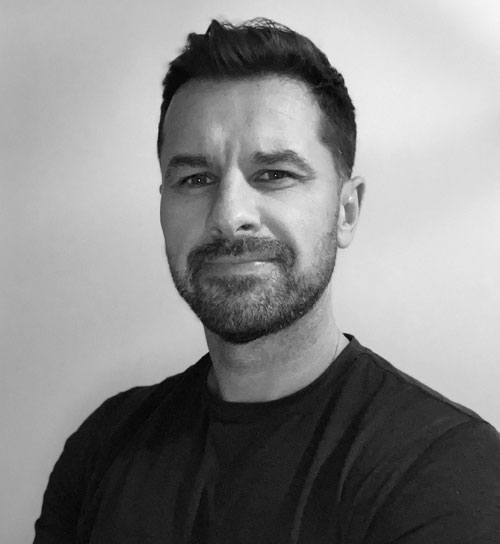
Dr Mike Loosemore,

Founder,

Active Movement
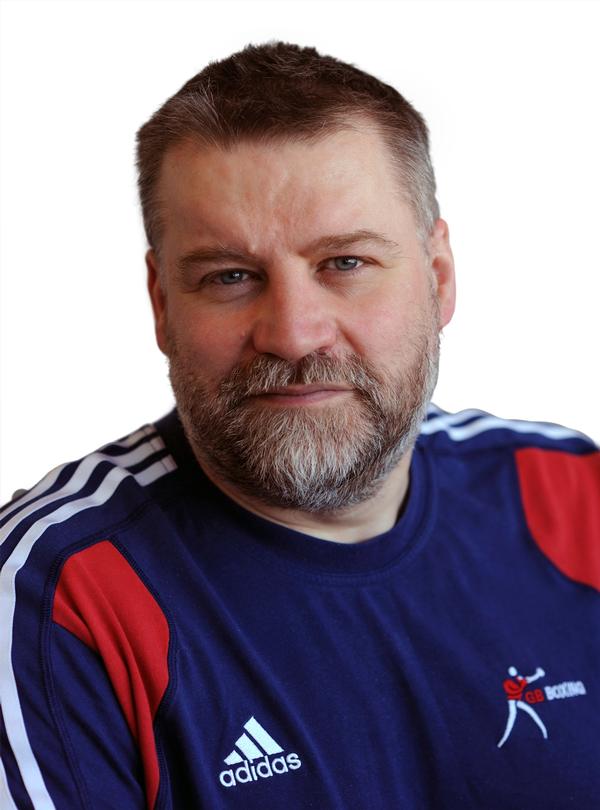
Dr Mike Loosemore
Dr Mike Loosemore

“The people who find the government’s physical activity guidelines intimidating view gyms in the same way: it’s just too far away from their reality to seem possible.

The health club industry has to understand that not everyone wants or is able to go to the gym to be physically active; operators need to find new ways to reach out to them. Fitness instructors should be trained in motivational interviewing and be able to advise people on how they could get more active. That may well not be at the gym at first.

Only 7 per cent of men and 3 per cent of women are fulfilling the public health guidelines. Thirty per cent are doing less than half, and half of those don’t do anything at all. Health club operators could help by spreading the word that it’s not just heavy or moderate activity that can improve health, but doing any type of activity. I ask people to start by just walking up one step when they’re on an escalator. Taking this achievable approach has led to some outstanding results.

People need to have a reason to change their behaviour. About 20 per cent will manage to change if they want to, and this goes up to 60 per cent if they have support. A monetary stake can work and is becoming a popular tool in the US.”

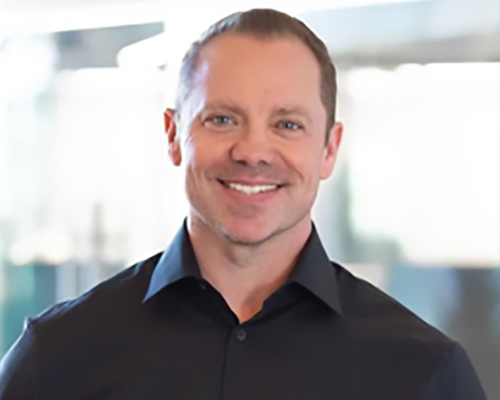
Dr Justin Varney,

Consultant Public Health Medicine, Health and Wellbeing,

PHE

Dr Justin Varney
Dr Justin Varney

“Public Health England is publishing a new national framework to move things forward on an industrial scale. The aim is to get everyone active, but we’re especially focusing on the 29 per cent who do less than 30 minutes’ activity a week. There’s a massive role here for the sport and leisure industry to drill down to those audiences they don’t reach, find out the barriers and design programmes that will appeal. For example, we’ve seen great results from women-only swimming sessions in areas with large Muslim communities.

To achieve our aim, we need the health and fitness industry to collaborate and share good practice regarding what works. There is so much replication at the moment, with lots of people reinventing the wheel. I want everyone to rebrand the same wheel.

There’s only so much you can do for market generation from a fixed standpoint, so operators are going to need to take activity to people through outreach work. A great example of this is Birmingham Leisure’s Gym Without Walls programme, which offers activities in parks. To change behaviour, we need to make it easier for people to become active: if they don’t come to clubs, we need to take activities closer to them.”

Dave Stalker,

CEO,

ukactive
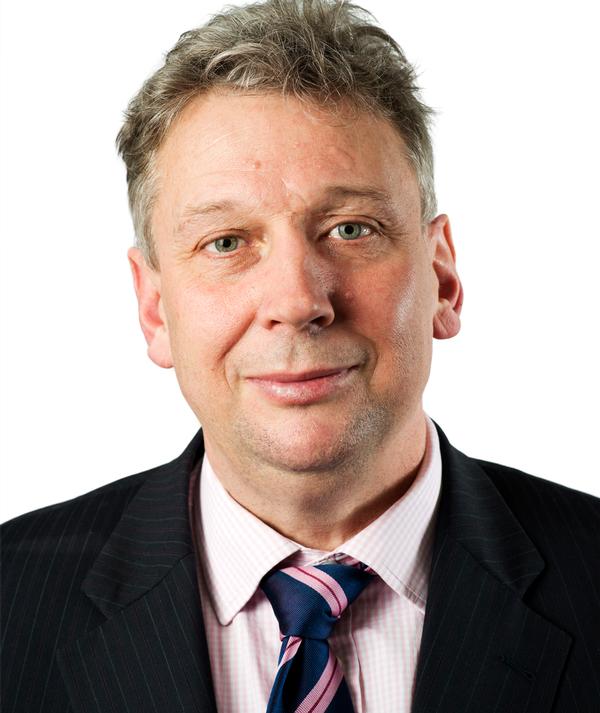
Dave Stalker
Dave Stalker

“The big message has to be about working together for the greater good: operators should not be afraid to speak out about the best practice they have achieved and to introduce other operators to their ideas. We must work together.

Operators should develop and deliver tailored programmes that target inactive individuals who are need of behavioural change. What our Turning the Tide of Inactivity report established was that there’s a massive population who are not in need of a clinical intervention, but who desire a programme that acknowledges both their willingness and also their barriers to change, and provides counselling support to change. In a pilot study conducted by ukactive, a simple 12-week programme of such counselling generated significant improvements in health outcomes for sedentary individuals.

There are several key rules to follow and adopt regarding behaviour change. Firstly, take a patient-centred approach when it comes to identifying the benefits of physical activity and guide them through key behaviour change stages. Establish a goal with them while also identifying local opportunities to be active. Reward progress against goals and constantly communicate the programme to them to get their feedback.”

Rob Barker,

President,

Precor
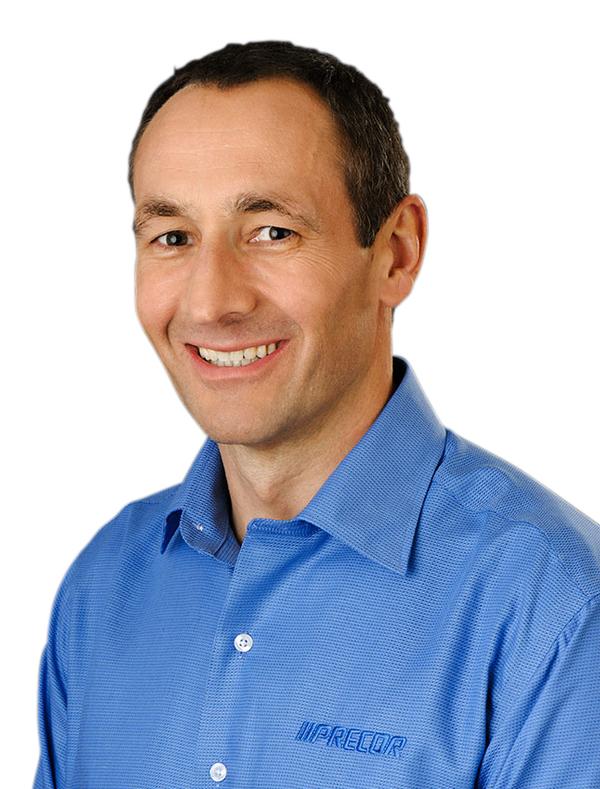
Rob Barker
Rob Barker

“To change behaviour, the industry first needs to team up: it’s a fragmented sector and we have to share information among suppliers and operators.

Clubs need to encourage access and trial usage, and from that springboard help people make attending the club a base habit. Once they get someone through the doors, they need to deliver the sort of experience that makes people want to keep coming back. In order to do this, operators have to increase the personalisation of the experience; we can’t use a catch-all approach as there are almost as many different motivators to join health clubs as there are individuals. Clubs need to secure a deeper understanding of members, finding out early on what they want to achieve. These findings should then be acted on in a personalised way, both inside and outside of the club, including the intelligent use of technology.

Clubs should also be encouraging people to bring more incidental activity back into their lives – such as a lunchtime walk – using smartphones to keep track of members’ movements. There need to be micro rewards every time members do an activity, so they get daily appreciation for their efforts.

Finally, members need to be in charge when their exercise plan is being put together: let them choose their activity.”
Sign up here to get HCM's weekly ezine and every issue of HCM magazine free on digital.
Kienstra’s operation entered the UK market with the acquisition of ECW
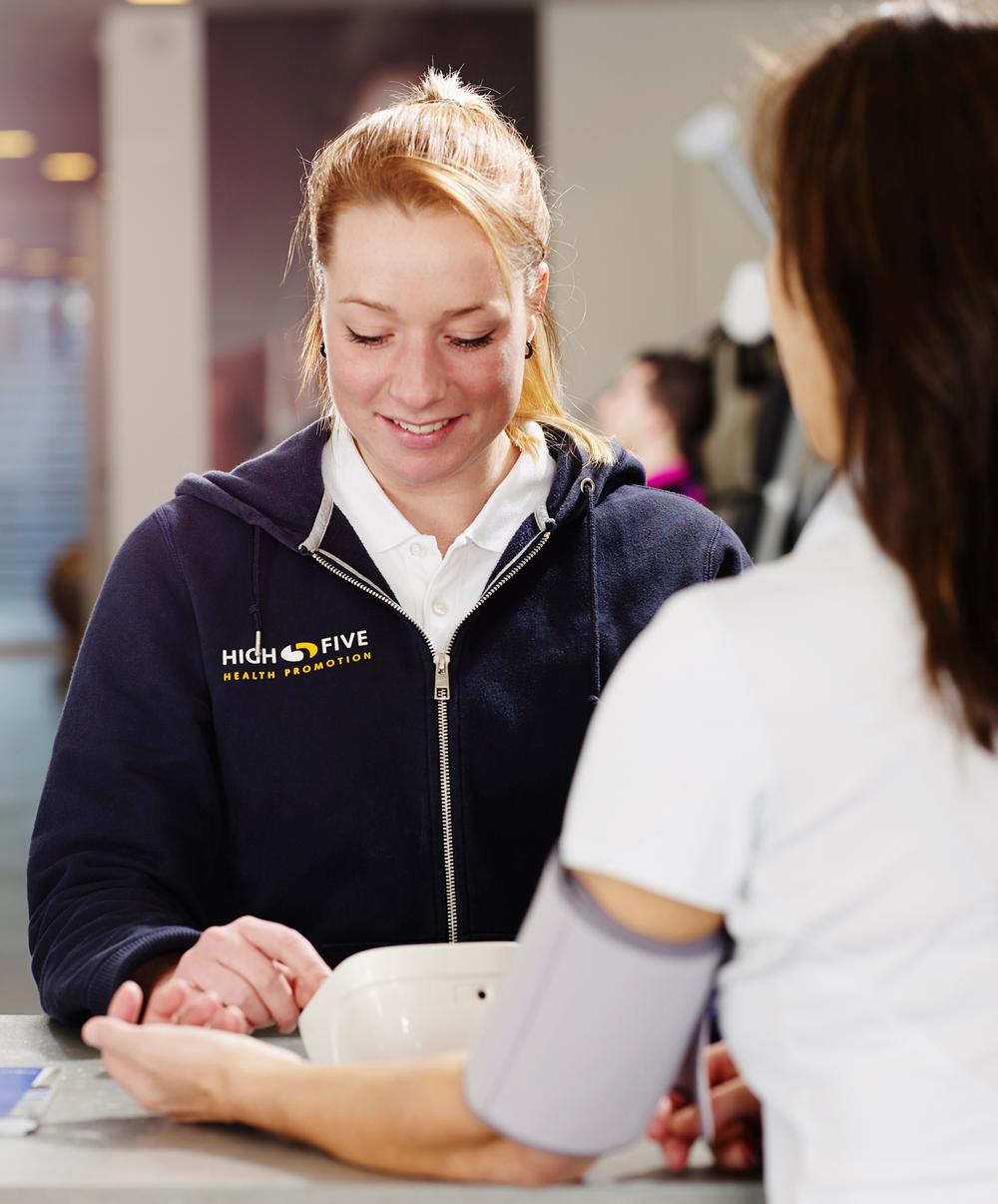
At least 30 per cent of employees tend to join High Five’s in-house gyms
Kienstra is aiming for 50–100 UK sites in five to 10 years
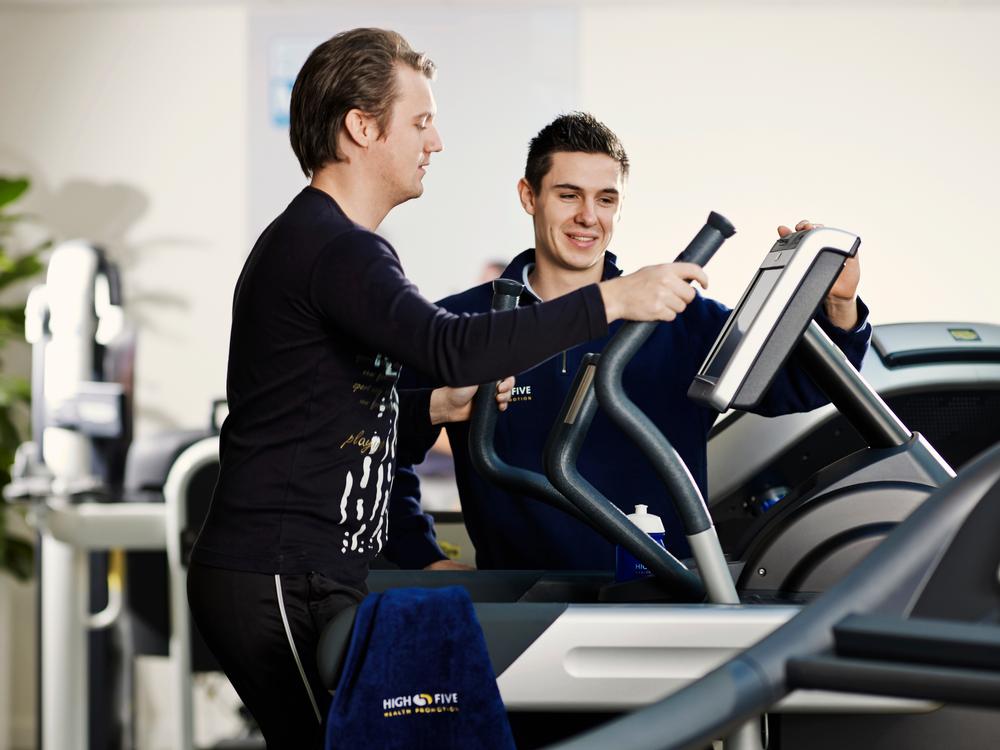
High Five offers a wide range of lifestyle programming
https://www.leisureopportunities.co.uk/images/HCM2014_9talk.jpg
How can we change the nation’s psyche and get people moving? We ask our panel of experts
Kath Hudson, Journalist, Health Club Management DR MIKE LOOSEMORE, Founder, Active Movement DR JUSTIN VARNEY, Consultant public health medicine, health and wellbeing, PHE DAVE STALKER, CEO, ukactive ROB BARKER, President, Precor,Behaviour change, activity, Active Movement, public, eating habits
HCM magazine
Collaborations with the medical profession and greater aspirations around wellbeing are creating a need for more experts in our sector. It’s time to reboot our thinking around the workforce
HCM magazine
Strength training is evolving, driven by changing consumer preferences. Julie Cramer talks to innovators about how their products are meeting this demand
HCM magazine
For every member with a tripod and a big following, there are others irritated at the way equipment is being hogged or wary they’ll be in the background on someone’s Insta feed. Do influencers offer valuable, free marketing or are they just a nuisance? Kath Hudson finds out how operators are responding
HCM magazine
I experienced a blissful feeling of joy I hadn’t felt since I was a kid
HCM magazine
As the entrepreneur who started Wexer, Fresh Fitness, Fitness DK and Repeat, as well as being a former elite athlete, Rasmus Ingerslev’s life looked perfect from the outside, but onthe inside it was a different story. He talks to Kath Hudson about healing old wounds
HCM promotional features
Sponsored
SnowDome Fitness has added 50 per cent more space with cutting-edge Technogym solutions
HCM promotional features
Sponsored
Find out how your gym can tap into the corporate wellness boom
HCM promotional features
Sponsored
Greg Bradley looks at the shift towards strength training in gyms and advises on how operators can create the ultimate training environment
HCM promotional features
Sponsored
David Lloyd is stepping up its commitment to women’s health as it continues to explore what fit-for-purpose looks like for the female population
HCM promotional features
Sponsored
Third Space partnered with IndigoFitness to deliver a bespoke training space for its new club at The Whiteley
HCM promotional features
Sponsored
Starpool supports Olympic champion Marcell Jacobs, says Riccardo Turri
HCM promotional features
Sponsored
EGYM has opened a new HQ in Paternoster Square, London and revealed a range of new launches
HCM promotional features
Sponsored
Pulse Fitness has created a new health club delivering an elevated wellness experience
HCM promotional features
Sponsored
The industry is embracing consumer-facing tech. Now it’s time to streamline back-of-house systems with Orbit4, says Daniel Jones
HCM promotional features
Latest News
In a milestone moment, mental health has become a core part of CIMSPA’s occupational professional ...
Latest News
US high-value, low-price chain, Eos Fitness, has announced plans to pilot reformer Pilates in three ...
Latest News
Preventive healthcare company Neko Health has added body composition analysis to its full-body health scan ...
Latest News
Chequan Lewis is the new CEO of Crunch Fitness, taking over from Jim Rowley, who ...
Latest News
Sea Lanes Canary Wharf has officially opened. The 50-metre, six-lane pool, which uses the natural ...
Latest News
London-based high-performance fitness club, ONE LDN, is raising funds for a multi-site expansion across London, ...
Latest News
A new brain clinic has opened in London, which uses non-invasive brain stimulation to treat ...
Latest News
Good Boost’s digital exercise programmes are helping adults with MSK at a lower cost than ...
Opinion
promotion
Strength training has moved from the margins to the mainstream.
Opinion: Building smarter strength spaces for today’s operators
Featured supplier news
Featured supplier news: CoverMe extends matching service to personal training, rewriting how members and personal trainers connect
CoverMe, the global leader in fitness workforce management, today launches CoverMe PT, an on-demand personal training platform that connects the right personal trainer to the right client in under 10 seconds.
Featured supplier news
Featured supplier news: Reaching the people most gyms miss: Bedford Gym & Swim Campaign delivers 410 new members
One of the biggest mistakes the fitness industry still makes is advertising almost exclusively to people who already look and live like gym members.
Company profiles
Company profile: Technogym UK Ltd
Technogym provides a complete Ecosystem made of connected smart fitness equipment, digital services and training ...
Company profiles
Company profile: Total Vibration Solutions Ltd (TVS Group)
TVS Group includes TVS Sports Surfaces, TVS Gym Flooring, TVS Play Surfaces and TVS Acoustics. ...
Supplier Showcases
Supplier Showcase - From nightclub to health club
Supplier Showcases
Supplier Showcase - Future-proofing
Catalogue Gallery
Click on a catalogue to view it online
Featured press releases
CoverMe press release: CoverMe and Jobs In. Fitness partner to create end-to-end talent solution
CoverMe, the UK’s leading fitness workforce management and recruitment platform, now gives operators access to talent for every level of their business, thanks to a new strategic partnership with Jobs In. Fitness.
Featured press releases
BLK BOX press release: Inside the build: Salt 
To bring their concept to life, Salt partnered with BLK BOX to design and equip a facility that would deliver a premium training experience while supporting the needs of a diverse and growing community.
Directory
Water experiences and hydrotherapy solutions
Aquaform s.r.l.: Water experiences and hydrotherapy solutions
Fitness tracking platform
SpiviTech: Fitness tracking platform
Lockers
Crown Sports Lockers: Lockers
Hot tubs
MSpa International Ltd: Hot tubs
Industrial washing machines
Miele Company Limited: Industrial washing machines
Spa and beauty equipment
Oakworks Inc: Spa and beauty equipment
Property & Tenders
Stratford, East London.
Lee Valley Regional Park Authority
Property & Tenders
Y Felinheli, LL56 4QN
Newmark
Property & Tenders
Diary dates
21-24 Sep 2026
The Langham Huntington Pasadena , Pasadena, United States
Diary dates
06-08 Oct 2026
Messe Stuttgart, Stuttgart, Germany
Diary dates
22-22 Oct 2026
QEII Conference Centre, London,
Diary dates
26-29 Oct 2027
Koelnmesse Exhibition Centre, Cologne, Germany
Diary dates

features

Everyone’s talking about...: Behaviour change

Minimum activity guidelines are offputting to many; some even use them as an excuse: ‘I can’t achieve that, I might as well do nothing’. So how can we change the national psyche and get people moving?

By Kath Hudson | Published in Health Club Management 2014 issue 9

According to Dr Mike Loosemore – head of exercise medicine at UCL’s Institute of Sport Exercise and Health, and founder of Active Movement – most people are so far away from the government’s activity guidelines that they give up before they even start.

However, with physical inactivity now the fourth biggest killer, we can’t afford to let people give up on themselves. So what can the fitness sector do to help change the behaviour of the public at large?

Loosemore thinks the bar should be set very low: simply encouraging people to stand up, instead of sitting down, as a good starting point. He says one of the main problems we’re facing is that physical activity has been engineered out of our lives: the Housewife Survey in the US found that women with children under the age of five are doing 14 hours less exercise a week than 50 years ago, with the same calorie consumption.

So should part of operators’ offering involve tutoring people about how to bring activity back into their everyday lives? For example, clubs could encourage – and indeed help plan – a public transport commute: research from Transport for London has shown that people are more likely to hit 150 minutes’ activity a week if they use the underground. For those who have to drive a car, maybe they could be encouraged to park slightly further from their destination and run or walk the last bit? Apparently Cameron Diaz always runs from place to place on-set to boost her activity levels, so what exercises could we give people to do at their desks, or while waiting for the kettle to boil?

Do we need to create a new form of membership for people who are not yet ready for the health club experience, coaching them to change their eating habits and start to get active in a less intimidating environment? This might not create new members instantly, but it can still drive revenue and may provide future members.

Going forward, changing behaviour is definitely going to become increasingly important, so how should operators go about it? We ask the experts....

Dr Mike Loosemore,

Founder,

Active Movement

Dr Mike Loosemore
Dr Mike Loosemore

“The people who find the government’s physical activity guidelines intimidating view gyms in the same way: it’s just too far away from their reality to seem possible.

The health club industry has to understand that not everyone wants or is able to go to the gym to be physically active; operators need to find new ways to reach out to them. Fitness instructors should be trained in motivational interviewing and be able to advise people on how they could get more active. That may well not be at the gym at first.

Only 7 per cent of men and 3 per cent of women are fulfilling the public health guidelines. Thirty per cent are doing less than half, and half of those don’t do anything at all. Health club operators could help by spreading the word that it’s not just heavy or moderate activity that can improve health, but doing any type of activity. I ask people to start by just walking up one step when they’re on an escalator. Taking this achievable approach has led to some outstanding results.

People need to have a reason to change their behaviour. About 20 per cent will manage to change if they want to, and this goes up to 60 per cent if they have support. A monetary stake can work and is becoming a popular tool in the US.”

Dr Justin Varney,

Consultant Public Health Medicine, Health and Wellbeing,

PHE

Dr Justin Varney
Dr Justin Varney

“Public Health England is publishing a new national framework to move things forward on an industrial scale. The aim is to get everyone active, but we’re especially focusing on the 29 per cent who do less than 30 minutes’ activity a week. There’s a massive role here for the sport and leisure industry to drill down to those audiences they don’t reach, find out the barriers and design programmes that will appeal. For example, we’ve seen great results from women-only swimming sessions in areas with large Muslim communities.

To achieve our aim, we need the health and fitness industry to collaborate and share good practice regarding what works. There is so much replication at the moment, with lots of people reinventing the wheel. I want everyone to rebrand the same wheel.

There’s only so much you can do for market generation from a fixed standpoint, so operators are going to need to take activity to people through outreach work. A great example of this is Birmingham Leisure’s Gym Without Walls programme, which offers activities in parks. To change behaviour, we need to make it easier for people to become active: if they don’t come to clubs, we need to take activities closer to them.”

Dave Stalker,

CEO,

ukactive

Dave Stalker
Dave Stalker

“The big message has to be about working together for the greater good: operators should not be afraid to speak out about the best practice they have achieved and to introduce other operators to their ideas. We must work together.

Operators should develop and deliver tailored programmes that target inactive individuals who are need of behavioural change. What our Turning the Tide of Inactivity report established was that there’s a massive population who are not in need of a clinical intervention, but who desire a programme that acknowledges both their willingness and also their barriers to change, and provides counselling support to change. In a pilot study conducted by ukactive, a simple 12-week programme of such counselling generated significant improvements in health outcomes for sedentary individuals.

There are several key rules to follow and adopt regarding behaviour change. Firstly, take a patient-centred approach when it comes to identifying the benefits of physical activity and guide them through key behaviour change stages. Establish a goal with them while also identifying local opportunities to be active. Reward progress against goals and constantly communicate the programme to them to get their feedback.”

Rob Barker,

President,

Precor

Rob Barker
Rob Barker

“To change behaviour, the industry first needs to team up: it’s a fragmented sector and we have to share information among suppliers and operators.

Clubs need to encourage access and trial usage, and from that springboard help people make attending the club a base habit. Once they get someone through the doors, they need to deliver the sort of experience that makes people want to keep coming back. In order to do this, operators have to increase the personalisation of the experience; we can’t use a catch-all approach as there are almost as many different motivators to join health clubs as there are individuals. Clubs need to secure a deeper understanding of members, finding out early on what they want to achieve. These findings should then be acted on in a personalised way, both inside and outside of the club, including the intelligent use of technology.

Clubs should also be encouraging people to bring more incidental activity back into their lives – such as a lunchtime walk – using smartphones to keep track of members’ movements. There need to be micro rewards every time members do an activity, so they get daily appreciation for their efforts.

Finally, members need to be in charge when their exercise plan is being put together: let them choose their activity.”
Sign up here to get HCM's weekly ezine and every issue of HCM magazine free on digital.
Kienstra’s operation entered the UK market with the acquisition of ECW
At least 30 per cent of employees tend to join High Five’s in-house gyms
Kienstra is aiming for 50–100 UK sites in five to 10 years
High Five offers a wide range of lifestyle programming
https://www.leisureopportunities.co.uk/images/HCM2014_9talk.jpg
How can we change the nation’s psyche and get people moving? We ask our panel of experts
Kath Hudson, Journalist, Health Club Management DR MIKE LOOSEMORE, Founder, Active Movement DR JUSTIN VARNEY, Consultant public health medicine, health and wellbeing, PHE DAVE STALKER, CEO, ukactive ROB BARKER, President, Precor,Behaviour change, activity, Active Movement, public, eating habits
Latest News
In a milestone moment, mental health has become a core part of CIMSPA’s occupational professional ...
Latest News
US high-value, low-price chain, Eos Fitness, has announced plans to pilot reformer Pilates in three ...
Latest News
Preventive healthcare company Neko Health has added body composition analysis to its full-body health scan ...
Latest News
Chequan Lewis is the new CEO of Crunch Fitness, taking over from Jim Rowley, who ...
Latest News
Sea Lanes Canary Wharf has officially opened. The 50-metre, six-lane pool, which uses the natural ...
Latest News
London-based high-performance fitness club, ONE LDN, is raising funds for a multi-site expansion across London, ...
Latest News
A new brain clinic has opened in London, which uses non-invasive brain stimulation to treat ...
Latest News
Good Boost’s digital exercise programmes are helping adults with MSK at a lower cost than ...
Latest News
With Prime Minister, Keir Starmer, announcing his resignation this morning and Andy Burnham as a ...
Latest News
Koru Health Club launched recently within Luxembourg’s multi-experience destination, GRID X, which combines culture, retail ...
Latest News
Celebrating its 10th anniversary, Elevate has had its busiest show to date, with almost 200 ...
Opinion
promotion
Strength training has moved from the margins to the mainstream.
Opinion: Building smarter strength spaces for today’s operators
Featured supplier news
Featured supplier news: CoverMe extends matching service to personal training, rewriting how members and personal trainers connect
CoverMe, the global leader in fitness workforce management, today launches CoverMe PT, an on-demand personal training platform that connects the right personal trainer to the right client in under 10 seconds.
Featured supplier news
Featured supplier news: Reaching the people most gyms miss: Bedford Gym & Swim Campaign delivers 410 new members
One of the biggest mistakes the fitness industry still makes is advertising almost exclusively to people who already look and live like gym members.
Company profiles
Company profile: Technogym UK Ltd
Technogym provides a complete Ecosystem made of connected smart fitness equipment, digital services and training ...
Company profiles
Company profile: Total Vibration Solutions Ltd (TVS Group)
TVS Group includes TVS Sports Surfaces, TVS Gym Flooring, TVS Play Surfaces and TVS Acoustics. ...
Supplier Showcases
Supplier Showcase - From nightclub to health club
Supplier Showcases
Supplier Showcase - Future-proofing
Catalogue Gallery
Click on a catalogue to view it online
Featured press releases
CoverMe press release: CoverMe and Jobs In. Fitness partner to create end-to-end talent solution
CoverMe, the UK’s leading fitness workforce management and recruitment platform, now gives operators access to talent for every level of their business, thanks to a new strategic partnership with Jobs In. Fitness.
Featured press releases
BLK BOX press release: Inside the build: Salt 
To bring their concept to life, Salt partnered with BLK BOX to design and equip a facility that would deliver a premium training experience while supporting the needs of a diverse and growing community.
Directory
Water experiences and hydrotherapy solutions
Aquaform s.r.l.: Water experiences and hydrotherapy solutions
Fitness tracking platform
SpiviTech: Fitness tracking platform
Lockers
Crown Sports Lockers: Lockers
Hot tubs
MSpa International Ltd: Hot tubs
Industrial washing machines
Miele Company Limited: Industrial washing machines
Spa and beauty equipment
Oakworks Inc: Spa and beauty equipment
Property & Tenders
Stratford, East London.
Lee Valley Regional Park Authority
Property & Tenders
Y Felinheli, LL56 4QN
Newmark
Property & Tenders
Diary dates
21-24 Sep 2026
The Langham Huntington Pasadena , Pasadena, United States
Diary dates
06-08 Oct 2026
Messe Stuttgart, Stuttgart, Germany
Diary dates
22-22 Oct 2026
QEII Conference Centre, London,
Diary dates
26-29 Oct 2027
Koelnmesse Exhibition Centre, Cologne, Germany
Diary dates
Search news, features & products:
Find a supplier:
Partner sites