















Follow Health Club Management on Twitter Like Health Club Management on Facebook Join the discussion with Health Club Management on LinkedIn
FITNESS, HEALTH, WELLNESS

features

DNA testing: Making it personal

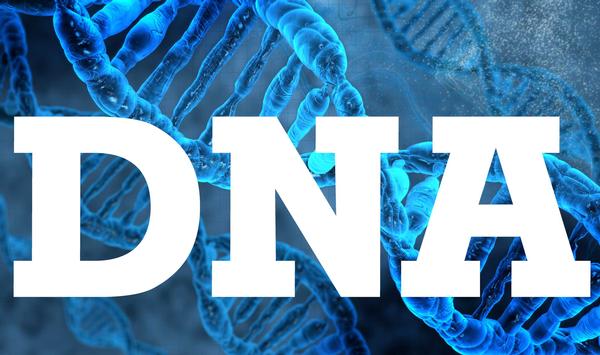
More commonly associated with crime scenes and paternity tests, DNA testing is going mainstream – and it’s time for health clubs to get on board. Kath Hudson reports
By Kath Hudson | Published in Health Club Management 2016 issue 1
MAKING IT PERSONAL / PHOTOS: SHUTTERSTOCK.COM

ach time you have a new member, rather than embarking on a training programme you think will progress them towards their goals, wouldn’t it be great to immediately give them a training programme and diet plan that’s tailored to their genetic make-up – a way of helping them get better, and quicker, results?

Wouldn’t it also be great to know the member is more engaged and motivated to change their behaviour, because they know their programme is perfectly tailored to them and not the result of informed guesswork?

With DNA tests tailored to health and fitness now costing as little as £99, this knowledge is now available to everyone.

Better, faster results
DNA testing might conjure up images of laboratories and blood samples, but it’s very simple to do: a quick mouth swab can simply be popped in the post.

Fitness profiles commonly tested for are power, endurance, risk of injury and recovery time. Meanwhile, from a nutrition point of view, DNA profiling can reveal how people react to carbs or saturated fats, and which type of diet suits them best. It can also uncover any intolerances, as well as vitamin deficiencies, that might be causing issues – a suppressed immune system or fatigue, for example.

So how effective are DNA-based programmes? Anecdotal evidence says that, if people follow their training programmes, results are both better and quicker. A two-year study of 191 obese people – conducted by the University of Trieste in Italy – also showed encouraging results. Those on DNA-based diets lost 33 per cent more weight than those who were simply counting calories. They also gained more muscle mass and their BMI went down by an average of 1.8 points, compared with 1.3 for the other group.

But is there a down side to all this science? Do consumers want it? Do the resulting programmes guarantee success? What are the barriers to introducing the tests, and what infrastructure needs to be put in place to make them work well? Will you get left behind if you don’t offer this service?

Chris Collins,

Product developer,

My Inner Go

Chris Collins
Chris Collins

At the moment, gym instructors are only taking individuals’ stated goals and environment into account when designing training and nutrition plans. DNA testing allows for genuine personalisation based on genetics.

 We test for 187 genetic variants, within 30–40 genes, to inform decisions about which sports and nutrition people are most suited to, as well as identifying any vitamin deficiencies.

 It’s not about being told you can’t do a sport, but rather how to make the best of your attributes: whether you’re more suited to power or endurance activities. For example, if we test a footballer and find out they’re not suited to endurance activity, they know they need to focus more on the skill and power movements. It’s a way of knowing yourself better and then using that information.

 DNA testing allows clubs to take training to a more scientific level. It could be offered as part of the membership or could be another revenue stream; it also offers an opportunity to upsell people into PT. In addition, by helping members get better results, it also aids retention.

In the next five years, operators will be forced to embrace this technology – so better to buy into it now and make a name for themselves.

"In the next five years, operators will be forced to embrace DNA technology. Better to buy into it now and make a name for themselves" – Chris Collins, My Inner Go

Kate Brooker,

National Operations Manager,

Lifestyle Fitness Personal Training, UK

Kate Brooker
Kate Brooker

We introduced DNA testing into our nationwide PT business last year, through Genefit DNA. We started with a number of our own PTs taking the tests and implementing the recommended protocols. They saw a big difference in their results, which made it easier for them to promote the benefits to clients. 

 It takes out the trial and error approach, allowing us to give clients a bespoke plan and advise on their individual needs. For example, I’d always done endurance sports, but my tests showed I was more suited to power sports. Reducing the amount of endurance work I did and adding in some power exercises like dead lifting gave me better results. Meanwhile one of our PTs – a competitive bodybuilder – found he could achieve greater results if he built in more recovery time during his training.

 We’re now increasing awareness and promotion of DNA testing. We’re having to do some re-education, as some people assume it’s really only for elite athletes, but the interest we’re getting is phenomenal.

 Retention has improved because clients are seeing results quicker – they’re staying positive and keeping on track. If a person sticks to their training programme, they can see results within one month.

The test costs £99 and the results come back within four weeks. Genefit DNA then offers a consultation, giving a full breakdown of what the results mean, and we then develop a tailor-made training and nutrition plan. It’s a great addition to the PT tool kit and is also an additional revenue stream. 

Avi Lasarow,

CEO,

DNAFit
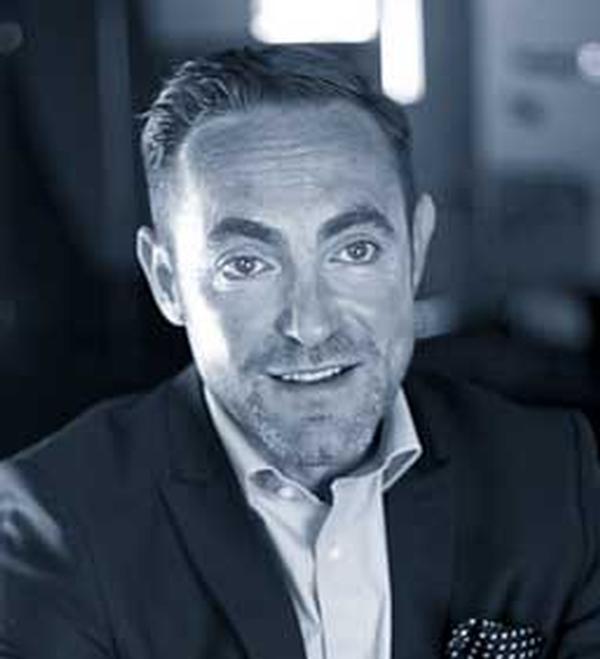
Avi Lasarow
Avi Lasarow

DNA tests give people extra information so they can make better informed lifestyle choices. For example, if a test indicates that someone has a high genetic risk of injury, they know they may need to take more time to warm up.

 Also, the ‘one size fits all’ approach to diets has long been a problem, leaving consumers at the mercy of frequently changing, often bad advice. DNA testing could prove to be an important factor in tackling the UK’s obesity problem.

We’ve been involved with an obesity intervention project in the east of England. In the Enable East pilot project, 56 people took DNA tests and were given tailored exercise plans. They were also assigned one of five diet plans, taking into account any dietary intolerances the tests uncovered. If the programme is successful, it will pave the way to roll out this technology across the health service. 

 People are getting used to the idea of big data, and soon it will be a no-brainer for all health clubs to be offering DNA testing. It’s a really exciting opportunity to disrupt the marketplace and make a difference. The tests can give people the information they need to solve issues that have been bothering them for years, and can be useful for behaviour change as people know the advice is truly personalised to their needs.

Raul Tornel
,

Transformation Director,

Grupo Marti, Mexico

Raul Tornel
Raul Tornel

As a premium operator, we’re always looking for products to offer a high-end service and for ways to help our members get the best results.

 When we started offering DNA tests across our 40 Sport City Fitness Clubs around two years ago, they were part of a premium membership package: they were included in the membership if people committed to the club for a year. Now we’re also selling them as an add-on.

 We test for three things: what type of exercise/training you’re best suited to; how you react to certain foods; and your body’s risk of injury and ability to recuperate. On average, members on DNA-based programmes see a 10–15 per cent greater improvement in strength, CV capacity and weight loss than those on standard programmes. Results also happen quicker. In addition, users have a clearer objective and a greater sense of urgency.

The challenge has been to train all of our staff so they’re able to deliver the techniques, as well as training the sales staff to sell the service. Trainers need to be able to deliver the tests and the programmes, and follow up.

It’s not a magic pill: there still has to be commitment from the members and our team have to encourage them to follow through, as well as follow up on their training. But I believe that, as testing techniques even get more advanced and more information becomes available, we’ll be able to get even better results.

"Those on DNA-based programmes see a 10–15 per cent greater improvement than those on standard programmes" – Raúl Tornel

Hazel Geary,

Business Development Director,

David Lloyd Leisure, UK

Hazel Geary
Hazel Geary

DNA testing gives us the opportunity to offer our members a more holistic approach to their health. It was introduced to our clubs in September 2015 – part of a multi-faceted project to create more personalised programmes, help members achieve their goals, save them time and avoid fads.

We’re now offering sophisticated body composition tests, weight loss sessions and online meal planners, so DNA testing is the final piece of the puzzle.

When they get the results, members have a one-hour consultation with a PT from which they take away an action plan, signposting them to our other products and services to support the change they desire. The test itself costs £159, but all of the support for the action plan is offered as part of their membership. Trainers check in with members every six weeks with a programme review.

It took 12 months to implement our new approach – to make sure we had the right mix of products and the right partners, ensure our staff understood the overall product mix and had bought into it, train the staff to deliver it, and embed the new approach into our teams.

I believe the health and fitness industry is moving further towards personalisation. Lots of health clubs are doing this on digital platforms only, but our model allows us to offer more face-to-face interaction to support members throughout their journey.

Sign up here to get HCM's weekly ezine and every issue of HCM magazine free on digital.
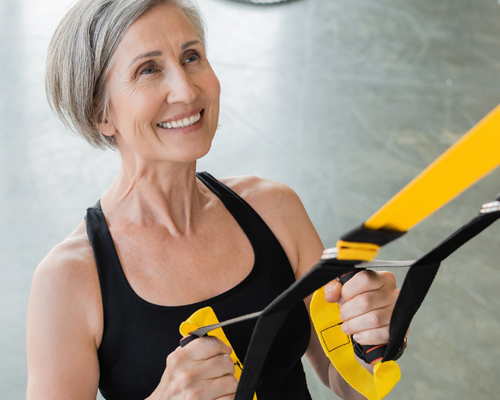
David Lloyd Leisure first introduced DNA testing in September 2015 / PHOTOS: SHUTTERSTOCK.COM
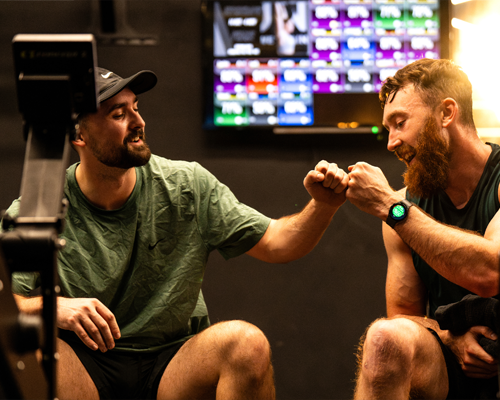
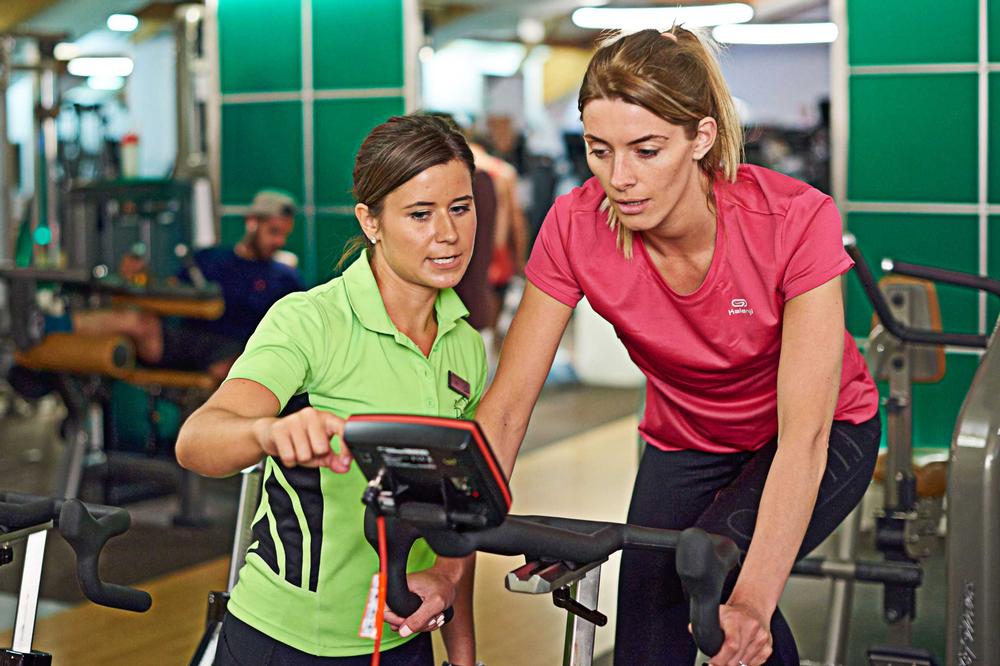
DNA testing can help improve retention, as clients may see quicker results / PHOTOS: SHUTTERSTOCK.COM
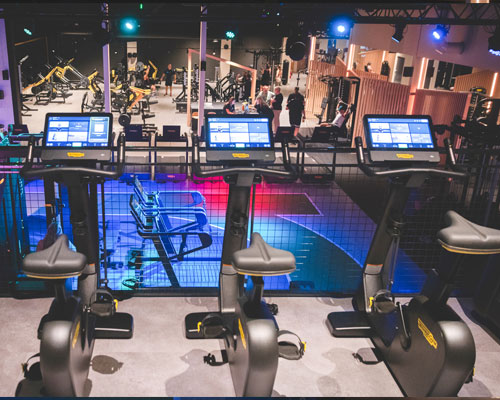
DNA testing could be the next real market disruptor in the fitness sector / PHOTOS: SHUTTERSTOCK.COM
https://www.leisureopportunities.co.uk/images/701511_684409.jpg
DNA-based technology is set to revolutionise personal fitness & wellbeing programmes
Kath Hudson, Journalist CHRIS COLLINS, Product developer, My Inner Go KATE BROOKER, National operations manager, Lifestyle Fitness Personal Training, UK AVI LASAROW, CEO, DNAFit RAUL TORNEL, Transformation director, Grupo Marti, Mexico HAZEL GEARY, Business development director, David Lloyd Leisure, UK,DNA, Kath Hudson, DNA test, Chris Collins, My Inner Go, Kate Brooker, Lifestyle Fitness, Genefit, DNAFit, Avi Lasarow, Raul Tornel, Grupo Marti, Sport City, Hazel Geary, David Lloyd
HCM magazine
Collaborations with the medical profession and greater aspirations around wellbeing are creating a need for more experts in our sector. It’s time to reboot our thinking around the workforce
HCM magazine
I experienced a blissful feeling of joy I hadn’t felt since I was a kid
HCM magazine
As the entrepreneur who started Wexer, Fresh Fitness, Fitness DK and Repeat, as well as being a former elite athlete, Rasmus Ingerslev’s life looked perfect from the outside, but onthe inside it was a different story. He talks to Kath Hudson about healing old wounds
HCM magazine
HCM People

Stephen Price

Founder, SP&Co Group
Working in public health over the last few years has lit up parts of my brain again
HCM magazine
Raphael Cuomo explores the powerful link between addiction, health and behaviour change
HCM promotional features
Sponsored
Greg Bradley looks at the shift towards strength training in gyms and advises on how operators can create the ultimate training environment
HCM promotional features
Sponsored
Third Space partnered with IndigoFitness to deliver a bespoke training space for its new club at The Whiteley
HCM promotional features
Sponsored
Starpool supports Olympic champion Marcell Jacobs, says Riccardo Turri
HCM promotional features
Sponsored
Find out how your gym can tap into the corporate wellness boom
HCM promotional features
Sponsored
SnowDome Fitness has added 50 per cent more space with cutting-edge Technogym solutions
HCM promotional features
Sponsored
David Lloyd is stepping up its commitment to women’s health as it continues to explore what fit-for-purpose looks like for the female population
HCM promotional features
Sponsored
EGYM has opened a new HQ in Paternoster Square, London and revealed a range of new launches
HCM promotional features
Sponsored
Pulse Fitness has created a new health club delivering an elevated wellness experience
HCM promotional features
Sponsored
Active IQ is calling for greater accountability in online fitness advice with the launch of a new trustmark
HCM promotional features
Latest News
People taking GLP-1 weight loss medications such as Ozempic, Wegovy, Mounjaro and Zepbound may be ...
Latest News
Low-cost gym operator, PureGym, is trialling recovery zones at two of its UK sites, democratising ...
Latest News
In a milestone moment, mental health has become a core part of CIMSPA’s occupational professional ...
Latest News
US high-value, low-price chain, Eos Fitness, has announced plans to pilot reformer Pilates in three ...
Latest News
Preventive healthcare company Neko Health has added body composition analysis to its full-body health scan ...
Latest News
Chequan Lewis is the new CEO of Crunch Fitness, taking over from Jim Rowley, who ...
Latest News
Sea Lanes Canary Wharf has officially opened. The 50-metre, six-lane pool, which uses the natural ...
Latest News
London-based high-performance fitness club, ONE LDN, is raising funds for a multi-site expansion across London, ...
Opinion
promotion
Strength training has moved from the margins to the mainstream.
Opinion: Building smarter strength spaces for today’s operators
Featured supplier news
Featured supplier news: Supporting long-term health: why whole body vibration belongs in clinical settings
As healthcare continues to shift towards prevention, there’s a growing focus on helping people stay active, independent and feeling good for longer.
Featured supplier news
Featured supplier news: Reaching the people most gyms miss: Bedford Gym & Swim Campaign delivers 410 new members
One of the biggest mistakes the fitness industry still makes is advertising almost exclusively to people who already look and live like gym members.
Company profiles
Company profile: Precor
Precor provides fitness and wellness equipment to all market segments, including commercial clubs/facilities, Hospitality, Residential, ...
Company profiles
Company profile: Safe Space Lockers
We provide a full turn-key solution for clients from design and consultation, through to bespoke ...
Supplier Showcases
Supplier Showcase - Future-proofing
Catalogue Gallery
Click on a catalogue to view it online
Featured press releases
Swim England press release: Swim England launches new Learn to Swim Growth Plan to support aquatic programme expansion
Swim England has strengthened its sector-leading Business Solutions offer with the launch of its Learn to Swim Growth Plan, designed to help aquatic providers unlock sustainable programme growth.
Featured press releases
CoverMe Ltd press release: CoverMe and Jobs In. Fitness partner to create end-to-end talent solution
CoverMe, the UK’s leading fitness workforce management and recruitment platform, has partnered with Jobs In. Fitness, the specialist executive search and advisory firm for the fitness and wellbeing sector, to give operators a single route to talent at every level – from frontline staffing to C-suite.
Directory
Fitness tracking platform
SpiviTech: Fitness tracking platform
Water experiences and hydrotherapy solutions
Aquaform s.r.l.: Water experiences and hydrotherapy solutions
Spa and beauty equipment
Living Earth Crafts: Spa and beauty equipment
Industrial washing machines
Miele Company Limited: Industrial washing machines
Hot tubs
MSpa International Ltd: Hot tubs
Lockers
Crown Sports Lockers: Lockers
Property & Tenders
Stratford, East London.
Lee Valley Regional Park Authority
Property & Tenders
Y Felinheli, LL56 4QN
Newmark
Property & Tenders
Diary dates
21-24 Sep 2026
The Langham Huntington Pasadena , Pasadena, United States
Diary dates
06-08 Oct 2026
Messe Stuttgart, Stuttgart, Germany
Diary dates
22-22 Oct 2026
QEII Conference Centre, London,
Diary dates
26-29 Oct 2027
Koelnmesse Exhibition Centre, Cologne, Germany
Diary dates

features

DNA testing: Making it personal

More commonly associated with crime scenes and paternity tests, DNA testing is going mainstream – and it’s time for health clubs to get on board. Kath Hudson reports

By Kath Hudson | Published in Health Club Management 2016 issue 1
MAKING IT PERSONAL / PHOTOS: SHUTTERSTOCK.COM

ach time you have a new member, rather than embarking on a training programme you think will progress them towards their goals, wouldn’t it be great to immediately give them a training programme and diet plan that’s tailored to their genetic make-up – a way of helping them get better, and quicker, results?

Wouldn’t it also be great to know the member is more engaged and motivated to change their behaviour, because they know their programme is perfectly tailored to them and not the result of informed guesswork?

With DNA tests tailored to health and fitness now costing as little as £99, this knowledge is now available to everyone.

Better, faster results
DNA testing might conjure up images of laboratories and blood samples, but it’s very simple to do: a quick mouth swab can simply be popped in the post.

Fitness profiles commonly tested for are power, endurance, risk of injury and recovery time. Meanwhile, from a nutrition point of view, DNA profiling can reveal how people react to carbs or saturated fats, and which type of diet suits them best. It can also uncover any intolerances, as well as vitamin deficiencies, that might be causing issues – a suppressed immune system or fatigue, for example.

So how effective are DNA-based programmes? Anecdotal evidence says that, if people follow their training programmes, results are both better and quicker. A two-year study of 191 obese people – conducted by the University of Trieste in Italy – also showed encouraging results. Those on DNA-based diets lost 33 per cent more weight than those who were simply counting calories. They also gained more muscle mass and their BMI went down by an average of 1.8 points, compared with 1.3 for the other group.

But is there a down side to all this science? Do consumers want it? Do the resulting programmes guarantee success? What are the barriers to introducing the tests, and what infrastructure needs to be put in place to make them work well? Will you get left behind if you don’t offer this service?

Chris Collins,

Product developer,

My Inner Go

Chris Collins
Chris Collins

At the moment, gym instructors are only taking individuals’ stated goals and environment into account when designing training and nutrition plans. DNA testing allows for genuine personalisation based on genetics.

 We test for 187 genetic variants, within 30–40 genes, to inform decisions about which sports and nutrition people are most suited to, as well as identifying any vitamin deficiencies.

 It’s not about being told you can’t do a sport, but rather how to make the best of your attributes: whether you’re more suited to power or endurance activities. For example, if we test a footballer and find out they’re not suited to endurance activity, they know they need to focus more on the skill and power movements. It’s a way of knowing yourself better and then using that information.

 DNA testing allows clubs to take training to a more scientific level. It could be offered as part of the membership or could be another revenue stream; it also offers an opportunity to upsell people into PT. In addition, by helping members get better results, it also aids retention.

In the next five years, operators will be forced to embrace this technology – so better to buy into it now and make a name for themselves.

"In the next five years, operators will be forced to embrace DNA technology. Better to buy into it now and make a name for themselves" – Chris Collins, My Inner Go

Kate Brooker,

National Operations Manager,

Lifestyle Fitness Personal Training, UK

Kate Brooker
Kate Brooker

We introduced DNA testing into our nationwide PT business last year, through Genefit DNA. We started with a number of our own PTs taking the tests and implementing the recommended protocols. They saw a big difference in their results, which made it easier for them to promote the benefits to clients. 

 It takes out the trial and error approach, allowing us to give clients a bespoke plan and advise on their individual needs. For example, I’d always done endurance sports, but my tests showed I was more suited to power sports. Reducing the amount of endurance work I did and adding in some power exercises like dead lifting gave me better results. Meanwhile one of our PTs – a competitive bodybuilder – found he could achieve greater results if he built in more recovery time during his training.

 We’re now increasing awareness and promotion of DNA testing. We’re having to do some re-education, as some people assume it’s really only for elite athletes, but the interest we’re getting is phenomenal.

 Retention has improved because clients are seeing results quicker – they’re staying positive and keeping on track. If a person sticks to their training programme, they can see results within one month.

The test costs £99 and the results come back within four weeks. Genefit DNA then offers a consultation, giving a full breakdown of what the results mean, and we then develop a tailor-made training and nutrition plan. It’s a great addition to the PT tool kit and is also an additional revenue stream. 

Avi Lasarow,

CEO,

DNAFit

Avi Lasarow
Avi Lasarow

DNA tests give people extra information so they can make better informed lifestyle choices. For example, if a test indicates that someone has a high genetic risk of injury, they know they may need to take more time to warm up.

 Also, the ‘one size fits all’ approach to diets has long been a problem, leaving consumers at the mercy of frequently changing, often bad advice. DNA testing could prove to be an important factor in tackling the UK’s obesity problem.

We’ve been involved with an obesity intervention project in the east of England. In the Enable East pilot project, 56 people took DNA tests and were given tailored exercise plans. They were also assigned one of five diet plans, taking into account any dietary intolerances the tests uncovered. If the programme is successful, it will pave the way to roll out this technology across the health service. 

 People are getting used to the idea of big data, and soon it will be a no-brainer for all health clubs to be offering DNA testing. It’s a really exciting opportunity to disrupt the marketplace and make a difference. The tests can give people the information they need to solve issues that have been bothering them for years, and can be useful for behaviour change as people know the advice is truly personalised to their needs.

Raul Tornel
,

Transformation Director,

Grupo Marti, Mexico

Raul Tornel
Raul Tornel

As a premium operator, we’re always looking for products to offer a high-end service and for ways to help our members get the best results.

 When we started offering DNA tests across our 40 Sport City Fitness Clubs around two years ago, they were part of a premium membership package: they were included in the membership if people committed to the club for a year. Now we’re also selling them as an add-on.

 We test for three things: what type of exercise/training you’re best suited to; how you react to certain foods; and your body’s risk of injury and ability to recuperate. On average, members on DNA-based programmes see a 10–15 per cent greater improvement in strength, CV capacity and weight loss than those on standard programmes. Results also happen quicker. In addition, users have a clearer objective and a greater sense of urgency.

The challenge has been to train all of our staff so they’re able to deliver the techniques, as well as training the sales staff to sell the service. Trainers need to be able to deliver the tests and the programmes, and follow up.

It’s not a magic pill: there still has to be commitment from the members and our team have to encourage them to follow through, as well as follow up on their training. But I believe that, as testing techniques even get more advanced and more information becomes available, we’ll be able to get even better results.

"Those on DNA-based programmes see a 10–15 per cent greater improvement than those on standard programmes" – Raúl Tornel

Hazel Geary,

Business Development Director,

David Lloyd Leisure, UK

Hazel Geary
Hazel Geary

DNA testing gives us the opportunity to offer our members a more holistic approach to their health. It was introduced to our clubs in September 2015 – part of a multi-faceted project to create more personalised programmes, help members achieve their goals, save them time and avoid fads.

We’re now offering sophisticated body composition tests, weight loss sessions and online meal planners, so DNA testing is the final piece of the puzzle.

When they get the results, members have a one-hour consultation with a PT from which they take away an action plan, signposting them to our other products and services to support the change they desire. The test itself costs £159, but all of the support for the action plan is offered as part of their membership. Trainers check in with members every six weeks with a programme review.

It took 12 months to implement our new approach – to make sure we had the right mix of products and the right partners, ensure our staff understood the overall product mix and had bought into it, train the staff to deliver it, and embed the new approach into our teams.

I believe the health and fitness industry is moving further towards personalisation. Lots of health clubs are doing this on digital platforms only, but our model allows us to offer more face-to-face interaction to support members throughout their journey.

Sign up here to get HCM's weekly ezine and every issue of HCM magazine free on digital.

David Lloyd Leisure first introduced DNA testing in September 2015 / PHOTOS: SHUTTERSTOCK.COM
DNA testing can help improve retention, as clients may see quicker results / PHOTOS: SHUTTERSTOCK.COM
DNA testing could be the next real market disruptor in the fitness sector / PHOTOS: SHUTTERSTOCK.COM
https://www.leisureopportunities.co.uk/images/701511_684409.jpg
DNA-based technology is set to revolutionise personal fitness & wellbeing programmes
Kath Hudson, Journalist CHRIS COLLINS, Product developer, My Inner Go KATE BROOKER, National operations manager, Lifestyle Fitness Personal Training, UK AVI LASAROW, CEO, DNAFit RAUL TORNEL, Transformation director, Grupo Marti, Mexico HAZEL GEARY, Business development director, David Lloyd Leisure, UK,DNA, Kath Hudson, DNA test, Chris Collins, My Inner Go, Kate Brooker, Lifestyle Fitness, Genefit, DNAFit, Avi Lasarow, Raul Tornel, Grupo Marti, Sport City, Hazel Geary, David Lloyd
Latest News
People taking GLP-1 weight loss medications such as Ozempic, Wegovy, Mounjaro and Zepbound may be ...
Latest News
Low-cost gym operator, PureGym, is trialling recovery zones at two of its UK sites, democratising ...
Latest News
In a milestone moment, mental health has become a core part of CIMSPA’s occupational professional ...
Latest News
US high-value, low-price chain, Eos Fitness, has announced plans to pilot reformer Pilates in three ...
Latest News
Preventive healthcare company Neko Health has added body composition analysis to its full-body health scan ...
Latest News
Chequan Lewis is the new CEO of Crunch Fitness, taking over from Jim Rowley, who ...
Latest News
Sea Lanes Canary Wharf has officially opened. The 50-metre, six-lane pool, which uses the natural ...
Latest News
London-based high-performance fitness club, ONE LDN, is raising funds for a multi-site expansion across London, ...
Latest News
A new brain clinic has opened in London, which uses non-invasive brain stimulation to treat ...
Latest News
Good Boost’s digital exercise programmes are helping adults with MSK at a lower cost than ...
Latest News
With Prime Minister, Keir Starmer, announcing his resignation this morning and Andy Burnham as a ...
Opinion
promotion
Strength training has moved from the margins to the mainstream.
Opinion: Building smarter strength spaces for today’s operators
Featured supplier news
Featured supplier news: Supporting long-term health: why whole body vibration belongs in clinical settings
As healthcare continues to shift towards prevention, there’s a growing focus on helping people stay active, independent and feeling good for longer.
Featured supplier news
Featured supplier news: Reaching the people most gyms miss: Bedford Gym & Swim Campaign delivers 410 new members
One of the biggest mistakes the fitness industry still makes is advertising almost exclusively to people who already look and live like gym members.
Company profiles
Company profile: Precor
Precor provides fitness and wellness equipment to all market segments, including commercial clubs/facilities, Hospitality, Residential, ...
Company profiles
Company profile: Safe Space Lockers
We provide a full turn-key solution for clients from design and consultation, through to bespoke ...
Supplier Showcases
Supplier Showcase - Future-proofing
Catalogue Gallery
Click on a catalogue to view it online
Featured press releases
Swim England press release: Swim England launches new Learn to Swim Growth Plan to support aquatic programme expansion
Swim England has strengthened its sector-leading Business Solutions offer with the launch of its Learn to Swim Growth Plan, designed to help aquatic providers unlock sustainable programme growth.
Featured press releases
CoverMe Ltd press release: CoverMe and Jobs In. Fitness partner to create end-to-end talent solution
CoverMe, the UK’s leading fitness workforce management and recruitment platform, has partnered with Jobs In. Fitness, the specialist executive search and advisory firm for the fitness and wellbeing sector, to give operators a single route to talent at every level – from frontline staffing to C-suite.
Directory
Fitness tracking platform
SpiviTech: Fitness tracking platform
Water experiences and hydrotherapy solutions
Aquaform s.r.l.: Water experiences and hydrotherapy solutions
Spa and beauty equipment
Living Earth Crafts: Spa and beauty equipment
Industrial washing machines
Miele Company Limited: Industrial washing machines
Hot tubs
MSpa International Ltd: Hot tubs
Lockers
Crown Sports Lockers: Lockers
Property & Tenders
Stratford, East London.
Lee Valley Regional Park Authority
Property & Tenders
Y Felinheli, LL56 4QN
Newmark
Property & Tenders
Diary dates
21-24 Sep 2026
The Langham Huntington Pasadena , Pasadena, United States
Diary dates
06-08 Oct 2026
Messe Stuttgart, Stuttgart, Germany
Diary dates
22-22 Oct 2026
QEII Conference Centre, London,
Diary dates
26-29 Oct 2027
Koelnmesse Exhibition Centre, Cologne, Germany
Diary dates
Search news, features & products:
Find a supplier:
Partner sites