
















EGYM
EGYM
EGYM
Follow Health Club Management on Twitter Like Health Club Management on Facebook Join the discussion with Health Club Management on LinkedIn
FITNESS, HEALTH, WELLNESS

features

Analysis: Shaping up

Although the diversity of COVID-19 responses around the world makes comparisons a challenge, as gyms open up, it’s possible to identify patterns of member behaviour, as Paul Bedford explains
Published in Health Club Management 2021 issue 6
Visit frequencies remain the same for people still going to the gym in the city, but a decline in communters has impacted volume / awpixel.com/shutterstock
Operators should encourage staff to have conversations that inspire members to re-establish their goals

Reactions to the pandemic vary widely by nation, from Taiwan, with its previous experience of SARS and robust track and trace system, to Sweden, which has largely remained open throughout. This means it’s challenging to find a global benchmark for the performance of health clubs following reopening.

However, by tracking gym, health club and studio performance during the first 12 weeks following a reopening, we’ve been able to observe a surge in attendances from 58 per cent to 81 per cent during the first seven weeks of trading, as existing members return and new people join.

When tracking the data of our clients, we’re seeing a spike in visits in the first one to five days, with many members visiting 3-4 times per week, even if that was not their visit frequency pattern before the lockdown. After 10 days, visit patterns begin to revert to pre-pandemic levels. This is similar to data presented recently by Egym for the German market.

It’s not possible to provide a single member return percentage globally, because health clubs around the world are operating in widely differing conditions and under different restrictions, but by tracking visit frequency data for the operators in our data set, we find that most have seen an average of 70 per cent of customers recording at least one visit in the first 10 days after a reopening.

In contrast, a few public sector operators in the UK have seen this figure as low as 27 per cent – likely for a variety of reasons, such as facilities being used as vaccination centres, which could be off-putting for some users, providers being unable to re-open all services, and limitations on class numbers.

Where they’re allowed to operate group exercise classes, our clients are reporting they’re running at capacity, but that can be anything as low as 25 per cent of pre-pandemic numbers due to social distancing restrictions.

David Connell, director of sport at the University of Hertfordshire Sports Village, UK, gives an example, saying: “Where we’re allowed to operate group exercise classes we’re operating at capacity, but we’re finding this is around 40 per cent of our pre-pandemic numbers, due to necessary social distancing requirements.

Having found other ways to exercise, some users in the UK have also simply decided not to return until after the summer (September).

Our clients based in Australia, Hong Kong and the UK that have been open for at least six weeks have seen up to 79 per cent of customers recording a minimum of one visit, but that still leaves a group of 21 per cent of people who didn’t cancel during extended lockdowns, but who have yet to return.

These people aren’t sleepers – just customers who’ve failed to come back yet. They’re likely to be those at high risk, who believe they would be vulnerable if they returned, or who are caring for people who are.

Enticing them back will require tactical reassurances around safety measures being implemented, as some customers say they’re not likely to return until all restrictions have been lifted.

Workplace habits
The pandemic has not only affected how we work out, but also how we work. Health clubs in city centres or the business districts of major cities have noticed that workers who would usually train around their commute aren’t working out in the same volumes, because less of them are commuting. But although the volume of customers visiting is lower in cities, visit frequency remains where it was pre-pandemic for those still going to the gym before and after work.

Analysing data from our US and UK clients by age, we can see the 18-34 age group has returned quickly, but has yet to establish a consistency in workout schedules.

It’s not clear why this is, but with so many alternative activities; shopping, bars, restaurants, public gatherings and some travel also reopening, it’s likely to be due to there being an abundance of options available now after an extended period of restrictions. Some may also be struggling to get into group exercise classes, while others may have migrated to online and/or outside workouts.

This age group responds well to challenges, so consider starting a series of eight – 12-week events and encourage them to join in. Promote group exercise wherever possible, as well as trialling new types of exercise.

Shorter workouts
The 35-54 age group has also returned and appears consistent in terms of visits, making up the majority of those visiting 2-3 times per week.

Entry and exit data from low cost operators, where members have to sign in and out again as they leave, shows a pattern of shorter workouts in this age group. We have no data to suggest these shorter workouts are higher in intensity, it simply appears that customers are training more efficiently and have less desire to dwell (see our feature on snackable workouts on page 52).

This trend is likely to be replicated in high-end clubs that have been unable to reopen their restaurant and bar areas. Fewer members training at any one time could also be making it easier to work out more quickly and effectively.

Operators should recognise, congratulate and incentivise this group’s frequency behaviour and also encourage staff to have conversations that inspire them to re-establish their goals, as some of these may have changed. They should also set targets with them for the next three months.

Older customers
Customers over 55 years of age appear to be finding it more difficult to re-establish regular exercise patterns within their health club, and it’s not clear why this is.

This age group makes up the majority of those recording no visits in the first 10 days of reopening. It’s important to note that these are live members who – pre-pandemic – were visiting regularly and were not sleepers.

As I’ve said earlier, reasons for non-attendance can include not feeling safe to return, caring for others and waiting for all services to resume.

Reach out to these customers in an attempt to identify their barriers to returning and address these. There’s also value in creating news stories to share with the local press, as well as positive video testimonials from customers of a similar age about their experiences of returning to the gym, to encourage others to make the move.

Think about running a campaign where a member brings a former member in with them – ‘Be a friend – Bring a friend back’. This age group is more likely to turn up with someone they know.

Changing times
What has been seen is a greater diversity of visit times. With so many working from home, people are choosing to exercise during the day, avoiding traditional peak times and navigating reduced access to equipment due to COVID-19 restrictions.

We’ve also seen an increase in visit frequency at traditionally quiet times of the day. Pre-pandemic, visits were generally around 15 per cent during the morning and 20 per cent during the day, with everyone else turning up in the evening.

Post lockdown – of the 24-32 per cent who are visiting twice per week – usage is being spread evenly, with a third training regularly in the morning, a third during traditional off-peak times and a third after 5.00pm.

Some operators intend to keep it this way by permanently running a booking system for gym sessions, even once government restrictions end. It will be interesting to see how this benefits retention figures, as members have to commit to attending and are less likely to just ‘slack off’ on the day.

Stuart Martin, MD of Active Nation, (see our interview on page 74), said: “We’ve been reviewing the viability of maintaining a booking system for gym sessions for a while now. We reached out to our customers with a short survey. The sample that came back from 4,582 respondents was 68 per cent in favour of retaining the Gym & Swim booking. We’ll now look at timetabling both booking and free times after full reopening.”

The extended lockdowns mean new exercise behaviours and routines have been formed and health clubs can no longer consider they have sole ownership of the exercise experience; customers around the globe reported engaging in a wider variety of fitness offerings and operators must accept they have to share revenue with other offerings, or take steps to provide a wider offering themselves to satisfy consumer habits.

However, this idea has been growing for some time – at the 2016 Retention Convention, Arron Williams (special projects director for Life Fitness at the time), reported an emerging trend of customers having a base health club membership and supplementing this with visits to boutique clubs on an ad hoc or weekly basis.

As well as taking online fitness classes, anecdotal evidence suggests health club members are reporting a greater appreciation for exercising outside – weather and pollution permitting.

So, the pendulum has swung. Gyms have reopened, and while there will be some customers that never return, there will also be demand from people who have never been before.

Facilities need to up their game – people have seen beautiful boutique studios on Instagram and used apps from the likes of Apple and Peloton and their expectations have been raised, so operators must enhance the experience – not just what the club looks like, but the equipment, the music, the instructors and most importantly, the engagement.

Data sources: The data presented is sourced from Retention Guru Ltd clients in China, Hong Kong, Australia, the UK and USA which are predominantly trading using traditional health club models. It also includes UK public sector and educational establishments.

Sign up here to get HCM's weekly ezine and every issue of HCM magazine free on digital.
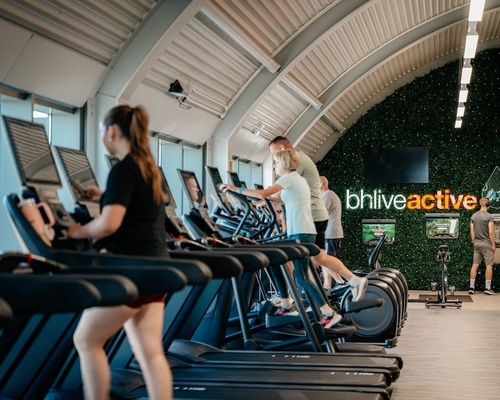
Fewer members training at any one time seems to be making it easier for people to work out more quickly and effectively / Igor Palamarchuk/shutterstock
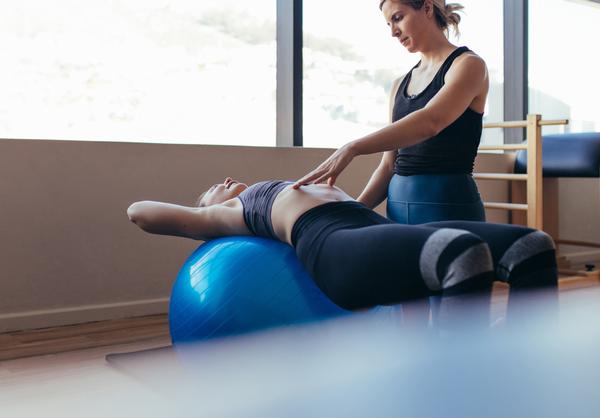
Consumers are more interested in exercising outside, says Bedford / Jacob Lund/shutterstock
https://www.leisureopportunities.co.uk/images/2021/838593_367027.jpg
Paul Bedford identifies patterns of member behaviour as gyms reopen
Paul Bedford,Retention, member behaviour, gym, fitness
HCM magazine
Small improvements to sleep, diet and physical activity have major benefits for the heart, according to new research from the University of Sydney
HCM magazine
As the entrepreneur who started Wexer, Fresh Fitness, Fitness DK and Repeat, as well as being a former elite athlete, Rasmus Ingerslev’s life looked perfect from the outside, but onthe inside it was a different story. He talks to Kath Hudson about healing old wounds
HCM magazine
Raphael Cuomo explores the powerful link between addiction, health and behaviour change
HCM magazine
I experienced a blissful feeling of joy I hadn’t felt since I was a kid
HCM magazine
For every member with a tripod and a big following, there are others irritated at the way equipment is being hogged or wary they’ll be in the background on someone’s Insta feed. Do influencers offer valuable, free marketing or are they just a nuisance? Kath Hudson finds out how operators are responding
HCM promotional features
Sponsored
Find out how your gym can tap into the corporate wellness boom
HCM promotional features
Sponsored
SnowDome Fitness has added 50 per cent more space with cutting-edge Technogym solutions
HCM promotional features
Sponsored
Starpool supports Olympic champion Marcell Jacobs, says Riccardo Turri
HCM promotional features
Sponsored
David Lloyd is stepping up its commitment to women’s health as it continues to explore what fit-for-purpose looks like for the female population
HCM promotional features
Sponsored
Greg Bradley looks at the shift towards strength training in gyms and advises on how operators can create the ultimate training environment
HCM promotional features
Sponsored
Third Space partnered with IndigoFitness to deliver a bespoke training space for its new club at The Whiteley
HCM promotional features
Sponsored
EGYM has opened a new HQ in Paternoster Square, London and revealed a range of new launches
HCM promotional features
Promotion
Performance Health Systems, manufacturer of Power Plate, has a new CEO, with an ambitious vision for the company
HCM promotional features
Sponsored
Active IQ is calling for greater accountability in online fitness advice with the launch of a new trustmark
HCM promotional features
Latest News
Australia’s fast-growing fitness network, Viva Leisure, is adding a low-cost gym brand to its already ...
Latest News
Speedflex has launched a strength training programme for 10 to 16-year-olds, to make it safer, ...
Latest News
Tewinbury Farm Hotel in Hertfordshire, UK is expanding its premium leisure proposition with the launch ...
Latest News

Work is underway in Madrid on one of Europe’s most significant multi-functional complexes, ...

Latest News
PureGym is encouraging people to step away from their screens and go for a walk, ...
Latest News
Small improvements to sleep, diet quality, and physical activity, made in combination lead to a ...
Latest News
Therme Manchester’s 28-acre development, which will include interconnected glass pavilions that measure 65,000sq m, will ...
Latest News
The Yard Gym (TYG) is to become Nike Training’s official global training partner in a ...
Opinion
promotion
Strength training has moved from the margins to the mainstream.
Opinion: Building smarter strength spaces for today’s operators
Featured supplier news
Featured supplier news: Reaching the people most gyms miss: Bedford Gym & Swim Campaign delivers 410 new members
One of the biggest mistakes the fitness industry still makes is advertising almost exclusively to people who already look and live like gym members.
Featured supplier news
Featured supplier news: Elevate 2026 to mark 10-year anniversary with biggest ever waterfront drinks reception
Elevate is set to celebrate its 10th anniversary in style this June, with organisers confirming the event’s largest-ever drinks reception as registrations continue to run more than 10% ahead of last year.
Company profiles
Company profile: Pure Energy Music
Pure Energy Music is a specialist music service built specifically for the fitness industry. Our ...
Company profiles
Company profile: Gymkit UK
With a reputation for quality and reliability, Gymkit UK proudly partners with many of the ...
Supplier Showcases
Supplier Showcase - From nightclub to health club
Supplier Showcases
Supplier Showcase - Future-proofing
Catalogue Gallery
Click on a catalogue to view it online
Featured press releases
ukactive press release: Are they Fit for Office? UK Active and Technogym throw down the gauntlet to MPs
Hundreds of staff, MPs and Peers from across Westminster have signed up for the Fit for Office parliamentary physical activity challenge, which takes place throughout June and is hosted by ukactive and Technogym.
Featured press releases
Innerva press release: Lex Leisure’s power-assisted exercise suite smashes targets in record time
Crook Log Leisure Centre has more than doubled the membership target for its new power- assisted exercise suite in less than six months.
Directory
Industrial washing machines
Miele Company Limited: Industrial washing machines
Fitness tracking platform
SpiviTech: Fitness tracking platform
Water experiences and hydrotherapy solutions
Aquaform s.r.l.: Water experiences and hydrotherapy solutions
Hot tubs
MSpa International Ltd: Hot tubs
Lockers
Crown Sports Lockers: Lockers
Spa and beauty equipment
Oakworks Inc: Spa and beauty equipment
Property & Tenders
Stratford, East London.
Lee Valley Regional Park Authority
Property & Tenders
Y Felinheli, LL56 4QN
Newmark
Property & Tenders
Diary dates
13-13 Jun 2026
Worldwide, Various,
Diary dates
21-24 Sep 2026
The Langham Huntington Pasadena , Pasadena, United States
Diary dates
06-08 Oct 2026
Messe Stuttgart, Stuttgart, Germany
Diary dates
22-22 Oct 2026
QEII Conference Centre, London,
Diary dates
26-29 Oct 2027
Koelnmesse Exhibition Centre, Cologne, Germany
Diary dates

features

Analysis: Shaping up

Although the diversity of COVID-19 responses around the world makes comparisons a challenge, as gyms open up, it’s possible to identify patterns of member behaviour, as Paul Bedford explains

Published in Health Club Management 2021 issue 6
Visit frequencies remain the same for people still going to the gym in the city, but a decline in communters has impacted volume / awpixel.com/shutterstock
Operators should encourage staff to have conversations that inspire members to re-establish their goals

Reactions to the pandemic vary widely by nation, from Taiwan, with its previous experience of SARS and robust track and trace system, to Sweden, which has largely remained open throughout. This means it’s challenging to find a global benchmark for the performance of health clubs following reopening.

However, by tracking gym, health club and studio performance during the first 12 weeks following a reopening, we’ve been able to observe a surge in attendances from 58 per cent to 81 per cent during the first seven weeks of trading, as existing members return and new people join.

When tracking the data of our clients, we’re seeing a spike in visits in the first one to five days, with many members visiting 3-4 times per week, even if that was not their visit frequency pattern before the lockdown. After 10 days, visit patterns begin to revert to pre-pandemic levels. This is similar to data presented recently by Egym for the German market.

It’s not possible to provide a single member return percentage globally, because health clubs around the world are operating in widely differing conditions and under different restrictions, but by tracking visit frequency data for the operators in our data set, we find that most have seen an average of 70 per cent of customers recording at least one visit in the first 10 days after a reopening.

In contrast, a few public sector operators in the UK have seen this figure as low as 27 per cent – likely for a variety of reasons, such as facilities being used as vaccination centres, which could be off-putting for some users, providers being unable to re-open all services, and limitations on class numbers.

Where they’re allowed to operate group exercise classes, our clients are reporting they’re running at capacity, but that can be anything as low as 25 per cent of pre-pandemic numbers due to social distancing restrictions.

David Connell, director of sport at the University of Hertfordshire Sports Village, UK, gives an example, saying: “Where we’re allowed to operate group exercise classes we’re operating at capacity, but we’re finding this is around 40 per cent of our pre-pandemic numbers, due to necessary social distancing requirements.

Having found other ways to exercise, some users in the UK have also simply decided not to return until after the summer (September).

Our clients based in Australia, Hong Kong and the UK that have been open for at least six weeks have seen up to 79 per cent of customers recording a minimum of one visit, but that still leaves a group of 21 per cent of people who didn’t cancel during extended lockdowns, but who have yet to return.

These people aren’t sleepers – just customers who’ve failed to come back yet. They’re likely to be those at high risk, who believe they would be vulnerable if they returned, or who are caring for people who are.

Enticing them back will require tactical reassurances around safety measures being implemented, as some customers say they’re not likely to return until all restrictions have been lifted.

Workplace habits
The pandemic has not only affected how we work out, but also how we work. Health clubs in city centres or the business districts of major cities have noticed that workers who would usually train around their commute aren’t working out in the same volumes, because less of them are commuting. But although the volume of customers visiting is lower in cities, visit frequency remains where it was pre-pandemic for those still going to the gym before and after work.

Analysing data from our US and UK clients by age, we can see the 18-34 age group has returned quickly, but has yet to establish a consistency in workout schedules.

It’s not clear why this is, but with so many alternative activities; shopping, bars, restaurants, public gatherings and some travel also reopening, it’s likely to be due to there being an abundance of options available now after an extended period of restrictions. Some may also be struggling to get into group exercise classes, while others may have migrated to online and/or outside workouts.

This age group responds well to challenges, so consider starting a series of eight – 12-week events and encourage them to join in. Promote group exercise wherever possible, as well as trialling new types of exercise.

Shorter workouts
The 35-54 age group has also returned and appears consistent in terms of visits, making up the majority of those visiting 2-3 times per week.

Entry and exit data from low cost operators, where members have to sign in and out again as they leave, shows a pattern of shorter workouts in this age group. We have no data to suggest these shorter workouts are higher in intensity, it simply appears that customers are training more efficiently and have less desire to dwell (see our feature on snackable workouts on page 52).

This trend is likely to be replicated in high-end clubs that have been unable to reopen their restaurant and bar areas. Fewer members training at any one time could also be making it easier to work out more quickly and effectively.

Operators should recognise, congratulate and incentivise this group’s frequency behaviour and also encourage staff to have conversations that inspire them to re-establish their goals, as some of these may have changed. They should also set targets with them for the next three months.

Older customers
Customers over 55 years of age appear to be finding it more difficult to re-establish regular exercise patterns within their health club, and it’s not clear why this is.

This age group makes up the majority of those recording no visits in the first 10 days of reopening. It’s important to note that these are live members who – pre-pandemic – were visiting regularly and were not sleepers.

As I’ve said earlier, reasons for non-attendance can include not feeling safe to return, caring for others and waiting for all services to resume.

Reach out to these customers in an attempt to identify their barriers to returning and address these. There’s also value in creating news stories to share with the local press, as well as positive video testimonials from customers of a similar age about their experiences of returning to the gym, to encourage others to make the move.

Think about running a campaign where a member brings a former member in with them – ‘Be a friend – Bring a friend back’. This age group is more likely to turn up with someone they know.

Changing times
What has been seen is a greater diversity of visit times. With so many working from home, people are choosing to exercise during the day, avoiding traditional peak times and navigating reduced access to equipment due to COVID-19 restrictions.

We’ve also seen an increase in visit frequency at traditionally quiet times of the day. Pre-pandemic, visits were generally around 15 per cent during the morning and 20 per cent during the day, with everyone else turning up in the evening.

Post lockdown – of the 24-32 per cent who are visiting twice per week – usage is being spread evenly, with a third training regularly in the morning, a third during traditional off-peak times and a third after 5.00pm.

Some operators intend to keep it this way by permanently running a booking system for gym sessions, even once government restrictions end. It will be interesting to see how this benefits retention figures, as members have to commit to attending and are less likely to just ‘slack off’ on the day.

Stuart Martin, MD of Active Nation, (see our interview on page 74), said: “We’ve been reviewing the viability of maintaining a booking system for gym sessions for a while now. We reached out to our customers with a short survey. The sample that came back from 4,582 respondents was 68 per cent in favour of retaining the Gym & Swim booking. We’ll now look at timetabling both booking and free times after full reopening.”

The extended lockdowns mean new exercise behaviours and routines have been formed and health clubs can no longer consider they have sole ownership of the exercise experience; customers around the globe reported engaging in a wider variety of fitness offerings and operators must accept they have to share revenue with other offerings, or take steps to provide a wider offering themselves to satisfy consumer habits.

However, this idea has been growing for some time – at the 2016 Retention Convention, Arron Williams (special projects director for Life Fitness at the time), reported an emerging trend of customers having a base health club membership and supplementing this with visits to boutique clubs on an ad hoc or weekly basis.

As well as taking online fitness classes, anecdotal evidence suggests health club members are reporting a greater appreciation for exercising outside – weather and pollution permitting.

So, the pendulum has swung. Gyms have reopened, and while there will be some customers that never return, there will also be demand from people who have never been before.

Facilities need to up their game – people have seen beautiful boutique studios on Instagram and used apps from the likes of Apple and Peloton and their expectations have been raised, so operators must enhance the experience – not just what the club looks like, but the equipment, the music, the instructors and most importantly, the engagement.

Data sources: The data presented is sourced from Retention Guru Ltd clients in China, Hong Kong, Australia, the UK and USA which are predominantly trading using traditional health club models. It also includes UK public sector and educational establishments.

Sign up here to get HCM's weekly ezine and every issue of HCM magazine free on digital.
Fewer members training at any one time seems to be making it easier for people to work out more quickly and effectively / Igor Palamarchuk/shutterstock
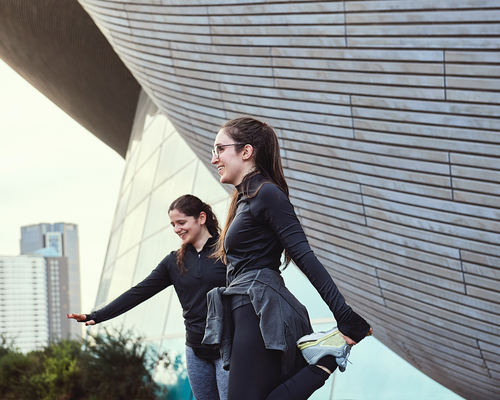
Consumers are more interested in exercising outside, says Bedford / Jacob Lund/shutterstock
https://www.leisureopportunities.co.uk/images/2021/838593_367027.jpg
Paul Bedford identifies patterns of member behaviour as gyms reopen
Paul Bedford,Retention, member behaviour, gym, fitness
Latest News
Australia’s fast-growing fitness network, Viva Leisure, is adding a low-cost gym brand to its already ...
Latest News
Speedflex has launched a strength training programme for 10 to 16-year-olds, to make it safer, ...
Latest News
Tewinbury Farm Hotel in Hertfordshire, UK is expanding its premium leisure proposition with the launch ...
Latest News

Work is underway in Madrid on one of Europe’s most significant multi-functional complexes, ...

Latest News
PureGym is encouraging people to step away from their screens and go for a walk, ...
Latest News
Small improvements to sleep, diet quality, and physical activity, made in combination lead to a ...
Latest News
Therme Manchester’s 28-acre development, which will include interconnected glass pavilions that measure 65,000sq m, will ...
Latest News
The Yard Gym (TYG) is to become Nike Training’s official global training partner in a ...
Latest News
Everlast Gyms' York site has reopened following a refurbishment to bring it up to the ...
Latest News
Luxury hospitality and wellness pioneer Jeremy McCarthy has launched Leisure Alchemy, a digital platform that ...
Latest News
A contrast therapy and breathwork facility called Reset has opened in Islington, London, in the ...
Opinion
promotion
Strength training has moved from the margins to the mainstream.
Opinion: Building smarter strength spaces for today’s operators
Featured supplier news
Featured supplier news: Reaching the people most gyms miss: Bedford Gym & Swim Campaign delivers 410 new members
One of the biggest mistakes the fitness industry still makes is advertising almost exclusively to people who already look and live like gym members.
Featured supplier news
Featured supplier news: Elevate 2026 to mark 10-year anniversary with biggest ever waterfront drinks reception
Elevate is set to celebrate its 10th anniversary in style this June, with organisers confirming the event’s largest-ever drinks reception as registrations continue to run more than 10% ahead of last year.
Company profiles
Company profile: Pure Energy Music
Pure Energy Music is a specialist music service built specifically for the fitness industry. Our ...
Company profiles
Company profile: Gymkit UK
With a reputation for quality and reliability, Gymkit UK proudly partners with many of the ...
Supplier Showcases
Supplier Showcase - From nightclub to health club
Supplier Showcases
Supplier Showcase - Future-proofing
Catalogue Gallery
Click on a catalogue to view it online
Featured press releases
ukactive press release: Are they Fit for Office? UK Active and Technogym throw down the gauntlet to MPs
Hundreds of staff, MPs and Peers from across Westminster have signed up for the Fit for Office parliamentary physical activity challenge, which takes place throughout June and is hosted by ukactive and Technogym.
Featured press releases
Innerva press release: Lex Leisure’s power-assisted exercise suite smashes targets in record time
Crook Log Leisure Centre has more than doubled the membership target for its new power- assisted exercise suite in less than six months.
Directory
Industrial washing machines
Miele Company Limited: Industrial washing machines
Fitness tracking platform
SpiviTech: Fitness tracking platform
Water experiences and hydrotherapy solutions
Aquaform s.r.l.: Water experiences and hydrotherapy solutions
Hot tubs
MSpa International Ltd: Hot tubs
Lockers
Crown Sports Lockers: Lockers
Spa and beauty equipment
Oakworks Inc: Spa and beauty equipment
Property & Tenders
Stratford, East London.
Lee Valley Regional Park Authority
Property & Tenders
Y Felinheli, LL56 4QN
Newmark
Property & Tenders
Diary dates
13-13 Jun 2026
Worldwide, Various,
Diary dates
21-24 Sep 2026
The Langham Huntington Pasadena , Pasadena, United States
Diary dates
06-08 Oct 2026
Messe Stuttgart, Stuttgart, Germany
Diary dates
22-22 Oct 2026
QEII Conference Centre, London,
Diary dates
26-29 Oct 2027
Koelnmesse Exhibition Centre, Cologne, Germany
Diary dates
Search news, features & products:
Find a supplier:
EGYM
EGYM
Partner sites