





























press release: GLL
GLL joins National Year of Reading as research reveals books beat social media for post-exercise recovery
GLL, the charitable social enterprise operating Libraries and Leisure Centres across the UK, has today (9 June 2026) announced that it will be supporting the National Year of Reading as a major campaign partner alongside national organisations, including BBC Sport, Audible, DC Thomson and Tesco.
To mark the partnership, GLL, operating under the Better brand, commissioned new research into the reading habits of active Brits, and the findings make a compelling case for reading as a core part of the modern wellness toolkit, alongside sleep, nutrition, and physical recovery.
Reading as a recovery tool
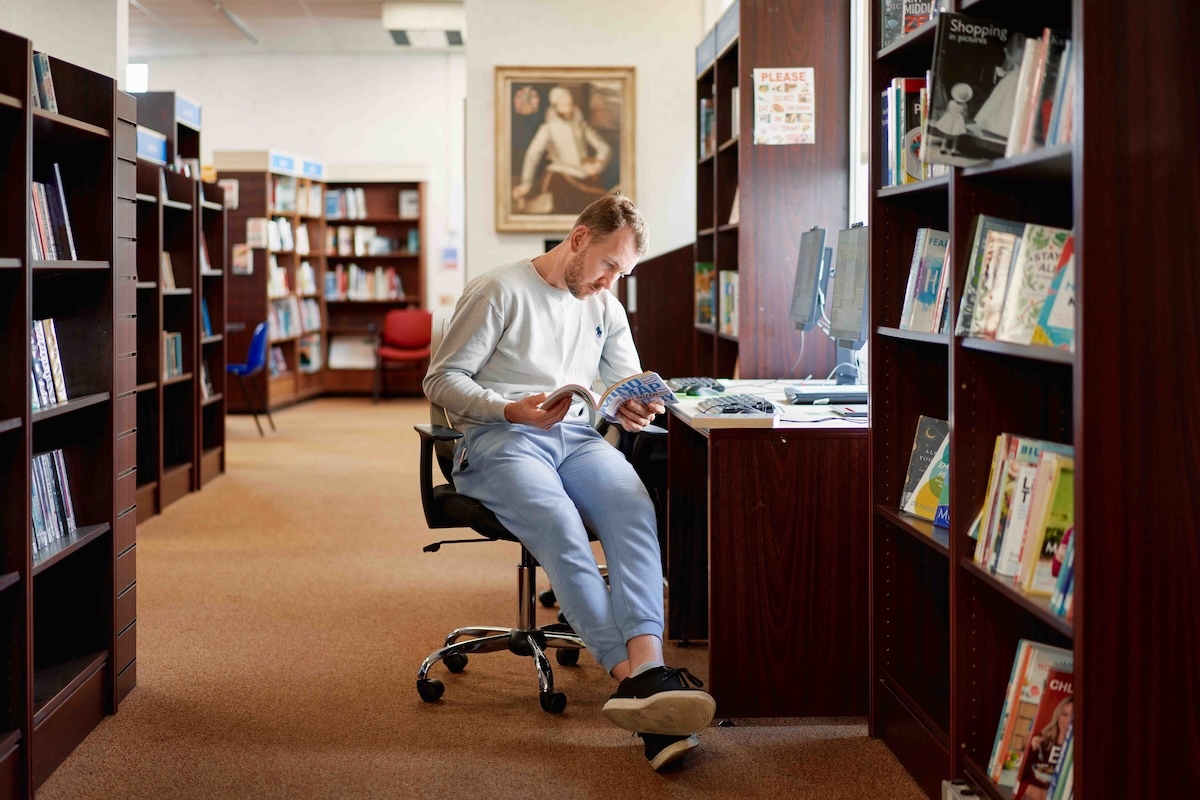
The study of 2,000 UK adults, half of whom regularly play sport or exercise, found that reading has quietly become one of the most popular ways active Brits look after themselves, sitting comfortably alongside the sleep, nutrition and mindfulness habits that have long been part of the wellness conversation.
More than a third of active Brits (36%) use reading to switch off after sport or exercise, surpassing scrolling on social media (27%) and beating meditation (12%). Only watching TV or films (55%) and listening to music or podcasts (39%) rank higher as post-exercise recovery habits.
The benefits reported go well beyond simple relaxation. Among those who exercise regularly:
- Better sleep is one of the most commonly reported benefits, with 37% saying reading helps them switch off and recover
- More than a third (35%) say it improves their focus and concentration
- Reading provides extra motivation for a quarter of active adults (23%)
- One in five (21%) use it as a tool for mental recovery after sport
- Roughly one in seven (14%) say it has helped them develop their understanding of strategy and tactics
The survey found that active Brits read an average of 7.09 hours a month, and two in three (69%) turn to reading in the evening before bed. This points to a clear link between reading, winding down, and sleep quality.
More than half of active Brits (55%) say reading reduces their stress and anxiety, pointing to reading's role not just as a leisure activity, but as a genuine tool for mental recovery.
Britain's sporting readers: a sport-by-sport breakdown
The research also reveals clear differences in how each sporting community relates to reading.
As the World Cup approaches, footballers emerge as some of its most enthusiastic advocates. More than half (55%) say reading improves their focus and concentration, 40% say it helps them switch off and recover faster, and 37% say it has a positive impact on their athletic performance or motivation. Over a third (35%) say having free access to books and audiobooks at their local leisure centre would encourage them to read more.
Runners tell a similar story: 43% say reading improves their sleep and aids recovery, and 47% say it improves their focus. Romance is the genre of choice for runners (24%), while footballers gravitate towards sports books (38%) and self-improvement titles (24%). Gym-goers and yoga and Pilates practitioners show the highest rates of reading for stress relief – 60% and 58%, respectively, say reading reduces their stress and anxiety. Swimmers are close behind at 58%.
When it comes to reading volume, golfers lead the way at over 8 hours a month on average, followed by yoga and pilates-goers (7.8 hours), and walkers/hikers (7.23 hours).
Reading and the mental side of sport
The data also highlights reading's growing role in the mental performance of sport, with one in five saying reading helps them manage the mental demands of their sport or training and 17% saying it has a positive impact on their performance or motivation. Additionally, 13% say reading helps them visualise their performance, a technique long recognised in sport psychology as a tool for improving results, and nearly one in ten say it helps reduce pre-competition nerves.
The link between reading and mental performance is particularly evident among footballers, with 37% saying reading has a positive impact on their athletic performance or motivation, which is one of the highest figures of any sporting group in the study.
GLL's partnership with the National Year of Reading
As part of the partnership GLL will be promoting the benefits of reading to the 750,000 members who visit its 250 Better leisure centres across the UK, through digital communications, in-centre advertising and a series of free author visits.
The partnership reflects GLL’s unique position as both a major leisure operator and the UK's largest public library provider, operating under the Better brand. The partnership will feature a series of author events hosted at Better leisure centres over the summer months.
“Our new research* shows that active Brits already understand the connection between reading and wellbeing. By partnering with the National Year of Reading, we want to make it even easier for the communities we serve, whether they're coming through our leisure centre doors or our library doors, to discover the benefits of reading for themselves." Phil Donnay GLL CEO designate and chair of the GLL Literary Foundation.
“We are delighted to welcome GLL as an official partner of the National Year of Reading 2026. As the biggest reading campaign in a generation, our mission is to inspire people everywhere to rediscover the joy of reading and embed it into everyday life. We’re inviting the nation to read into their interests - whether that’s running, football, going to the gym, swimming or cycling - because reading helps you go deeper into the passions you already love. We know that reading boosts wellbeing, confidence and learning, and we are excited to share these benefits with GLL’s members across the UK.” David Hayman, campaign director, National Year of Reading
*Methodology
A survey of 2000 UK adults conducted between 20–27 May 2026, 1000 nationally representative UK adults (weighted by age, gender, and region) and 1000 UK adults who regularly play sport or exercise.

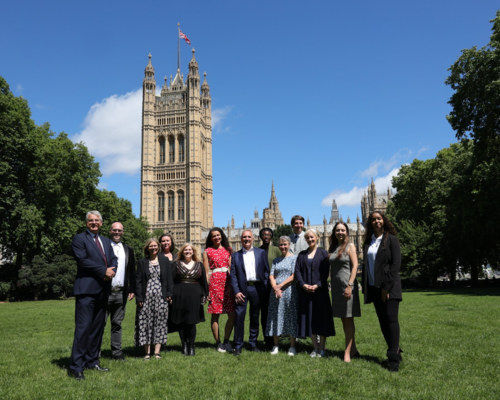




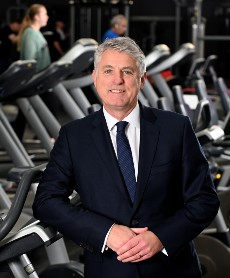
Phil Donnay, deputy chief executive & CFRO
• Annodata,
• Physical Company,
• Technogym,
• Change Please, and
• Divine Chocolate.
Local Authorities and Agencies we work with include:
• Greenwich Council,
• Belfast City Council,
• Cardiff City Council,
• Lee Valley Regional Park Authority,
• LLDC,
• ukactive,
• SportsAid,
• SportsAid Wales,
• Mary Peters Trust,
• Swim England, and
• Sport England.
With our positive performance and improved social outcomes during 2024, GLL is well placed to be at the forefront of societal, economic and environmental change.
The future will see us focusing on excellent customer service alongside our social enterprise values and growing our social impact, while new partnerships with Government Departments, NHS, National Agencies and numerous National Charities will support individual wellness and economic outcomes.
"Many bright and talented athletes throughout the United Kingdom are unable to chase their dreams of sporting glory due to lack of funding. We are passionate about helping GSF give equal opportunities to all young people and achieving their dreams of competing on the international stage.
"Our partnership enables both our brands to share the success of the UK’s most aspiring athletes who we are proud to have heard speak in such an inspirational way at our internal Sales Conferences and who have supported our marketing and brand development goals through representation and storytelling both in person and via social media”.
– Rod Tonna-Barthet, chief executive, Annodata
– Daryll Neita, Birmingham Commonwealth Games bronze and silver medalist, GLL Athlete
“These venues are part of the Lee Valley visitor experience and will continue to be so with some of the best facilities and most inspiring settings to be found anywhere. As part of the partnership Lee Valley Regional Park Authority will continue to invest to ensure that they go from strength to strength, delivering real impact for communities.”
– Shaun Dawson chief executive, Lee Valley Regional Park Authority