























Latest news
UK updates physical activity guidelines with focus on daily movement



The UK's four Chief Medical Officers have published a refreshed edition of Physical activity guidelines: UK Chief Medical Officers' report, updating the evidence that underpins the nation's physical activity recommendations and placing greater emphasis on strength, balance, reducing sedentary behaviour and, for the first time, supporting people taking weight loss medications.
While the familiar recommendation that adults complete at least 150 minutes of moderate-intensity physical activity – or 75 minutes of vigorous activity – each week remains unchanged, the updated report reflects a significant shift in emphasis rather than a change in the recommendations themselves.
Drawing on evidence published since the previous edition was released in 2019, the report strengthens the case for helping inactive people become more active – however modestly – while recognising the growing importance of maintaining muscle strength, reducing prolonged sitting and building movement into everyday life.
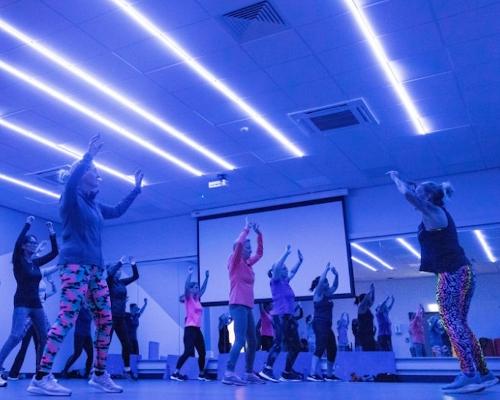
The report reinforces the message that every movement counts. Walking to the shops, taking the stairs, dancing, gardening, active play and household tasks can all contribute to better health, while physical activity no longer needs to be undertaken in long or structured sessions to deliver meaningful benefits.
For the first time, the report also includes advice for people taking medication for weight management or diabetes, highlighting the importance of preserving muscle through resistance exercise alongside adequate protein intake.
The UK CMOs – Professor Chris Whitty, Professor Michael McBride, Professor Gregor Smith and Professor Isabel Oliver – said physical activity remained one of the most effective ways of improving health and preventing disease.
"It is now clear that even small amounts of physical activity produce important benefits compared to none and the benefits steadily increase up to the recommended 150 minutes a week," they said.
"The evidence of the need to maintain strength and balance as we age, which may require different sorts of physical activity, including for those on GLP-1 agonist drugs for weight management or diabetes, has strengthened."
Chris Boardman, chair of Sport England, described physical activity as "one of the closest things we have to a wonder cure".
"Whether it's a walk to the shops, a bike ride, a jog or a game of football, moving more improves our physical and mental health, helps us stay independent for longer and connects us with the people and places around us," he said.
"Making it easier and more enjoyable to be active, especially for those who need it most, has the power to change lives."
The refreshed report covers every stage of life, including children and young people, adults, older adults, disabled people and women during pregnancy and after birth. It also strengthens the evidence that, for most disabled people and those living with long-term health conditions, the benefits of physical activity outweigh the risks.
The Activity Alliance welcomed the updated report, saying it reflected a more inclusive approach to physical activity.
Sarah Brown-Fraser, head of communications and policy, said: "For some disabled people and people with long-term health conditions, what may look like a small bout of movement can be a big achievement.
"The refreshed guidance is an important reminder that personal goals matter. We must recognise people's different starting points, listen to what being active means to them and support progress in ways that feel realistic, inclusive and meaningful."
For health and fitness operators, the report represents another step towards recognising the wider role the sector now plays in preventative healthcare. While the 150-minute recommendation remains the cornerstone of the UK's advice, the updated evidence reflects the industry's growing focus on strength training, healthy ageing, reducing sedentary behaviour, behaviour change and supporting people using GLP-1 medications to preserve muscle and remain active.
Although the government has highlighted the areas where the scientific evidence has strengthened – including light-intensity activity, sedentary behaviour, strength and balance, and GLP-1 therapies – it has not yet published the detailed evidence reviews underpinning the refresh, that it says had a sample of £0 million people. Those reviews are expected to provide further insight into the research that has shaped the latest recommendations.
Latest news


























Shaun Grove
Owner, Stride Fitness








Matt Parker
MD, Brio