Liverpool City Council (LCC) is to decide whether it will increase the number of arts organisations that receive annual funding following a four-month bidding and consultation process.
A report to the council's executive board has recommended that annual grants worth £7.33m be provided to 33 arts bodies over the next two years, a 25 per increase on the previous three-year programme.
LCC has announced that a total of 67 organisations have been successful in obtaining funding, although nearly 90 arts bodies are set to miss out due to the new grants process being heavily oversubscribed.
The council's overall arts grants budget currently stands at £8.45m, and funding levels will be maintained until April 2011, which represents a 6 per cent increase year-on-year from 2005-06 to 2010-11.
LCC has also earmarked an additional £900,000 for a strategic development fund to enhance the business plans and strategic direction of 11 arts organisations, while £200,000 will go towards 27 community art projects.
Three categories have been outlined by the council for when it approves the allotted grants for each successful organisation. They include cultural drivers, where an organisation's work is integral to the city's annual cultural offer; cultural contributors, organisations that help develop world-class arts provision; and grass roots innovators.
Warren Bradley, LCC leader, said: "This city is looking to annually fund the greatest number of arts organisations in our history. To be able to say that after Capital of Culture should leave no-one in any doubt of the council's commitment to fostering a successful '08 legacy."
LCC executive member for enterprise and tourism, Gary Millar, added: "We have developed a robust, fair and open assessment process that will help develop a programme befitting an internationally renowned city of culture."
Liverpool City Council (LCC) is to decide whether it will increase the number of arts organisations that receive annual funding following a four-month bidding and consultation process.
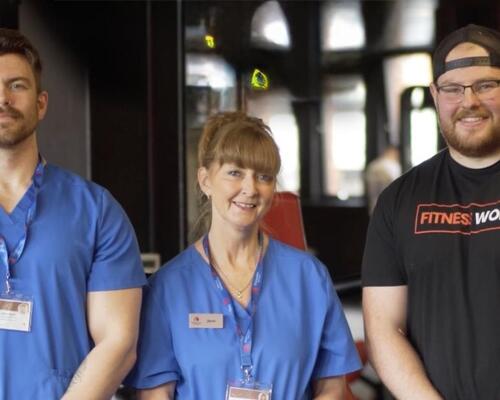
Collaborations with the medical profession and greater aspirations around wellbeing are creating a need for more experts in our sector. It’s time to reboot our thinking around the workforce
For every member with a tripod and a big following, there are others irritated at the way equipment is being hogged or wary they’ll be in the background on someone’s Insta feed. Do influencers offer valuable, free marketing or are they just a nuisance? Kath Hudson finds out how operators are responding
If the health service is to
survive, we must recognise
that it is a disease service
– and that wellbeing rests with
us, says the activity advocate
and healthy ageing champion.
He talks to Kate Cracknell
Strength training is evolving,
driven by changing consumer
preferences. Julie Cramer talks
to innovators about how their
products are meeting this demand
Active Blackpool is deploying Cornerstone Connect, a new digital interface allowing
disparate information from multiple systems to be aggregated into one dataset, to support
its focus on reducing health inequalities and improving healthy life expectancy.
Swim England has strengthened its sector-leading Business Solutions offer with the launch of
its Learn to Swim Growth Plan, designed to help aquatic providers unlock sustainable
programme growth.
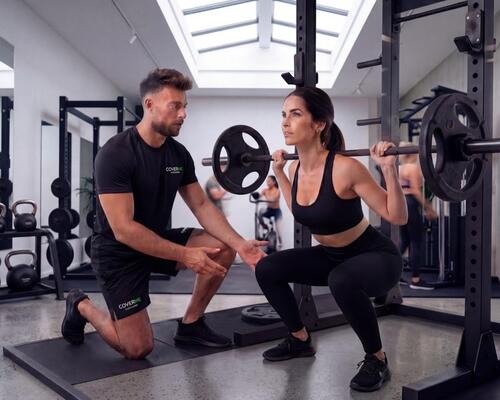
CoverMe, the UK’s leading fitness workforce management and recruitment platform, has
partnered with Jobs In. Fitness, the specialist executive search and advisory firm for the
fitness and wellbeing sector, to give operators a single route to talent at every level –
from frontline staffing to C-suite.
Liverpool City Council (LCC) is to decide whether it will increase the number of arts organisations that receive annual funding following a four-month bidding and consultation process.
A report to the council's executive board has recommended that annual grants worth £7.33m be provided to 33 arts bodies over the next two years, a 25 per increase on the previous three-year programme.
LCC has announced that a total of 67 organisations have been successful in obtaining funding, although nearly 90 arts bodies are set to miss out due to the new grants process being heavily oversubscribed.
The council's overall arts grants budget currently stands at £8.45m, and funding levels will be maintained until April 2011, which represents a 6 per cent increase year-on-year from 2005-06 to 2010-11.
LCC has also earmarked an additional £900,000 for a strategic development fund to enhance the business plans and strategic direction of 11 arts organisations, while £200,000 will go towards 27 community art projects.
Three categories have been outlined by the council for when it approves the allotted grants for each successful organisation. They include cultural drivers, where an organisation's work is integral to the city's annual cultural offer; cultural contributors, organisations that help develop world-class arts provision; and grass roots innovators.
Warren Bradley, LCC leader, said: "This city is looking to annually fund the greatest number of arts organisations in our history. To be able to say that after Capital of Culture should leave no-one in any doubt of the council's commitment to fostering a successful '08 legacy."
LCC executive member for enterprise and tourism, Gary Millar, added: "We have developed a robust, fair and open assessment process that will help develop a programme befitting an internationally renowned city of culture."
Liverpool City Council (LCC) is to decide whether it will increase the number of arts organisations that receive annual funding following a four-month bidding and consultation process.
Collaborations with the medical profession and greater aspirations around wellbeing are creating a need for more experts in our sector. It’s time to reboot our thinking around the workforce
For every member with a tripod and a big following, there are others irritated at the way equipment is being hogged or wary they’ll be in the background on someone’s Insta feed. Do influencers offer valuable, free marketing or are they just a nuisance? Kath Hudson finds out how operators are responding
If the health service is to
survive, we must recognise
that it is a disease service
– and that wellbeing rests with
us, says the activity advocate
and healthy ageing champion.
He talks to Kate Cracknell
Strength training is evolving,
driven by changing consumer
preferences. Julie Cramer talks
to innovators about how their
products are meeting this demand
As the entrepreneur who started Wexer, Fresh Fitness, Fitness DK and Repeat, as well as being a former elite athlete, Rasmus Ingerslev’s life looked perfect from the outside, but onthe inside it was a different story. He talks to Kath Hudson about healing old wounds
Record market penetration in the UK
fitness sector masks a deeper shift
around consumer engagement, according
to a report from Grant Thornton and
UK Active, as Liz Terry reports
UK market penetration has risen to 18 per cent – one of the highest
globally, yet with 100 per cent of people seeing benefits when they
exercise, how high could it go? Kath Hudson asks the experts…
Active Blackpool is deploying Cornerstone Connect, a new digital interface allowing
disparate information from multiple systems to be aggregated into one dataset, to support
its focus on reducing health inequalities and improving healthy life expectancy.
Swim England has strengthened its sector-leading Business Solutions offer with the launch of
its Learn to Swim Growth Plan, designed to help aquatic providers unlock sustainable
programme growth.
CoverMe, the UK’s leading fitness workforce management and recruitment platform, has
partnered with Jobs In. Fitness, the specialist executive search and advisory firm for the
fitness and wellbeing sector, to give operators a single route to talent at every level –
from frontline staffing to C-suite.