

















GET HCM
magazine
Sign up for the FREE digital edition of HCM magazine and also get the HCM ezine and breaking news email alerts.
Not right now, thanksclose this window I've already subscribed!
The Leisure Media Company Ltd
Follow Health Club Management on Twitter Like Health Club Management on Facebook Join the discussion with Health Club Management on LinkedIn
FITNESS, HEALTH, WELLNESS

features

The great debate: Are gyms essential?

Given its support for the NHS, should the fitness industry be classified as an essential service, and if so, how do we get the sector reclassified? Kath Hudson asks industry leaders for their views

Published in Health Club Management 2020 issue 10
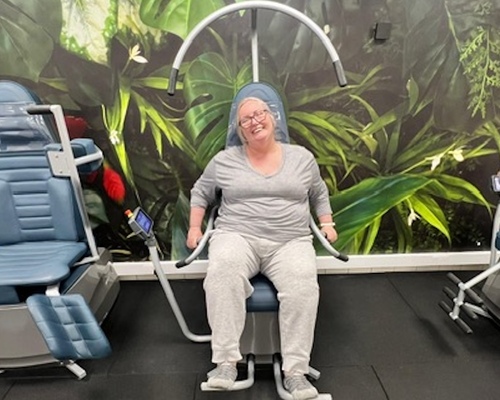
Nuffield has launched a COVID-19 recovery programme for mental and physical health / PHOTO: NUFFIELD/TECHNOGYM

With the first lockdown leading to sedentary behaviour, obesity shown to make death from COVID-19 more likely and gyms proving to be low risk environments, it seemed a no brainer for gyms and leisure centres to be allowed to stay open during the UK’s second lockdown.

However, in spite of powerful lobbying from the sector, the shutters came down on gyms.

During the first lockdown good weather made outdoor exercise easy, yet in spite of this, Sport England research showed that three million more people became inactive.

This time around, as we’re heading into winter, the need for safe indoor exercise facilities is all the more vital for people’s mental and physical health, hence the disappointment, anger and frustration felt by all when these benefits weren’t recognised and facilities were closed again.

The spirit of cooperation in the sector is invigorating and unprecedented, so as the industry moves forward with a strong, unified voice, what is the appropriate message to put forward to secure essential service status? We ask the experts.
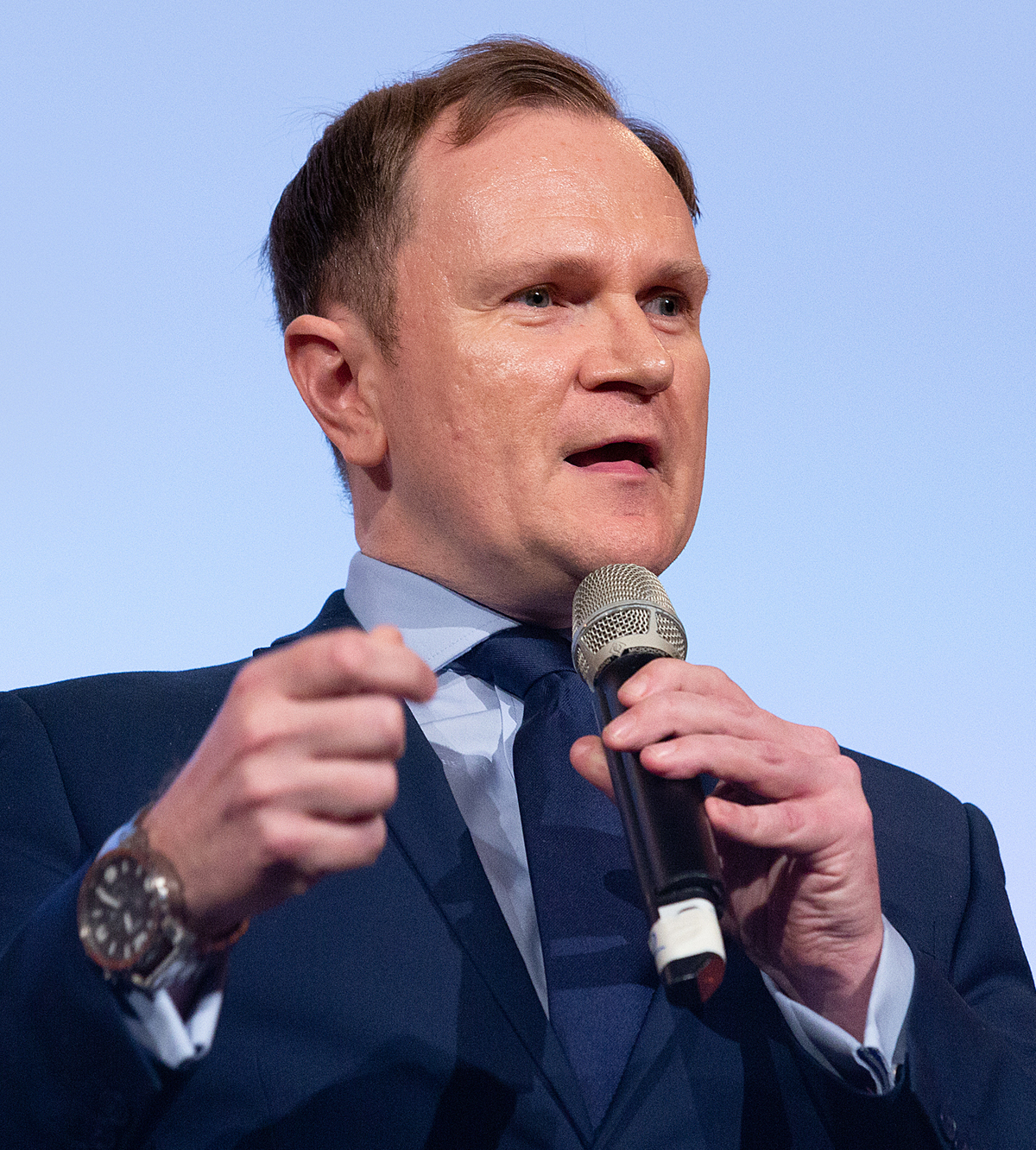
Huw Edwards
CEO: ukactive
Photo: ukactive

Over the past months, ukactive has led the sector’s case to be reclassified as an essential service, with the objective that the role of gyms and leisure facilities is fully recognised and they are permitted to remain open. Our sector has made this message very clear to the government and media, with incredible support from the public, which has seen a united movement behind our cause.

HCM readers will know very well why our facilities are essential. This health crisis requires fitness and leisure services to be accessible to support community health, even as restrictions tighten. Unlike many sectors, gyms and leisure centres heavily influence the nation’s physical and mental wellbeing, acting as frontline services which are vital during the current health crisis.

Analysis by the government’s own scientific advisory group, SAGE, has warned that the loss in access to facilities will have a detrimental impact on mental wellbeing and potentially increase health inequalities with some BAME and vulnerable groups. There is also growing evidence from across the world that physical activity plays a vital role in COVID-19 resilience and rehabilitation.

To make this case, ukactive has supported operators with a range of tools to help engage local MPs and media behind our lobbying efforts. Our sector-wide Fit Together campaign uses the strapline: We are safe, We are essential. This campaign has been centred on evidence which shows the value of our facilities to communities.

We want the entire sector to unite behind this campaign, so we can show how important our facilities are for public health, society and the economy.

We’ve provided regular updates for the government using our latest aggregated data showing COVID-19 prevalence in our sector, in order to build transparency and trust – demanding decision-making which is based on science and fact.

Gyms and leisure centres heavily influence the nation’s physical and mental wellbeing, acting as frontline services which are vital during the current health crisis

Our latest findings, collected from 1,900 facilities following 50 million visits, show a rate of 2.88 cases per 100,000 visits from 25 July to 20 October; compared with 150 cases per 100,000 in the general population.

ukactive must continue to engage with the government and decision makers at a local and national level, fostering support among MPs, local leaders and, ultimately, Number 10 [the prime minister].

We’ve made a clear call for the sector to remain open as an essential service, and alongside this, for the sector to be given the tailored financial and regulatory support required to enable its recovery.

Before the second lockdown, we saw the impact of this united movement in effect, as the decision to close gyms and leisure facilities in the Liverpool region as part of tier 3 restrictions was overturned. This sets a powerful precedent for the other regions, and one which puts the spotlight on our responsibility to continue to provide safe and essential services to the public.
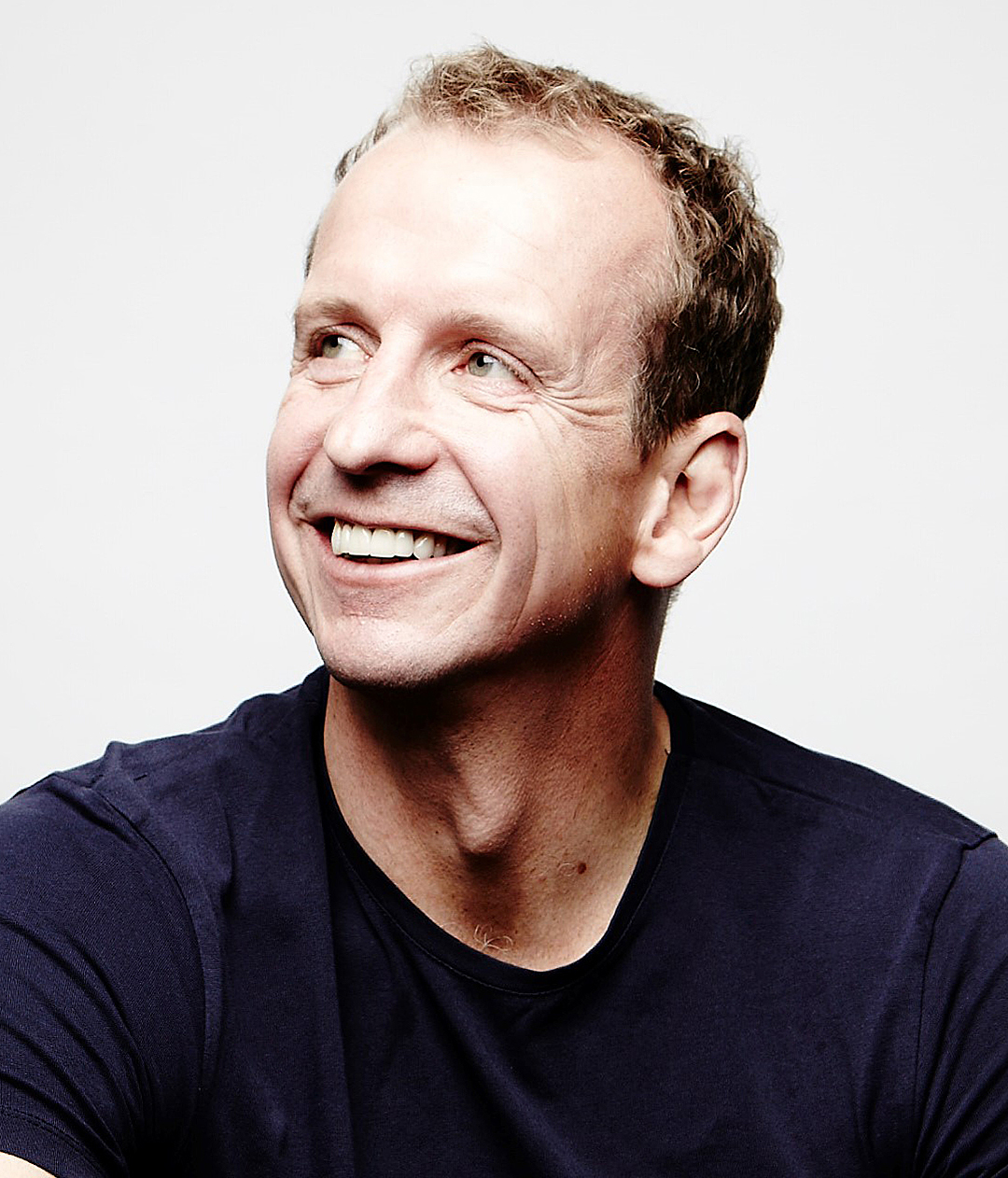
Professor Greg Whyte
Chair: ukactive Scientific Advisory Board
Photo: Greg Whyte

Recovery from COVID-19 is likely to be complex and protracted for many. Central to the rehabilitation process will be the role of the fitness sector in providing the facilities and expertise required for physical therapy to overcome the negative impact of the virus on physical function, including the loss of muscle mass, strength, aerobic capacity, and mobility, to name but a few.

Following news of a vaccine breakthrough, it should also be noted that physical activity plays an important role in increasing the efficacy of vaccines and as a result, is vital to providing any new vaccine with the best possible chance of success.

However, COVID-19 is not the only disease where the fitness sector plays an essential role. The vast majority of prehabilitation and rehabilitation for a range of diseases is provided by the fitness sector, including cancer, cardiac, pulmonary, and neuro. Without access to these facilities and expertise, many patients will go unsupported in their hour of greatest need.

Macmillan has reported that there were 50,000 undiagnosed cases of cancer during the first lockdown, a figure that is projected to break 100,000 by 2021. But the damage caused by lockdown does not end with missed diagnoses. The closure of gyms and leisure facilities also has an impact.

According to Anthony Crozier and the Physical Activity Exchange team at Liverpool John Moores University, 66 per cent of our nation’s cancer prehabilitation and rehabilitation support services are delivered at leisure centres, with 69 per cent of provision funded through local authorities and the third sector, meaning these services have not been available during lockdown. In addition, 73 per cent of functional assessments and 80 per cent of exercise to support these interventions are delivered by Level 4 instructors.

66% of cancer prehabilitation and rehabilitation services are delivered at leisure centres, meaning these services have not been available for the whole month of November

We must recognise the fitness sector as an essential service if we are to avoid a future healthcare catastrophe – they are essentially already filling this role.

It’s clear, from the science, that fitness facilities have an outstanding safety record. Furthermore, the sector has a robust, rapid and effective track and trace system to support the protection of the population.

The fitness sector also takes its responsibility for public health seriously, and is working on upskilling its workforce to provide specialist support for COVID-19 patients, as well as all other diseased states that require physical therapy.

I’m working with a group of specialists on a project called iCARDIO to create an accreditation framework for clinical exercise physiologists – something that will be required to ensure the industry is recognised by the health sector when it comes to providing essential services for patients across the disease spectrum.

If we are to protect our health service, deal with COVID-19 and avoid future healthcare catastrophes, we must recognise the sector as an essential service in the prevention and treatment of disease and keep these valuable facilities open.

• Greg Whyte is professor of applied sport and exercise science at Liverpool John Moores University

Tara Dillon
CEO: CIMSPA
Photo: CIMSPA

The cross-sector collaboration and partnership we’ve seen has been a big positive to emerge from the pandemic. Collectively, we’ve pushed community sport, leisure and physical activity provision higher up the political and media agenda than it has ever been before.

This has led to a win, of sorts, with £100m of government money allocated to supporting public leisure and CIMSPA has been able to secure £2m of funding, via Sport England, for its ReTrain platform, to help operators plug skills gaps in their workforce.

Alongside pushing for further financial support – especially for the self employed who have had less help than employees – I believe our focus as a sector should now shift to making sure that our indoor facilities and outdoor activities are the first to open, as soon as this lockdown period ends. As a sector we achieved notable successes in England’s tier 3 areas and we should push to ensure this momentum is not lost when we come out of the national lockdown.

Looking further ahead, if we’re going to have to live with COVID-19, we need a healthier nation. One where hospital beds are not occupied by people who, if more physically active, would never find themselves burdening an already stretched NHS.

In short, we have in our gift the most powerful solution a government could wish for. We need to mobilise consumers to show those in power how much they value what we do

The industry could also provide an intervention for the inevitable mental health crisis the pandemic is causing. In short, we have in our gift the most powerful solution a government could wish for.

So we need national and local politicians to understand the role we play and position our sector as an essential service, right at the heart of public health. Partly, this is about professionalisation and regulation of the workforce, but it’s also about perception: we need the decision-makers to understand the impact we have on health, and the value that creates.

We have powerful statistics to make this case, and we should continue to do that, but this is about people as well as numbers. I believe we need to mobilise our consumers to show those in power how much they value what we do, and the difference we make to their quality of life. We need to bring this down to a more human level, telling individual stories, as well as painting the national picture.
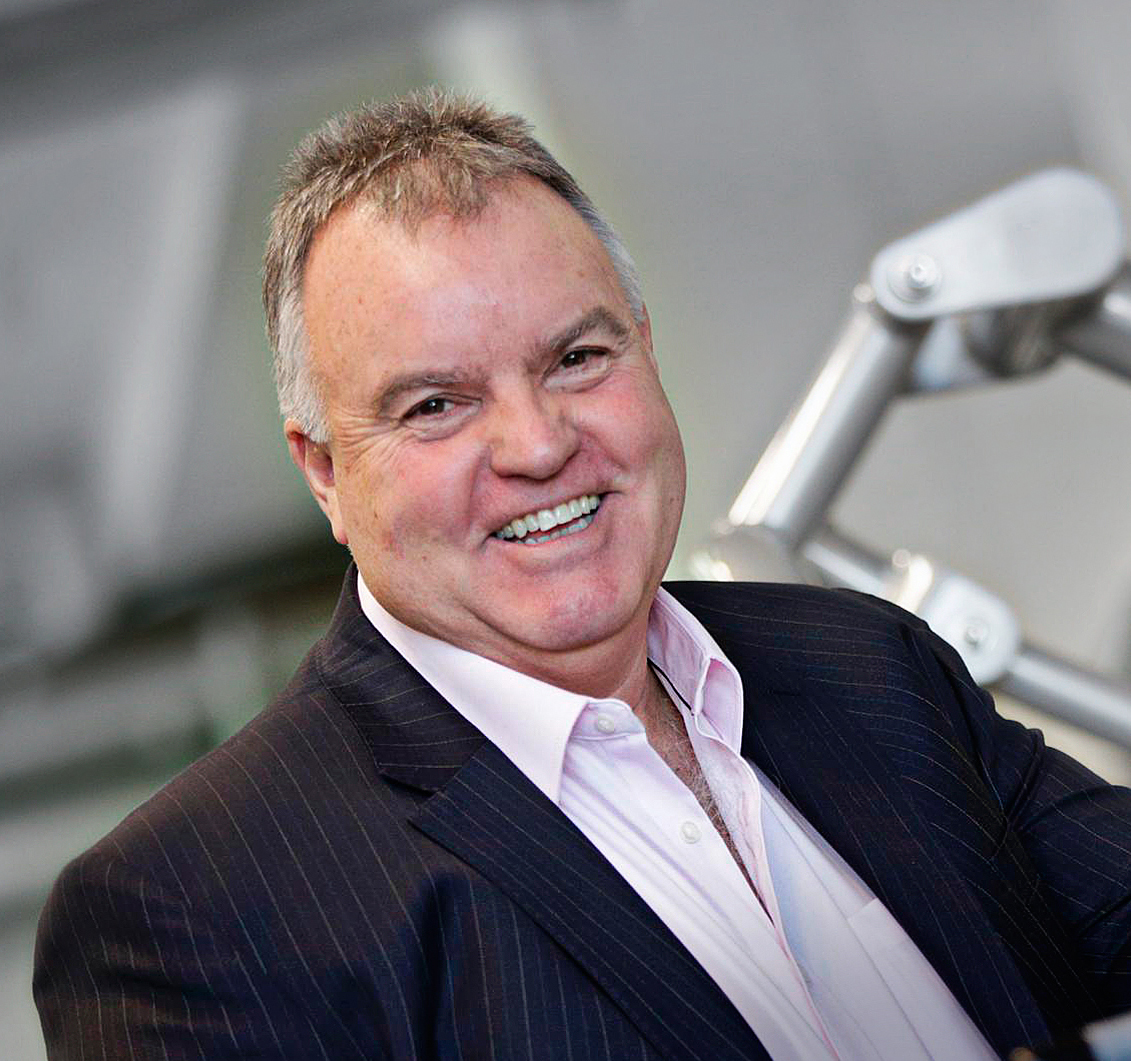
John Treharne
Founding director: The Gym Group
Photo: The Gym Group

Some good things have come out of this difficult time and over the course of the year the fitness industry has made great strides in how it presents itself and how it is viewed by government.

At the start of the first lockdown, many ministers – including Nicola Sturgeon – described fitness facilities as dangerous places to be, but over the last few months we’ve been able to prove that this is not the case and to demonstrate that gyms and leisure centres are safe spaces to work out.

It was encouraging to see that under the tier system, when local authorities had the power to close down gyms, they didn’t choose to do so, apart from in Liverpool, which then overturned the decision. Also many MPs have got behind the industry, including the mayor of Greater Manchester, Andy Burnham.

Government officials, representatives from Downing Street, the health ministry, DCMS, as well as virologists have visited facilities to see what modern gyms are all about. This has allowed us to get across key messages and moved us forward in terms of profile. We’ve been able to demonstrate our cleaning and distancing protocols, show the equipment we’ve invested in for sanitising and – crucially – our sophisticated ventilation systems.

I’ve been in the industry since 1991 and on the board of ukactive since 2013 and I’ve found the recent inter-sector collaboration, led by ukactive, remarkable. All operators, large and small, are sharing essential usage and infection data, which is a critical proof point in the conversation with members and government on how COVID-secure our sector is.

The Gym Group, for example, has only had 2.88 cases per 100,000 across all staff and members since reopening.

The industry needs to work with the government, not fight against it. We need to keep going with the messaging around how we can support the NHS in tackling obesity and building health to provide more resilience against the virus

Going forward, the industry needs to work with the government, not fight against it. We need to keep going with the messaging around the safety of the gym environment, as well as the benefits the industry can provide for mental health, and how we can support the NHS in tackling obesity and building health to provide more resilience against the virus.

Hopefully this lockdown will be restricted to the four weeks and if we return to the tier system afterwards, we need to ensure gyms stay on the list of businesses which are allowed to stay open.
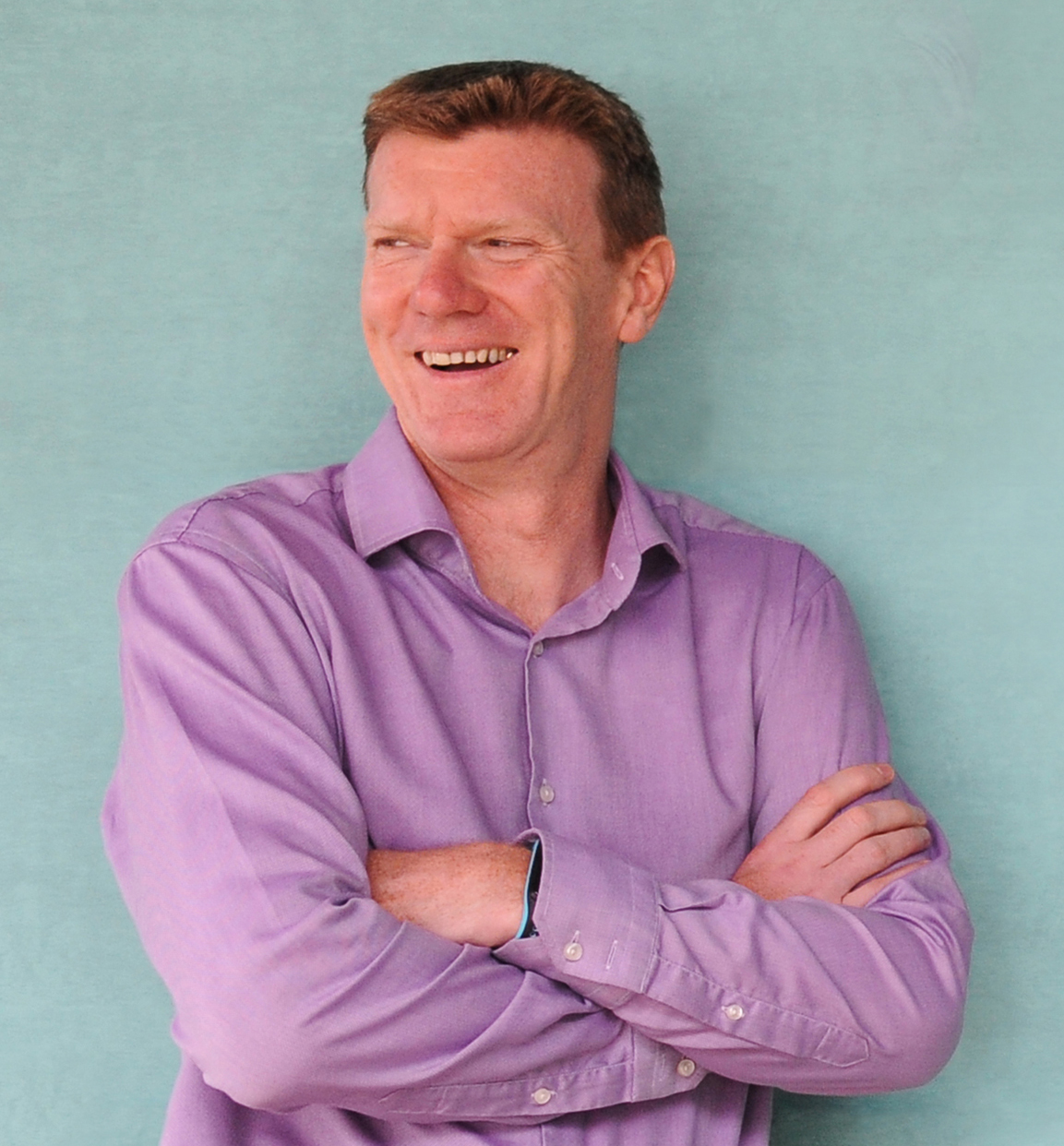
Glenn Earlam
CEO: David Lloyd Clubs
Photo: David Lloyd Leisure

This pandemic presents the government with an immense challenge, and the roadmap out of this crisis must be truly mindboggling, but prioritising garden centres and dog groomers over the nations’ fitness facilities just doesn’t make any sense.

An endorphin-boosting trip to the gym is clearly much better for the mind, body – and the NHS – than ordering a takeaway pizza, opening another bottle of Pinot Grigio before settling down on the sofa for a boxset binge-watching session.

Not only has COVID-19 placed an unprecedented strain on the health service, but obesity has also been cited as a significant factor in severe cases. The impact of physical fitness on boosting immunity and fighting the virus is clear and so exercise in COVID-secure environments should be treated as a key part of the solution to the problem.

As we head into winter, the need for safe indoor exercise facilities is vital.

Mental health problems are another ticking timebomb for the NHS, which our industry could help to alleviate.

Depression and anxiety are at record levels and exercise has been proven to be instrumental in fighting them. When we reopened in June, I was struck by how overwhelmingly emotional many of our members were and how much they rely on our facilities to support their mental health.

The industry has been able to prove that gyms are COVID-secure and essential to the nation’s physical and mental health, so they should open as a priority when the lockdown is lifted. Indeed, SAGE advised that shutting fitness facilities would likely cause more harm than good at the moment.

It’s time the government listened to its own experts, and recognised that gyms and leisure centres should be classed as essential services so that we can support the nation in its recovery

It’s time the government listened to its own experts, and recognised that gyms and leisure centres should be classed as essential services so that we can support the nation in its recovery.

Going forward, the industry needs to continue working together with integrated lobbying, PR and social media focussing on the messages that gyms are essential to maintaining and enhancing the nation’s physical and mental wellbeing and that regular exercise supports mental health and immunity.

As well as being able to open our facilities as soon as possible, I’d like to see the government extend the rate relief scheme beyond April and the rental default protection beyond January.
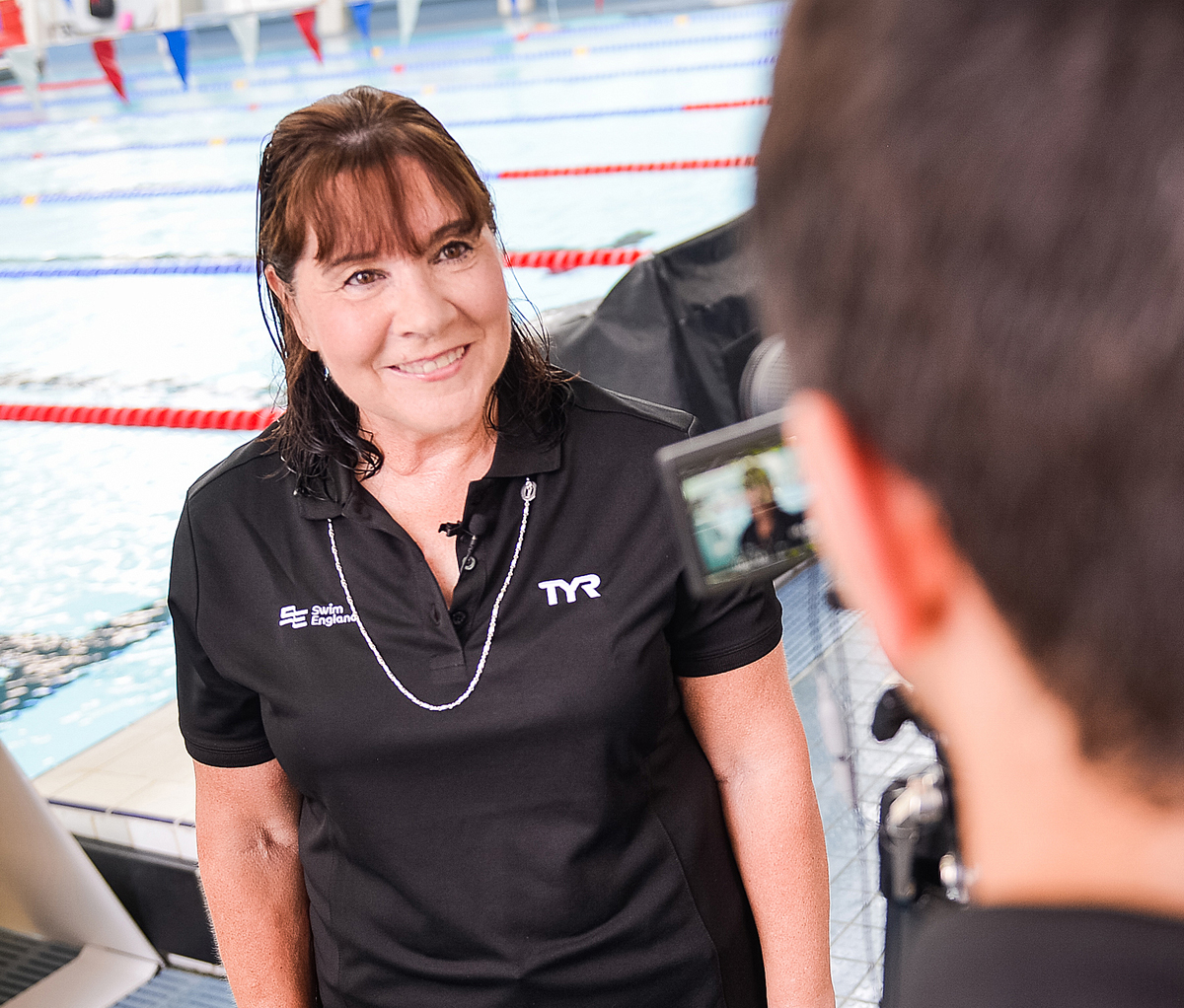
Jane Nickerson
CEO: Swim England:
Photo: Swim England

We’ve been busy repeatedly making the case to government for the importance of supporting people to remain active during the pandemic through our #OpenOurPools campaign and our continued support for the sector wide #SaveOurSports campaign.

The latest sobering statistics from Sport England show that activity levels fell massively during the first lockdown, and the impact of the second is likely to be even more severe as we see shorter, colder, days.

Before COVID-19, swimming consistently remained one of the most popular activities in the country, with 14 million adults swimming within the last 12 months. Up and down the country thousands of people who are unable to exercise on dry land due to physical impairments but are able to get active in water, will suffer physically and mentally because of swimming pools having to close again. The benefits of swimming are well known, including helping people feel twelve years younger, improving self-confidence, community cohesion and also saving the NHS and social care system over £357 million a year.

Importantly, as people continue to deal with the challenges to their mental health and wellbeing of living through a pandemic, our research revealed that pre-lockdown, 1.4 million adults in Britain felt that swimming had significantly reduced their symptoms of anxiety or depression.

Around 200 public facilities have yet to reopen from the first lockdown and we fear losing many more due to enforced closures, which is why we keep shouting loudly alongside our partners for the government to provide an enhanced Sports Recovery Fund to help protect the sector through the pandemic and beyond.

Thousands of people who are unable to exercise on dry land due to physical impairments are suffering physically and mentally because swimming pools are closed

We’ve proven swimming pools are COVID-safe environments and in these challenging times, we believe physical activity is more vital than ever before.

Swimming pools make an essential contribution to the nation’s health and wellbeing and should be classified as such by the government. Pools are often at the heart of every community – we should treasure them for the unique benefits they offer. It is therefore imperative that leisure facilities are among the first facilities that are allowed to reopen as we emerge from the second lockdown and are adequately supported so that they can continue to play their part in the nation’s recovery.

Sign up here to get HCM's weekly ezine and every issue of HCM magazine free on digital.
https://www.leisureopportunities.co.uk/images/2020/287843_128070.jpg
'Gyms and leisure centres are acting as frontline services which are vital during the current health crisis' – Huw Edwards, CEO, ukactive
Huw Edwards, ukactive, Tara Dillon, CIMSPA, professor Greg Whyte, John Treharne, The Gym Group, Glenn Earlam, David Lloyd Clubs, Jane Nickerson, Swim England ,gyms, fitness, covid-19, lockdown
HCM magazine
Collaborations with the medical profession and greater aspirations around wellbeing are creating a need for more experts in our sector. It’s time to reboot our thinking around the workforce
HCM magazine
If the health service is to survive, we must recognise that it is a disease service – and that wellbeing rests with us, says the activity advocate and healthy ageing champion. He talks to Kate Cracknell
HCM magazine
HCM People

Stephen Price

Founder, SP&Co Group
Working in public health over the last few years has lit up parts of my brain again
HCM magazine
For every member with a tripod and a big following, there are others irritated at the way equipment is being hogged or wary they’ll be in the background on someone’s Insta feed. Do influencers offer valuable, free marketing or are they just a nuisance? Kath Hudson finds out how operators are responding
HCM magazine
Small improvements to sleep, diet and physical activity have major benefits for the heart, according to new research from the University of Sydney
HCM promotional features
Sponsored
Find out how your gym can tap into the corporate wellness boom
HCM promotional features
Sponsored
Third Space partnered with IndigoFitness to deliver a bespoke training space for its new club at The Whiteley
HCM promotional features
Sponsored
Starpool supports Olympic champion Marcell Jacobs, says Riccardo Turri
HCM promotional features
Sponsored
Greg Bradley looks at the shift towards strength training in gyms and advises on how operators can create the ultimate training environment
HCM promotional features
Sponsored
SnowDome Fitness has added 50 per cent more space with cutting-edge Technogym solutions
HCM promotional features
Sponsored
David Lloyd is stepping up its commitment to women’s health as it continues to explore what fit-for-purpose looks like for the female population
HCM promotional features
Sponsored
EGYM has opened a new HQ in Paternoster Square, London and revealed a range of new launches
HCM promotional features
Promotion
Performance Health Systems, manufacturer of Power Plate, has a new CEO, with an ambitious vision for the company
HCM promotional features
Sponsored
Active IQ is calling for greater accountability in online fitness advice with the launch of a new trustmark
HCM promotional features
Latest News
Australia’s fast-growing fitness network, Viva Leisure, is adding a low-cost gym brand to its already ...
Latest News
Speedflex has launched a strength training programme for 10 to 16-year-olds, to make it safer, ...
Latest News
Tewinbury Farm Hotel in Hertfordshire, UK is expanding its premium leisure proposition with the launch ...
Latest News

Work is underway in Madrid on one of Europe’s most significant multi-functional complexes, ...

Latest News
PureGym is encouraging people to step away from their screens and go for a walk, ...
Latest News
Small improvements to sleep, diet quality, and physical activity, made in combination lead to a ...
Latest News
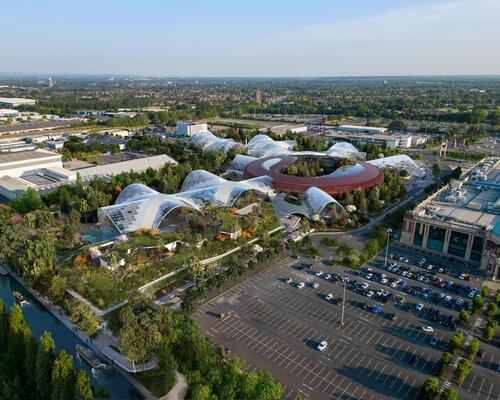
Therme Manchester’s 28-acre development, which will include interconnected glass pavilions that measure 65,000sq m, will ...
Latest News
The Yard Gym (TYG) is to become Nike Training’s official global training partner in a ...
Opinion
promotion
Strength training has moved from the margins to the mainstream.
Opinion: Building smarter strength spaces for today’s operators
Featured supplier news
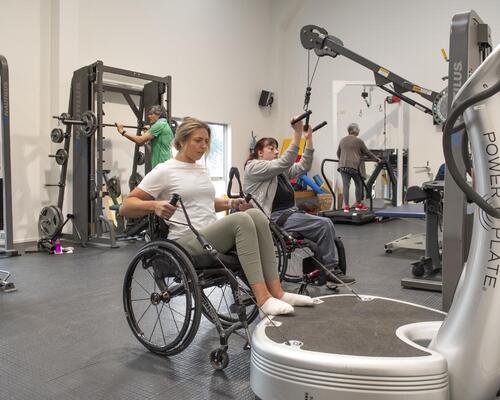
Featured supplier news: Supporting long-term health: why whole body vibration belongs in clinical settings
As healthcare continues to shift towards prevention, there’s a growing focus on helping people stay active, independent and feeling good for longer.
Featured supplier news
Featured supplier news: Reaching the people most gyms miss: Bedford Gym & Swim Campaign delivers 410 new members
One of the biggest mistakes the fitness industry still makes is advertising almost exclusively to people who already look and live like gym members.
Company profiles
Company profile: D2F Fitness
D2F Fitness specialises in providing fitness equipment tailored to your gym’s needs, but goes further ...
Company profiles
Company profile: FIBO
FIBO pursues the vision of a strong and healthy society and as a global network ...
Supplier Showcases
Supplier Showcase - Future-proofing
Catalogue Gallery
Click on a catalogue to view it online
Featured press releases
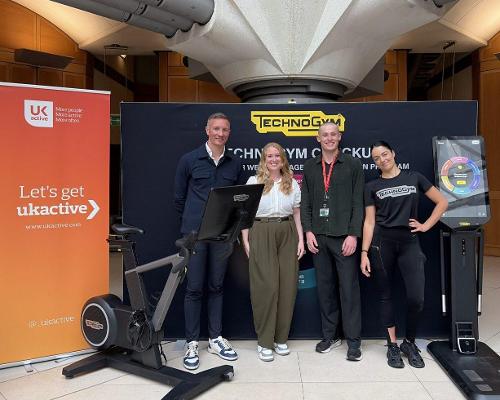
ukactive press release: Are they Fit for Office? UK Active and Technogym throw down the gauntlet to MPs
Hundreds of staff, MPs and Peers from across Westminster have signed up for the Fit for Office parliamentary physical activity challenge, which takes place throughout June and is hosted by ukactive and Technogym.
Featured press releases
Innerva press release: Lex Leisure’s power-assisted exercise suite smashes targets in record time
Crook Log Leisure Centre has more than doubled the membership target for its new power- assisted exercise suite in less than six months.
Directory
Spa and beauty equipment
Oakworks Inc: Spa and beauty equipment
Fitness tracking platform
SpiviTech: Fitness tracking platform
Industrial washing machines
Miele Company Limited: Industrial washing machines
Lockers
Crown Sports Lockers: Lockers
Hot tubs
MSpa International Ltd: Hot tubs
Water experiences and hydrotherapy solutions
Aquaform s.r.l.: Water experiences and hydrotherapy solutions
Property & Tenders
Stratford, East London.
Lee Valley Regional Park Authority
Property & Tenders
Y Felinheli, LL56 4QN
Newmark
Property & Tenders
Diary dates
13-13 Jun 2026
Worldwide, Various,
Diary dates
21-24 Sep 2026
The Langham Huntington Pasadena , Pasadena, United States
Diary dates
06-08 Oct 2026
Messe Stuttgart, Stuttgart, Germany
Diary dates
22-22 Oct 2026
QEII Conference Centre, London,
Diary dates
26-29 Oct 2027
Koelnmesse Exhibition Centre, Cologne, Germany
Diary dates

features

The great debate: Are gyms essential?

Given its support for the NHS, should the fitness industry be classified as an essential service, and if so, how do we get the sector reclassified? Kath Hudson asks industry leaders for their views

Published in Health Club Management 2020 issue 10
Nuffield has launched a COVID-19 recovery programme for mental and physical health / PHOTO: NUFFIELD/TECHNOGYM

With the first lockdown leading to sedentary behaviour, obesity shown to make death from COVID-19 more likely and gyms proving to be low risk environments, it seemed a no brainer for gyms and leisure centres to be allowed to stay open during the UK’s second lockdown.

However, in spite of powerful lobbying from the sector, the shutters came down on gyms.

During the first lockdown good weather made outdoor exercise easy, yet in spite of this, Sport England research showed that three million more people became inactive.

This time around, as we’re heading into winter, the need for safe indoor exercise facilities is all the more vital for people’s mental and physical health, hence the disappointment, anger and frustration felt by all when these benefits weren’t recognised and facilities were closed again.

The spirit of cooperation in the sector is invigorating and unprecedented, so as the industry moves forward with a strong, unified voice, what is the appropriate message to put forward to secure essential service status? We ask the experts.

Huw Edwards
CEO: ukactive
Photo: ukactive

Over the past months, ukactive has led the sector’s case to be reclassified as an essential service, with the objective that the role of gyms and leisure facilities is fully recognised and they are permitted to remain open. Our sector has made this message very clear to the government and media, with incredible support from the public, which has seen a united movement behind our cause.

HCM readers will know very well why our facilities are essential. This health crisis requires fitness and leisure services to be accessible to support community health, even as restrictions tighten. Unlike many sectors, gyms and leisure centres heavily influence the nation’s physical and mental wellbeing, acting as frontline services which are vital during the current health crisis.

Analysis by the government’s own scientific advisory group, SAGE, has warned that the loss in access to facilities will have a detrimental impact on mental wellbeing and potentially increase health inequalities with some BAME and vulnerable groups. There is also growing evidence from across the world that physical activity plays a vital role in COVID-19 resilience and rehabilitation.

To make this case, ukactive has supported operators with a range of tools to help engage local MPs and media behind our lobbying efforts. Our sector-wide Fit Together campaign uses the strapline: We are safe, We are essential. This campaign has been centred on evidence which shows the value of our facilities to communities.

We want the entire sector to unite behind this campaign, so we can show how important our facilities are for public health, society and the economy.

We’ve provided regular updates for the government using our latest aggregated data showing COVID-19 prevalence in our sector, in order to build transparency and trust – demanding decision-making which is based on science and fact.

Gyms and leisure centres heavily influence the nation’s physical and mental wellbeing, acting as frontline services which are vital during the current health crisis

Our latest findings, collected from 1,900 facilities following 50 million visits, show a rate of 2.88 cases per 100,000 visits from 25 July to 20 October; compared with 150 cases per 100,000 in the general population.

ukactive must continue to engage with the government and decision makers at a local and national level, fostering support among MPs, local leaders and, ultimately, Number 10 [the prime minister].

We’ve made a clear call for the sector to remain open as an essential service, and alongside this, for the sector to be given the tailored financial and regulatory support required to enable its recovery.

Before the second lockdown, we saw the impact of this united movement in effect, as the decision to close gyms and leisure facilities in the Liverpool region as part of tier 3 restrictions was overturned. This sets a powerful precedent for the other regions, and one which puts the spotlight on our responsibility to continue to provide safe and essential services to the public.

Professor Greg Whyte
Chair: ukactive Scientific Advisory Board
Photo: Greg Whyte

Recovery from COVID-19 is likely to be complex and protracted for many. Central to the rehabilitation process will be the role of the fitness sector in providing the facilities and expertise required for physical therapy to overcome the negative impact of the virus on physical function, including the loss of muscle mass, strength, aerobic capacity, and mobility, to name but a few.

Following news of a vaccine breakthrough, it should also be noted that physical activity plays an important role in increasing the efficacy of vaccines and as a result, is vital to providing any new vaccine with the best possible chance of success.

However, COVID-19 is not the only disease where the fitness sector plays an essential role. The vast majority of prehabilitation and rehabilitation for a range of diseases is provided by the fitness sector, including cancer, cardiac, pulmonary, and neuro. Without access to these facilities and expertise, many patients will go unsupported in their hour of greatest need.

Macmillan has reported that there were 50,000 undiagnosed cases of cancer during the first lockdown, a figure that is projected to break 100,000 by 2021. But the damage caused by lockdown does not end with missed diagnoses. The closure of gyms and leisure facilities also has an impact.

According to Anthony Crozier and the Physical Activity Exchange team at Liverpool John Moores University, 66 per cent of our nation’s cancer prehabilitation and rehabilitation support services are delivered at leisure centres, with 69 per cent of provision funded through local authorities and the third sector, meaning these services have not been available during lockdown. In addition, 73 per cent of functional assessments and 80 per cent of exercise to support these interventions are delivered by Level 4 instructors.

66% of cancer prehabilitation and rehabilitation services are delivered at leisure centres, meaning these services have not been available for the whole month of November

We must recognise the fitness sector as an essential service if we are to avoid a future healthcare catastrophe – they are essentially already filling this role.

It’s clear, from the science, that fitness facilities have an outstanding safety record. Furthermore, the sector has a robust, rapid and effective track and trace system to support the protection of the population.

The fitness sector also takes its responsibility for public health seriously, and is working on upskilling its workforce to provide specialist support for COVID-19 patients, as well as all other diseased states that require physical therapy.

I’m working with a group of specialists on a project called iCARDIO to create an accreditation framework for clinical exercise physiologists – something that will be required to ensure the industry is recognised by the health sector when it comes to providing essential services for patients across the disease spectrum.

If we are to protect our health service, deal with COVID-19 and avoid future healthcare catastrophes, we must recognise the sector as an essential service in the prevention and treatment of disease and keep these valuable facilities open.

• Greg Whyte is professor of applied sport and exercise science at Liverpool John Moores University

Tara Dillon
CEO: CIMSPA
Photo: CIMSPA

The cross-sector collaboration and partnership we’ve seen has been a big positive to emerge from the pandemic. Collectively, we’ve pushed community sport, leisure and physical activity provision higher up the political and media agenda than it has ever been before.

This has led to a win, of sorts, with £100m of government money allocated to supporting public leisure and CIMSPA has been able to secure £2m of funding, via Sport England, for its ReTrain platform, to help operators plug skills gaps in their workforce.

Alongside pushing for further financial support – especially for the self employed who have had less help than employees – I believe our focus as a sector should now shift to making sure that our indoor facilities and outdoor activities are the first to open, as soon as this lockdown period ends. As a sector we achieved notable successes in England’s tier 3 areas and we should push to ensure this momentum is not lost when we come out of the national lockdown.

Looking further ahead, if we’re going to have to live with COVID-19, we need a healthier nation. One where hospital beds are not occupied by people who, if more physically active, would never find themselves burdening an already stretched NHS.

In short, we have in our gift the most powerful solution a government could wish for. We need to mobilise consumers to show those in power how much they value what we do

The industry could also provide an intervention for the inevitable mental health crisis the pandemic is causing. In short, we have in our gift the most powerful solution a government could wish for.

So we need national and local politicians to understand the role we play and position our sector as an essential service, right at the heart of public health. Partly, this is about professionalisation and regulation of the workforce, but it’s also about perception: we need the decision-makers to understand the impact we have on health, and the value that creates.

We have powerful statistics to make this case, and we should continue to do that, but this is about people as well as numbers. I believe we need to mobilise our consumers to show those in power how much they value what we do, and the difference we make to their quality of life. We need to bring this down to a more human level, telling individual stories, as well as painting the national picture.

John Treharne
Founding director: The Gym Group
Photo: The Gym Group

Some good things have come out of this difficult time and over the course of the year the fitness industry has made great strides in how it presents itself and how it is viewed by government.

At the start of the first lockdown, many ministers – including Nicola Sturgeon – described fitness facilities as dangerous places to be, but over the last few months we’ve been able to prove that this is not the case and to demonstrate that gyms and leisure centres are safe spaces to work out.

It was encouraging to see that under the tier system, when local authorities had the power to close down gyms, they didn’t choose to do so, apart from in Liverpool, which then overturned the decision. Also many MPs have got behind the industry, including the mayor of Greater Manchester, Andy Burnham.

Government officials, representatives from Downing Street, the health ministry, DCMS, as well as virologists have visited facilities to see what modern gyms are all about. This has allowed us to get across key messages and moved us forward in terms of profile. We’ve been able to demonstrate our cleaning and distancing protocols, show the equipment we’ve invested in for sanitising and – crucially – our sophisticated ventilation systems.

I’ve been in the industry since 1991 and on the board of ukactive since 2013 and I’ve found the recent inter-sector collaboration, led by ukactive, remarkable. All operators, large and small, are sharing essential usage and infection data, which is a critical proof point in the conversation with members and government on how COVID-secure our sector is.

The Gym Group, for example, has only had 2.88 cases per 100,000 across all staff and members since reopening.

The industry needs to work with the government, not fight against it. We need to keep going with the messaging around how we can support the NHS in tackling obesity and building health to provide more resilience against the virus

Going forward, the industry needs to work with the government, not fight against it. We need to keep going with the messaging around the safety of the gym environment, as well as the benefits the industry can provide for mental health, and how we can support the NHS in tackling obesity and building health to provide more resilience against the virus.

Hopefully this lockdown will be restricted to the four weeks and if we return to the tier system afterwards, we need to ensure gyms stay on the list of businesses which are allowed to stay open.

Glenn Earlam
CEO: David Lloyd Clubs
Photo: David Lloyd Leisure

This pandemic presents the government with an immense challenge, and the roadmap out of this crisis must be truly mindboggling, but prioritising garden centres and dog groomers over the nations’ fitness facilities just doesn’t make any sense.

An endorphin-boosting trip to the gym is clearly much better for the mind, body – and the NHS – than ordering a takeaway pizza, opening another bottle of Pinot Grigio before settling down on the sofa for a boxset binge-watching session.

Not only has COVID-19 placed an unprecedented strain on the health service, but obesity has also been cited as a significant factor in severe cases. The impact of physical fitness on boosting immunity and fighting the virus is clear and so exercise in COVID-secure environments should be treated as a key part of the solution to the problem.

As we head into winter, the need for safe indoor exercise facilities is vital.

Mental health problems are another ticking timebomb for the NHS, which our industry could help to alleviate.

Depression and anxiety are at record levels and exercise has been proven to be instrumental in fighting them. When we reopened in June, I was struck by how overwhelmingly emotional many of our members were and how much they rely on our facilities to support their mental health.

The industry has been able to prove that gyms are COVID-secure and essential to the nation’s physical and mental health, so they should open as a priority when the lockdown is lifted. Indeed, SAGE advised that shutting fitness facilities would likely cause more harm than good at the moment.

It’s time the government listened to its own experts, and recognised that gyms and leisure centres should be classed as essential services so that we can support the nation in its recovery

It’s time the government listened to its own experts, and recognised that gyms and leisure centres should be classed as essential services so that we can support the nation in its recovery.

Going forward, the industry needs to continue working together with integrated lobbying, PR and social media focussing on the messages that gyms are essential to maintaining and enhancing the nation’s physical and mental wellbeing and that regular exercise supports mental health and immunity.

As well as being able to open our facilities as soon as possible, I’d like to see the government extend the rate relief scheme beyond April and the rental default protection beyond January.

Jane Nickerson
CEO: Swim England:
Photo: Swim England

We’ve been busy repeatedly making the case to government for the importance of supporting people to remain active during the pandemic through our #OpenOurPools campaign and our continued support for the sector wide #SaveOurSports campaign.

The latest sobering statistics from Sport England show that activity levels fell massively during the first lockdown, and the impact of the second is likely to be even more severe as we see shorter, colder, days.

Before COVID-19, swimming consistently remained one of the most popular activities in the country, with 14 million adults swimming within the last 12 months. Up and down the country thousands of people who are unable to exercise on dry land due to physical impairments but are able to get active in water, will suffer physically and mentally because of swimming pools having to close again. The benefits of swimming are well known, including helping people feel twelve years younger, improving self-confidence, community cohesion and also saving the NHS and social care system over £357 million a year.

Importantly, as people continue to deal with the challenges to their mental health and wellbeing of living through a pandemic, our research revealed that pre-lockdown, 1.4 million adults in Britain felt that swimming had significantly reduced their symptoms of anxiety or depression.

Around 200 public facilities have yet to reopen from the first lockdown and we fear losing many more due to enforced closures, which is why we keep shouting loudly alongside our partners for the government to provide an enhanced Sports Recovery Fund to help protect the sector through the pandemic and beyond.

Thousands of people who are unable to exercise on dry land due to physical impairments are suffering physically and mentally because swimming pools are closed

We’ve proven swimming pools are COVID-safe environments and in these challenging times, we believe physical activity is more vital than ever before.

Swimming pools make an essential contribution to the nation’s health and wellbeing and should be classified as such by the government. Pools are often at the heart of every community – we should treasure them for the unique benefits they offer. It is therefore imperative that leisure facilities are among the first facilities that are allowed to reopen as we emerge from the second lockdown and are adequately supported so that they can continue to play their part in the nation’s recovery.

Sign up here to get HCM's weekly ezine and every issue of HCM magazine free on digital.
https://www.leisureopportunities.co.uk/images/2020/287843_128070.jpg
'Gyms and leisure centres are acting as frontline services which are vital during the current health crisis' – Huw Edwards, CEO, ukactive
Huw Edwards, ukactive, Tara Dillon, CIMSPA, professor Greg Whyte, John Treharne, The Gym Group, Glenn Earlam, David Lloyd Clubs, Jane Nickerson, Swim England ,gyms, fitness, covid-19, lockdown
Latest News
Australia’s fast-growing fitness network, Viva Leisure, is adding a low-cost gym brand to its already ...
Latest News
Speedflex has launched a strength training programme for 10 to 16-year-olds, to make it safer, ...
Latest News
Tewinbury Farm Hotel in Hertfordshire, UK is expanding its premium leisure proposition with the launch ...
Latest News

Work is underway in Madrid on one of Europe’s most significant multi-functional complexes, ...

Latest News
PureGym is encouraging people to step away from their screens and go for a walk, ...
Latest News
Small improvements to sleep, diet quality, and physical activity, made in combination lead to a ...
Latest News
Therme Manchester’s 28-acre development, which will include interconnected glass pavilions that measure 65,000sq m, will ...
Latest News
The Yard Gym (TYG) is to become Nike Training’s official global training partner in a ...
Latest News
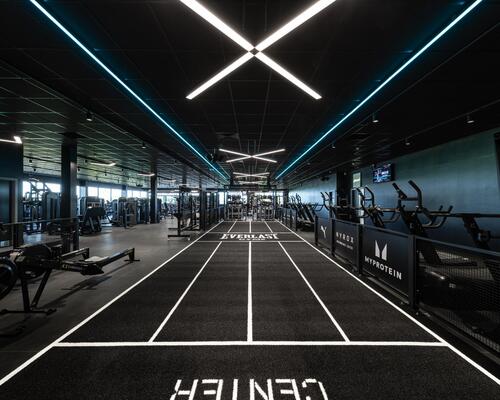
Everlast Gyms' York site has reopened following a refurbishment to bring it up to the ...
Latest News
Luxury hospitality and wellness pioneer Jeremy McCarthy has launched Leisure Alchemy, a digital platform that ...
Latest News
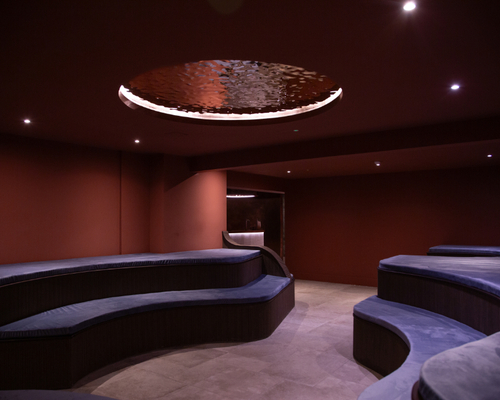
A contrast therapy and breathwork facility called Reset has opened in Islington, London, in the ...
Opinion
promotion
Strength training has moved from the margins to the mainstream.
Opinion: Building smarter strength spaces for today’s operators
Featured supplier news
Featured supplier news: Supporting long-term health: why whole body vibration belongs in clinical settings
As healthcare continues to shift towards prevention, there’s a growing focus on helping people stay active, independent and feeling good for longer.
Featured supplier news
Featured supplier news: Reaching the people most gyms miss: Bedford Gym & Swim Campaign delivers 410 new members
One of the biggest mistakes the fitness industry still makes is advertising almost exclusively to people who already look and live like gym members.
Company profiles
Company profile: D2F Fitness
D2F Fitness specialises in providing fitness equipment tailored to your gym’s needs, but goes further ...
Company profiles
Company profile: FIBO
FIBO pursues the vision of a strong and healthy society and as a global network ...
Supplier Showcases
Supplier Showcase - Future-proofing
Catalogue Gallery
Click on a catalogue to view it online
Featured press releases
ukactive press release: Are they Fit for Office? UK Active and Technogym throw down the gauntlet to MPs
Hundreds of staff, MPs and Peers from across Westminster have signed up for the Fit for Office parliamentary physical activity challenge, which takes place throughout June and is hosted by ukactive and Technogym.
Featured press releases
Innerva press release: Lex Leisure’s power-assisted exercise suite smashes targets in record time
Crook Log Leisure Centre has more than doubled the membership target for its new power- assisted exercise suite in less than six months.
Directory
Spa and beauty equipment
Oakworks Inc: Spa and beauty equipment
Fitness tracking platform
SpiviTech: Fitness tracking platform
Industrial washing machines
Miele Company Limited: Industrial washing machines
Lockers
Crown Sports Lockers: Lockers
Hot tubs
MSpa International Ltd: Hot tubs
Water experiences and hydrotherapy solutions
Aquaform s.r.l.: Water experiences and hydrotherapy solutions
Property & Tenders
Stratford, East London.
Lee Valley Regional Park Authority
Property & Tenders
Y Felinheli, LL56 4QN
Newmark
Property & Tenders
Diary dates
13-13 Jun 2026
Worldwide, Various,
Diary dates
21-24 Sep 2026
The Langham Huntington Pasadena , Pasadena, United States
Diary dates
06-08 Oct 2026
Messe Stuttgart, Stuttgart, Germany
Diary dates
22-22 Oct 2026
QEII Conference Centre, London,
Diary dates
26-29 Oct 2027
Koelnmesse Exhibition Centre, Cologne, Germany
Diary dates
Search news, features & products:
Find a supplier:
The Leisure Media Company Ltd
Partner sites