


















GET HCM
magazine
Sign up for the FREE digital edition of HCM magazine and also get the HCM ezine and breaking news email alerts.
Not right now, thanksclose this window I've already subscribed!
EGYM
EGYM
EGYM
Follow Health Club Management on Twitter Like Health Club Management on Facebook Join the discussion with Health Club Management on LinkedIn
FITNESS, HEALTH, WELLNESS

features

Statistics: A new benchmark

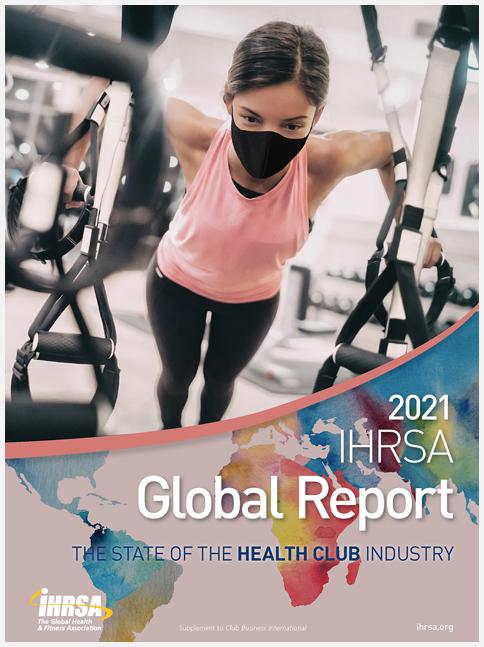
This year’s edition of the IHRSA Global Report which addresses performance from 2020, is a valuable record of the tremendous impact of the COVID-19 pandemic on the sector, creating a benchmark from which to understand the recovery. Kristen Walsh reports for HCM
Published in Health Club Management 2021 issue 9
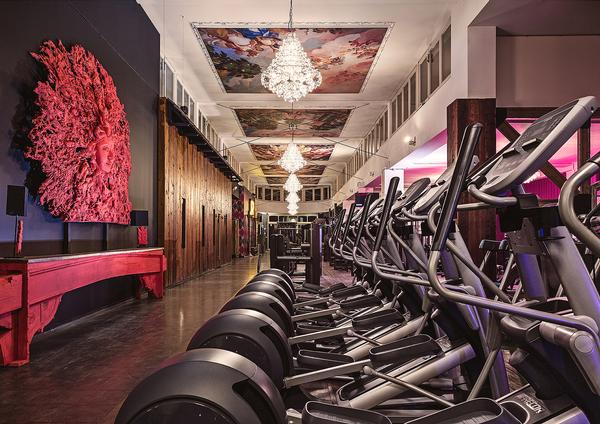
Several leading markets in Europe saw at least two waves of fitness closures in 2020. Above: John Reed Berlin / photo: ihrsa - john reed berlin
While nearly 20% of clubs closed for good in the US, the number in Germany decreased by only 1.4%

With restrictions continuing to plague fitness clubs in some parts of the world, it’s challenging to quantify the full impact of COVID-19 on the global health club industry,” explains Melissa Rodriguez, director of research at IHRSA. “However, in creating the latest IHRSA Global Report, we’ve taken insights gathered from the closures, feedback from leading operators and information from publicly traded companies, to identify the key takeaways from 2020 and understand the outlook for the future.”
Key IHRSA research takeaways
1. Closures and restrictions overwhelmed the industry worldwide in 2020

In North America, while restrictions had been loosened in some regions, capacity limits remained in the majority of states and provinces. Around 17 per cent of health club establishments in the US permanently closed in 2020, as the industry lost 58 per cent of its revenue when compared to the previous year.

In Canada, shutdowns led to closures lasting up to six months for many health clubs. In 2021, Canadian businesses are still grappling with capacity restrictions across multiple jurisdictions.

The top Latin American fitness club markets encountered prolonged shutdowns, some continuing into 2021. Gyms in Colombia and Peru contended with maximum capacity restrictions of 30 per cent and 20 per cent, respectively, while clubs in Mexico and Argentina were closed for up to eight months. Fitness centres in Chile were still closed as of April 2021, with restrictions continuing in some parts of the country by August 2021.

Several leading markets in Europe endured at least two waves of fitness closures in 2020, with some such as the UK dealing with three. The most recent wave of lockdowns in 2021 has dictated closures in Germany, the Netherlands, France, Italy, Denmark and some regions of Spain.

Fitness club closures in the Asia-Pacific region varied in 2020. In China, a nationwide lockdown lasted about two months, including the Chinese New Year, when most businesses traditionally close. Clubs in India were extremely challenged during national lockdowns, with some regions being closed for more than seven months.

2. Recovery will be a long-term effort across the industry worldwide and uneven across segments

Budget gyms seem poised for a quicker comeback where they’re allowed to resume in-person business free of harsh restrictions.

With locations spread across geographic markets and with varying closure durations and restrictions, Planet Fitness and Basic-Fit 2020 membership levels decreased by only 6 per cent and 5 per cent, respectively, relative to 2019. Both brands grew their number of locations in 2020, despite the global pandemic.

Ongoing closures and restrictions may be more severe in terms of lost business for studios, especially if they have a pay-as-you-go business model.

YogaWorks, The Flywheel and Cyc Fitness – studio brands that filed for bankruptcy in the US – closed all their locations in 2020 and as we went to press, some of SoulCycle’s nearly 100 facilities were still closed in the US.

Expanding to hybrid with digital fitness was especially critical for smaller footprint studios, while liquidity has been key to recovery for clubs enduring ongoing shutdowns and reduced membership levels, which may elevate the closure risk of small businesses. Mature club operators with liquidity and access to capital are withstanding the pandemic far better.

The annual reports issued by publicly-traded health club companies have all emphasised the importance of liquidity as the means to endure economic uncertainty due to prolonged closures and restrictions. A study from JP Morgan of more than 500,000 small businesses showed that the typical small enterprise has less than 30 days’ worth of expenses in reserve.

3. Fitness clubs located in regions either less impacted by COVID-19 or with access to government relief are positioned for recovery

Markets with ongoing, multiple closures face an uphill challenge for recovery relative to markets with short-lived lockdowns, such as China.

Based on The 2019-2020 China Health & Fitness Market Report by Deloitte, China’s leading health and fitness brands report their membership attendances and group exercise participation in June 2020 was at 67 per cent and 84 per cent respectively, when compared to June 2019.

In Latin America, key markets struggled with closures ranging from a few months to a year and counting as we go to press. Latin American clubs that participated in the survey for this year’s IHRSA Global Report cited a double-digit percentage loss in both memberships and revenue.

Grupo Sports World, for example, reported year-on-year membership and revenue declines of 38 per cent and 54 per cent, respectively.

Annual results from full-service operators, SATS and Leejam Sports Club Company, suggest an imminent turnaround for clubs in countries less impacted by COVID-19.

SATS is the number one ownership group in terms of number of health and fitness clubs in Norway, Finland and Sweden, where shutdowns were relatively brief in terms of the whole of the west of Europe.

The company grew by five locations and lost nine per cent of membership – a modest decline by COVID-19 standards. Leejam Sports Club Company, based in Saudi Arabia, grew its number of clubs and lost only six per cent of members in 2020.

The Gym Group, a low-cost gym operator in the UK, lost 27 per cent of its members in 2020, when its clubs were closed for 55 per cent of trading days. Revenue dropped by 47 per cent – the highest decline among publicly-traded low-cost club companies.

However, by the end of June 2021, the company was reporting that memberships were getting close to pre-pandemic levels, with total numbers having increased from 547,000 at the end of February 2021 to 734,000 as of 28 June, versus 794,000 in December 2019.

Access to adequate government relief may have played a critical role in keeping clubs open in some developed markets. While nearly 20 per cent of clubs closed for good in the US, the number in Germany decreased by only 1.4 per cent. The Paycheck Protection Program in the US – an employment-related relief measure – did not fully address the fixed costs associated with running a health club operation, which are expenses the proposed Gyms Act covers [IHRSA’s proposed legislation to protect the sector in the US www.HCMmag.com/gymsact]

In Germany, lawmakers approved a number of relief measures, including a reduced VAT rate, up to 12-months’ wage subsidies for furloughed workers and the suspension of obligation to file for insolvency, which gave businesses more time to apply for government aid or to make restructuring arrangements in order to continue operations.

Conclusions

These takeaways highlight that although there will be regional hotspots of rapid recovery, overall, it will take time for the global health and fitness industry to get back to pre-pandemic trading levels globally.

The COVID-19 pandemic has underscored the importance of health and physical activity, auguring well for the long-term outlook of the industry. The boom of digital fitness and home equipment sales in 2020 speaks to the growing awareness and increasing demand from consumers.

Pre-COVID-19, the global industry served more than 180 million members at 205,000 clubs in nearly 70 global markets and we expect these numbers to be regained as the industry recovers, as the health club industry remains uniquely positioned to meet the fitness and wellness needs of communities around the globe.

More: www.ihrsa.org/publications

photo: IHRSA

"We’ve taken insights gathered from the closures, feedback from leading operators and information from publicly traded companies, to identify key takeaways from 2020" –  Melissa Rodriguez, director of research, IHRSA

The 2019-2020 China Health & Fitness Market Report by Deloitte showed the market in China has coped well with the pandemic / photo: XiXinXing/shutterstocK
https://www.leisureopportunities.co.uk/images/2021/67663_626080.jpg
This year’s IHRSA Global Report is a record of the impact of the pandemic on the sector
HCM magazine
As the entrepreneur who started Wexer, Fresh Fitness, Fitness DK and Repeat, as well as being a former elite athlete, Rasmus Ingerslev’s life looked perfect from the outside, but onthe inside it was a different story. He talks to Kath Hudson about healing old wounds
HCM magazine
Collaborations with the medical profession and greater aspirations around wellbeing are creating a need for more experts in our sector. It’s time to reboot our thinking around the workforce
HCM magazine
Raphael Cuomo explores the powerful link between addiction, health and behaviour change
HCM magazine
HCM People

Stephen Price

Founder, SP&Co Group
Working in public health over the last few years has lit up parts of my brain again
HCM magazine
If the health service is to survive, we must recognise that it is a disease service – and that wellbeing rests with us, says the activity advocate and healthy ageing champion. He talks to Kate Cracknell
HCM promotional features
Sponsored
Third Space partnered with IndigoFitness to deliver a bespoke training space for its new club at The Whiteley
HCM promotional features
Sponsored
Greg Bradley looks at the shift towards strength training in gyms and advises on how operators can create the ultimate training environment
HCM promotional features
Sponsored
David Lloyd is stepping up its commitment to women’s health as it continues to explore what fit-for-purpose looks like for the female population
HCM promotional features
Sponsored
Starpool supports Olympic champion Marcell Jacobs, says Riccardo Turri
HCM promotional features
Sponsored
SnowDome Fitness has added 50 per cent more space with cutting-edge Technogym solutions
HCM promotional features
Sponsored
Find out how your gym can tap into the corporate wellness boom
HCM promotional features
Sponsored
EGYM has opened a new HQ in Paternoster Square, London and revealed a range of new launches
HCM promotional features
Promotion
Performance Health Systems, manufacturer of Power Plate, has a new CEO, with an ambitious vision for the company
HCM promotional features
Promotion
BLK BOX has been reimagining elite performance spaces for more than a decade. Founder and former athlete, Greg Bradley, tells us what it takes
HCM promotional features
Latest News
PureGym Group has announced that group chief financial officer, Alex Wood, is taking over the ...
Latest News
Independent operator, Fitness Worx Gyms, is introducing private blood testing as a service to members. ...
Latest News
International industry lobbying associations are calling for physical activity and strength training to be deeply ...
Latest News
Global group exercise specialist, Les Mills, is inviting operators to sign up to its Workout ...
Latest News
Global luxury hospitality brand, Six Senses, has partnered with longevity healthcare provider, HUM2N, to launch ...
Latest News
Premium London health club, KX Chelsea, is gearing up to unveil its most significant redevelopment ...
Latest News
Researchers in the US have identified an antibody which could greatly reduce the loss of ...
Latest News
Peloton has made the strategic acquisition of Pilates start-up, Skōp, to support the expansion of ...
Opinion
promotion
Strength training has moved from the margins to the mainstream.
Opinion: Building smarter strength spaces for today’s operators
Featured supplier news
Featured supplier news: Cornerstone Connect helps Active Blackpool tackle health inequalities
Active Blackpool is deploying Cornerstone Connect, a new digital interface allowing disparate information from multiple systems to be aggregated into one dataset, to support its focus on reducing health inequalities and improving healthy life expectancy.
Featured supplier news
Featured supplier news: Supporting long-term health: why whole body vibration belongs in clinical settings
As healthcare continues to shift towards prevention, there’s a growing focus on helping people stay active, independent and feeling good for longer.
Company profiles
Company profile: Shua Fitness
Founded in 1996, Shua integrates intelligent technology, sports science, and premium fitness equipment to deliver ...
Company profiles
Company profile: Future Fit
Since 1993, Future Fit have been consistently raising the bar when it comes to training ...
Supplier Showcases
Supplier Showcase - Future-proofing
Catalogue Gallery
Click on a catalogue to view it online
Featured press releases
Everyone Active press release: Everyone Active celebrates Summer Solstice and International Yoga Day with wellness events across UK
A nationwide celebration for the upcoming Summer Solstice and International Yoga Day will take place at Everyone Active facilities across the country on Friday, 19 June 2026.
Featured press releases
Zynk Design press release: Gym lighting design: how to specify lighting that motivates members
Gym lighting design is one of the most underrated tools an operator has, and one of the most commonly mishandled.
Directory
Fitness tracking platform
SpiviTech: Fitness tracking platform
Water experiences and hydrotherapy solutions
Aquaform s.r.l.: Water experiences and hydrotherapy solutions
Industrial washing machines
Miele Company Limited: Industrial washing machines
Lockers
Crown Sports Lockers: Lockers
Hot tubs
MSpa International Ltd: Hot tubs
Spa and beauty equipment
Living Earth Crafts: Spa and beauty equipment
Property & Tenders
Stratford, East London.
Lee Valley Regional Park Authority
Property & Tenders
Y Felinheli, LL56 4QN
Newmark
Property & Tenders
Diary dates
22-23 Jun 2026
WX Wakefield , Wakefield, United Kingdom
Diary dates
21-24 Sep 2026
The Langham Huntington Pasadena , Pasadena, United States
Diary dates
06-08 Oct 2026
Messe Stuttgart, Stuttgart, Germany
Diary dates
22-22 Oct 2026
QEII Conference Centre, London,
Diary dates
26-29 Oct 2027
Koelnmesse Exhibition Centre, Cologne, Germany
Diary dates

features

Statistics: A new benchmark

This year’s edition of the IHRSA Global Report which addresses performance from 2020, is a valuable record of the tremendous impact of the COVID-19 pandemic on the sector, creating a benchmark from which to understand the recovery. Kristen Walsh reports for HCM

Published in Health Club Management 2021 issue 9
Several leading markets in Europe saw at least two waves of fitness closures in 2020. Above: John Reed Berlin / photo: ihrsa - john reed berlin
While nearly 20% of clubs closed for good in the US, the number in Germany decreased by only 1.4%

With restrictions continuing to plague fitness clubs in some parts of the world, it’s challenging to quantify the full impact of COVID-19 on the global health club industry,” explains Melissa Rodriguez, director of research at IHRSA. “However, in creating the latest IHRSA Global Report, we’ve taken insights gathered from the closures, feedback from leading operators and information from publicly traded companies, to identify the key takeaways from 2020 and understand the outlook for the future.”

Key IHRSA research takeaways
1. Closures and restrictions overwhelmed the industry worldwide in 2020

In North America, while restrictions had been loosened in some regions, capacity limits remained in the majority of states and provinces. Around 17 per cent of health club establishments in the US permanently closed in 2020, as the industry lost 58 per cent of its revenue when compared to the previous year.

In Canada, shutdowns led to closures lasting up to six months for many health clubs. In 2021, Canadian businesses are still grappling with capacity restrictions across multiple jurisdictions.

The top Latin American fitness club markets encountered prolonged shutdowns, some continuing into 2021. Gyms in Colombia and Peru contended with maximum capacity restrictions of 30 per cent and 20 per cent, respectively, while clubs in Mexico and Argentina were closed for up to eight months. Fitness centres in Chile were still closed as of April 2021, with restrictions continuing in some parts of the country by August 2021.

Several leading markets in Europe endured at least two waves of fitness closures in 2020, with some such as the UK dealing with three. The most recent wave of lockdowns in 2021 has dictated closures in Germany, the Netherlands, France, Italy, Denmark and some regions of Spain.

Fitness club closures in the Asia-Pacific region varied in 2020. In China, a nationwide lockdown lasted about two months, including the Chinese New Year, when most businesses traditionally close. Clubs in India were extremely challenged during national lockdowns, with some regions being closed for more than seven months.

2. Recovery will be a long-term effort across the industry worldwide and uneven across segments

Budget gyms seem poised for a quicker comeback where they’re allowed to resume in-person business free of harsh restrictions.

With locations spread across geographic markets and with varying closure durations and restrictions, Planet Fitness and Basic-Fit 2020 membership levels decreased by only 6 per cent and 5 per cent, respectively, relative to 2019. Both brands grew their number of locations in 2020, despite the global pandemic.

Ongoing closures and restrictions may be more severe in terms of lost business for studios, especially if they have a pay-as-you-go business model.

YogaWorks, The Flywheel and Cyc Fitness – studio brands that filed for bankruptcy in the US – closed all their locations in 2020 and as we went to press, some of SoulCycle’s nearly 100 facilities were still closed in the US.

Expanding to hybrid with digital fitness was especially critical for smaller footprint studios, while liquidity has been key to recovery for clubs enduring ongoing shutdowns and reduced membership levels, which may elevate the closure risk of small businesses. Mature club operators with liquidity and access to capital are withstanding the pandemic far better.

The annual reports issued by publicly-traded health club companies have all emphasised the importance of liquidity as the means to endure economic uncertainty due to prolonged closures and restrictions. A study from JP Morgan of more than 500,000 small businesses showed that the typical small enterprise has less than 30 days’ worth of expenses in reserve.

3. Fitness clubs located in regions either less impacted by COVID-19 or with access to government relief are positioned for recovery

Markets with ongoing, multiple closures face an uphill challenge for recovery relative to markets with short-lived lockdowns, such as China.

Based on The 2019-2020 China Health & Fitness Market Report by Deloitte, China’s leading health and fitness brands report their membership attendances and group exercise participation in June 2020 was at 67 per cent and 84 per cent respectively, when compared to June 2019.

In Latin America, key markets struggled with closures ranging from a few months to a year and counting as we go to press. Latin American clubs that participated in the survey for this year’s IHRSA Global Report cited a double-digit percentage loss in both memberships and revenue.

Grupo Sports World, for example, reported year-on-year membership and revenue declines of 38 per cent and 54 per cent, respectively.

Annual results from full-service operators, SATS and Leejam Sports Club Company, suggest an imminent turnaround for clubs in countries less impacted by COVID-19.

SATS is the number one ownership group in terms of number of health and fitness clubs in Norway, Finland and Sweden, where shutdowns were relatively brief in terms of the whole of the west of Europe.

The company grew by five locations and lost nine per cent of membership – a modest decline by COVID-19 standards. Leejam Sports Club Company, based in Saudi Arabia, grew its number of clubs and lost only six per cent of members in 2020.

The Gym Group, a low-cost gym operator in the UK, lost 27 per cent of its members in 2020, when its clubs were closed for 55 per cent of trading days. Revenue dropped by 47 per cent – the highest decline among publicly-traded low-cost club companies.

However, by the end of June 2021, the company was reporting that memberships were getting close to pre-pandemic levels, with total numbers having increased from 547,000 at the end of February 2021 to 734,000 as of 28 June, versus 794,000 in December 2019.

Access to adequate government relief may have played a critical role in keeping clubs open in some developed markets. While nearly 20 per cent of clubs closed for good in the US, the number in Germany decreased by only 1.4 per cent. The Paycheck Protection Program in the US – an employment-related relief measure – did not fully address the fixed costs associated with running a health club operation, which are expenses the proposed Gyms Act covers [IHRSA’s proposed legislation to protect the sector in the US www.HCMmag.com/gymsact]

In Germany, lawmakers approved a number of relief measures, including a reduced VAT rate, up to 12-months’ wage subsidies for furloughed workers and the suspension of obligation to file for insolvency, which gave businesses more time to apply for government aid or to make restructuring arrangements in order to continue operations.

Conclusions

These takeaways highlight that although there will be regional hotspots of rapid recovery, overall, it will take time for the global health and fitness industry to get back to pre-pandemic trading levels globally.

The COVID-19 pandemic has underscored the importance of health and physical activity, auguring well for the long-term outlook of the industry. The boom of digital fitness and home equipment sales in 2020 speaks to the growing awareness and increasing demand from consumers.

Pre-COVID-19, the global industry served more than 180 million members at 205,000 clubs in nearly 70 global markets and we expect these numbers to be regained as the industry recovers, as the health club industry remains uniquely positioned to meet the fitness and wellness needs of communities around the globe.

More: www.ihrsa.org/publications

photo: IHRSA

"We’ve taken insights gathered from the closures, feedback from leading operators and information from publicly traded companies, to identify key takeaways from 2020" –  Melissa Rodriguez, director of research, IHRSA
The 2019-2020 China Health & Fitness Market Report by Deloitte showed the market in China has coped well with the pandemic / photo: XiXinXing/shutterstocK
https://www.leisureopportunities.co.uk/images/2021/67663_626080.jpg
This year’s IHRSA Global Report is a record of the impact of the pandemic on the sector
Latest News
PureGym Group has announced that group chief financial officer, Alex Wood, is taking over the ...
Latest News
Independent operator, Fitness Worx Gyms, is introducing private blood testing as a service to members. ...
Latest News
International industry lobbying associations are calling for physical activity and strength training to be deeply ...
Latest News
Global group exercise specialist, Les Mills, is inviting operators to sign up to its Workout ...
Latest News
Global luxury hospitality brand, Six Senses, has partnered with longevity healthcare provider, HUM2N, to launch ...
Latest News
Premium London health club, KX Chelsea, is gearing up to unveil its most significant redevelopment ...
Latest News
Researchers in the US have identified an antibody which could greatly reduce the loss of ...
Latest News
Peloton has made the strategic acquisition of Pilates start-up, Skōp, to support the expansion of ...
Latest News
Crunch Fitness has announced the launch of Crunch Reform Pilates – its own reformer concept ...
Latest News
The 20th State of the Industry Report from LeisureDB has revealed a resilient, expanding and ...
Latest News
Purpose Brands has announced its entry into the Italian market, having sold the franchise rights ...
Opinion
promotion
Strength training has moved from the margins to the mainstream.
Opinion: Building smarter strength spaces for today’s operators
Featured supplier news
Featured supplier news: Cornerstone Connect helps Active Blackpool tackle health inequalities
Active Blackpool is deploying Cornerstone Connect, a new digital interface allowing disparate information from multiple systems to be aggregated into one dataset, to support its focus on reducing health inequalities and improving healthy life expectancy.
Featured supplier news
Featured supplier news: Supporting long-term health: why whole body vibration belongs in clinical settings
As healthcare continues to shift towards prevention, there’s a growing focus on helping people stay active, independent and feeling good for longer.
Company profiles
Company profile: Shua Fitness
Founded in 1996, Shua integrates intelligent technology, sports science, and premium fitness equipment to deliver ...
Company profiles
Company profile: Future Fit
Since 1993, Future Fit have been consistently raising the bar when it comes to training ...
Supplier Showcases
Supplier Showcase - Future-proofing
Catalogue Gallery
Click on a catalogue to view it online
Featured press releases
Everyone Active press release: Everyone Active celebrates Summer Solstice and International Yoga Day with wellness events across UK
A nationwide celebration for the upcoming Summer Solstice and International Yoga Day will take place at Everyone Active facilities across the country on Friday, 19 June 2026.

Featured press releases
Zynk Design press release: Gym lighting design: how to specify lighting that motivates members
Gym lighting design is one of the most underrated tools an operator has, and one of the most commonly mishandled.
Directory
Fitness tracking platform
SpiviTech: Fitness tracking platform
Water experiences and hydrotherapy solutions
Aquaform s.r.l.: Water experiences and hydrotherapy solutions
Industrial washing machines
Miele Company Limited: Industrial washing machines
Lockers
Crown Sports Lockers: Lockers
Hot tubs
MSpa International Ltd: Hot tubs
Spa and beauty equipment
Living Earth Crafts: Spa and beauty equipment
Property & Tenders
Stratford, East London.
Lee Valley Regional Park Authority
Property & Tenders
Y Felinheli, LL56 4QN
Newmark
Property & Tenders
Diary dates
22-23 Jun 2026
WX Wakefield , Wakefield, United Kingdom
Diary dates
21-24 Sep 2026
The Langham Huntington Pasadena , Pasadena, United States
Diary dates
06-08 Oct 2026
Messe Stuttgart, Stuttgart, Germany
Diary dates
22-22 Oct 2026
QEII Conference Centre, London,
Diary dates
26-29 Oct 2027
Koelnmesse Exhibition Centre, Cologne, Germany
Diary dates
Search news, features & products:
Find a supplier:
EGYM
EGYM
Partner sites