







Editor's letter



Access to leisure in its many forms was declared to be a basic human right in the Universal Declaration of Human Rights, which was adopted by the General Assembly of the United Nations in 1948.
It’s widely known that the Universal Declaration covers a wide range of rights, including such matters as the right to life, freedom from torture, fair treatment in the justice system, freedom of speech, democratic rights and the right to social security.
Less widely known is that it also includes the rights to: rest; leisure time; reasonable limitation of working hours; holidays with pay; and participation in the cultural life of the community. These rights are endorsed, and expanded upon, by the World Leisure Organization’s Charter for Leisure (www.worldleisure.org/charter).
The UN has declared all the rights set out in the Universal Declaration to be ‘universal, indivisible and interdependent and interrelated’ and for the individual to live a life of freedom and dignity, all the rights set out in the declaration – including leisure rights, must be recognised.
Access to leisure was declared to be a basic human right by the United Nations in 1948
Regarding the right to time for rest and leisure: it would clearly be inhumane to require people to work such long hours that it becomes injurious to health. However, there is research evidence to show that, for example, work-related fatigue is still a very present problem, even in wealthy countries.
When it comes to participation in the cultural life of the community, this refers not only to culture in the sense of the arts but also to general social functioning, including all forms of leisure activity.
Violating human rights
The Universal Declaration states that everyone is entitled to all the rights and freedoms set out in the Declaration “without distinction of any kind, such as race, colour, sex, language, religion, political or other opinion, national or social origin, property, birth or other status”. Excluding people from the life of the community on any of these grounds is therefore a violation of their human rights.
Greater amounts of leisure time and levels of participation in physical activity and the arts are associated with higher levels of GDP per head
While there’s a mass of evidence on the beneficial effects of leisure activity on individuals’ physical and mental health, little of this evidence refers to the human rights dimension of leisure.
Early research arising from the work of the World Leisure Organization Human Rights Group indicates that, cross-nationally, greater amounts of leisure time and levels of participation in sport, physical recreation and arts/cultural activity are associated with higher levels of income in terms of GDP per head. The direction of causality has, however, not been determined.
Do higher levels of wealth enable countries’ residents to enjoy increased leisure rights or do countries which respect leisure rights (along with other human rights) achieve higher levels of wealth? This requires further research.
When it comes to lobbying governments on leisure rights, the industry should firstly itself recognise leisure as a human right and consider its implications for such matters as human resources management, Corporate Social Responsibility (CSR) and Environmental, Social and Governance (ESG).
When it comes to lobbying governments, the industry should itself recognise leisure as a human right
The WLO’s Charter for Leisure would be a good starting point for this consideration, together with its associated non-line educational and policy-related materials. Of course, industry outlets, such as Leisure Media, could play a significant part in communicating the proposition.
Secondly, it should be drawn to the attention of governments that most of them (171 in all) have ratified UN international treaties which recognise leisure rights and – in so doing – have already formally undertaken to respect, protect and fulfil the rights which they contain.
Leisure rights – treaty obligations
The main treaty concerned is the International Covenant on Economic, Social and Cultural Rights (ICESCR), which reiterates the economic, social and cultural rights in the Universal Declaration. This is a treaty in international law, similar to the climate change treaties (but attracting much less publicity).
Ratifying states must send periodic reports to the UN setting out their progress in implementing the provisions of the treaty. These should include references to leisure rights, but WLO Human Rights Group-associated research indicates that – to date – leisure rights have been grossly neglected in this reporting process.
In addition to the International Covenant on Economic, Social and Cultural Rights, a number of other human rights treaties, which have a similar legal status, reiterate leisure rights as they apply to particular social groups. These include: the Convention on Elimination of Discrimination Against Women; the Convention on the Rights of the Child; and the Convention on the Rights of People with Disabilities.
Few governments appear to have taken their leisure rights treaty obligations seriously. An initial first step has, however, been taken by the UK’s Equality and Human Rights Commission which, in 2017, developed a Measurement Framework for Equality and Human Rights, with a series of ‘core indicators’ to assess the country’s performance in regard to matters such as education, living standards and health.
Unusually, two indicators for leisure are also included, referring to the level of participation in sport or exercise and use of the internet. However, in its subsequent reports on human rights performance to the UK parliament, these indicators were not mentioned. There is, therefore, a long way to go before leisure rights will be fully recognised and implemented by governments.
• The World Leisure Organization (World Leisure) is an NGO in consultative status with the Economic and Social Council of the United Nations (UN ECOSOC). Leisure Media has been a global media partner of World Leisure since 1990.
Tony (AJ) Veal is adjunct professor at University of Technology Sydney, Business School. Atara Sivan is visiting professor in the department of education and psychology at Hong Kong Baptist University.
They co-chair the WLO’s special interest group on leisure and human rights: www.hcmmag.com/humanrights
Email: [email protected] and [email protected]
Editor's letter

HCM People
HCM People

Interview

Sponsored

Talkback

Sponsored

Insight

Policy

Promotion

Sponsored

Life Lessons
Sponsored

Specifier

Sponsored

Recovery

Research















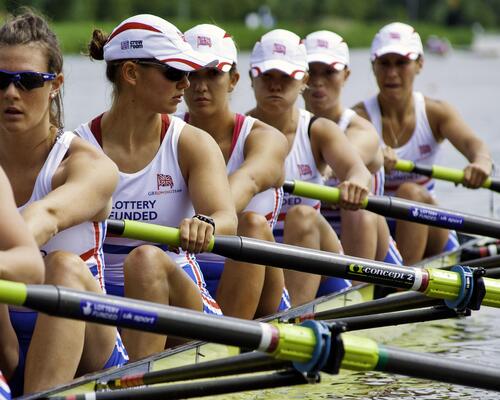










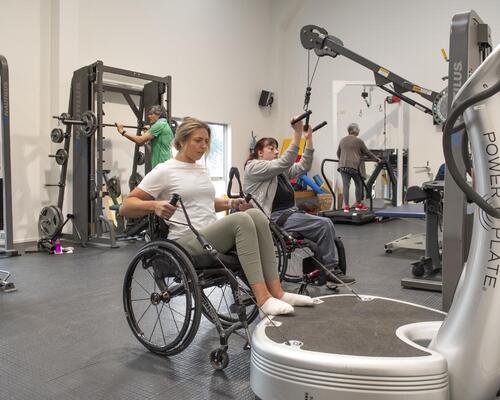












Access to leisure in its many forms was declared to be a basic human right in the Universal Declaration of Human Rights, which was adopted by the General Assembly of the United Nations in 1948.
It’s widely known that the Universal Declaration covers a wide range of rights, including such matters as the right to life, freedom from torture, fair treatment in the justice system, freedom of speech, democratic rights and the right to social security.
Less widely known is that it also includes the rights to: rest; leisure time; reasonable limitation of working hours; holidays with pay; and participation in the cultural life of the community. These rights are endorsed, and expanded upon, by the World Leisure Organization’s Charter for Leisure (www.worldleisure.org/charter).
The UN has declared all the rights set out in the Universal Declaration to be ‘universal, indivisible and interdependent and interrelated’ and for the individual to live a life of freedom and dignity, all the rights set out in the declaration – including leisure rights, must be recognised.
Access to leisure was declared to be a basic human right by the United Nations in 1948
Regarding the right to time for rest and leisure: it would clearly be inhumane to require people to work such long hours that it becomes injurious to health. However, there is research evidence to show that, for example, work-related fatigue is still a very present problem, even in wealthy countries.
When it comes to participation in the cultural life of the community, this refers not only to culture in the sense of the arts but also to general social functioning, including all forms of leisure activity.
Violating human rights
The Universal Declaration states that everyone is entitled to all the rights and freedoms set out in the Declaration “without distinction of any kind, such as race, colour, sex, language, religion, political or other opinion, national or social origin, property, birth or other status”. Excluding people from the life of the community on any of these grounds is therefore a violation of their human rights.
Greater amounts of leisure time and levels of participation in physical activity and the arts are associated with higher levels of GDP per head
While there’s a mass of evidence on the beneficial effects of leisure activity on individuals’ physical and mental health, little of this evidence refers to the human rights dimension of leisure.
Early research arising from the work of the World Leisure Organization Human Rights Group indicates that, cross-nationally, greater amounts of leisure time and levels of participation in sport, physical recreation and arts/cultural activity are associated with higher levels of income in terms of GDP per head. The direction of causality has, however, not been determined.
Do higher levels of wealth enable countries’ residents to enjoy increased leisure rights or do countries which respect leisure rights (along with other human rights) achieve higher levels of wealth? This requires further research.
When it comes to lobbying governments on leisure rights, the industry should firstly itself recognise leisure as a human right and consider its implications for such matters as human resources management, Corporate Social Responsibility (CSR) and Environmental, Social and Governance (ESG).
When it comes to lobbying governments, the industry should itself recognise leisure as a human right
The WLO’s Charter for Leisure would be a good starting point for this consideration, together with its associated non-line educational and policy-related materials. Of course, industry outlets, such as Leisure Media, could play a significant part in communicating the proposition.
Secondly, it should be drawn to the attention of governments that most of them (171 in all) have ratified UN international treaties which recognise leisure rights and – in so doing – have already formally undertaken to respect, protect and fulfil the rights which they contain.
Leisure rights – treaty obligations
The main treaty concerned is the International Covenant on Economic, Social and Cultural Rights (ICESCR), which reiterates the economic, social and cultural rights in the Universal Declaration. This is a treaty in international law, similar to the climate change treaties (but attracting much less publicity).
Ratifying states must send periodic reports to the UN setting out their progress in implementing the provisions of the treaty. These should include references to leisure rights, but WLO Human Rights Group-associated research indicates that – to date – leisure rights have been grossly neglected in this reporting process.
In addition to the International Covenant on Economic, Social and Cultural Rights, a number of other human rights treaties, which have a similar legal status, reiterate leisure rights as they apply to particular social groups. These include: the Convention on Elimination of Discrimination Against Women; the Convention on the Rights of the Child; and the Convention on the Rights of People with Disabilities.
Few governments appear to have taken their leisure rights treaty obligations seriously. An initial first step has, however, been taken by the UK’s Equality and Human Rights Commission which, in 2017, developed a Measurement Framework for Equality and Human Rights, with a series of ‘core indicators’ to assess the country’s performance in regard to matters such as education, living standards and health.
Unusually, two indicators for leisure are also included, referring to the level of participation in sport or exercise and use of the internet. However, in its subsequent reports on human rights performance to the UK parliament, these indicators were not mentioned. There is, therefore, a long way to go before leisure rights will be fully recognised and implemented by governments.
• The World Leisure Organization (World Leisure) is an NGO in consultative status with the Economic and Social Council of the United Nations (UN ECOSOC). Leisure Media has been a global media partner of World Leisure since 1990.
Tony (AJ) Veal is adjunct professor at University of Technology Sydney, Business School. Atara Sivan is visiting professor in the department of education and psychology at Hong Kong Baptist University.
They co-chair the WLO’s special interest group on leisure and human rights: www.hcmmag.com/humanrights
Email: [email protected] and [email protected]
Editor's letter
HCM People
HCM People
Interview
Sponsored
Talkback
Sponsored
Insight
Policy
Promotion
Sponsored
Life Lessons
Sponsored
Specifier
Sponsored
Recovery
Research