



















Follow Health Club Management on Twitter Like Health Club Management on Facebook Join the discussion with Health Club Management on LinkedIn
FITNESS, HEALTH, WELLNESS

features

Policy: Future direction

Cliff Collins, CEO of Fitcomm, asks if the European fitness sector is heading in the right direction?

Published in Health Club Management 2025 issue 2
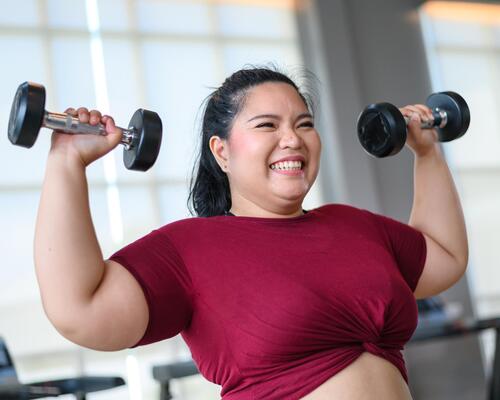
Only 33 per cent of adults meet HEPA guidelines / photo: Shutterstock / Halfpoint
Many fitness operators struggle to see the relevance of global goals. Their business models are focused on local trends, with less attention paid to achieving public health objectives

The European fitness sector finds itself at a critical moment as new policy initiatives from the European Commission and World Health Organization (WHO) seek to address rising physical inactivity levels across the continent.

With health-enhancing physical activity (HEPA) gaining renewed focus, the question arises: is the fitness sector fully aligning with the broader public health goals set by these bodies, or is it missing out on the direction of travel?

Two Decades of Policy Development
The European Commission has been advocating for health-enhancing physical activity for over two decades. This commitment was reaffirmed in a letter from European Commission president, Dr Ursula von der Leyen, to commissioner-designate Glenn Micallef in September 2024, with a newer focus on integrating mental health concerns into health-enhancing physical activity policies.

Micallef, who is set to take office in early 2025, will oversee policy initiatives that will run through 2029, continuing the EU’s longstanding support for health-enhancing physical activity.

Despite substantial investments and policy development over the past 20 years, the impact on increasing physical activity levels remains limited. In recognising of the fact the dial hasn’t shifted during this period, one of the most significant recent developments was the announcement in May 2024 of a more integrated formal collaboration between the World Health Organization and the European Commission to jointly promote physical activity. This collaboration aims to enhance EU member states’ policies and actions to support healthier populations, yet results on the ground have been slow to materialise.

The Challenge of Inactivity
Europe continues to face significant public health challenges. Non-communicable diseases (NCDs) such as heart disease, diabetes and cancer impose a heavy burden in terms of human lives and healthcare costs. The WHO and European Commission have consistently emphasised that increasing physical activity can mitigate these issues, saving billions of Euros in healthcare costs annually and potentially preventing over 10,000 premature deaths each year.

However, the data on physical activity remains concerning. Eurostat’s report, released during the 2024 European Week of Sport, revealed that only 33 per cent of adults meet the recommended 150 minutes of health-enhancing physical activity per week, while 47 per cent engage in none at all.

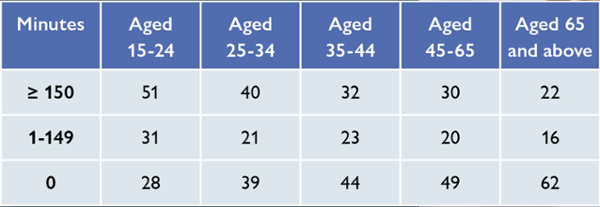
Inactivity increases with age, with 62 per cent of those aged 65 and above failing to meet even minimal activity requirements (Eurobarometer Survey on Sport and Physical Activity, 2022).

This aligns with a broader trend observed since 2009, where inactivity has steadily risen across the EU. The latest Eurobarometer survey says 45 per cent of Europeans now never exercise, 4 per cent increase from 2014, and Table 1, based on the Eurobarometer 2022 findings, shows how physical activity levels fall with age.

Is the fitness sector fully engaged?
The fitness sector in Europe has grown significantly, yet it appears to largely remain disconnected from the broader public health agenda. Deloitte’s European Health & Fitness Market Report 2024 shows a 7.5 per cent increase in fitness club memberships from 2022 to 2023, with total membership reaching 67.6 million. However, this only represents 10 per cent of the European population aged 15 and above. Despite the sector’s expansion, there has been limited progress in engaging a broader range of people, particularly the inactive and older populations.

The WHO and European Commission’s bold new focus on physical activity programmes being delivered and monitored through the national government strategies of the member states will require a shift in financial support. The money must follow the plans for delivery. This presents an opportunity for the fitness sector to align more closely with European health policies, but it must first be clear on its own mission.

The new enhanced cooperation between the European Commission and WHO is framed by several global health initiatives. These include the WHO’s Global Action Plan on Physical Activity 2018–2030, which targets a 15 per cent reduction in inactivity, as well as various UN Sustainable Development Goals (SDGs) that are aimed at improving global health and wellbeing. These global targets, such as SDG 3.4 (reducing premature deaths from non-communicable disease by one-third by 2030), are designed to promote physical activity as part of broader public health efforts.

“The collaboration between WHO/Europe and the European Commission goes way beyond promoting the direct benefits of exercise,” said Kremlin Wickramasinghe, regional advisor for nutrition, physical activity and obesity at WHO/Europe in the May 2024 declaration of cooperation. “Health-enhancing physical activity policies recommended by WHO/Europe and the EU encompass a whole set of measures across multiple settings, such as schools, workplaces and cities, creating a cumulative positive effect on health, economies and social wellbeing”.

However, many fitness operators struggle to see the relevance of these big policy announcements and links to global goals. Their business models are often focused on local trends, membership rates, and digital innovations, with less attention paid to their potential contribution to achieving wider public health objectives. Fitness industry leaders need to appreciate the shifting position of European institutions and policy-makers in relation to these matters.

The Importance of Data Collection
One of the key challenges facing the European fitness sector is the lack of comprehensive and coordinated data collection. While some fitness operators collect internal data and some research exists at the national level, there’s little reliable, large-scale data that can illustrate the sector’s impact on public health. This lack of data limits the ability of the sector to demonstrate its contributions to health-enhancing physical activity, which in turn affects its visibility and its influence in policy discussions.

The rapid development of digital fitness technologies, such as wearables and app-based platforms, provides an opportunity for better data collection. However, the competitive nature of these technologies means that systems are often incompatible, preventing a comprehensive view of how fitness activities are impacting public health across the EU.

Improved interoperability and data-sharing could help the sector demonstrate its role in reducing inactivity, but currently, there is little evidence to suggest such initiatives are underway.

The health and fitness sector and public health policy
The European health and fitness sector has often struggled to position itself within the broader context of public health and to find an independent voice in Brussels and elsewhere across Europe. Although the sector has largely grown away from its sporting origins, it continues to face challenges in defining its role and demonstrating its value to public health initiatives. It is possibly blurring the edges again by stating that it is part of the physical activity or wellness sectors, as these too are also undefined and are also claimed by other stakeholders.

If the sector is now proclaiming that its future direction is an inexorable move towards a position of being a recognised healthcare provider, at least it should be able to say how much it already contributes and not just in terms of revenue and employment statistics.

The health and fitness sector should position itself more clearly as a key player in promoting health-enhancing physical activity and proving its positive contribution to outcomes that help reduce the societal costs of inactivity. The European Commission and WHO realise that a simple message of ‘get active’ does not sufficiently resonate to make any real difference, and have reacted to the reality that increasing levels of inactivity have already had negative impacts on health systems, the environment, economic development, community wellbeing and quality of life.

The way forward
The European fitness sector is at a critical juncture. While it has grown significantly, it must do more to align itself with the broader public health objectives of the European Commission and WHO. By improving data collection, better defining its role, and contributing to global health goals, the fitness sector can play a more significant role in tackling the rising levels of inactivity in Europe. This presents a golden opportunity to evolve and grow the sector and enhance its reputation at the same time. The question remains: will the sector seize this opportunity, or will it miss out on the future direction of health policy?

More: www.fitcomm.net

photo: Cliff Collins

"The European fitness sector is at a critical juncture. While it has grown significantly, it must do more to align itself with the broader public health objectives of the EU and WHO" – Cliff Collins

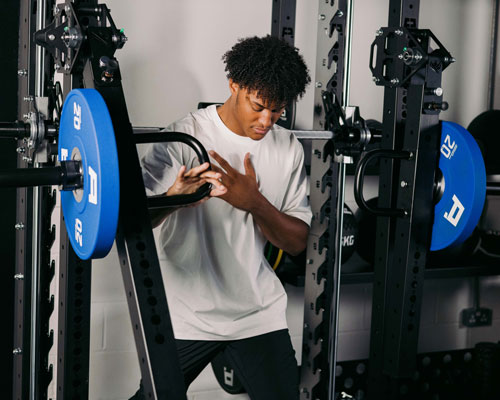
HEPA policies cover multiple settings, from schools to whole cities / photo: Shutterstock / Drazen Zigic
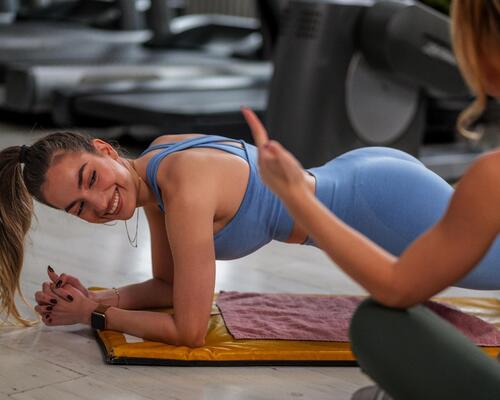
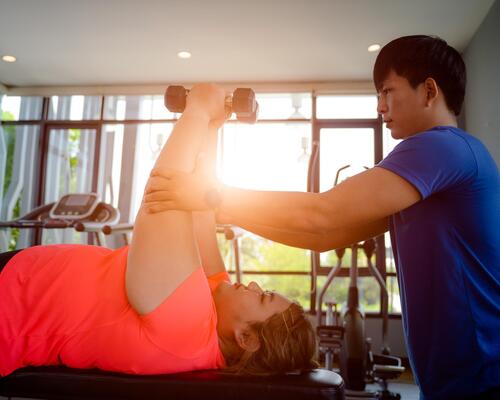
Progress in engaging wider populations has been limited / photo: national fitness day
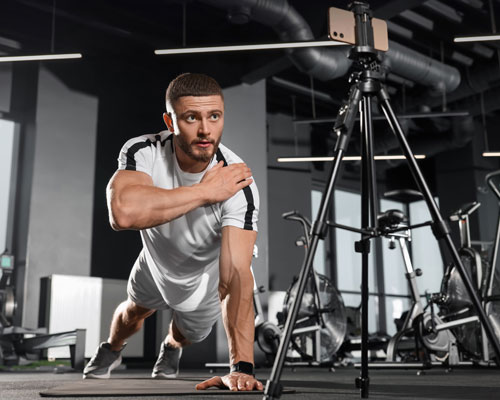
Little data exists to show the fitness sector's impact on public health / photo: Shutterstock / PeopleImages.com - Yuri A
Weekly time spent on health-enhancing physical activity by age group / Source: Fitcomm
https://www.leisureopportunities.co.uk/images/2025/257226_733943.jpg
In a special report, Cliff Collins asks if the sector in Europe is heading in the right direction in terms of policy and priorities and suggests new ways forward
HCM magazine
Small improvements to sleep, diet and physical activity have major benefits for the heart, according to new research from the University of Sydney
HCM magazine
For every member with a tripod and a big following, there are others irritated at the way equipment is being hogged or wary they’ll be in the background on someone’s Insta feed. Do influencers offer valuable, free marketing or are they just a nuisance? Kath Hudson finds out how operators are responding
HCM magazine
If the health service is to survive, we must recognise that it is a disease service – and that wellbeing rests with us, says the activity advocate and healthy ageing champion. He talks to Kate Cracknell
HCM magazine
Strength training is evolving, driven by changing consumer preferences. Julie Cramer talks to innovators about how their products are meeting this demand
HCM magazine
Raphael Cuomo explores the powerful link between addiction, health and behaviour change
HCM promotional features
Sponsored
Greg Bradley looks at the shift towards strength training in gyms and advises on how operators can create the ultimate training environment
HCM promotional features
Sponsored
Starpool supports Olympic champion Marcell Jacobs, says Riccardo Turri
HCM promotional features
Sponsored
SnowDome Fitness has added 50 per cent more space with cutting-edge Technogym solutions
HCM promotional features
Sponsored
Find out how your gym can tap into the corporate wellness boom
HCM promotional features
Sponsored
Third Space partnered with IndigoFitness to deliver a bespoke training space for its new club at The Whiteley
HCM promotional features
Sponsored
David Lloyd is stepping up its commitment to women’s health as it continues to explore what fit-for-purpose looks like for the female population
HCM promotional features
Sponsored
EGYM has opened a new HQ in Paternoster Square, London and revealed a range of new launches
HCM promotional features
Sponsored
Active IQ is calling for greater accountability in online fitness advice with the launch of a new trustmark
HCM promotional features
Promotion
Performance Health Systems, manufacturer of Power Plate, has a new CEO, with an ambitious vision for the company
HCM promotional features
Latest News
Celebrating its 10th anniversary, Elevate has had its busiest show to date, with almost 200 ...
Latest News
A new report from Your Personal Training (YPT) suggests UK gym operators could be missing ...
Latest News
Eighty-four per cent of consumers now say wellness is a top priority in their lives, ...
Latest News
Elevate Arena is underway at London's Excel and the hot topic of AI was the ...
Latest News
PureGym Group has announced that group chief financial officer, Alex Wood, is taking over the ...
Latest News
Independent operator, Fitness Worx Gyms, is introducing private blood testing as a service to members. ...
Latest News
International industry lobbying associations are calling for physical activity and strength training to be deeply ...
Latest News
Global group exercise specialist, Les Mills, is inviting operators to sign up to its Workout ...
Opinion
promotion
Strength training has moved from the margins to the mainstream.
Opinion: Building smarter strength spaces for today’s operators
Featured supplier news
Featured supplier news: Reaching the people most gyms miss: Bedford Gym & Swim Campaign delivers 410 new members
One of the biggest mistakes the fitness industry still makes is advertising almost exclusively to people who already look and live like gym members.
Featured supplier news
Featured supplier news: CoverMe extends matching service to personal training, rewriting how members and personal trainers connect
CoverMe, the global leader in fitness workforce management, today launches CoverMe PT, an on-demand personal training platform that connects the right personal trainer to the right client in under 10 seconds.
Company profiles
Company profile: Epassi UK
For the last 23 years they have been on a mission to create a fitter, ...
Company profiles
Company profile: Core Health & Fitness
Driven by innovation, Core Health & Fitness delivers top-quality products, exceptional service, and ongoing support. ...
Supplier Showcases
Supplier Showcase - From nightclub to health club
Supplier Showcases
Supplier Showcase - Future-proofing
Catalogue Gallery
Click on a catalogue to view it online
Featured press releases
Create PT press release: Create sets a new standard with its new personal training diploma
Create's new Personal Training Diploma is built on the depth, real-client practice and coaching judgement that turn a qualification into genuine readiness - taught as one continuous course so that every skill is reinforced and applied, not cleared once and forgotten.
Featured press releases
Leisure Energy press release: Studley Leisure Centre solar panel installation project begins
Stratford-on-Avon District Council is delighted to announce a new solar panel installation project at Studley Leisure Centre, marking an important step towards improving the sustainability of this valued community facility.
Directory
Lockers
Crown Sports Lockers: Lockers
Hot tubs
MSpa International Ltd: Hot tubs
Fitness tracking platform
SpiviTech: Fitness tracking platform
Spa and beauty equipment
Living Earth Crafts: Spa and beauty equipment
Industrial washing machines
Miele Company Limited: Industrial washing machines
Water experiences and hydrotherapy solutions
Aquaform s.r.l.: Water experiences and hydrotherapy solutions
Property & Tenders
Stratford, East London.
Lee Valley Regional Park Authority
Property & Tenders
Y Felinheli, LL56 4QN
Newmark
Property & Tenders
Diary dates
22-23 Jun 2026
WX Wakefield , Wakefield, United Kingdom
Diary dates
21-24 Sep 2026
The Langham Huntington Pasadena , Pasadena, United States
Diary dates
06-08 Oct 2026
Messe Stuttgart, Stuttgart, Germany
Diary dates
22-22 Oct 2026
QEII Conference Centre, London,
Diary dates
26-29 Oct 2027
Koelnmesse Exhibition Centre, Cologne, Germany
Diary dates

features

Policy: Future direction

Cliff Collins, CEO of Fitcomm, asks if the European fitness sector is heading in the right direction?

Published in Health Club Management 2025 issue 2
Only 33 per cent of adults meet HEPA guidelines / photo: Shutterstock / Halfpoint
Many fitness operators struggle to see the relevance of global goals. Their business models are focused on local trends, with less attention paid to achieving public health objectives

The European fitness sector finds itself at a critical moment as new policy initiatives from the European Commission and World Health Organization (WHO) seek to address rising physical inactivity levels across the continent.

With health-enhancing physical activity (HEPA) gaining renewed focus, the question arises: is the fitness sector fully aligning with the broader public health goals set by these bodies, or is it missing out on the direction of travel?

Two Decades of Policy Development
The European Commission has been advocating for health-enhancing physical activity for over two decades. This commitment was reaffirmed in a letter from European Commission president, Dr Ursula von der Leyen, to commissioner-designate Glenn Micallef in September 2024, with a newer focus on integrating mental health concerns into health-enhancing physical activity policies.

Micallef, who is set to take office in early 2025, will oversee policy initiatives that will run through 2029, continuing the EU’s longstanding support for health-enhancing physical activity.

Despite substantial investments and policy development over the past 20 years, the impact on increasing physical activity levels remains limited. In recognising of the fact the dial hasn’t shifted during this period, one of the most significant recent developments was the announcement in May 2024 of a more integrated formal collaboration between the World Health Organization and the European Commission to jointly promote physical activity. This collaboration aims to enhance EU member states’ policies and actions to support healthier populations, yet results on the ground have been slow to materialise.

The Challenge of Inactivity
Europe continues to face significant public health challenges. Non-communicable diseases (NCDs) such as heart disease, diabetes and cancer impose a heavy burden in terms of human lives and healthcare costs. The WHO and European Commission have consistently emphasised that increasing physical activity can mitigate these issues, saving billions of Euros in healthcare costs annually and potentially preventing over 10,000 premature deaths each year.

However, the data on physical activity remains concerning. Eurostat’s report, released during the 2024 European Week of Sport, revealed that only 33 per cent of adults meet the recommended 150 minutes of health-enhancing physical activity per week, while 47 per cent engage in none at all.

Inactivity increases with age, with 62 per cent of those aged 65 and above failing to meet even minimal activity requirements (Eurobarometer Survey on Sport and Physical Activity, 2022).

This aligns with a broader trend observed since 2009, where inactivity has steadily risen across the EU. The latest Eurobarometer survey says 45 per cent of Europeans now never exercise, 4 per cent increase from 2014, and Table 1, based on the Eurobarometer 2022 findings, shows how physical activity levels fall with age.

Is the fitness sector fully engaged?
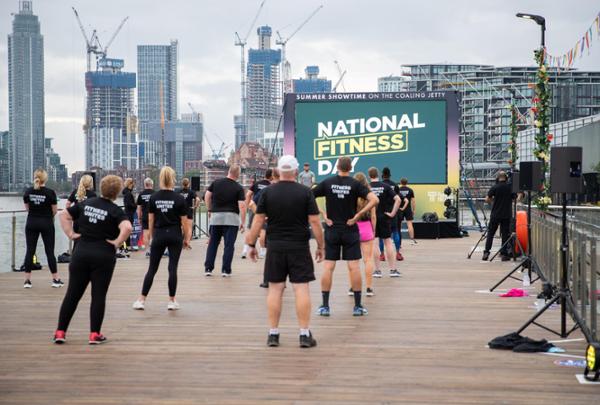
The fitness sector in Europe has grown significantly, yet it appears to largely remain disconnected from the broader public health agenda. Deloitte’s European Health & Fitness Market Report 2024 shows a 7.5 per cent increase in fitness club memberships from 2022 to 2023, with total membership reaching 67.6 million. However, this only represents 10 per cent of the European population aged 15 and above. Despite the sector’s expansion, there has been limited progress in engaging a broader range of people, particularly the inactive and older populations.

The WHO and European Commission’s bold new focus on physical activity programmes being delivered and monitored through the national government strategies of the member states will require a shift in financial support. The money must follow the plans for delivery. This presents an opportunity for the fitness sector to align more closely with European health policies, but it must first be clear on its own mission.

The new enhanced cooperation between the European Commission and WHO is framed by several global health initiatives. These include the WHO’s Global Action Plan on Physical Activity 2018–2030, which targets a 15 per cent reduction in inactivity, as well as various UN Sustainable Development Goals (SDGs) that are aimed at improving global health and wellbeing. These global targets, such as SDG 3.4 (reducing premature deaths from non-communicable disease by one-third by 2030), are designed to promote physical activity as part of broader public health efforts.

“The collaboration between WHO/Europe and the European Commission goes way beyond promoting the direct benefits of exercise,” said Kremlin Wickramasinghe, regional advisor for nutrition, physical activity and obesity at WHO/Europe in the May 2024 declaration of cooperation. “Health-enhancing physical activity policies recommended by WHO/Europe and the EU encompass a whole set of measures across multiple settings, such as schools, workplaces and cities, creating a cumulative positive effect on health, economies and social wellbeing”.

However, many fitness operators struggle to see the relevance of these big policy announcements and links to global goals. Their business models are often focused on local trends, membership rates, and digital innovations, with less attention paid to their potential contribution to achieving wider public health objectives. Fitness industry leaders need to appreciate the shifting position of European institutions and policy-makers in relation to these matters.

The Importance of Data Collection
One of the key challenges facing the European fitness sector is the lack of comprehensive and coordinated data collection. While some fitness operators collect internal data and some research exists at the national level, there’s little reliable, large-scale data that can illustrate the sector’s impact on public health. This lack of data limits the ability of the sector to demonstrate its contributions to health-enhancing physical activity, which in turn affects its visibility and its influence in policy discussions.

The rapid development of digital fitness technologies, such as wearables and app-based platforms, provides an opportunity for better data collection. However, the competitive nature of these technologies means that systems are often incompatible, preventing a comprehensive view of how fitness activities are impacting public health across the EU.

Improved interoperability and data-sharing could help the sector demonstrate its role in reducing inactivity, but currently, there is little evidence to suggest such initiatives are underway.

The health and fitness sector and public health policy
The European health and fitness sector has often struggled to position itself within the broader context of public health and to find an independent voice in Brussels and elsewhere across Europe. Although the sector has largely grown away from its sporting origins, it continues to face challenges in defining its role and demonstrating its value to public health initiatives. It is possibly blurring the edges again by stating that it is part of the physical activity or wellness sectors, as these too are also undefined and are also claimed by other stakeholders.

If the sector is now proclaiming that its future direction is an inexorable move towards a position of being a recognised healthcare provider, at least it should be able to say how much it already contributes and not just in terms of revenue and employment statistics.

The health and fitness sector should position itself more clearly as a key player in promoting health-enhancing physical activity and proving its positive contribution to outcomes that help reduce the societal costs of inactivity. The European Commission and WHO realise that a simple message of ‘get active’ does not sufficiently resonate to make any real difference, and have reacted to the reality that increasing levels of inactivity have already had negative impacts on health systems, the environment, economic development, community wellbeing and quality of life.

The way forward
The European fitness sector is at a critical juncture. While it has grown significantly, it must do more to align itself with the broader public health objectives of the European Commission and WHO. By improving data collection, better defining its role, and contributing to global health goals, the fitness sector can play a more significant role in tackling the rising levels of inactivity in Europe. This presents a golden opportunity to evolve and grow the sector and enhance its reputation at the same time. The question remains: will the sector seize this opportunity, or will it miss out on the future direction of health policy?

More: www.fitcomm.net

photo: Cliff Collins

"The European fitness sector is at a critical juncture. While it has grown significantly, it must do more to align itself with the broader public health objectives of the EU and WHO" – Cliff Collins

HEPA policies cover multiple settings, from schools to whole cities / photo: Shutterstock / Drazen Zigic
Progress in engaging wider populations has been limited / photo: national fitness day
Little data exists to show the fitness sector's impact on public health / photo: Shutterstock / PeopleImages.com - Yuri A
Weekly time spent on health-enhancing physical activity by age group / Source: Fitcomm
https://www.leisureopportunities.co.uk/images/2025/257226_733943.jpg
In a special report, Cliff Collins asks if the sector in Europe is heading in the right direction in terms of policy and priorities and suggests new ways forward
Latest News
Celebrating its 10th anniversary, Elevate has had its busiest show to date, with almost 200 ...
Latest News
A new report from Your Personal Training (YPT) suggests UK gym operators could be missing ...
Latest News
Eighty-four per cent of consumers now say wellness is a top priority in their lives, ...
Latest News
Elevate Arena is underway at London's Excel and the hot topic of AI was the ...
Latest News
PureGym Group has announced that group chief financial officer, Alex Wood, is taking over the ...
Latest News
Independent operator, Fitness Worx Gyms, is introducing private blood testing as a service to members. ...
Latest News
International industry lobbying associations are calling for physical activity and strength training to be deeply ...
Latest News
Global group exercise specialist, Les Mills, is inviting operators to sign up to its Workout ...
Latest News
Global luxury hospitality brand, Six Senses, has partnered with longevity healthcare provider, HUM2N, to launch ...
Latest News
Premium London health club, KX Chelsea, is gearing up to unveil its most significant redevelopment ...
Latest News
Researchers in the US have identified an antibody which could greatly reduce the loss of ...
Opinion
promotion
Strength training has moved from the margins to the mainstream.

Opinion: Building smarter strength spaces for today’s operators
Featured supplier news
Featured supplier news: Reaching the people most gyms miss: Bedford Gym & Swim Campaign delivers 410 new members
One of the biggest mistakes the fitness industry still makes is advertising almost exclusively to people who already look and live like gym members.
Featured supplier news
Featured supplier news: CoverMe extends matching service to personal training, rewriting how members and personal trainers connect
CoverMe, the global leader in fitness workforce management, today launches CoverMe PT, an on-demand personal training platform that connects the right personal trainer to the right client in under 10 seconds.
Company profiles
Company profile: Epassi UK
For the last 23 years they have been on a mission to create a fitter, ...
Company profiles
Company profile: Core Health & Fitness
Driven by innovation, Core Health & Fitness delivers top-quality products, exceptional service, and ongoing support. ...
Supplier Showcases
Supplier Showcase - From nightclub to health club
Supplier Showcases
Supplier Showcase - Future-proofing
Catalogue Gallery
Click on a catalogue to view it online
Featured press releases
Create PT press release: Create sets a new standard with its new personal training diploma
Create's new Personal Training Diploma is built on the depth, real-client practice and coaching judgement that turn a qualification into genuine readiness - taught as one continuous course so that every skill is reinforced and applied, not cleared once and forgotten.
Featured press releases
Leisure Energy press release: Studley Leisure Centre solar panel installation project begins
Stratford-on-Avon District Council is delighted to announce a new solar panel installation project at Studley Leisure Centre, marking an important step towards improving the sustainability of this valued community facility.

Directory
Lockers
Crown Sports Lockers: Lockers
Hot tubs
MSpa International Ltd: Hot tubs
Fitness tracking platform
SpiviTech: Fitness tracking platform
Spa and beauty equipment
Living Earth Crafts: Spa and beauty equipment
Industrial washing machines
Miele Company Limited: Industrial washing machines
Water experiences and hydrotherapy solutions
Aquaform s.r.l.: Water experiences and hydrotherapy solutions
Property & Tenders
Stratford, East London.
Lee Valley Regional Park Authority
Property & Tenders
Y Felinheli, LL56 4QN
Newmark
Property & Tenders
Diary dates
22-23 Jun 2026
WX Wakefield , Wakefield, United Kingdom
Diary dates
21-24 Sep 2026
The Langham Huntington Pasadena , Pasadena, United States
Diary dates
06-08 Oct 2026
Messe Stuttgart, Stuttgart, Germany
Diary dates
22-22 Oct 2026
QEII Conference Centre, London,
Diary dates
26-29 Oct 2027
Koelnmesse Exhibition Centre, Cologne, Germany
Diary dates
Search news, features & products:
Find a supplier:
Partner sites