












GET HCM
magazine
Sign up for the FREE digital edition of HCM magazine and also get the HCM ezine and breaking news email alerts.
Not right now, thanksclose this window I've already subscribed!
Follow Health Club Management on Twitter Like Health Club Management on Facebook Join the discussion with Health Club Management on LinkedIn
FITNESS, HEALTH, WELLNESS

features

Everyone's talking about: NHS partnerships

In the wake of the pandemic, is the time ripe to change the language around the role of exercise professionals, and gain greater trust from the healthcare sector?
Published in Health Club Management 2022 issue 4
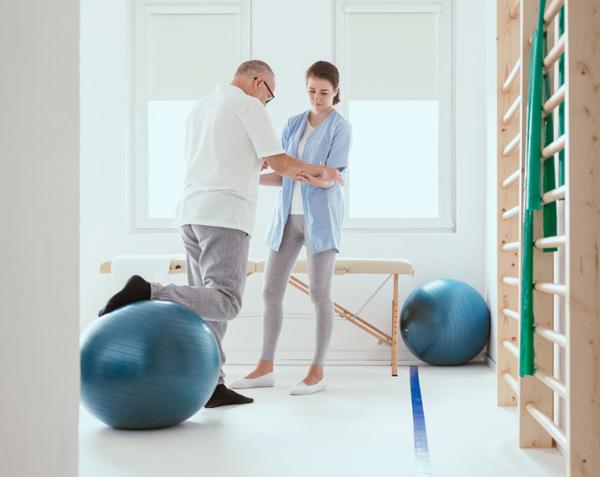
Fitness pros can deliver ‘activity therapy’ / shutterstock/Photographee.eu

The UK’s already stretched National Health Service has been put under unprecedented strain by the global pandemic. Amid the situation with trusts in crisis, ambulance queues, and extended NHS waiting lists, there’s so much our sector could do to support our health service and healthcare professionals.

But how do we make them hear, trust and use us?

Much progress has already been made, and there’s an ever-growing body of research that supports the immense health benefits of physical activity. But is it now time for the health and fitness sector to change its language, and present exercise professionals as what they are – highly-trained activity therapists? Kath Hudson asks our panel of experts.
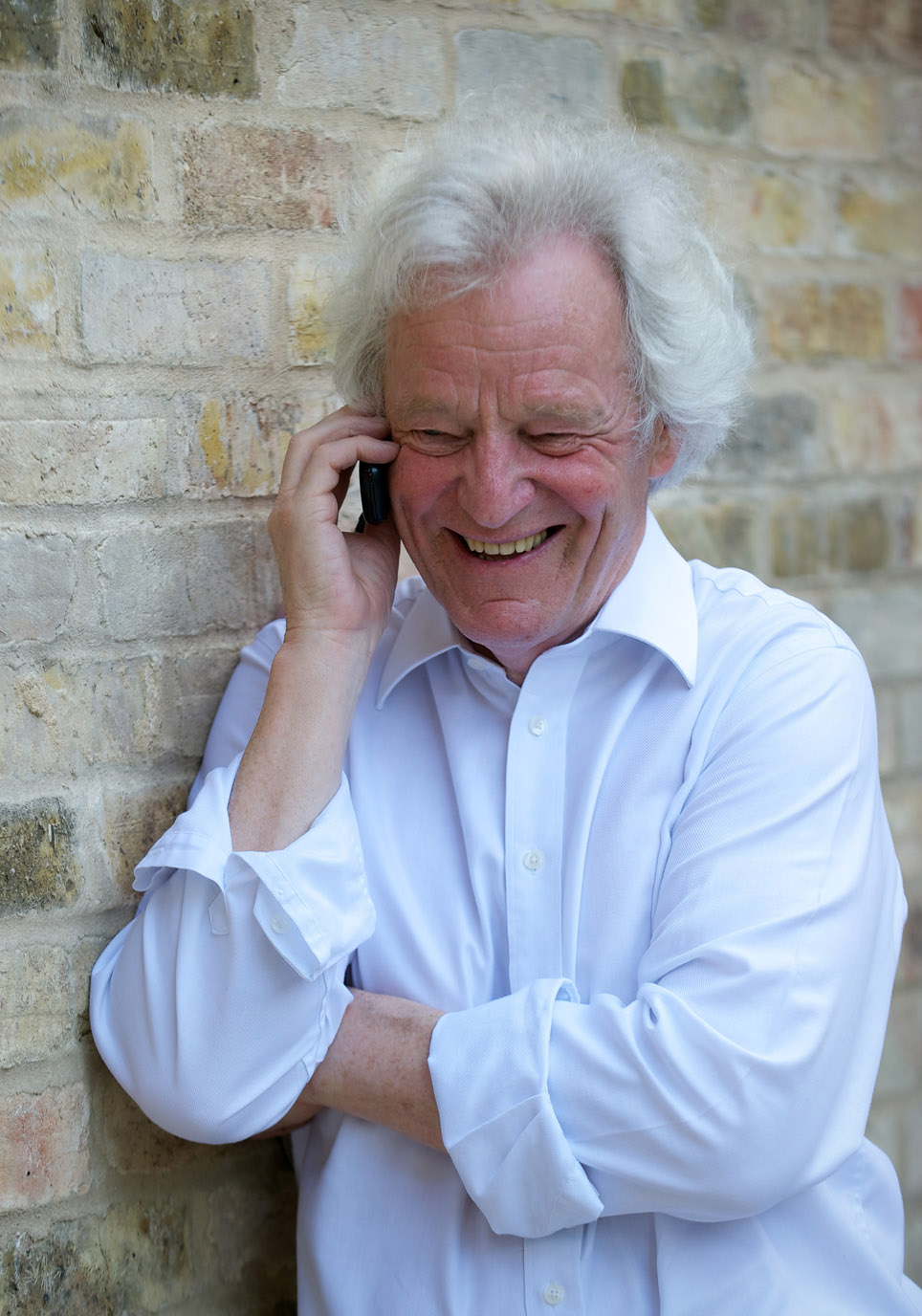
Muir Gray
Physician
Gray: ‘Language change is needed’

GPs to prescribe judgement-free fitness classes for women” shouted headlines in The Times and the Guardian in December 2021, heralding a new therapeutic approach to the handling of common long-term health conditions.

Excellent work is done in NHS rehabilitation – for example, cardiac rehabilitation – but only as part of specialised NHS services. We need to establish a routine of prescribing and dispensing activity in primary care and physical activity professionals have a key role to play in delivering this. Furthermore, we need to get activity therapy funded, just like drug or psychological therapy.

The evidence base for this is very strong, expressed in the reports Exercise – the Miracle Cure, from the Academy of Medical Royal Colleges in 2015 (www.hcmmag.com/AMRC), and more recently the reassuring report titled Benefits Outweigh Risks from the Faculty of Sport and Exercise Medicine and Sport England (www.hcmmag.com/benefitsrisk). However, evidence alone is insufficient, we need NHS management and political action to fund exercise professionals to deliver activity therapy.

Language is key to this campaign. As I’ve previously written in HCM, the word ‘fitness’ is associated with youth and lycra by many. Although it’s interesting to note that the terms ‘deconditioning’ and ‘reconditioning’ are increasingly being used in healthcare, the NHS itself is using the term wellbeing much more frequently.

‘Health and wellbeing’ is a powerful term, which may be politically useful. While we’re at it, we must discontinue using the term leisure! It’s important to describe the focus of exercise professionals as physical, cognitive and emotional activity, rather than just physical activity, which undersells the huge psychological benefits of their skills.

They’re in the wellbeing business and the intervention should be described as activity therapy distinct from, but closely related to, NHS rehabilitation. We define Activity Therapy as “the promotion and enablement of activity, physical, cognitive and emotional for people with, or at risk of, long-term conditions by people qualified as personal trainers, sports scientists or exercise physiologists”.

We need NHS management and political action to fund exercise professionals to deliver activity therapy

Then we need to seek funding. There is money available in NHS funding pots for increasing the types of roles in primary care. For example, from the Additional Role Reimbursement Scheme, or the Elective Recovery Fund, but while the NHS funds health and wellbeing coaches, there is no mention of trainers or physical activity professionals. However, physical activity professionals are excellent coaches and understand wellbeing, so all can apply for funds if they use the correct language. Some have successfully done so.

Furthermore, there’s an extra £30m in an Innovative Models of Care scheme announced in the Social Care White Paper. We can also use the recent DHSC report Good for You, Good for Us and Good for Everyone, which emphasises that at least 10 per cent of prescribing is pointless. One reason for this is because there’s currently no option to prescribe ‘physical and social activities’ dispensed by a physical activity professional. The time is ripe – we need a National Activity Therapy Service delivered locally by our excellently-trained professionals.

• Muir Grey is advisor to Public Health England, executive director of the Oxford Centre for Triple Value Healthcare and director of the Optimal Ageing Programme
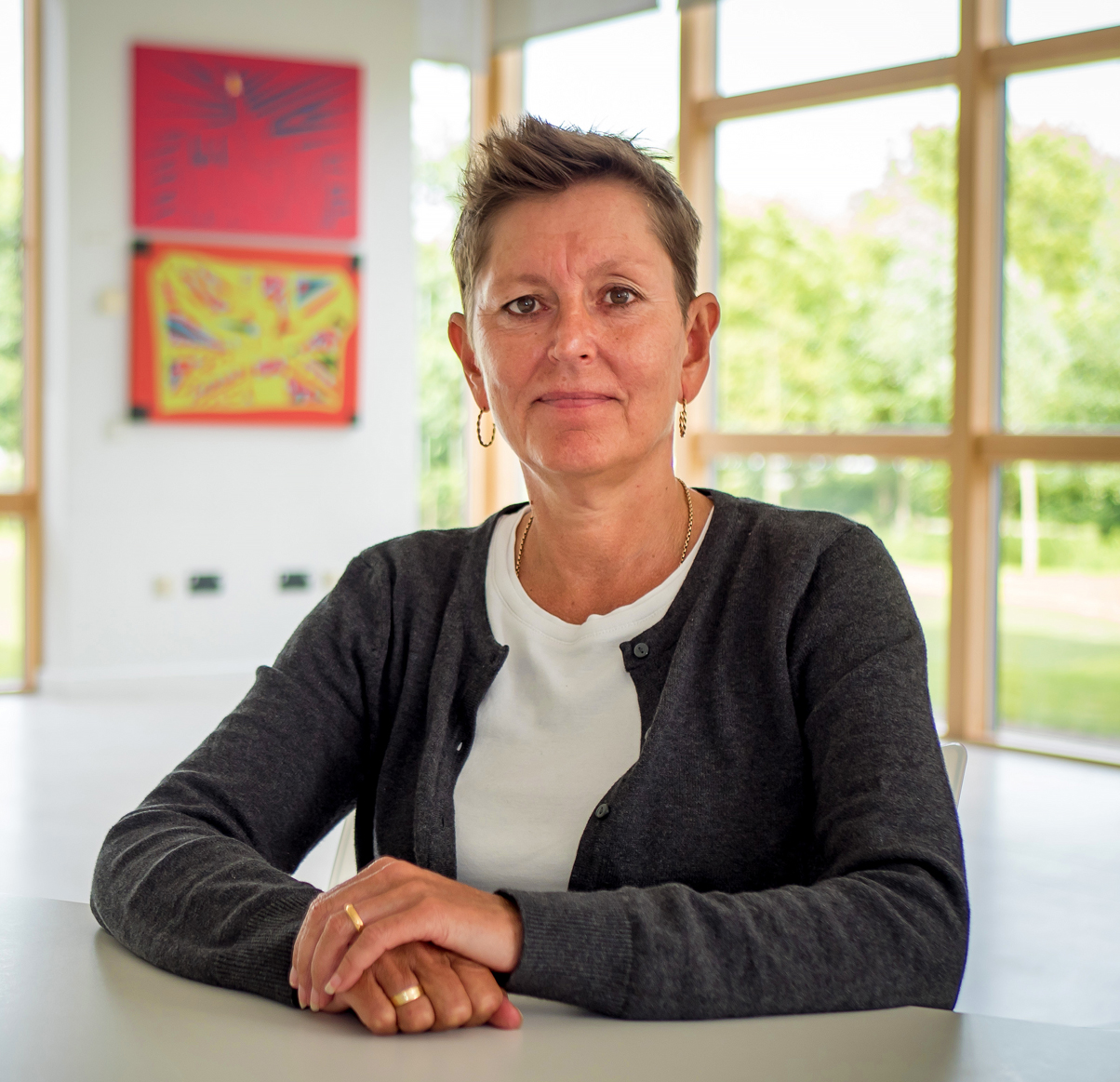
Tara Dillon
CIMSPA
Dillon: ‘Healthcare pros need to meet us in the middle’ / photo: CHRISTIAN ANDERSON

In 2016, CIMSPA facilitated a meeting of all the Royal Colleges and said to them, we have a highly-trained workforce, where would you like us to intervene?

They acknowledged the power of our sector, and the evidence base, but overwhelmingly said they didn’t understand our workforce. They wanted us to be more ‘like them’ in order to give them confidence to refer.

We have since given them this by creating chartered practitioner status for those exercise professionals who have bolted on specialisms to their qualifications – such as stroke rehabilitation, cancer rehab, prehab – to seek chartered practitioner status. We also had to educate the healthcare professionals that this has now happened.

Because physical activity as a preventative measure isn’t taught at medical school, Sport England funded an initiative called the Moving Healthcare Professionals Programme, to educate healthcare professionals on the benefits of exercise. CIMSPA is now involved in reviewing this programme to understand its reach and effectiveness. Very soon, we expect to see some decent analysis to show what difference this is making.

Currently the circle doesn’t complete: there is a connection which needs to be made at government level. So we need to work more closely with the Department of Health and Social Care, as well as the new Office for Health Improvement and Disparities, which is saying that an active lifestyle will feature highly in its work.

The House of Lords Select Committee is recommending that physical activity and sport fits under DHSC not DCMS

There has to be actual political will, not just plaudits and promises, but there are signs this is starting to happen. In December, the House of Lords Select Committee for Sport, Physical Activity and Recreation published its findings – after a year of scrutiny – recommending that physical activity and sport fits under DHSC not DCMS. It also called for a minister who has a responsibility for health and wellbeing, and a national plan which is legislated to deliver.

So we’ve created a Chartered Institute, and chartered roles. The education piece is done, what we need now is some political recognition and healthcare professionals to meet us in the middle and acknowledge they can now refer to our sector and prescribe physical activity.

As a sector, we now need to think about how we market our services, so we appear accessible enough to help whole communities, rather than chasing a membership line. We need to look at integrated collaborative initiatives, joining up with Integrated Care Systems, rather than just appealing to those who we can access easily.
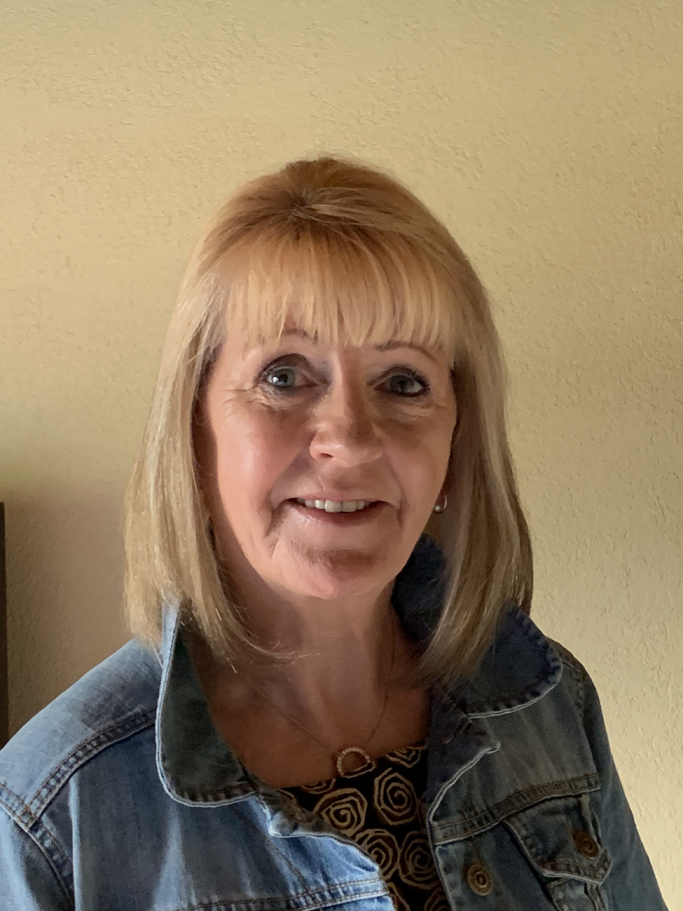
Annie Holden
British Association for Cardiovascular Prevention and Rehabilitation
Annie Holden

The relationship between primary care networks and the health and fitness sector varies around the country. Some counties are already very structured with their funding networks and appreciate the competencies of exercise professionals and how they can support frontline NHS staff, by bringing a whole layer of different qualifications and skill sets.

However, on the whole, the NHS is missing out on a huge opportunity by not leveraging the power of exercise professionals, many of whom are very well qualified, with vocational qualifications and degrees to provide physical activity advice and guidance with behavioural support, as well as more specialist condition-specific knowledge to provide individualised exercise programmes, such as for people with cardiovascular disease.

One of the barriers we’re facing is that the concept of using the health and fitness sector is not widely accepted as part of the mindset of the medical community, however, there’s a wealth of evidence – including NICE guidance – available to show the effectiveness of exercise in preventing and managing long-term conditions and chronic disease, as well as research and guidance highlighting the costs of inactivity to the NHS.

There continue to be lost opportunities to consider an active lifestyle as a first-line approach, rather than the traditional medicalised approach for all

Yet there continue to be lost opportunities to consider an active lifestyle as a possible first-line approach, rather than the traditional medicalised approach for all. This may not change significantly until medical training incorporates more information about the benefits and impact of physical activity. Certainly, Sport England and Office for Health Improvement and Disparities are trying to address this through their Moving Healthcare Professionals Programme.

Another issue is, as a workforce, the health and fitness sector isn’t always perceived by the medical sector as having sufficient professional credibility. CIMSPA is working to address this with its Chartered Status. There’s also a more recent separate move to develop a new Clinical Exercise Physiologist role. So we need to work hard collectively to raise the profile and credibility of our workforce and show the medical sector how our skilled workforce can support management of their patients.

The sector offers a huge untapped resource of a 50,000-strong workforce which is technically competent and highly skilled, with condition-specific qualifications, who could really help to ease the burden on the NHS.
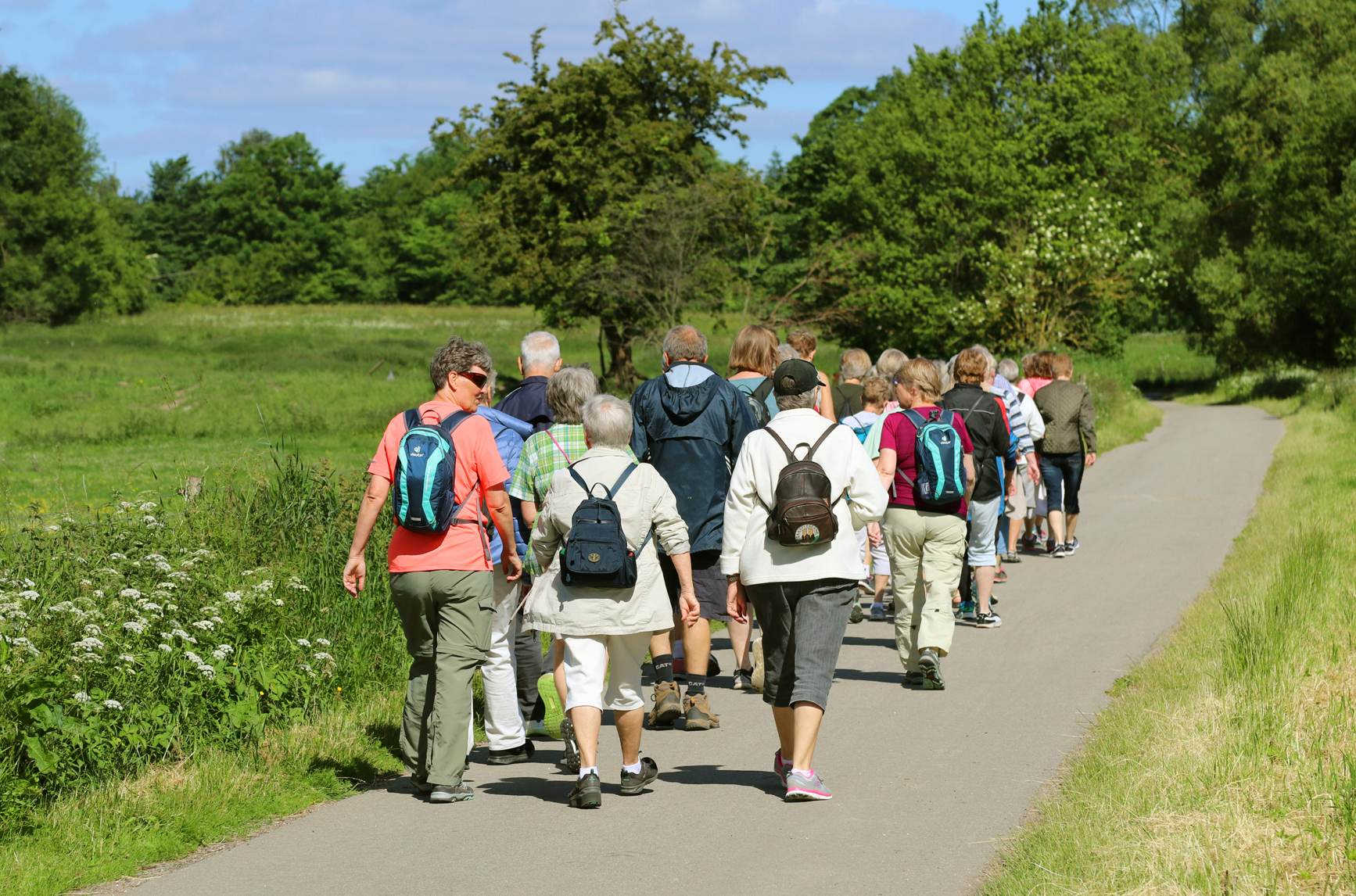
Our sector can help the shift to a prevention agenda / photo: shutterstock/Anna50
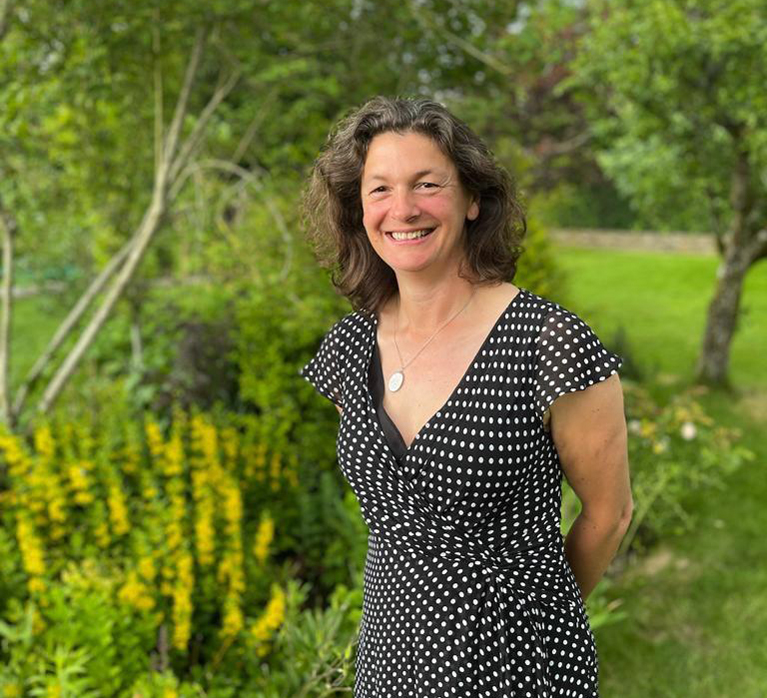
Jane Knowles
Somerset Activity and Sports Partnerships
Knowles: ‘We’re connecting primary care with leisure centres’

At the moment there’s a language barrier between the healthcare and health and fitness sectors. The healthcare circles often don’t understand or don’t recognise the level of qualification which health professionals have, and they’re not always fully aware of the benefits of physical activity.

In its defence, the primary care network is working way beyond its capacity, so there is no time or energy from that side to form new relationships. If you’re a brand new provider who they haven’t heard of, then you stand much less chance of working with them.

While exercise professionals might be capable of doing some of the work being carried out by health and wellbeing coaches, many clients would be too intimidated to set foot in a leisure centre.

While leisure centres are certainly an untapped resource for primary care, the image of the industry is still not entirely friendly. To those who have never exercised, health clubs seem to be full of skinny, beautiful people. This cohort needs a lot of handholding and one-to-one guidance to unpick the barriers which have led them to where they are in terms of their physical and mental health.

This cohort needs a lot of handholding and one-to-one guidance to unpick the barriers which have led them to where they are

Campaigns like This Girl Can are helping to change this perception, but it would be helpful for the industry to present more real people in its marketing and social media, and emphasise the benefits of how exercise makes you feel, rather than how it makes you look.

Honest brokers, such as Active Partnerships, can accelerate the relationship between the health and fitness industry and primary care.

For example, we’re currently working on a programme in Somerset where we’ve seconded professionals from leisure centres. We’re connecting leisure centres and the primary care network and all parties will be learning together on the programme which is being financed through a community renewal fund looking at employability and economic activity.

We’ll be working with people who aren’t currently in employment to improve their self esteem and health to get them into a state where they feel fit and able to seek work. The individuals we’ll be targeting for this programme may have high BMIs, hypertension, low mood or anxiety or be new parents. As part of this programme, healthcare assistants from surgeries will accompany patients to the leisure centre to meet the exercise professionals and help overcome the intimidation barrier.
https://www.leisureopportunities.co.uk/images/2022/460334_15867.jpg
Can exercise professionals gain the wider trust of the medical community, and play a pivotal role in the wellbeing agenda?
HCM magazine
Strength training is evolving, driven by changing consumer preferences. Julie Cramer talks to innovators about how their products are meeting this demand
HCM magazine
HCM People

Stephen Price

Founder, SP&Co Group
Working in public health over the last few years has lit up parts of my brain again
HCM magazine
As the entrepreneur who started Wexer, Fresh Fitness, Fitness DK and Repeat, as well as being a former elite athlete, Rasmus Ingerslev’s life looked perfect from the outside, but onthe inside it was a different story. He talks to Kath Hudson about healing old wounds
HCM magazine
I experienced a blissful feeling of joy I hadn’t felt since I was a kid
HCM magazine
Raphael Cuomo explores the powerful link between addiction, health and behaviour change
HCM promotional features
Sponsored
Find out how your gym can tap into the corporate wellness boom
HCM promotional features
Sponsored
Greg Bradley looks at the shift towards strength training in gyms and advises on how operators can create the ultimate training environment
HCM promotional features
Sponsored
SnowDome Fitness has added 50 per cent more space with cutting-edge Technogym solutions
HCM promotional features
Sponsored
Third Space partnered with IndigoFitness to deliver a bespoke training space for its new club at The Whiteley
HCM promotional features
Sponsored
Starpool supports Olympic champion Marcell Jacobs, says Riccardo Turri
HCM promotional features
Sponsored
David Lloyd is stepping up its commitment to women’s health as it continues to explore what fit-for-purpose looks like for the female population
HCM promotional features
Sponsored
EGYM has opened a new HQ in Paternoster Square, London and revealed a range of new launches
HCM promotional features
Sponsored
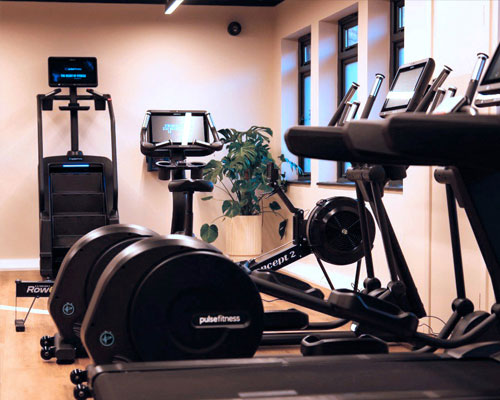
Pulse Fitness has created a new health club delivering an elevated wellness experience
HCM promotional features
Sponsored
The industry is embracing consumer-facing tech. Now it’s time to streamline back-of-house systems with Orbit4, says Daniel Jones
HCM promotional features
Latest News
An ambitious women’s only strength and lifting studio concept is set to launch in Dallas this ...
Latest News
Finnish outdoor fitness equipment specialist, Omnigym, has partnered with charity, Emmaüs Solidarité, to launch an ...
Latest News
Virgin Active has officially opened its redesigned Mayfair club, unveiling its latest Social Wellness Club ...
Latest News
Europe’s largest low-cost operator, Basic-Fit, has agreed to acquire 41 Wellyou clubs in Germany for ...
Latest News
Longevity is the most important motivator for today’s exercisers and social connection is key, according ...
Latest News
Until has opened its fourth club at Canary Wharf, in the iconic YY London building. ...
Latest News
Ben Allen has been appointed managing director at Common Bond. Having set the company up ...
Latest News
Les Mills, whose name became synonymous with one of the world's leading fitness brands, has ...
Opinion
promotion
Strength training has moved from the margins to the mainstream.
Opinion: Building smarter strength spaces for today’s operators
Featured supplier news
Featured supplier news: CoverMe extends matching service to personal training, rewriting how members and personal trainers connect
CoverMe, the global leader in fitness workforce management, today launches CoverMe PT, an on-demand personal training platform that connects the right personal trainer to the right client in under 10 seconds.
Featured supplier news
Featured supplier news: Cornerstone Connect helps Active Blackpool tackle health inequalities
Active Blackpool is deploying Cornerstone Connect, a new digital interface allowing disparate information from multiple systems to be aggregated into one dataset, to support its focus on reducing health inequalities and improving healthy life expectancy.
Company profiles
Company profile: Leisure Energy Ltd
Leisure Energy is an award-winning renewable technology company, energy consultancy, and principal contractor. We specialise ...
Company profiles
Company profile: Sporty Group AS
With more than 90 fitness centres across the country and more than 130.000 members, Sporty ...
Supplier Showcases
Supplier Showcase - From nightclub to health club
Supplier Showcases
Supplier Showcase - Future-proofing
Catalogue Gallery
Click on a catalogue to view it online
Featured press releases
Panatta press release: On Air Fitness chooses Panatta and its Made in Italy fitness equipment
French fitness chain On Air Fitness, with 113 clubs across France and internationally (Spain, Morocco and Portugal) and more than 430,000 members, has chosen to introduce Panatta equipment — a 12-machine circuit from the premium Free Weight Special line —
Featured press releases
ukactive press release: UK Active announces plans for National Fitness Day 2026
UK Active has announced the details of National Fitness Day 2026, with the flagship campaign set to take place on Wednesday 16 September 2026.
Directory
Lockers
Crown Sports Lockers: Lockers
Spa and beauty equipment
Living Earth Crafts: Spa and beauty equipment
Industrial washing machines
Miele Company Limited: Industrial washing machines
Fitness tracking platform
SpiviTech: Fitness tracking platform
Hot tubs
MSpa International Ltd: Hot tubs
Water experiences and hydrotherapy solutions
Aquaform s.r.l.: Water experiences and hydrotherapy solutions
Property & Tenders
Stratford, East London.
Lee Valley Regional Park Authority
Property & Tenders
Y Felinheli, LL56 4QN
Newmark
Property & Tenders
Diary dates
21-24 Sep 2026
The Langham Huntington Pasadena , Pasadena, United States
Diary dates
06-08 Oct 2026
Messe Stuttgart, Stuttgart, Germany
Diary dates
22-22 Oct 2026
QEII Conference Centre, London,
Diary dates
26-29 Oct 2027
Koelnmesse Exhibition Centre, Cologne, Germany
Diary dates

features

Everyone's talking about: NHS partnerships

In the wake of the pandemic, is the time ripe to change the language around the role of exercise professionals, and gain greater trust from the healthcare sector?

Published in Health Club Management 2022 issue 4
Fitness pros can deliver ‘activity therapy’ / shutterstock/Photographee.eu

The UK’s already stretched National Health Service has been put under unprecedented strain by the global pandemic. Amid the situation with trusts in crisis, ambulance queues, and extended NHS waiting lists, there’s so much our sector could do to support our health service and healthcare professionals.

But how do we make them hear, trust and use us?

Much progress has already been made, and there’s an ever-growing body of research that supports the immense health benefits of physical activity. But is it now time for the health and fitness sector to change its language, and present exercise professionals as what they are – highly-trained activity therapists? Kath Hudson asks our panel of experts.

Muir Gray
Physician
Gray: ‘Language change is needed’

GPs to prescribe judgement-free fitness classes for women” shouted headlines in The Times and the Guardian in December 2021, heralding a new therapeutic approach to the handling of common long-term health conditions.

Excellent work is done in NHS rehabilitation – for example, cardiac rehabilitation – but only as part of specialised NHS services. We need to establish a routine of prescribing and dispensing activity in primary care and physical activity professionals have a key role to play in delivering this. Furthermore, we need to get activity therapy funded, just like drug or psychological therapy.

The evidence base for this is very strong, expressed in the reports Exercise – the Miracle Cure, from the Academy of Medical Royal Colleges in 2015 (www.hcmmag.com/AMRC), and more recently the reassuring report titled Benefits Outweigh Risks from the Faculty of Sport and Exercise Medicine and Sport England (www.hcmmag.com/benefitsrisk). However, evidence alone is insufficient, we need NHS management and political action to fund exercise professionals to deliver activity therapy.

Language is key to this campaign. As I’ve previously written in HCM, the word ‘fitness’ is associated with youth and lycra by many. Although it’s interesting to note that the terms ‘deconditioning’ and ‘reconditioning’ are increasingly being used in healthcare, the NHS itself is using the term wellbeing much more frequently.

‘Health and wellbeing’ is a powerful term, which may be politically useful. While we’re at it, we must discontinue using the term leisure! It’s important to describe the focus of exercise professionals as physical, cognitive and emotional activity, rather than just physical activity, which undersells the huge psychological benefits of their skills.

They’re in the wellbeing business and the intervention should be described as activity therapy distinct from, but closely related to, NHS rehabilitation. We define Activity Therapy as “the promotion and enablement of activity, physical, cognitive and emotional for people with, or at risk of, long-term conditions by people qualified as personal trainers, sports scientists or exercise physiologists”.

We need NHS management and political action to fund exercise professionals to deliver activity therapy

Then we need to seek funding. There is money available in NHS funding pots for increasing the types of roles in primary care. For example, from the Additional Role Reimbursement Scheme, or the Elective Recovery Fund, but while the NHS funds health and wellbeing coaches, there is no mention of trainers or physical activity professionals. However, physical activity professionals are excellent coaches and understand wellbeing, so all can apply for funds if they use the correct language. Some have successfully done so.

Furthermore, there’s an extra £30m in an Innovative Models of Care scheme announced in the Social Care White Paper. We can also use the recent DHSC report Good for You, Good for Us and Good for Everyone, which emphasises that at least 10 per cent of prescribing is pointless. One reason for this is because there’s currently no option to prescribe ‘physical and social activities’ dispensed by a physical activity professional. The time is ripe – we need a National Activity Therapy Service delivered locally by our excellently-trained professionals.

• Muir Grey is advisor to Public Health England, executive director of the Oxford Centre for Triple Value Healthcare and director of the Optimal Ageing Programme

Tara Dillon
CIMSPA
Dillon: ‘Healthcare pros need to meet us in the middle’ / photo: CHRISTIAN ANDERSON

In 2016, CIMSPA facilitated a meeting of all the Royal Colleges and said to them, we have a highly-trained workforce, where would you like us to intervene?

They acknowledged the power of our sector, and the evidence base, but overwhelmingly said they didn’t understand our workforce. They wanted us to be more ‘like them’ in order to give them confidence to refer.

We have since given them this by creating chartered practitioner status for those exercise professionals who have bolted on specialisms to their qualifications – such as stroke rehabilitation, cancer rehab, prehab – to seek chartered practitioner status. We also had to educate the healthcare professionals that this has now happened.

Because physical activity as a preventative measure isn’t taught at medical school, Sport England funded an initiative called the Moving Healthcare Professionals Programme, to educate healthcare professionals on the benefits of exercise. CIMSPA is now involved in reviewing this programme to understand its reach and effectiveness. Very soon, we expect to see some decent analysis to show what difference this is making.

Currently the circle doesn’t complete: there is a connection which needs to be made at government level. So we need to work more closely with the Department of Health and Social Care, as well as the new Office for Health Improvement and Disparities, which is saying that an active lifestyle will feature highly in its work.

The House of Lords Select Committee is recommending that physical activity and sport fits under DHSC not DCMS

There has to be actual political will, not just plaudits and promises, but there are signs this is starting to happen. In December, the House of Lords Select Committee for Sport, Physical Activity and Recreation published its findings – after a year of scrutiny – recommending that physical activity and sport fits under DHSC not DCMS. It also called for a minister who has a responsibility for health and wellbeing, and a national plan which is legislated to deliver.

So we’ve created a Chartered Institute, and chartered roles. The education piece is done, what we need now is some political recognition and healthcare professionals to meet us in the middle and acknowledge they can now refer to our sector and prescribe physical activity.

As a sector, we now need to think about how we market our services, so we appear accessible enough to help whole communities, rather than chasing a membership line. We need to look at integrated collaborative initiatives, joining up with Integrated Care Systems, rather than just appealing to those who we can access easily.

Annie Holden
British Association for Cardiovascular Prevention and Rehabilitation
Annie Holden

The relationship between primary care networks and the health and fitness sector varies around the country. Some counties are already very structured with their funding networks and appreciate the competencies of exercise professionals and how they can support frontline NHS staff, by bringing a whole layer of different qualifications and skill sets.

However, on the whole, the NHS is missing out on a huge opportunity by not leveraging the power of exercise professionals, many of whom are very well qualified, with vocational qualifications and degrees to provide physical activity advice and guidance with behavioural support, as well as more specialist condition-specific knowledge to provide individualised exercise programmes, such as for people with cardiovascular disease.

One of the barriers we’re facing is that the concept of using the health and fitness sector is not widely accepted as part of the mindset of the medical community, however, there’s a wealth of evidence – including NICE guidance – available to show the effectiveness of exercise in preventing and managing long-term conditions and chronic disease, as well as research and guidance highlighting the costs of inactivity to the NHS.

There continue to be lost opportunities to consider an active lifestyle as a first-line approach, rather than the traditional medicalised approach for all

Yet there continue to be lost opportunities to consider an active lifestyle as a possible first-line approach, rather than the traditional medicalised approach for all. This may not change significantly until medical training incorporates more information about the benefits and impact of physical activity. Certainly, Sport England and Office for Health Improvement and Disparities are trying to address this through their Moving Healthcare Professionals Programme.

Another issue is, as a workforce, the health and fitness sector isn’t always perceived by the medical sector as having sufficient professional credibility. CIMSPA is working to address this with its Chartered Status. There’s also a more recent separate move to develop a new Clinical Exercise Physiologist role. So we need to work hard collectively to raise the profile and credibility of our workforce and show the medical sector how our skilled workforce can support management of their patients.

The sector offers a huge untapped resource of a 50,000-strong workforce which is technically competent and highly skilled, with condition-specific qualifications, who could really help to ease the burden on the NHS.

Our sector can help the shift to a prevention agenda / photo: shutterstock/Anna50
Jane Knowles
Somerset Activity and Sports Partnerships
Knowles: ‘We’re connecting primary care with leisure centres’

At the moment there’s a language barrier between the healthcare and health and fitness sectors. The healthcare circles often don’t understand or don’t recognise the level of qualification which health professionals have, and they’re not always fully aware of the benefits of physical activity.

In its defence, the primary care network is working way beyond its capacity, so there is no time or energy from that side to form new relationships. If you’re a brand new provider who they haven’t heard of, then you stand much less chance of working with them.

While exercise professionals might be capable of doing some of the work being carried out by health and wellbeing coaches, many clients would be too intimidated to set foot in a leisure centre.

While leisure centres are certainly an untapped resource for primary care, the image of the industry is still not entirely friendly. To those who have never exercised, health clubs seem to be full of skinny, beautiful people. This cohort needs a lot of handholding and one-to-one guidance to unpick the barriers which have led them to where they are in terms of their physical and mental health.

This cohort needs a lot of handholding and one-to-one guidance to unpick the barriers which have led them to where they are

Campaigns like This Girl Can are helping to change this perception, but it would be helpful for the industry to present more real people in its marketing and social media, and emphasise the benefits of how exercise makes you feel, rather than how it makes you look.

Honest brokers, such as Active Partnerships, can accelerate the relationship between the health and fitness industry and primary care.

For example, we’re currently working on a programme in Somerset where we’ve seconded professionals from leisure centres. We’re connecting leisure centres and the primary care network and all parties will be learning together on the programme which is being financed through a community renewal fund looking at employability and economic activity.

We’ll be working with people who aren’t currently in employment to improve their self esteem and health to get them into a state where they feel fit and able to seek work. The individuals we’ll be targeting for this programme may have high BMIs, hypertension, low mood or anxiety or be new parents. As part of this programme, healthcare assistants from surgeries will accompany patients to the leisure centre to meet the exercise professionals and help overcome the intimidation barrier.

https://www.leisureopportunities.co.uk/images/2022/460334_15867.jpg
Can exercise professionals gain the wider trust of the medical community, and play a pivotal role in the wellbeing agenda?
Latest News
An ambitious women’s only strength and lifting studio concept is set to launch in Dallas this ...
Latest News
Finnish outdoor fitness equipment specialist, Omnigym, has partnered with charity, Emmaüs Solidarité, to launch an ...
Latest News
Virgin Active has officially opened its redesigned Mayfair club, unveiling its latest Social Wellness Club ...
Latest News
Europe’s largest low-cost operator, Basic-Fit, has agreed to acquire 41 Wellyou clubs in Germany for ...
Latest News
Longevity is the most important motivator for today’s exercisers and social connection is key, according ...
Latest News
Until has opened its fourth club at Canary Wharf, in the iconic YY London building. ...
Latest News
Ben Allen has been appointed managing director at Common Bond. Having set the company up ...
Latest News
Les Mills, whose name became synonymous with one of the world's leading fitness brands, has ...
Latest News
People taking GLP-1 weight loss medications such as Ozempic, Wegovy, Mounjaro and Zepbound may be ...
Latest News
Low-cost gym operator, PureGym, is trialling recovery zones at two of its UK sites, democratising ...
Latest News
In a milestone moment, mental health has become a core part of CIMSPA’s occupational professional ...
Opinion
promotion
Strength training has moved from the margins to the mainstream.
Opinion: Building smarter strength spaces for today’s operators
Featured supplier news
Featured supplier news: CoverMe extends matching service to personal training, rewriting how members and personal trainers connect
CoverMe, the global leader in fitness workforce management, today launches CoverMe PT, an on-demand personal training platform that connects the right personal trainer to the right client in under 10 seconds.
Featured supplier news
Featured supplier news: Cornerstone Connect helps Active Blackpool tackle health inequalities
Active Blackpool is deploying Cornerstone Connect, a new digital interface allowing disparate information from multiple systems to be aggregated into one dataset, to support its focus on reducing health inequalities and improving healthy life expectancy.
Company profiles
Company profile: Leisure Energy Ltd
Leisure Energy is an award-winning renewable technology company, energy consultancy, and principal contractor. We specialise ...

Company profiles
Company profile: Sporty Group AS
With more than 90 fitness centres across the country and more than 130.000 members, Sporty ...
Supplier Showcases
Supplier Showcase - From nightclub to health club
Supplier Showcases
Supplier Showcase - Future-proofing
Catalogue Gallery
Click on a catalogue to view it online
Featured press releases
Panatta press release: On Air Fitness chooses Panatta and its Made in Italy fitness equipment
French fitness chain On Air Fitness, with 113 clubs across France and internationally (Spain, Morocco and Portugal) and more than 430,000 members, has chosen to introduce Panatta equipment — a 12-machine circuit from the premium Free Weight Special line —
Featured press releases
ukactive press release: UK Active announces plans for National Fitness Day 2026
UK Active has announced the details of National Fitness Day 2026, with the flagship campaign set to take place on Wednesday 16 September 2026.
Directory
Lockers
Crown Sports Lockers: Lockers
Spa and beauty equipment
Living Earth Crafts: Spa and beauty equipment
Industrial washing machines
Miele Company Limited: Industrial washing machines
Fitness tracking platform
SpiviTech: Fitness tracking platform
Hot tubs
MSpa International Ltd: Hot tubs
Water experiences and hydrotherapy solutions
Aquaform s.r.l.: Water experiences and hydrotherapy solutions
Property & Tenders
Stratford, East London.
Lee Valley Regional Park Authority
Property & Tenders
Y Felinheli, LL56 4QN
Newmark
Property & Tenders
Diary dates
21-24 Sep 2026
The Langham Huntington Pasadena , Pasadena, United States
Diary dates
06-08 Oct 2026
Messe Stuttgart, Stuttgart, Germany
Diary dates
22-22 Oct 2026
QEII Conference Centre, London,
Diary dates
26-29 Oct 2027
Koelnmesse Exhibition Centre, Cologne, Germany
Diary dates
Search news, features & products:
Find a supplier:
Partner sites