










GET HCM
magazine
Sign up for the FREE digital edition of HCM magazine and also get the HCM ezine and breaking news email alerts.
Not right now, thanksclose this window I've already subscribed!
Follow Health Club Management on Twitter Like Health Club Management on Facebook Join the discussion with Health Club Management on LinkedIn
FITNESS, HEALTH, WELLNESS

features

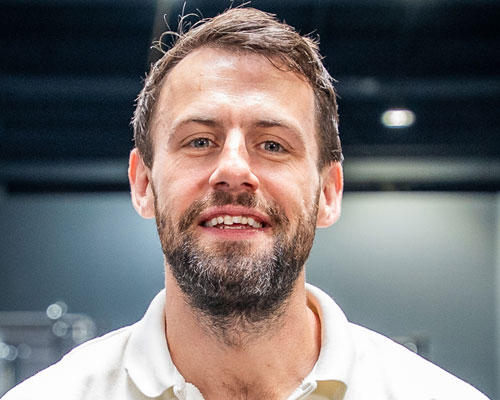
Interview: Gareth Presch

The World Health Innovation Summit (WHIS) founder talks to Kate Cracknell about his ambition to achieve good health for all via a global knowledge-sharing platform
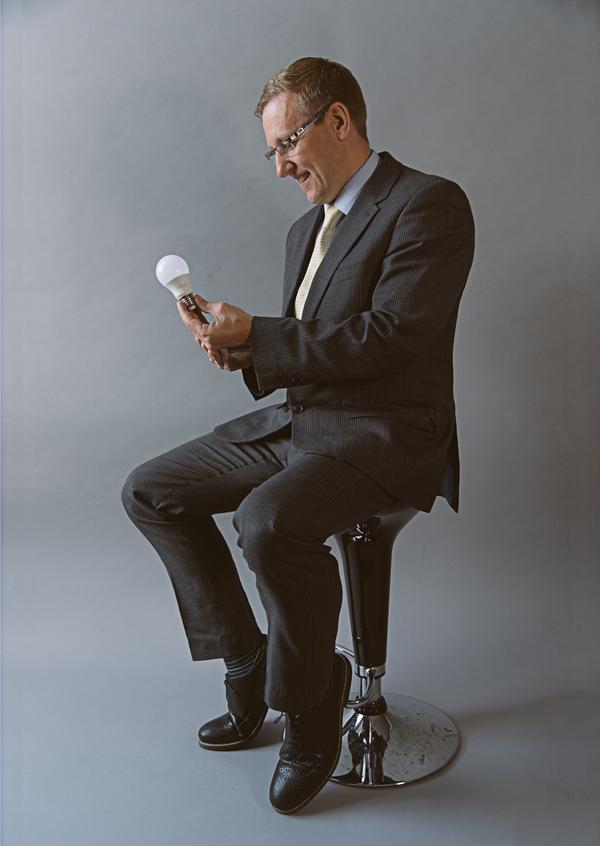
By Kate Cracknell | Published in Health Club Management 2019 issue 6
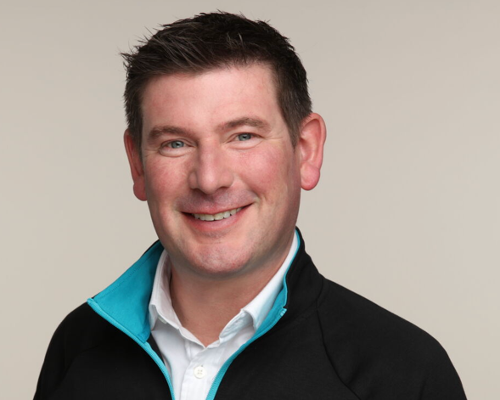
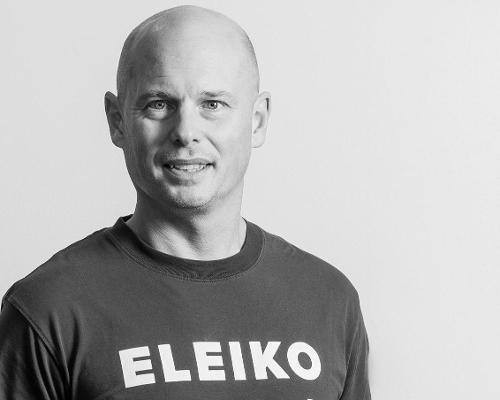
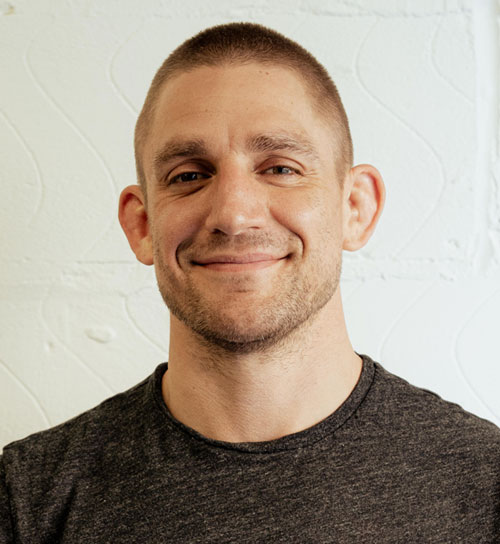
Gareth Presch
Gareth Presch
WHIS is a preventative healthcare platform, which empowers people to improve their health and wellbeing by facilitating community engagement

What’s your background?
I’m from Dublin, Ireland, and have worked in the health system for 20 years. I’m grateful to the Irish Health Service because it gave me a fantastic education that allowed me to progress through the ranks. I’m not a clinician, but work well with clinicians – I understand what they need (time to treat) – and moved through the system, working in areas such as community care, health promotion and acute hospitals. My last role was chief officer of the National Haemophilia Council.

How did WHIS come about?
My family and I left Ireland just over five years ago, moving to Cumbria, and I joined the NHS. I was shocked to see the pressures on the system and the consequent staff retention issues – people were constantly leaving.

My ethos is one of consistent, high-quality patient-centred care, and you’re simply not going to deliver that if you’re losing staff on a continuous basis. You’ll also struggle to attract good people in the first place. I wanted to help Cumbria with its problems around recruiting and retaining staff.

People attract people, so I came up with the idea of a platform – which I called the World Health Innovation Summit (WHIS) – designed to attract thought leaders to Cumbria. The thinking was that we’d support them in disseminating their knowledge through the platform and peer-reviewed journals, and that in turn would attract good staff, showcasing it as a great place to live, work and invest.

That was the initial concept for WHIS, which we launched in 2015. However, very quickly after our first event we realised there was a lot more to it. There are so many challenges facing the health service: rising levels of obesity and other lifestyle diseases, and an ageing population, all set against a projected shortfall of 18 million healthcare workers globally by 2030 (source: BMJ). We realised WHIS had the chance to become a global preventative healthcare platform, supporting people around the world in improving their health and wellbeing.

So, what is WHIS now?
WHIS has evolved into precisely this preventative healthcare platform. It aims to empower people to improve their health and wellbeing by facilitating effective community engagement. It’s a preventative healthcare platform for patients, clinicians, managers, the voluntary sector, education and the business community. It’s open and transparent and deliberately brings together people from other industries whose new ideas and different perspectives create new opportunities. It supports collaboration and breaks down silo working.

We’re a social enterprise: we aim to generate income and reinvest money and value generated from our programmes back into the local communities where we work.

Our model is based on combining human, social and intellectual capital: a knowledge transfer platform that exists to support the NHS and other health economies globally.

We run events that attract people to a city, and we bring in experts to share their knowledge – people of influence who attract key decisionmakers. For example, we brought Roland Schatz, the special advisor to the UN director general, to Cumbria to discuss investment opportunities and job creation. When you bring in such people, that creates business opportunities. Our events and activities have boosted the local economy and created new jobs and opportunities for the region.

We also create programmes that organisations can tap into [see below], and we can help those who have a good idea themselves to get it off the ground. In turn, they can affiliate themselves with WHIS and use our platform to access the marketplace; we want to develop WHIS as a quality assurance mark for products and services which are available through the platform.

WHIS makes knowledge and good ideas globally scaleable. All the great social prescribing programmes that are already out there can be shared. All the products and services related to health and wellbeing suddenly have a means to elevate what they do. WHIS can take something from being a local initiative to having worldwide reach.

What initiatives has WHIS been involved in so far?
We’ve held summits and activities in cities across the UK, as well as in places such as Thailand and Greece. Meanwhile, our programmes and wellness activities have been tested in Cumbria.
One of our big success stories has been WHISKids – a programme for schools that focuses predominantly on mental health and wellbeing. We support children with physical and emotional wellbeing advice and explain the importance of a balanced diet and being active. We’ve had a couple of thousand children go through the programme in Cumbria over the last couple of years and the results are impressive: kids experience an average 20 per cent increase in their mental wellbeing as a result.

Other programmes include WHISAtwork (stress management in the workplace) and WHISSeniors (falls prevention, quality of life and loneliness prevention).

We’re also collaborating to develop new programmes, including a cancer wellbeing programme and a global pregnancy wellbeing programme that’s based on health education, health promotion and disease prevention. These will have a positive effect on people and communities over the short, medium and long term, and would never have happened without the WHIS platform.

How’s it all funded?
Some of our events require delegates to purchase tickets; others have sponsors. Companies can also exhibit at those events. Organisations also pay to use our programmes: schools pay to use WHISKids, for example. Once overheads are covered, the profits are reinvested back into the community.

Other programmes might be funded: for example, the cancer programmes we’ve run so far have been funded through Macmillan and NHS Cumbria. Funding is out there, provided you’re able to bring and develop value.

But ultimately, our business model is based on generating value and sharing it through a circular economy: we provide services, partnerships, sponsorships, CSR, impact investing and so on, and can be commissioned to deliver large-scale projects.

An independent report demonstrated that every £1 invested in our activities generates £36 in terms of social return on investment. We can stand up and say: ‘You give us £1m and we’ll generate £36m back to your local economy.’ What mayor around the world is not going to want that sort of social return on investment?

Importantly, everything we do can be done in any community by them joining the WHIS federation. They write to us, outline their plans, and we share our experiences with them and help them adopt the WHIS model.

WHIS is a platform that supports people and communities taking positive action and our ultimate objective is to improve people’s health and wellbeing while creating a new ecosystem through a circular economy.

You’re involved in the UN’s SDG Cities project. Tell us more about that?
The SDG 25 + 5 Cities Leadership platform is a very ambitious programme led by the UN and run through a foundation. At its heart are 17 sustainable development goals (SDGs), including no poverty, zero hunger, good health and wellbeing, quality education, climate action, clean water and sanitation and so on.

The project has identified 25 cities and five indigenous communities around the world to become lighthouses, where experts in their field will come together and help those cities deliver the sustainable development goals by 2025.

In this project, I’m involved as an individual expert rather than specifically representing WHIS. My area of focus is SDG 3: good health and wellbeing. We’ll be working with institutions, universities and city councils in the 25 cities to identify ways to implement the sustainable development goals and raising funding through the foundation via impact investing.

How can the physical activity sector collaborate with WHIS and SDG Cities?
Physical activity will play a huge part in all of our WHIS and SDG3 programmes: we disseminate information about healthy living and welcome support and knowledge sharing.

I see huge scope for collaboration with the physical activity sector. I believe we can work together to create a new ecosystem that supports community wellbeing, and that’s also great for the local economy and local job creation. This is an opportunity to develop a strategy with long-term benefits.

Initiatives such as Parkrun, for example, could go into every one of our cities. We also plan to work with hoteliers, health and wellness clubs and so on as part of the Sustainable Development Goals ‘Cities’ initiative.

In addition to the 25 cities, we’re also setting up what we’re calling Hubs – cities that will become incubators for new ideas and new programmes that – once prototyped and proven – can be rolled out to the 25. We plan to bring in leading experts to work with us on creating these solutions, and we’ll work with city officials to test them. As part of that, we want to develop next generation health and wellbeing centres, offering a mix of clinical, physical and emotional wellbeing services.

There are clear opportunities to partner with WHIS and SDG to develop solutions to support communities. We’re looking to work with like-minded businesses that share the same values.

Where do you see WHIS in the next 5-10 years?
WHIS will become the world’s leading platform for health and wellbeing, as it can be shared and scaled to support any community and bring value. We’re already engaged in the UAE, Thailand, Nigeria, Kenya, Switzerland and the US.

We’ve built WHIS on trust and it grows by attracting people who understand what we do is for the common good. We provide the methodology and the value proposition. They take ownership and generate the income.

Our support for the SDG Cities programme also presents opportunities. I’m due to meet with the Pope in June, for example, and work closely with the EU and governments around the world to implement SDG goals. There are over 100 million people living in cities on the SDG platform, and there’s funding to invest in initiatives that have been proven to work. WHIS is a front-runner with the opportunity to scale up its operations.

What’s your ultimate goal for WHIS?
To support a new, preventative model of wellness, health and social care. We share knowledge as a way of empowering local people to improve their health and wellbeing.

We believe we have to take action so our kids can grow up in a world in which we can all thrive. We can’t solve all society’s challenges immediately, but we believe good health is a common denominator: if you’re healthy, fit and well, you’re more likely to be contributing positively to society.

We want to move from a gig economy to a knowledge economy, with a circular model that leaves no-one behind.
Sign up here to get HCM's weekly ezine and every issue of HCM magazine free on digital.
Presch is getting support from governments and agencies and is meeting the Pope and his team in June
Presch wants to work with the health and fitness and activity sectors
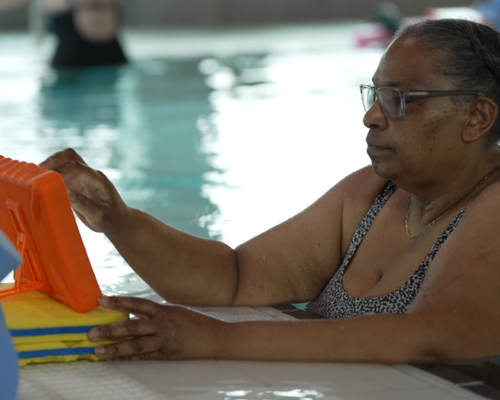
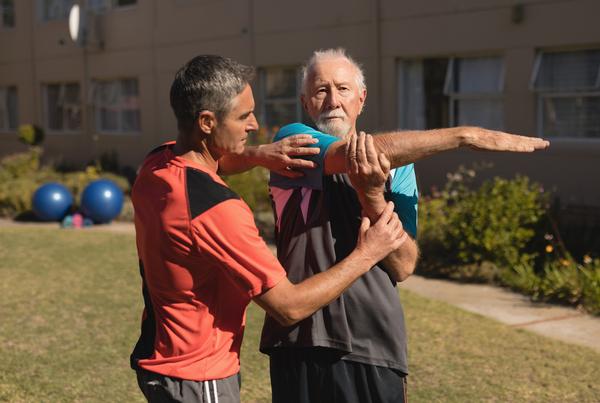
Programmes include WHISSeniors, which offers fall prevention
WHISKids is a programme for schools that focuses on mental health and wellbeing / shutterstock
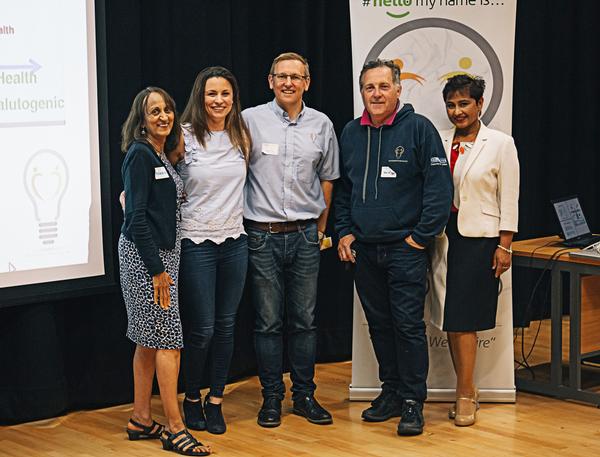
The Cumbria team. From Left - Dr Neela Shabde, Krista Presch, Gareth Presch, Ken Herd and Dr Poonam Malik
https://www.leisureopportunities.co.uk/images/imagesX/248624_202597.jpg
The founder of the World Health Innovation Summit explains his vision for achieving a fit and healthy planet by using a global knowledge-sharing platform
Gareth Presch, founder, The World Health Innovation Summit (WHIS) ,Gareth Presch,The World Health Innovation Summit (WHIS), Irish Health Service, community care, health promotion, acute hospitals, WHISKids,
HCM magazine
HCM People

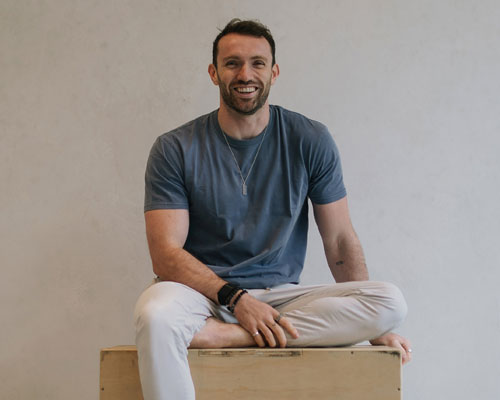
Jamie Clements

The Breath Coach
I experienced a blissful feeling of joy I hadn’t felt since I was a kid
HCM magazine
If the health service is to survive, we must recognise that it is a disease service – and that wellbeing rests with us, says the activity advocate and healthy ageing champion. He talks to Kate Cracknell
HCM magazine
Raphael Cuomo explores the powerful link between addiction, health and behaviour change
HCM magazine
Collaborations with the medical profession and greater aspirations around wellbeing are creating a need for more experts in our sector. It’s time to reboot our thinking around the workforce
HCM magazine
HCM People

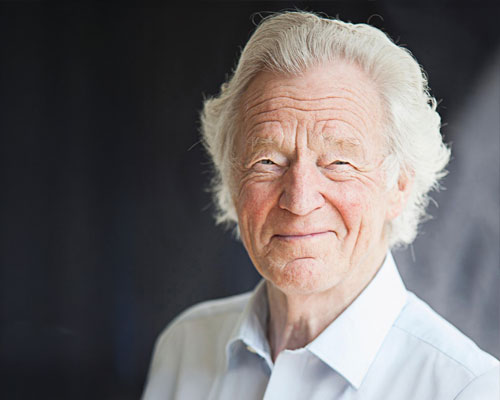
Stephen Price

Founder, SP&Co Group
Working in public health over the last few years has lit up parts of my brain again
HCM promotional features
Sponsored
Third Space partnered with IndigoFitness to deliver a bespoke training space for its new club at The Whiteley
HCM promotional features
Sponsored
Starpool supports Olympic champion Marcell Jacobs, says Riccardo Turri
HCM promotional features
Sponsored
Greg Bradley looks at the shift towards strength training in gyms and advises on how operators can create the ultimate training environment
HCM promotional features
Sponsored
SnowDome Fitness has added 50 per cent more space with cutting-edge Technogym solutions
HCM promotional features
Sponsored
Find out how your gym can tap into the corporate wellness boom
HCM promotional features
Sponsored
David Lloyd is stepping up its commitment to women’s health as it continues to explore what fit-for-purpose looks like for the female population
HCM promotional features
Sponsored
EGYM has opened a new HQ in Paternoster Square, London and revealed a range of new launches
HCM promotional features
Promotion
BLK BOX has been reimagining elite performance spaces for more than a decade. Founder and former athlete, Greg Bradley, tells us what it takes
HCM promotional features
Sponsored
The industry is embracing consumer-facing tech. Now it’s time to streamline back-of-house systems with Orbit4, says Daniel Jones
HCM promotional features
Latest News
Good Boost’s digital exercise programmes are helping adults with MSK at a lower cost than ...
Latest News
With Prime Minister, Keir Starmer, announcing his resignation this morning and Andy Burnham as a ...
Latest News
Koru Health Club launched recently within Luxembourg’s multi-experience destination, GRID X, which combines culture, retail ...
Latest News
Celebrating its 10th anniversary, Elevate has had its busiest show to date, with almost 200 ...
Latest News
A new report from Your Personal Training (YPT) suggests UK gym operators could be missing ...
Latest News
Eighty-four per cent of consumers now say wellness is a top priority in their lives, ...
Latest News
Elevate Arena is underway at London's Excel and the hot topic of AI was the ...
Latest News
PureGym Group has announced that group chief financial officer, Alex Wood, is taking over the ...
Opinion
promotion
Strength training has moved from the margins to the mainstream.
Opinion: Building smarter strength spaces for today’s operators
Featured supplier news
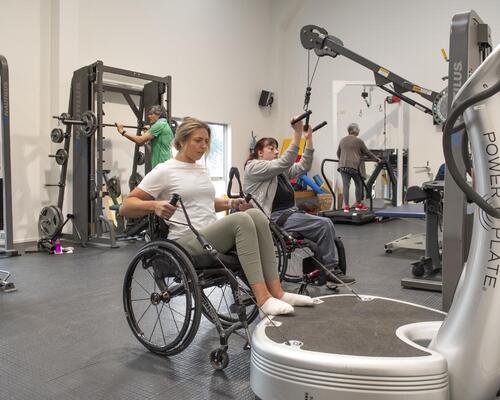
Featured supplier news: Supporting long-term health: why whole body vibration belongs in clinical settings
As healthcare continues to shift towards prevention, there’s a growing focus on helping people stay active, independent and feeling good for longer.
Featured supplier news
Featured supplier news: Reaching the people most gyms miss: Bedford Gym & Swim Campaign delivers 410 new members
One of the biggest mistakes the fitness industry still makes is advertising almost exclusively to people who already look and live like gym members.
Company profiles
Company profile: Innerva
Innerva are a UK manufacturer of ‘Power Assisted Exercise’ equipment for older adults, those with ...
Company profiles
Company profile: Vor Technologies Ltd
Vor is the world’s most powerful workout generation tool, transforming how fitness businesses deliver personalised ...
Supplier Showcases
Supplier Showcase - From nightclub to health club
Supplier Showcases
Supplier Showcase - Future-proofing
Catalogue Gallery
Click on a catalogue to view it online
Featured press releases
Pulse Fitness press release: Pulse Fitness’ Trakk ecosystem supports Walsall Leisure in driving community engagement and delivering measurable ROI
Pulse Fitness’ digital solution, Trakk, is helping Walsall Council transform community health engagement into measurable outcomes by combining body composition tracking with targeted physical activity interventions.
Featured press releases
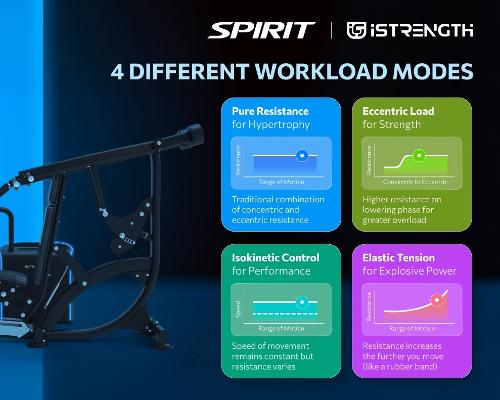
Dyaco UK Ltd press release: Exploring the core of i-Strength: How four digital resistance modes unlock personalised training for everyone
Spirit Fitness built the i-Strength adaptive strength training system around four distinct workout modes.
Directory
Hot tubs
MSpa International Ltd: Hot tubs
Fitness tracking platform
SpiviTech: Fitness tracking platform
Water experiences and hydrotherapy solutions
Aquaform s.r.l.: Water experiences and hydrotherapy solutions
Lockers
Crown Sports Lockers: Lockers
Spa and beauty equipment
Living Earth Crafts: Spa and beauty equipment
Industrial washing machines
Miele Company Limited: Industrial washing machines
Property & Tenders
Stratford, East London.
Lee Valley Regional Park Authority
Property & Tenders
Y Felinheli, LL56 4QN
Newmark
Property & Tenders
Diary dates
22-23 Jun 2026
WX Wakefield , Wakefield, United Kingdom
Diary dates
21-24 Sep 2026
The Langham Huntington Pasadena , Pasadena, United States
Diary dates
06-08 Oct 2026
Messe Stuttgart, Stuttgart, Germany
Diary dates
22-22 Oct 2026
QEII Conference Centre, London,
Diary dates
26-29 Oct 2027
Koelnmesse Exhibition Centre, Cologne, Germany
Diary dates

features

Interview: Gareth Presch

The World Health Innovation Summit (WHIS) founder talks to Kate Cracknell about his ambition to achieve good health for all via a global knowledge-sharing platform

By Kate Cracknell | Published in Health Club Management 2019 issue 6
Gareth Presch
Gareth Presch
WHIS is a preventative healthcare platform, which empowers people to improve their health and wellbeing by facilitating community engagement

What’s your background?
I’m from Dublin, Ireland, and have worked in the health system for 20 years. I’m grateful to the Irish Health Service because it gave me a fantastic education that allowed me to progress through the ranks. I’m not a clinician, but work well with clinicians – I understand what they need (time to treat) – and moved through the system, working in areas such as community care, health promotion and acute hospitals. My last role was chief officer of the National Haemophilia Council.

How did WHIS come about?
My family and I left Ireland just over five years ago, moving to Cumbria, and I joined the NHS. I was shocked to see the pressures on the system and the consequent staff retention issues – people were constantly leaving.

My ethos is one of consistent, high-quality patient-centred care, and you’re simply not going to deliver that if you’re losing staff on a continuous basis. You’ll also struggle to attract good people in the first place. I wanted to help Cumbria with its problems around recruiting and retaining staff.

People attract people, so I came up with the idea of a platform – which I called the World Health Innovation Summit (WHIS) – designed to attract thought leaders to Cumbria. The thinking was that we’d support them in disseminating their knowledge through the platform and peer-reviewed journals, and that in turn would attract good staff, showcasing it as a great place to live, work and invest.

That was the initial concept for WHIS, which we launched in 2015. However, very quickly after our first event we realised there was a lot more to it. There are so many challenges facing the health service: rising levels of obesity and other lifestyle diseases, and an ageing population, all set against a projected shortfall of 18 million healthcare workers globally by 2030 (source: BMJ). We realised WHIS had the chance to become a global preventative healthcare platform, supporting people around the world in improving their health and wellbeing.

So, what is WHIS now?
WHIS has evolved into precisely this preventative healthcare platform. It aims to empower people to improve their health and wellbeing by facilitating effective community engagement. It’s a preventative healthcare platform for patients, clinicians, managers, the voluntary sector, education and the business community. It’s open and transparent and deliberately brings together people from other industries whose new ideas and different perspectives create new opportunities. It supports collaboration and breaks down silo working.

We’re a social enterprise: we aim to generate income and reinvest money and value generated from our programmes back into the local communities where we work.

Our model is based on combining human, social and intellectual capital: a knowledge transfer platform that exists to support the NHS and other health economies globally.

We run events that attract people to a city, and we bring in experts to share their knowledge – people of influence who attract key decisionmakers. For example, we brought Roland Schatz, the special advisor to the UN director general, to Cumbria to discuss investment opportunities and job creation. When you bring in such people, that creates business opportunities. Our events and activities have boosted the local economy and created new jobs and opportunities for the region.

We also create programmes that organisations can tap into [see below], and we can help those who have a good idea themselves to get it off the ground. In turn, they can affiliate themselves with WHIS and use our platform to access the marketplace; we want to develop WHIS as a quality assurance mark for products and services which are available through the platform.

WHIS makes knowledge and good ideas globally scaleable. All the great social prescribing programmes that are already out there can be shared. All the products and services related to health and wellbeing suddenly have a means to elevate what they do. WHIS can take something from being a local initiative to having worldwide reach.

What initiatives has WHIS been involved in so far?
We’ve held summits and activities in cities across the UK, as well as in places such as Thailand and Greece. Meanwhile, our programmes and wellness activities have been tested in Cumbria.
One of our big success stories has been WHISKids – a programme for schools that focuses predominantly on mental health and wellbeing. We support children with physical and emotional wellbeing advice and explain the importance of a balanced diet and being active. We’ve had a couple of thousand children go through the programme in Cumbria over the last couple of years and the results are impressive: kids experience an average 20 per cent increase in their mental wellbeing as a result.

Other programmes include WHISAtwork (stress management in the workplace) and WHISSeniors (falls prevention, quality of life and loneliness prevention).

We’re also collaborating to develop new programmes, including a cancer wellbeing programme and a global pregnancy wellbeing programme that’s based on health education, health promotion and disease prevention. These will have a positive effect on people and communities over the short, medium and long term, and would never have happened without the WHIS platform.

How’s it all funded?
Some of our events require delegates to purchase tickets; others have sponsors. Companies can also exhibit at those events. Organisations also pay to use our programmes: schools pay to use WHISKids, for example. Once overheads are covered, the profits are reinvested back into the community.

Other programmes might be funded: for example, the cancer programmes we’ve run so far have been funded through Macmillan and NHS Cumbria. Funding is out there, provided you’re able to bring and develop value.

But ultimately, our business model is based on generating value and sharing it through a circular economy: we provide services, partnerships, sponsorships, CSR, impact investing and so on, and can be commissioned to deliver large-scale projects.

An independent report demonstrated that every £1 invested in our activities generates £36 in terms of social return on investment. We can stand up and say: ‘You give us £1m and we’ll generate £36m back to your local economy.’ What mayor around the world is not going to want that sort of social return on investment?

Importantly, everything we do can be done in any community by them joining the WHIS federation. They write to us, outline their plans, and we share our experiences with them and help them adopt the WHIS model.

WHIS is a platform that supports people and communities taking positive action and our ultimate objective is to improve people’s health and wellbeing while creating a new ecosystem through a circular economy.

You’re involved in the UN’s SDG Cities project. Tell us more about that?
The SDG 25 + 5 Cities Leadership platform is a very ambitious programme led by the UN and run through a foundation. At its heart are 17 sustainable development goals (SDGs), including no poverty, zero hunger, good health and wellbeing, quality education, climate action, clean water and sanitation and so on.

The project has identified 25 cities and five indigenous communities around the world to become lighthouses, where experts in their field will come together and help those cities deliver the sustainable development goals by 2025.

In this project, I’m involved as an individual expert rather than specifically representing WHIS. My area of focus is SDG 3: good health and wellbeing. We’ll be working with institutions, universities and city councils in the 25 cities to identify ways to implement the sustainable development goals and raising funding through the foundation via impact investing.

How can the physical activity sector collaborate with WHIS and SDG Cities?
Physical activity will play a huge part in all of our WHIS and SDG3 programmes: we disseminate information about healthy living and welcome support and knowledge sharing.

I see huge scope for collaboration with the physical activity sector. I believe we can work together to create a new ecosystem that supports community wellbeing, and that’s also great for the local economy and local job creation. This is an opportunity to develop a strategy with long-term benefits.

Initiatives such as Parkrun, for example, could go into every one of our cities. We also plan to work with hoteliers, health and wellness clubs and so on as part of the Sustainable Development Goals ‘Cities’ initiative.

In addition to the 25 cities, we’re also setting up what we’re calling Hubs – cities that will become incubators for new ideas and new programmes that – once prototyped and proven – can be rolled out to the 25. We plan to bring in leading experts to work with us on creating these solutions, and we’ll work with city officials to test them. As part of that, we want to develop next generation health and wellbeing centres, offering a mix of clinical, physical and emotional wellbeing services.

There are clear opportunities to partner with WHIS and SDG to develop solutions to support communities. We’re looking to work with like-minded businesses that share the same values.

Where do you see WHIS in the next 5-10 years?
WHIS will become the world’s leading platform for health and wellbeing, as it can be shared and scaled to support any community and bring value. We’re already engaged in the UAE, Thailand, Nigeria, Kenya, Switzerland and the US.

We’ve built WHIS on trust and it grows by attracting people who understand what we do is for the common good. We provide the methodology and the value proposition. They take ownership and generate the income.

Our support for the SDG Cities programme also presents opportunities. I’m due to meet with the Pope in June, for example, and work closely with the EU and governments around the world to implement SDG goals. There are over 100 million people living in cities on the SDG platform, and there’s funding to invest in initiatives that have been proven to work. WHIS is a front-runner with the opportunity to scale up its operations.

What’s your ultimate goal for WHIS?
To support a new, preventative model of wellness, health and social care. We share knowledge as a way of empowering local people to improve their health and wellbeing.

We believe we have to take action so our kids can grow up in a world in which we can all thrive. We can’t solve all society’s challenges immediately, but we believe good health is a common denominator: if you’re healthy, fit and well, you’re more likely to be contributing positively to society.

We want to move from a gig economy to a knowledge economy, with a circular model that leaves no-one behind.
Sign up here to get HCM's weekly ezine and every issue of HCM magazine free on digital.
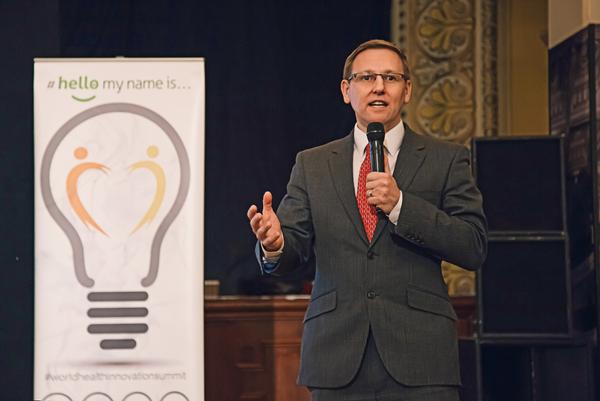
Presch is getting support from governments and agencies and is meeting the Pope and his team in June
Presch wants to work with the health and fitness and activity sectors
Programmes include WHISSeniors, which offers fall prevention
WHISKids is a programme for schools that focuses on mental health and wellbeing / shutterstock
The Cumbria team. From Left - Dr Neela Shabde, Krista Presch, Gareth Presch, Ken Herd and Dr Poonam Malik
https://www.leisureopportunities.co.uk/images/imagesX/248624_202597.jpg
The founder of the World Health Innovation Summit explains his vision for achieving a fit and healthy planet by using a global knowledge-sharing platform
Gareth Presch, founder, The World Health Innovation Summit (WHIS) ,Gareth Presch,The World Health Innovation Summit (WHIS), Irish Health Service, community care, health promotion, acute hospitals, WHISKids,
Latest News
Good Boost’s digital exercise programmes are helping adults with MSK at a lower cost than ...
Latest News
With Prime Minister, Keir Starmer, announcing his resignation this morning and Andy Burnham as a ...
Latest News
Koru Health Club launched recently within Luxembourg’s multi-experience destination, GRID X, which combines culture, retail ...
Latest News
Celebrating its 10th anniversary, Elevate has had its busiest show to date, with almost 200 ...
Latest News
A new report from Your Personal Training (YPT) suggests UK gym operators could be missing ...
Latest News
Eighty-four per cent of consumers now say wellness is a top priority in their lives, ...
Latest News
Elevate Arena is underway at London's Excel and the hot topic of AI was the ...
Latest News
PureGym Group has announced that group chief financial officer, Alex Wood, is taking over the ...
Latest News
Independent operator, Fitness Worx Gyms, is introducing private blood testing as a service to members. ...
Latest News
International industry lobbying associations are calling for physical activity and strength training to be deeply ...
Latest News
Global group exercise specialist, Les Mills, is inviting operators to sign up to its Workout ...
Opinion
promotion
Strength training has moved from the margins to the mainstream.
Opinion: Building smarter strength spaces for today’s operators
Featured supplier news
Featured supplier news: Supporting long-term health: why whole body vibration belongs in clinical settings
As healthcare continues to shift towards prevention, there’s a growing focus on helping people stay active, independent and feeling good for longer.
Featured supplier news
Featured supplier news: Reaching the people most gyms miss: Bedford Gym & Swim Campaign delivers 410 new members
One of the biggest mistakes the fitness industry still makes is advertising almost exclusively to people who already look and live like gym members.
Company profiles
Company profile: Innerva
Innerva are a UK manufacturer of ‘Power Assisted Exercise’ equipment for older adults, those with ...
Company profiles
Company profile: Vor Technologies Ltd
Vor is the world’s most powerful workout generation tool, transforming how fitness businesses deliver personalised ...
Supplier Showcases
Supplier Showcase - From nightclub to health club
Supplier Showcases
Supplier Showcase - Future-proofing
Catalogue Gallery
Click on a catalogue to view it online
Featured press releases
Pulse Fitness press release: Pulse Fitness’ Trakk ecosystem supports Walsall Leisure in driving community engagement and delivering measurable ROI
Pulse Fitness’ digital solution, Trakk, is helping Walsall Council transform community health engagement into measurable outcomes by combining body composition tracking with targeted physical activity interventions.
Featured press releases
Dyaco UK Ltd press release: Exploring the core of i-Strength: How four digital resistance modes unlock personalised training for everyone
Spirit Fitness built the i-Strength adaptive strength training system around four distinct workout modes.
Directory
Hot tubs
MSpa International Ltd: Hot tubs
Fitness tracking platform
SpiviTech: Fitness tracking platform
Water experiences and hydrotherapy solutions
Aquaform s.r.l.: Water experiences and hydrotherapy solutions
Lockers
Crown Sports Lockers: Lockers
Spa and beauty equipment
Living Earth Crafts: Spa and beauty equipment
Industrial washing machines
Miele Company Limited: Industrial washing machines
Property & Tenders
Stratford, East London.
Lee Valley Regional Park Authority
Property & Tenders
Y Felinheli, LL56 4QN
Newmark
Property & Tenders
Diary dates
22-23 Jun 2026
WX Wakefield , Wakefield, United Kingdom
Diary dates
21-24 Sep 2026
The Langham Huntington Pasadena , Pasadena, United States
Diary dates
06-08 Oct 2026
Messe Stuttgart, Stuttgart, Germany
Diary dates
22-22 Oct 2026
QEII Conference Centre, London,
Diary dates
26-29 Oct 2027
Koelnmesse Exhibition Centre, Cologne, Germany
Diary dates
Search news, features & products:
Find a supplier:
Partner sites