


















features
Wellbeing focus
Oli Patrick gives his views on five of the big trends in the coming year, while urging the industry to keep a tight focus on the basics


I see a valid commercial opportunity to re-engage people in the basics: do more steps, go to bed on time, manage caffeine and alcohol intake, be kind to each other and be kind to ourselves. Key operators are recognising the importance of these pillars of wellbeing.
Alongside this, I’d flag up a number of major trends for 2026–2027.
1. Brain health
We’ll see a greater recognition that mind and body are both parts of the body and that the brain is a therapeutic organ as well as being the seat of perception.
We’re seeing the rise of brain diagnostics – brain MRIs and EEGs – as well as blood tests that identify tau proteins and beta-amyloid proteins, which are markers of early-onset dementia and Alzheimer’s disease.
Brain screening programmes are already happening and we’re seeing increased understanding of neurotransmitters – dopamine, oxytocin, serotonin and endorphins.
This increased reverence for the brain will push the need for physical activity, sleep and glucose control as interventions. Looking after brain health will be further encouragement for people to move more, prioritise sleep and eat a nutrient-rich diet.
2. The data backlash
Throwing out modern technologies and returning to analogue living is an oft-cited trend. We’ve seen the rapid accessibility of wearables that can measure seven or eight biological parameters, alongside a battery of at-home testing and, in some cases, this is leading to data overwhelm.
This backlash against ‘over-optimisation’ is because this information is increasingly falling foul of context. While the data is high-value, we’re missing the ‘why?’ and not being clear about what people should do with the information and how it connects to the problem.
This is because we’re starting with the data and working backwards, rather than starting with the question and working towards the data. It would be better, for example, to be able to ask: “How hard should I train today?”
Data-led decision-making can be effective, but the point where I ask my wearable how I feel – versus personally determining how I feel – is when some time without wearables would be advisable.

Looking after brain health will be further encouragement for people to move more, prioritise their sleep and eat a nutrient rich diet
3. Toxicity
We’re becoming more aware of forever chemicals. People are identifying that – although there isn’t technically a ‘lethal dose’ in their sun cream or shampoo – an accumulated volume of chemicals creates a physical load that could be eased by using less toxic versions of products.
I anticipate we’ll start to see direct-to-consumer lab testing looking at toxic burden. Hair testing and urine analysis – tests that have, up until now, been the preserve of functional medicine – will start to become more mainstream.
A whole range of products designed to reduce toxic load are also going mainstream – Water 2 by Bear Grylls, in-house air purifiers and BPA-free water bottles, for example. More companies are offering a less-harmful version of everyday products.
If big companies haven’t already got the memo, they’ll soon be losing out to startup brands that have created cleaner products.
I think this demand will also lead to a secondary rise in detoxification products – activated charcoal, further consolidation of sauna and sweating and potentially a move from traditional Finnish dry sauna to infrared sauna, which some believe offers greater detoxifying benefits.
4. Nervous system regulation
While it’s been on the menu for years, it feels as though autonomic nervous system regulation is finally going mainstream in two ways.
Firstly, the measurement of the autonomic nervous system through devices that capture heart rate variability, with brands such as Whoop and Ōura leading the charge.
Secondly, nervous system regulation through services and products, such as sound baths, breathwork and devices such as Yojo and Sona, which stimulate the vagus nerve – the motorway of the parasympathetic nervous system.
These devices, along with nootropics and decaffeinated drinks, are some of the fastest-growing product categories in the wellness sector.
I think we’ll increasingly see these devices used as an adjunct to traditional medical pathways to reduce inflammation and accelerate recovery and that will be their real route into the mainstream.
5. Longevity lanes
Longevity is booming and – going forward – there will be more lanes, as the term longevity m.
For example, the Global Wellness Institute has identified female-specific longevity as a category, addressing some of the challenges of ageing female physiology, such as bone density, HRT, perimenopause and menopause management.
We’ll also see longevity with clearer demarcations, whether we’re talking about disease screening to preserve length of life or molecular longevity in terms of improving NAD levels within the cell.
As a term, longevity needs clearer demarcations and there’ll be greater differentiation and commercialisation of the various longevity lanes.
What’s interesting is that longevity lanes – brain health, toxicity optimisation and nervous system regulation – are all vehicles to reinvigorate the core behaviours the fitness industry is already promoting.
Summary
This brings us back to the importance of the basics. All of these areas benefit from more activity; more high-fibre, high-protein and plant-based food, eaten slowly; a good night’s sleep free from alcohol and caffeine; and good social connection, learning, development and purposeful living.
In many ways, the trends that appear new are reinforcing principles that have always mattered. Brain health encourages people to move more, prioritise sleep and control glucose. The data backlash is a reminder that information only becomes valuable when it has context and supports decision-making. Toxicity awareness is driving interest in cleaner products and greater understanding of environmental load. Nervous system regulation is creating new routes into recovery and resilience. Longevity is becoming more specialised, with clearer distinctions between different goals and interventions.
Taken together, these trends represent significant commercial opportunities. More importantly, they provide fresh reasons for people to engage with the behaviours that underpin long-term wellbeing.
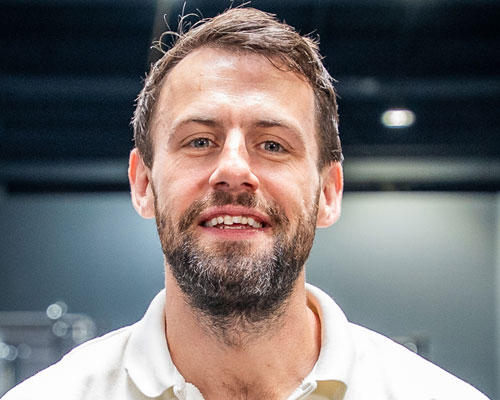
Oli Patrick is a physiologist and wellbeing consultant working with companies such as Everyone Active and Third Space. He is co-founder of Pillar Wellbeing and Future Practice.