









GET HCM
magazine
Sign up for the FREE digital edition of HCM magazine and also get the HCM ezine and breaking news email alerts.
Not right now, thanksclose this window I've already subscribed!
The Leisure Media Company Ltd
Follow Health Club Management on Twitter Like Health Club Management on Facebook Join the discussion with Health Club Management on LinkedIn
FITNESS, HEALTH, WELLNESS

features

HCM Fitness trends

Kath Hudson and Liz Terry take a look at changes impacting the industry

Published in HCM Handbook 2025 issue 1
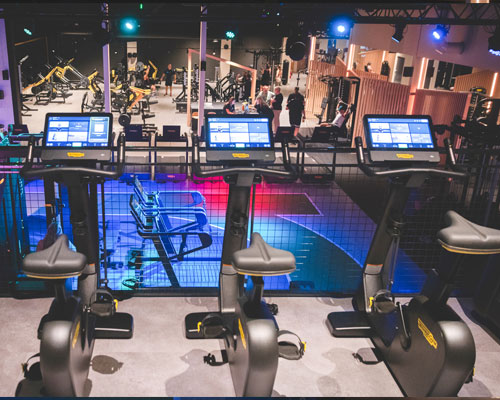
Insta rooms: Instagrammers will get their own filming spaces / Photo: Marcel Grabowski
1. Optimising AI

Back in 2017, we flagged AI in HCM’s Fitness Foresight as having the potential to radically change the sector and now – eight years later – that time has come.

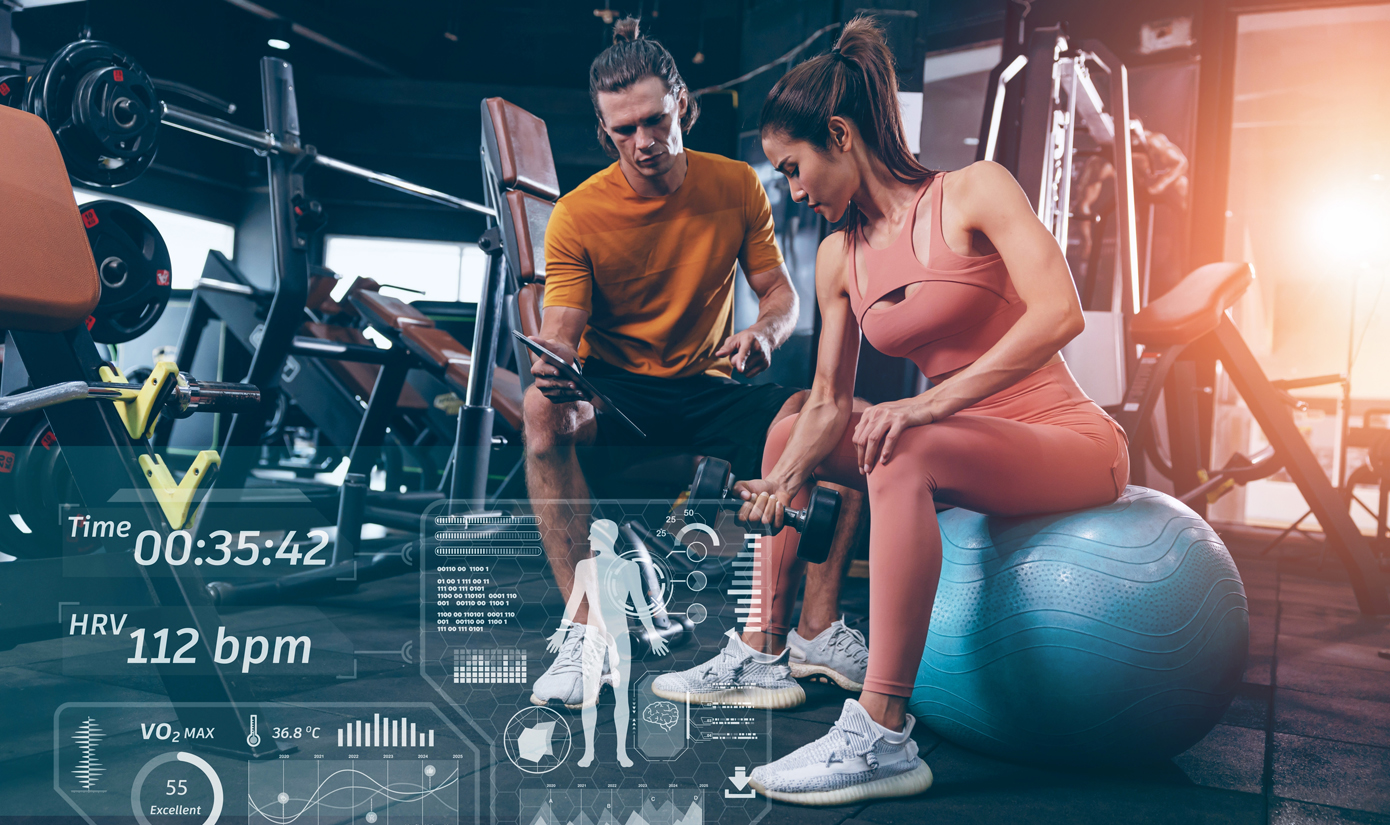
From AI-enabled fitness equipment by companies such as EGYM and Technogym, to software that uses AI to refine and in some cases automate service delivery, AI is already sweeping into the sector in a thousand ways.

The biggest winners will be consumers, as intelligent systems make the customisation and personalisation of services seamless, improving the customer journey and reducing costs, while also enabling a wide range of support, such as suggested scheduling.

Tech companies are battling to make their proprietary AI agent the industry standard, with these operating as a new internet layer that pulls from and curates content from existing apps and web platforms.

We need to define what excellence looks like in our sector, so we can teach AI systems to help us deliver better and evolve to stay in line with customers’ changing needs.

AI agents are becoming a new internet layer that curates content from apps and the web / Photo: Shutterstock/ Quality Stock Arts
2. Social wellness

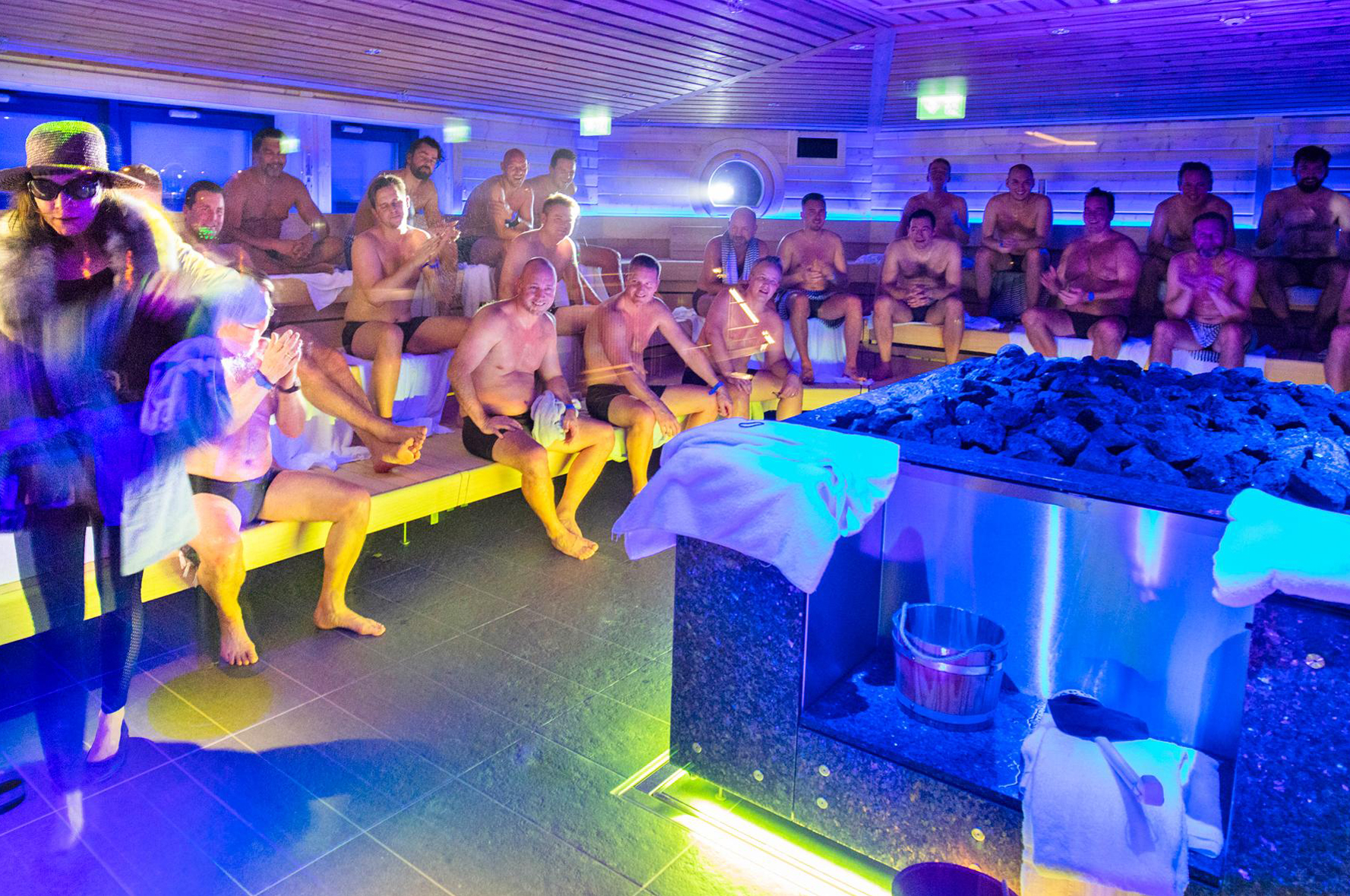
Feeding the need for health and community and tapping into ancient practices, we expect social wellness, based on sauna, breathwork and contrast bathing, to scale rapidly over the next five years, with different interpretations and price points.

The term social wellness was coined by Jonathan Leary when he launched Remedy Place in Los Angeles in 2019, creating a place for people to socialise without alcohol, while doing something beneficial for their health.

Other brands have followed, such as Wellness Social in Melbourne, Arc, &Soul and Rebase in London, Othership in the US and Keen in Zurich – among many others. We expect to see more accessible pricing and deeper integration with other wellness offerings, such breathwork, sound healing, ritual circles and storytelling.

Arc founder, Chris Miller, says: “We want to keep things democratic. The benefits of these practices are so profound I want to make them available to as many people as possible.”

s the market for social wellness hots up another new offering, called 432, curated by Jamie Waring, Jonathan Fisher and Emlyn Brown (HCM issue 5 2025), will open in Amsterdam featuring a 45-minute, instructor-led journey.

The social wellness trend started in places such as Farris Bad in Norway / Photo: Farris Bad/Dag Nordsveen
3. Gym kit for women

Powerful conversations about womens’ needs are increasingly being heard in relation to exercise and the provision of facilities.

As exercise physiologist and former elite athlete, Dr Stacy Sims, says “women are not simply small men” and following the bro-science doesn’t yield the same results. For example, early morning fasted exercise spikes the stress hormone, cortisol, triggering the female body to break down muscle mass. Fitness professionals need to be telling women this and experts such as Baz Moffat at The Well HQ are working to spread the word.

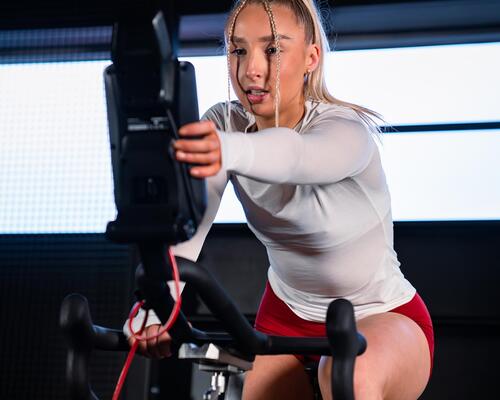
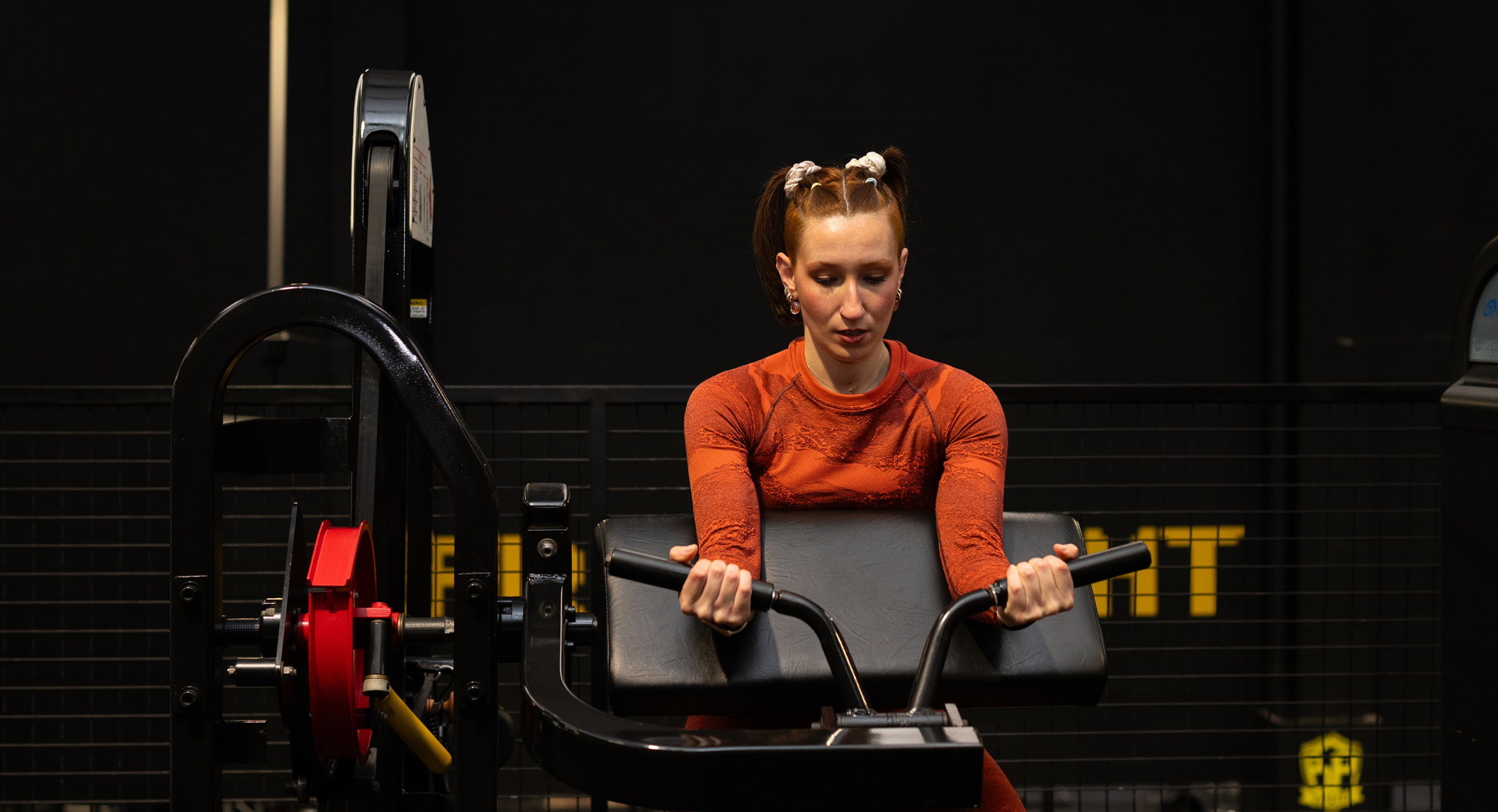
Another issue is gym equipment, which is built for 1.7m to 1.8m men, making it unsuitable for many women – for example, pull up bars are too high, shoulder presses are often too big and much equipment hurts the breasts, so women risk injury when using it. Additionally, women can suffer from clitoral desensitisation due to using bike saddles designed for men.

Total Fitness CEO, Sophie Lawler, told HCM that finding appropriate equipment for the company’s Women’s Gym concept was a pain point and she couldn’t benefit from the economies of scale of going with one provider.

We need different kit, or kit that can easily be adjusted to women’s anthropomorphy and we’re not talking shrink and pink.

There’s a gap in the market for kit that’s calibrated with women in mind and we predict suppliers will start plugging this gap very soon, as more and more women join health clubs and especially as their interest in strength training grows.

The trend towards women’s gyms will also accelerate this process.

Some fitness equipment hurts the breasts – new designs are needed / Photo: shutterstock/asilopezfotografia
4. GLP-1 support

With rising use of GLP-1 weight loss medications, health clubs can play a key role in helping members maintain muscle mass, heart health and long-term wellbeing, especially in light of new research that found weight lost returns far faster than it does after conventional dieting.

Rapid weight reductions from these drugs can lead to muscle and heart tissue loss without proper exercise and nutrition. To support members safely, clubs need to prioritise resistance training, moderate cardio, adequate protein intake, and recovery strategies.

Gym staff should receive training in muscle physiology, body composition, and exercise for clinical or deconditioned populations. Qualifications in personal training, nutrition coaching and health coaching are also recommended, along with soft skills, such as empathy and motivational interviewing.

Teams also need to understand how GLP-1s work (appetite suppression, slower digestion, improved insulin sensitivity) and be aware of side effects, such as nausea and fatigue, which can affect engagement.

Clubs are advised to avoid offering medical advice, but there are opportunities to build successful partnerships with local clinics and offer structured, supportive programmes focused on strength balance and sustainable habits.

Tools such as body composition tracking, supervised classes, and recovery services can add also add value for those on this journey and we expect this to become a standard across the industry.

By blending education, tailored programming, and clear professional boundaries, health clubs can become trusted environments for members on GLP-1s—and stand out as leaders in holistic, medically informed wellness.

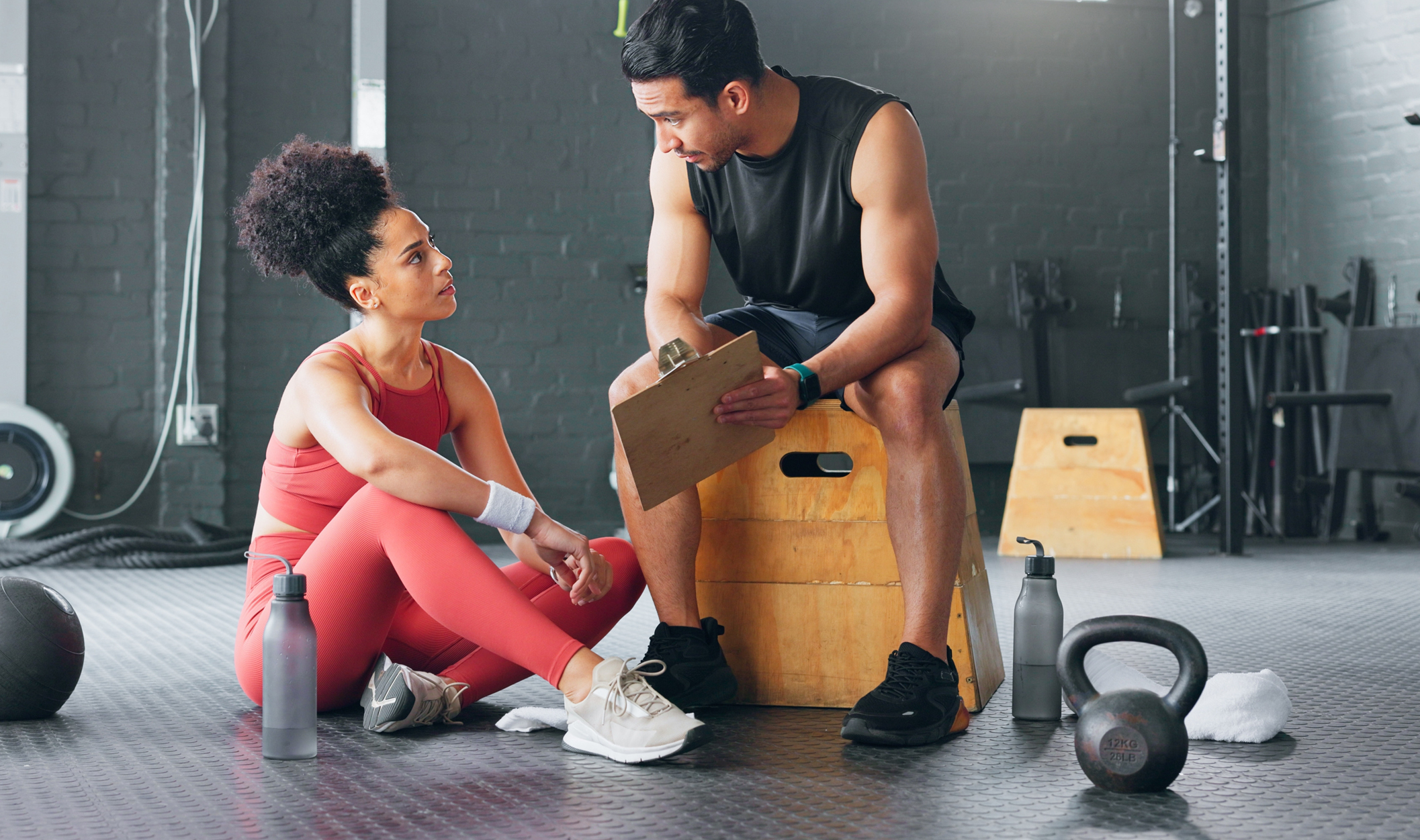
We expect GLP-1 support programmes to become standard in health clubs / Photo: shutterstock/ PeopleImages.com - Yuri A
5. Club sounds

There’s evidence to suggest some people cancel their health club memberships if they find the music playlists jarring or not reflecting their preferences or personality and we think there’s room for the sector to do better when in comes to in-club sounds.

Music influences satisfaction and motivation, making it a significant factor in whether members stay or leave.

A study published in the International Journal of Sports Science found music choice significantly impacts gym-goers’ enjoyment and motivation. Poor music selection was listed as a common complaint, especially among younger members.

Some operators, such as Equinox and F45, brand themselves around curated playlists because they recognise the competitive advantage of getting music right.

Poor music choices disrupt workout flow and contribute to a lack of emotional connection with the space.

To get it right, match music tempo and tone to each area of the club. On the gym floor, use upbeat, rhythmic tracks (120–130 BPM) to enhance energy and performance. In recovery zones and lounges, opt for slower, calming music (60–90 BPM) to support relaxation. Keep volume in the range of 65–75 dB to energise without overwhelming, and ensure good acoustics to avoid noise pollution between spaces.

Rotate genres, collect member feedback and aim for consistency with your brand identity.

Good music makes your club more welcoming, motivating and memorable, encouraging members to stay longer, return more, and feel more connected.

We expect to see a new focus on the power of music to impact retention / photo: Shutterstock/ Terelyuk
6. Vagus nerve resets

The vagus nerve is foundational to health. It impacts how our bodies function at every level – including digestion, blood sugar regulation, heart rate, immune system, recovery after illness, how we manage stress and anxiety, concentration and sleep.

The longest, most complex of the cranial nerves, the vagus nerve originates in the brainstem and connects the brain to the heart, lungs, digestive system and many other organs, with a two-way communication system.

Modern lifestyles don’t support healthy nervous systems and increasing numbers of people are dysregulated, struggling with mood, anxiety and stress, so HCM expects practices that support vagal tone to go mainstream.

Many – such as breathwork, sound baths and contrast therapy – are already being delivered by operators, but are not being flagged up as such, while others, such as somatic exercises, humming and tapping, can be adapted for delivery in health clubs.

Supporting the nervous system changes how the body functions at every level and fortunately, vagus nerve exercises are accessible, simple and easily incorporated into daily life. Fitness professionals need to claim this conversation with clients before the influencers take ownership.

We’d like to see these practices being incorporated into training courses for all fitness professionals, as the sector moves to deliver more wellness and mental health support. See more in HCM issue 5.

Interventions such as sound baths – seen here at Third Space – can deliver powerful vagus nerve resets / Photo: third space
7. Diagnostics

The pace of development in the science of physiological and DNA testing is mindblowing, as tests move out of the laboratory and onto the high street.

The number of test-types becoming available is making it increasingly straightforward to see what’s going on inside the body to enable the delivery of targeted change at an affordable price.

Joining the dots on this are fitness professionals who need to be conversant with the growing number of options, so they can make recommendations to clients and operators who, in their position of trust, are ideally placed to organise tests for members – a useful service that also creates a revenue stream.

Understanding the changes taking place in their bodies gives people the motivation for exercise, empowers them to take charge of their health and takes the pressure off health care systems.

We expect to see more operators and fitness professionals becoming conversant with the test options that are available and adding these to their repertoire.

This will require the development of greater expertise in the interpretation of results and the subsequent programming needed to support change.

Companies in the testing mix include Fitness Genes, which offers a DNA testing to optimise results from exercise; Hormona, which uses AI and at-home testing to help women track and optimise their hormones; Precision Analytical and its DUTCH test, which tracks hormones and metabolites; Zoe which offers a test for gut health, blood sugar and blood fat; Epicore Biosystems which measures hydration levels; Spotitearly which is using AI and dogs to sniff out early signs of cancer in breath samples and; Neko Body Scan which checks 28 biomarkers and includes a doctor’s consultation.

Sophisticated health tests are becoming highly accessible / Photo: shutterstock/ Andrey_Popov
8. Pilates 3.0

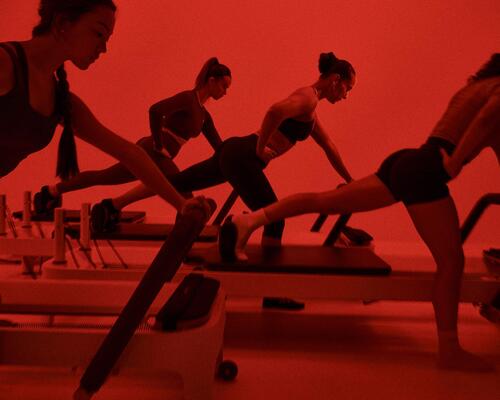
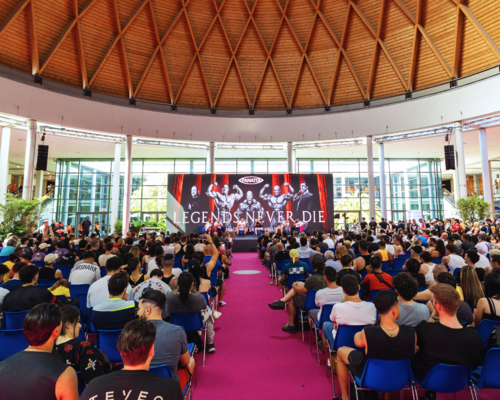
Reformer Pilates is currently one of the top trends in health and fitness: classes are over-subscribed, instructors are in short supply and FIBO was flooded with reformers this year.

Paragraph in here

How long will the boom continue? Is this modality, which feels like a cross between a workout and a yoga class, an enduring trend? Will the market get too crowded? Will consumers start to look for the next thing?

We think the trend is here to stay for at least a generation and is part of the move to wellness that’s being driven by consumers.

We expect to see Pilates diversifing and innovating to meet the needs of different audiences, with new concepts coming to market, such as Pilates Addiction, the new franchise from Anthony Geisler and Sara Luna which has a more high-energy athletic vibe and uses the Wundaformer.

The challenge for operators is studio optimisation versus the cost of fit-out, so expect to see bigger studios, Barry’s-style switch around workouts that allow more people in a class to share equipment and a new lease of life for mat Pilates.

The Pilates boom will also have a ripple effect, and we’ll see allied disciplines, such as Lagree and Gyrotonic, getting a bounce and becoming more available in the market.

Pilates Addiction uses the proprietary Wundaformer to give a new edge / Photo: sequel brands
9. Vaginal health

Women’s health venture capitalists, Amboy Street Ventures, estimates the unaddressed vaginal health market to be worth US$17.5 billion a year. This “ghost market” includes vaginal microbiome testing – which can prevent pre-term births – as well as a wide range of products to address issues with pelvic floor weakness and vaginal atrophy.

Health clubs are less intimidating than health clinics when it comes to getting tested and treated and we expect vaginal and more general gynae health services to take their place alongside the physiotherapist and massage therapist in health clubs as women increasingly take charge of their own health.

In the UK, five million women are behind with cervical screening and taking this into health clubs through drop-in clinics could increase uptake.

Adjacent to this is sexual health – everything that goes on in the body is a barometer of wellbeing and shouldn’t be ignored and this includes things such as a lack of desire.

According to endocrinologist, Dr Jolene Brighten, low libido in women is not about age, stress or a personal failing. If relationship issues are ruled out, lack of desire can be an indicator of hormonal imbalances, metabolic health issues, nervous system overload or auto immune disorder and might require further investigation.

Sexual health is important, as oxytocin buffers against the negative effects of stress and reboots hormone production.

Pelvic floor health can also be improved by exercise if PTs are trained to deliver it, with trailblazers including The Gym Group in the UK, which is working with The Well HQ to deliver exercise interventions.

Health clubs will give access to health checks and tests for women in regular clinics / Photo: shutterstock/ Photoroyalty
10. Wellbeing qualifications

Fitness professionals need to train up to become wellbeing professionals and fast.

According to physiologist and co-founder of Future Practice, Oli Patrick, 56 per cent of Gen Z get their health advice from TikTok because there are no professionals giving it to them. This is even more timely given that people who are taking GLP-1 medications need help to change their lifestyle habits and build muscle mass while losing weight. “If the fitness sector doesn’t step up to wellbeing soon it will fragment and we’ll be out of the picture,” says Patrick. “But if we take ownership of things such as recovery, sleep and breathwork, health clubs and gyms could become the places to get your lifestyle curated.”

It’s time to get on the case with CPD and make sure it’s applied on the gym floor. Numerous options are now available. Future Practice offers a suite of courses around breathwork, sleep and VO2 max which have distilled Patrick’s 25 years’ of clinical experience into bite-sized digital courses at a price which aims to be low enough for all PTs to make the investment.

Active IQ is launching a diploma in Health and Wellbeing Coaching in Q3 2025, which is a Level 3 nested qualification covering positive behaviour change, mental resilience and lifestyle programming, while Future Fit has launched an online course to support fitness professionals working with people taking GLP-1 drugs and which is endorsed by Dr Hussain Al-Zubaidi.

We expect to see all instructors and PTs getting qualified in wellbeing interventions as the health club sector increasingly competes for the wellness consumer and integrates with medical.

All training courses will eventually qualify instructors to deliver wellness interventions / Photo: shutterstock/ PeopleImages.com - Yuri A
11. Insta rooms

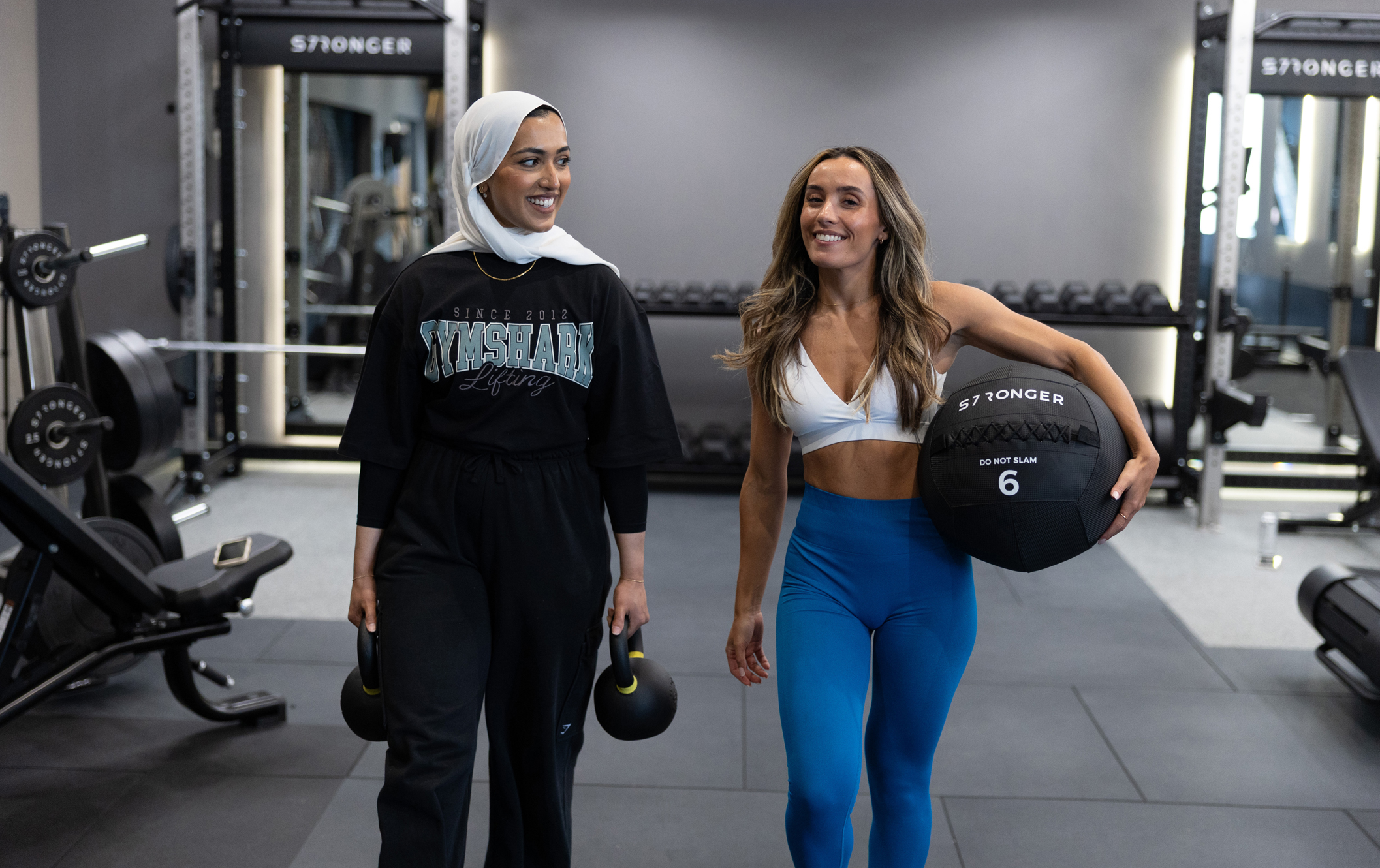
With gym memberships trending younger, we’re seeing an increasing number of Instagrammers creating content in health clubs. This can be a pain point, as they can hog equipment, annoy other gym users and compromise others’ privacy. However, it does present gym owners with the opportunity to harness free PR.

Sandwell Leisure Trust in the UK has taken the “if you can’t beat ‘em, join ‘em” approach with its new Burn Lab.

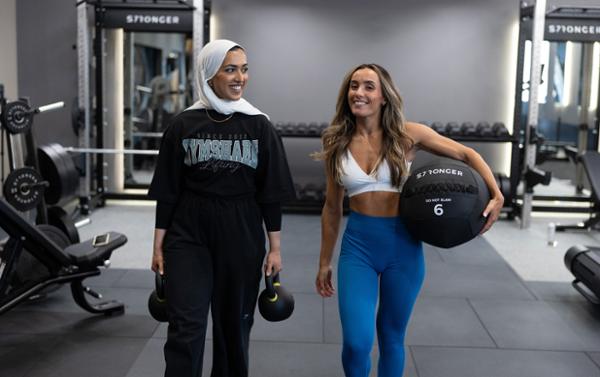
The trust worked with Stronger Wellness to curate a studio as a filming playground featuring camera-friendly pieces of kit and sympathetic lighting, as well as light stands and portable lights for content creators to use.

“We were noticing that content creators were using pieces of equipment for 15 to 20 minutes while they filmed, which was causing friction with other users,” CEO of Sandwell Leisure Trust, Mark Braithwaite told HCM. “We realised there was the opportunity to redirect them into a different space and capitalise on their social media followings for some PR.”

The Burn Lab took over an underutilised studio and although the studio is open to everyone and content creators can still use the main gym area, it has alleviated the issue and provided a win-win situation.

We expect to see insta rooms being added to clubs to cater for this need.

Instagrammers will get their own filming spaces / Photo: Marcel Grabowski
12. Breathwork

Health clubs can use breathwork classes to support members’ physical, mental, and emotional wellbeing.

Breathwork involves guided breathing techniques that regulate the nervous system, reduce stress, and enhance performance.

Conscious breathing activates the parasympathetic nervous system, lowering cortisol levels and heart rate, and promoting relaxation.

Techniques such as diaphragmatic breathing, box breathing, or coherent breathing (5.5 breaths per minute) can improve oxygen efficiency, reduce anxiety, and enhance focus and over time, breathwork may also increase heart rate variability (HRV) – a marker of resilience and recovery.

For best results, health clubs can offer dedicated breathwork sessions or integrate them into yoga, recovery, or mental fitness classes which can be themed, for example, for stress reduction or emotional release, or to boost energy.

Qualified instructors or therapists are needed to guide sessions, helping members learn techniques they can go on to apply on a daily basis.

Combining breathwork with other interventions, such as cold exposure or meditation can amplify the benefits.

Breathwork is a low-cost, accessible tool that supports recovery, mental clarity, emotional regulation and improved physical performance and as demand for holistic well-being solutions grows, breathwork offers health clubs a powerful, science-backed way to add value and differentiate their wellness offerings and we expect to see it becoming a staple of the sector.

We expect health clubs to integrate breathwork into their offerings, while also adding new programmes / photo: Shutterstock/ insta_photos
13. Free mat space

As growing numbers of consumers experience personal training – often in locations without large equipment – they’re becoming increasingly comfortable doing mat-based stretching and bodyweight exercises to supplement gym workouts.

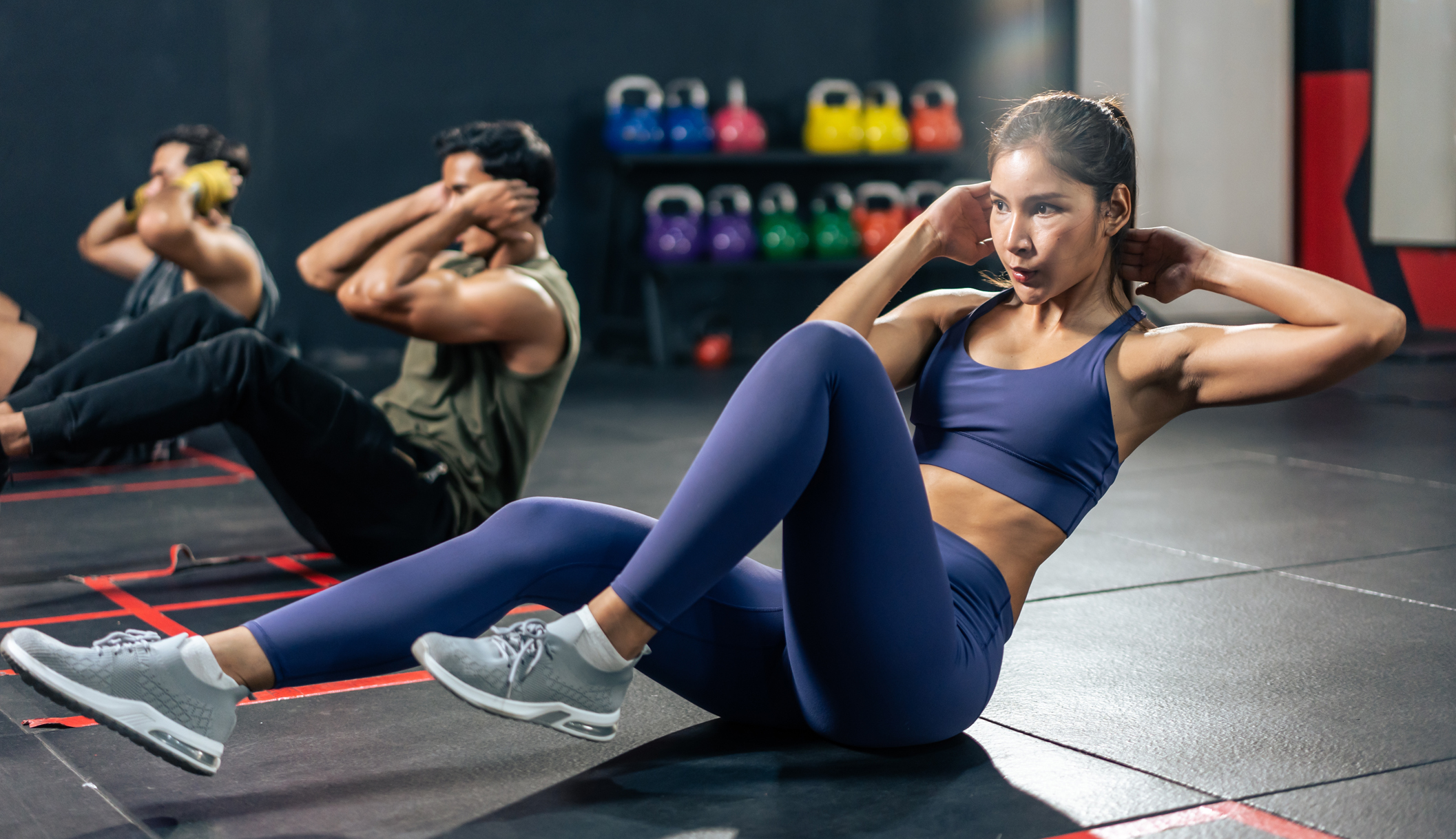
We see a need emerging for more flexible open mat spaces in health clubs, creating places where members can simply ‘play’ – warming up, cooling down, stretching and exercising in their own time and following their own personal needs and training programmes.

Everyone Active is already adding these spaces, equipping them with Therabody products such as vibrating foam rollers and Theraguns, stretch bands, hand weights and other small equipment and the areas are in constant use.

This trend plays to the fact that consumers are increasingly fitness-literate, many know how to train and what works for them and they want the freedom to do it in their own way.

It also ties in with the powerful recovery trend, identified in HCM’s Fitness Foresight 2017, which is now such a huge part of the health and fitness sector.

Expect to see people doing yoga moves, balance training, stretching and using recovery products they don’t have at home to resolve their aches and pains.

There may even be a market for a new concept studio space which is purely a physical playground with only mats and small equipment.

With so much interest from consumers in this kind of space, we expect to see the concept being deployed in multiple way.

Free space in gyms will increasingly be used for self-directed exercise / Photo: shutterstock/ Hananeko_Studio
14. Gen Z hangouts

Even a democratised social wellness offering might be a bit beyond the budget of Gen Z, but gyms aren’t. Research shows that all around the world it’s the youngsters who are the most engaged demographics and are instrumental in the uptick in memberships.

Research by The Gym Group showed the importance of the gym for Gen Z, with 37 per cent viewing it as a place to socialise. Speaking at the HCM Summit in October 2024, The Gym Group CEO, Will Orr, said: “Gen Z are working out more often and more than one-third of them are seeing the gym as a place to socialise, with 42 per cent saying they’ve made new friends at the gym.” (www.HCMmag.com/willorrHCMsummit24)

Gen Z make up 40 per cent of the membership and, in response, The Gym Group has worked with Brinkworth Design, to ensure clubs appeal to this cohort.

At UK Active’s Active Uprising in March 2025, Beano Brain’s, Adam Wilson, said the fitness sector could learn from McDonald’s in how to reach this generation. He said the fast food chain “offers low barriers to entry cost-wise and it’s the first place they can go without their parents. They’re made to feel welcome and are treated as a customer.”

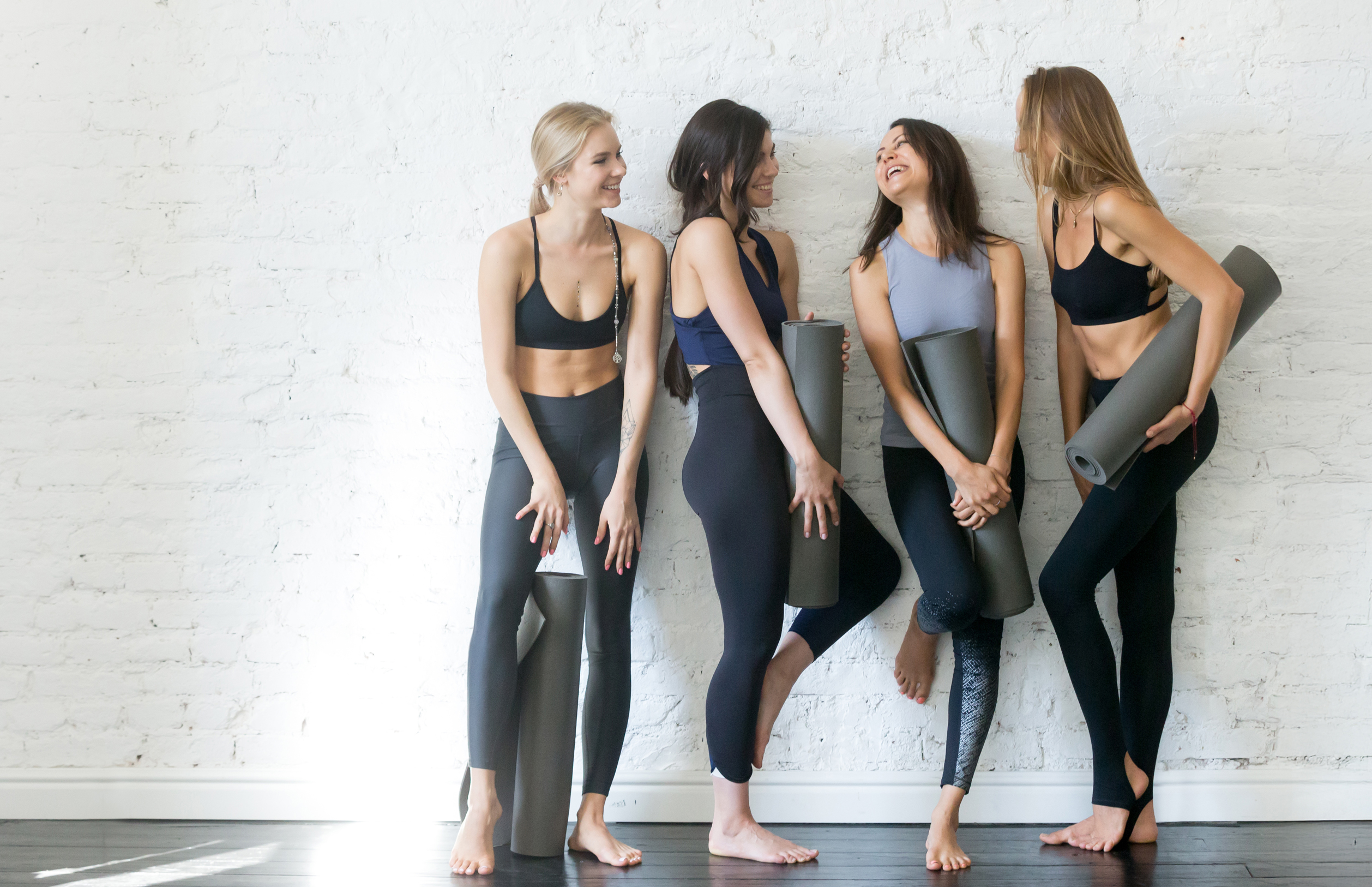
We expect to see value and public sector gyms evolving to embrace this opportunity with safe social spaces for young people.

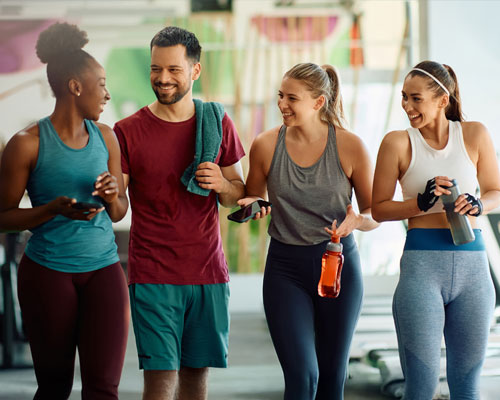
Operators will design hangout spaces for young people and ‘treat them as customers’ / Photo: shutterstock/fizkes
15. Toe health

Falls can mean the end of independence for older people and are the leading cause of injury-related death. The number of fatal falls have doubled in the last 20 years and mental and physical health often suffer as a result. The mortality rate one year after a fall is 33 per cent.

It’s not just an old person thing – one in four adults say they fall over each year.

According to Angela Metrou, founder of Modern Mind and Body Care, which offers online programming including ‘13 for toes’, says: “While hips and core are big drivers of balance, it’s foot contact and ankle strength which are key to keeping us from losing our balance, especially as we lose sensitivity to our feet as we age.

“By the age of 50 our feet need 20 per cent more pressure to perceive a stimulus and by 80 this rises to 75 per cent.

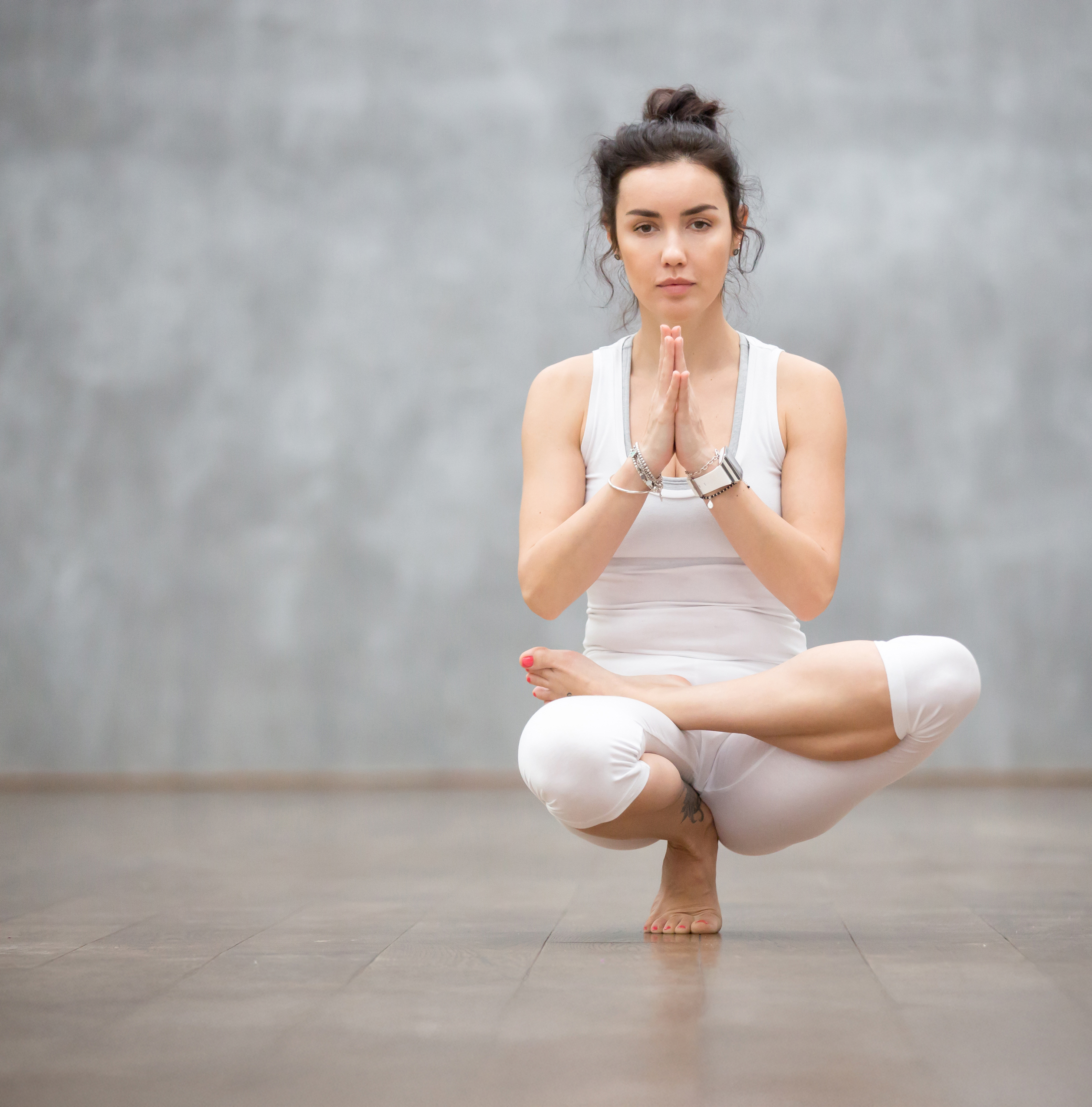
Research has shown that big toe strength is an indicator of the likelihood of falls – more so than any other muscles in the lower limbs. And the likelihood of a subsequent fall doubles after falling once.

Simple toe exercise are easy to do at home, or while taking a break from the desk and can be added at the end of classes in the gym.

Metrou recommends using texture to stimulate feet, jumping off chairs and using fabric bands.

We expect health clubs to increasingly highlight toe health and incorporate toe exercises into programmes.

Big toe strength is an indicator of the likelihood of falls – more so than any other muscle / Photo: shutterstock / fizkes
16. Swimming

There are challenges in the swimming sector, but we see opportunity and expect more operators to harness this potential.

Pools are notoriously expensive to run and new UK Active/ Swim England research shows 500 have been lost in the UK since 2010. The decline is speeding up with almost half lost since 2020. However, in last year’s State of the UK Swimming Industry Report, LeisureDB’s David Minton said pools need to be repositioned as prized assets rather than being seen as a drain on budgets.

We wholeheartedly agree and believe there’s a whole world of swimming out there to be explored beyond childrens’ lessons, especially with the growing interest in cold water swimming and triathlon, which is already giving outdoor pools and Lidos a longer season without the cost of heating.

The feeling of gliding through water is exhilarating – like flying – yet so few people experience this. We believe offering adult swim coaching – indoor and outdoors – and creating more niche swim clubs could inspire a new generation of water lovers.

As well as being an essential life skill, swimming is the only complete form of exercise, delivering cardiovascular health, strength, flexibility and mindfulness. It’s weightless, so is easy on the joints, the risk of injury is low, it involves skill which means there is a progression opportunity; it’s fun and can be highly social.

Harnessing the momentum created by the cold water swimming scene by organising groups teaching people how to approach it safely could create a buzz and get more people engaged.

Cold water swimming is driving consumer engagement that operators can encourage / Photo: www.jumpyjames.co.uk/Gilly McArthur
17. Mitochondrial health

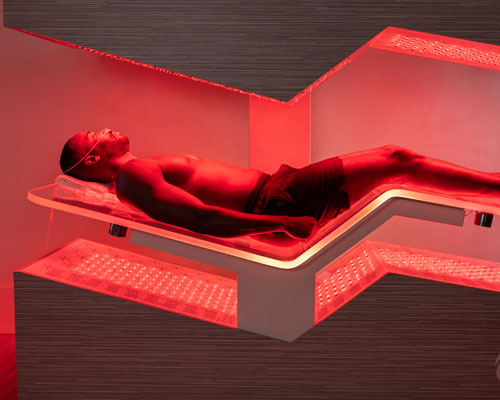
With many consumers reporting fatigue, health clubs are in a perfect place to support with interventions based on light therapy, cold therapy and nutritional optimisation.

Red light therapy, also known as photobiomodulation, uses far infrared light to stimulate cellular energy production. At the heart of this process are mitochondria – the powerhouses of the cell – which generate ATP, the main energy currency of the body. Far infrared light penetrates cells and increases ATP production, improving energy levels, physical performance, and cellular repair.

Blue light is traditionally used to regulate circadian rhythms and treat SAD, but is now being studied for its effects on cellular energy. Emerging research suggests exposure to specific wavelengths (the 415–495 nm range) can stimulate mitochondrial activity, leading to improved cellular energy output and increased alertness.

Lifestyle strategies can also support mitochondrial health and promote the creation of new mitochondria – aerobic, HIIT and resistance exercise, intermittent fasting and diets rich in polyphenols, omega fatty acids, and antioxidants, such as berries, nuts, olive oil and green vegetables, for example. Adequate sleep, stress management and cold exposure can stimulate mitochondrial resilience, boosting energy levels, cognitive and cellular health.

All these interventions lie within the remit of health clubs and we expect mitochondrial health to become a focus for the sector.

Consumers’ quest for boundless energy can be addressed with light / Photo: shutterstock/Beauty Hero
18. Rural gyms

While operators are competing for sites in major cities and talking about plans to break new territories globally, there are huge swathes of most countries which are still missing out on access to decent health and fitness facilities at value for money prices.

HCM first discussed the potential for the development of rural gyms in 2023. Developing them using the same model as a city-centre doesn’t work for operators – who need more footfall – or residents, who all too often find themselves paying more for an inferior product to their city counterparts, while generally earning less.

In the UK, 10.5 million people – almost 20 per cent of the population – live in rural areas, representing a huge potential audience and business opportunity. Some would argue we also have a moral obligation to deliver access.

PureGym is the first high value, low cost operator to come up with a model – the very small box format – which can work in low footprint areas, and is eyeing sites all over the UK, including the last frontier of Cornwall, which is yet to benefit from affordable fitness.

“Penetration will improve when the whole population has access to a low-cost gym and we’ve embarked on ambitious expansion to meet this demand. We think there is potential for 600 sites in the UK.”

PureGym has thrown down the gauntlet and we expect more to follow.

It’s time to elevate training options in rural areas / Photo: shutterstock/lzf
19. New markets

With RX Launching FIBO Arabia and Elevate heading to India, hotspots are emerging around the world.

We expect the global market to continue rapid expansion, with several regions offering high growth potential.

Asia-Pacific presents major opportunities, particularly India, Southeast Asia and China, which have large, young populations, growing middle classes and increasing awareness of lifestyle-related health issues. Penetration remains low, making them ripe for affordable, tech-enabled fitness offerings.

MENA nations, especially Saudi Arabia and the UAE, are investing heavily in wellness through national strategies such as Vision 2030. Cultural shifts are driving increased participation, particularly among women, creating demand for high-end, gender-specific and boutique facilities.

Latin America, led by Brazil and Mexico, has a strong fitness culture and growing interest in community-driven, accessible gyms, while sub-Saharan Africa shows potential in countries such as South Africa, Kenya, and Nigeria, where rising health concerns and mobile tech offer pathways for fitness access and education.

Eastern Europe is seeing growth driven by youth, improving economies, and interest in social and functional fitness experiences.

Success will come from delivering affordable, inclusive and tech-integrated options tailored to local needs.

Growth is being driven by young populations and awareness of health / Photo: shutterstock/PeopleImages.com - Yuri A
20. Social prescribing

Social prescribing, which connects people to community resources, activities and services to improve their health and wellbeing, can address social, emotional and practical needs that impact overall health.

The activities can be gym-based, or they might be in nature or a cultural setting and according to analysis from the National Academy for Social Prescribing, this can substantially relieve pressure on the health service through reduced doctor’s visits, hospital visits and admissions.

With the pivot to wellbeing happening in the pubic sector in the UK, social prescribing represents an obvious convergence with the healthcare sector.

Places Leisure is an early adopter and has already appointed a social prescribing team, headed up by Alison Elsender, who has moved across from social prescribing in the medical sector. Elsender is streamlining referrals and supporting people through the process, many of whom won’t have stepped inside a leisure centre before.

We expect to see more trusts and local authorities following the lead of Places Leisure and finding ways to work more closely with doctors in order to engage with new audiences and level up inequalities. Prescribing exercise rather than medication is more effective for a number of health-related issues and more holistic than GP referrals, working to support people with mental and physical health issues, as well as loneliness and financial challenges.

Social prescribing is being delivered by Places Leisure in the UK / Photo: shutterstock/PeopleImages.com - Yuri A
HCM Fitness Foresight, trends archive

www.fitnessforesight.com

See all the key fitness trends and predictions from each year since 2014

https://www.leisureopportunities.co.uk/images/2025/677298_566443.jpg
HCM Handbook editorial director, Liz Terry and Kath Hudson predict key trends, influences and opportunities set to shape the sector, including vagus nerve resets, diagnostics and social prescribing.
HCM magazine
As the entrepreneur who started Wexer, Fresh Fitness, Fitness DK and Repeat, as well as being a former elite athlete, Rasmus Ingerslev’s life looked perfect from the outside, but onthe inside it was a different story. He talks to Kath Hudson about healing old wounds
HCM magazine
Collaborations with the medical profession and greater aspirations around wellbeing are creating a need for more experts in our sector. It’s time to reboot our thinking around the workforce
HCM magazine
Raphael Cuomo explores the powerful link between addiction, health and behaviour change
HCM magazine
Strength training is evolving, driven by changing consumer preferences. Julie Cramer talks to innovators about how their products are meeting this demand
HCM magazine
I experienced a blissful feeling of joy I hadn’t felt since I was a kid
HCM promotional features
Sponsored
SnowDome Fitness has added 50 per cent more space with cutting-edge Technogym solutions
HCM promotional features
Sponsored
David Lloyd is stepping up its commitment to women’s health as it continues to explore what fit-for-purpose looks like for the female population
HCM promotional features
Sponsored
Find out how your gym can tap into the corporate wellness boom
HCM promotional features
Sponsored
Greg Bradley looks at the shift towards strength training in gyms and advises on how operators can create the ultimate training environment
HCM promotional features
Sponsored
Starpool supports Olympic champion Marcell Jacobs, says Riccardo Turri
HCM promotional features
Sponsored
Third Space partnered with IndigoFitness to deliver a bespoke training space for its new club at The Whiteley
HCM promotional features
Sponsored
EGYM has opened a new HQ in Paternoster Square, London and revealed a range of new launches
HCM promotional features
Promotion
BLK BOX has been reimagining elite performance spaces for more than a decade. Founder and former athlete, Greg Bradley, tells us what it takes
HCM promotional features
Sponsored
Pulse Fitness has created a new health club delivering an elevated wellness experience
HCM promotional features
Latest News
Nuffield Health has told HCM that it takes its responsibilities towards its colleagues seriously and ...
Latest News
Technogym has announced the launch of the Run X World Treadmill Championship, the first world ...
Latest News
Shocked by the UK loneliness statistics, charitable trust Mytime Active has been doubling down on ...
Latest News
Portugal’s leading operator, SC Fitness, is celebrating a milestone by reaching 100 gyms.  The company ...
Latest News
Australia’s fast-growing fitness network, Viva Leisure, is adding a low-cost gym brand to its already ...
Latest News
Speedflex has launched a strength training programme for 10 to 16-year-olds, to make it safer, ...
Latest News
Tewinbury Farm Hotel in Hertfordshire, UK is expanding its premium leisure proposition with the launch ...
Latest News

Work is underway in Madrid on one of Europe’s most significant multi-functional complexes, ...

Opinion
promotion
Strength training has moved from the margins to the mainstream.
Opinion: Building smarter strength spaces for today’s operators
Featured supplier news
Featured supplier news: Elevate 2026 to mark 10-year anniversary with biggest ever waterfront drinks reception
Elevate is set to celebrate its 10th anniversary in style this June, with organisers confirming the event’s largest-ever drinks reception as registrations continue to run more than 10% ahead of last year.
Featured supplier news
Featured supplier news: W3Fit EMEA celebrates its fifth anniversary
Celebrating its milestone 5th anniversary, W3Fit EMEA returns in 2026 with an unmissable gathering of the Health & Fitness industry’s most influential leaders.
Company profiles
Company profile: ABC Fitness
ABC Fitness is the #1 software provider for fitness businesses of any size, all around ...
Company profiles
Company profile: Brass Monkey
Brass Monkey designs and builds the world’s finest commercial-grade ice baths, working with leading gyms ...
Supplier Showcases
Supplier Showcase - Future-proofing
Catalogue Gallery
Click on a catalogue to view it online
Featured press releases
Technogym press release: Great success for Technogym’s “Let’s Move & Donate Food” campaign: one million meals donated
Thanks to the participation of 150,000 people across 141 countries, the social campaign surpassed one billion Moves collected, which were converted into a donation of one million school meals to support children in need.
Featured press releases
ukactive press release: Are they Fit for Office? UK Active and Technogym throw down the gauntlet to MPs
Hundreds of staff, MPs and Peers from across Westminster have signed up for the Fit for Office parliamentary physical activity challenge, which takes place throughout June and is hosted by ukactive and Technogym.
Directory
Industrial washing machines
Miele Company Limited: Industrial washing machines
Spa and beauty equipment
Oakworks Inc: Spa and beauty equipment
Lockers
Crown Sports Lockers: Lockers
Fitness tracking platform
SpiviTech: Fitness tracking platform
Hot tubs
MSpa International Ltd: Hot tubs
Water experiences and hydrotherapy solutions
Aquaform s.r.l.: Water experiences and hydrotherapy solutions
Property & Tenders
Stratford, East London.
Lee Valley Regional Park Authority
Property & Tenders
Y Felinheli, LL56 4QN
Newmark
Property & Tenders
Diary dates
13-13 Jun 2026
Worldwide, Various,
Diary dates
21-24 Sep 2026
The Langham Huntington Pasadena , Pasadena, United States
Diary dates
06-08 Oct 2026
Messe Stuttgart, Stuttgart, Germany
Diary dates
22-22 Oct 2026
QEII Conference Centre, London,
Diary dates
26-29 Oct 2027
Koelnmesse Exhibition Centre, Cologne, Germany
Diary dates

features

HCM Fitness trends

Kath Hudson and Liz Terry take a look at changes impacting the industry

Published in HCM Handbook 2025 issue 1
Insta rooms: Instagrammers will get their own filming spaces / Photo: Marcel Grabowski
1. Optimising AI

Back in 2017, we flagged AI in HCM’s Fitness Foresight as having the potential to radically change the sector and now – eight years later – that time has come.

From AI-enabled fitness equipment by companies such as EGYM and Technogym, to software that uses AI to refine and in some cases automate service delivery, AI is already sweeping into the sector in a thousand ways.

The biggest winners will be consumers, as intelligent systems make the customisation and personalisation of services seamless, improving the customer journey and reducing costs, while also enabling a wide range of support, such as suggested scheduling.

Tech companies are battling to make their proprietary AI agent the industry standard, with these operating as a new internet layer that pulls from and curates content from existing apps and web platforms.

We need to define what excellence looks like in our sector, so we can teach AI systems to help us deliver better and evolve to stay in line with customers’ changing needs.
AI agents are becoming a new internet layer that curates content from apps and the web / Photo: Shutterstock/ Quality Stock Arts
2. Social wellness

Feeding the need for health and community and tapping into ancient practices, we expect social wellness, based on sauna, breathwork and contrast bathing, to scale rapidly over the next five years, with different interpretations and price points.

The term social wellness was coined by Jonathan Leary when he launched Remedy Place in Los Angeles in 2019, creating a place for people to socialise without alcohol, while doing something beneficial for their health.

Other brands have followed, such as Wellness Social in Melbourne, Arc, &Soul and Rebase in London, Othership in the US and Keen in Zurich – among many others. We expect to see more accessible pricing and deeper integration with other wellness offerings, such breathwork, sound healing, ritual circles and storytelling.

Arc founder, Chris Miller, says: “We want to keep things democratic. The benefits of these practices are so profound I want to make them available to as many people as possible.”

s the market for social wellness hots up another new offering, called 432, curated by Jamie Waring, Jonathan Fisher and Emlyn Brown (HCM issue 5 2025), will open in Amsterdam featuring a 45-minute, instructor-led journey.
The social wellness trend started in places such as Farris Bad in Norway / Photo: Farris Bad/Dag Nordsveen
3. Gym kit for women

Powerful conversations about womens’ needs are increasingly being heard in relation to exercise and the provision of facilities.

As exercise physiologist and former elite athlete, Dr Stacy Sims, says “women are not simply small men” and following the bro-science doesn’t yield the same results. For example, early morning fasted exercise spikes the stress hormone, cortisol, triggering the female body to break down muscle mass. Fitness professionals need to be telling women this and experts such as Baz Moffat at The Well HQ are working to spread the word.

Another issue is gym equipment, which is built for 1.7m to 1.8m men, making it unsuitable for many women – for example, pull up bars are too high, shoulder presses are often too big and much equipment hurts the breasts, so women risk injury when using it. Additionally, women can suffer from clitoral desensitisation due to using bike saddles designed for men.

Total Fitness CEO, Sophie Lawler, told HCM that finding appropriate equipment for the company’s Women’s Gym concept was a pain point and she couldn’t benefit from the economies of scale of going with one provider.

We need different kit, or kit that can easily be adjusted to women’s anthropomorphy and we’re not talking shrink and pink.

There’s a gap in the market for kit that’s calibrated with women in mind and we predict suppliers will start plugging this gap very soon, as more and more women join health clubs and especially as their interest in strength training grows.

The trend towards women’s gyms will also accelerate this process.
Some fitness equipment hurts the breasts – new designs are needed / Photo: shutterstock/asilopezfotografia
4. GLP-1 support

With rising use of GLP-1 weight loss medications, health clubs can play a key role in helping members maintain muscle mass, heart health and long-term wellbeing, especially in light of new research that found weight lost returns far faster than it does after conventional dieting.

Rapid weight reductions from these drugs can lead to muscle and heart tissue loss without proper exercise and nutrition. To support members safely, clubs need to prioritise resistance training, moderate cardio, adequate protein intake, and recovery strategies.

Gym staff should receive training in muscle physiology, body composition, and exercise for clinical or deconditioned populations. Qualifications in personal training, nutrition coaching and health coaching are also recommended, along with soft skills, such as empathy and motivational interviewing.

Teams also need to understand how GLP-1s work (appetite suppression, slower digestion, improved insulin sensitivity) and be aware of side effects, such as nausea and fatigue, which can affect engagement.

Clubs are advised to avoid offering medical advice, but there are opportunities to build successful partnerships with local clinics and offer structured, supportive programmes focused on strength balance and sustainable habits.

Tools such as body composition tracking, supervised classes, and recovery services can add also add value for those on this journey and we expect this to become a standard across the industry.

By blending education, tailored programming, and clear professional boundaries, health clubs can become trusted environments for members on GLP-1s—and stand out as leaders in holistic, medically informed wellness.
We expect GLP-1 support programmes to become standard in health clubs / Photo: shutterstock/ PeopleImages.com - Yuri A
5. Club sounds

There’s evidence to suggest some people cancel their health club memberships if they find the music playlists jarring or not reflecting their preferences or personality and we think there’s room for the sector to do better when in comes to in-club sounds.

Music influences satisfaction and motivation, making it a significant factor in whether members stay or leave.

A study published in the International Journal of Sports Science found music choice significantly impacts gym-goers’ enjoyment and motivation. Poor music selection was listed as a common complaint, especially among younger members.

Some operators, such as Equinox and F45, brand themselves around curated playlists because they recognise the competitive advantage of getting music right.

Poor music choices disrupt workout flow and contribute to a lack of emotional connection with the space.

To get it right, match music tempo and tone to each area of the club. On the gym floor, use upbeat, rhythmic tracks (120–130 BPM) to enhance energy and performance. In recovery zones and lounges, opt for slower, calming music (60–90 BPM) to support relaxation. Keep volume in the range of 65–75 dB to energise without overwhelming, and ensure good acoustics to avoid noise pollution between spaces.

Rotate genres, collect member feedback and aim for consistency with your brand identity.

Good music makes your club more welcoming, motivating and memorable, encouraging members to stay longer, return more, and feel more connected.
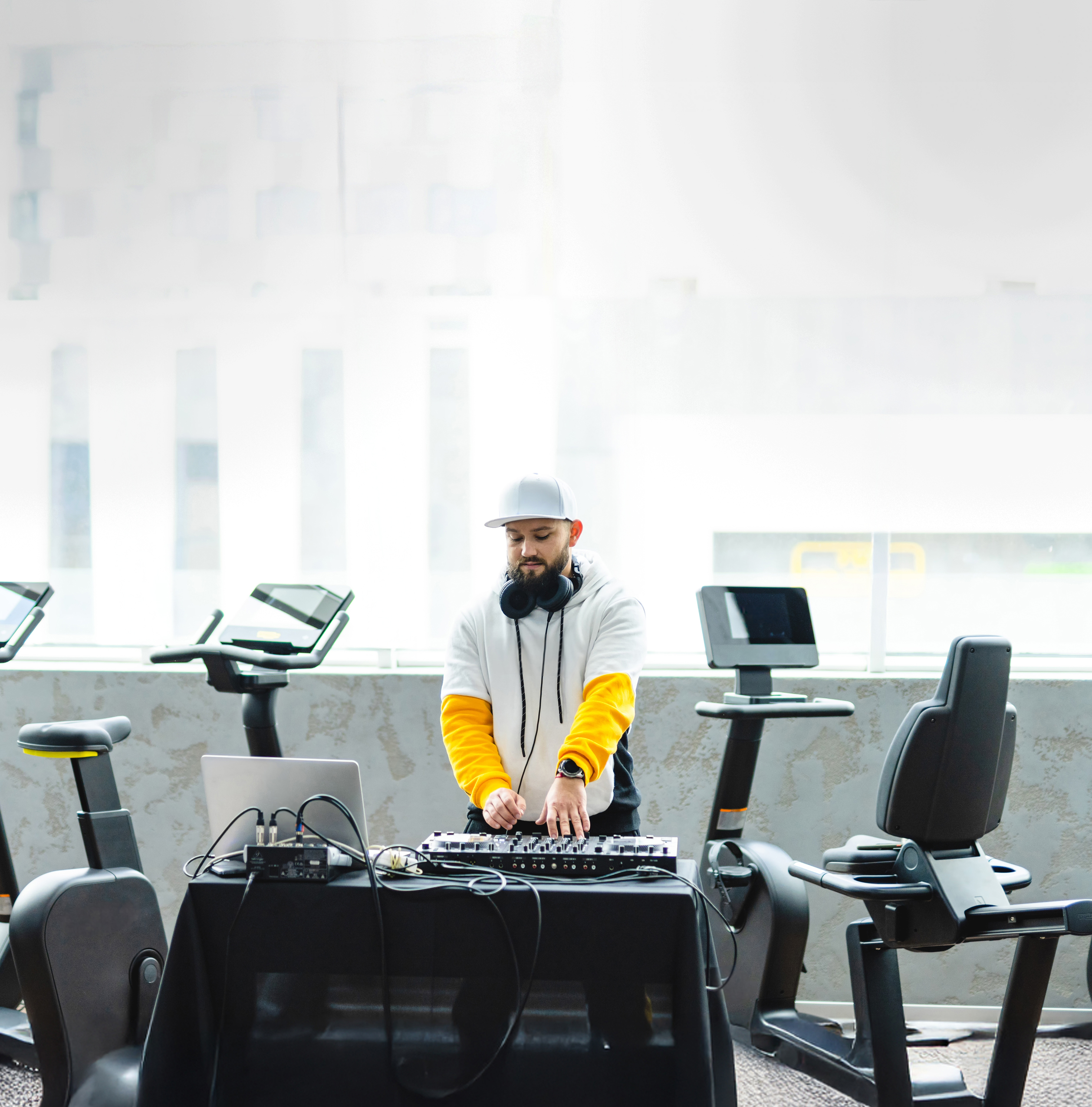
We expect to see a new focus on the power of music to impact retention / photo: Shutterstock/ Terelyuk
6. Vagus nerve resets

The vagus nerve is foundational to health. It impacts how our bodies function at every level – including digestion, blood sugar regulation, heart rate, immune system, recovery after illness, how we manage stress and anxiety, concentration and sleep.

The longest, most complex of the cranial nerves, the vagus nerve originates in the brainstem and connects the brain to the heart, lungs, digestive system and many other organs, with a two-way communication system.

Modern lifestyles don’t support healthy nervous systems and increasing numbers of people are dysregulated, struggling with mood, anxiety and stress, so HCM expects practices that support vagal tone to go mainstream.

Many – such as breathwork, sound baths and contrast therapy – are already being delivered by operators, but are not being flagged up as such, while others, such as somatic exercises, humming and tapping, can be adapted for delivery in health clubs.

Supporting the nervous system changes how the body functions at every level and fortunately, vagus nerve exercises are accessible, simple and easily incorporated into daily life. Fitness professionals need to claim this conversation with clients before the influencers take ownership.

We’d like to see these practices being incorporated into training courses for all fitness professionals, as the sector moves to deliver more wellness and mental health support. See more in HCM issue 5.
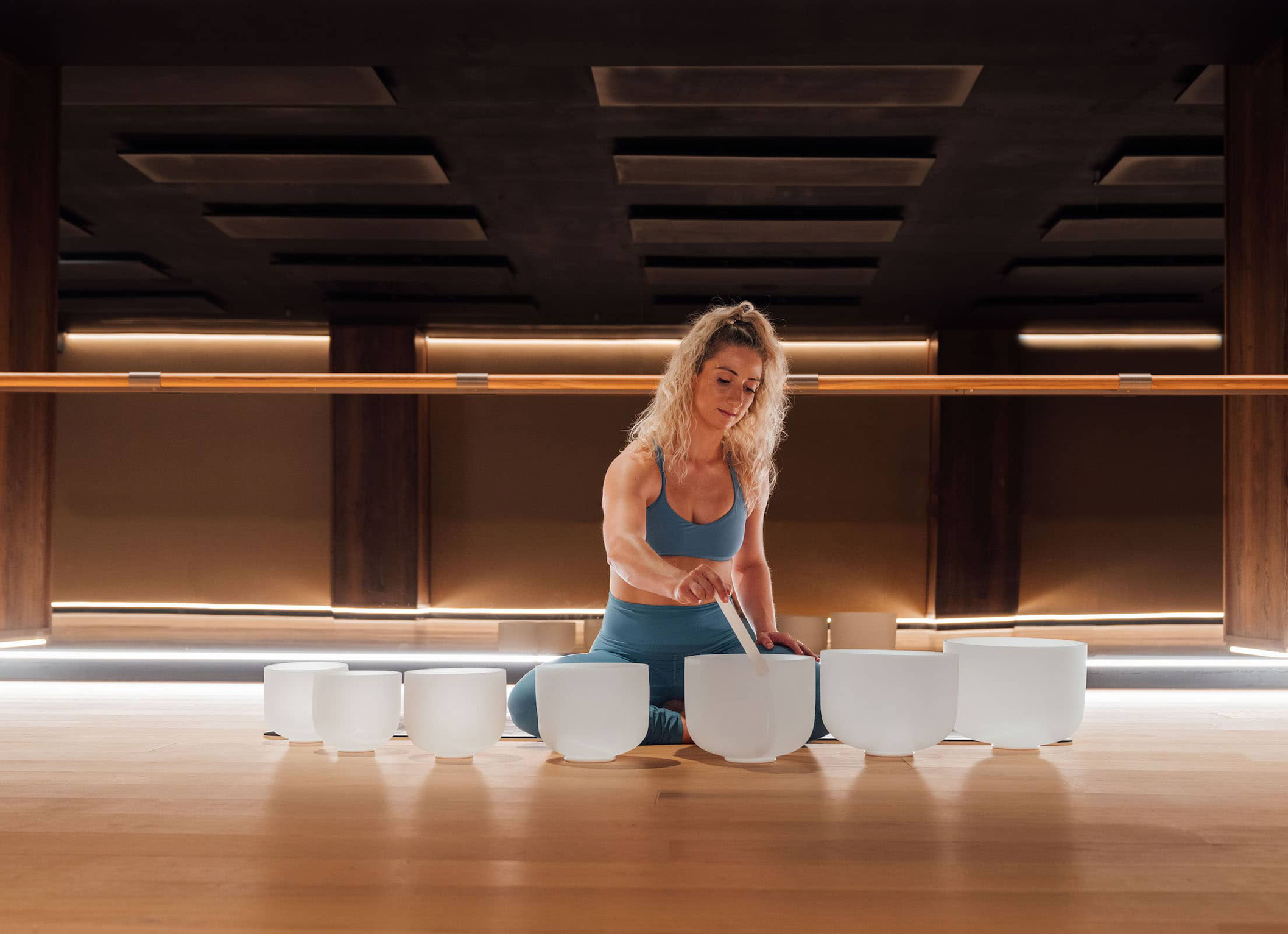
Interventions such as sound baths – seen here at Third Space – can deliver powerful vagus nerve resets / Photo: third space
7. Diagnostics

The pace of development in the science of physiological and DNA testing is mindblowing, as tests move out of the laboratory and onto the high street.

The number of test-types becoming available is making it increasingly straightforward to see what’s going on inside the body to enable the delivery of targeted change at an affordable price.

Joining the dots on this are fitness professionals who need to be conversant with the growing number of options, so they can make recommendations to clients and operators who, in their position of trust, are ideally placed to organise tests for members – a useful service that also creates a revenue stream.

Understanding the changes taking place in their bodies gives people the motivation for exercise, empowers them to take charge of their health and takes the pressure off health care systems.

We expect to see more operators and fitness professionals becoming conversant with the test options that are available and adding these to their repertoire.

This will require the development of greater expertise in the interpretation of results and the subsequent programming needed to support change.

Companies in the testing mix include Fitness Genes, which offers a DNA testing to optimise results from exercise; Hormona, which uses AI and at-home testing to help women track and optimise their hormones; Precision Analytical and its DUTCH test, which tracks hormones and metabolites; Zoe which offers a test for gut health, blood sugar and blood fat; Epicore Biosystems which measures hydration levels; Spotitearly which is using AI and dogs to sniff out early signs of cancer in breath samples and; Neko Body Scan which checks 28 biomarkers and includes a doctor’s consultation.
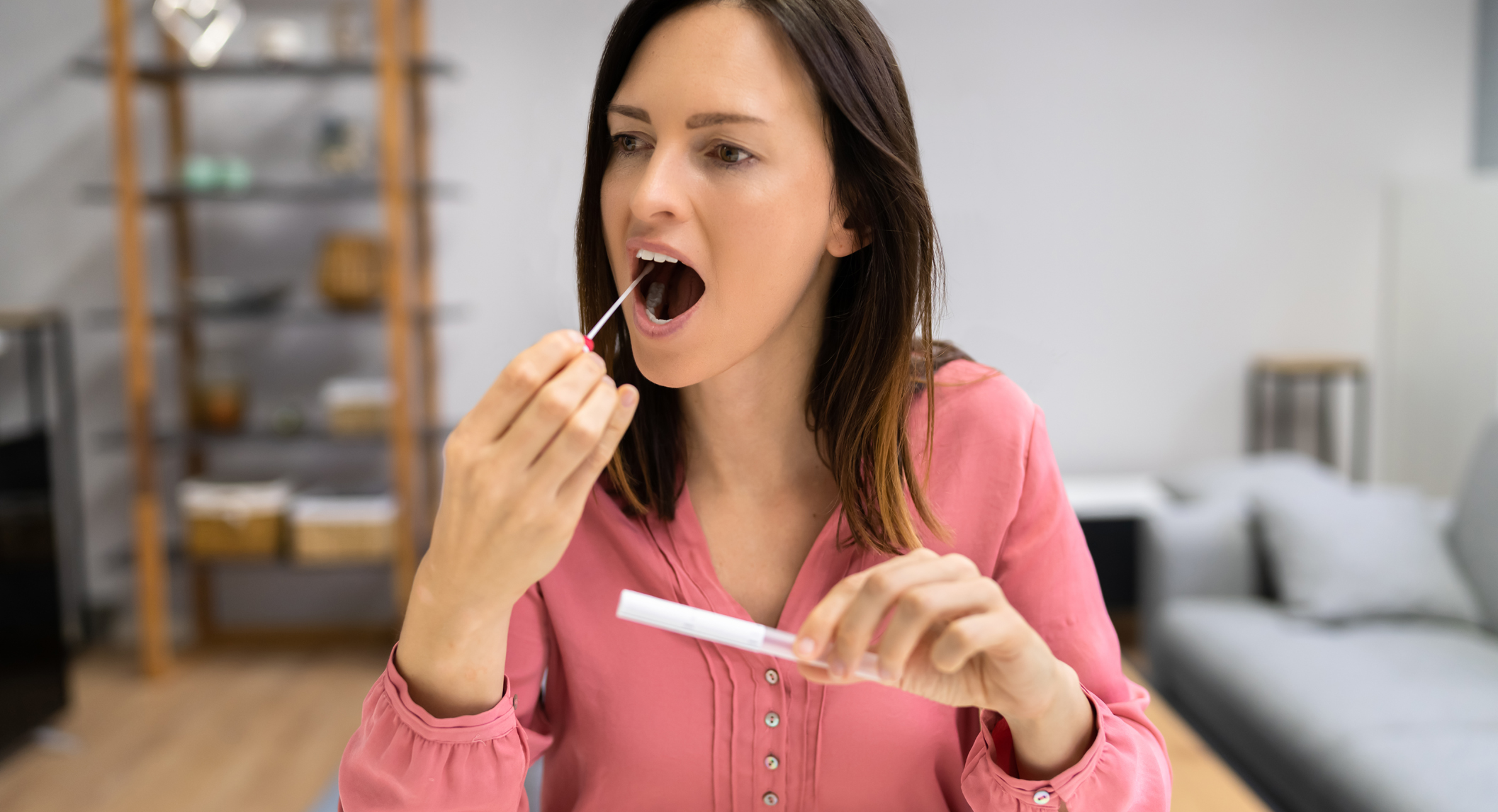
Sophisticated health tests are becoming highly accessible / Photo: shutterstock/ Andrey_Popov
8. Pilates 3.0

Reformer Pilates is currently one of the top trends in health and fitness: classes are over-subscribed, instructors are in short supply and FIBO was flooded with reformers this year.

Paragraph in here

How long will the boom continue? Is this modality, which feels like a cross between a workout and a yoga class, an enduring trend? Will the market get too crowded? Will consumers start to look for the next thing?

We think the trend is here to stay for at least a generation and is part of the move to wellness that’s being driven by consumers.

We expect to see Pilates diversifing and innovating to meet the needs of different audiences, with new concepts coming to market, such as Pilates Addiction, the new franchise from Anthony Geisler and Sara Luna which has a more high-energy athletic vibe and uses the Wundaformer.

The challenge for operators is studio optimisation versus the cost of fit-out, so expect to see bigger studios, Barry’s-style switch around workouts that allow more people in a class to share equipment and a new lease of life for mat Pilates.

The Pilates boom will also have a ripple effect, and we’ll see allied disciplines, such as Lagree and Gyrotonic, getting a bounce and becoming more available in the market.

Pilates Addiction uses the proprietary Wundaformer to give a new edge / Photo: sequel brands
9. Vaginal health

Women’s health venture capitalists, Amboy Street Ventures, estimates the unaddressed vaginal health market to be worth US$17.5 billion a year. This “ghost market” includes vaginal microbiome testing – which can prevent pre-term births – as well as a wide range of products to address issues with pelvic floor weakness and vaginal atrophy.

Health clubs are less intimidating than health clinics when it comes to getting tested and treated and we expect vaginal and more general gynae health services to take their place alongside the physiotherapist and massage therapist in health clubs as women increasingly take charge of their own health.

In the UK, five million women are behind with cervical screening and taking this into health clubs through drop-in clinics could increase uptake.

Adjacent to this is sexual health – everything that goes on in the body is a barometer of wellbeing and shouldn’t be ignored and this includes things such as a lack of desire.

According to endocrinologist, Dr Jolene Brighten, low libido in women is not about age, stress or a personal failing. If relationship issues are ruled out, lack of desire can be an indicator of hormonal imbalances, metabolic health issues, nervous system overload or auto immune disorder and might require further investigation.

Sexual health is important, as oxytocin buffers against the negative effects of stress and reboots hormone production.

Pelvic floor health can also be improved by exercise if PTs are trained to deliver it, with trailblazers including The Gym Group in the UK, which is working with The Well HQ to deliver exercise interventions.

Health clubs will give access to health checks and tests for women in regular clinics / Photo: shutterstock/ Photoroyalty
10. Wellbeing qualifications

Fitness professionals need to train up to become wellbeing professionals and fast.

According to physiologist and co-founder of Future Practice, Oli Patrick, 56 per cent of Gen Z get their health advice from TikTok because there are no professionals giving it to them. This is even more timely given that people who are taking GLP-1 medications need help to change their lifestyle habits and build muscle mass while losing weight. “If the fitness sector doesn’t step up to wellbeing soon it will fragment and we’ll be out of the picture,” says Patrick. “But if we take ownership of things such as recovery, sleep and breathwork, health clubs and gyms could become the places to get your lifestyle curated.”

It’s time to get on the case with CPD and make sure it’s applied on the gym floor. Numerous options are now available. Future Practice offers a suite of courses around breathwork, sleep and VO2 max which have distilled Patrick’s 25 years’ of clinical experience into bite-sized digital courses at a price which aims to be low enough for all PTs to make the investment.

Active IQ is launching a diploma in Health and Wellbeing Coaching in Q3 2025, which is a Level 3 nested qualification covering positive behaviour change, mental resilience and lifestyle programming, while Future Fit has launched an online course to support fitness professionals working with people taking GLP-1 drugs and which is endorsed by Dr Hussain Al-Zubaidi.

We expect to see all instructors and PTs getting qualified in wellbeing interventions as the health club sector increasingly competes for the wellness consumer and integrates with medical.

All training courses will eventually qualify instructors to deliver wellness interventions / Photo: shutterstock/ PeopleImages.com - Yuri A
11. Insta rooms

With gym memberships trending younger, we’re seeing an increasing number of Instagrammers creating content in health clubs. This can be a pain point, as they can hog equipment, annoy other gym users and compromise others’ privacy. However, it does present gym owners with the opportunity to harness free PR.

Sandwell Leisure Trust in the UK has taken the “if you can’t beat ‘em, join ‘em” approach with its new Burn Lab.

The trust worked with Stronger Wellness to curate a studio as a filming playground featuring camera-friendly pieces of kit and sympathetic lighting, as well as light stands and portable lights for content creators to use.

“We were noticing that content creators were using pieces of equipment for 15 to 20 minutes while they filmed, which was causing friction with other users,” CEO of Sandwell Leisure Trust, Mark Braithwaite told HCM. “We realised there was the opportunity to redirect them into a different space and capitalise on their social media followings for some PR.”

The Burn Lab took over an underutilised studio and although the studio is open to everyone and content creators can still use the main gym area, it has alleviated the issue and provided a win-win situation.

We expect to see insta rooms being added to clubs to cater for this need.
Instagrammers will get their own filming spaces / Photo: Marcel Grabowski
12. Breathwork

Health clubs can use breathwork classes to support members’ physical, mental, and emotional wellbeing.

Breathwork involves guided breathing techniques that regulate the nervous system, reduce stress, and enhance performance.

Conscious breathing activates the parasympathetic nervous system, lowering cortisol levels and heart rate, and promoting relaxation.

Techniques such as diaphragmatic breathing, box breathing, or coherent breathing (5.5 breaths per minute) can improve oxygen efficiency, reduce anxiety, and enhance focus and over time, breathwork may also increase heart rate variability (HRV) – a marker of resilience and recovery.

For best results, health clubs can offer dedicated breathwork sessions or integrate them into yoga, recovery, or mental fitness classes which can be themed, for example, for stress reduction or emotional release, or to boost energy.

Qualified instructors or therapists are needed to guide sessions, helping members learn techniques they can go on to apply on a daily basis.

Combining breathwork with other interventions, such as cold exposure or meditation can amplify the benefits.

Breathwork is a low-cost, accessible tool that supports recovery, mental clarity, emotional regulation and improved physical performance and as demand for holistic well-being solutions grows, breathwork offers health clubs a powerful, science-backed way to add value and differentiate their wellness offerings and we expect to see it becoming a staple of the sector.

We expect health clubs to integrate breathwork into their offerings, while also adding new programmes / photo: Shutterstock/ insta_photos
13. Free mat space

As growing numbers of consumers experience personal training – often in locations without large equipment – they’re becoming increasingly comfortable doing mat-based stretching and bodyweight exercises to supplement gym workouts.

We see a need emerging for more flexible open mat spaces in health clubs, creating places where members can simply ‘play’ – warming up, cooling down, stretching and exercising in their own time and following their own personal needs and training programmes.

Everyone Active is already adding these spaces, equipping them with Therabody products such as vibrating foam rollers and Theraguns, stretch bands, hand weights and other small equipment and the areas are in constant use.

This trend plays to the fact that consumers are increasingly fitness-literate, many know how to train and what works for them and they want the freedom to do it in their own way.

It also ties in with the powerful recovery trend, identified in HCM’s Fitness Foresight 2017, which is now such a huge part of the health and fitness sector.

Expect to see people doing yoga moves, balance training, stretching and using recovery products they don’t have at home to resolve their aches and pains.

There may even be a market for a new concept studio space which is purely a physical playground with only mats and small equipment.

With so much interest from consumers in this kind of space, we expect to see the concept being deployed in multiple way.
Free space in gyms will increasingly be used for self-directed exercise / Photo: shutterstock/ Hananeko_Studio
14. Gen Z hangouts

Even a democratised social wellness offering might be a bit beyond the budget of Gen Z, but gyms aren’t. Research shows that all around the world it’s the youngsters who are the most engaged demographics and are instrumental in the uptick in memberships.

Research by The Gym Group showed the importance of the gym for Gen Z, with 37 per cent viewing it as a place to socialise. Speaking at the HCM Summit in October 2024, The Gym Group CEO, Will Orr, said: “Gen Z are working out more often and more than one-third of them are seeing the gym as a place to socialise, with 42 per cent saying they’ve made new friends at the gym.” (www.HCMmag.com/willorrHCMsummit24)

Gen Z make up 40 per cent of the membership and, in response, The Gym Group has worked with Brinkworth Design, to ensure clubs appeal to this cohort.

At UK Active’s Active Uprising in March 2025, Beano Brain’s, Adam Wilson, said the fitness sector could learn from McDonald’s in how to reach this generation. He said the fast food chain “offers low barriers to entry cost-wise and it’s the first place they can go without their parents. They’re made to feel welcome and are treated as a customer.”

We expect to see value and public sector gyms evolving to embrace this opportunity with safe social spaces for young people.
Operators will design hangout spaces for young people and ‘treat them as customers’ / Photo: shutterstock/fizkes
15. Toe health

Falls can mean the end of independence for older people and are the leading cause of injury-related death. The number of fatal falls have doubled in the last 20 years and mental and physical health often suffer as a result. The mortality rate one year after a fall is 33 per cent.

It’s not just an old person thing – one in four adults say they fall over each year.

According to Angela Metrou, founder of Modern Mind and Body Care, which offers online programming including ‘13 for toes’, says: “While hips and core are big drivers of balance, it’s foot contact and ankle strength which are key to keeping us from losing our balance, especially as we lose sensitivity to our feet as we age.

“By the age of 50 our feet need 20 per cent more pressure to perceive a stimulus and by 80 this rises to 75 per cent.

Research has shown that big toe strength is an indicator of the likelihood of falls – more so than any other muscles in the lower limbs. And the likelihood of a subsequent fall doubles after falling once.

Simple toe exercise are easy to do at home, or while taking a break from the desk and can be added at the end of classes in the gym.

Metrou recommends using texture to stimulate feet, jumping off chairs and using fabric bands.

We expect health clubs to increasingly highlight toe health and incorporate toe exercises into programmes.
Big toe strength is an indicator of the likelihood of falls – more so than any other muscle / Photo: shutterstock / fizkes
16. Swimming

There are challenges in the swimming sector, but we see opportunity and expect more operators to harness this potential.

Pools are notoriously expensive to run and new UK Active/ Swim England research shows 500 have been lost in the UK since 2010. The decline is speeding up with almost half lost since 2020. However, in last year’s State of the UK Swimming Industry Report, LeisureDB’s David Minton said pools need to be repositioned as prized assets rather than being seen as a drain on budgets.

We wholeheartedly agree and believe there’s a whole world of swimming out there to be explored beyond childrens’ lessons, especially with the growing interest in cold water swimming and triathlon, which is already giving outdoor pools and Lidos a longer season without the cost of heating.

The feeling of gliding through water is exhilarating – like flying – yet so few people experience this. We believe offering adult swim coaching – indoor and outdoors – and creating more niche swim clubs could inspire a new generation of water lovers.

As well as being an essential life skill, swimming is the only complete form of exercise, delivering cardiovascular health, strength, flexibility and mindfulness. It’s weightless, so is easy on the joints, the risk of injury is low, it involves skill which means there is a progression opportunity; it’s fun and can be highly social.

Harnessing the momentum created by the cold water swimming scene by organising groups teaching people how to approach it safely could create a buzz and get more people engaged.

Cold water swimming is driving consumer engagement that operators can encourage / Photo: www.jumpyjames.co.uk/Gilly McArthur
17. Mitochondrial health

With many consumers reporting fatigue, health clubs are in a perfect place to support with interventions based on light therapy, cold therapy and nutritional optimisation.

Red light therapy, also known as photobiomodulation, uses far infrared light to stimulate cellular energy production. At the heart of this process are mitochondria – the powerhouses of the cell – which generate ATP, the main energy currency of the body. Far infrared light penetrates cells and increases ATP production, improving energy levels, physical performance, and cellular repair.

Blue light is traditionally used to regulate circadian rhythms and treat SAD, but is now being studied for its effects on cellular energy. Emerging research suggests exposure to specific wavelengths (the 415–495 nm range) can stimulate mitochondrial activity, leading to improved cellular energy output and increased alertness.

Lifestyle strategies can also support mitochondrial health and promote the creation of new mitochondria – aerobic, HIIT and resistance exercise, intermittent fasting and diets rich in polyphenols, omega fatty acids, and antioxidants, such as berries, nuts, olive oil and green vegetables, for example. Adequate sleep, stress management and cold exposure can stimulate mitochondrial resilience, boosting energy levels, cognitive and cellular health.

All these interventions lie within the remit of health clubs and we expect mitochondrial health to become a focus for the sector.

Consumers’ quest for boundless energy can be addressed with light / Photo: shutterstock/Beauty Hero
18. Rural gyms

While operators are competing for sites in major cities and talking about plans to break new territories globally, there are huge swathes of most countries which are still missing out on access to decent health and fitness facilities at value for money prices.

HCM first discussed the potential for the development of rural gyms in 2023. Developing them using the same model as a city-centre doesn’t work for operators – who need more footfall – or residents, who all too often find themselves paying more for an inferior product to their city counterparts, while generally earning less.

In the UK, 10.5 million people – almost 20 per cent of the population – live in rural areas, representing a huge potential audience and business opportunity. Some would argue we also have a moral obligation to deliver access.

PureGym is the first high value, low cost operator to come up with a model – the very small box format – which can work in low footprint areas, and is eyeing sites all over the UK, including the last frontier of Cornwall, which is yet to benefit from affordable fitness.

“Penetration will improve when the whole population has access to a low-cost gym and we’ve embarked on ambitious expansion to meet this demand. We think there is potential for 600 sites in the UK.”

PureGym has thrown down the gauntlet and we expect more to follow.

It’s time to elevate training options in rural areas / Photo: shutterstock/lzf
19. New markets

With RX Launching FIBO Arabia and Elevate heading to India, hotspots are emerging around the world.

We expect the global market to continue rapid expansion, with several regions offering high growth potential.

Asia-Pacific presents major opportunities, particularly India, Southeast Asia and China, which have large, young populations, growing middle classes and increasing awareness of lifestyle-related health issues. Penetration remains low, making them ripe for affordable, tech-enabled fitness offerings.

MENA nations, especially Saudi Arabia and the UAE, are investing heavily in wellness through national strategies such as Vision 2030. Cultural shifts are driving increased participation, particularly among women, creating demand for high-end, gender-specific and boutique facilities.

Latin America, led by Brazil and Mexico, has a strong fitness culture and growing interest in community-driven, accessible gyms, while sub-Saharan Africa shows potential in countries such as South Africa, Kenya, and Nigeria, where rising health concerns and mobile tech offer pathways for fitness access and education.

Eastern Europe is seeing growth driven by youth, improving economies, and interest in social and functional fitness experiences.

Success will come from delivering affordable, inclusive and tech-integrated options tailored to local needs.
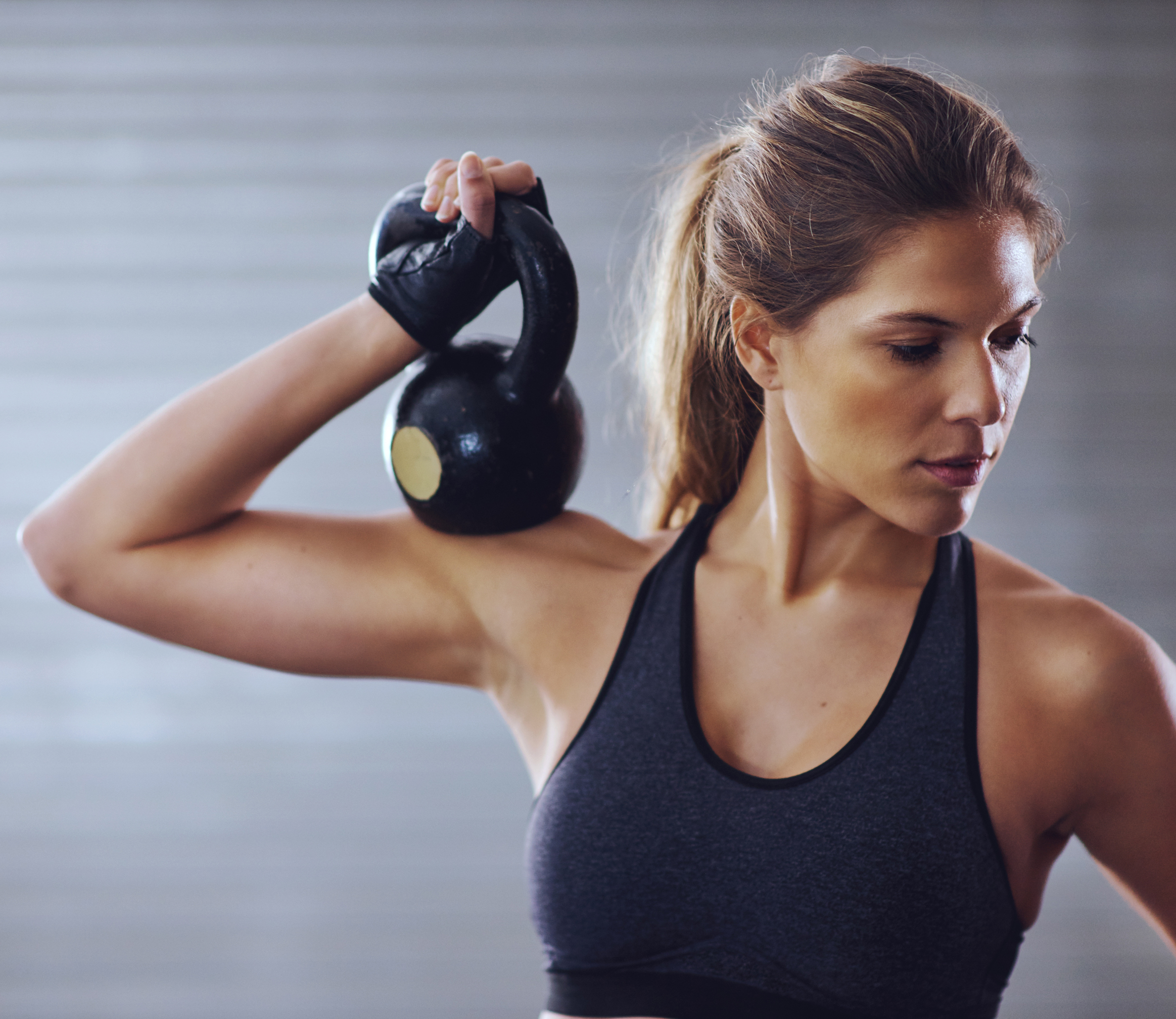
Growth is being driven by young populations and awareness of health / Photo: shutterstock/PeopleImages.com - Yuri A
20. Social prescribing

Social prescribing, which connects people to community resources, activities and services to improve their health and wellbeing, can address social, emotional and practical needs that impact overall health.

The activities can be gym-based, or they might be in nature or a cultural setting and according to analysis from the National Academy for Social Prescribing, this can substantially relieve pressure on the health service through reduced doctor’s visits, hospital visits and admissions.

With the pivot to wellbeing happening in the pubic sector in the UK, social prescribing represents an obvious convergence with the healthcare sector.

Places Leisure is an early adopter and has already appointed a social prescribing team, headed up by Alison Elsender, who has moved across from social prescribing in the medical sector. Elsender is streamlining referrals and supporting people through the process, many of whom won’t have stepped inside a leisure centre before.

We expect to see more trusts and local authorities following the lead of Places Leisure and finding ways to work more closely with doctors in order to engage with new audiences and level up inequalities. Prescribing exercise rather than medication is more effective for a number of health-related issues and more holistic than GP referrals, working to support people with mental and physical health issues, as well as loneliness and financial challenges.

Social prescribing is being delivered by Places Leisure in the UK / Photo: shutterstock/PeopleImages.com - Yuri A
HCM Fitness Foresight, trends archive

www.fitnessforesight.com

See all the key fitness trends and predictions from each year since 2014
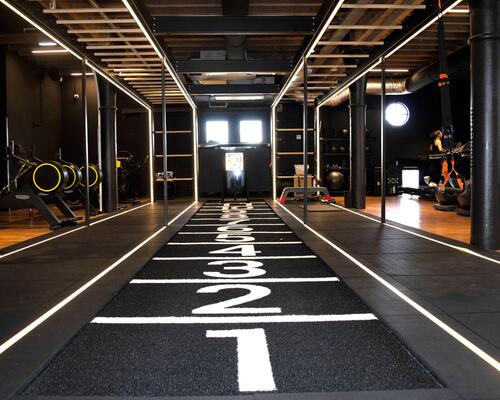
https://www.leisureopportunities.co.uk/images/2025/677298_566443.jpg
HCM Handbook editorial director, Liz Terry and Kath Hudson predict key trends, influences and opportunities set to shape the sector, including vagus nerve resets, diagnostics and social prescribing.
Latest News
Nuffield Health has told HCM that it takes its responsibilities towards its colleagues seriously and ...
Latest News
Technogym has announced the launch of the Run X World Treadmill Championship, the first world ...
Latest News
Shocked by the UK loneliness statistics, charitable trust Mytime Active has been doubling down on ...
Latest News
Portugal’s leading operator, SC Fitness, is celebrating a milestone by reaching 100 gyms.  The company ...
Latest News
Australia’s fast-growing fitness network, Viva Leisure, is adding a low-cost gym brand to its already ...
Latest News
Speedflex has launched a strength training programme for 10 to 16-year-olds, to make it safer, ...
Latest News
Tewinbury Farm Hotel in Hertfordshire, UK is expanding its premium leisure proposition with the launch ...
Latest News

Work is underway in Madrid on one of Europe’s most significant multi-functional complexes, ...

Latest News
PureGym is encouraging people to step away from their screens and go for a walk, ...
Latest News
Small improvements to sleep, diet quality, and physical activity, made in combination lead to a ...
Latest News
Therme Manchester’s 28-acre development, which will include interconnected glass pavilions that measure 65,000sq m, will ...
Opinion
promotion
Strength training has moved from the margins to the mainstream.
Opinion: Building smarter strength spaces for today’s operators
Featured supplier news
Featured supplier news: Elevate 2026 to mark 10-year anniversary with biggest ever waterfront drinks reception
Elevate is set to celebrate its 10th anniversary in style this June, with organisers confirming the event’s largest-ever drinks reception as registrations continue to run more than 10% ahead of last year.
Featured supplier news
Featured supplier news: W3Fit EMEA celebrates its fifth anniversary
Celebrating its milestone 5th anniversary, W3Fit EMEA returns in 2026 with an unmissable gathering of the Health & Fitness industry’s most influential leaders.
Company profiles
Company profile: ABC Fitness
ABC Fitness is the #1 software provider for fitness businesses of any size, all around ...
Company profiles
Company profile: Brass Monkey
Brass Monkey designs and builds the world’s finest commercial-grade ice baths, working with leading gyms ...
Supplier Showcases
Supplier Showcase - Future-proofing
Catalogue Gallery
Click on a catalogue to view it online
Featured press releases
Technogym press release: Great success for Technogym’s “Let’s Move & Donate Food” campaign: one million meals donated
Thanks to the participation of 150,000 people across 141 countries, the social campaign surpassed one billion Moves collected, which were converted into a donation of one million school meals to support children in need.
Featured press releases
ukactive press release: Are they Fit for Office? UK Active and Technogym throw down the gauntlet to MPs
Hundreds of staff, MPs and Peers from across Westminster have signed up for the Fit for Office parliamentary physical activity challenge, which takes place throughout June and is hosted by ukactive and Technogym.
Directory
Industrial washing machines
Miele Company Limited: Industrial washing machines
Spa and beauty equipment
Oakworks Inc: Spa and beauty equipment
Lockers
Crown Sports Lockers: Lockers
Fitness tracking platform
SpiviTech: Fitness tracking platform
Hot tubs
MSpa International Ltd: Hot tubs
Water experiences and hydrotherapy solutions
Aquaform s.r.l.: Water experiences and hydrotherapy solutions
Property & Tenders
Stratford, East London.
Lee Valley Regional Park Authority
Property & Tenders
Y Felinheli, LL56 4QN
Newmark
Property & Tenders
Diary dates
13-13 Jun 2026
Worldwide, Various,
Diary dates
21-24 Sep 2026
The Langham Huntington Pasadena , Pasadena, United States
Diary dates
06-08 Oct 2026
Messe Stuttgart, Stuttgart, Germany
Diary dates
22-22 Oct 2026
QEII Conference Centre, London,
Diary dates
26-29 Oct 2027
Koelnmesse Exhibition Centre, Cologne, Germany
Diary dates
Search news, features & products:
Find a supplier:
The Leisure Media Company Ltd
Partner sites