






























features
Editor's letter: Consumer rebellion
For too long consumers have been forced to rely on governments to support their health and wellbeing, due to an absence of alternatives. Now the prevention sector is taking over and driving radical change


For decades, governments the world over have failed to take advantage of the incredible power of prevention to support health, drive economic prosperity and underpin happiness and wellbeing.
Government mandated systems have long been skewed against prevention: medics are trained in disease and generally know little about health; economic policies focus on companies and processes, not on people; and education systems are designed to prepare us for the workplace and not to live a healthy life.
Now consumers are waking up to the power of prevention, bypassing governments and taking matters into their own hands. They’re using new tools and services that are giving them the ability to take control of their personal wellbeing and that of their families, rather than surrendering their fate to others.
Here at HCM, with our 44-year perspective, we’ve seen a huge acceleration in this consumer trend in the last two years – since the pandemic led people to a true realisation of the importance of investing in their health.
This consumer rebellion and embracing of prevention is inevitably being led by more wealthy consumers, but the trickle-down effect is to be seen everywhere, as providers move to democratise their services.
On page 50 of this issue of HCM you’ll find an in-depth feature on longevity clinics which outlines just how far we’ve come in the development of accessible services for prevention, including everything from exercise prescription, DNA testing and blood panels, to nutrition and sleep services and mental health support.
Health club operators are perfectly placed to embrace this opportunity and deliver wellness support to members, and we expect to see more offering prevention services, such as DNA testing, health scans and tele-health.
The sector must continue to lobby governments to get on-board with prevention and interventions such as MSK Hubs (page 30), but the key message is that we can’t wait for governments to act if we want to keep up with consumers – they’ve got the bit between the teeth.
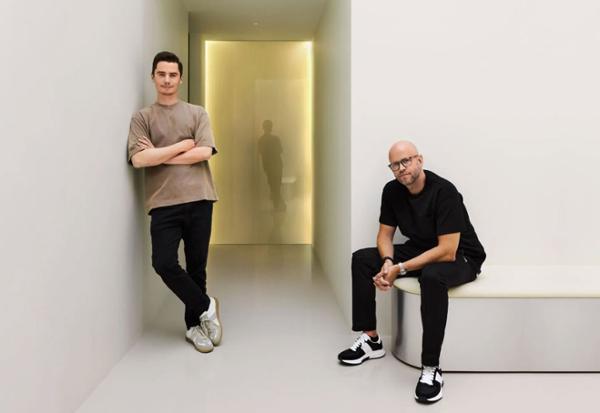
Tools coming on-stream continue to amaze. On page 24 we report on the Neko Body Scan, a brainchild of Spotify founder, Daniel Ek and Hjalmar Nilsonne, which collects 50 million data points in ten minutes to give a picture of health for £299. The clinic already has a wait-list of 20,000.
As entrepreneurs bring ever-more powerful services to market and consumers respond and become better educated in how to stay healthy, the tidal wave of change will one day get noticed by governments and we’ll see a wholesale change in approach as prevention takes its rightful place ahead of cure.
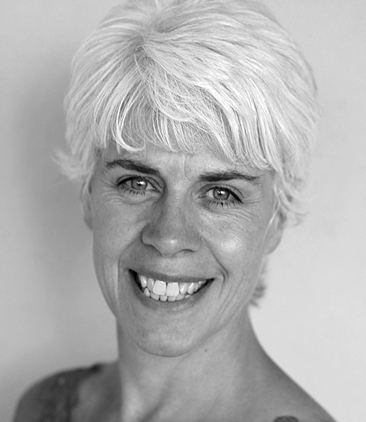
Liz Terry, editor
[email protected]


Work is underway in Madrid on one of Europe’s most significant multi-functional complexes, ...