














We Work Well Events
We Work Well Events
We Work Well Events
Follow Health Club Management on Twitter Like Health Club Management on Facebook Join the discussion with Health Club Management on LinkedIn
FITNESS, HEALTH, WELLNESS

people

Interview: Township Yogi

Kate Cracknell talks to Elle Matthews, director of the Township Yogi Project – an initiative that takes yoga to the townships of South Africa in a bid to spread the calm and wellbeing that yoga can bring
By Kate Cracknell | Published in Health Club Management 2015 issue 7
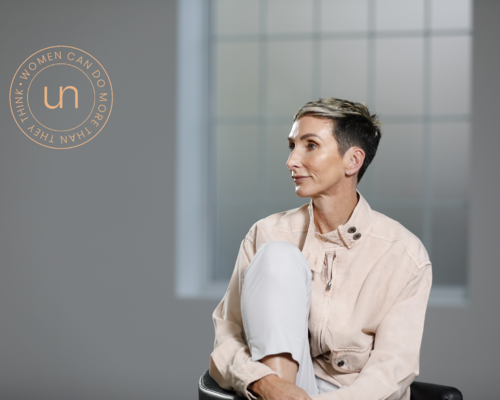
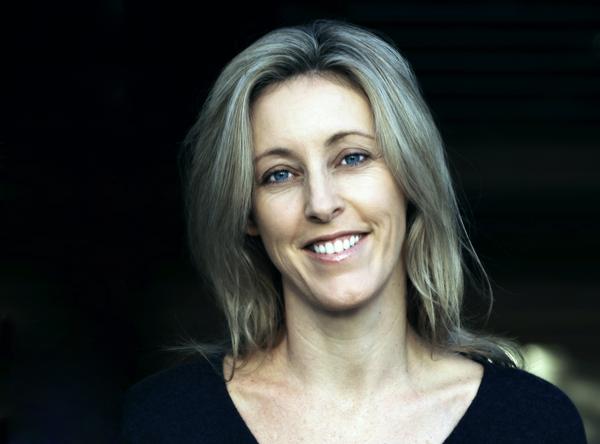
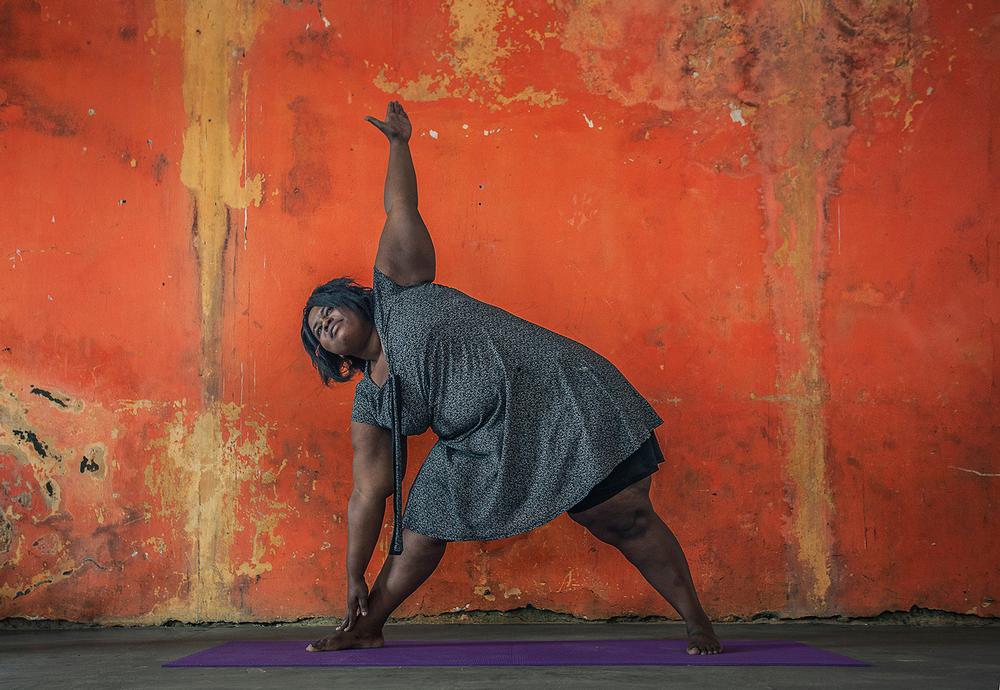
Project director Elle Matthews
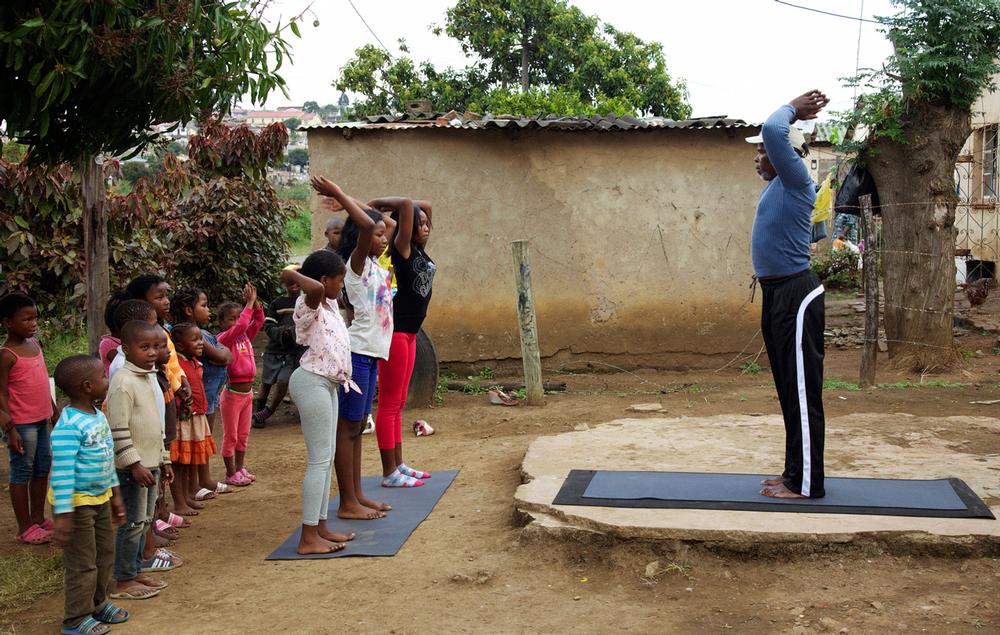
We have kids attending from as young as three, right up to ‘gogos’ – elderly women who arrive at class leaning on their canes for support

What is the Township Yogi Project?
It’s a non-profit organisation that we launched in February 2013, where we go into South African townships, set up grassroots yoga studios and offer free yoga classes to people living there.

Classes are run by volunteer yoga teachers who give up their time to teach on our project, but we also identify and train unemployed people from within the townships to become qualified yoga teachers. Once qualified, they’re able to take over the classes and teach their own communities, with classes generally running once or twice a week in each location.

The project started in the Inanda and KwaMashu townships near Durban, and has continued growing in both areas, as well as expanding into a number of other townships in that area. We also started up in Johannesburg in April and will be offering classes in Cape Town soon.

Why did you want to do this?
I’d been a practitioner of yoga for a few years, but in 2012 I went on a yoga retreat to Thailand and it changed my life. I could feel the effects on my mind, body and spirit. When I returned home to South Africa, I found myself completely focused on the suffering of people all around me. I could see the desperation of people sitting on the curb as I drove past, hoping for a job. Or the despair of people I knew who lived in the townships and were victims of crime and violence, or living with the effects of HIV/Aids. I had a deep knowing that they needed to do yoga. I can’t explain it – it was just something I was sure of.

At the time I didn’t have any great dreams about taking yoga into townships throughout South Africa. Even if I only reached a few people, I wanted to be able to share the physical, emotional and spiritual tools that yoga offers, giving people a way of coping with the suffering and helping them manage their lives in the townships in a better way. It’s a tough, tense, stressful existence and I just wanted them to know the kind of peace I’d experienced – even if just for one hour a week.

Can anyone attend your classes?
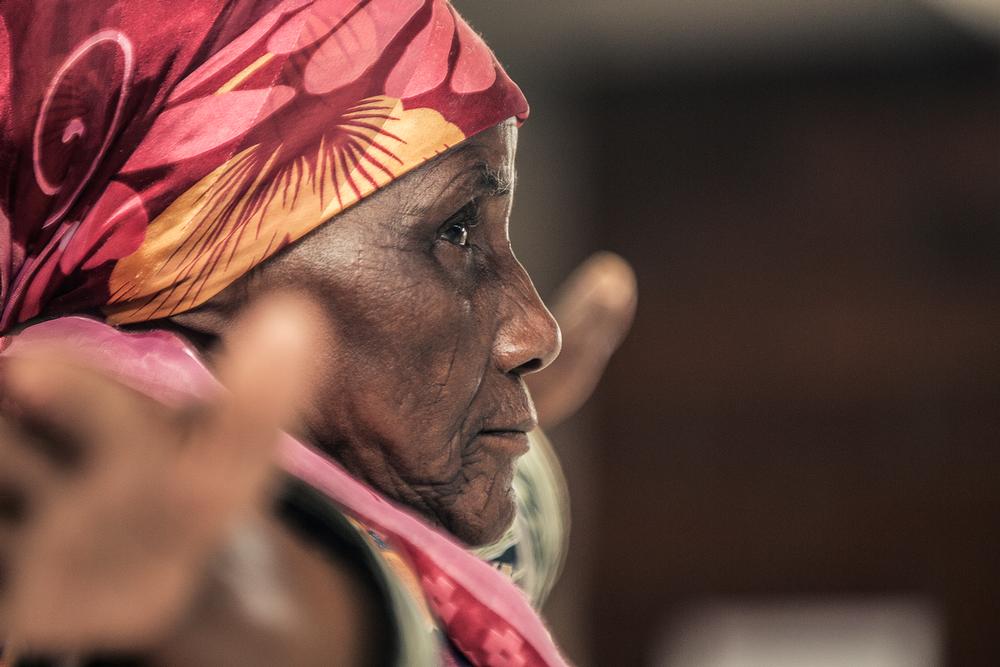
Absolutely. We have kids attending from as young as three, right up to ‘gogos’ – elderly women who arrive at class leaning on their canes for support. Everyone and anyone is welcome and classes are free. We just ask them to clean the mats afterwards – or sometimes they’ll sing a special song for the teacher – just as an exchange of energy.

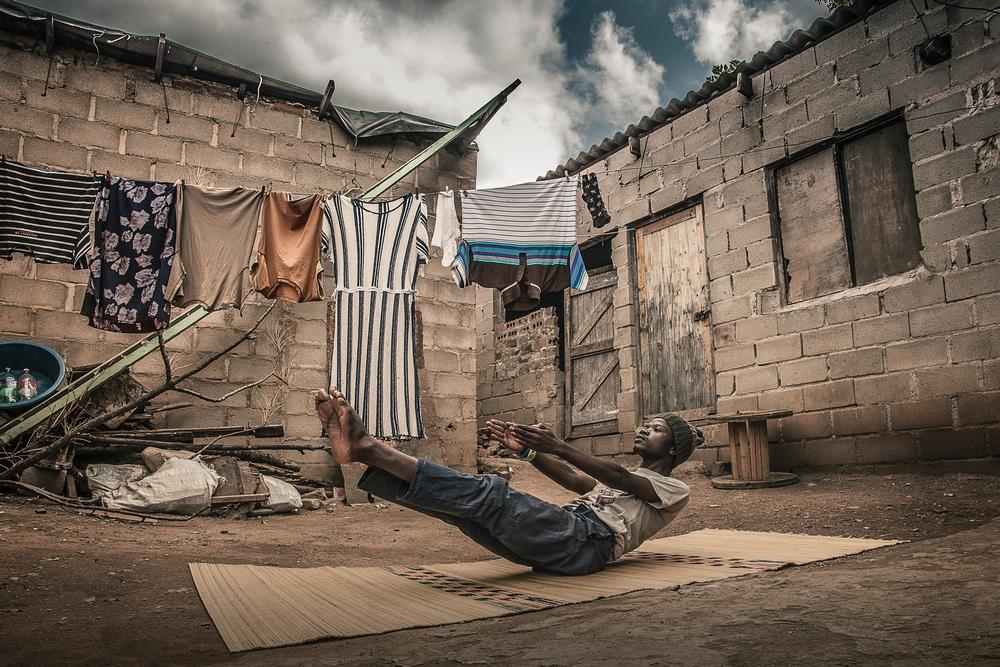
We provide basic yoga clothing for students – many of them don’t have more than two or three items of clothing to wear, and none of it’s appropriate for yoga – so nobody misses out.

Word of mouth plays a big part in getting people involved. People walk past a hall, see the class happening and ask about it. Many people who attend also come with friends the next week. We put up posters and hand out flyers the week before a new class is about to begin, and if we’re targeting a new group of people who don’t even know what yoga is, one of the township teachers will come with us when we meet them. They’ll show them a few postures and explain the benefits of yoga in their own language, so they understand what it’s all about.

Are there any other aspects to the project besides yoga?
We’ve found that other needs have come out of the yoga classes – like people wanting to eat more healthily, but not knowing how to given their dire financial situations. We’ve gone into the townships and given classes on cooking healthy food on small budgets – including encouraging people to grow their own vegetables and become self-sustaining.

How have you funded the Township Yogi project?
Completely through donations, although hopefully we’ll soon be able to start tapping into some international foundations and funding organisations that focus on the social issues we’re trying to help alleviate.

All administration work is done voluntarily and Township Yogi directors aren’t paid, so everything goes directly to the people of the townships who benefit from the project. The only ‘salaries’ paid are the small stipends given to township yoga teachers once they qualify and start teaching their communities. They get R100 a class (about £6).

At the moment we need about R20,000 (£1,200) a month to set up new classes, pay township teachers and train more township students to become qualified yoga teachers. One of our biggest costs is paying for these training courses – they do a full 200-hour training course, which takes about six months, and are SETA registered when they complete it. This cost will only grow as we expand into more provinces and more teachers are qualified, but in terms of international funding it’s a sustainable project.

I believe there’s also a film being made?
My husband and I are filmmakers and we could see the potential of amazing stories coming out of the Township Yogi Project. We therefore decided, right at the very beginning, to make a film about it – a documentary that follows the journey of five people in the Inanda township – as a way to build awareness and raise funds to sustain expansion into the whole of South Africa.

We started filming from the very first class in 2013. The five participants are people living in townships and attending yoga classes; some have trained to become Township Yogi teachers. They were chosen because of their personal stories, their life journeys and their commitment to yoga.

In addition to its primary goal of helping with fundraising, we also hope the film will show the power that yoga has to help change lives – hopefully making some government departments sit up and take notice of yoga as a potential tool to help communities.

Won’t people lose interest once the cameras have gone?
Nobody notices the film cameras when they’re sweating in a yoga class, I promise you! The classes have been going for two years now and we film the odd session once every four or five months. We haven’t even filmed some of the schools where the teachers are teaching 60–70 kids at a time. So people are doing yoga because they want to, and they’re continuing because they love the benefits they get from it.

Is your focus mainly on individuals or the broader township community?
At the beginning I saw individual benefits for people – a way of them coping with the social issues in townships. But then I started seeing the potential for yoga to change communities through a ripple effect: the positive effects filtering from individuals into neighbourhoods and then into broader communities. It was just an idea at the time – a belief that this could happen.
And has it?
I’d rather not go into that right now, as the documentary is just being finalised. You’ll be able to see all the results for yourself soon!

That said, we haven’t tried to quantify results, although we are now running formal research across a couple of social areas. So far we’re continuing with the project because people tell us how yoga is helping them change their lives for the better, or because we see small changes happening in communities.

We’re not saying it’s directly attributable to yoga, but when people tell us how they’ve changed since doing yoga, and so do their families, then we know we’re achieving what we set out to achieve with the project.

What are your plans for Township Yogi in the future?
We’ll continue with the formula we have: identifying townships where social issues like poverty, crime, violence, unemployment, drug abuse and HIV/Aids are rife. And then we’ll find venues in these areas where we can roll out Township Yogi Project classes: set these up, hand them over to township teachers who qualify through the Township Yogi Project teacher training, and then move on
to the next venue.

We’re also looking at establishing a dedicated yoga centre in Inanda, for which we’ll need to raise funds for the building, ongoing maintenance and operation. But this is a long-term project and we need to reach a lot more provinces and townships before we get there. For now, we’re focused on setting up as many yoga classes as possible, because the demand and need is so great. We’re teaching at schools, in community and church halls, and even in the yards of township teachers.

In fact, we’re in the process of setting up an outdoor yoga studio in the front yard of one of our township teachers, and are fundraising to get the money needed to concrete the yard – it’s just dirt at the moment. He teaches yoga to all the kids in the neighbourhood, trying to keep them off the streets and away from drugs, so an outdoor yoga studio at his house will be a wonderful thing for that community.

What can health club operators learn from your experience?
The main reason the Township Yogi Project works is that yoga is brought into the heart of the townships. If more health clubs went out into their communities, they would engage people who, after a few sessions, might be more inclined to make the effort to attend classes at the clubs.

It’s also about making things accessible and relevant. When our volunteer teachers take people through the yoga poses, they often relate them to activities people do in their everyday lives. For example, Uttanasana (Standing Forward Bend) is something women working in the fields do all the time, so teachers can teach this pose by referring them to what they do all the time – but showing them how to do it correctly.

Where would you like to see the Township Yogi project in the short and longer term?
One of the principles we’ve always followed for the Township Yogi Project is letting things happen naturally: we try not to be too prescriptive, letting the growth of the project happen organically.

But ideally, a year from now, I hope the Township Yogi Project will be well-established in townships in major provinces in South Africa, and that we’re constantly training new yoga teachers from within the townships, giving them a new skill and the chance of employment.

Five years from now, I hope the Township Yogi Project will be running in countries bordering South Africa, and that the power of yoga will be spreading throughout southern Africa. We’re already looking at Namibia as the next country into which we’d like to expand.

Ten years from now, I’d love to see yoga happening regularly in every township in South Africa and its neighbouring countries. That would be amazing.

Would it work outside Africa?
Definitely. It’s a simple principle and one that can work anywhere. There are similar townships in countries all over Africa, as well as in South America and many other Third World countries, which would certainly benefit from a similar model.

Wherever we take the Township Yogi Project in the future, I hope to be able to impact families, neighbourhoods and broader communities and bring about lasting, positive change.

The benefits of yoga

How can yoga help those living with HIV/Aids?
International studies have shown that yoga benefits people with TB and HIV in a number of ways.

Living with HIV and Aids is stressful, and yoga can greatly assist with stress reduction, as well as helping ease some symptoms and side-effects of HIV medication including joint pain and digestive problems.

Other studies have shown yoga can improve mental health, body image, and even help prevent the spread of the virus by encouraging a more proactive approach to care and treatment.
In terms of TB, yoga is all about breathing and improving lung capacity. Numerous studies have shown the benefits of yoga in treating people with TB.

Any other benefits of yoga for these communities?
Studies have shown a significant and lasting effect of meditation on drug and alcohol abuse. Many addictions begin as coping mechanisms, or ways of filling a spiritual void. When you replace this with yoga, people in treatment for addiction can learn to deal with their emotions and environment in healthier ways.

Yoga also shows potential as a treatment for drug addiction through demonstrated anti-depressant and stress reduction effects. The intense breathing patterns of yoga release the body’s natural pleasure-producing endorphins, which helps suppress addictive behaviours while restoring the brain’s dopamine functions to healthier levels.
Sign up here to get HCM's weekly ezine and every issue of HCM magazine free on digital.
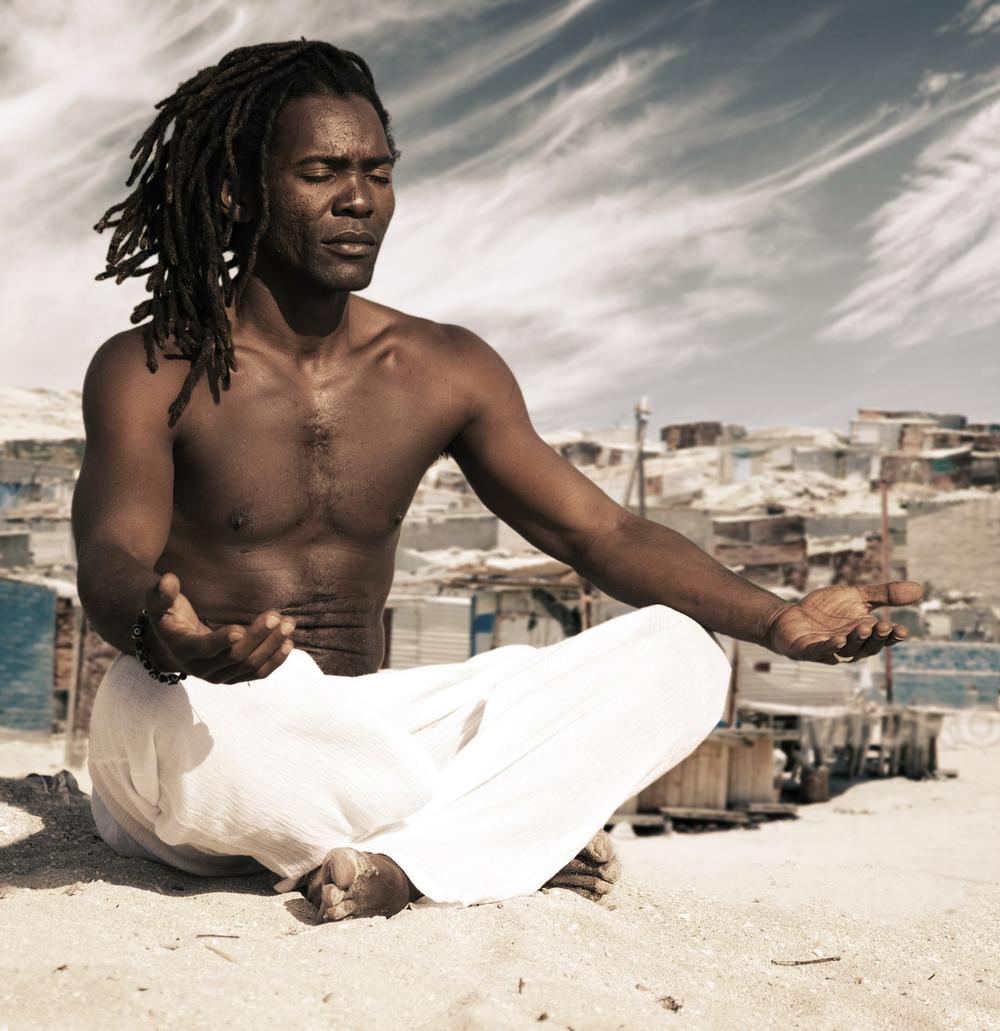
The project aims to spread the peace of yoga into tense township communities
Basic yoga clothing is provided for the students, as many of them only own a few items of clothing – none suitable for yoga
The main reason the Township Yogi Project works is that it’s brought into the heart of the townships, says Matthews
Township yoga teachers undergo a full 200-hour yoga training course and receive a small stipend once they start teaching
Yoga can help improve mental health, and international studies have shown its benefits for those living with HIV or TB
https://www.leisureopportunities.co.uk/images/149195_638852.jpg
Township Yogi – using yoga to change lives in the townships of South Africa
Elle Matthews, Township Yogi Kate Cracknell, Journalist,Elle Matthews, Township Yogi, Kate Cracknell, yoga, social change, townships, South Africa, HIV
HCM magazine
For every member with a tripod and a big following, there are others irritated at the way equipment is being hogged or wary they’ll be in the background on someone’s Insta feed. Do influencers offer valuable, free marketing or are they just a nuisance? Kath Hudson finds out how operators are responding
HCM magazine
If the health service is to survive, we must recognise that it is a disease service – and that wellbeing rests with us, says the activity advocate and healthy ageing champion. He talks to Kate Cracknell
HCM magazine
Raphael Cuomo explores the powerful link between addiction, health and behaviour change
HCM magazine
Collaborations with the medical profession and greater aspirations around wellbeing are creating a need for more experts in our sector. It’s time to reboot our thinking around the workforce
HCM magazine
I experienced a blissful feeling of joy I hadn’t felt since I was a kid
HCM promotional features
Sponsored
Find out how your gym can tap into the corporate wellness boom
HCM promotional features
Sponsored
Third Space partnered with IndigoFitness to deliver a bespoke training space for its new club at The Whiteley
HCM promotional features
Sponsored
David Lloyd is stepping up its commitment to women’s health as it continues to explore what fit-for-purpose looks like for the female population
HCM promotional features
Sponsored
SnowDome Fitness has added 50 per cent more space with cutting-edge Technogym solutions
HCM promotional features
Sponsored
Starpool supports Olympic champion Marcell Jacobs, says Riccardo Turri
HCM promotional features
Sponsored
Greg Bradley looks at the shift towards strength training in gyms and advises on how operators can create the ultimate training environment
HCM promotional features
Sponsored
EGYM has opened a new HQ in Paternoster Square, London and revealed a range of new launches
HCM promotional features
Promotion
Performance Health Systems, manufacturer of Power Plate, has a new CEO, with an ambitious vision for the company
HCM promotional features
Sponsored
The industry is embracing consumer-facing tech. Now it’s time to streamline back-of-house systems with Orbit4, says Daniel Jones
HCM promotional features
Latest News
Nuffield Health has told HCM that it takes its responsibilities towards its colleagues seriously and ...
Latest News
Technogym has announced the launch of the Run X World Treadmill Championship, the first world ...
Latest News
Shocked by the UK loneliness statistics, charitable trust Mytime Active has been doubling down on ...
Latest News
Portugal’s leading operator, SC Fitness, is celebrating a milestone by reaching 100 gyms.  The company ...
Latest News
Australia’s fast-growing fitness network, Viva Leisure, is adding a low-cost gym brand to its already ...
Latest News
Speedflex has launched a strength training programme for 10 to 16-year-olds, to make it safer, ...
Latest News
Tewinbury Farm Hotel in Hertfordshire, UK is expanding its premium leisure proposition with the launch ...
Latest News

Work is underway in Madrid on one of Europe’s most significant multi-functional complexes, ...

Opinion
promotion
Strength training has moved from the margins to the mainstream.
Opinion: Building smarter strength spaces for today’s operators
Featured supplier news
Featured supplier news: Supporting long-term health: why whole body vibration belongs in clinical settings
As healthcare continues to shift towards prevention, there’s a growing focus on helping people stay active, independent and feeling good for longer.
Featured supplier news
Featured supplier news: Elevate 2026 to mark 10-year anniversary with biggest ever waterfront drinks reception
Elevate is set to celebrate its 10th anniversary in style this June, with organisers confirming the event’s largest-ever drinks reception as registrations continue to run more than 10% ahead of last year.
Company profiles
Company profile: Serco Leisure
Serco Leisure Operating Limited is one of the UK’s leading national operators of leisure centres, ...
Company profiles
Company profile: Gantner
Gantner optimizes and simplifies the organisation of fitness clubs. Using touchless RFID/NFC credentials (member cards, ...
Supplier Showcases
Supplier Showcase - From nightclub to health club
Supplier Showcases
Supplier Showcase - Future-proofing
Catalogue Gallery
Click on a catalogue to view it online
Featured press releases
GYMNATION press release: Massive ‘Good Luck’ message appears in Saudi Desert as Green Falcons head to World Cup
Passengers flying out of Riyadh this week have been treated to an extraordinary sight from the skies after GymNation unveiled a giant desert sand mural supporting the Saudi Arabia National Football Team ahead of the FIFA World Cup in the United States.
Featured press releases
BLK BOX press release: BLK BOX strengthens European growth with the appointment of Germany country manager Timo Garrels
BLK BOX is proud to welcome Timo Garrels as Germany country manager, marking another important step in the brand’s continued growth across Europe.
Directory
Fitness tracking platform
SpiviTech: Fitness tracking platform
Water experiences and hydrotherapy solutions
Aquaform s.r.l.: Water experiences and hydrotherapy solutions
Industrial washing machines
Miele Company Limited: Industrial washing machines
Lockers
Crown Sports Lockers: Lockers
Spa and beauty equipment
Oakworks Inc: Spa and beauty equipment
Hot tubs
MSpa International Ltd: Hot tubs
Property & Tenders
Stratford, East London.
Lee Valley Regional Park Authority
Property & Tenders
Y Felinheli, LL56 4QN
Newmark
Property & Tenders
Diary dates
13-13 Jun 2026
Worldwide, Various,
Diary dates
21-24 Sep 2026
The Langham Huntington Pasadena , Pasadena, United States
Diary dates
06-08 Oct 2026
Messe Stuttgart, Stuttgart, Germany
Diary dates
22-22 Oct 2026
QEII Conference Centre, London,
Diary dates
26-29 Oct 2027
Koelnmesse Exhibition Centre, Cologne, Germany
Diary dates

people

Interview: Township Yogi

Kate Cracknell talks to Elle Matthews, director of the Township Yogi Project – an initiative that takes yoga to the townships of South Africa in a bid to spread the calm and wellbeing that yoga can bring

By Kate Cracknell | Published in Health Club Management 2015 issue 7
Project director Elle Matthews
We have kids attending from as young as three, right up to ‘gogos’ – elderly women who arrive at class leaning on their canes for support

What is the Township Yogi Project?
It’s a non-profit organisation that we launched in February 2013, where we go into South African townships, set up grassroots yoga studios and offer free yoga classes to people living there.

Classes are run by volunteer yoga teachers who give up their time to teach on our project, but we also identify and train unemployed people from within the townships to become qualified yoga teachers. Once qualified, they’re able to take over the classes and teach their own communities, with classes generally running once or twice a week in each location.

The project started in the Inanda and KwaMashu townships near Durban, and has continued growing in both areas, as well as expanding into a number of other townships in that area. We also started up in Johannesburg in April and will be offering classes in Cape Town soon.

Why did you want to do this?
I’d been a practitioner of yoga for a few years, but in 2012 I went on a yoga retreat to Thailand and it changed my life. I could feel the effects on my mind, body and spirit. When I returned home to South Africa, I found myself completely focused on the suffering of people all around me. I could see the desperation of people sitting on the curb as I drove past, hoping for a job. Or the despair of people I knew who lived in the townships and were victims of crime and violence, or living with the effects of HIV/Aids. I had a deep knowing that they needed to do yoga. I can’t explain it – it was just something I was sure of.

At the time I didn’t have any great dreams about taking yoga into townships throughout South Africa. Even if I only reached a few people, I wanted to be able to share the physical, emotional and spiritual tools that yoga offers, giving people a way of coping with the suffering and helping them manage their lives in the townships in a better way. It’s a tough, tense, stressful existence and I just wanted them to know the kind of peace I’d experienced – even if just for one hour a week.

Can anyone attend your classes?
Absolutely. We have kids attending from as young as three, right up to ‘gogos’ – elderly women who arrive at class leaning on their canes for support. Everyone and anyone is welcome and classes are free. We just ask them to clean the mats afterwards – or sometimes they’ll sing a special song for the teacher – just as an exchange of energy.

We provide basic yoga clothing for students – many of them don’t have more than two or three items of clothing to wear, and none of it’s appropriate for yoga – so nobody misses out.

Word of mouth plays a big part in getting people involved. People walk past a hall, see the class happening and ask about it. Many people who attend also come with friends the next week. We put up posters and hand out flyers the week before a new class is about to begin, and if we’re targeting a new group of people who don’t even know what yoga is, one of the township teachers will come with us when we meet them. They’ll show them a few postures and explain the benefits of yoga in their own language, so they understand what it’s all about.

Are there any other aspects to the project besides yoga?
We’ve found that other needs have come out of the yoga classes – like people wanting to eat more healthily, but not knowing how to given their dire financial situations. We’ve gone into the townships and given classes on cooking healthy food on small budgets – including encouraging people to grow their own vegetables and become self-sustaining.

How have you funded the Township Yogi project?
Completely through donations, although hopefully we’ll soon be able to start tapping into some international foundations and funding organisations that focus on the social issues we’re trying to help alleviate.

All administration work is done voluntarily and Township Yogi directors aren’t paid, so everything goes directly to the people of the townships who benefit from the project. The only ‘salaries’ paid are the small stipends given to township yoga teachers once they qualify and start teaching their communities. They get R100 a class (about £6).

At the moment we need about R20,000 (£1,200) a month to set up new classes, pay township teachers and train more township students to become qualified yoga teachers. One of our biggest costs is paying for these training courses – they do a full 200-hour training course, which takes about six months, and are SETA registered when they complete it. This cost will only grow as we expand into more provinces and more teachers are qualified, but in terms of international funding it’s a sustainable project.

I believe there’s also a film being made?
My husband and I are filmmakers and we could see the potential of amazing stories coming out of the Township Yogi Project. We therefore decided, right at the very beginning, to make a film about it – a documentary that follows the journey of five people in the Inanda township – as a way to build awareness and raise funds to sustain expansion into the whole of South Africa.

We started filming from the very first class in 2013. The five participants are people living in townships and attending yoga classes; some have trained to become Township Yogi teachers. They were chosen because of their personal stories, their life journeys and their commitment to yoga.

In addition to its primary goal of helping with fundraising, we also hope the film will show the power that yoga has to help change lives – hopefully making some government departments sit up and take notice of yoga as a potential tool to help communities.

Won’t people lose interest once the cameras have gone?
Nobody notices the film cameras when they’re sweating in a yoga class, I promise you! The classes have been going for two years now and we film the odd session once every four or five months. We haven’t even filmed some of the schools where the teachers are teaching 60–70 kids at a time. So people are doing yoga because they want to, and they’re continuing because they love the benefits they get from it.

Is your focus mainly on individuals or the broader township community?
At the beginning I saw individual benefits for people – a way of them coping with the social issues in townships. But then I started seeing the potential for yoga to change communities through a ripple effect: the positive effects filtering from individuals into neighbourhoods and then into broader communities. It was just an idea at the time – a belief that this could happen.
And has it?
I’d rather not go into that right now, as the documentary is just being finalised. You’ll be able to see all the results for yourself soon!

That said, we haven’t tried to quantify results, although we are now running formal research across a couple of social areas. So far we’re continuing with the project because people tell us how yoga is helping them change their lives for the better, or because we see small changes happening in communities.

We’re not saying it’s directly attributable to yoga, but when people tell us how they’ve changed since doing yoga, and so do their families, then we know we’re achieving what we set out to achieve with the project.

What are your plans for Township Yogi in the future?
We’ll continue with the formula we have: identifying townships where social issues like poverty, crime, violence, unemployment, drug abuse and HIV/Aids are rife. And then we’ll find venues in these areas where we can roll out Township Yogi Project classes: set these up, hand them over to township teachers who qualify through the Township Yogi Project teacher training, and then move on
to the next venue.

We’re also looking at establishing a dedicated yoga centre in Inanda, for which we’ll need to raise funds for the building, ongoing maintenance and operation. But this is a long-term project and we need to reach a lot more provinces and townships before we get there. For now, we’re focused on setting up as many yoga classes as possible, because the demand and need is so great. We’re teaching at schools, in community and church halls, and even in the yards of township teachers.

In fact, we’re in the process of setting up an outdoor yoga studio in the front yard of one of our township teachers, and are fundraising to get the money needed to concrete the yard – it’s just dirt at the moment. He teaches yoga to all the kids in the neighbourhood, trying to keep them off the streets and away from drugs, so an outdoor yoga studio at his house will be a wonderful thing for that community.

What can health club operators learn from your experience?
The main reason the Township Yogi Project works is that yoga is brought into the heart of the townships. If more health clubs went out into their communities, they would engage people who, after a few sessions, might be more inclined to make the effort to attend classes at the clubs.

It’s also about making things accessible and relevant. When our volunteer teachers take people through the yoga poses, they often relate them to activities people do in their everyday lives. For example, Uttanasana (Standing Forward Bend) is something women working in the fields do all the time, so teachers can teach this pose by referring them to what they do all the time – but showing them how to do it correctly.

Where would you like to see the Township Yogi project in the short and longer term?
One of the principles we’ve always followed for the Township Yogi Project is letting things happen naturally: we try not to be too prescriptive, letting the growth of the project happen organically.

But ideally, a year from now, I hope the Township Yogi Project will be well-established in townships in major provinces in South Africa, and that we’re constantly training new yoga teachers from within the townships, giving them a new skill and the chance of employment.

Five years from now, I hope the Township Yogi Project will be running in countries bordering South Africa, and that the power of yoga will be spreading throughout southern Africa. We’re already looking at Namibia as the next country into which we’d like to expand.

Ten years from now, I’d love to see yoga happening regularly in every township in South Africa and its neighbouring countries. That would be amazing.

Would it work outside Africa?
Definitely. It’s a simple principle and one that can work anywhere. There are similar townships in countries all over Africa, as well as in South America and many other Third World countries, which would certainly benefit from a similar model.

Wherever we take the Township Yogi Project in the future, I hope to be able to impact families, neighbourhoods and broader communities and bring about lasting, positive change.

The benefits of yoga

How can yoga help those living with HIV/Aids?
International studies have shown that yoga benefits people with TB and HIV in a number of ways.

Living with HIV and Aids is stressful, and yoga can greatly assist with stress reduction, as well as helping ease some symptoms and side-effects of HIV medication including joint pain and digestive problems.

Other studies have shown yoga can improve mental health, body image, and even help prevent the spread of the virus by encouraging a more proactive approach to care and treatment.
In terms of TB, yoga is all about breathing and improving lung capacity. Numerous studies have shown the benefits of yoga in treating people with TB.

Any other benefits of yoga for these communities?
Studies have shown a significant and lasting effect of meditation on drug and alcohol abuse. Many addictions begin as coping mechanisms, or ways of filling a spiritual void. When you replace this with yoga, people in treatment for addiction can learn to deal with their emotions and environment in healthier ways.

Yoga also shows potential as a treatment for drug addiction through demonstrated anti-depressant and stress reduction effects. The intense breathing patterns of yoga release the body’s natural pleasure-producing endorphins, which helps suppress addictive behaviours while restoring the brain’s dopamine functions to healthier levels.
Sign up here to get HCM's weekly ezine and every issue of HCM magazine free on digital.
The project aims to spread the peace of yoga into tense township communities
Basic yoga clothing is provided for the students, as many of them only own a few items of clothing – none suitable for yoga
The main reason the Township Yogi Project works is that it’s brought into the heart of the townships, says Matthews
Township yoga teachers undergo a full 200-hour yoga training course and receive a small stipend once they start teaching
Yoga can help improve mental health, and international studies have shown its benefits for those living with HIV or TB
https://www.leisureopportunities.co.uk/images/149195_638852.jpg
Township Yogi – using yoga to change lives in the townships of South Africa
Elle Matthews, Township Yogi Kate Cracknell, Journalist,Elle Matthews, Township Yogi, Kate Cracknell, yoga, social change, townships, South Africa, HIV
Latest News
Nuffield Health has told HCM that it takes its responsibilities towards its colleagues seriously and ...
Latest News
Technogym has announced the launch of the Run X World Treadmill Championship, the first world ...
Latest News
Shocked by the UK loneliness statistics, charitable trust Mytime Active has been doubling down on ...
Latest News
Portugal’s leading operator, SC Fitness, is celebrating a milestone by reaching 100 gyms.  The company ...

Latest News
Australia’s fast-growing fitness network, Viva Leisure, is adding a low-cost gym brand to its already ...
Latest News
Speedflex has launched a strength training programme for 10 to 16-year-olds, to make it safer, ...
Latest News
Tewinbury Farm Hotel in Hertfordshire, UK is expanding its premium leisure proposition with the launch ...
Latest News

Work is underway in Madrid on one of Europe’s most significant multi-functional complexes, ...

Latest News
PureGym is encouraging people to step away from their screens and go for a walk, ...
Latest News
Small improvements to sleep, diet quality, and physical activity, made in combination lead to a ...
Latest News
Therme Manchester’s 28-acre development, which will include interconnected glass pavilions that measure 65,000sq m, will ...
Opinion
promotion
Strength training has moved from the margins to the mainstream.
Opinion: Building smarter strength spaces for today’s operators
Featured supplier news
Featured supplier news: Supporting long-term health: why whole body vibration belongs in clinical settings
As healthcare continues to shift towards prevention, there’s a growing focus on helping people stay active, independent and feeling good for longer.
Featured supplier news
Featured supplier news: Elevate 2026 to mark 10-year anniversary with biggest ever waterfront drinks reception
Elevate is set to celebrate its 10th anniversary in style this June, with organisers confirming the event’s largest-ever drinks reception as registrations continue to run more than 10% ahead of last year.
Company profiles
Company profile: Serco Leisure
Serco Leisure Operating Limited is one of the UK’s leading national operators of leisure centres, ...
Company profiles
Company profile: Gantner
Gantner optimizes and simplifies the organisation of fitness clubs. Using touchless RFID/NFC credentials (member cards, ...
Supplier Showcases
Supplier Showcase - From nightclub to health club
Supplier Showcases
Supplier Showcase - Future-proofing
Catalogue Gallery
Click on a catalogue to view it online
Featured press releases
GYMNATION press release: Massive ‘Good Luck’ message appears in Saudi Desert as Green Falcons head to World Cup
Passengers flying out of Riyadh this week have been treated to an extraordinary sight from the skies after GymNation unveiled a giant desert sand mural supporting the Saudi Arabia National Football Team ahead of the FIFA World Cup in the United States.
Featured press releases
BLK BOX press release: BLK BOX strengthens European growth with the appointment of Germany country manager Timo Garrels
BLK BOX is proud to welcome Timo Garrels as Germany country manager, marking another important step in the brand’s continued growth across Europe.
Directory
Fitness tracking platform
SpiviTech: Fitness tracking platform
Water experiences and hydrotherapy solutions
Aquaform s.r.l.: Water experiences and hydrotherapy solutions
Industrial washing machines
Miele Company Limited: Industrial washing machines
Lockers
Crown Sports Lockers: Lockers
Spa and beauty equipment
Oakworks Inc: Spa and beauty equipment
Hot tubs
MSpa International Ltd: Hot tubs
Property & Tenders
Stratford, East London.
Lee Valley Regional Park Authority
Property & Tenders
Y Felinheli, LL56 4QN
Newmark
Property & Tenders
Diary dates
13-13 Jun 2026
Worldwide, Various,
Diary dates
21-24 Sep 2026
The Langham Huntington Pasadena , Pasadena, United States
Diary dates
06-08 Oct 2026
Messe Stuttgart, Stuttgart, Germany
Diary dates
22-22 Oct 2026
QEII Conference Centre, London,
Diary dates
26-29 Oct 2027
Koelnmesse Exhibition Centre, Cologne, Germany
Diary dates
Search news, features & products:
Find a supplier:
We Work Well Events
We Work Well Events
Partner sites