











The Leisure Media Company Ltd
Follow Health Club Management on Twitter Like Health Club Management on Facebook Join the discussion with Health Club Management on LinkedIn
FITNESS, HEALTH, WELLNESS

people

Interview: Oliver Patrick

The former head of physiology and nutrition for Nuffield, now co-founder of health management business Viavi, believes there’s a huge opportunity for the fitness sector to bridge the gap between illness and wellness. Kath Hudson reports
By Kath Hudson | Published in Health Club Management 2016 issue 1
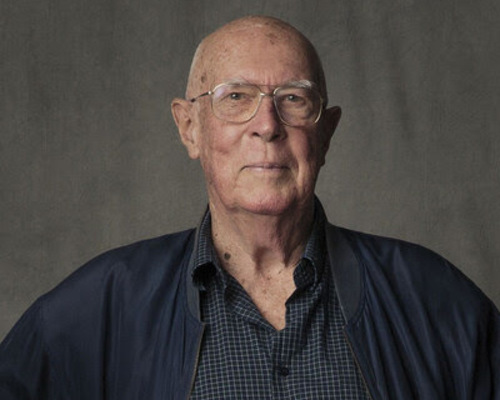
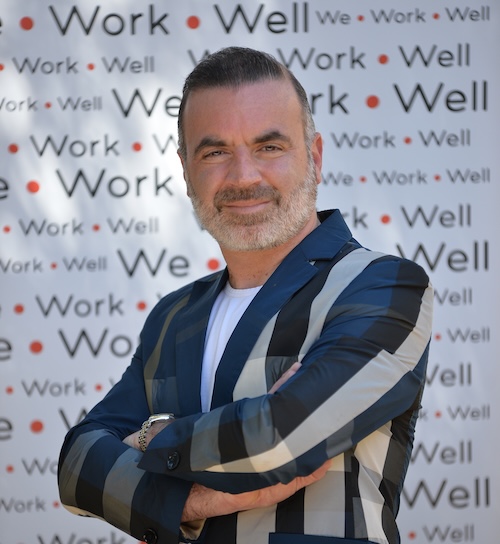
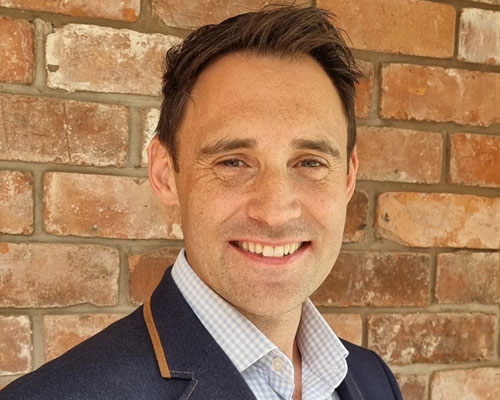
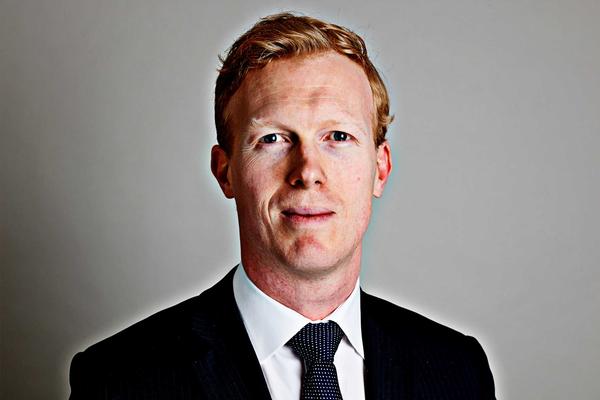
Patrick is co-creator of Viavi, a personalised wellness brand
We have a problem with mis-education. There’s an opportunity to unpick all the mixed commercial messages around wellness

What’s your background?
Following my degree in exercise physiology, I started my career at a boutique clinical practice in the City of London, working alongside doctors in the delivery of executive health assessments.

Our business grew and was acquired by what became Nuffield Health Wellbeing, where I became the head of physiology and nutrition, responsible for the professional direction and support of several thousand practitioners in the UK.

Six years ago, the medical director – Dr Sabine Donnai – moved on from Nuffield Health and I joined her in the creation and launch of a new high-end international health management business, which we called Viavi. Among other things, we deliver arguably the most advanced health evaluation and personalised health management programme globally, applying the latest science, technologies and approaches to help individuals optimise their health.

Our model uses a number of elements that could relate back to the fitness industry. On the basis of our consulting with the sector, we’ve therefore created Viavi Academy – a specialist training facility to enable fitness industry practitioners to significantly upskill while also improving their earning capacity.

So many people are now interested in proactively managing their health, but are often not doing so as effectively as they could. There’s an opportunity for fitness professionals to fill the void that exists, applying the latest knowledge and techniques and providing the best possible personalised lifestyle advice to both existing and new clients.

One of the modules you offer is on stress. How significant a problem is this?
Most people I see have ailments like back pain, bad sleeping, low energy levels or loss of libido. These functional issues don’t necessarily count as disease, but everyone wants to improve their functionality and many functional symptoms are stress-related.

People still think of stress as being in the psychological bracket, but many physical symptoms – such as cardiovascular disease and some forms of cancer – have their root cause in stress. We try and help people improve their physical resilience, so the same outside world affects them less.

Accessing stress coaching can be difficult, because it’s still perceived as a very negative word. Sometimes people who are dealing with stress feel they’re not strong, or that it’s a reflection on their professional capabilities.

What we see more often than not is a diminished ability to switch off from stress, rather than excessively stressful events. People are giving their bodies the message that they need to be switched on 24 hours a day. The new phenomenon of checking emails and engaging with social media in our downtime stops our bodies from entering physiological rest.

The big thing we’re seeing with young people is a rise in sleep disorders: difficulty getting to sleep, light sleep, heavy dreaming or waking up at 4.00am and being unable to get back to sleep.

Could health club operators get involved in all this?
Yes. There’s currently a gap between who deals with disease and who deals with wellbeing. If I said to you now: “I don’t feel on top of my lifestyle, I don’t really know what I’m eating, I don’t know what exercise I should be doing and I feel stressed” – where do I go? To a GP, a PT, a nutritionist, a psychologist?

Where we had a problem 20 years ago with lack of education, we now have a problem with mis-education. People don’t know what to believe any more; there are opportunities for skilled wellness professional to unpick all the mixed commercial messages around wellness.

Is the fitness industry ready to take on the role of wellbeing professional?
Not at the moment. It has the facilities, the brands and the capability – at the top tier I think there’s potential for staff to expand their role into being holistic wellbeing professionals.

However, at the moment it’s too focused on its products rather than services, and is still preoccupied with swapping its client base between existing facilities and price points.

If we keep thinking of fitness in its current mode and go to trade fairs to see another way of throwing a heavy load, or another piece of equipment that contorts the body in an ever more confusing way, then it makes fitness increasingly inaccessible to the 55-year-old, obese, non physically literate person.

However, within fitness professionals’ existing skill set there are great tools that could help them become wellbeing professionals – people who could have a conversation with a client worried about diabetes, for example. A GP can tell someone whether or not they have diabetes, but will struggle to coach that person’s lifestyle away from early markers of the disease in the way the health and fitness sector potentially could.

Why can’t our GPs offer lifestyle advice?
GPs do a brilliant job, but they can’t do every job. The modules they do on health and fitness are generic and minimal, so there’s a knowledge gap. Also, five or six minutes for a diagnostic consultation doesn’t allow for high quality behaviour change advice too. For behaviour change, people need time and an empathetic communicator – something fitness professionals could be great at.

People are tired of being given a list of things they should be doing and feeling a sense of guilt for falling short. They need to be led in a relationship fashion, rather than simply being told what to do.

What must the fitness industry do to prepare to take on a wellbeing role?
There needs to be an element of culture change to appeal to those people who haven’t been into health clubs before. These people need to be given a reason to believe in the quality of the services.

In many ways, the fitness industry doesn’t understand how it sits alongside the medical profession. I sit in consultations with all types of medical professionals and I sit in with fitness professionals and it’s very different.

Fitness instructors don’t look as professional. I know we have to accept it’s a dynamic and fun industry, but is a 65-year-old obese person going to feel comfortable with someone who looks incredibly fit, buff, young and trendy raising issues about their health?

A lot of fitness professionals enjoy fitness and healthy eating and are good at sport, but they might not have spent enough time with people who hate all of those things. The more time you spend with people who don’t go to gyms, the more you realise that your language must be broader, softer and you need to listen.

Why do you think so many people still don’t engage with the fitness industry?
Although things are starting to change, I do think that exercise is too often still seen as merely cosmetic and/or a young and sporty person’s activity.

Those who don’t like working out want to enter this strange world with absolute efficiency: they want to do the exact thing they need to do to get the desired result, and they need to be shown that it’s working. They’re not coming to the gym for fun or a hobby and we should stop trying to convince them that they are. Time and again I see how powerful it is to use evidence to reward behaviour, but health clubs want people to stay members for six or seven years without giving them any feedback.

When I consult with health clubs, I ask them what percentage of their members got fitter this year. They can’t answer. What percentage sleep better? They can’t answer. Which of your members have improved their body composition? They can’t answer.

At the moment, there’s only pressure to provide entertaining services, not effective services. Operators aren’t showing members the progress they’ve made towards the goal which was most likely the reason they joined. That should be the future of wellbeing, but it can only be led by upskilled fitness professionals.

What evidence should our sector be presenting to the NHS to bid for funding?
It has to be the right metric. I think it’s ludicrous that health clubs are still talking about weight rather than measuring body fat composition.

The industry needs to start understanding the metrics associated with the issues people are coming in to solve – the very reasons people are joining the clubs. If someone’s joining for better fitness, better body shape, better sleep, better energy then we need to measure the metrics that reflect these areas and prove what members are doing is working.

The sector wants to be accessible in terms of pricing, but still maintain its bottom line. How does it balance those two needs?
There’s no shame in the industry wanting to be commercial. I prefer transparency in a commercial operation and would rather charge a higher fee upfront for my knowledge than charge a smaller fee and then have to make more money on selling products. Hidden ways of making money come with a potential risk of losing trust.

If the fitness professional is robustly qualified and operates in a commercial framework the consumer understands, people should be able to perceive the value of that service and be happy to pay. But the fees should be visible and upfront.

Should the NHS be paying for health club memberships as part of a preventative healthcare approach?
If private sector health club operators can show the way, it would be easy to justify NHS funding down the line.

They need to prove their ability to reduce obesity, cardiovascular risk and also improve productivity – that would be the basis of a financial return on investment case to take to the NHS.

However, you can put people on a programme but it doesn’t mean they will come. If you give people the choice of medication or lifestyle change, most people will choose medication because it works immediately and is low effort.

Some people have no idea that an inflammatory condition can be affected by the way they eat, or that exercise can help you sleep better. To me it would be a wonderful situation if, at the point of diagnosis, you could have a referral to a wellbeing professional.

In your opinion, what’s the opportunity that currently exists in the gap between illness and wellness?
We have two industries working at polar ends of the scale. One end is premature death and the other is optimum fitness, but the gap in the middle is not well served and is a far bigger market than those at the two ends.

The majority of people are in the middle area. They would like to have better functionality, more energy, better stress control, better immunity, fewer niggles and some degree of change in their physical appearance, but many of them don’t really know where to start.

Sadly, many people aren’t interested in long-term disease. The fear of getting liver damage in 30 years’ time is often less of a reason to stop drinking alcohol than conveying to them that the reason they’re getting anxious and spending £40 a week on coffee is because of the impact of the alcohol they’re drinking.

Coaching these kinds of clients around those individual reasons for change is not an impossible skill and is something that today’s health and fitness professionals could – and in my opinion really should – be trained to do.

Sign up here to get HCM's weekly ezine and every issue of HCM magazine free on digital.
By telling our bodies they need to be switched on 24 hours a day, we’re less able to deal with stress / SHUTTERSTOCK.COM
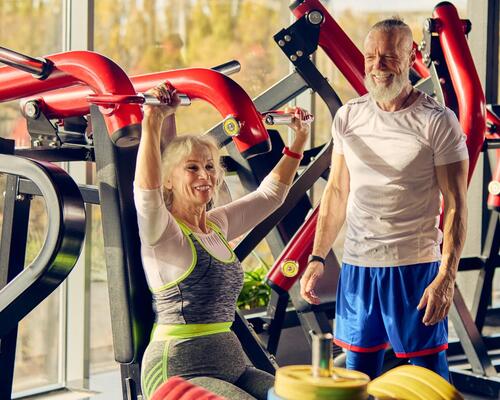
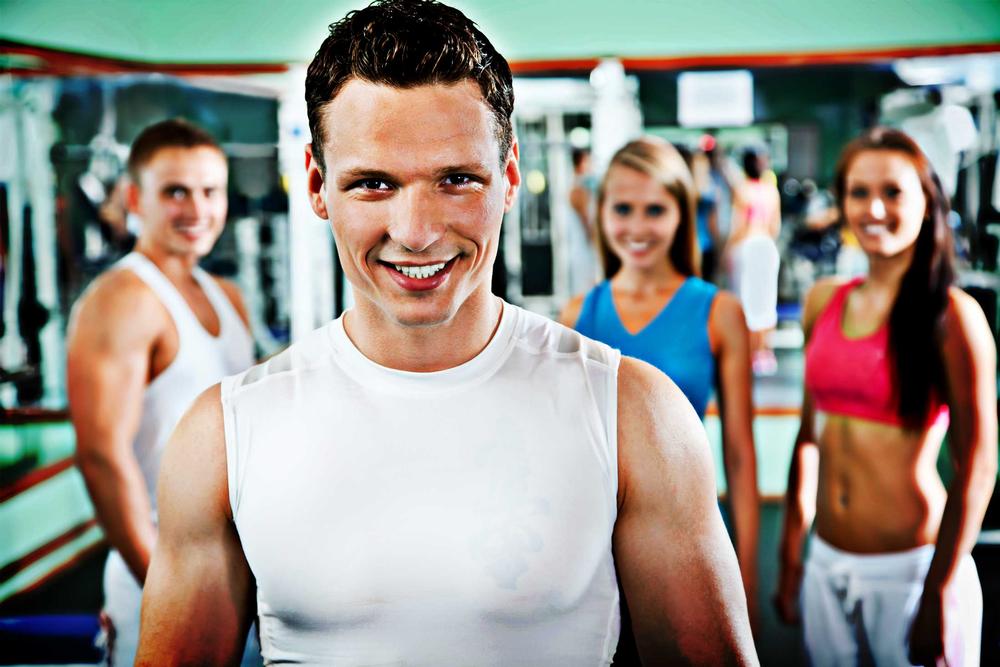
The industry’s buff image can alienate older, unfit adults / SHUTTERSTOCK.COM
Do your clients know the alcohol they drink is the reason for their anxiety and £40-a-week coffee habit? / SHUTTERSTOCK.COM
https://www.leisureopportunities.co.uk/images/102013_425266.jpg
Gyms can bridge the gap between illness & wellness, says Oliver Patrick of Viavi Academy
Kath Hudson, Journalist, Leisure Media Oliver Patrick, co-founder, Viavi,Oliver Patrick, Viavi, wellness, medical, GP, stress, sleep, lifestyle, Kath Hudson
HCM magazine
As the entrepreneur who started Wexer, Fresh Fitness, Fitness DK and Repeat, as well as being a former elite athlete, Rasmus Ingerslev’s life looked perfect from the outside, but onthe inside it was a different story. He talks to Kath Hudson about healing old wounds
HCM magazine
HCM People

Stephen Price

Founder, SP&Co Group
Working in public health over the last few years has lit up parts of my brain again
HCM magazine
I experienced a blissful feeling of joy I hadn’t felt since I was a kid
HCM magazine
Collaborations with the medical profession and greater aspirations around wellbeing are creating a need for more experts in our sector. It’s time to reboot our thinking around the workforce
HCM magazine
For every member with a tripod and a big following, there are others irritated at the way equipment is being hogged or wary they’ll be in the background on someone’s Insta feed. Do influencers offer valuable, free marketing or are they just a nuisance? Kath Hudson finds out how operators are responding
HCM promotional features
Sponsored
Greg Bradley looks at the shift towards strength training in gyms and advises on how operators can create the ultimate training environment
HCM promotional features
Sponsored
Third Space partnered with IndigoFitness to deliver a bespoke training space for its new club at The Whiteley
HCM promotional features
Sponsored
SnowDome Fitness has added 50 per cent more space with cutting-edge Technogym solutions
HCM promotional features
Sponsored
Starpool supports Olympic champion Marcell Jacobs, says Riccardo Turri
HCM promotional features
Sponsored
David Lloyd is stepping up its commitment to women’s health as it continues to explore what fit-for-purpose looks like for the female population
HCM promotional features
Sponsored
Find out how your gym can tap into the corporate wellness boom
HCM promotional features
Sponsored
EGYM has opened a new HQ in Paternoster Square, London and revealed a range of new launches
HCM promotional features
Sponsored
New launch, Salus House, elevates boutique wellness with high service levels and a partnership with Technogym
HCM promotional features
Promotion
BLK BOX has been reimagining elite performance spaces for more than a decade. Founder and former athlete, Greg Bradley, tells us what it takes
HCM promotional features
Latest News
Premium London health club, KX Chelsea, is gearing up to unveil its most significant redevelopment ...
Latest News
Researchers in the US have identified an antibody which could greatly reduce the loss of ...
Latest News
Peloton has made the strategic acquisition of Pilates start-up, Skōp, to support the expansion of ...
Latest News
Crunch Fitness has announced the launch of Crunch Reform Pilates – its own reformer concept ...
Latest News
The 20th State of the Industry Report from LeisureDB has revealed a resilient, expanding and ...
Latest News
Purpose Brands has announced its entry into the Italian market, having sold the franchise rights ...
Latest News
Fitness First UK is integrating red light therapy into its yoga and Pilates classes through ...
Latest News
Nuffield Health has told HCM that it takes its responsibilities towards its colleagues seriously and ...
Opinion
promotion
Strength training has moved from the margins to the mainstream.
Opinion: Building smarter strength spaces for today’s operators
Featured supplier news
Featured supplier news: Elevate 2026 to mark 10-year anniversary with biggest ever waterfront drinks reception
Elevate is set to celebrate its 10th anniversary in style this June, with organisers confirming the event’s largest-ever drinks reception as registrations continue to run more than 10% ahead of last year.
Featured supplier news
Featured supplier news: Supporting long-term health: why whole body vibration belongs in clinical settings
As healthcare continues to shift towards prevention, there’s a growing focus on helping people stay active, independent and feeling good for longer.
Company profiles
Company profile: Everyone Active
Everyone Active's aim is to get communities active, engaged and entertained through our wide-ranging activities ...
Company profiles
Company profile: Future Fit
Since 1993, Future Fit have been consistently raising the bar when it comes to training ...
Supplier Showcases
Supplier Showcase - From nightclub to health club
Supplier Showcases
Supplier Showcase - Future-proofing
Catalogue Gallery
Click on a catalogue to view it online
Featured press releases
ukactive press release: UK Active launches next phase of Digital Futures to support digital maturity across the physical activity sector
UK Active has announced the next phase of its Digital Futures programme, supporting organisations across the physical activity sector to develop their digital capability.
Featured press releases
The Fitness Group press release: The Fitness Group partners with Serco Leisure to deliver education and career pathways across UK leisure facilities
The Fitness Group, the UK's leading fitness education training provider, has announced a strategic partnership with Serco Leisure, one of the UK's leading national operators of leisure centres, destination venues and elite sporting facilities.
Directory
Hot tubs
MSpa International Ltd: Hot tubs
Water experiences and hydrotherapy solutions
Aquaform s.r.l.: Water experiences and hydrotherapy solutions
Industrial washing machines
Miele Company Limited: Industrial washing machines
Spa and beauty equipment
Living Earth Crafts: Spa and beauty equipment
Fitness tracking platform
SpiviTech: Fitness tracking platform
Lockers
Crown Sports Lockers: Lockers
Property & Tenders
Stratford, East London.
Lee Valley Regional Park Authority
Property & Tenders
Y Felinheli, LL56 4QN
Newmark
Property & Tenders
Diary dates
13-13 Jun 2026
Worldwide, Various,
Diary dates
21-24 Sep 2026
The Langham Huntington Pasadena , Pasadena, United States
Diary dates
06-08 Oct 2026
Messe Stuttgart, Stuttgart, Germany
Diary dates
22-22 Oct 2026
QEII Conference Centre, London,
Diary dates
26-29 Oct 2027
Koelnmesse Exhibition Centre, Cologne, Germany
Diary dates

people

Interview: Oliver Patrick

The former head of physiology and nutrition for Nuffield, now co-founder of health management business Viavi, believes there’s a huge opportunity for the fitness sector to bridge the gap between illness and wellness. Kath Hudson reports

By Kath Hudson | Published in Health Club Management 2016 issue 1
Patrick is co-creator of Viavi, a personalised wellness brand
We have a problem with mis-education. There’s an opportunity to unpick all the mixed commercial messages around wellness

What’s your background?
Following my degree in exercise physiology, I started my career at a boutique clinical practice in the City of London, working alongside doctors in the delivery of executive health assessments.

Our business grew and was acquired by what became Nuffield Health Wellbeing, where I became the head of physiology and nutrition, responsible for the professional direction and support of several thousand practitioners in the UK.

Six years ago, the medical director – Dr Sabine Donnai – moved on from Nuffield Health and I joined her in the creation and launch of a new high-end international health management business, which we called Viavi. Among other things, we deliver arguably the most advanced health evaluation and personalised health management programme globally, applying the latest science, technologies and approaches to help individuals optimise their health.

Our model uses a number of elements that could relate back to the fitness industry. On the basis of our consulting with the sector, we’ve therefore created Viavi Academy – a specialist training facility to enable fitness industry practitioners to significantly upskill while also improving their earning capacity.

So many people are now interested in proactively managing their health, but are often not doing so as effectively as they could. There’s an opportunity for fitness professionals to fill the void that exists, applying the latest knowledge and techniques and providing the best possible personalised lifestyle advice to both existing and new clients.

One of the modules you offer is on stress. How significant a problem is this?
Most people I see have ailments like back pain, bad sleeping, low energy levels or loss of libido. These functional issues don’t necessarily count as disease, but everyone wants to improve their functionality and many functional symptoms are stress-related.

People still think of stress as being in the psychological bracket, but many physical symptoms – such as cardiovascular disease and some forms of cancer – have their root cause in stress. We try and help people improve their physical resilience, so the same outside world affects them less.

Accessing stress coaching can be difficult, because it’s still perceived as a very negative word. Sometimes people who are dealing with stress feel they’re not strong, or that it’s a reflection on their professional capabilities.

What we see more often than not is a diminished ability to switch off from stress, rather than excessively stressful events. People are giving their bodies the message that they need to be switched on 24 hours a day. The new phenomenon of checking emails and engaging with social media in our downtime stops our bodies from entering physiological rest.

The big thing we’re seeing with young people is a rise in sleep disorders: difficulty getting to sleep, light sleep, heavy dreaming or waking up at 4.00am and being unable to get back to sleep.

Could health club operators get involved in all this?
Yes. There’s currently a gap between who deals with disease and who deals with wellbeing. If I said to you now: “I don’t feel on top of my lifestyle, I don’t really know what I’m eating, I don’t know what exercise I should be doing and I feel stressed” – where do I go? To a GP, a PT, a nutritionist, a psychologist?

Where we had a problem 20 years ago with lack of education, we now have a problem with mis-education. People don’t know what to believe any more; there are opportunities for skilled wellness professional to unpick all the mixed commercial messages around wellness.

Is the fitness industry ready to take on the role of wellbeing professional?
Not at the moment. It has the facilities, the brands and the capability – at the top tier I think there’s potential for staff to expand their role into being holistic wellbeing professionals.

However, at the moment it’s too focused on its products rather than services, and is still preoccupied with swapping its client base between existing facilities and price points.

If we keep thinking of fitness in its current mode and go to trade fairs to see another way of throwing a heavy load, or another piece of equipment that contorts the body in an ever more confusing way, then it makes fitness increasingly inaccessible to the 55-year-old, obese, non physically literate person.

However, within fitness professionals’ existing skill set there are great tools that could help them become wellbeing professionals – people who could have a conversation with a client worried about diabetes, for example. A GP can tell someone whether or not they have diabetes, but will struggle to coach that person’s lifestyle away from early markers of the disease in the way the health and fitness sector potentially could.

Why can’t our GPs offer lifestyle advice?
GPs do a brilliant job, but they can’t do every job. The modules they do on health and fitness are generic and minimal, so there’s a knowledge gap. Also, five or six minutes for a diagnostic consultation doesn’t allow for high quality behaviour change advice too. For behaviour change, people need time and an empathetic communicator – something fitness professionals could be great at.

People are tired of being given a list of things they should be doing and feeling a sense of guilt for falling short. They need to be led in a relationship fashion, rather than simply being told what to do.

What must the fitness industry do to prepare to take on a wellbeing role?
There needs to be an element of culture change to appeal to those people who haven’t been into health clubs before. These people need to be given a reason to believe in the quality of the services.

In many ways, the fitness industry doesn’t understand how it sits alongside the medical profession. I sit in consultations with all types of medical professionals and I sit in with fitness professionals and it’s very different.

Fitness instructors don’t look as professional. I know we have to accept it’s a dynamic and fun industry, but is a 65-year-old obese person going to feel comfortable with someone who looks incredibly fit, buff, young and trendy raising issues about their health?

A lot of fitness professionals enjoy fitness and healthy eating and are good at sport, but they might not have spent enough time with people who hate all of those things. The more time you spend with people who don’t go to gyms, the more you realise that your language must be broader, softer and you need to listen.

Why do you think so many people still don’t engage with the fitness industry?
Although things are starting to change, I do think that exercise is too often still seen as merely cosmetic and/or a young and sporty person’s activity.

Those who don’t like working out want to enter this strange world with absolute efficiency: they want to do the exact thing they need to do to get the desired result, and they need to be shown that it’s working. They’re not coming to the gym for fun or a hobby and we should stop trying to convince them that they are. Time and again I see how powerful it is to use evidence to reward behaviour, but health clubs want people to stay members for six or seven years without giving them any feedback.

When I consult with health clubs, I ask them what percentage of their members got fitter this year. They can’t answer. What percentage sleep better? They can’t answer. Which of your members have improved their body composition? They can’t answer.

At the moment, there’s only pressure to provide entertaining services, not effective services. Operators aren’t showing members the progress they’ve made towards the goal which was most likely the reason they joined. That should be the future of wellbeing, but it can only be led by upskilled fitness professionals.

What evidence should our sector be presenting to the NHS to bid for funding?
It has to be the right metric. I think it’s ludicrous that health clubs are still talking about weight rather than measuring body fat composition.

The industry needs to start understanding the metrics associated with the issues people are coming in to solve – the very reasons people are joining the clubs. If someone’s joining for better fitness, better body shape, better sleep, better energy then we need to measure the metrics that reflect these areas and prove what members are doing is working.

The sector wants to be accessible in terms of pricing, but still maintain its bottom line. How does it balance those two needs?
There’s no shame in the industry wanting to be commercial. I prefer transparency in a commercial operation and would rather charge a higher fee upfront for my knowledge than charge a smaller fee and then have to make more money on selling products. Hidden ways of making money come with a potential risk of losing trust.

If the fitness professional is robustly qualified and operates in a commercial framework the consumer understands, people should be able to perceive the value of that service and be happy to pay. But the fees should be visible and upfront.

Should the NHS be paying for health club memberships as part of a preventative healthcare approach?
If private sector health club operators can show the way, it would be easy to justify NHS funding down the line.

They need to prove their ability to reduce obesity, cardiovascular risk and also improve productivity – that would be the basis of a financial return on investment case to take to the NHS.

However, you can put people on a programme but it doesn’t mean they will come. If you give people the choice of medication or lifestyle change, most people will choose medication because it works immediately and is low effort.

Some people have no idea that an inflammatory condition can be affected by the way they eat, or that exercise can help you sleep better. To me it would be a wonderful situation if, at the point of diagnosis, you could have a referral to a wellbeing professional.

In your opinion, what’s the opportunity that currently exists in the gap between illness and wellness?
We have two industries working at polar ends of the scale. One end is premature death and the other is optimum fitness, but the gap in the middle is not well served and is a far bigger market than those at the two ends.

The majority of people are in the middle area. They would like to have better functionality, more energy, better stress control, better immunity, fewer niggles and some degree of change in their physical appearance, but many of them don’t really know where to start.

Sadly, many people aren’t interested in long-term disease. The fear of getting liver damage in 30 years’ time is often less of a reason to stop drinking alcohol than conveying to them that the reason they’re getting anxious and spending £40 a week on coffee is because of the impact of the alcohol they’re drinking.

Coaching these kinds of clients around those individual reasons for change is not an impossible skill and is something that today’s health and fitness professionals could – and in my opinion really should – be trained to do.

Sign up here to get HCM's weekly ezine and every issue of HCM magazine free on digital.
By telling our bodies they need to be switched on 24 hours a day, we’re less able to deal with stress / SHUTTERSTOCK.COM
The industry’s buff image can alienate older, unfit adults / SHUTTERSTOCK.COM
Do your clients know the alcohol they drink is the reason for their anxiety and £40-a-week coffee habit? / SHUTTERSTOCK.COM
https://www.leisureopportunities.co.uk/images/102013_425266.jpg
Gyms can bridge the gap between illness & wellness, says Oliver Patrick of Viavi Academy
Kath Hudson, Journalist, Leisure Media Oliver Patrick, co-founder, Viavi,Oliver Patrick, Viavi, wellness, medical, GP, stress, sleep, lifestyle, Kath Hudson
Latest News
Premium London health club, KX Chelsea, is gearing up to unveil its most significant redevelopment ...
Latest News
Researchers in the US have identified an antibody which could greatly reduce the loss of ...
Latest News
Peloton has made the strategic acquisition of Pilates start-up, Skōp, to support the expansion of ...
Latest News
Crunch Fitness has announced the launch of Crunch Reform Pilates – its own reformer concept ...
Latest News
The 20th State of the Industry Report from LeisureDB has revealed a resilient, expanding and ...
Latest News
Purpose Brands has announced its entry into the Italian market, having sold the franchise rights ...
Latest News
Fitness First UK is integrating red light therapy into its yoga and Pilates classes through ...
Latest News
Nuffield Health has told HCM that it takes its responsibilities towards its colleagues seriously and ...
Latest News
Technogym has announced the launch of the Run X World Treadmill Championship, the first world ...
Latest News
Shocked by the UK loneliness statistics, charitable trust Mytime Active has been doubling down on ...
Latest News
Portugal’s leading operator, SC Fitness, is celebrating a milestone by reaching 100 gyms.  The company ...
Opinion
promotion
Strength training has moved from the margins to the mainstream.
Opinion: Building smarter strength spaces for today’s operators
Featured supplier news
Featured supplier news: Elevate 2026 to mark 10-year anniversary with biggest ever waterfront drinks reception
Elevate is set to celebrate its 10th anniversary in style this June, with organisers confirming the event’s largest-ever drinks reception as registrations continue to run more than 10% ahead of last year.
Featured supplier news
Featured supplier news: Supporting long-term health: why whole body vibration belongs in clinical settings
As healthcare continues to shift towards prevention, there’s a growing focus on helping people stay active, independent and feeling good for longer.
Company profiles
Company profile: Everyone Active
Everyone Active's aim is to get communities active, engaged and entertained through our wide-ranging activities ...
Company profiles
Company profile: Future Fit
Since 1993, Future Fit have been consistently raising the bar when it comes to training ...
Supplier Showcases
Supplier Showcase - From nightclub to health club
Supplier Showcases
Supplier Showcase - Future-proofing
Catalogue Gallery
Click on a catalogue to view it online
Featured press releases
ukactive press release: UK Active launches next phase of Digital Futures to support digital maturity across the physical activity sector
UK Active has announced the next phase of its Digital Futures programme, supporting organisations across the physical activity sector to develop their digital capability.
Featured press releases
The Fitness Group press release: The Fitness Group partners with Serco Leisure to deliver education and career pathways across UK leisure facilities
The Fitness Group, the UK's leading fitness education training provider, has announced a strategic partnership with Serco Leisure, one of the UK's leading national operators of leisure centres, destination venues and elite sporting facilities.
Directory
Hot tubs
MSpa International Ltd: Hot tubs
Water experiences and hydrotherapy solutions
Aquaform s.r.l.: Water experiences and hydrotherapy solutions
Industrial washing machines
Miele Company Limited: Industrial washing machines
Spa and beauty equipment
Living Earth Crafts: Spa and beauty equipment
Fitness tracking platform
SpiviTech: Fitness tracking platform
Lockers
Crown Sports Lockers: Lockers
Property & Tenders
Stratford, East London.
Lee Valley Regional Park Authority
Property & Tenders
Y Felinheli, LL56 4QN
Newmark
Property & Tenders
Diary dates
13-13 Jun 2026
Worldwide, Various,
Diary dates
21-24 Sep 2026
The Langham Huntington Pasadena , Pasadena, United States
Diary dates
06-08 Oct 2026
Messe Stuttgart, Stuttgart, Germany
Diary dates
22-22 Oct 2026
QEII Conference Centre, London,
Diary dates
26-29 Oct 2027
Koelnmesse Exhibition Centre, Cologne, Germany
Diary dates
Search news, features & products:
Find a supplier:
The Leisure Media Company Ltd
Partner sites