











Follow Health Club Management on Twitter Like Health Club Management on Facebook Join the discussion with Health Club Management on LinkedIn
FITNESS, HEALTH, WELLNESS

people

Interview: Nikolay Pryanishnikov

The CEO of Russian fitness operator World Class talks to Kate Cracknell about its Moscow stronghold, 50 per cent PT revenues, and new boutique and low-cost ventures
By Kate Cracknell | Published in Health Club Management 2017 issue 6
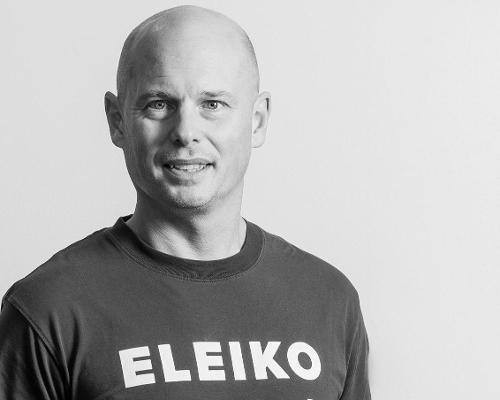
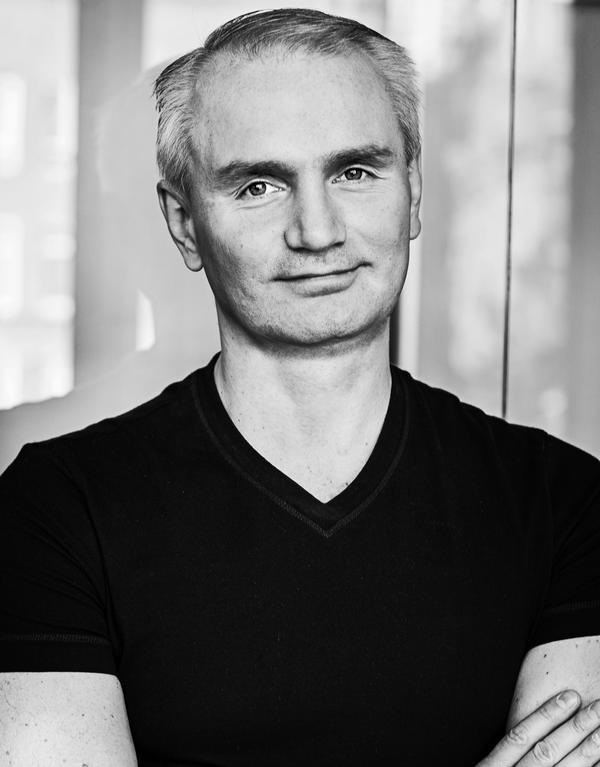
Pryanishnikov: ‘It’s hard to think of a better job’ than the fitness business
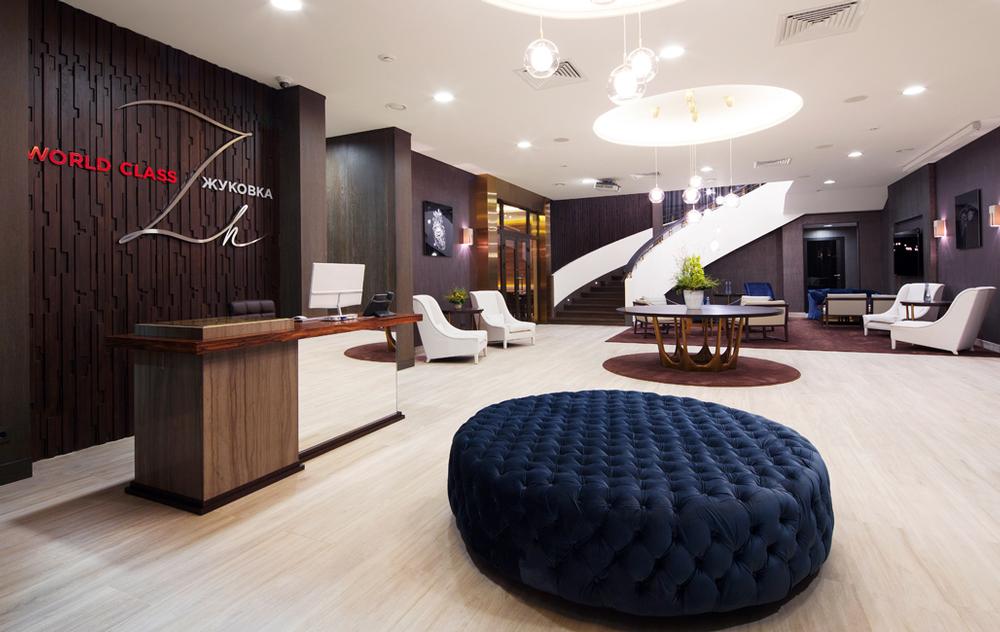
We reclassified reception as a ‘service desk’, empowering staff to help members with anything they need. It’s had a huge impact on attrition

When, and why, did you join World Class?
I joined World Class in September 2015 – from a background in telecommunications and IT – when I was headhunted on behalf of Russian Fitness Group, which owns the World Class health club chain.

I’ve always loved managing people and I was drawn to the energy of the fitness sector. It’s such a fantastic industry – we help people become healthier, more successful, with improved physical appearance and self-esteem. It’s hard to think of a better job.

Can you give us an overview of the World Class business?
World Class has been operating in Russia for 24 years and currently has 82 clubs: 74 in Russia, five in Kazakhstan and one each in Kyrgyzstan, Belarus and Monaco. We’re also finalising the details for a club in Dubai, and we’re looking at opening clubs in Georgia. We focus on areas where there are already a lot of Russian speakers.

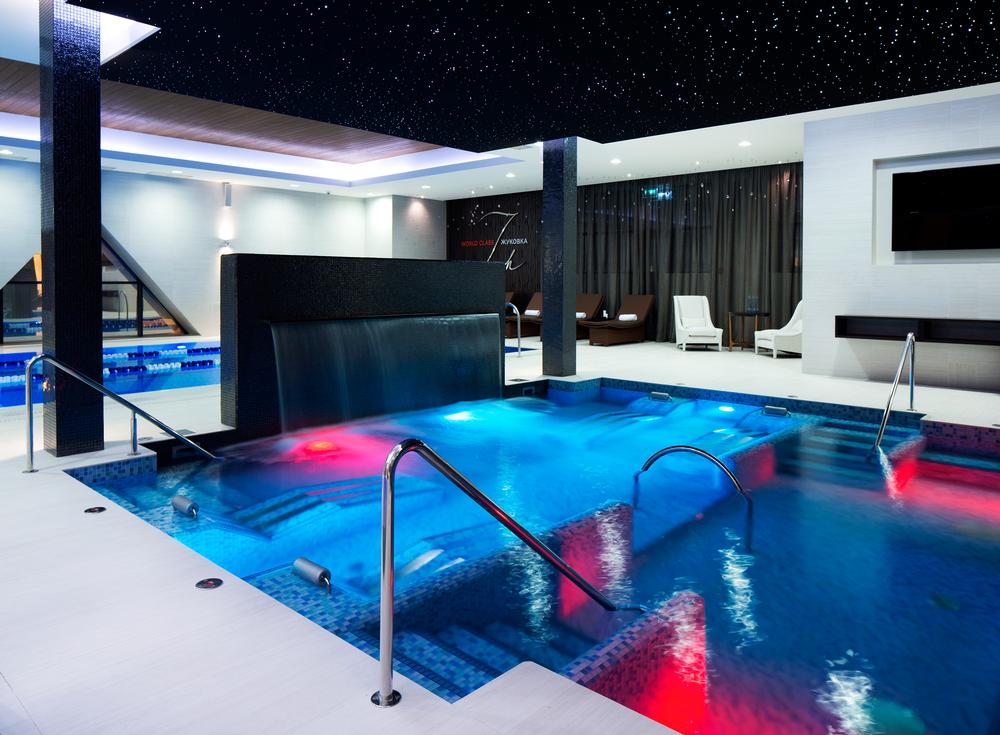
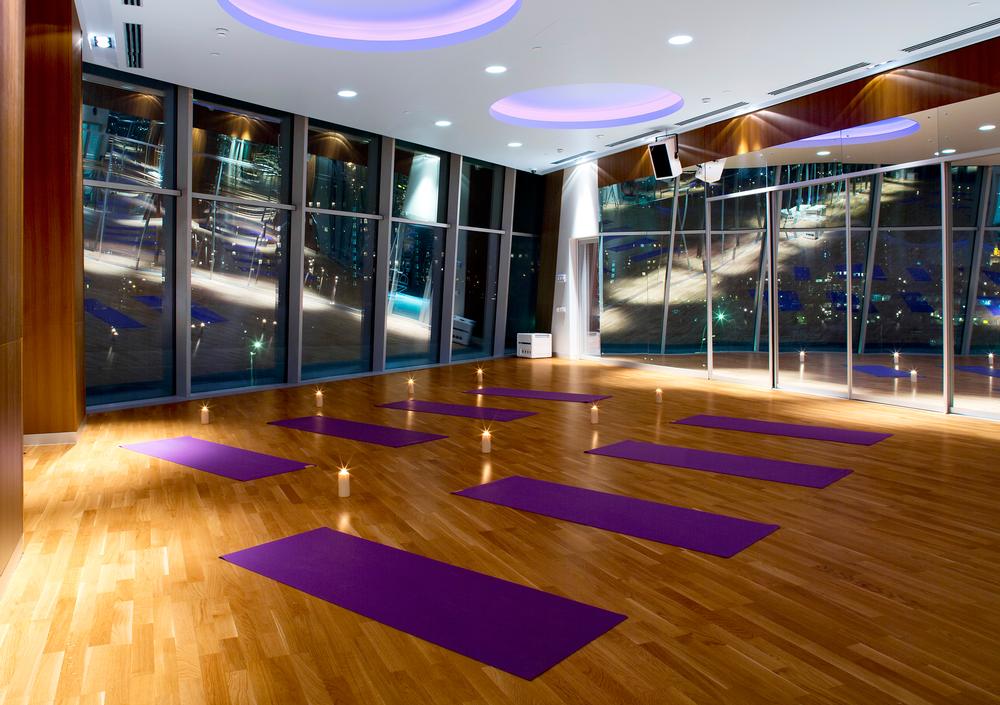
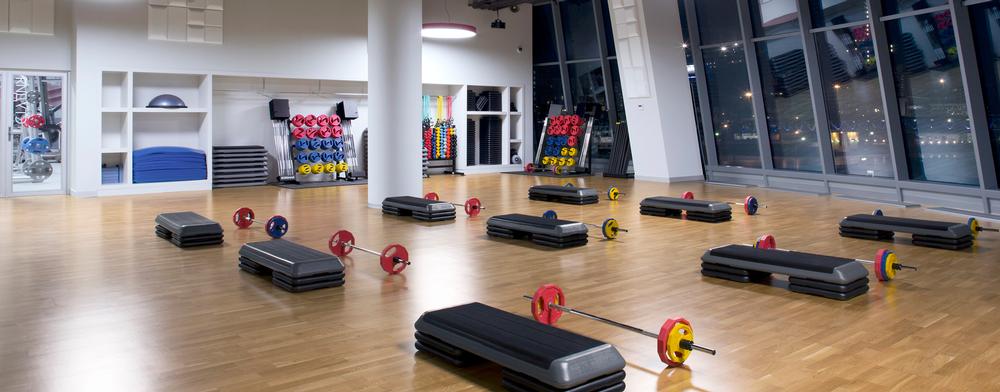
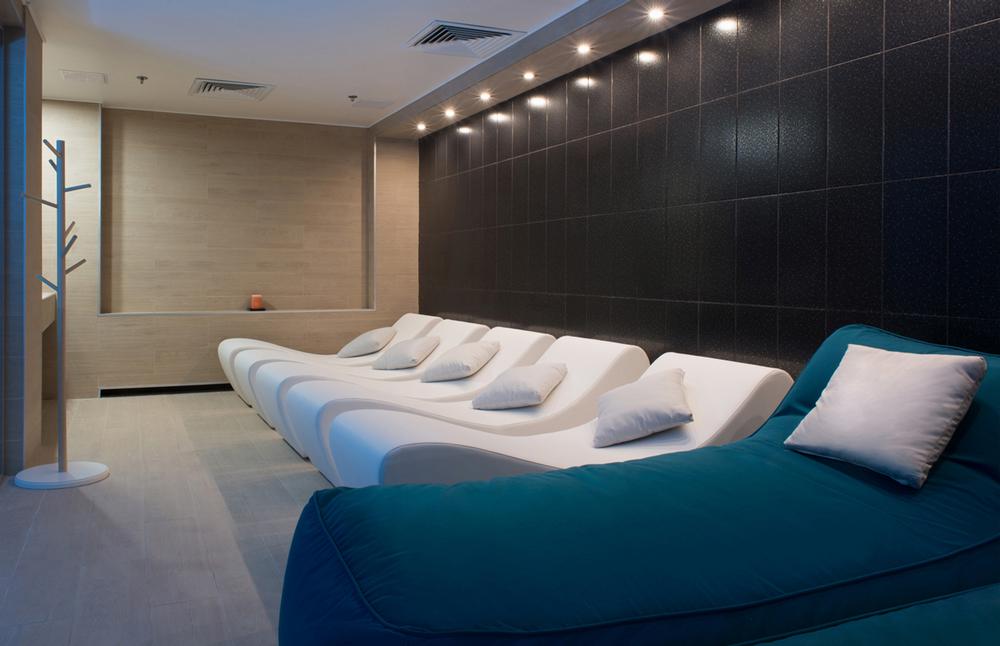
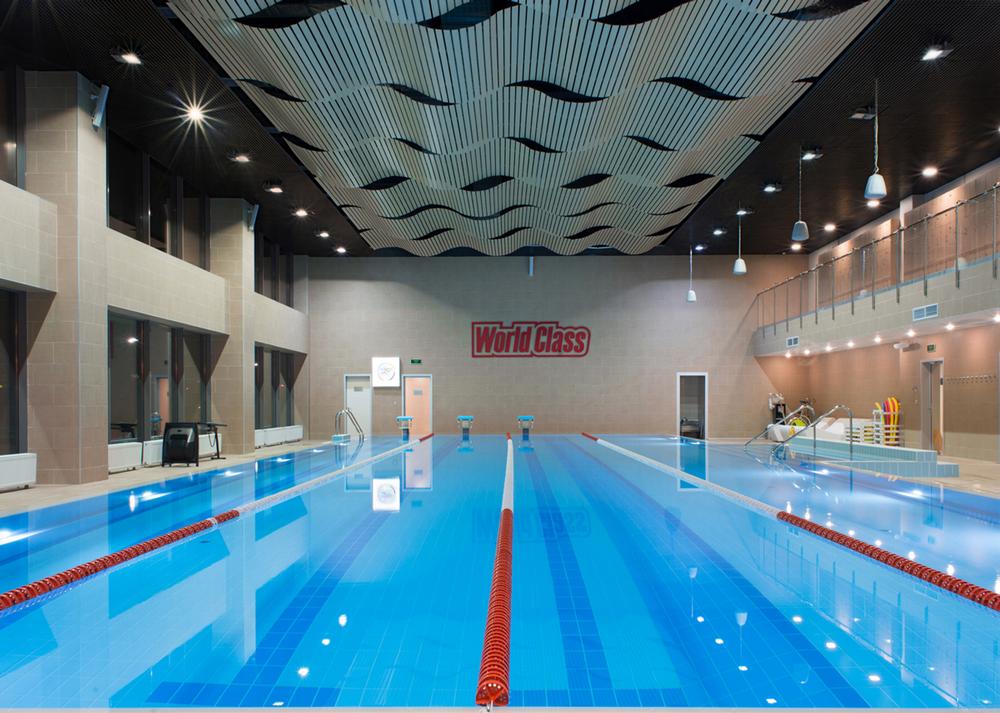
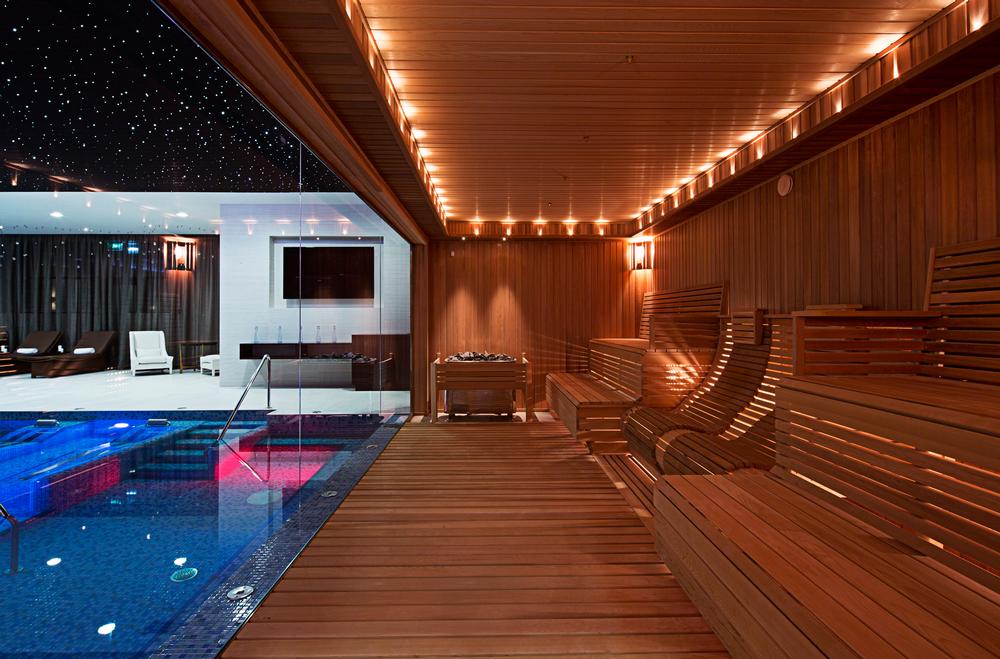
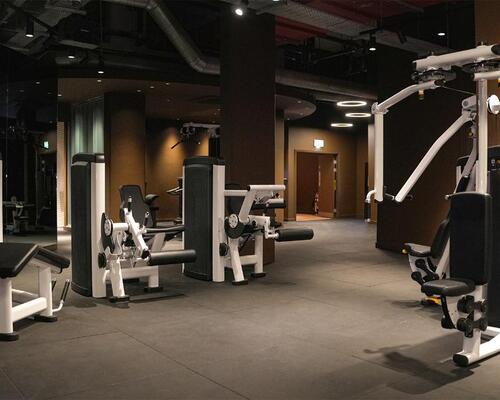
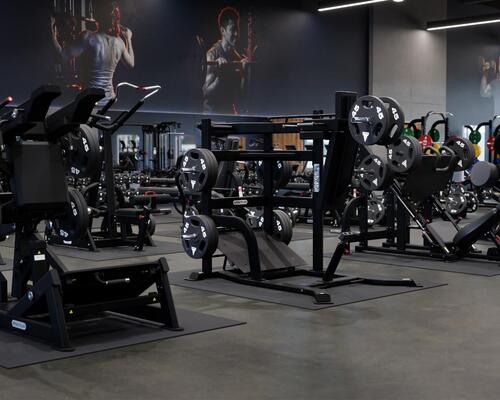
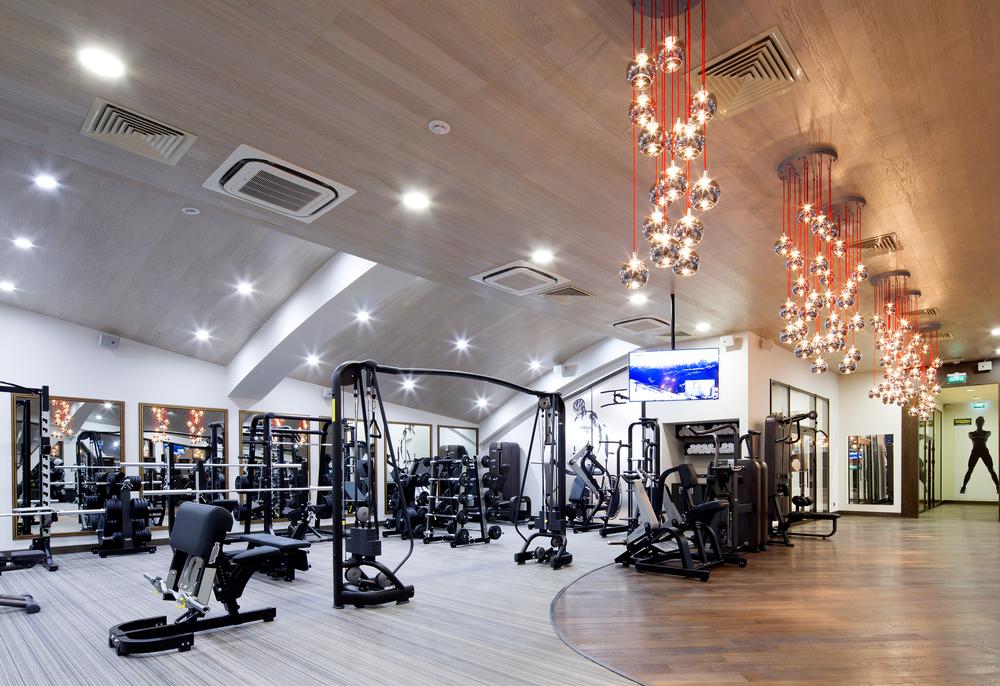
The majority of our clubs are large, premium, full-service facilities. They all have big gyms – up to – plus group exercise studios and functional training zones. Most have a large swimming pool and spa, and many also have a kids’ area.

In fact, we have various different club models operating under the World Class brand – luxury, premium, business – but they’re all high-end if you benchmark them against clubs in other markets around the world. Membership is on average US$1,000 a year.

We also have four boutique studios in Moscow: Mind & Body Studio by World Class opened in the centre of the city in February 2017, and we also have our Dance Studio. In addition, we have boutique Cycle and HIIT studios within our new club in the Metropolis shopping mall. We’ll open more boutique sites if these go well. Half of our clubs are corporately owned; the other half are franchised.

What are the USPs of World Class versus the competition?
Perhaps our most valuable asset, having been in the market for a long time, is the extensive experience embodied in our team – experience in operating health clubs, but also in attracting, developing and retaining the very best staff. In line with this, we have a new development programme, launched a year ago, where we’re training 40 great managers of the future.

We also place a lot of emphasis on building an aspirational community. Our members are young, healthy, successful – and others want to be part of it.

Customer service is also key for us – finding ways to become closer to our members. We recently reclassified reception as a ‘service desk’, and in the process, we redefined the role of the staff working on that desk. They’re now empowered to help members with anything they need. Initiatives such as this have had a huge impact on attrition, which has dropped from 30 per cent to 22 per cent across the company since I came on-board.

Technology has also been incorporated into this customer service strategy. For example, there’s an automated system to handle all customer feedback within 24 hours – and this is tracked and worked into the staff commission structure.

I also lead by example here: I have over 10,000 social media followers, many of whom are customers of World Class, so it’s easy for them to find me and give feedback. I try to have a very open relationship with customers and this is rubbing off on club managers, which is great.

World Class’ PT offering is particularly successful. Why is this?
At World Class, personal training generates 50 per cent of what we make from membership fees, based on an average PT fee of US$50 an hour. You might find one-off, independent gyms that achieve this, but you’d typically expect chains to make no more than 15 or 20 per cent. I don’t know anyone who’s making 50 per cent – certainly not across such a big chain.

That isn’t profit of course: we need to pay the trainer and pay taxes. But still, in terms of revenues and added value and additional profitability, it’s a fantastic business. 

We’ve worked hard to get to this position, putting a number of strategies in place. First of all, you have to get the right people onboard: from 3,000 CVs, we interviewed 1,000 trainers and recruited 300. We only take the best. We then invest heavily in education and development, including mentorship.

There’s also an incentive scheme that encourages PTs to work hard and be as good as they can be, with commission ranging from 15 to 45 per cent depending on how well they’re performing. That means we end up with a lot of rockstar trainers.

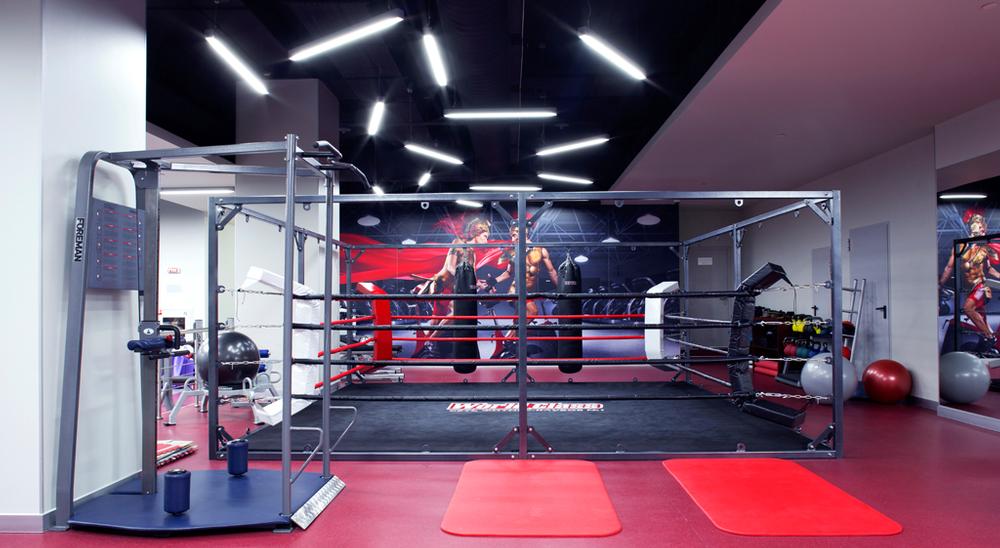
Our marketing also helps push members towards personal training. We run lots of competitions, for example: running, swimming, weight lifting and so on, and members turn to our PTs to help them prepare.

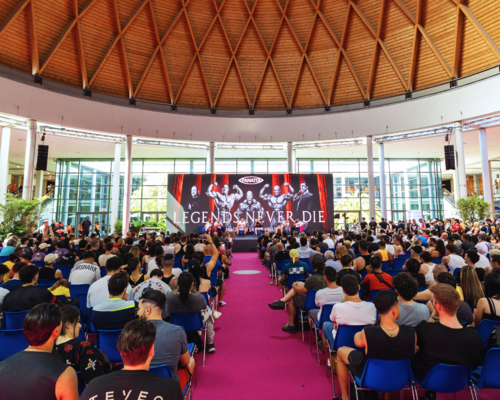
We also have our top instructors and PTs present at the World Class Convention, as well as acting as spokespeople for our brand on social media. This not only attracts other good PTs to work with us, but also builds member awareness of our superstar PTs, and awareness of our clubs among non-members.

What are your plans for business growth?
I’ve set out three key pillars for growth. The first is to maintain market leader position in the premium sector in Moscow. We already have 30 clubs in the city; no other operator comes close, and I don’t want to give anyone the chance to. I want to grow our Moscow estate to 40 clubs over the next five years.

That’s the real focus with our corporately owned clubs: reinforcing our market dominance in the main cities of Russia. In addition to Moscow, we have five clubs in St Petersburg, and the clubs in Ekaterinburg are also corporately owned.

The second pillar is franchising, which is an aspect of the business I’m very keen to grow. We have around 40 franchised sites at the moment, and I want to grow that to 150 or even 200 over the next five years.

We have the rights to the World Class brand across the whole of Russia, as well as the markets of the CIS [the Commonwealth of Independent States, formed after the break-up of the USSR]. There are 145 million people in Russia and 130 million people across the CIS. That’s a huge opportunity, but it’s too geographically widespread for us to effectively manage clubs directly. We just wouldn’t be able to see all the managers regularly enough.

So outside of the main cities of Russia, we’ll franchise. I also foresee additional opportunities like the Monaco club. Monaco is a franchise, but we manage it on behalf of the investor.

We’ll also look at other non-Russian speaking countries. We have the rights to a number of western European markets including the UK, Germany and France, for example. But we aren’t in a hurry. We’ll move carefully, and still aren’t decided if we’ll franchise or open our own clubs.

Thirdly, we’ll look to diversify. There are clearly two big trends at the moment – boutique and low-cost – and we want to get involved. We’re piloting a boutique concept as I say, although I’m not overly optimistic about that model. It would allow us to build smaller clubs in the gaps between our larger clubs, helping us further assert Moscow dominance, but at this stage I can’t see how we’ll make serious money out of it. I don’t think many boutiques are really making much money, and it will be even harder to do so in Russia because working practices mean off-peak hours will be empty.

We’ll also be exploring the low-cost segment, either on our own or in partnership. I’d like to make some progress on that in the next year. We already have some budget clubs operating under the Fitzkult brand, as franchises, but I want to create a true low-cost brand.

In addition, although this isn’t one of the three pillars, I believe that we can generate 10 per cent more business in our existing clubs – whether that’s 10 per cent more revenue from new members joining, or 10 per cent more revenue from our existing members – simply by constantly innovating and experimenting to keep energy levels high in the clubs.

Where are the market opportunities generally in Russia?
I believe there’s still room for more premium clubs, provided you select the right locations.

The economy isn’t great in Russia at the moment, and people are looking to save money, but the very premium end of the market doesn’t seem to be affected by this: our top-end clubs are still growing.

In the last year, we’ve boosted revenues by 9.1 per cent and EBITDA by 18 per cent, and our 100,000 members are proving to be very sustainable, loyal customers. We signed up over 2,000 members in pre-sale for our latest club, for example, which opened in February this year. I believe we’re very lucky to be working in the premium segment.

The low-cost fitness club segment – operators such as Alex Fitness [see HCM May 17, p42] – also has the potential to boom. However, it isn’t easy to adapt this model to Russia where, for example, not everyone is yet ready to do everything online. You always need some staff in the clubs.

And I think there’s still space for mid-market operators too, because going to the gym is becoming more popular across all segments of society.

Zebra Fitness Clubs are a good example: they have a pool but they’re cheaper, and they’re attracting the older generations who have always turned to swimming for their exercise. Quite a lot of kids are buying memberships for their parents so they can go swimming.

But there are also challenges in Russia. The market is dominated by independents – they make up around 80 per cent of the market – and these are often businesses where someone with a lot of money has been happy to invest without seeing a solid business plan.

In the end, the clubs have to lower their prices to survive – and that affects us, as well as damaging the credibility of the sector as a whole.
Sign up here to get HCM's weekly ezine and every issue of HCM magazine free on digital.
World Class operates different models under its brand. Clubs are either luxury, premium or business and target ‘the young, healthy and successful’
The reclassified ‘service desk’
World Class clubs are large, full-service premium offerings
The company plans to expand from 30 to 40 clubs in Moscow in the next five years
As well as dominating in the Russian high-end market, World Class is also focused on growing its franchises and is eyeing overseas expansion
World Class runs a lot of competitions – such as swimming, running and weight-lifting – which help push members towards its PT services
As well as dominating in the Russian high-end market, World Class is also focused on growing its franchises and is eyeing overseas expansion
World Class runs a lot of competitions – such as swimming, running and weight-lifting – which help push members towards its PT services
World Class’ premium clubs have shown strong growth despite a weaker economy
https://www.leisureopportunities.co.uk/images/402844_396769.jpg
"We place a lot of emphasis on building an aspirational community" – Nikolay Pryanishnikov, CEO of Russian fitness operator World Class
Nikolay Pryanishnikov, CEO, World Class,Nikolay Pryanishnikov, World Class, Russian fitness operator, Kate Cracknell
HCM magazine
Collaborations with the medical profession and greater aspirations around wellbeing are creating a need for more experts in our sector. It’s time to reboot our thinking around the workforce
HCM magazine
Raphael Cuomo explores the powerful link between addiction, health and behaviour change
HCM magazine
Strength training is evolving, driven by changing consumer preferences. Julie Cramer talks to innovators about how their products are meeting this demand
HCM magazine
I experienced a blissful feeling of joy I hadn’t felt since I was a kid
HCM magazine
Small improvements to sleep, diet and physical activity have major benefits for the heart, according to new research from the University of Sydney
HCM promotional features
Sponsored
SnowDome Fitness has added 50 per cent more space with cutting-edge Technogym solutions
HCM promotional features
Sponsored
Greg Bradley looks at the shift towards strength training in gyms and advises on how operators can create the ultimate training environment
HCM promotional features
Sponsored
Find out how your gym can tap into the corporate wellness boom
HCM promotional features
Sponsored
David Lloyd is stepping up its commitment to women’s health as it continues to explore what fit-for-purpose looks like for the female population
HCM promotional features
Sponsored
Third Space partnered with IndigoFitness to deliver a bespoke training space for its new club at The Whiteley
HCM promotional features
Sponsored
Starpool supports Olympic champion Marcell Jacobs, says Riccardo Turri
HCM promotional features
Sponsored
EGYM has opened a new HQ in Paternoster Square, London and revealed a range of new launches
HCM promotional features
Promotion
Performance Health Systems, manufacturer of Power Plate, has a new CEO, with an ambitious vision for the company
HCM promotional features
Sponsored
New launch, Salus House, elevates boutique wellness with high service levels and a partnership with Technogym
HCM promotional features
Latest News
Europe’s largest low-cost operator, Basic-Fit, has agreed to acquire 41 Wellyou clubs in Germany for ...
Latest News
Longevity is the most important motivator for today’s exercisers and social connection is key, according ...
Latest News
Until has opened its fourth club at Canary Wharf, in the iconic YY London building. ...
Latest News
Ben Allen has been appointed managing director at Common Bond. Having set the company up ...
Latest News
Les Mills, whose name became synonymous with one of the world's leading fitness brands, has ...
Latest News
People taking GLP-1 weight loss medications such as Ozempic, Wegovy, Mounjaro and Zepbound may be ...
Latest News
Low-cost gym operator, PureGym, is trialling recovery zones at two of its UK sites, democratising ...
Latest News
In a milestone moment, mental health has become a core part of CIMSPA’s occupational professional ...
Opinion
promotion
Strength training has moved from the margins to the mainstream.
Opinion: Building smarter strength spaces for today’s operators
Featured supplier news
Featured supplier news: Cornerstone Connect helps Active Blackpool tackle health inequalities
Active Blackpool is deploying Cornerstone Connect, a new digital interface allowing disparate information from multiple systems to be aggregated into one dataset, to support its focus on reducing health inequalities and improving healthy life expectancy.
Featured supplier news
Featured supplier news: Supporting long-term health: why whole body vibration belongs in clinical settings
As healthcare continues to shift towards prevention, there’s a growing focus on helping people stay active, independent and feeling good for longer.
Company profiles
Company profile: D2F Fitness
D2F Fitness specialises in providing fitness equipment tailored to your gym’s needs, but goes further ...
Company profiles
Company profile: Brass Monkey
Brass Monkey designs and builds the world’s finest commercial-grade ice baths, working with leading gyms ...
Supplier Showcases
Supplier Showcase - From nightclub to health club
Supplier Showcases
Supplier Showcase - Future-proofing
Catalogue Gallery
Click on a catalogue to view it online
Featured press releases
Leisure Energy press release: Leisure Energy has joined the Everything Estates frameworks
Leisure Energy is now an approved supplier on the Everything Estates Renewables & Construction Framework.
Featured press releases
Swimming Teachers' Association (STA) press release: STA Safeguarding programme for aquatic professionals awarded CIMSPA endorsement and CPD points
STA is pleased to announce that its Safeguarding Children and Adults at Risk CPD has been endorsed by the Chartered Institute for the Management of Sport and Physical Activity (CIMSPA) against both the Safeguarding and Protecting Children and Safeguarding Adults technical specialism professional standards.
Directory
Industrial washing machines
Miele Company Limited: Industrial washing machines
Lockers
Crown Sports Lockers: Lockers
Water experiences and hydrotherapy solutions
Aquaform s.r.l.: Water experiences and hydrotherapy solutions
Fitness tracking platform
SpiviTech: Fitness tracking platform
Spa and beauty equipment
Oakworks Inc: Spa and beauty equipment
Hot tubs
MSpa International Ltd: Hot tubs
Property & Tenders
Stratford, East London.
Lee Valley Regional Park Authority
Property & Tenders
Y Felinheli, LL56 4QN
Newmark
Property & Tenders
Diary dates
21-24 Sep 2026
The Langham Huntington Pasadena , Pasadena, United States
Diary dates
06-08 Oct 2026
Messe Stuttgart, Stuttgart, Germany
Diary dates
22-22 Oct 2026
QEII Conference Centre, London,
Diary dates
26-29 Oct 2027
Koelnmesse Exhibition Centre, Cologne, Germany
Diary dates

people

Interview: Nikolay Pryanishnikov

The CEO of Russian fitness operator World Class talks to Kate Cracknell about its Moscow stronghold, 50 per cent PT revenues, and new boutique and low-cost ventures

By Kate Cracknell | Published in Health Club Management 2017 issue 6
Pryanishnikov: ‘It’s hard to think of a better job’ than the fitness business
We reclassified reception as a ‘service desk’, empowering staff to help members with anything they need. It’s had a huge impact on attrition

When, and why, did you join World Class?
I joined World Class in September 2015 – from a background in telecommunications and IT – when I was headhunted on behalf of Russian Fitness Group, which owns the World Class health club chain.

I’ve always loved managing people and I was drawn to the energy of the fitness sector. It’s such a fantastic industry – we help people become healthier, more successful, with improved physical appearance and self-esteem. It’s hard to think of a better job.

Can you give us an overview of the World Class business?
World Class has been operating in Russia for 24 years and currently has 82 clubs: 74 in Russia, five in Kazakhstan and one each in Kyrgyzstan, Belarus and Monaco. We’re also finalising the details for a club in Dubai, and we’re looking at opening clubs in Georgia. We focus on areas where there are already a lot of Russian speakers.

The majority of our clubs are large, premium, full-service facilities. They all have big gyms – up to – plus group exercise studios and functional training zones. Most have a large swimming pool and spa, and many also have a kids’ area.

In fact, we have various different club models operating under the World Class brand – luxury, premium, business – but they’re all high-end if you benchmark them against clubs in other markets around the world. Membership is on average US$1,000 a year.

We also have four boutique studios in Moscow: Mind & Body Studio by World Class opened in the centre of the city in February 2017, and we also have our Dance Studio. In addition, we have boutique Cycle and HIIT studios within our new club in the Metropolis shopping mall. We’ll open more boutique sites if these go well. Half of our clubs are corporately owned; the other half are franchised.

What are the USPs of World Class versus the competition?
Perhaps our most valuable asset, having been in the market for a long time, is the extensive experience embodied in our team – experience in operating health clubs, but also in attracting, developing and retaining the very best staff. In line with this, we have a new development programme, launched a year ago, where we’re training 40 great managers of the future.

We also place a lot of emphasis on building an aspirational community. Our members are young, healthy, successful – and others want to be part of it.

Customer service is also key for us – finding ways to become closer to our members. We recently reclassified reception as a ‘service desk’, and in the process, we redefined the role of the staff working on that desk. They’re now empowered to help members with anything they need. Initiatives such as this have had a huge impact on attrition, which has dropped from 30 per cent to 22 per cent across the company since I came on-board.

Technology has also been incorporated into this customer service strategy. For example, there’s an automated system to handle all customer feedback within 24 hours – and this is tracked and worked into the staff commission structure.

I also lead by example here: I have over 10,000 social media followers, many of whom are customers of World Class, so it’s easy for them to find me and give feedback. I try to have a very open relationship with customers and this is rubbing off on club managers, which is great.

World Class’ PT offering is particularly successful. Why is this?
At World Class, personal training generates 50 per cent of what we make from membership fees, based on an average PT fee of US$50 an hour. You might find one-off, independent gyms that achieve this, but you’d typically expect chains to make no more than 15 or 20 per cent. I don’t know anyone who’s making 50 per cent – certainly not across such a big chain.

That isn’t profit of course: we need to pay the trainer and pay taxes. But still, in terms of revenues and added value and additional profitability, it’s a fantastic business. 

We’ve worked hard to get to this position, putting a number of strategies in place. First of all, you have to get the right people onboard: from 3,000 CVs, we interviewed 1,000 trainers and recruited 300. We only take the best. We then invest heavily in education and development, including mentorship.

There’s also an incentive scheme that encourages PTs to work hard and be as good as they can be, with commission ranging from 15 to 45 per cent depending on how well they’re performing. That means we end up with a lot of rockstar trainers.

Our marketing also helps push members towards personal training. We run lots of competitions, for example: running, swimming, weight lifting and so on, and members turn to our PTs to help them prepare.

We also have our top instructors and PTs present at the World Class Convention, as well as acting as spokespeople for our brand on social media. This not only attracts other good PTs to work with us, but also builds member awareness of our superstar PTs, and awareness of our clubs among non-members.

What are your plans for business growth?
I’ve set out three key pillars for growth. The first is to maintain market leader position in the premium sector in Moscow. We already have 30 clubs in the city; no other operator comes close, and I don’t want to give anyone the chance to. I want to grow our Moscow estate to 40 clubs over the next five years.

That’s the real focus with our corporately owned clubs: reinforcing our market dominance in the main cities of Russia. In addition to Moscow, we have five clubs in St Petersburg, and the clubs in Ekaterinburg are also corporately owned.

The second pillar is franchising, which is an aspect of the business I’m very keen to grow. We have around 40 franchised sites at the moment, and I want to grow that to 150 or even 200 over the next five years.

We have the rights to the World Class brand across the whole of Russia, as well as the markets of the CIS [the Commonwealth of Independent States, formed after the break-up of the USSR]. There are 145 million people in Russia and 130 million people across the CIS. That’s a huge opportunity, but it’s too geographically widespread for us to effectively manage clubs directly. We just wouldn’t be able to see all the managers regularly enough.

So outside of the main cities of Russia, we’ll franchise. I also foresee additional opportunities like the Monaco club. Monaco is a franchise, but we manage it on behalf of the investor.

We’ll also look at other non-Russian speaking countries. We have the rights to a number of western European markets including the UK, Germany and France, for example. But we aren’t in a hurry. We’ll move carefully, and still aren’t decided if we’ll franchise or open our own clubs.

Thirdly, we’ll look to diversify. There are clearly two big trends at the moment – boutique and low-cost – and we want to get involved. We’re piloting a boutique concept as I say, although I’m not overly optimistic about that model. It would allow us to build smaller clubs in the gaps between our larger clubs, helping us further assert Moscow dominance, but at this stage I can’t see how we’ll make serious money out of it. I don’t think many boutiques are really making much money, and it will be even harder to do so in Russia because working practices mean off-peak hours will be empty.

We’ll also be exploring the low-cost segment, either on our own or in partnership. I’d like to make some progress on that in the next year. We already have some budget clubs operating under the Fitzkult brand, as franchises, but I want to create a true low-cost brand.

In addition, although this isn’t one of the three pillars, I believe that we can generate 10 per cent more business in our existing clubs – whether that’s 10 per cent more revenue from new members joining, or 10 per cent more revenue from our existing members – simply by constantly innovating and experimenting to keep energy levels high in the clubs.

Where are the market opportunities generally in Russia?
I believe there’s still room for more premium clubs, provided you select the right locations.

The economy isn’t great in Russia at the moment, and people are looking to save money, but the very premium end of the market doesn’t seem to be affected by this: our top-end clubs are still growing.

In the last year, we’ve boosted revenues by 9.1 per cent and EBITDA by 18 per cent, and our 100,000 members are proving to be very sustainable, loyal customers. We signed up over 2,000 members in pre-sale for our latest club, for example, which opened in February this year. I believe we’re very lucky to be working in the premium segment.

The low-cost fitness club segment – operators such as Alex Fitness [see HCM May 17, p42] – also has the potential to boom. However, it isn’t easy to adapt this model to Russia where, for example, not everyone is yet ready to do everything online. You always need some staff in the clubs.

And I think there’s still space for mid-market operators too, because going to the gym is becoming more popular across all segments of society.

Zebra Fitness Clubs are a good example: they have a pool but they’re cheaper, and they’re attracting the older generations who have always turned to swimming for their exercise. Quite a lot of kids are buying memberships for their parents so they can go swimming.

But there are also challenges in Russia. The market is dominated by independents – they make up around 80 per cent of the market – and these are often businesses where someone with a lot of money has been happy to invest without seeing a solid business plan.

In the end, the clubs have to lower their prices to survive – and that affects us, as well as damaging the credibility of the sector as a whole.
Sign up here to get HCM's weekly ezine and every issue of HCM magazine free on digital.
World Class operates different models under its brand. Clubs are either luxury, premium or business and target ‘the young, healthy and successful’
The reclassified ‘service desk’
World Class clubs are large, full-service premium offerings
The company plans to expand from 30 to 40 clubs in Moscow in the next five years
As well as dominating in the Russian high-end market, World Class is also focused on growing its franchises and is eyeing overseas expansion
World Class runs a lot of competitions – such as swimming, running and weight-lifting – which help push members towards its PT services
As well as dominating in the Russian high-end market, World Class is also focused on growing its franchises and is eyeing overseas expansion
World Class runs a lot of competitions – such as swimming, running and weight-lifting – which help push members towards its PT services
World Class’ premium clubs have shown strong growth despite a weaker economy
https://www.leisureopportunities.co.uk/images/402844_396769.jpg
"We place a lot of emphasis on building an aspirational community" – Nikolay Pryanishnikov, CEO of Russian fitness operator World Class
Nikolay Pryanishnikov, CEO, World Class,Nikolay Pryanishnikov, World Class, Russian fitness operator, Kate Cracknell
Latest News
Europe’s largest low-cost operator, Basic-Fit, has agreed to acquire 41 Wellyou clubs in Germany for ...
Latest News
Longevity is the most important motivator for today’s exercisers and social connection is key, according ...
Latest News
Until has opened its fourth club at Canary Wharf, in the iconic YY London building. ...
Latest News
Ben Allen has been appointed managing director at Common Bond. Having set the company up ...
Latest News
Les Mills, whose name became synonymous with one of the world's leading fitness brands, has ...
Latest News
People taking GLP-1 weight loss medications such as Ozempic, Wegovy, Mounjaro and Zepbound may be ...
Latest News
Low-cost gym operator, PureGym, is trialling recovery zones at two of its UK sites, democratising ...
Latest News
In a milestone moment, mental health has become a core part of CIMSPA’s occupational professional ...
Latest News
US high-value, low-price chain, Eos Fitness, has announced plans to pilot reformer Pilates in three ...
Latest News
Preventive healthcare company Neko Health has added body composition analysis to its full-body health scan ...
Latest News
Chequan Lewis is the new CEO of Crunch Fitness, taking over from Jim Rowley, who ...
Opinion
promotion
Strength training has moved from the margins to the mainstream.
Opinion: Building smarter strength spaces for today’s operators
Featured supplier news
Featured supplier news: Cornerstone Connect helps Active Blackpool tackle health inequalities
Active Blackpool is deploying Cornerstone Connect, a new digital interface allowing disparate information from multiple systems to be aggregated into one dataset, to support its focus on reducing health inequalities and improving healthy life expectancy.
Featured supplier news
Featured supplier news: Supporting long-term health: why whole body vibration belongs in clinical settings
As healthcare continues to shift towards prevention, there’s a growing focus on helping people stay active, independent and feeling good for longer.
Company profiles
Company profile: D2F Fitness
D2F Fitness specialises in providing fitness equipment tailored to your gym’s needs, but goes further ...
Company profiles
Company profile: Brass Monkey
Brass Monkey designs and builds the world’s finest commercial-grade ice baths, working with leading gyms ...
Supplier Showcases
Supplier Showcase - From nightclub to health club
Supplier Showcases
Supplier Showcase - Future-proofing
Catalogue Gallery
Click on a catalogue to view it online
Featured press releases
Leisure Energy press release: Leisure Energy has joined the Everything Estates frameworks
Leisure Energy is now an approved supplier on the Everything Estates Renewables & Construction Framework.
Featured press releases
Swimming Teachers' Association (STA) press release: STA Safeguarding programme for aquatic professionals awarded CIMSPA endorsement and CPD points
STA is pleased to announce that its Safeguarding Children and Adults at Risk CPD has been endorsed by the Chartered Institute for the Management of Sport and Physical Activity (CIMSPA) against both the Safeguarding and Protecting Children and Safeguarding Adults technical specialism professional standards.
Directory
Industrial washing machines
Miele Company Limited: Industrial washing machines
Lockers
Crown Sports Lockers: Lockers
Water experiences and hydrotherapy solutions
Aquaform s.r.l.: Water experiences and hydrotherapy solutions
Fitness tracking platform
SpiviTech: Fitness tracking platform
Spa and beauty equipment
Oakworks Inc: Spa and beauty equipment
Hot tubs
MSpa International Ltd: Hot tubs
Property & Tenders
Stratford, East London.
Lee Valley Regional Park Authority
Property & Tenders
Y Felinheli, LL56 4QN
Newmark
Property & Tenders
Diary dates
21-24 Sep 2026
The Langham Huntington Pasadena , Pasadena, United States
Diary dates
06-08 Oct 2026
Messe Stuttgart, Stuttgart, Germany
Diary dates
22-22 Oct 2026
QEII Conference Centre, London,
Diary dates
26-29 Oct 2027
Koelnmesse Exhibition Centre, Cologne, Germany
Diary dates
Search news, features & products:
Find a supplier:
Partner sites