
















Elevate Arena
Elevate Arena
Elevate Arena
Follow Health Club Management on Twitter Like Health Club Management on Facebook Join the discussion with Health Club Management on LinkedIn
FITNESS, HEALTH, WELLNESS

people

Interview – Kevin Fenton: Kevin Fenton

The new director of health and wellbeing at Public Health England talks to ukactive’s Steven Ward about the ‘wicked problem’ of physical inactivity, and issues a call to arms

By Steven Ward, ukactive | Published in Health Club Management 2014 issue 2
The fact that there’s not a single national strategic framework or strategy for tackling inactivity has to be seriously questioned

“You have to recognise the unique space that the readers of Health Club Management occupy,” professor Kevin Fenton tells me when we meet in his office at Public Health England.

“Health club and leisure centre operators can be the leaders of the movement to promote active lifestyles. No-one else can do that as well as they can. They have the networks needed to make a difference and can be the main force for challenging the public health system locally to take turning the tide of physical inactivity seriously.”

The man responsible for improving the public health of the entire nation – as director of health and wellbeing within Public Health England (PHE) – is instantly disarming but deadly serious.

There’s something distinctly different about a meeting with professor Fenton than any encounter with a civil servant that I’ve had across Whitehall. He’s on a genuine mission. You get a sense of a man with purpose and intent to cut through the reasons that have prevented progress in the past. “The things I want to know about are what I call the wicked problems – the fundamental causes that hold us back,” he explains.

Man on a mission
“You wouldn’t go to a generalist to fix your heart – you’d find a cardiac specialist. The same is true in public health,” continues Fenton, who himself is a public health specialist with a reputation that precedes him. This is not a man who has worked his way up the Civil Service ‘greasy pole’, but rather someone who has built a reputation as a global public health leader, taking on some of the greatest challenges in this area across the world (see briefing box, p35).

Having been tempted back to the UK to take up his post at Public Health England (PHE) – which was established on 1 April 2013 to bring together public health specialists from more than 70 organisations into a single public health service – he has a clean sheet on which to set out his plans to make a difference to the health of the nation.

PHE’s mission is to protect and improve the nation’s health and address inequalities, and this runs to the core of Fenton’s personal passions: “I’m passionate about making a difference to people’s lives. What drives me is understanding the evidence and knowing how to apply it, at scale, in practical ways that allow us to make that difference. That’s what I dedicate myself to. It’s why I’m here.”

Put simply, PHE is responsible for making the public healthier. Within that mammoth brief, Fenton is a key player and part of the executive team: he’s often described as interchangeable with the chief executive, Duncan Selbie. Fenton is responsible for, among other things, the design and delivery of national health and wellbeing programmes delivered through and by the NHS and local authorities; the development and delivery of national health marketing campaigns including Change4Life; and, according to PHE’s own literature, “co-ordinating prevention and early intervention programmes delivered across the lifespan, focused on major killers including smoking, obesity, mental health, HIV, and alcohol and drugs”.

Although turning the tide of physical inactivity is left off that brief, it’s central to Fenton’s plans and he clearly thinks the current situation demands a new sense of urgency and action. “Coming back to the UK, seeing the levels of inactivity in spite of the benefits that physical activity brings across the life course… The fact that there’s not a single national strategic framework or strategy for tackling inactivity has to be seriously questioned. Is that what we want to achieve as a country? Are we happy with that? If not, what do we want to do about it?”

He thinks the time is ripe to act. “The changes introduced on 1 April 2013 provide an opportunity to do things differently. Turning the tide of physical inactivity has to be a central platform of public health efforts. At Public Health England, we’re committed to working in partnership to do this.”

Turning the inactivity tide
Fenton is looking to ukactive to help him; ukactive and 1,000 of its member sites already supported the Get Going with Change4Life campaign in the summer of 2013. Everyone Active alone reached over 200,000 people through two weekends of open days across its estate. “A monumental achievement,” says Fenton. “Partnerships and co-production enable us to use unique networks. Working with ukactive is a vital part of that.”

And he’s excited about recent developments – in particular, the call from ukactive chair Fred Turok to establish a national ambition to turn the tide on physical inactivity. At the ukactive Summit in November 2013, Turok called for an ambition to reduce inactivity by one per cent year-on-year for five years – a goal that would save the UK £1.2bn.

“It’s hugely helpful for us to be ambitious,” says Fenton. “Social movements need drivers from outside of government. Look at what the First Lady Michelle Obama has done with her Let’s Move campaign in the US. National leadership can mobilise a movement, inspire and provide direction.”

Clearly there’s the political will. Speaking ahead of the Summit, Prime Minister David Cameron said: “Turning the tide of inactivity is essential to the health of our nation. I am delighted to support ukactive and its drive for making sure physical activity becomes part of the DNA of our country. Getting more people, more active, more often reinforces our drive to deliver a lasting legacy from the London 2012 Olympic and Paralympic Games.”

And a recent internal briefing circulated across Whitehall suggests there’s intent to really push this forward, with the Prime Minister making a personal intervention to generate greater levels of initiative across government.

This will no doubt be music to Fenton’s ears, as he wants to go even further. Picking up on the fact that there are various national ambitions – UK Sport’s goal to achieve gold medals, the Sport England-backed wish to grow the number of people playing 1 x 30 minutes of sport a week, and now the challenge set out by Turok to reduce inactivity by one per cent a year – Fenton says: “We need to align the ambitions in this space. Are we agreed that these are our goals? If so, how do we leverage our resources, measure our progress, reward success, support those falling behind? What are the practicalities and what are the commitments we need to make to get cross-sector support?”

The need for this level of clarity to inform PHE’s plans led to Fenton calling a ‘Physical Activity Caucus’ of 200 stakeholders, which took place on 24 January 2014 – a bid to drive co-ordination across the entire spectrum of the UK’s physical activity sector, uniting the themes of active travel, sport, play, leisure, fitness and healthcare, all within a joint strategic framework. ukactive timed the release of its first inactivity-focused report – Turning the Tide (see www.ukactive.com/turningthetide)– to provide the backdrop to the event.

“I want to see real progress in each of those areas over the next five years, with increased levels of activity, reductions in levels of inactivity and an increased awareness that physical activity is a core component of a healthy life,” Fenton explains.

For now, however, making the case for physical activity is something we’re failing at, according to Fenton: “We simply are not connecting the dots. That dementia can be prevented by an active lifestyle, or managed once you have it through an exercise programme. That activity improves educational attainment. That an active lifestyle can dramatically improve mental health, where we have one in four people struggling with real challenges. We have to get the fact that physical activity improves your health across loud and clear. Now’s the time to accelerate our actions and impact.”

Local focus
As a key part of the 1 April reforms
to the health sector, local authorities took over as the lead bodies with responsibility for improving public health – something Fenton is enthusiastic about. “The reforms were the most substantive change and transformation since the creation of the health system. Moving public health to local authorities opens amazing new opportunities to use locally elected leadership to influence public health, by integrating health across all priorities. The role of PHE is to nurture this local system, to help it make a difference.”

He expects the reforms to have a big impact on the way public health is integrated into local authority plans. Reminded that, according to the Local Government Association, councils spend £935m a year on sports and leisure – including leisure centres across the country – Fenton says he expects canny public health directors to be placing a greater link to health into other core areas of local investment, rather than simply spending their own budgets in isolation.

“Why couldn’t the local leisure operator take on the management and programming of parks and open spaces for exercise in the same way that they do for their exercise studios?” he asks. “They have the expertise. They have the staff. They have the motivation. Let’s empower them to do it. That’s exactly the type of innovation we want to see.”

Fenton also welcomes the work that ukactive is doing to support local authorities to deliver on their new public health responsibilities. The Turning the Tide report publicly benchmarks local authorities on their levels of inactivity in a way that enables them to compare themselves nationally, regionally and against (demographically) similar local authorities. The report also includes insights from interviews with public health directors and the results of over 122 Freedom of Information requests about the levels of spend on physical inactivity compared to other common public health challenges such as smoking, alcohol and obesity.

The report was inspired by PHE’s own work in publishing a league table of local authorities when it comes to premature mortality – a move that provoked a mixed reaction from some local authorities who were concerned about the spotlight that was being shone on their record.

But Fenton believes this approach will inspire progress. “Benchmarking using data and intelligence helps to improve, to challenge and to nudge behaviour,” he explains. “However, it’s not enough just to provide the information – you have to prompt new conversations at a local level. That’s where the trends are being observed. Local authorities need to ask the question ‘why are we where we are?’ and take on ownership for developing new strategies. That’s what this work will prompt – new conversations that need to be converted into new action.”

Shared responsibility
Fenton sees local authorities as having a key role to play in driving the physical activity agenda, but recognises they are not the only actors, given more recent prioritisation and investments targeting success in elite sports, or getting people to play 30 minutes of sport once a week, or promoting physical activity in schools.

He strikes a cautionary note by saying: “It’s very difficult to allocate responsibility to specific levels. Ultimately, we all need the same goal, with an understanding of what assets we have at each level. Local authorities have a unique role, but so too do national government and other sectors. We have to establish how PHE helps to tie this together, identifying the gaps and helping make a difference where it’s needed. We’re only eight months into our life and, while we didn’t have a standing start, there’s lots more we plan to do.”

I ask him to reflect on the unique role that he spoke about at the start of the interview and provide some advice for health club and leisure centre operators to implement. It’s clear that it’s local partnerships where he believes the most progress can be made. He urges operators to “recognise their unique space. Link up with local directors of public health. Understand the priorities of health and wellbeing boards. Understand their goals – that it’s the inequalities that drive the public health systems, the needs of deprived communities – and approach the system based on how you share those goals”.

I close our discussion by giving him an opportunity to send out a request for one thing he feels operators could do to make a major impact. Forever the campaigner, he urges operators to consider what they could do to tackle the marked gender differences on the gym floor. “Why are there certain spaces on the gym floor that are dominated by men? Would women not benefit from a greater understanding of how strength training benefits their health, for example?

“Operators have to take a broader view of their health and wellbeing responsibility, and using their spaces better to correct this gender imbalance would be a great place to start and easy to do. Does the current gender imbalance mean I’ll do less to promote the fitness sector? No. But does it have to do more to broaden its appeal – yes it does.”

Career highlights - Professor Kevin Fenton

* Executive positions at the US Centers for Disease Control and Prevention and the Health Protection Agency

* Over 20 years’ experience in public health medicine, infectious disease epidemiology, HIV prevention and sexual health

* Visiting professor of Epidemiology and Public Health at University College London (UCL) in the UK

* Long-standing research interests in HIV/STI prevention, sexual behaviour, health inequalities, and migration and health

Steven Ward is development director at ukactive. Tell him what you think about this article on twitter @wardsteve 
Sign up here to get HCM's weekly ezine and every issue of HCM magazine free on digital.
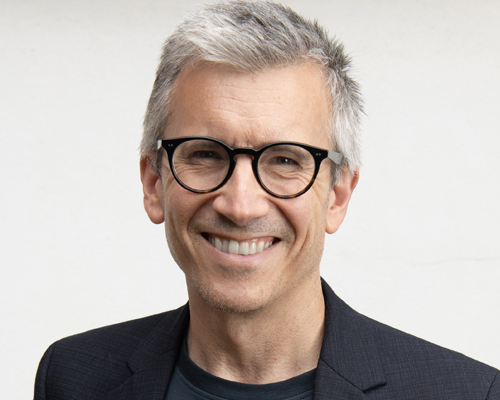
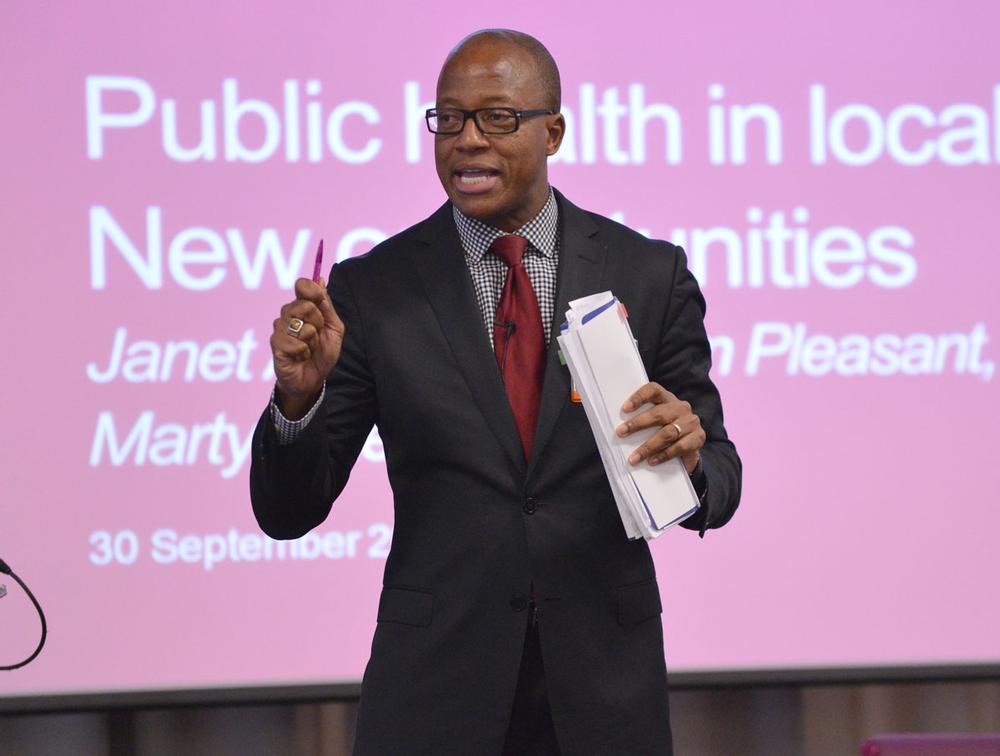
Professor Fenton has over 20 years’ experience in public health medicine
Turning the tide of physical inactivity must be a “central platform of public health efforts”, with partnerships at the heart of driving this agenda / © shutterstock.com
In future, could gyms take on responsibility for physical activity programming in local parks? / © shutterstock.com
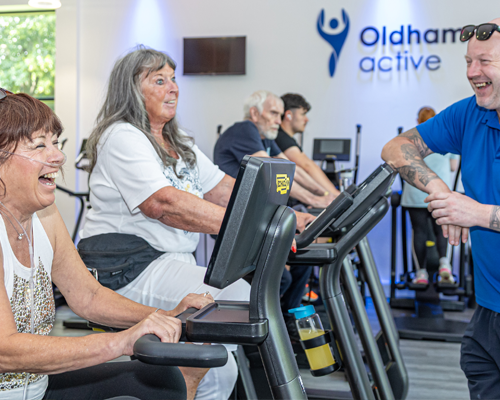
Exercise can help promote a healthy old age and ease the burden on the NHS / © shutterstock.com
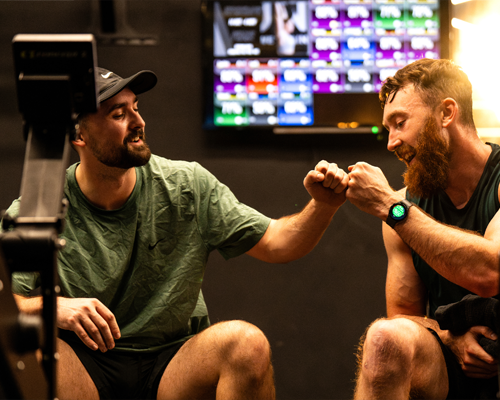
Fenton says gyms should aim to redress the gender balance in 
their facilities / © shutterstock.com
Fenton says gyms should aim to redress the gender balance in their facilities / © shutterstock.com
https://www.leisureopportunities.co.uk/images/HCM2014_2kevin.gif
The new director of health and wellbeing at Public Health England talks to Steven Ward about his mission to tackle the ‘wicked problem' of physical inactivity
Kevin Fenton, Public Health England, Steven Ward, Development director at ukactive,Kevin Fenton, Public Health England, physical inactivity, Change4Life, 1 April 2013, PHE, local authorities
HCM magazine
For every member with a tripod and a big following, there are others irritated at the way equipment is being hogged or wary they’ll be in the background on someone’s Insta feed. Do influencers offer valuable, free marketing or are they just a nuisance? Kath Hudson finds out how operators are responding
HCM magazine
Strength training is evolving, driven by changing consumer preferences. Julie Cramer talks to innovators about how their products are meeting this demand
HCM magazine
I experienced a blissful feeling of joy I hadn’t felt since I was a kid
HCM magazine
As the entrepreneur who started Wexer, Fresh Fitness, Fitness DK and Repeat, as well as being a former elite athlete, Rasmus Ingerslev’s life looked perfect from the outside, but onthe inside it was a different story. He talks to Kath Hudson about healing old wounds
HCM magazine
If the health service is to survive, we must recognise that it is a disease service – and that wellbeing rests with us, says the activity advocate and healthy ageing champion. He talks to Kate Cracknell
HCM promotional features
Sponsored
Find out how your gym can tap into the corporate wellness boom
HCM promotional features
Sponsored
Third Space partnered with IndigoFitness to deliver a bespoke training space for its new club at The Whiteley
HCM promotional features
Sponsored
Starpool supports Olympic champion Marcell Jacobs, says Riccardo Turri
HCM promotional features
Sponsored
David Lloyd is stepping up its commitment to women’s health as it continues to explore what fit-for-purpose looks like for the female population
HCM promotional features
Sponsored
Greg Bradley looks at the shift towards strength training in gyms and advises on how operators can create the ultimate training environment
HCM promotional features
Sponsored
SnowDome Fitness has added 50 per cent more space with cutting-edge Technogym solutions
HCM promotional features
Sponsored
EGYM has opened a new HQ in Paternoster Square, London and revealed a range of new launches
HCM promotional features
Sponsored
New launch, Salus House, elevates boutique wellness with high service levels and a partnership with Technogym
HCM promotional features
Sponsored
Active IQ is calling for greater accountability in online fitness advice with the launch of a new trustmark
HCM promotional features
Latest News
Australia’s fast-growing fitness network, Viva Leisure, is adding a low-cost gym brand to its already ...
Latest News
Speedflex has launched a strength training programme for 10 to 16-year-olds, to make it safer, ...
Latest News
Tewinbury Farm Hotel in Hertfordshire, UK is expanding its premium leisure proposition with the launch ...
Latest News

Work is underway in Madrid on one of Europe’s most significant multi-functional complexes, ...

Latest News
PureGym is encouraging people to step away from their screens and go for a walk, ...
Latest News
Small improvements to sleep, diet quality, and physical activity, made in combination lead to a ...
Latest News
Therme Manchester’s 28-acre development, which will include interconnected glass pavilions that measure 65,000sq m, will ...
Latest News
The Yard Gym (TYG) is to become Nike Training’s official global training partner in a ...
Opinion
promotion
Strength training has moved from the margins to the mainstream.
Opinion: Building smarter strength spaces for today’s operators
Featured supplier news
Featured supplier news: Reaching the people most gyms miss: Bedford Gym & Swim Campaign delivers 410 new members
One of the biggest mistakes the fitness industry still makes is advertising almost exclusively to people who already look and live like gym members.
Featured supplier news
Featured supplier news: W3Fit EMEA celebrates its fifth anniversary
Celebrating its milestone 5th anniversary, W3Fit EMEA returns in 2026 with an unmissable gathering of the Health & Fitness industry’s most influential leaders.
Company profiles
Company profile: ABC Fitness
ABC Fitness is the #1 software provider for fitness businesses of any size, all around ...
Company profiles
Company profile: FIBO
FIBO pursues the vision of a strong and healthy society and as a global network ...
Supplier Showcases
Supplier Showcase - Future-proofing
Catalogue Gallery
Click on a catalogue to view it online
Featured press releases
ukactive press release: Are they Fit for Office? UK Active and Technogym throw down the gauntlet to MPs
Hundreds of staff, MPs and Peers from across Westminster have signed up for the Fit for Office parliamentary physical activity challenge, which takes place throughout June and is hosted by ukactive and Technogym.
Featured press releases
Innerva press release: Lex Leisure’s power-assisted exercise suite smashes targets in record time
Crook Log Leisure Centre has more than doubled the membership target for its new power- assisted exercise suite in less than six months.
Directory
Industrial washing machines
Miele Company Limited: Industrial washing machines
Spa and beauty equipment
Oakworks Inc: Spa and beauty equipment
Lockers
Crown Sports Lockers: Lockers
Hot tubs
MSpa International Ltd: Hot tubs
Water experiences and hydrotherapy solutions
Aquaform s.r.l.: Water experiences and hydrotherapy solutions
Fitness tracking platform
SpiviTech: Fitness tracking platform
Property & Tenders
Stratford, East London.
Lee Valley Regional Park Authority
Property & Tenders
Y Felinheli, LL56 4QN
Newmark
Property & Tenders
Diary dates
13-13 Jun 2026
Worldwide, Various,
Diary dates
21-24 Sep 2026
The Langham Huntington Pasadena , Pasadena, United States
Diary dates
06-08 Oct 2026
Messe Stuttgart, Stuttgart, Germany
Diary dates
22-22 Oct 2026
QEII Conference Centre, London,
Diary dates
26-29 Oct 2027
Koelnmesse Exhibition Centre, Cologne, Germany
Diary dates

people

Interview – Kevin Fenton: Kevin Fenton

The new director of health and wellbeing at Public Health England talks to ukactive’s Steven Ward about the ‘wicked problem’ of physical inactivity, and issues a call to arms

By Steven Ward, ukactive | Published in Health Club Management 2014 issue 2
The fact that there’s not a single national strategic framework or strategy for tackling inactivity has to be seriously questioned

“You have to recognise the unique space that the readers of Health Club Management occupy,” professor Kevin Fenton tells me when we meet in his office at Public Health England.

“Health club and leisure centre operators can be the leaders of the movement to promote active lifestyles. No-one else can do that as well as they can. They have the networks needed to make a difference and can be the main force for challenging the public health system locally to take turning the tide of physical inactivity seriously.”

The man responsible for improving the public health of the entire nation – as director of health and wellbeing within Public Health England (PHE) – is instantly disarming but deadly serious.

There’s something distinctly different about a meeting with professor Fenton than any encounter with a civil servant that I’ve had across Whitehall. He’s on a genuine mission. You get a sense of a man with purpose and intent to cut through the reasons that have prevented progress in the past. “The things I want to know about are what I call the wicked problems – the fundamental causes that hold us back,” he explains.

Man on a mission
“You wouldn’t go to a generalist to fix your heart – you’d find a cardiac specialist. The same is true in public health,” continues Fenton, who himself is a public health specialist with a reputation that precedes him. This is not a man who has worked his way up the Civil Service ‘greasy pole’, but rather someone who has built a reputation as a global public health leader, taking on some of the greatest challenges in this area across the world (see briefing box, p35).

Having been tempted back to the UK to take up his post at Public Health England (PHE) – which was established on 1 April 2013 to bring together public health specialists from more than 70 organisations into a single public health service – he has a clean sheet on which to set out his plans to make a difference to the health of the nation.

PHE’s mission is to protect and improve the nation’s health and address inequalities, and this runs to the core of Fenton’s personal passions: “I’m passionate about making a difference to people’s lives. What drives me is understanding the evidence and knowing how to apply it, at scale, in practical ways that allow us to make that difference. That’s what I dedicate myself to. It’s why I’m here.”

Put simply, PHE is responsible for making the public healthier. Within that mammoth brief, Fenton is a key player and part of the executive team: he’s often described as interchangeable with the chief executive, Duncan Selbie. Fenton is responsible for, among other things, the design and delivery of national health and wellbeing programmes delivered through and by the NHS and local authorities; the development and delivery of national health marketing campaigns including Change4Life; and, according to PHE’s own literature, “co-ordinating prevention and early intervention programmes delivered across the lifespan, focused on major killers including smoking, obesity, mental health, HIV, and alcohol and drugs”.

Although turning the tide of physical inactivity is left off that brief, it’s central to Fenton’s plans and he clearly thinks the current situation demands a new sense of urgency and action. “Coming back to the UK, seeing the levels of inactivity in spite of the benefits that physical activity brings across the life course… The fact that there’s not a single national strategic framework or strategy for tackling inactivity has to be seriously questioned. Is that what we want to achieve as a country? Are we happy with that? If not, what do we want to do about it?”

He thinks the time is ripe to act. “The changes introduced on 1 April 2013 provide an opportunity to do things differently. Turning the tide of physical inactivity has to be a central platform of public health efforts. At Public Health England, we’re committed to working in partnership to do this.”

Turning the inactivity tide
Fenton is looking to ukactive to help him; ukactive and 1,000 of its member sites already supported the Get Going with Change4Life campaign in the summer of 2013. Everyone Active alone reached over 200,000 people through two weekends of open days across its estate. “A monumental achievement,” says Fenton. “Partnerships and co-production enable us to use unique networks. Working with ukactive is a vital part of that.”

And he’s excited about recent developments – in particular, the call from ukactive chair Fred Turok to establish a national ambition to turn the tide on physical inactivity. At the ukactive Summit in November 2013, Turok called for an ambition to reduce inactivity by one per cent year-on-year for five years – a goal that would save the UK £1.2bn.

“It’s hugely helpful for us to be ambitious,” says Fenton. “Social movements need drivers from outside of government. Look at what the First Lady Michelle Obama has done with her Let’s Move campaign in the US. National leadership can mobilise a movement, inspire and provide direction.”

Clearly there’s the political will. Speaking ahead of the Summit, Prime Minister David Cameron said: “Turning the tide of inactivity is essential to the health of our nation. I am delighted to support ukactive and its drive for making sure physical activity becomes part of the DNA of our country. Getting more people, more active, more often reinforces our drive to deliver a lasting legacy from the London 2012 Olympic and Paralympic Games.”

And a recent internal briefing circulated across Whitehall suggests there’s intent to really push this forward, with the Prime Minister making a personal intervention to generate greater levels of initiative across government.

This will no doubt be music to Fenton’s ears, as he wants to go even further. Picking up on the fact that there are various national ambitions – UK Sport’s goal to achieve gold medals, the Sport England-backed wish to grow the number of people playing 1 x 30 minutes of sport a week, and now the challenge set out by Turok to reduce inactivity by one per cent a year – Fenton says: “We need to align the ambitions in this space. Are we agreed that these are our goals? If so, how do we leverage our resources, measure our progress, reward success, support those falling behind? What are the practicalities and what are the commitments we need to make to get cross-sector support?”

The need for this level of clarity to inform PHE’s plans led to Fenton calling a ‘Physical Activity Caucus’ of 200 stakeholders, which took place on 24 January 2014 – a bid to drive co-ordination across the entire spectrum of the UK’s physical activity sector, uniting the themes of active travel, sport, play, leisure, fitness and healthcare, all within a joint strategic framework. ukactive timed the release of its first inactivity-focused report – Turning the Tide (see www.ukactive.com/turningthetide)– to provide the backdrop to the event.

“I want to see real progress in each of those areas over the next five years, with increased levels of activity, reductions in levels of inactivity and an increased awareness that physical activity is a core component of a healthy life,” Fenton explains.

For now, however, making the case for physical activity is something we’re failing at, according to Fenton: “We simply are not connecting the dots. That dementia can be prevented by an active lifestyle, or managed once you have it through an exercise programme. That activity improves educational attainment. That an active lifestyle can dramatically improve mental health, where we have one in four people struggling with real challenges. We have to get the fact that physical activity improves your health across loud and clear. Now’s the time to accelerate our actions and impact.”

Local focus
As a key part of the 1 April reforms
to the health sector, local authorities took over as the lead bodies with responsibility for improving public health – something Fenton is enthusiastic about. “The reforms were the most substantive change and transformation since the creation of the health system. Moving public health to local authorities opens amazing new opportunities to use locally elected leadership to influence public health, by integrating health across all priorities. The role of PHE is to nurture this local system, to help it make a difference.”

He expects the reforms to have a big impact on the way public health is integrated into local authority plans. Reminded that, according to the Local Government Association, councils spend £935m a year on sports and leisure – including leisure centres across the country – Fenton says he expects canny public health directors to be placing a greater link to health into other core areas of local investment, rather than simply spending their own budgets in isolation.

“Why couldn’t the local leisure operator take on the management and programming of parks and open spaces for exercise in the same way that they do for their exercise studios?” he asks. “They have the expertise. They have the staff. They have the motivation. Let’s empower them to do it. That’s exactly the type of innovation we want to see.”

Fenton also welcomes the work that ukactive is doing to support local authorities to deliver on their new public health responsibilities. The Turning the Tide report publicly benchmarks local authorities on their levels of inactivity in a way that enables them to compare themselves nationally, regionally and against (demographically) similar local authorities. The report also includes insights from interviews with public health directors and the results of over 122 Freedom of Information requests about the levels of spend on physical inactivity compared to other common public health challenges such as smoking, alcohol and obesity.

The report was inspired by PHE’s own work in publishing a league table of local authorities when it comes to premature mortality – a move that provoked a mixed reaction from some local authorities who were concerned about the spotlight that was being shone on their record.

But Fenton believes this approach will inspire progress. “Benchmarking using data and intelligence helps to improve, to challenge and to nudge behaviour,” he explains. “However, it’s not enough just to provide the information – you have to prompt new conversations at a local level. That’s where the trends are being observed. Local authorities need to ask the question ‘why are we where we are?’ and take on ownership for developing new strategies. That’s what this work will prompt – new conversations that need to be converted into new action.”

Shared responsibility
Fenton sees local authorities as having a key role to play in driving the physical activity agenda, but recognises they are not the only actors, given more recent prioritisation and investments targeting success in elite sports, or getting people to play 30 minutes of sport once a week, or promoting physical activity in schools.

He strikes a cautionary note by saying: “It’s very difficult to allocate responsibility to specific levels. Ultimately, we all need the same goal, with an understanding of what assets we have at each level. Local authorities have a unique role, but so too do national government and other sectors. We have to establish how PHE helps to tie this together, identifying the gaps and helping make a difference where it’s needed. We’re only eight months into our life and, while we didn’t have a standing start, there’s lots more we plan to do.”

I ask him to reflect on the unique role that he spoke about at the start of the interview and provide some advice for health club and leisure centre operators to implement. It’s clear that it’s local partnerships where he believes the most progress can be made. He urges operators to “recognise their unique space. Link up with local directors of public health. Understand the priorities of health and wellbeing boards. Understand their goals – that it’s the inequalities that drive the public health systems, the needs of deprived communities – and approach the system based on how you share those goals”.

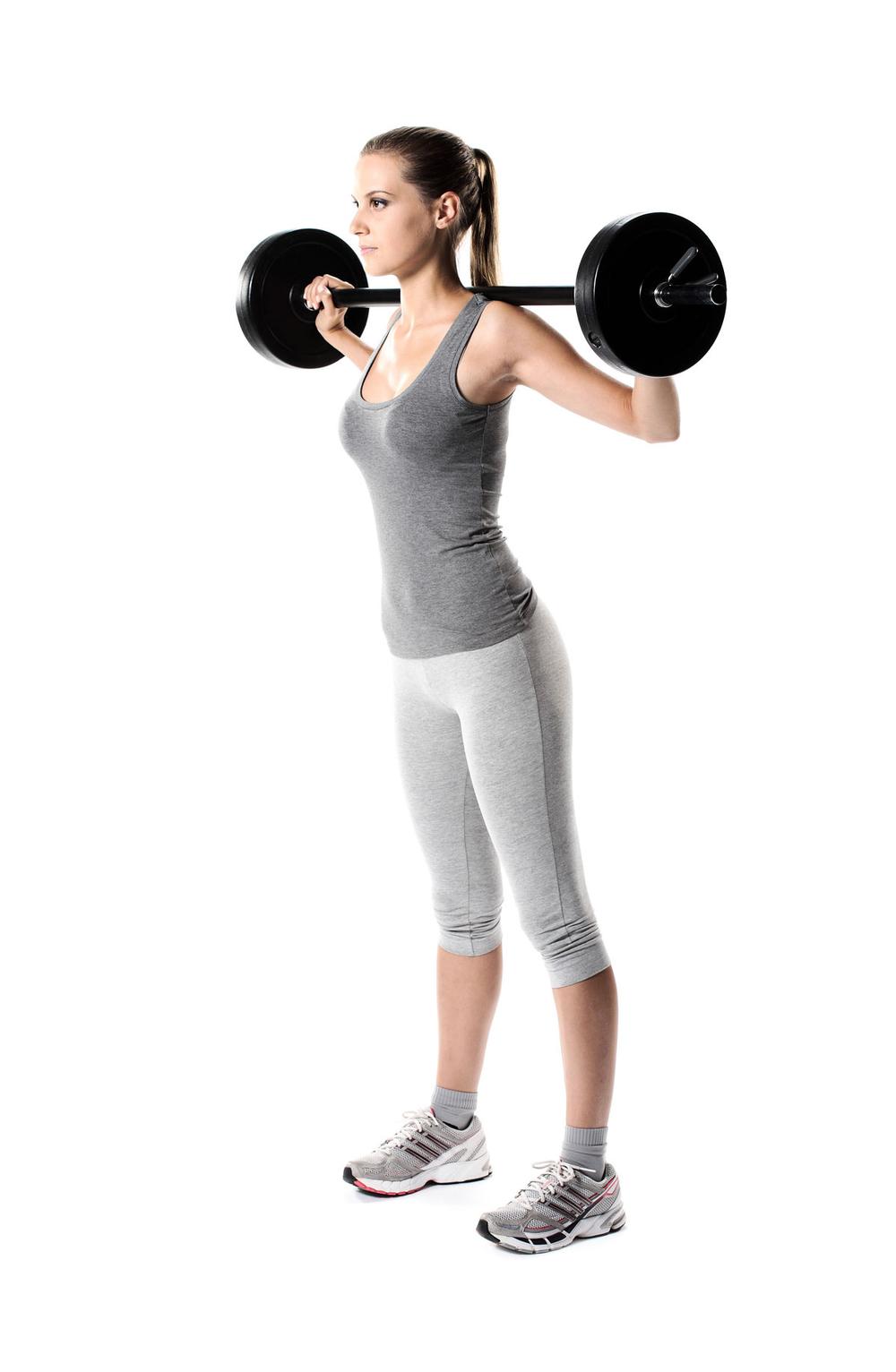
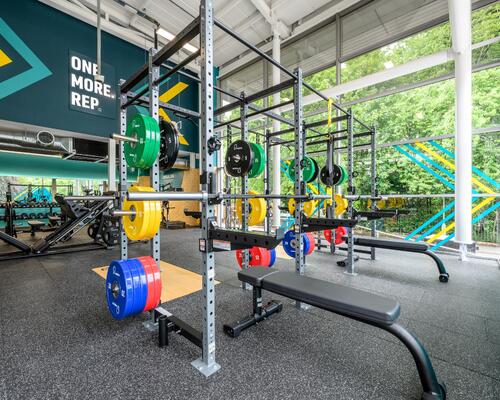
I close our discussion by giving him an opportunity to send out a request for one thing he feels operators could do to make a major impact. Forever the campaigner, he urges operators to consider what they could do to tackle the marked gender differences on the gym floor. “Why are there certain spaces on the gym floor that are dominated by men? Would women not benefit from a greater understanding of how strength training benefits their health, for example?

“Operators have to take a broader view of their health and wellbeing responsibility, and using their spaces better to correct this gender imbalance would be a great place to start and easy to do. Does the current gender imbalance mean I’ll do less to promote the fitness sector? No. But does it have to do more to broaden its appeal – yes it does.”

Career highlights - Professor Kevin Fenton

* Executive positions at the US Centers for Disease Control and Prevention and the Health Protection Agency

* Over 20 years’ experience in public health medicine, infectious disease epidemiology, HIV prevention and sexual health

* Visiting professor of Epidemiology and Public Health at University College London (UCL) in the UK

* Long-standing research interests in HIV/STI prevention, sexual behaviour, health inequalities, and migration and health

Steven Ward is development director at ukactive. Tell him what you think about this article on twitter @wardsteve 

Sign up here to get HCM's weekly ezine and every issue of HCM magazine free on digital.
Professor Fenton has over 20 years’ experience in public health medicine
Turning the tide of physical inactivity must be a “central platform of public health efforts”, with partnerships at the heart of driving this agenda / © shutterstock.com
In future, could gyms take on responsibility for physical activity programming in local parks? / © shutterstock.com
Exercise can help promote a healthy old age and ease the burden on the NHS / © shutterstock.com
Fenton says gyms should aim to redress the gender balance in 
their facilities / © shutterstock.com
Fenton says gyms should aim to redress the gender balance in their facilities / © shutterstock.com
https://www.leisureopportunities.co.uk/images/HCM2014_2kevin.gif
The new director of health and wellbeing at Public Health England talks to Steven Ward about his mission to tackle the ‘wicked problem' of physical inactivity
Kevin Fenton, Public Health England, Steven Ward, Development director at ukactive,Kevin Fenton, Public Health England, physical inactivity, Change4Life, 1 April 2013, PHE, local authorities
Latest News
Australia’s fast-growing fitness network, Viva Leisure, is adding a low-cost gym brand to its already ...
Latest News
Speedflex has launched a strength training programme for 10 to 16-year-olds, to make it safer, ...

Latest News
Tewinbury Farm Hotel in Hertfordshire, UK is expanding its premium leisure proposition with the launch ...

Latest News

Work is underway in Madrid on one of Europe’s most significant multi-functional complexes, ...

Latest News
PureGym is encouraging people to step away from their screens and go for a walk, ...
Latest News
Small improvements to sleep, diet quality, and physical activity, made in combination lead to a ...
Latest News
Therme Manchester’s 28-acre development, which will include interconnected glass pavilions that measure 65,000sq m, will ...
Latest News
The Yard Gym (TYG) is to become Nike Training’s official global training partner in a ...
Latest News
Everlast Gyms' York site has reopened following a refurbishment to bring it up to the ...
Latest News
Luxury hospitality and wellness pioneer Jeremy McCarthy has launched Leisure Alchemy, a digital platform that ...
Latest News
A contrast therapy and breathwork facility called Reset has opened in Islington, London, in the ...
Opinion
promotion
Strength training has moved from the margins to the mainstream.
Opinion: Building smarter strength spaces for today’s operators
Featured supplier news
Featured supplier news: Reaching the people most gyms miss: Bedford Gym & Swim Campaign delivers 410 new members
One of the biggest mistakes the fitness industry still makes is advertising almost exclusively to people who already look and live like gym members.
Featured supplier news
Featured supplier news: W3Fit EMEA celebrates its fifth anniversary
Celebrating its milestone 5th anniversary, W3Fit EMEA returns in 2026 with an unmissable gathering of the Health & Fitness industry’s most influential leaders.
Company profiles
Company profile: ABC Fitness
ABC Fitness is the #1 software provider for fitness businesses of any size, all around ...
Company profiles
Company profile: FIBO
FIBO pursues the vision of a strong and healthy society and as a global network ...
Supplier Showcases
Supplier Showcase - Future-proofing
Catalogue Gallery
Click on a catalogue to view it online
Featured press releases
ukactive press release: Are they Fit for Office? UK Active and Technogym throw down the gauntlet to MPs
Hundreds of staff, MPs and Peers from across Westminster have signed up for the Fit for Office parliamentary physical activity challenge, which takes place throughout June and is hosted by ukactive and Technogym.
Featured press releases
Innerva press release: Lex Leisure’s power-assisted exercise suite smashes targets in record time
Crook Log Leisure Centre has more than doubled the membership target for its new power- assisted exercise suite in less than six months.
Directory
Industrial washing machines
Miele Company Limited: Industrial washing machines
Spa and beauty equipment
Oakworks Inc: Spa and beauty equipment
Lockers
Crown Sports Lockers: Lockers
Hot tubs
MSpa International Ltd: Hot tubs
Water experiences and hydrotherapy solutions
Aquaform s.r.l.: Water experiences and hydrotherapy solutions
Fitness tracking platform
SpiviTech: Fitness tracking platform
Property & Tenders
Stratford, East London.
Lee Valley Regional Park Authority
Property & Tenders
Y Felinheli, LL56 4QN
Newmark
Property & Tenders
Diary dates
13-13 Jun 2026
Worldwide, Various,
Diary dates
21-24 Sep 2026
The Langham Huntington Pasadena , Pasadena, United States
Diary dates
06-08 Oct 2026
Messe Stuttgart, Stuttgart, Germany
Diary dates
22-22 Oct 2026
QEII Conference Centre, London,
Diary dates
26-29 Oct 2027
Koelnmesse Exhibition Centre, Cologne, Germany
Diary dates
Search news, features & products:
Find a supplier:
Elevate Arena
Elevate Arena
Partner sites