












Follow Health Club Management on Twitter Like Health Club Management on Facebook Join the discussion with Health Club Management on LinkedIn
FITNESS, HEALTH, WELLNESS

people

Interview: Ian Kearney

The UK general manager of low-cost operator Fit for Free talks to Kate Cracknell about personal attention in a budget framework, and about gym membership that’s offered ‘for free’

By Kate Cracknell | Published in Health Club Management 2013 issue 11
In the UK, we’re still at the point of having to explain why it’s called Fit for Free but has a price attached

It was a spot of luck, combined with the selection of the right online search criteria, that brought Ian Kearney to his current job as UK general manager of low-cost operator Fit for Free.

Following a career in media sales, in 2003 he opened a children’s activity centre – Cheeky Monkeys – in partnership with his wife. The success of that venture led to the opening of a second equally successful centre, with 50,000 people coming through the door every year. “But when the recession hit, we realised it couldn’t sustain both of us. A business of that size needs continuous investment – almost every year, you have to reinvent yourself with the next offering, the next ride, the next feature,” says Kearney. “So after seven or eight years of working for myself, I had to make the decision to go back into the corporate world.

“But I had no idea what to do, other than not wanting to go back into media. I knew I was interested in leisure and family entertainment, I liked the idea of launching new businesses – I also had a small consultancy business helping other people launch their own companies. Sometimes it was just an advisory role; other times I was more hands-on, in one case even finding the building, launching the business and recruiting all the staff.

“I was thinking maybe hotels, maybe health and fitness, maybe Centerparcs-type venues… On the first day I actually started to search the job market, I put my search criteria into a job listings website and it delivered me 10 jobs. The first one I opened, at half past eight that morning, was Fit for Free.”

Proving the model
The Dutch operator (see ‘company history’, p35) was aiming to enter the UK market after enjoying good growth in its native market. “It wanted to prove it wasn’t just a Dutch-specific business model,” says Kearney. “Discussing growth plans with investors and banks, the Fit for Free team was told it needed to prove the model outside Holland, so other markets were investigated: the UK first, Belgium second, Poland, and then lastly Brazil.”

That might seem a peculiar combination of markets, but as Fit for Free’s head of marketing Tina Farifteh explains: “The market has to be right, with the right operating conditions, but the most important factor for us is the ‘boots on the ground’ – the person who will oversee the launch and roll-out.”

By 2011, the lease had already been signed on the first UK site, in Liverpool, and Fit for Free was looking for the ‘boots on the ground’ for the UK business. Step forward Kearney, who joined the company in July of that year.

“I think they had expected to recruit someone with fitness sector experience, but in fact it suited them well to induct me in their mould,” says Kearney. “Also, crucially, they didn’t want to keep buying in resources to help with design, construction, project management, recruitment and launch, and I was able to do all that for them.”

UK launch
So what does Fit for Free offer in the UK, and how does it compare to the Dutch model? “A typical club measures 15,000–20,000sq ft, and I’d expect capacity to be around 7,000 members; we’re currently at about 4,000 in our first two clubs,” says Kearney.

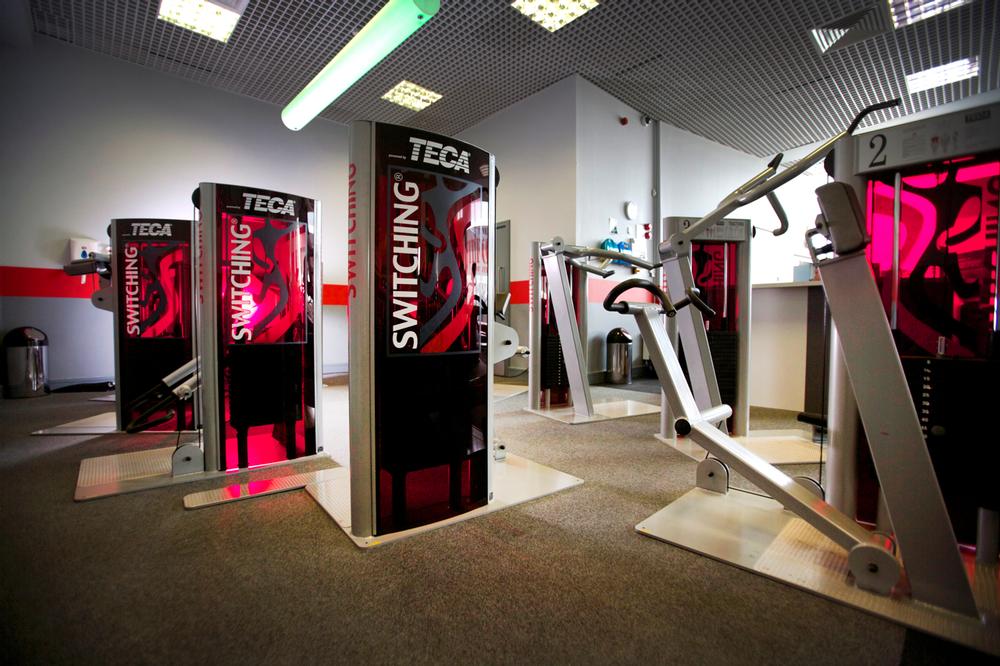
“We offer 220 pieces of equipment – mostly Precor, but with one Teca Switching circuit – and a full instructor-led studio offering. Membership costs £15.95 a month for gym-only, or £9.95 off-peak, or you can opt for gym and classes at £19.95 a month. Sixty per cent of our members are on the £15.95 package, but even they have access to free classes in the morning and evening, five days a week: circuits, CrossFit, abs.

“The look and feel of our clubs is the same as in the Netherlands – the same lockers, carpet, content, wall coverings, staff uniforms – and overall the offering is about 85 per cent similar. However, I was given the autonomy to question things they did in the Netherlands that I didn’t think would work in the UK.

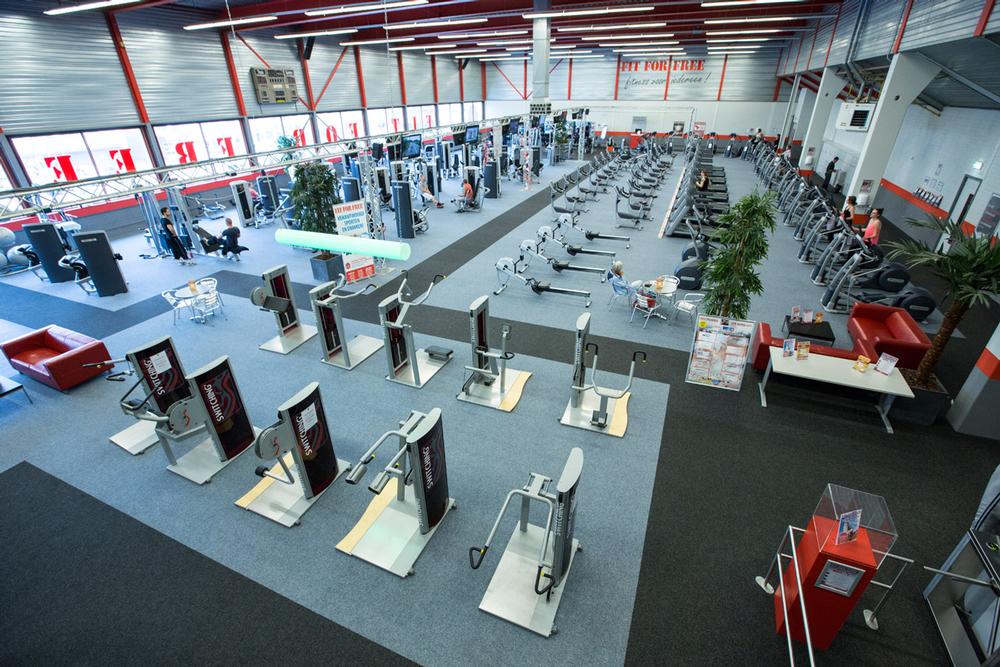
“Bikes are part of daily life in the Netherlands, for example, but in the UK we need car parking facilities. We also have a different equipment mix in the gym, with fewer bike-related and cross-training activities and more treadmills.

“But the biggest difference is that we have a more expensive payroll in the UK: in the Netherlands they have a very lean staff set-up. We tried it initially, but within three months I had to increase staffing levels by about 20 per cent. I was adamant we couldn’t rely on one member of staff to run the whole place on a daily basis.”

Personal touch
Those higher staffing levels help maintain the sort of customer service levels Kearney believes are key to success. He explains: “We trade from 6.30am to 10.30pm and have fitness staff on every morning and evening; in the larger locations or multi-floor locations, they’re there during the day as well. Factoring in admin staff and management, we have on average one and a half people on-site at all times, plus cleaners and studio instructors.

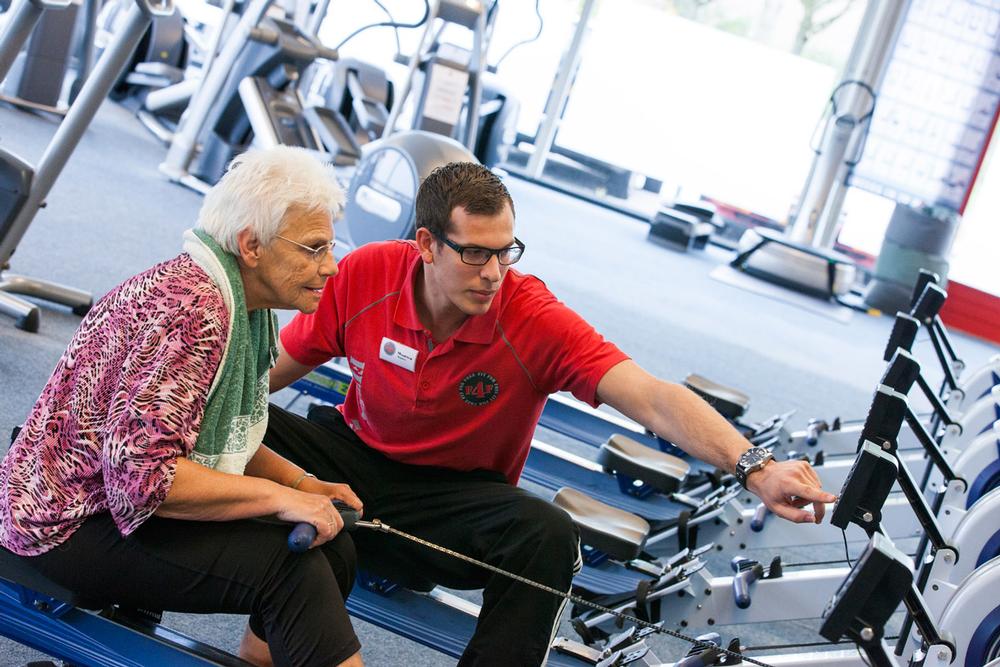
“The fitness staff’s sole responsibility is to be on the gym floor, interacting with members. Interaction at reception is key too: above all else, the one thing we drive through in our interviews and inductions is the need to make eye contact with members as they arrive and leave. The very least every member should expect is a ‘hi’ and a ‘bye’.

“We employ a lot of apprentices too. Their primary role is to clean the equipment, but we also task them to chat to members: they have a target to engage with 10 new members a week, asking about their goals and encouraging them to attend the free classes.”

Fit ‘for free’
Returning to the differences between the Netherlands and the UK, Kearney continues: “We have to be more aggressive and more diverse in the way we market. In Holland, Fit for Free is a national brand with high awareness. In the UK, we’re still at the point of having to explain why it’s called Fit For Free and yet has a price attached.”

Which is a fair point, I observe.

How does the ‘for free’ concept work?
“We partner with local retailers who then advertise on our website and our member platforms for free, with a box ad promoting a special offer for our members. We regularly ask our members what sort of offers would be useful, and typically it’s things like takeaways, hair products, beauty, dry cleaning, flower delivery, tyre repairs. When members turn up at the location, they just show their membership card to receive the discount.

“The ultimate goal is to save our members approximately £15 a month if they use the services of our partners, effectively covering the cost of their gym membership. At the moment, members are probably saving around £10 a month, but the scheme will grow. In the Netherlands, where they have national coverage, partners include holiday companies, airlines, national taxi or transport organisations, ticket discounts.

“Indeed, in Holland, there’s evidence of some people joining the gym just to get the card. That’s not the idea of course – we want people to come and train – but it does show the value people see in it.”

International expansion
So how has the UK business progressed since its launch in 2011, and what are the plans moving forward?

“We have four clubs at the moment – in Liverpool, Bury, Worcester and Birmingham. We had an offer on up to 11 Fitness First clubs about a year ago, but the deal fell over at the 12th hour. At the time I was frustrated by that, as I wanted to grow the estate, but in hindsight I’m glad we gave ourselves more time to really finish getting our product right.

“In the meantime, with a fixed amount of money to invest each quarter, after the first quarter of 2013 the company’s focus shifted from the UK to Belgium, as well as continuing to expand in Holland. Opening in Belgium took longer than we expected, but the first club was a flying success and the second is going the same way.

“And then there’s Brazil, a rapidly emerging market, where the ‘boots on the ground’ is a Dutch guy who lives out there and who knows the Dutch operators personally. That club signed up 2,000 members in three weeks, so we’ll probably look to increase the number of locations in Brazil in a very short space of time.

“But now we’re into another period of funding and investment, I think the UK will move back onto the radar too. One challenge we face in the UK is that we’ve only been trading for two years and lots of the larger landlords are still wary about getting security from a Dutch entity. But we have four big name landlords in place – Sainsbury’s, Urban Splash, Richardson Carillion and Thornfield Properties – and I’m confident this won’t be an issue for growth.”

He continues: “I have a list of six sites in various stages of development and I hope to open our next club in the first quarter of 2014. Within the next two years, I expect to have reached 20 clubs.

“We’re also trialling microclubs: our Birmingham site measures 11,000sq ft, on-site at a Sainsbury’s supermarket, and it’s performing above expectation so we may do more of that format. It’s proving to be win-win situation too – Sainsbury’s has seen an increase in footfall to its store since the club opened in January 2013.”

Future potential
Kearney concludes: “I also see the youth market as offering great potential. In one of our clubs, we partner with a local college and now have 400 members under the age of 16 – they come straight from school and are supervised by over-16s who attend with them. It’s challenging – a high maintenance market – but I believe there’s financial benefit in the long term.

“I think ‘tweenagers’ are a market the industry has to focus on, because if these kids are fit in mind and body, with a fit work ethic, they will survive in the real world when they leave school. It’s about showing them that being active isn’t a luxury any more – it can be an affordable part of everyday life. The budget sector has created that.”

Company history

Fit for Free was founded in the Netherlands in August 2005 with a mission of making fitness accessible to all, removing financial, social and geographical barriers.

Head of marketing Tina Farifteh says: “Fit for Free’s philosophy is to attract with incredibly low prices and effective marketing; impress and convert with a wow factor at first visit, created by big open spaces and modern equipment; and retain through promotions, member benefits and loyalty programmes.”

Its large clubs are located in residential areas, and although offering budget prices – in the Netherlands, fees start at just €15.95 a month – group exercise is also available, instructors man the gym floor during peak hours, and “friendly, staffed reception areas” are highlighted as a key selling point.

But perhaps what sets the brand apart even more than this are its member benefits – the basis on which it justifies its ‘for free’ name, as the idea is that members will enjoy deals from local and national partners that easily cover the cost of their membership each month.

“Fit for Free is more than just a gym,” says Farifteh. “It’s a world of discounts and benefits.”

In 2009, Fit for Free was acquired by all-inclusive operator SportCity, with NIBS – the holding company for the two brands – founded in the same year. “The most important reasons for the acquisition were the high growth rate of Fit For Free and high potential of the budget segment in general,” says Andy Brees, general manager of SportCity.
SportCity – which operates in the Netherlands only, with 18 clubs – remains a separate profit centre from Fit for Free, although acquiring the budget model did allow it to convert two poorly performing centres into successful Fit for Free health clubs.

Having two distinct business models also gives the parent company more flexibility: “For every location and acquisition, we determine the brand that best fits location. In this way we optimise our portfolio,” says Brees. “At the moment we’re being more bullish with Fit for Free, as current market conditions suit that brand and set-up costs are lower.”

There are now 51 Fit for Free sites in the Netherlands – making it the second largest chain in the country in terms of sites, and the largest in terms of members – as well as four clubs in the UK, two in Belgium, one in Poland and one in Brazil.

Farifteh says: “In the first few years, our communication was mainly focused on the revolutionary low price. This focus has slowly broadened and now also includes quality and fun.”
Sign up here to get HCM's weekly ezine and every issue of HCM magazine free on digital.
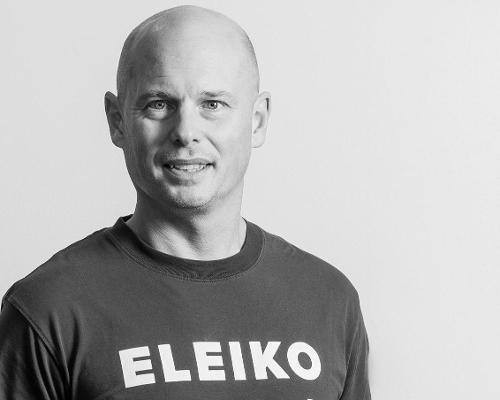
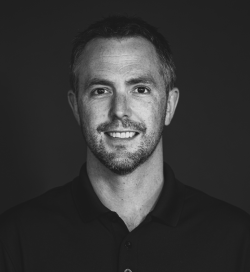
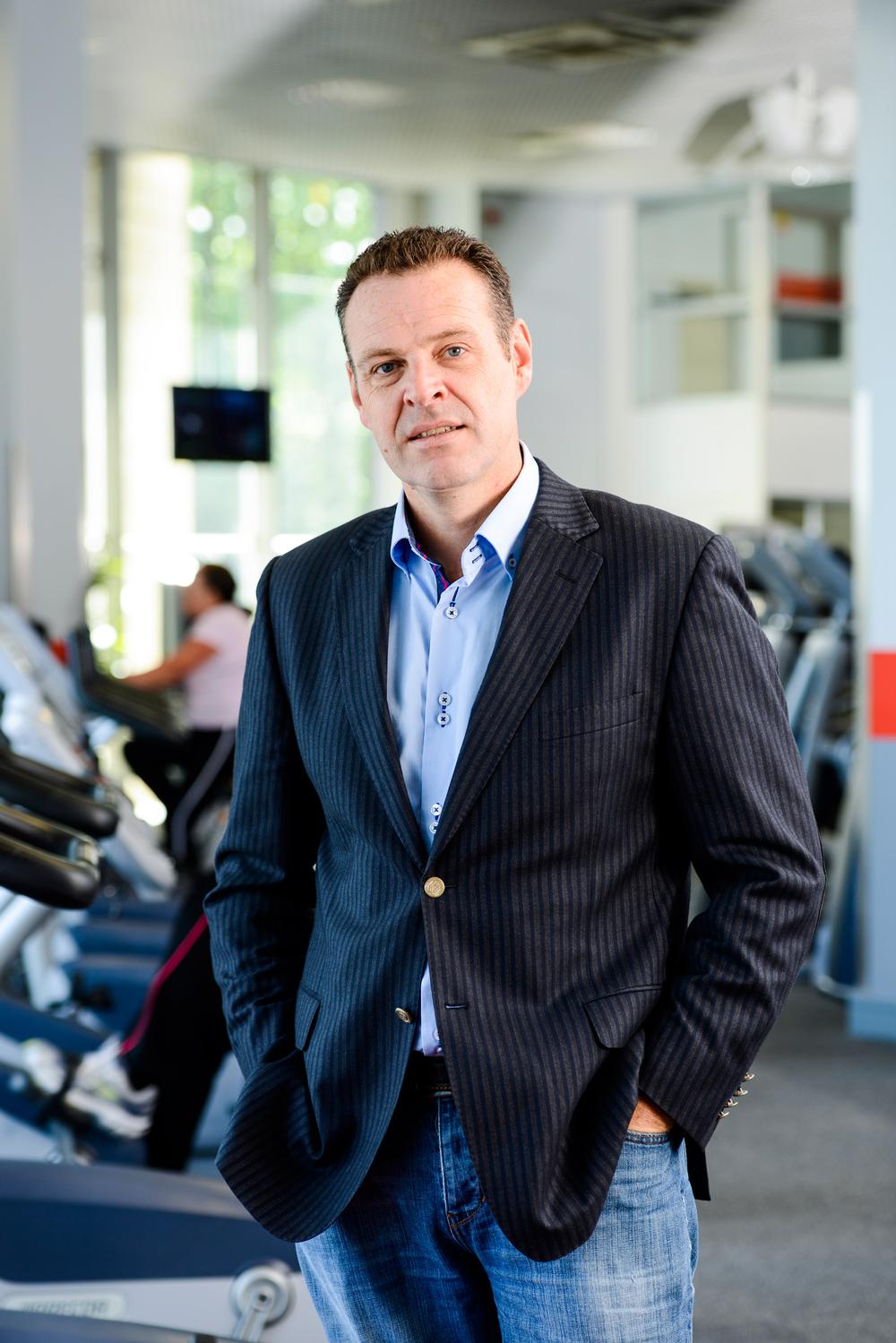
IAN KEARNEY
IAN KEARNEY
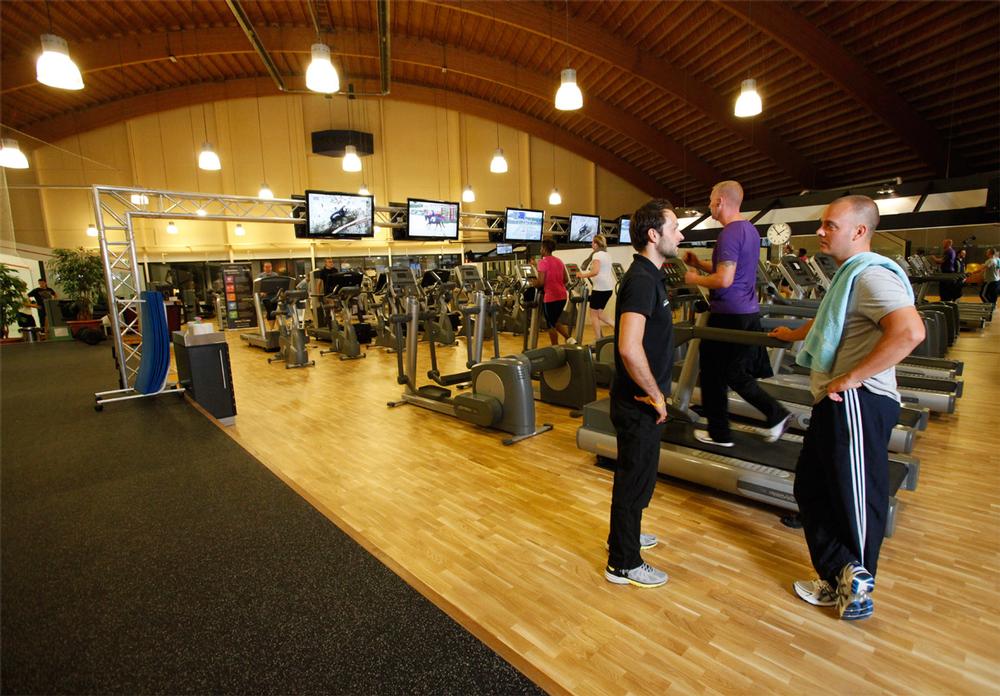
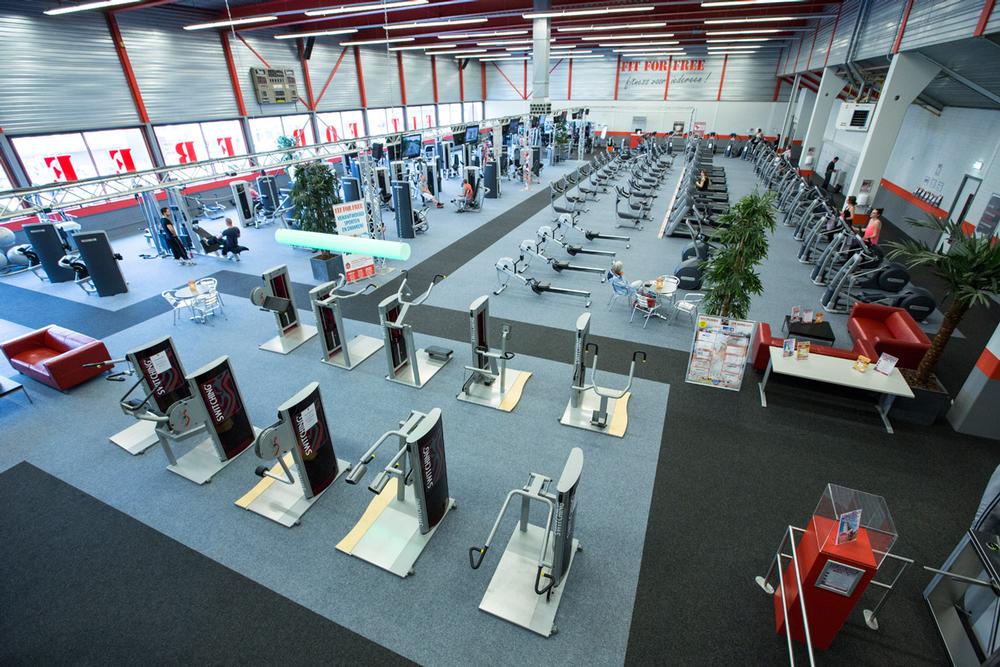
Fit for Free, which has 51 sites in the Netherlands, was acquired in 2009 by SportCity
SportCity, which operates 18 all-inclusive health clubs in the Netherlands
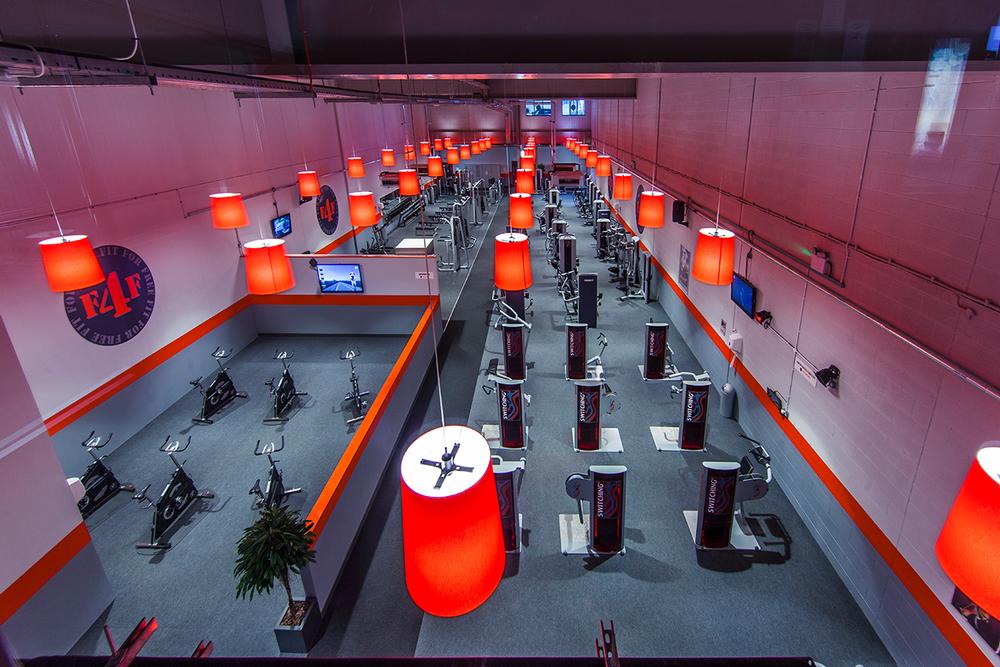
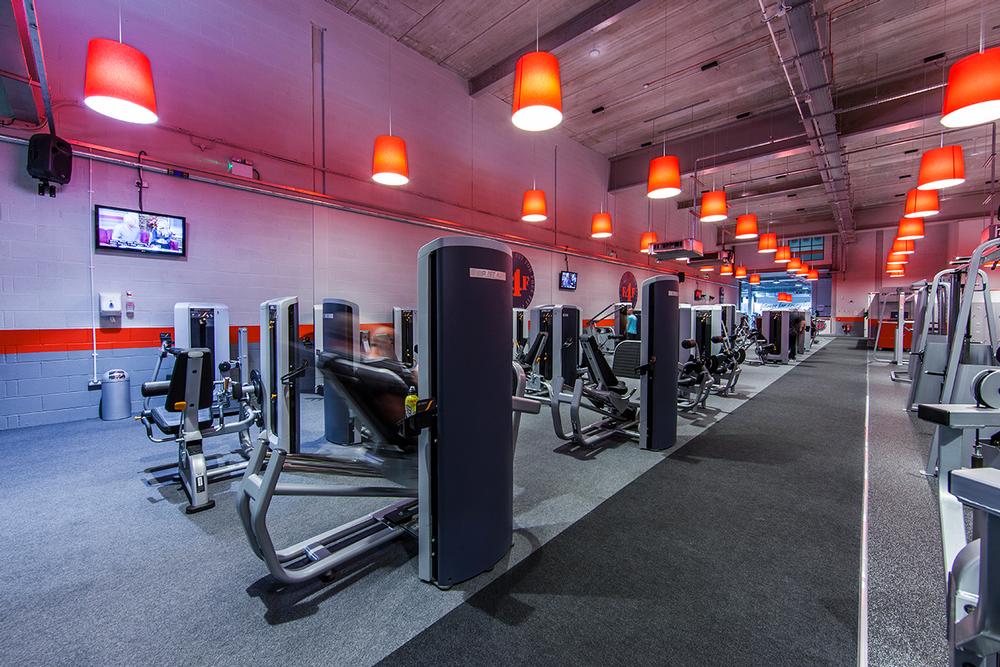
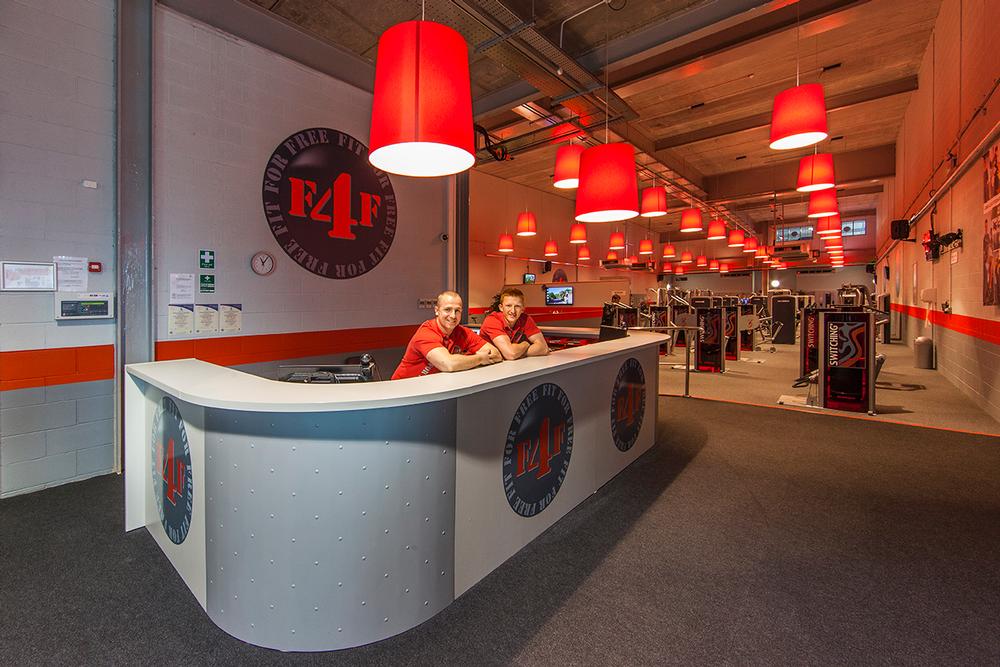
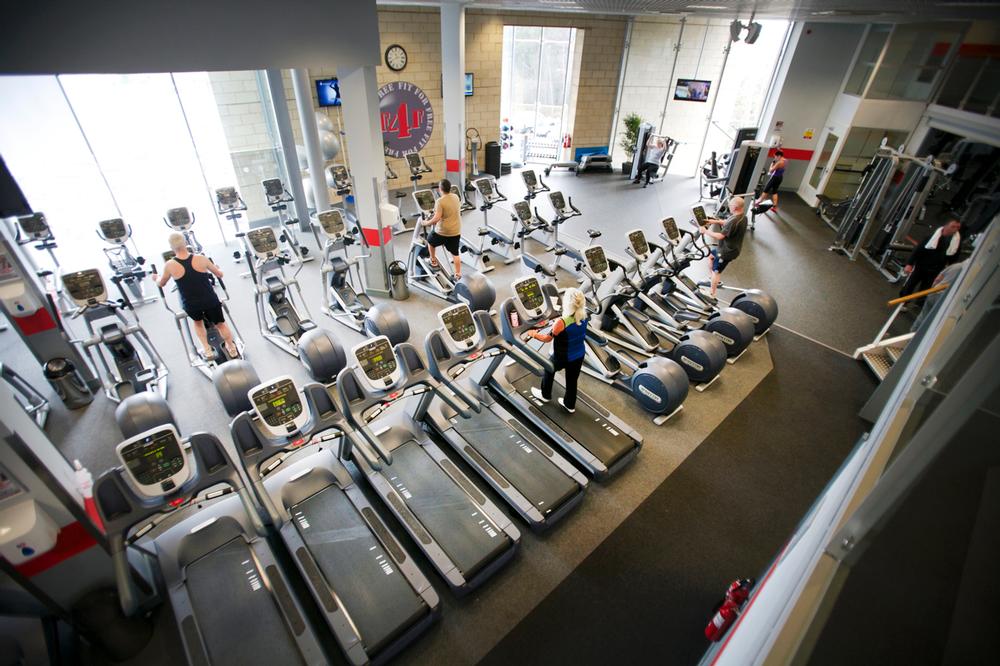
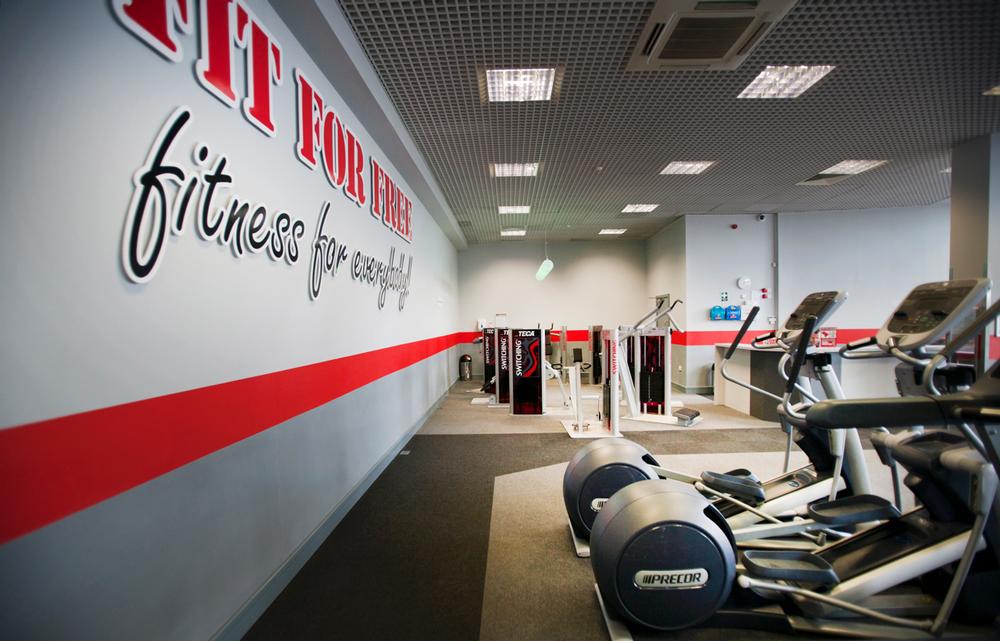
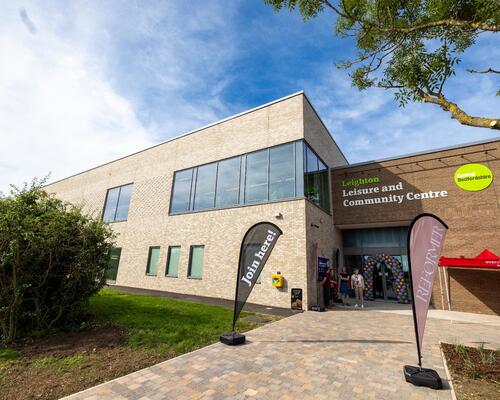
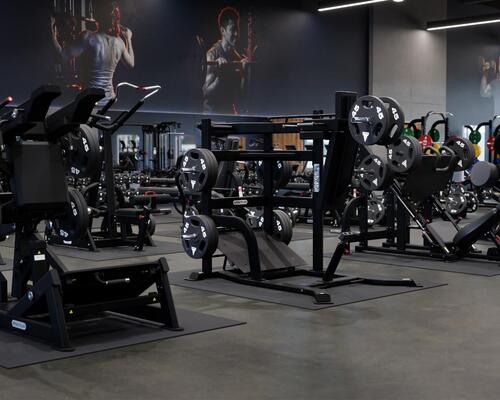
There are currently four Fit for Free clubs in the UK, in Bury (pictured here), Liverpool, Birmingham and Worcester
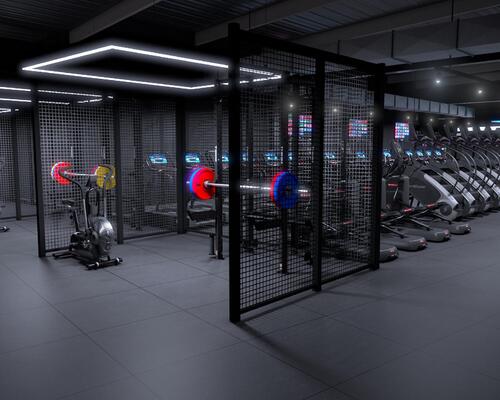
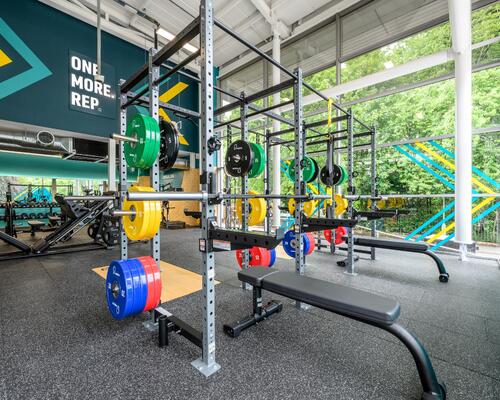
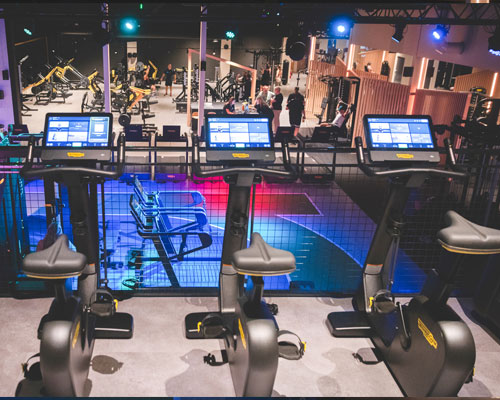
Fit for Free clubs in the UK (pictured here: Birmingham) have a slightly different equipment mix from the Netherlands, with less focus on cycling
https://www.leisureopportunities.co.uk/images/HCM2013_11ian.gif
The UK GM of low-cost operator Fit for Free talks to Kate Cracknell about how it can charge a membership fee and still be 'free'
Ian Kearney, Fit for Free ,Fit for Free, low-cost operator, health and fitness, membership
HCM magazine
Raphael Cuomo explores the powerful link between addiction, health and behaviour change
HCM magazine
As the entrepreneur who started Wexer, Fresh Fitness, Fitness DK and Repeat, as well as being a former elite athlete, Rasmus Ingerslev’s life looked perfect from the outside, but onthe inside it was a different story. He talks to Kath Hudson about healing old wounds
HCM magazine
HCM People

Stephen Price

Founder, SP&Co Group
Working in public health over the last few years has lit up parts of my brain again
HCM magazine
For every member with a tripod and a big following, there are others irritated at the way equipment is being hogged or wary they’ll be in the background on someone’s Insta feed. Do influencers offer valuable, free marketing or are they just a nuisance? Kath Hudson finds out how operators are responding
HCM magazine
Strength training is evolving, driven by changing consumer preferences. Julie Cramer talks to innovators about how their products are meeting this demand
HCM promotional features
Sponsored
SnowDome Fitness has added 50 per cent more space with cutting-edge Technogym solutions
HCM promotional features
Sponsored
Starpool supports Olympic champion Marcell Jacobs, says Riccardo Turri
HCM promotional features
Sponsored
David Lloyd is stepping up its commitment to women’s health as it continues to explore what fit-for-purpose looks like for the female population
HCM promotional features
Sponsored
Third Space partnered with IndigoFitness to deliver a bespoke training space for its new club at The Whiteley
HCM promotional features
Sponsored
Greg Bradley looks at the shift towards strength training in gyms and advises on how operators can create the ultimate training environment
HCM promotional features
Sponsored
Find out how your gym can tap into the corporate wellness boom
HCM promotional features
Sponsored
EGYM has opened a new HQ in Paternoster Square, London and revealed a range of new launches
HCM promotional features
Sponsored
Pulse Fitness has created a new health club delivering an elevated wellness experience
HCM promotional features
Sponsored
New launch, Salus House, elevates boutique wellness with high service levels and a partnership with Technogym
HCM promotional features
Latest News
People taking GLP-1 weight loss medications such as Ozempic, Wegovy, Mounjaro and Zepbound may be ...
Latest News
Low-cost gym operator, PureGym, is trialling recovery zones at two of its UK sites, democratising ...
Latest News
In a milestone moment, mental health has become a core part of CIMSPA’s occupational professional ...
Latest News
US high-value, low-price chain, Eos Fitness, has announced plans to pilot reformer Pilates in three ...
Latest News
Preventive healthcare company Neko Health has added body composition analysis to its full-body health scan ...
Latest News
Chequan Lewis is the new CEO of Crunch Fitness, taking over from Jim Rowley, who ...
Latest News
Sea Lanes Canary Wharf has officially opened. The 50-metre, six-lane pool, which uses the natural ...
Latest News
London-based high-performance fitness club, ONE LDN, is raising funds for a multi-site expansion across London, ...
Opinion
promotion
Strength training has moved from the margins to the mainstream.
Opinion: Building smarter strength spaces for today’s operators
Featured supplier news
Featured supplier news: Supporting long-term health: why whole body vibration belongs in clinical settings
As healthcare continues to shift towards prevention, there’s a growing focus on helping people stay active, independent and feeling good for longer.
Featured supplier news
Featured supplier news: Reaching the people most gyms miss: Bedford Gym & Swim Campaign delivers 410 new members
One of the biggest mistakes the fitness industry still makes is advertising almost exclusively to people who already look and live like gym members.
Company profiles
Company profile: Leisure Energy Ltd
Leisure Energy is an award-winning renewable technology company, energy consultancy, and principal contractor. We specialise ...
Company profiles
Company profile: CoverMe Ltd
CoverMe Fitness, an app for seamless, on-demand management and cover solutions for sports and fitness ...
Supplier Showcases
Supplier Showcase - Future-proofing
Catalogue Gallery
Click on a catalogue to view it online
Featured press releases
Swim England press release: Swim England launches new Learn to Swim Growth Plan to support aquatic programme expansion
Swim England has strengthened its sector-leading Business Solutions offer with the launch of its Learn to Swim Growth Plan, designed to help aquatic providers unlock sustainable programme growth.
Featured press releases
CoverMe Ltd press release: CoverMe and Jobs In. Fitness partner to create end-to-end talent solution
CoverMe, the UK’s leading fitness workforce management and recruitment platform, has partnered with Jobs In. Fitness, the specialist executive search and advisory firm for the fitness and wellbeing sector, to give operators a single route to talent at every level – from frontline staffing to C-suite.
Directory
Industrial washing machines
Miele Company Limited: Industrial washing machines
Lockers
Crown Sports Lockers: Lockers
Hot tubs
MSpa International Ltd: Hot tubs
Fitness tracking platform
SpiviTech: Fitness tracking platform
Spa and beauty equipment
Oakworks Inc: Spa and beauty equipment
Water experiences and hydrotherapy solutions
Aquaform s.r.l.: Water experiences and hydrotherapy solutions
Property & Tenders
Stratford, East London.
Lee Valley Regional Park Authority
Property & Tenders
Y Felinheli, LL56 4QN
Newmark
Property & Tenders
Diary dates
21-24 Sep 2026
The Langham Huntington Pasadena , Pasadena, United States
Diary dates
06-08 Oct 2026
Messe Stuttgart, Stuttgart, Germany
Diary dates
22-22 Oct 2026
QEII Conference Centre, London,
Diary dates
26-29 Oct 2027
Koelnmesse Exhibition Centre, Cologne, Germany
Diary dates

people

Interview: Ian Kearney

The UK general manager of low-cost operator Fit for Free talks to Kate Cracknell about personal attention in a budget framework, and about gym membership that’s offered ‘for free’

By Kate Cracknell | Published in Health Club Management 2013 issue 11
In the UK, we’re still at the point of having to explain why it’s called Fit for Free but has a price attached

It was a spot of luck, combined with the selection of the right online search criteria, that brought Ian Kearney to his current job as UK general manager of low-cost operator Fit for Free.

Following a career in media sales, in 2003 he opened a children’s activity centre – Cheeky Monkeys – in partnership with his wife. The success of that venture led to the opening of a second equally successful centre, with 50,000 people coming through the door every year. “But when the recession hit, we realised it couldn’t sustain both of us. A business of that size needs continuous investment – almost every year, you have to reinvent yourself with the next offering, the next ride, the next feature,” says Kearney. “So after seven or eight years of working for myself, I had to make the decision to go back into the corporate world.

“But I had no idea what to do, other than not wanting to go back into media. I knew I was interested in leisure and family entertainment, I liked the idea of launching new businesses – I also had a small consultancy business helping other people launch their own companies. Sometimes it was just an advisory role; other times I was more hands-on, in one case even finding the building, launching the business and recruiting all the staff.

“I was thinking maybe hotels, maybe health and fitness, maybe Centerparcs-type venues… On the first day I actually started to search the job market, I put my search criteria into a job listings website and it delivered me 10 jobs. The first one I opened, at half past eight that morning, was Fit for Free.”

Proving the model
The Dutch operator (see ‘company history’, p35) was aiming to enter the UK market after enjoying good growth in its native market. “It wanted to prove it wasn’t just a Dutch-specific business model,” says Kearney. “Discussing growth plans with investors and banks, the Fit for Free team was told it needed to prove the model outside Holland, so other markets were investigated: the UK first, Belgium second, Poland, and then lastly Brazil.”

That might seem a peculiar combination of markets, but as Fit for Free’s head of marketing Tina Farifteh explains: “The market has to be right, with the right operating conditions, but the most important factor for us is the ‘boots on the ground’ – the person who will oversee the launch and roll-out.”

By 2011, the lease had already been signed on the first UK site, in Liverpool, and Fit for Free was looking for the ‘boots on the ground’ for the UK business. Step forward Kearney, who joined the company in July of that year.

“I think they had expected to recruit someone with fitness sector experience, but in fact it suited them well to induct me in their mould,” says Kearney. “Also, crucially, they didn’t want to keep buying in resources to help with design, construction, project management, recruitment and launch, and I was able to do all that for them.”

UK launch
So what does Fit for Free offer in the UK, and how does it compare to the Dutch model? “A typical club measures 15,000–20,000sq ft, and I’d expect capacity to be around 7,000 members; we’re currently at about 4,000 in our first two clubs,” says Kearney.

“We offer 220 pieces of equipment – mostly Precor, but with one Teca Switching circuit – and a full instructor-led studio offering. Membership costs £15.95 a month for gym-only, or £9.95 off-peak, or you can opt for gym and classes at £19.95 a month. Sixty per cent of our members are on the £15.95 package, but even they have access to free classes in the morning and evening, five days a week: circuits, CrossFit, abs.

“The look and feel of our clubs is the same as in the Netherlands – the same lockers, carpet, content, wall coverings, staff uniforms – and overall the offering is about 85 per cent similar. However, I was given the autonomy to question things they did in the Netherlands that I didn’t think would work in the UK.

“Bikes are part of daily life in the Netherlands, for example, but in the UK we need car parking facilities. We also have a different equipment mix in the gym, with fewer bike-related and cross-training activities and more treadmills.

“But the biggest difference is that we have a more expensive payroll in the UK: in the Netherlands they have a very lean staff set-up. We tried it initially, but within three months I had to increase staffing levels by about 20 per cent. I was adamant we couldn’t rely on one member of staff to run the whole place on a daily basis.”

Personal touch
Those higher staffing levels help maintain the sort of customer service levels Kearney believes are key to success. He explains: “We trade from 6.30am to 10.30pm and have fitness staff on every morning and evening; in the larger locations or multi-floor locations, they’re there during the day as well. Factoring in admin staff and management, we have on average one and a half people on-site at all times, plus cleaners and studio instructors.

“The fitness staff’s sole responsibility is to be on the gym floor, interacting with members. Interaction at reception is key too: above all else, the one thing we drive through in our interviews and inductions is the need to make eye contact with members as they arrive and leave. The very least every member should expect is a ‘hi’ and a ‘bye’.

“We employ a lot of apprentices too. Their primary role is to clean the equipment, but we also task them to chat to members: they have a target to engage with 10 new members a week, asking about their goals and encouraging them to attend the free classes.”

Fit ‘for free’
Returning to the differences between the Netherlands and the UK, Kearney continues: “We have to be more aggressive and more diverse in the way we market. In Holland, Fit for Free is a national brand with high awareness. In the UK, we’re still at the point of having to explain why it’s called Fit For Free and yet has a price attached.”

Which is a fair point, I observe.

How does the ‘for free’ concept work?
“We partner with local retailers who then advertise on our website and our member platforms for free, with a box ad promoting a special offer for our members. We regularly ask our members what sort of offers would be useful, and typically it’s things like takeaways, hair products, beauty, dry cleaning, flower delivery, tyre repairs. When members turn up at the location, they just show their membership card to receive the discount.

“The ultimate goal is to save our members approximately £15 a month if they use the services of our partners, effectively covering the cost of their gym membership. At the moment, members are probably saving around £10 a month, but the scheme will grow. In the Netherlands, where they have national coverage, partners include holiday companies, airlines, national taxi or transport organisations, ticket discounts.

“Indeed, in Holland, there’s evidence of some people joining the gym just to get the card. That’s not the idea of course – we want people to come and train – but it does show the value people see in it.”

International expansion
So how has the UK business progressed since its launch in 2011, and what are the plans moving forward?

“We have four clubs at the moment – in Liverpool, Bury, Worcester and Birmingham. We had an offer on up to 11 Fitness First clubs about a year ago, but the deal fell over at the 12th hour. At the time I was frustrated by that, as I wanted to grow the estate, but in hindsight I’m glad we gave ourselves more time to really finish getting our product right.

“In the meantime, with a fixed amount of money to invest each quarter, after the first quarter of 2013 the company’s focus shifted from the UK to Belgium, as well as continuing to expand in Holland. Opening in Belgium took longer than we expected, but the first club was a flying success and the second is going the same way.

“And then there’s Brazil, a rapidly emerging market, where the ‘boots on the ground’ is a Dutch guy who lives out there and who knows the Dutch operators personally. That club signed up 2,000 members in three weeks, so we’ll probably look to increase the number of locations in Brazil in a very short space of time.

“But now we’re into another period of funding and investment, I think the UK will move back onto the radar too. One challenge we face in the UK is that we’ve only been trading for two years and lots of the larger landlords are still wary about getting security from a Dutch entity. But we have four big name landlords in place – Sainsbury’s, Urban Splash, Richardson Carillion and Thornfield Properties – and I’m confident this won’t be an issue for growth.”

He continues: “I have a list of six sites in various stages of development and I hope to open our next club in the first quarter of 2014. Within the next two years, I expect to have reached 20 clubs.

“We’re also trialling microclubs: our Birmingham site measures 11,000sq ft, on-site at a Sainsbury’s supermarket, and it’s performing above expectation so we may do more of that format. It’s proving to be win-win situation too – Sainsbury’s has seen an increase in footfall to its store since the club opened in January 2013.”

Future potential
Kearney concludes: “I also see the youth market as offering great potential. In one of our clubs, we partner with a local college and now have 400 members under the age of 16 – they come straight from school and are supervised by over-16s who attend with them. It’s challenging – a high maintenance market – but I believe there’s financial benefit in the long term.

“I think ‘tweenagers’ are a market the industry has to focus on, because if these kids are fit in mind and body, with a fit work ethic, they will survive in the real world when they leave school. It’s about showing them that being active isn’t a luxury any more – it can be an affordable part of everyday life. The budget sector has created that.”

Company history

Fit for Free was founded in the Netherlands in August 2005 with a mission of making fitness accessible to all, removing financial, social and geographical barriers.

Head of marketing Tina Farifteh says: “Fit for Free’s philosophy is to attract with incredibly low prices and effective marketing; impress and convert with a wow factor at first visit, created by big open spaces and modern equipment; and retain through promotions, member benefits and loyalty programmes.”

Its large clubs are located in residential areas, and although offering budget prices – in the Netherlands, fees start at just €15.95 a month – group exercise is also available, instructors man the gym floor during peak hours, and “friendly, staffed reception areas” are highlighted as a key selling point.

But perhaps what sets the brand apart even more than this are its member benefits – the basis on which it justifies its ‘for free’ name, as the idea is that members will enjoy deals from local and national partners that easily cover the cost of their membership each month.

“Fit for Free is more than just a gym,” says Farifteh. “It’s a world of discounts and benefits.”

In 2009, Fit for Free was acquired by all-inclusive operator SportCity, with NIBS – the holding company for the two brands – founded in the same year. “The most important reasons for the acquisition were the high growth rate of Fit For Free and high potential of the budget segment in general,” says Andy Brees, general manager of SportCity.
SportCity – which operates in the Netherlands only, with 18 clubs – remains a separate profit centre from Fit for Free, although acquiring the budget model did allow it to convert two poorly performing centres into successful Fit for Free health clubs.

Having two distinct business models also gives the parent company more flexibility: “For every location and acquisition, we determine the brand that best fits location. In this way we optimise our portfolio,” says Brees. “At the moment we’re being more bullish with Fit for Free, as current market conditions suit that brand and set-up costs are lower.”

There are now 51 Fit for Free sites in the Netherlands – making it the second largest chain in the country in terms of sites, and the largest in terms of members – as well as four clubs in the UK, two in Belgium, one in Poland and one in Brazil.

Farifteh says: “In the first few years, our communication was mainly focused on the revolutionary low price. This focus has slowly broadened and now also includes quality and fun.”
Sign up here to get HCM's weekly ezine and every issue of HCM magazine free on digital.
IAN KEARNEY
IAN KEARNEY
Fit for Free, which has 51 sites in the Netherlands, was acquired in 2009 by SportCity
SportCity, which operates 18 all-inclusive health clubs in the Netherlands
There are currently four Fit for Free clubs in the UK, in Bury (pictured here), Liverpool, Birmingham and Worcester
Fit for Free clubs in the UK (pictured here: Birmingham) have a slightly different equipment mix from the Netherlands, with less focus on cycling
https://www.leisureopportunities.co.uk/images/HCM2013_11ian.gif
The UK GM of low-cost operator Fit for Free talks to Kate Cracknell about how it can charge a membership fee and still be 'free'
Ian Kearney, Fit for Free ,Fit for Free, low-cost operator, health and fitness, membership
Latest News
People taking GLP-1 weight loss medications such as Ozempic, Wegovy, Mounjaro and Zepbound may be ...
Latest News
Low-cost gym operator, PureGym, is trialling recovery zones at two of its UK sites, democratising ...
Latest News
In a milestone moment, mental health has become a core part of CIMSPA’s occupational professional ...
Latest News
US high-value, low-price chain, Eos Fitness, has announced plans to pilot reformer Pilates in three ...
Latest News
Preventive healthcare company Neko Health has added body composition analysis to its full-body health scan ...
Latest News
Chequan Lewis is the new CEO of Crunch Fitness, taking over from Jim Rowley, who ...
Latest News
Sea Lanes Canary Wharf has officially opened. The 50-metre, six-lane pool, which uses the natural ...
Latest News
London-based high-performance fitness club, ONE LDN, is raising funds for a multi-site expansion across London, ...
Latest News
A new brain clinic has opened in London, which uses non-invasive brain stimulation to treat ...
Latest News
Good Boost’s digital exercise programmes are helping adults with MSK at a lower cost than ...
Latest News
With Prime Minister, Keir Starmer, announcing his resignation this morning and Andy Burnham as a ...
Opinion
promotion
Strength training has moved from the margins to the mainstream.
Opinion: Building smarter strength spaces for today’s operators
Featured supplier news
Featured supplier news: Supporting long-term health: why whole body vibration belongs in clinical settings
As healthcare continues to shift towards prevention, there’s a growing focus on helping people stay active, independent and feeling good for longer.
Featured supplier news
Featured supplier news: Reaching the people most gyms miss: Bedford Gym & Swim Campaign delivers 410 new members
One of the biggest mistakes the fitness industry still makes is advertising almost exclusively to people who already look and live like gym members.
Company profiles
Company profile: Leisure Energy Ltd
Leisure Energy is an award-winning renewable technology company, energy consultancy, and principal contractor. We specialise ...
Company profiles
Company profile: CoverMe Ltd
CoverMe Fitness, an app for seamless, on-demand management and cover solutions for sports and fitness ...
Supplier Showcases
Supplier Showcase - Future-proofing
Catalogue Gallery
Click on a catalogue to view it online
Featured press releases
Swim England press release: Swim England launches new Learn to Swim Growth Plan to support aquatic programme expansion
Swim England has strengthened its sector-leading Business Solutions offer with the launch of its Learn to Swim Growth Plan, designed to help aquatic providers unlock sustainable programme growth.
Featured press releases
CoverMe Ltd press release: CoverMe and Jobs In. Fitness partner to create end-to-end talent solution
CoverMe, the UK’s leading fitness workforce management and recruitment platform, has partnered with Jobs In. Fitness, the specialist executive search and advisory firm for the fitness and wellbeing sector, to give operators a single route to talent at every level – from frontline staffing to C-suite.
Directory
Industrial washing machines
Miele Company Limited: Industrial washing machines
Lockers
Crown Sports Lockers: Lockers
Hot tubs
MSpa International Ltd: Hot tubs
Fitness tracking platform
SpiviTech: Fitness tracking platform
Spa and beauty equipment
Oakworks Inc: Spa and beauty equipment
Water experiences and hydrotherapy solutions
Aquaform s.r.l.: Water experiences and hydrotherapy solutions
Property & Tenders
Stratford, East London.
Lee Valley Regional Park Authority
Property & Tenders
Y Felinheli, LL56 4QN
Newmark
Property & Tenders
Diary dates
21-24 Sep 2026
The Langham Huntington Pasadena , Pasadena, United States
Diary dates
06-08 Oct 2026
Messe Stuttgart, Stuttgart, Germany
Diary dates
22-22 Oct 2026
QEII Conference Centre, London,
Diary dates
26-29 Oct 2027
Koelnmesse Exhibition Centre, Cologne, Germany
Diary dates
Search news, features & products:
Find a supplier:
Partner sites