









GET HCM
magazine
Sign up for the FREE digital edition of HCM magazine and also get the HCM ezine and breaking news email alerts.
Not right now, thanksclose this window I've already subscribed!
Les Mills
Les Mills
Les Mills
Follow Health Club Management on Twitter Like Health Club Management on Facebook Join the discussion with Health Club Management on LinkedIn
FITNESS, HEALTH, WELLNESS

Latest news

Health club sector is standout success in new Sport England Active Lives Adult Survey Report

Sport England releases Active Lives Adult Survey Report 2023-2024
The fitness industry has made strong gains
Inequalities still remain, with the same groups losing out
“Job well done and more to do,” says Sport England’s, Nick Pontefract

Physical participation figures are the highest ever, but inequalities remain with the same groups still losing out, according to the new Active Lives Adult Survey Report 2023-2024.

Sport England’s latest annual survey which covers November 2023 to November 2024, show more people are getting active. In England, 63.7 per cent of the adult population – 30 million adults – met the Chief Medical Officers’ guidelines of doing at least 150 minutes of moderate intensity physical activity a week. This is an increase of 1.6 per cent – or 2.4 million since 2016, up from 63.4 per cent in 2022-2023.

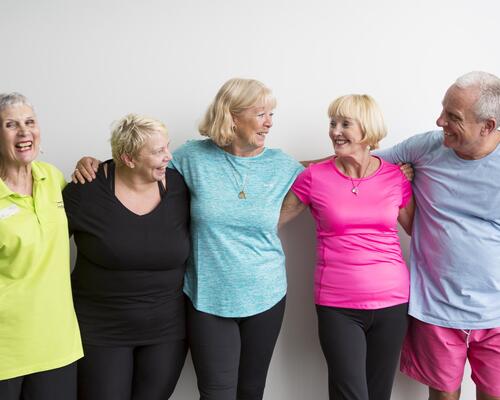
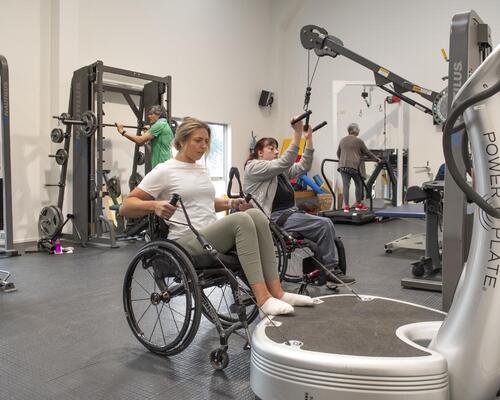
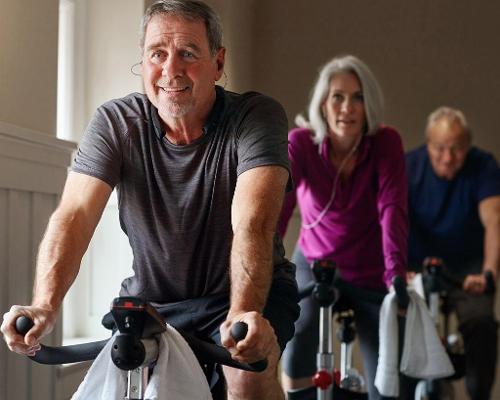
Notable gains were made among those living with disabilities and long-term health conditions and older people, over the age of 55.

It was good news for the health and fitness industry as there has been strong growth in people taking part in gym and fitness activities: from 13.2 million in 2016-2017, via a dip during the pandemic, to 14.2 million.

The number of inactive adults is also down by almost half a million to 477,000.

There is still more work to do, as inequalities remain. Only 43.7 per cent of adults with two or more characteristics of inequality meet the Chief Medical Officers guidelines of 150 minutes a week, compared with 61.9 per cent with one characteristic and 74.3 per cent with none.

However, it’s encouraging that the proportion of those with two or more characteristics of inequality who find sport or exercise satisfying has increased by 3.5 per cent in the last 12 months.

The survey found 68.9 per cent of people living in the least deprived areas are active, compared with 55.5 per cent in the most deprived. While those living in the most affluent areas have seen a 1.6 per cent increase in participation, those in the least affluent locations have seen a 2.5 per cent decrease.

HCM caught up with Nick Pontefract, Sport England’s chief strategy officer, to get more insights.

Nick, how do you feel about these results?

It’s really positive. The headline figure is that there are more adults active in England than at any point since our survey began back in 2015. After nearly a decade of field work we're at the highest point ever, which is great news.

We've added 2.4 million active adults and taken out nearly half a million inactive adults.

Obviously, beneath the surface, there are some things that are doing less well, but at a headline level, it's hard to be anything but pleased that the nation is more active than it has been at any point, certainly in the last decade since we started counting.

What do you attribute this to? Is it the hard work from the physical activity and sports sectors? Are consumers taking more responsibility for their health?

We're definitely seeing the fruits of our Uniting the Movement strategy, launched in 2020 and the drive to tailor sport more for what people want and broadening the people that we cater to.

There are societal trends happening as well. Quite a lot of growth has come from older people, which is hugely positive and a reflection of our focus on older people. People are also becoming more conscious about staying healthy and active to live longer, happier and more fulfilling lives. It all seems to be starting to work well together.

There was a big increase in people using fitness facilities, what more can gym operators do to capitalise on that trend?

I think this is a reflection of a job well done. It's really positive news for a sector that has been through an awful lot over recent years and has done a tremendous job in coming through.

This also shows how well the gym offer has been tailored and adapted to what people want and need. It's such a consumer-led part of the market that you can't survive if you don't pay attention to what consumers want.

While there are still lots of pressures on parts of the sector, I hope operators can look on this positively and see a continued growth in interest in gyms and fitness facilities. There's obviously a positive trend towards that type of product.

Is there still more to do around inclusivity?

Those groups who are less active are the ones that think that sport and physical activity is less inclusive, so yes, there definitely is. Sport England is unapologetic about that being our mission. We were really open about it when we wrote Uniting the Movement, in 2020, saying we wanted to disproportionately focus on those people that needed the most help and have traditionally been less well served than other groups.

It’s a long term journey but we're starting to see some positives. Older people are much more active than they were when the survey started. Participation levels among people with disabilities and long term health conditions are up. When we look at inequalities as a whole, the gap is narrowing. However, until that gap is eliminated, we're not going to rest, because that's our mission.

There’s a 2.5 per cent decrease in activity among those from the most deprived areas, but data from Moving Communities showed a 9 per cent increase across populations in the lower Index of Multiple Deprivation areas. Even though they had the lowest participation numbers, that group were showing the fastest growing increase.

Moving Communities doesn't capture the totality of activity. What that might be reflecting is that those facilities and operators using the Moving Communities platform might well have done a really good job of reaching out to that population, but that's not necessarily the case when it comes to the really broad spectrum of activity that we look at for Active Lives.

Does that suggest that leisure facilities are doing better when it comes to engaging those groups than the broader physical activity and sports industry?

I wouldn't leap that far without doing a proper deep dive into some comparable data, but the growth in gym and fitness is really positive. It's coming from a sector that has worked incredibly hard to become as relevant as they can and to grow participation, particularly from groups that haven't necessarily done it before. It certainly feels like a job well done, albeit with plenty more to do.

Participation in team sports has recovered, to what do you attribute that?

The recovery from the pandemic has taken a long time and people who did team sports before the pandemic couldn't be guaranteed to come back post-pandemic. However, team sports have done a fantastic job of adapting their offer to reach new and different audiences.

A great example is the continued growth of women's football. Five or 10 years ago, it did not feel as easy and welcoming and comfortable for women to play some form of semi-competitive football, now it feels a very natural and common thing.

Women's running is on the up as well. Any thoughts on why?

Running has always been an important part of the make-up. There’s a trend element and it has a social side. There’s also super cool running equipment available now and all that stuff builds momentum and encourages more people to take part.

Why has active travel gone down?

We're digging into it now to find out why – whether it’s something like shopping online cutting out walks to the shops, or being pushed for time and hopping in the car – we don’t know yet so we’ll be doing a deeper dive.

Muscle strengthening activity was flat, is there more education needed?

Muscle strengthening is a new addition to the CMO guidelines, so it's only really just starting to be understood by the end users. I think lots of people will have a reasonable understanding of what's a good level of physical activity by now, but only because we've been working at it for a decade. We probably need a bit more time for the concept of muscle strengthening activity to take root and be effectively communicated to people that it's not enough anymore to just focus on cardiovascular health and that muscle strengthening needs to be in the mix of activity. We're still in an early stage of that, but we want to try and accelerate it.

How will you use this data for lobbying?

While the job is not complete, this is evidence of a job well done by a sector that is under lots of scrutiny from the government and has a really important part to play in its agenda.

We know the impact that sport and physical activity can have on the health agenda and on economic growth, so the fact that more people are active, not less, is brilliant. And there could be even more.

A quarter of the country are still inactive and the more of those we can move into the active column saves the government money, drives economic growth and improves wellbeing. This report, plus all the social value economic impact reports we've done over the last six months, are a big part of how we will be advocating for the sector.

We believe the sector has never been more needed, and we're doing a good job, so we will be asking the government to support us to do even more of that in the future.

COMMENT FROM THE INDUSTRY

Huw Edwards, CEO of ukactive, says: “For the second year running, fitness activities continue to drive activity levels and, when combined with swimming figures, means that gyms, pools and leisure centres provide the biggest source of activity other than walking.

“The upcoming Spending Review represents a clear opportunity for the government to recognise our sector's potential and put in place the measures to capitalise on consumer demand, reduce our barriers to growth and turbocharge physical activity levels. Doing so would ensure the physical activity sector is a solution to help transform our nation’s health and economic growth.”

Andy Taylor, CEO of the Active Partnerships National Organisation, said: “It is positive news that the number of physically active adults is now the highest on record. However, we know that stubborn and significant inequalities still exist.

“Movement, physical activity and sport boosts our health and economic growth, as preventing and helping to manage illness reduces pressure on the NHS and a more active population, leads to a more productive workforce. It is therefore crucial that the sport and physical activity sector is effectively supported and properly funded.”

Lisa Wainwright MBE, CEO of the Sport and Recreation Alliance, said: “Building on this latest set of figures, we need an urgent and ambitious strategic plan from the government to harness the power of the sport and recreation sector, including our members who are already doing fantastic work driving up participation across the country.

“This can only be achieved with a strong commitment from the heart of government to invest more in our sector. In the upcoming Spending Review, the government has a vital opportunity to demonstrate its commitment to the sector and the role it can, and must, play in getting people active while forging a more prosperous and healthier nation.”

Tara Dillon, CEO of CIMSPA said: “It’s encouraging to see that adults’ overall activity levels are the highest on record. Tackling inequalities amongst our communities unfortunately continues to be an ongoing challenge and there is more work to be done, but we are dedicated to addressing it – our local skills work is vital to this challenge with bespoke local skills plans to support the workforce in meeting the needs of their respective communities.

“This report shows that the sport and physical activity sector plays an important role in our daily lives, and it's imperative that this government recognises the contribution that our sector and its workforce make to the success of our society.”

THE BREAKDOWNOne quarter of the adult population –11.8 million – are doing less than 30 minutes of activity a week.

A further 11.2 per cent – 5.3 million – do between 30 and 149 minutes on average each week.

The number of older adults, over 55, meeting the guidelines has increased from 51 per cent to 58 per cent, which represents 2.5 million more people. This is part of a long-term increase of 6.4 per cent since 2015/16.

Some 470,000 more people living with a disability or long-term health condition are also meeting the guidelines, an increase of 4 per cent to 48 per cent.

At 3.4 million team sports are not far behind the highs of eight years ago (3.5 million).

Swimming has stabilised at 4.2 million, the same as the 2022-23, but is down by 0.7 million on 2015/16 figures. It's not clear how much this has been impacted by pool closures due to the energy crisis.

There were reported improvements in enjoyment levels among older adults, those living with disability or a long-term condition and those living in the most deprived areas

Inequalities persist. While all other ethnic groups have seen some increases in activity, only 56 per cent of Black people are active, compared with 57 per cent eight years ago. It’s a similar story with the Asian population (excluding Chinese) with 55 per cent being active now, compared with 56 per cent in 2016.

Women still have lower participation levels than men (61.4 per cent and 66.3 per cent respectively).

Across the country the regional divide in activity levels is increasing with more long term growth coming from those areas which already have higher activity levels.

At 67 per cent, the South West has one of the most active populations (London is 65 per cent) despite it incorporating Cornwall, one of the poorest areas of the UK.

Mole Valley in the South East has the best participation rates at 78 per cent and Blackpool the least at 46 per cent.

There is a big difference in participation levels between those with and without a disability or long-term condition – 44.1 per cent, compared with 68.8 per cent.

Those with characteristics of inequality are also less likely to say they feel included.

Walking is higher than eight years ago, but has dropped slightly compared with the last report.

Active travel numbers have fallen back slightly compared to 2022-23 and are now more in line with eight years ago.

Cycling has fallen to the lowest number recorded in seven years – down 0.3 million to 5.8 million.

Running is on an upward trend from 12 months ago – up 0.3 million to 6.5 million, with women driving the resurgence.

Forty four per cent, or 20.6 million, met the CMO’s target of two muscle strengthening sessions per week.

You can download the report here

Related news

Moving Communities gets more funding and a broader brief

09 Apr 2025
Sport England has renewed the contract for its Moving Communities study for another four years. ...

Children and young people are significantly more active when they have a positive attitude to exercise

05 Dec 2024
Sport England’s Active Lives Children and Young People Survey for the academic year 2023-2024 has ...

Sport England’s Active Lives insight finds record activity levels, but enduring health inequalities

26 Apr 2024
While British adults are the most active they’ve been in a decade, health inequalities remain ...
Physical participation figures are the highest ever, but inequalities remain with the same groups still losing out, according to the new Active Lives Adult Survey Report 2023-2024.
SAR,PAC,WAT,SWM,HAF,FIT,IND,PTS,FRN,RES,PUB
2025/THUMB423-355603_941072_218580.jpg
Latest News
Global group exercise specialist, Les Mills, is inviting operators to sign up to its Workout ...
Latest News
Global luxury hospitality brand, Six Senses, has partnered with longevity healthcare provider, HUM2N, to launch ...
Latest News
Premium London health club, KX Chelsea, is gearing up to unveil its most significant redevelopment ...
Latest News
Researchers in the US have identified an antibody which could greatly reduce the loss of ...
Latest News
Peloton has made the strategic acquisition of Pilates start-up, Skōp, to support the expansion of ...
Latest News
Crunch Fitness has announced the launch of Crunch Reform Pilates – its own reformer concept ...
Latest News
The 20th State of the Industry Report from LeisureDB has revealed a resilient, expanding and ...
Latest News
Purpose Brands has announced its entry into the Italian market, having sold the franchise rights ...
HCM promotional features
Sponsored
SnowDome Fitness has added 50 per cent more space with cutting-edge Technogym solutions
HCM promotional features
Sponsored
Third Space partnered with IndigoFitness to deliver a bespoke training space for its new club at The Whiteley
HCM promotional features
Sponsored
David Lloyd is stepping up its commitment to women’s health as it continues to explore what fit-for-purpose looks like for the female population
HCM promotional features
Sponsored
Greg Bradley looks at the shift towards strength training in gyms and advises on how operators can create the ultimate training environment
HCM promotional features
Sponsored
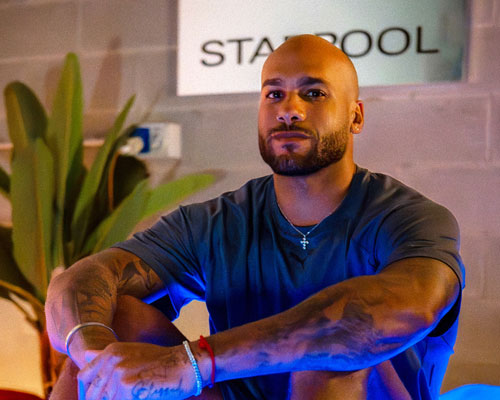
Starpool supports Olympic champion Marcell Jacobs, says Riccardo Turri
HCM promotional features
Sponsored
Find out how your gym can tap into the corporate wellness boom
HCM promotional features
Sponsored
EGYM has opened a new HQ in Paternoster Square, London and revealed a range of new launches
HCM promotional features
Promotion
Performance Health Systems, manufacturer of Power Plate, has a new CEO, with an ambitious vision for the company
HCM promotional features
Promotion
BLK BOX has been reimagining elite performance spaces for more than a decade. Founder and former athlete, Greg Bradley, tells us what it takes
HCM promotional features
HCM magazine
Small improvements to sleep, diet and physical activity have major benefits for the heart, according to new research from the University of Sydney
HCM magazine
Raphael Cuomo explores the powerful link between addiction, health and behaviour change
HCM magazine
For every member with a tripod and a big following, there are others irritated at the way equipment is being hogged or wary they’ll be in the background on someone’s Insta feed. Do influencers offer valuable, free marketing or are they just a nuisance? Kath Hudson finds out how operators are responding
HCM magazine
Strength training is evolving, driven by changing consumer preferences. Julie Cramer talks to innovators about how their products are meeting this demand
HCM magazine
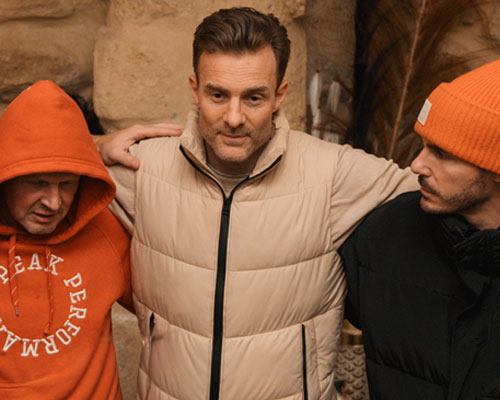
I experienced a blissful feeling of joy I hadn’t felt since I was a kid
Opinion
promotion
Strength training has moved from the margins to the mainstream.
Opinion: Building smarter strength spaces for today’s operators
Featured supplier news
Featured supplier news: Supporting long-term health: why whole body vibration belongs in clinical settings
As healthcare continues to shift towards prevention, there’s a growing focus on helping people stay active, independent and feeling good for longer.
Featured supplier news
Featured supplier news: Reaching the people most gyms miss: Bedford Gym & Swim Campaign delivers 410 new members
One of the biggest mistakes the fitness industry still makes is advertising almost exclusively to people who already look and live like gym members.
Company profiles
Company profile: Technogym UK Ltd
Technogym provides a complete Ecosystem made of connected smart fitness equipment, digital services and training ...
Company profiles
Company profile: Places Leisure
Places Leisure aims to enlighten our communities about the benefits of a healthy lifestyle in ...
Supplier Showcases
Supplier Showcase - Future-proofing
Catalogue Gallery
Click on a catalogue to view it online
Featured press releases
ukactive press release: UK Active launches next phase of Digital Futures to support digital maturity across the physical activity sector
UK Active has announced the next phase of its Digital Futures programme, supporting organisations across the physical activity sector to develop their digital capability.
Featured press releases
The Fitness Group press release: The Fitness Group partners with Serco Leisure to deliver education and career pathways across UK leisure facilities
The Fitness Group, the UK's leading fitness education training provider, has announced a strategic partnership with Serco Leisure, one of the UK's leading national operators of leisure centres, destination venues and elite sporting facilities.
Directory
Spa and beauty equipment
Living Earth Crafts: Spa and beauty equipment
Hot tubs
MSpa International Ltd: Hot tubs
Lockers
Crown Sports Lockers: Lockers
Industrial washing machines
Miele Company Limited: Industrial washing machines
Fitness tracking platform
SpiviTech: Fitness tracking platform
Water experiences and hydrotherapy solutions
Aquaform s.r.l.: Water experiences and hydrotherapy solutions
Property & Tenders
Stratford, East London.
Lee Valley Regional Park Authority
Property & Tenders
Y Felinheli, LL56 4QN
Newmark
Property & Tenders
Diary dates
21-24 Sep 2026
The Langham Huntington Pasadena , Pasadena, United States
Diary dates
06-08 Oct 2026
Messe Stuttgart, Stuttgart, Germany
Diary dates
22-22 Oct 2026
QEII Conference Centre, London,
Diary dates
26-29 Oct 2027
Koelnmesse Exhibition Centre, Cologne, Germany
Diary dates

Latest news

Health club sector is standout success in new Sport England Active Lives Adult Survey Report

Sport England releases Active Lives Adult Survey Report 2023-2024
The fitness industry has made strong gains
Inequalities still remain, with the same groups losing out
“Job well done and more to do,” says Sport England’s, Nick Pontefract

Physical participation figures are the highest ever, but inequalities remain with the same groups still losing out, according to the new Active Lives Adult Survey Report 2023-2024.

Sport England’s latest annual survey which covers November 2023 to November 2024, show more people are getting active. In England, 63.7 per cent of the adult population – 30 million adults – met the Chief Medical Officers’ guidelines of doing at least 150 minutes of moderate intensity physical activity a week. This is an increase of 1.6 per cent – or 2.4 million since 2016, up from 63.4 per cent in 2022-2023.

Notable gains were made among those living with disabilities and long-term health conditions and older people, over the age of 55.

It was good news for the health and fitness industry as there has been strong growth in people taking part in gym and fitness activities: from 13.2 million in 2016-2017, via a dip during the pandemic, to 14.2 million.

The number of inactive adults is also down by almost half a million to 477,000.

There is still more work to do, as inequalities remain. Only 43.7 per cent of adults with two or more characteristics of inequality meet the Chief Medical Officers guidelines of 150 minutes a week, compared with 61.9 per cent with one characteristic and 74.3 per cent with none.

However, it’s encouraging that the proportion of those with two or more characteristics of inequality who find sport or exercise satisfying has increased by 3.5 per cent in the last 12 months.

The survey found 68.9 per cent of people living in the least deprived areas are active, compared with 55.5 per cent in the most deprived. While those living in the most affluent areas have seen a 1.6 per cent increase in participation, those in the least affluent locations have seen a 2.5 per cent decrease.

HCM caught up with Nick Pontefract, Sport England’s chief strategy officer, to get more insights.

Nick, how do you feel about these results?

It’s really positive. The headline figure is that there are more adults active in England than at any point since our survey began back in 2015. After nearly a decade of field work we're at the highest point ever, which is great news.

We've added 2.4 million active adults and taken out nearly half a million inactive adults.

Obviously, beneath the surface, there are some things that are doing less well, but at a headline level, it's hard to be anything but pleased that the nation is more active than it has been at any point, certainly in the last decade since we started counting.

What do you attribute this to? Is it the hard work from the physical activity and sports sectors? Are consumers taking more responsibility for their health?

We're definitely seeing the fruits of our Uniting the Movement strategy, launched in 2020 and the drive to tailor sport more for what people want and broadening the people that we cater to.

There are societal trends happening as well. Quite a lot of growth has come from older people, which is hugely positive and a reflection of our focus on older people. People are also becoming more conscious about staying healthy and active to live longer, happier and more fulfilling lives. It all seems to be starting to work well together.

There was a big increase in people using fitness facilities, what more can gym operators do to capitalise on that trend?

I think this is a reflection of a job well done. It's really positive news for a sector that has been through an awful lot over recent years and has done a tremendous job in coming through.

This also shows how well the gym offer has been tailored and adapted to what people want and need. It's such a consumer-led part of the market that you can't survive if you don't pay attention to what consumers want.

While there are still lots of pressures on parts of the sector, I hope operators can look on this positively and see a continued growth in interest in gyms and fitness facilities. There's obviously a positive trend towards that type of product.

Is there still more to do around inclusivity?

Those groups who are less active are the ones that think that sport and physical activity is less inclusive, so yes, there definitely is. Sport England is unapologetic about that being our mission. We were really open about it when we wrote Uniting the Movement, in 2020, saying we wanted to disproportionately focus on those people that needed the most help and have traditionally been less well served than other groups.

It’s a long term journey but we're starting to see some positives. Older people are much more active than they were when the survey started. Participation levels among people with disabilities and long term health conditions are up. When we look at inequalities as a whole, the gap is narrowing. However, until that gap is eliminated, we're not going to rest, because that's our mission.

There’s a 2.5 per cent decrease in activity among those from the most deprived areas, but data from Moving Communities showed a 9 per cent increase across populations in the lower Index of Multiple Deprivation areas. Even though they had the lowest participation numbers, that group were showing the fastest growing increase.

Moving Communities doesn't capture the totality of activity. What that might be reflecting is that those facilities and operators using the Moving Communities platform might well have done a really good job of reaching out to that population, but that's not necessarily the case when it comes to the really broad spectrum of activity that we look at for Active Lives.

Does that suggest that leisure facilities are doing better when it comes to engaging those groups than the broader physical activity and sports industry?

I wouldn't leap that far without doing a proper deep dive into some comparable data, but the growth in gym and fitness is really positive. It's coming from a sector that has worked incredibly hard to become as relevant as they can and to grow participation, particularly from groups that haven't necessarily done it before. It certainly feels like a job well done, albeit with plenty more to do.

Participation in team sports has recovered, to what do you attribute that?

The recovery from the pandemic has taken a long time and people who did team sports before the pandemic couldn't be guaranteed to come back post-pandemic. However, team sports have done a fantastic job of adapting their offer to reach new and different audiences.

A great example is the continued growth of women's football. Five or 10 years ago, it did not feel as easy and welcoming and comfortable for women to play some form of semi-competitive football, now it feels a very natural and common thing.

Women's running is on the up as well. Any thoughts on why?

Running has always been an important part of the make-up. There’s a trend element and it has a social side. There’s also super cool running equipment available now and all that stuff builds momentum and encourages more people to take part.

Why has active travel gone down?

We're digging into it now to find out why – whether it’s something like shopping online cutting out walks to the shops, or being pushed for time and hopping in the car – we don’t know yet so we’ll be doing a deeper dive.

Muscle strengthening activity was flat, is there more education needed?

Muscle strengthening is a new addition to the CMO guidelines, so it's only really just starting to be understood by the end users. I think lots of people will have a reasonable understanding of what's a good level of physical activity by now, but only because we've been working at it for a decade. We probably need a bit more time for the concept of muscle strengthening activity to take root and be effectively communicated to people that it's not enough anymore to just focus on cardiovascular health and that muscle strengthening needs to be in the mix of activity. We're still in an early stage of that, but we want to try and accelerate it.

How will you use this data for lobbying?

While the job is not complete, this is evidence of a job well done by a sector that is under lots of scrutiny from the government and has a really important part to play in its agenda.

We know the impact that sport and physical activity can have on the health agenda and on economic growth, so the fact that more people are active, not less, is brilliant. And there could be even more.

A quarter of the country are still inactive and the more of those we can move into the active column saves the government money, drives economic growth and improves wellbeing. This report, plus all the social value economic impact reports we've done over the last six months, are a big part of how we will be advocating for the sector.

We believe the sector has never been more needed, and we're doing a good job, so we will be asking the government to support us to do even more of that in the future.

COMMENT FROM THE INDUSTRY

Huw Edwards, CEO of ukactive, says: “For the second year running, fitness activities continue to drive activity levels and, when combined with swimming figures, means that gyms, pools and leisure centres provide the biggest source of activity other than walking.

“The upcoming Spending Review represents a clear opportunity for the government to recognise our sector's potential and put in place the measures to capitalise on consumer demand, reduce our barriers to growth and turbocharge physical activity levels. Doing so would ensure the physical activity sector is a solution to help transform our nation’s health and economic growth.”

Andy Taylor, CEO of the Active Partnerships National Organisation, said: “It is positive news that the number of physically active adults is now the highest on record. However, we know that stubborn and significant inequalities still exist.

“Movement, physical activity and sport boosts our health and economic growth, as preventing and helping to manage illness reduces pressure on the NHS and a more active population, leads to a more productive workforce. It is therefore crucial that the sport and physical activity sector is effectively supported and properly funded.”

Lisa Wainwright MBE, CEO of the Sport and Recreation Alliance, said: “Building on this latest set of figures, we need an urgent and ambitious strategic plan from the government to harness the power of the sport and recreation sector, including our members who are already doing fantastic work driving up participation across the country.

“This can only be achieved with a strong commitment from the heart of government to invest more in our sector. In the upcoming Spending Review, the government has a vital opportunity to demonstrate its commitment to the sector and the role it can, and must, play in getting people active while forging a more prosperous and healthier nation.”

Tara Dillon, CEO of CIMSPA said: “It’s encouraging to see that adults’ overall activity levels are the highest on record. Tackling inequalities amongst our communities unfortunately continues to be an ongoing challenge and there is more work to be done, but we are dedicated to addressing it – our local skills work is vital to this challenge with bespoke local skills plans to support the workforce in meeting the needs of their respective communities.

“This report shows that the sport and physical activity sector plays an important role in our daily lives, and it's imperative that this government recognises the contribution that our sector and its workforce make to the success of our society.”

THE BREAKDOWNOne quarter of the adult population –11.8 million – are doing less than 30 minutes of activity a week.

A further 11.2 per cent – 5.3 million – do between 30 and 149 minutes on average each week.

The number of older adults, over 55, meeting the guidelines has increased from 51 per cent to 58 per cent, which represents 2.5 million more people. This is part of a long-term increase of 6.4 per cent since 2015/16.

Some 470,000 more people living with a disability or long-term health condition are also meeting the guidelines, an increase of 4 per cent to 48 per cent.

At 3.4 million team sports are not far behind the highs of eight years ago (3.5 million).

Swimming has stabilised at 4.2 million, the same as the 2022-23, but is down by 0.7 million on 2015/16 figures. It's not clear how much this has been impacted by pool closures due to the energy crisis.

There were reported improvements in enjoyment levels among older adults, those living with disability or a long-term condition and those living in the most deprived areas

Inequalities persist. While all other ethnic groups have seen some increases in activity, only 56 per cent of Black people are active, compared with 57 per cent eight years ago. It’s a similar story with the Asian population (excluding Chinese) with 55 per cent being active now, compared with 56 per cent in 2016.

Women still have lower participation levels than men (61.4 per cent and 66.3 per cent respectively).

Across the country the regional divide in activity levels is increasing with more long term growth coming from those areas which already have higher activity levels.

At 67 per cent, the South West has one of the most active populations (London is 65 per cent) despite it incorporating Cornwall, one of the poorest areas of the UK.

Mole Valley in the South East has the best participation rates at 78 per cent and Blackpool the least at 46 per cent.

There is a big difference in participation levels between those with and without a disability or long-term condition – 44.1 per cent, compared with 68.8 per cent.

Those with characteristics of inequality are also less likely to say they feel included.

Walking is higher than eight years ago, but has dropped slightly compared with the last report.

Active travel numbers have fallen back slightly compared to 2022-23 and are now more in line with eight years ago.

Cycling has fallen to the lowest number recorded in seven years – down 0.3 million to 5.8 million.

Running is on an upward trend from 12 months ago – up 0.3 million to 6.5 million, with women driving the resurgence.

Forty four per cent, or 20.6 million, met the CMO’s target of two muscle strengthening sessions per week.

You can download the report here

Related news

Moving Communities gets more funding and a broader brief

09 Apr 2025
Sport England has renewed the contract for its Moving Communities study for another four years. ...

Children and young people are significantly more active when they have a positive attitude to exercise

05 Dec 2024
Sport England’s Active Lives Children and Young People Survey for the academic year 2023-2024 has ...

Sport England’s Active Lives insight finds record activity levels, but enduring health inequalities

26 Apr 2024
While British adults are the most active they’ve been in a decade, health inequalities remain ...
Physical participation figures are the highest ever, but inequalities remain with the same groups still losing out, according to the new Active Lives Adult Survey Report 2023-2024.
SAR,PAC,WAT,SWM,HAF,FIT,IND,PTS,FRN,RES,PUB
2025/THUMB423-355603_941072_218580.jpg

Latest news

Global group exercise specialist, Les Mills, is inviting operators to sign up to its Workout
Global luxury hospitality brand, Six Senses, has partnered with longevity healthcare provider, HUM2N, to launch
Premium London health club, KX Chelsea, is gearing up to unveil its most significant redevelopment
Researchers in the US have identified an antibody which could greatly reduce the loss of
Peloton has made the strategic acquisition of Pilates start-up, Skōp, to support the expansion of
Crunch Fitness has announced the launch of Crunch Reform Pilates – its own reformer concept
Global Wellness Summit
CoverMe, the global leader in fitness workforce management, today launches CoverMe PT, an on-demand personal
The 20th State of the Industry Report from LeisureDB has revealed a resilient, expanding and
Purpose Brands has announced its entry into the Italian market, having sold the franchise rights
Fitness First UK is integrating red light therapy into its yoga and Pilates classes through
Nuffield Health has told HCM that it takes its responsibilities towards its colleagues seriously and
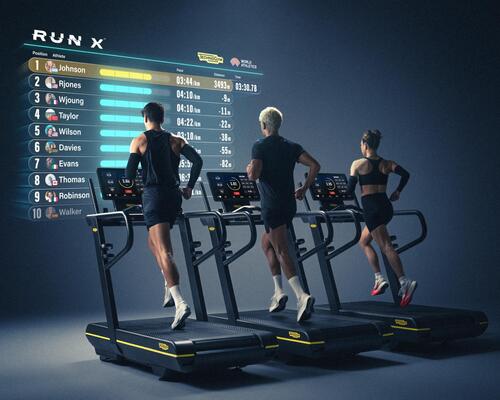
Technogym has announced the launch of the Run X World Treadmill Championship, the first world
Shocked by the UK loneliness statistics, charitable trust Mytime Active has been doubling down on
Elevate Arena
Elevate Arena
Elevate is set to celebrate its 10th anniversary in style this June, with organisers confirming
Portugal’s leading operator, SC Fitness, is celebrating a milestone by reaching 100 gyms.  The company
Australia’s fast-growing fitness network, Viva Leisure, is adding a low-cost gym brand to its already
Speedflex has launched a strength training programme for 10 to 16-year-olds, to make it safer,
Tewinbury Farm Hotel in Hertfordshire, UK is expanding its premium leisure proposition with the launch

Work is underway in Madrid on one of Europe’s most significant multi-functional complexes,

PureGym is encouraging people to step away from their screens and go for a walk,
Alliance Leisure
Alliance Leisure
As healthcare continues to shift towards prevention, there’s a growing focus on helping people stay
Small improvements to sleep, diet quality, and physical activity, made in combination lead to a
Therme Manchester’s 28-acre development, which will include interconnected glass pavilions that measure 65,000sq m, will
Xplor Fitness & Leisure
1 - 20 of 12,300
HCM promotional features
Sponsored
SnowDome Fitness has added 50 per cent more space with cutting-edge Technogym solutions
HCM promotional features
Sponsored
Third Space partnered with IndigoFitness to deliver a bespoke training space for its new club at The Whiteley
HCM promotional features
Sponsored
David Lloyd is stepping up its commitment to women’s health as it continues to explore what fit-for-purpose looks like for the female population
HCM promotional features
Sponsored
Greg Bradley looks at the shift towards strength training in gyms and advises on how operators can create the ultimate training environment
HCM promotional features
Sponsored
Starpool supports Olympic champion Marcell Jacobs, says Riccardo Turri
HCM promotional features
Sponsored
Find out how your gym can tap into the corporate wellness boom
HCM promotional features
Sponsored
EGYM has opened a new HQ in Paternoster Square, London and revealed a range of new launches
HCM promotional features
Promotion
Performance Health Systems, manufacturer of Power Plate, has a new CEO, with an ambitious vision for the company
HCM promotional features
Promotion
BLK BOX has been reimagining elite performance spaces for more than a decade. Founder and former athlete, Greg Bradley, tells us what it takes
HCM promotional features
HCM magazine
Small improvements to sleep, diet and physical activity have major benefits for the heart, according to new research from the University of Sydney
HCM magazine
Raphael Cuomo explores the powerful link between addiction, health and behaviour change
HCM magazine
For every member with a tripod and a big following, there are others irritated at the way equipment is being hogged or wary they’ll be in the background on someone’s Insta feed. Do influencers offer valuable, free marketing or are they just a nuisance? Kath Hudson finds out how operators are responding
HCM magazine
Strength training is evolving, driven by changing consumer preferences. Julie Cramer talks to innovators about how their products are meeting this demand
HCM magazine
I experienced a blissful feeling of joy I hadn’t felt since I was a kid
HCM magazine
As the entrepreneur who started Wexer, Fresh Fitness, Fitness DK and Repeat, as well as being a former elite athlete, Rasmus Ingerslev’s life looked perfect from the outside, but onthe inside it was a different story. He talks to Kath Hudson about healing old wounds
HCM magazine
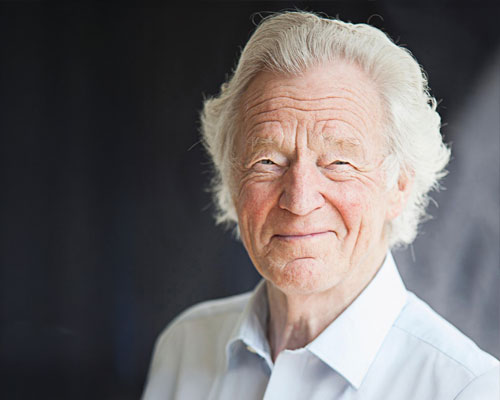
If the health service is to survive, we must recognise that it is a disease service – and that wellbeing rests with us, says the activity advocate and healthy ageing champion. He talks to Kate Cracknell
HCM magazine
HCM People

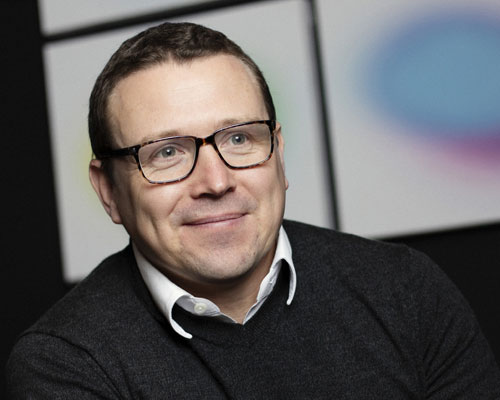
Stephen Price

Founder, SP&Co Group
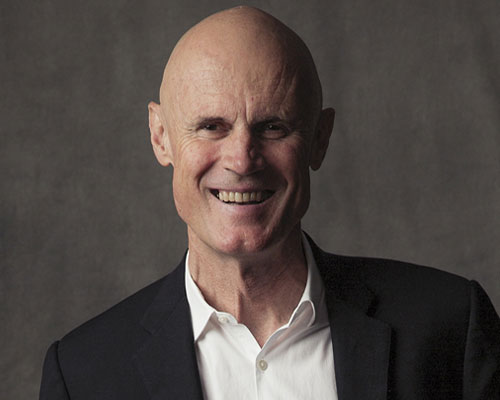
Working in public health over the last few years has lit up parts of my brain again
HCM magazine
Collaborations with the medical profession and greater aspirations around wellbeing are creating a need for more experts in our sector. It’s time to reboot our thinking around the workforce
HCM magazine
The Les Mills partnership with Hyrox is something I'm personally really excited about
HCM magazine
With corporately-owned clubs, franchise networks, investments and proprietary tech, Viva Leisure’s ecosystem is redefining how gyms scale and generate revenue. Its CEO speaks to Kate Cracknell
HCM magazine
Opinion
promotion
Strength training has moved from the margins to the mainstream.
Opinion: Building smarter strength spaces for today’s operators
Featured supplier news
Featured supplier news: Supporting long-term health: why whole body vibration belongs in clinical settings
As healthcare continues to shift towards prevention, there’s a growing focus on helping people stay active, independent and feeling good for longer.
Featured supplier news
Featured supplier news: Reaching the people most gyms miss: Bedford Gym & Swim Campaign delivers 410 new members
One of the biggest mistakes the fitness industry still makes is advertising almost exclusively to people who already look and live like gym members.
Company profiles
Company profile: Technogym UK Ltd
Technogym provides a complete Ecosystem made of connected smart fitness equipment, digital services and training ...
Company profiles
Company profile: Places Leisure
Places Leisure aims to enlighten our communities about the benefits of a healthy lifestyle in ...
Supplier Showcases
Supplier Showcase - Future-proofing
Catalogue Gallery
Click on a catalogue to view it online
Featured press releases
ukactive press release: UK Active launches next phase of Digital Futures to support digital maturity across the physical activity sector
UK Active has announced the next phase of its Digital Futures programme, supporting organisations across the physical activity sector to develop their digital capability.
Featured press releases
The Fitness Group press release: The Fitness Group partners with Serco Leisure to deliver education and career pathways across UK leisure facilities
The Fitness Group, the UK's leading fitness education training provider, has announced a strategic partnership with Serco Leisure, one of the UK's leading national operators of leisure centres, destination venues and elite sporting facilities.
Directory
Spa and beauty equipment
Living Earth Crafts: Spa and beauty equipment
Hot tubs
MSpa International Ltd: Hot tubs
Lockers
Crown Sports Lockers: Lockers
Industrial washing machines
Miele Company Limited: Industrial washing machines
Fitness tracking platform
SpiviTech: Fitness tracking platform
Water experiences and hydrotherapy solutions
Aquaform s.r.l.: Water experiences and hydrotherapy solutions
Property & Tenders
Stratford, East London.
Lee Valley Regional Park Authority
Property & Tenders
Y Felinheli, LL56 4QN
Newmark
Property & Tenders
Diary dates
21-24 Sep 2026
The Langham Huntington Pasadena , Pasadena, United States
Diary dates
06-08 Oct 2026
Messe Stuttgart, Stuttgart, Germany
Diary dates
22-22 Oct 2026
QEII Conference Centre, London,
Diary dates
26-29 Oct 2027
Koelnmesse Exhibition Centre, Cologne, Germany
Diary dates
Search news, features & products:
Find a supplier:
Les Mills
Les Mills
Partner sites