













Latest news
ACE predicts AI will be the top trend in the US this year


ACE has released its top fitness trend predictions for 2026 in the US, along with suggestions about what this means for exercise professionals.
Predictions are established by polling a group of industry professionals.
1 Artificial Intelligence
“AI is now central to fitness and has moved beyond trend status,” says Ted Vickey, ACE’s senior advisor on fitness technologies. "In 2026, it will become the backbone of programming, member communication, scheduling, personalisation and staffing.
"Gyms will use AI to reduce labour costs, predict member churn and automate daily operations.”
For health coaches AI can be used as a tool to enhance, not replace, human connection and coaching expertise.
2 Better data integration from fitness trackersVickey predicts trainers and coaches will leverage real-time data from advanced wearables to inform programmes. This will require skill in data interpretation and communication.
3 Recovery methods
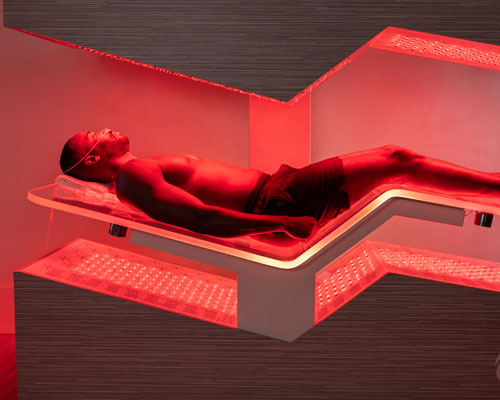
Recovery – including cold plunge, infrared, compression gear and saunas – is gaining traction as a vital element of exercise programmes and a means of self-care.
Some facilities will start offering separate recovery memberships and ACE health coach, Erin Nitschke, says clients will increasingly view recovery as an intentional component of their weekly routine and an active investment in sustainable progress.
4 Inclusive fitnessAs medicare and insurers expand remote monitoring and whole-person care models, there’s a major opportunity to bridge wellness, coaching and healthcare, positioning exercise professionals as key partners in helping clients manage chronic conditions, track progress and stay engaged between visits.
5 Obesity medications
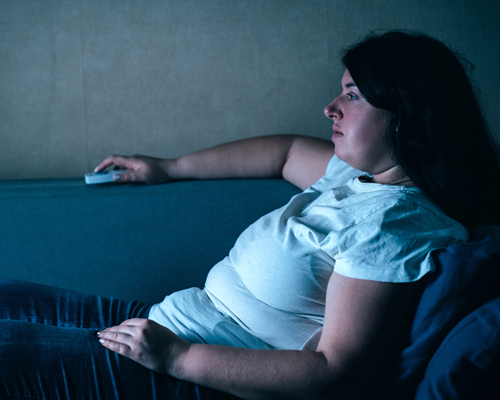
As obesity medications become more common, health and exercise professionals have a unique opportunity to serve as science-informed guides. Clients taking these medications need clear and compassionate support to build strength, protect lean mass and navigate behaviour change.
6 Holistic approaches to healthy livingThere is likely to be an acceleration in the convergence of fitness and medicine, as health systems partner with gyms, cardiologist-referred exercise programmes become more commonplace and exercise professionals offer stronger evidence-based programming.
7 Menopause
With more than 47 million women transitioning into menopause around the world each year, there is growing recognition of the symptoms driven by declining oestrogen, such as joint pain and loss of muscle mass. This shift is fueling a new era of empowerment where women demand informed guidance and personalised support. Resistance training with heavier loads, higher protein intake, vitamin D and magnesium adequacy, and balance and power-focused exercise are essential components of training for this demographic.
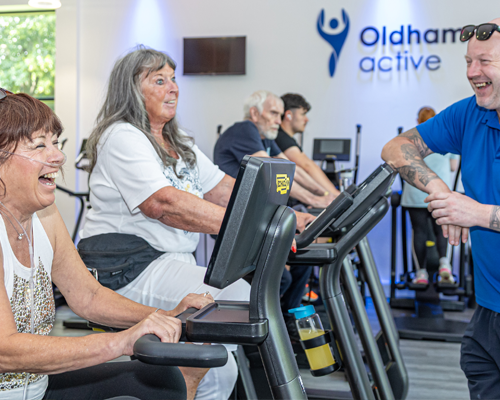
8 Healthspan and longevityThese have become buzzwords for good reason, as many clients pursue goals that will allow them to live more active and engaged lives as they grow older. Modalities such as power training and high-intensity interval training are now seen as vital elements of exercise programming for older adults when properly individualised.
9 Metabolic health
People are becoming increasingly focused on their metabolic health, which influences risks for conditions such as Type 2 diabetes, cardiovascular disease and hypertension. A major driver of this interest is the rise of at-home monitoring tools, such as continuous glucose monitors, connected blood pressure cuffs and smart scales, that give people real-time metabolic insights.
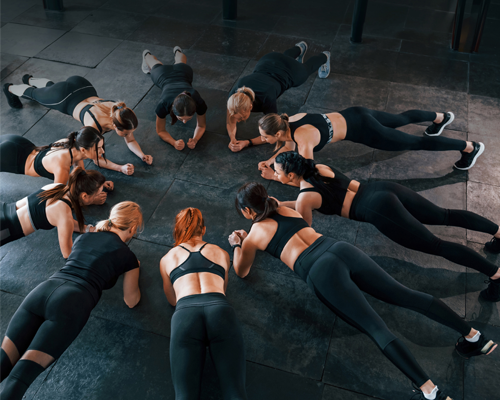
10 Exercise communities as third spaces“Exercise has always been about more than sets and reps,” says Nitschke. “It’s ultimately about belonging. When exercise environments become intentional third spaces, they evolve into communities where people feel seen, supported and motivated to keep showing up. That sense of connection is often the spark that turns movement into a meaningful lifestyle.”
Latest news












Matt Parker
MD, Brio