













EGYM
EGYM
EGYM
Follow Health Club Management on Twitter Like Health Club Management on Facebook Join the discussion with Health Club Management on LinkedIn
FITNESS, HEALTH, WELLNESS

features

The great debate: Mental health

Most of the world is dealing with some form of disruption to daily life, work life and finances, as well as navigating an uncertain world. Even those who enjoy robust mental health are finding themselves suffering from stress, anxiety, low mood and insomnia. What can the health and fitness industry do to help? Kath Hudson reports

Published in Health Club Management 2021 issue 1
More than two thirds of adults in the UK reported feeling somewhat or very worried about the effect COVID-19 is having on their life / Photo: RAWPIXEL.COM / Shutterstock

Mental health disorders already account for almost a quarter of the total burden of ill health in the UK, but according to The Health Foundation, it is well-documented that mental health problems increase following disasters and viral outbreaks, as more people are exposed to stressors, lose their coping mechanisms and access to mental health treatment.

The pandemic is widening the pre-existing health inequalities, as well as affecting people who have not previously experienced poor mental health.

According to a survey in May, taken by the Office for National Statistics, more than two thirds of adults in the UK reported feeling somewhat or very worried about the effect COVID-19 is having on their life. The biggest concern, felt by 63 per cent, is worry about the future; while 56 per cent feel anxious or stressed and 49 per cent feel bored.

The UCL COVID-19 social study of 90,000 UK adults monitored mental health symptoms throughout lockdown one and found levels of anxiety and depression improved in early June when lockdown measures began to lift. However, they remained highest among young people, those with lower household income, people diagnosed with mental illness, people living with children and those living in urban areas.

Mental health charity Mind found that almost a quarter of people who tried to access mental health services during a fortnight in April failed to get any help. The Royal College of Psychiatrists reported that almost half of psychiatrists saw increases in urgent and emergency cases during lockdown 1, but there was a fall in routine appointments, prompting fears that there will be a flood of untreated and exacerbated mental illness cases after the pandemic.

The UK government’s report Analysis of the health, economic and social effects of COVID-19 and the approach to tiering, published on 30 November, expects there to be an increase in instances of anxiety disorders, depressive disorders and self harm in both adults and children, as well as a deterioration in physical health through reductions in activity levels and an increase in alcohol consumption.

Although the vaccines give hope that a return to normal life could be around the corner, the destruction the virus has caused will not disappear any time soon. Recovering from the losses and rebuilding lives, businesses and the economy will take time and mental health will continue to be impacted.

The industry is committed to rehabilitating the nation’s health and fitness, but what about mental health? Do mental health programmes also need to become a standard part of the offering? And if so, what is appropriate? We ask the experts how health and fitness operators can best support their members’ mental health...

Ophelia Yeung
Global Wellness Institute: senior research fellow
Yeung says consumers are increasingly seeing mental health products as essential

The pandemic has exposed the fragility of our collective mental health and the need to build resilience via multiple mental health pathways, therefore increasing demand for mental wellness solutions.

Companies in some segments of the mental wellness market have reported increases in demand, such as meditation apps, functional foods and beverages and brain supplements – as consumers become more concerned with their health and immune systems.

The finding of our latest study, Defining the Mental Wellness Economy showed the global mental wellness industry – not including fitness and sport – is worth US$121bn: solid evidence that consumers are seeing this category as a need and not a want. This number includes spending in four categories: senses, spaces and sleep ($49.5bn); brain-boosting nutraceuticals and botanicals ($34.8bn); self improvement ($33.6bn) and meditation and mindfulness ($2.9bn).

The market is extremely diverse in terms of age, gender, income and other demographic characteristics. The need to reduce stress and anxiety, improve sleep, protect brain health and prevent cognitive decline, the search for fulfilment and happiness are universal desires whether you are a business executive, teenager, senior, working parent or unemployed.

Some tech sector companies have been winners during the pandemic, as consumers turn to apps, digital interfaces, virtual meetings and contact-free solutions. In particular, meditation and mindfulness apps have become popular. In April this year, first time downloads of Calm jumped to 1.6million: an increase of 36 per cent from January 2020.

The fitness industry is a great vehicle to introduce consumers to mind-body and mental fitness practices

Health and fitness operators should focus on what they do best – providing fitness and exercise services and solutions, while stepping up efforts to increase consumer awareness that physical activity can support mental health as well as physical health. It’s important to recognise that fitness is not merely a physical activity, but has many mental health and wellness benefits, offering participants the opportunity for growth and mastery, for human connections and to find a sense of belonging. The fitness industry is also a great vehicle to introduce consumers to mind-body and mental fitness practises, such as yoga, tai chi, Qigong, breathwork and meditation.

Graeme Hinde
LFX Network: founder
Graeme Hinde has created a new mental health initiative for the fitness industry

Health and fitness operators are already doing a great deal to support the mental health of their members, but this is largely going unrecognised. For decades we have only talked about physical goals, often in relation to weight loss, but we should be asking members how they feel before and after their workouts. If we change our approach and language, I believe our industry will grow.

When we set physical targets, people often give up because they take too long to achieve, while if we focus on the mental wellbeing, the results are instant. For example, if I suggest to a friend that they join me for a workout because they’ll feel good for doing it, they will. If I invite them for X number of workouts in order to lose a stone in three months, they will be less enthusiastic.

I decided to build a new initiative – MH1 – as a movement which starts inside the fitness industry. I’ve seen friends lose their jobs and it’s frightened me how their mental health has deteriorated as a result, so I’ve been working with the support of Matrix Fitness to create something for the industry.

When we set physical targets, people often give up because they take too long to achieve. If we focus on mental wellbeing, results are instant

MH1 will initially comprise three elements: a suite of campaign materials available free to fitness operators and individuals. The campaign will be simple and designed to work across different platforms. Two communities: one on Facebook and one on LinkedIn to provide the opportunity to share ideas and resources. Thirdly, in collaboration with clinical colleagues in the NHS, we are developing a Mental Health PARQ. The final version will include guidance notes and useful tips and tools and will be made available to the industry.

Thanks to the support provided by Matrix, this will be free. Ultimately, I hope MH1 will grow to become the go-to place for industry professionals and members because, since my announcement of the launch, the response I’ve had from frontline fitness professionals has been extraordinary.
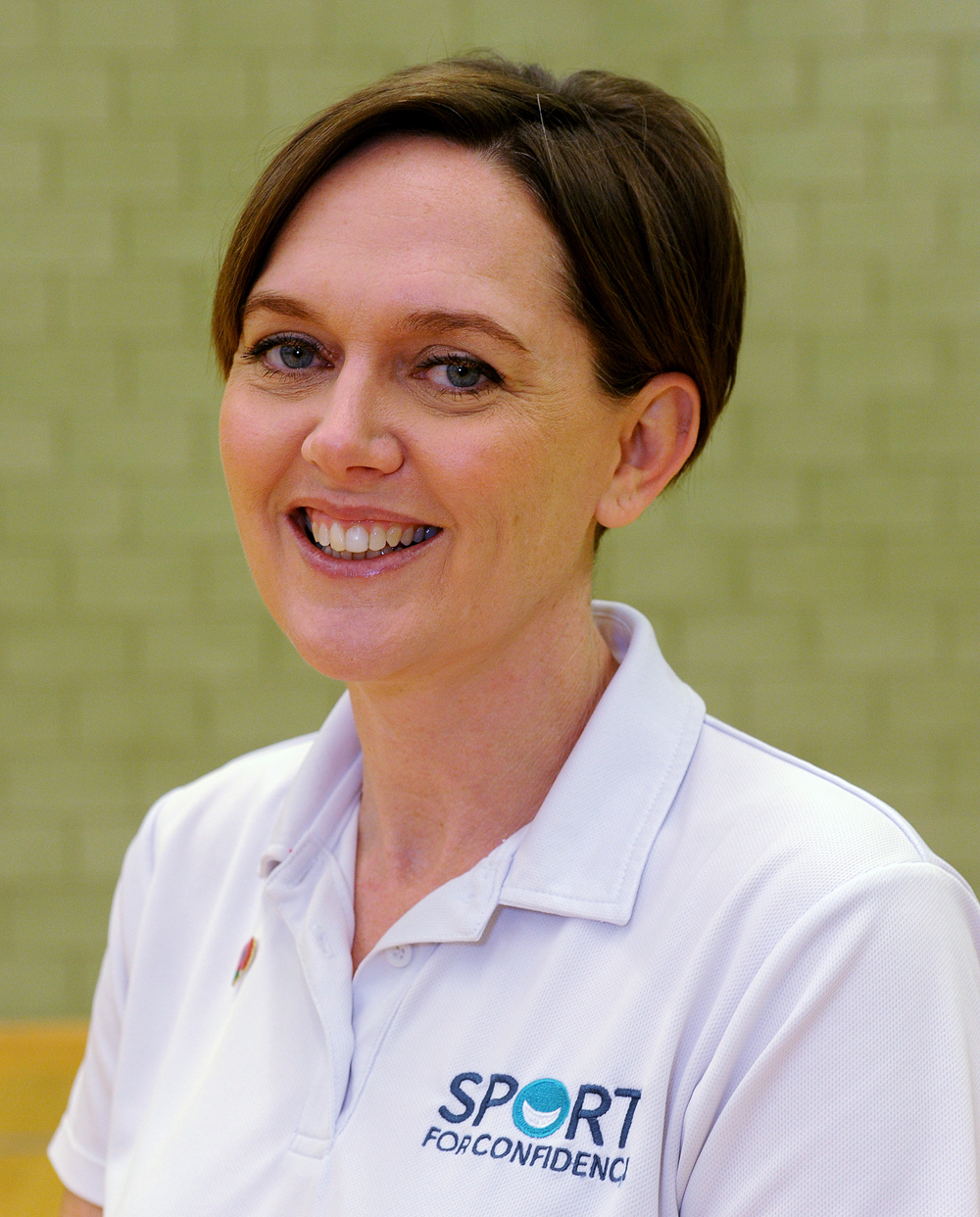
Lyndsey Barrett
Sport for Confidence: director
People don’t want to be labelled, advises Barrett

Since the COVID-19 pandemic began, we’ve seen an increase in people suffering from depression, anxiety, social isolation and loneliness, so going forward further interventions that support mental health will be much needed and health and fitness operators can play a key role in this.

When reaching out to this cohort, operators need to be aware that one size does not fit all and, very importantly, people don’t want to be labelled. They want a life, not a service. They want to feel part of a community and the same as anyone else, they want to be in a safe place, to experience success, be given choices and opportunities and feel listened to. They don’t want to be herded into “exercise for depression” but to be supported into being physically active.

Reaching out to individuals prior to their first visit can ease anxiety: for example an instructor calling to introduce themselves and brief people on what to wear, what to expect, to address any concerns they may have, as well as ask about their goals and how they would like to be supported.

Placing occupational therapists into leisure centres can help members’ mental health by identifying reasonable adjustments, mentoring staff and developing inclusive opportunities

A culture of belonging and inclusion should be fostered, so everyone who works at the facility, including catering and cleaning staff, should add to the welcoming and inclusive environment. Placing occupational therapists into leisure centres – which is the work Sport for Confidence specialises in – can help to achieve this, by identifying reasonable adjustments, mentoring staff and developing inclusive opportunities.
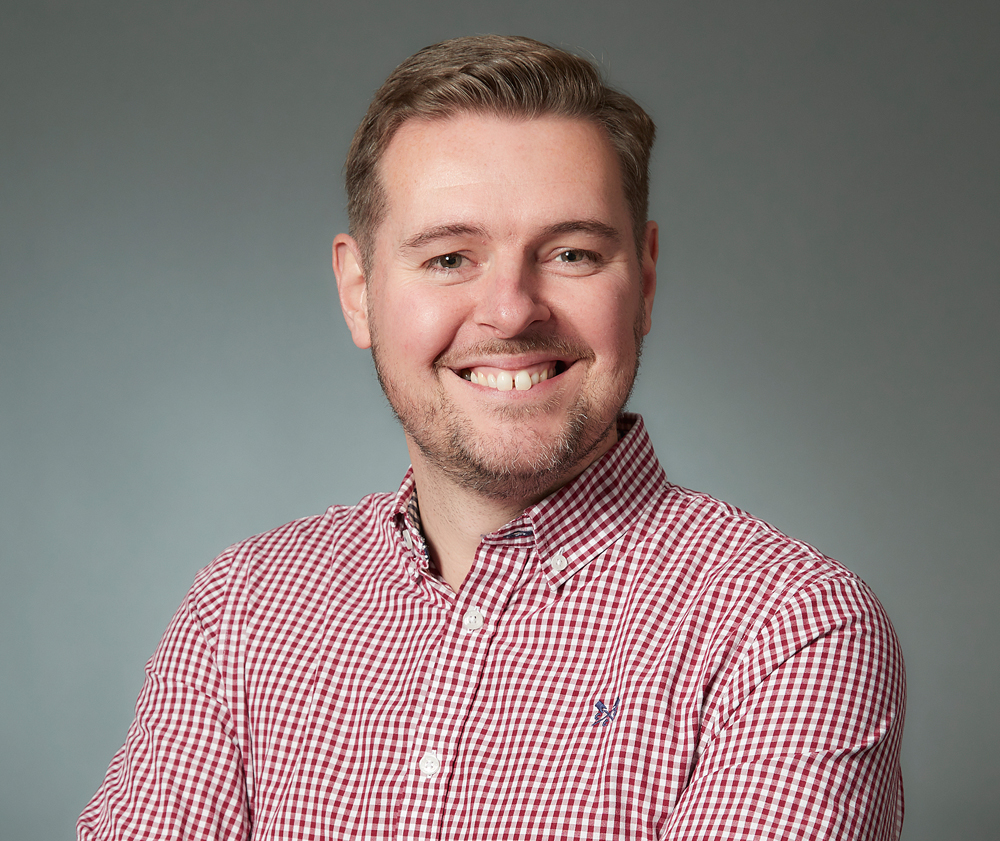
Dan Glue
3d Leisure: operations director
Fitness instructors and PTs will become more involved in total wellbeing coaching, says Glue

Mental health has always been on our radar, as it is so closely linked with physical health – you can only achieve physically what your mind will allow you to do – but the pandemic has certainly brought things to a head, and prompted 3d Leisure to implement mental health first aid services at some of our corporate fitness facilities, which will be rolled out to the rest of the estate in 2021.

Through this programme, staff are being trained to spot signs of mental health issues and be equipped to help deal with them. Initiatives such as Take 5 have also been introduced: encouraging people to take five minutes throughout the day to destress with breathing exercises and some movement. 3d@home has been brought in to support people to exercise at home: as well as live classes and on demand content, this offers health and wellbeing talks and nutritional and wellbeing information.

In the wake of COVID-19, I think we will start to see the role of the fitness instructor/PT evolving into more of a wellbeing role, covering more topics in the sense of mental wellbeing, physical wellbeing and positive lifestyle changes. We were heading in this direction anyway and COVID has sped it up.

Offering personal appointments with members can be beneficial, as goals can be discussed and a positive mindset formed around them

There are a number of easy interventions operators can make to support members’ mental health. Enrolling staff on a mental health first aid course is a good start: empowering them to look for signs of poor mental health in members and building awareness of the importance of looking after mental health and various ways of doing this. Offering personal appointments with members can also be beneficial, as goals can be discussed and a positive mindset formed around them.
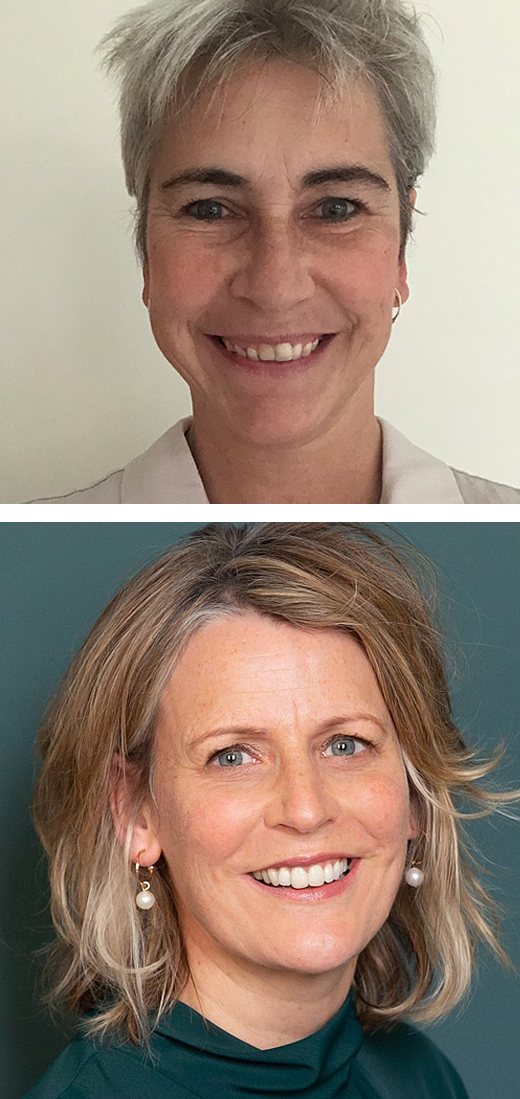
Katie Lewis and Lindsey Simpson
Co-founders: Workplace Mental Wealth

The mental health of the sector’s workforce has been tested to the limits by the pandemic and while there’s light at the end of the tunnel, thanks to the roll-out of the vaccine programme, we still have a way to go until we can return to any semblance of normality.

Members of the fitness industry workforce have shown incredible resilience and determination in tackling the many challenges that have emerged, however, they are not superhuman and on a sector-wide scale, we have no idea how our talented workforce is really coping, because we haven’t asked them.

On January 18, our organisation – Workplace Mental Wealth – launched two national surveys. The first: Fitness and Active Leisure Workforce State of Mind 2021, explores how individuals at all levels of the workforce feel about their mental health and their experiences at work. The second: Employers’ 2021 survey seeks to understand organisational approaches, capability, capacity and provision to support employee mental health in the health and fitness sector.

We’re inviting anyone working in, supplying or educating the active leisure sector, including people who are self-employed, to share their views by completing our surveys.

Both the workforce survey and the employer survey only take about six minutes to complete and we want to hear from as many people as possible. We hope the survey will enable us to present valuable insights that can be used to drive positive change, for the benefit of our people, organisations, our sector and those we serve.

In recognition of the importance of this piece of work, CIMSPA has partnered with us to drive engagement from individuals and employers. Once the data has been collated and analysed, results will be available for download from the website.

What many organisations feel they’re doing and what their people experience can be very different. We want to explore this in the fitness and active leisure sector, gauge what’s working well and where action might be needed.
www.workplacementalwealth.com

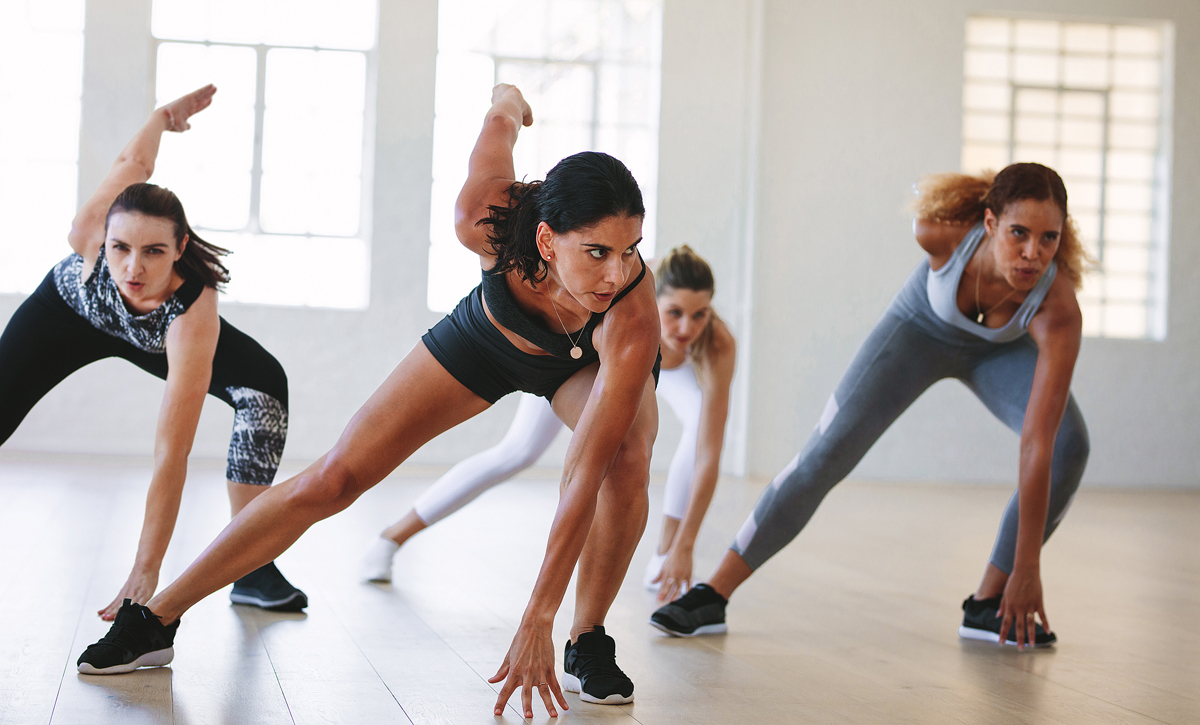
The new survey will seek to establish the mental health status of people working in the fitness industry / Photo: Shutterstock / Ruigsantos
https://www.leisureopportunities.co.uk/images/2021/668772_302940.jpg
The pandemic is driving a mental health crisis. Industry experts explore the scope of the challenge and open the conversation about what can be done
HCM magazine
For every member with a tripod and a big following, there are others irritated at the way equipment is being hogged or wary they’ll be in the background on someone’s Insta feed. Do influencers offer valuable, free marketing or are they just a nuisance? Kath Hudson finds out how operators are responding
HCM magazine
Collaborations with the medical profession and greater aspirations around wellbeing are creating a need for more experts in our sector. It’s time to reboot our thinking around the workforce
HCM magazine
Small improvements to sleep, diet and physical activity have major benefits for the heart, according to new research from the University of Sydney
HCM magazine
I experienced a blissful feeling of joy I hadn’t felt since I was a kid
HCM magazine
Strength training is evolving, driven by changing consumer preferences. Julie Cramer talks to innovators about how their products are meeting this demand
HCM promotional features
Sponsored
Greg Bradley looks at the shift towards strength training in gyms and advises on how operators can create the ultimate training environment
HCM promotional features
Sponsored
Find out how your gym can tap into the corporate wellness boom
HCM promotional features
Sponsored
Third Space partnered with IndigoFitness to deliver a bespoke training space for its new club at The Whiteley
HCM promotional features
Sponsored
SnowDome Fitness has added 50 per cent more space with cutting-edge Technogym solutions
HCM promotional features
Sponsored
David Lloyd is stepping up its commitment to women’s health as it continues to explore what fit-for-purpose looks like for the female population
HCM promotional features
Sponsored
Starpool supports Olympic champion Marcell Jacobs, says Riccardo Turri
HCM promotional features
Sponsored
EGYM has opened a new HQ in Paternoster Square, London and revealed a range of new launches
HCM promotional features
Sponsored
Pulse Fitness has created a new health club delivering an elevated wellness experience
HCM promotional features
Sponsored
Active IQ is calling for greater accountability in online fitness advice with the launch of a new trustmark
HCM promotional features
Latest News
Global group exercise specialist, Les Mills, is inviting operators to sign up to its Workout ...
Latest News
Global luxury hospitality brand, Six Senses, has partnered with longevity healthcare provider, HUM2N, to launch ...
Latest News
Premium London health club, KX Chelsea, is gearing up to unveil its most significant redevelopment ...
Latest News
Researchers in the US have identified an antibody which could greatly reduce the loss of ...
Latest News
Peloton has made the strategic acquisition of Pilates start-up, Skōp, to support the expansion of ...
Latest News
Crunch Fitness has announced the launch of Crunch Reform Pilates – its own reformer concept ...
Latest News
The 20th State of the Industry Report from LeisureDB has revealed a resilient, expanding and ...
Latest News
Purpose Brands has announced its entry into the Italian market, having sold the franchise rights ...
Opinion
promotion
Strength training has moved from the margins to the mainstream.
Opinion: Building smarter strength spaces for today’s operators
Featured supplier news
Featured supplier news: Reaching the people most gyms miss: Bedford Gym & Swim Campaign delivers 410 new members
One of the biggest mistakes the fitness industry still makes is advertising almost exclusively to people who already look and live like gym members.
Featured supplier news
Featured supplier news: Supporting long-term health: why whole body vibration belongs in clinical settings
As healthcare continues to shift towards prevention, there’s a growing focus on helping people stay active, independent and feeling good for longer.
Company profiles
Company profile: Everyone Active
Everyone Active's aim is to get communities active, engaged and entertained through our wide-ranging activities ...
Company profiles
Company profile: Spirit Commercial Fitness
Spirit Fitness is a premier brand within the Dyaco International Inc. portfolio, a global leader ...
Supplier Showcases
Supplier Showcase - Future-proofing
Catalogue Gallery
Click on a catalogue to view it online
Featured press releases
ukactive press release: UK Active launches next phase of Digital Futures to support digital maturity across the physical activity sector
UK Active has announced the next phase of its Digital Futures programme, supporting organisations across the physical activity sector to develop their digital capability.
Featured press releases
The Fitness Group press release: The Fitness Group partners with Serco Leisure to deliver education and career pathways across UK leisure facilities
The Fitness Group, the UK's leading fitness education training provider, has announced a strategic partnership with Serco Leisure, one of the UK's leading national operators of leisure centres, destination venues and elite sporting facilities.
Directory
Fitness tracking platform
SpiviTech: Fitness tracking platform
Spa and beauty equipment
Oakworks Inc: Spa and beauty equipment
Water experiences and hydrotherapy solutions
Aquaform s.r.l.: Water experiences and hydrotherapy solutions
Industrial washing machines
Miele Company Limited: Industrial washing machines
Hot tubs
MSpa International Ltd: Hot tubs
Lockers
Crown Sports Lockers: Lockers
Property & Tenders
Stratford, East London.
Lee Valley Regional Park Authority
Property & Tenders
Y Felinheli, LL56 4QN
Newmark
Property & Tenders
Diary dates
21-24 Sep 2026
The Langham Huntington Pasadena , Pasadena, United States
Diary dates
06-08 Oct 2026
Messe Stuttgart, Stuttgart, Germany
Diary dates
22-22 Oct 2026
QEII Conference Centre, London,
Diary dates
26-29 Oct 2027
Koelnmesse Exhibition Centre, Cologne, Germany
Diary dates

features

The great debate: Mental health

Most of the world is dealing with some form of disruption to daily life, work life and finances, as well as navigating an uncertain world. Even those who enjoy robust mental health are finding themselves suffering from stress, anxiety, low mood and insomnia. What can the health and fitness industry do to help? Kath Hudson reports

Published in Health Club Management 2021 issue 1
More than two thirds of adults in the UK reported feeling somewhat or very worried about the effect COVID-19 is having on their life / Photo: RAWPIXEL.COM / Shutterstock

Mental health disorders already account for almost a quarter of the total burden of ill health in the UK, but according to The Health Foundation, it is well-documented that mental health problems increase following disasters and viral outbreaks, as more people are exposed to stressors, lose their coping mechanisms and access to mental health treatment.

The pandemic is widening the pre-existing health inequalities, as well as affecting people who have not previously experienced poor mental health.

According to a survey in May, taken by the Office for National Statistics, more than two thirds of adults in the UK reported feeling somewhat or very worried about the effect COVID-19 is having on their life. The biggest concern, felt by 63 per cent, is worry about the future; while 56 per cent feel anxious or stressed and 49 per cent feel bored.

The UCL COVID-19 social study of 90,000 UK adults monitored mental health symptoms throughout lockdown one and found levels of anxiety and depression improved in early June when lockdown measures began to lift. However, they remained highest among young people, those with lower household income, people diagnosed with mental illness, people living with children and those living in urban areas.

Mental health charity Mind found that almost a quarter of people who tried to access mental health services during a fortnight in April failed to get any help. The Royal College of Psychiatrists reported that almost half of psychiatrists saw increases in urgent and emergency cases during lockdown 1, but there was a fall in routine appointments, prompting fears that there will be a flood of untreated and exacerbated mental illness cases after the pandemic.

The UK government’s report Analysis of the health, economic and social effects of COVID-19 and the approach to tiering, published on 30 November, expects there to be an increase in instances of anxiety disorders, depressive disorders and self harm in both adults and children, as well as a deterioration in physical health through reductions in activity levels and an increase in alcohol consumption.

Although the vaccines give hope that a return to normal life could be around the corner, the destruction the virus has caused will not disappear any time soon. Recovering from the losses and rebuilding lives, businesses and the economy will take time and mental health will continue to be impacted.

The industry is committed to rehabilitating the nation’s health and fitness, but what about mental health? Do mental health programmes also need to become a standard part of the offering? And if so, what is appropriate? We ask the experts how health and fitness operators can best support their members’ mental health...

Ophelia Yeung
Global Wellness Institute: senior research fellow
Yeung says consumers are increasingly seeing mental health products as essential

The pandemic has exposed the fragility of our collective mental health and the need to build resilience via multiple mental health pathways, therefore increasing demand for mental wellness solutions.

Companies in some segments of the mental wellness market have reported increases in demand, such as meditation apps, functional foods and beverages and brain supplements – as consumers become more concerned with their health and immune systems.

The finding of our latest study, Defining the Mental Wellness Economy showed the global mental wellness industry – not including fitness and sport – is worth US$121bn: solid evidence that consumers are seeing this category as a need and not a want. This number includes spending in four categories: senses, spaces and sleep ($49.5bn); brain-boosting nutraceuticals and botanicals ($34.8bn); self improvement ($33.6bn) and meditation and mindfulness ($2.9bn).

The market is extremely diverse in terms of age, gender, income and other demographic characteristics. The need to reduce stress and anxiety, improve sleep, protect brain health and prevent cognitive decline, the search for fulfilment and happiness are universal desires whether you are a business executive, teenager, senior, working parent or unemployed.

Some tech sector companies have been winners during the pandemic, as consumers turn to apps, digital interfaces, virtual meetings and contact-free solutions. In particular, meditation and mindfulness apps have become popular. In April this year, first time downloads of Calm jumped to 1.6million: an increase of 36 per cent from January 2020.

The fitness industry is a great vehicle to introduce consumers to mind-body and mental fitness practices

Health and fitness operators should focus on what they do best – providing fitness and exercise services and solutions, while stepping up efforts to increase consumer awareness that physical activity can support mental health as well as physical health. It’s important to recognise that fitness is not merely a physical activity, but has many mental health and wellness benefits, offering participants the opportunity for growth and mastery, for human connections and to find a sense of belonging. The fitness industry is also a great vehicle to introduce consumers to mind-body and mental fitness practises, such as yoga, tai chi, Qigong, breathwork and meditation.

Graeme Hinde
LFX Network: founder
Graeme Hinde has created a new mental health initiative for the fitness industry

Health and fitness operators are already doing a great deal to support the mental health of their members, but this is largely going unrecognised. For decades we have only talked about physical goals, often in relation to weight loss, but we should be asking members how they feel before and after their workouts. If we change our approach and language, I believe our industry will grow.

When we set physical targets, people often give up because they take too long to achieve, while if we focus on the mental wellbeing, the results are instant. For example, if I suggest to a friend that they join me for a workout because they’ll feel good for doing it, they will. If I invite them for X number of workouts in order to lose a stone in three months, they will be less enthusiastic.

I decided to build a new initiative – MH1 – as a movement which starts inside the fitness industry. I’ve seen friends lose their jobs and it’s frightened me how their mental health has deteriorated as a result, so I’ve been working with the support of Matrix Fitness to create something for the industry.

When we set physical targets, people often give up because they take too long to achieve. If we focus on mental wellbeing, results are instant

MH1 will initially comprise three elements: a suite of campaign materials available free to fitness operators and individuals. The campaign will be simple and designed to work across different platforms. Two communities: one on Facebook and one on LinkedIn to provide the opportunity to share ideas and resources. Thirdly, in collaboration with clinical colleagues in the NHS, we are developing a Mental Health PARQ. The final version will include guidance notes and useful tips and tools and will be made available to the industry.

Thanks to the support provided by Matrix, this will be free. Ultimately, I hope MH1 will grow to become the go-to place for industry professionals and members because, since my announcement of the launch, the response I’ve had from frontline fitness professionals has been extraordinary.

Lyndsey Barrett
Sport for Confidence: director
People don’t want to be labelled, advises Barrett

Since the COVID-19 pandemic began, we’ve seen an increase in people suffering from depression, anxiety, social isolation and loneliness, so going forward further interventions that support mental health will be much needed and health and fitness operators can play a key role in this.

When reaching out to this cohort, operators need to be aware that one size does not fit all and, very importantly, people don’t want to be labelled. They want a life, not a service. They want to feel part of a community and the same as anyone else, they want to be in a safe place, to experience success, be given choices and opportunities and feel listened to. They don’t want to be herded into “exercise for depression” but to be supported into being physically active.

Reaching out to individuals prior to their first visit can ease anxiety: for example an instructor calling to introduce themselves and brief people on what to wear, what to expect, to address any concerns they may have, as well as ask about their goals and how they would like to be supported.

Placing occupational therapists into leisure centres can help members’ mental health by identifying reasonable adjustments, mentoring staff and developing inclusive opportunities

A culture of belonging and inclusion should be fostered, so everyone who works at the facility, including catering and cleaning staff, should add to the welcoming and inclusive environment. Placing occupational therapists into leisure centres – which is the work Sport for Confidence specialises in – can help to achieve this, by identifying reasonable adjustments, mentoring staff and developing inclusive opportunities.

Dan Glue
3d Leisure: operations director
Fitness instructors and PTs will become more involved in total wellbeing coaching, says Glue

Mental health has always been on our radar, as it is so closely linked with physical health – you can only achieve physically what your mind will allow you to do – but the pandemic has certainly brought things to a head, and prompted 3d Leisure to implement mental health first aid services at some of our corporate fitness facilities, which will be rolled out to the rest of the estate in 2021.

Through this programme, staff are being trained to spot signs of mental health issues and be equipped to help deal with them. Initiatives such as Take 5 have also been introduced: encouraging people to take five minutes throughout the day to destress with breathing exercises and some movement. 3d@home has been brought in to support people to exercise at home: as well as live classes and on demand content, this offers health and wellbeing talks and nutritional and wellbeing information.

In the wake of COVID-19, I think we will start to see the role of the fitness instructor/PT evolving into more of a wellbeing role, covering more topics in the sense of mental wellbeing, physical wellbeing and positive lifestyle changes. We were heading in this direction anyway and COVID has sped it up.

Offering personal appointments with members can be beneficial, as goals can be discussed and a positive mindset formed around them

There are a number of easy interventions operators can make to support members’ mental health. Enrolling staff on a mental health first aid course is a good start: empowering them to look for signs of poor mental health in members and building awareness of the importance of looking after mental health and various ways of doing this. Offering personal appointments with members can also be beneficial, as goals can be discussed and a positive mindset formed around them.

Katie Lewis and Lindsey Simpson
Co-founders: Workplace Mental Wealth

The mental health of the sector’s workforce has been tested to the limits by the pandemic and while there’s light at the end of the tunnel, thanks to the roll-out of the vaccine programme, we still have a way to go until we can return to any semblance of normality.

Members of the fitness industry workforce have shown incredible resilience and determination in tackling the many challenges that have emerged, however, they are not superhuman and on a sector-wide scale, we have no idea how our talented workforce is really coping, because we haven’t asked them.

On January 18, our organisation – Workplace Mental Wealth – launched two national surveys. The first: Fitness and Active Leisure Workforce State of Mind 2021, explores how individuals at all levels of the workforce feel about their mental health and their experiences at work. The second: Employers’ 2021 survey seeks to understand organisational approaches, capability, capacity and provision to support employee mental health in the health and fitness sector.

We’re inviting anyone working in, supplying or educating the active leisure sector, including people who are self-employed, to share their views by completing our surveys.

Both the workforce survey and the employer survey only take about six minutes to complete and we want to hear from as many people as possible. We hope the survey will enable us to present valuable insights that can be used to drive positive change, for the benefit of our people, organisations, our sector and those we serve.

In recognition of the importance of this piece of work, CIMSPA has partnered with us to drive engagement from individuals and employers. Once the data has been collated and analysed, results will be available for download from the website.

What many organisations feel they’re doing and what their people experience can be very different. We want to explore this in the fitness and active leisure sector, gauge what’s working well and where action might be needed.

www.workplacementalwealth.com

The new survey will seek to establish the mental health status of people working in the fitness industry / Photo: Shutterstock / Ruigsantos
https://www.leisureopportunities.co.uk/images/2021/668772_302940.jpg
The pandemic is driving a mental health crisis. Industry experts explore the scope of the challenge and open the conversation about what can be done

Latest News
Global group exercise specialist, Les Mills, is inviting operators to sign up to its Workout ...
Latest News
Global luxury hospitality brand, Six Senses, has partnered with longevity healthcare provider, HUM2N, to launch ...
Latest News
Premium London health club, KX Chelsea, is gearing up to unveil its most significant redevelopment ...
Latest News
Researchers in the US have identified an antibody which could greatly reduce the loss of ...
Latest News
Peloton has made the strategic acquisition of Pilates start-up, Skōp, to support the expansion of ...
Latest News
Crunch Fitness has announced the launch of Crunch Reform Pilates – its own reformer concept ...
Latest News
The 20th State of the Industry Report from LeisureDB has revealed a resilient, expanding and ...
Latest News
Purpose Brands has announced its entry into the Italian market, having sold the franchise rights ...
Latest News
Fitness First UK is integrating red light therapy into its yoga and Pilates classes through ...
Latest News
Nuffield Health has told HCM that it takes its responsibilities towards its colleagues seriously and ...
Latest News
Technogym has announced the launch of the Run X World Treadmill Championship, the first world ...
Opinion
promotion
Strength training has moved from the margins to the mainstream.
Opinion: Building smarter strength spaces for today’s operators
Featured supplier news
Featured supplier news: Reaching the people most gyms miss: Bedford Gym & Swim Campaign delivers 410 new members
One of the biggest mistakes the fitness industry still makes is advertising almost exclusively to people who already look and live like gym members.
Featured supplier news
Featured supplier news: Supporting long-term health: why whole body vibration belongs in clinical settings
As healthcare continues to shift towards prevention, there’s a growing focus on helping people stay active, independent and feeling good for longer.
Company profiles
Company profile: Everyone Active
Everyone Active's aim is to get communities active, engaged and entertained through our wide-ranging activities ...
Company profiles
Company profile: Spirit Commercial Fitness
Spirit Fitness is a premier brand within the Dyaco International Inc. portfolio, a global leader ...
Supplier Showcases
Supplier Showcase - Future-proofing
Catalogue Gallery
Click on a catalogue to view it online
Featured press releases
ukactive press release: UK Active launches next phase of Digital Futures to support digital maturity across the physical activity sector
UK Active has announced the next phase of its Digital Futures programme, supporting organisations across the physical activity sector to develop their digital capability.
Featured press releases
The Fitness Group press release: The Fitness Group partners with Serco Leisure to deliver education and career pathways across UK leisure facilities
The Fitness Group, the UK's leading fitness education training provider, has announced a strategic partnership with Serco Leisure, one of the UK's leading national operators of leisure centres, destination venues and elite sporting facilities.
Directory
Fitness tracking platform
SpiviTech: Fitness tracking platform
Spa and beauty equipment
Oakworks Inc: Spa and beauty equipment
Water experiences and hydrotherapy solutions
Aquaform s.r.l.: Water experiences and hydrotherapy solutions
Industrial washing machines
Miele Company Limited: Industrial washing machines
Hot tubs
MSpa International Ltd: Hot tubs
Lockers
Crown Sports Lockers: Lockers
Property & Tenders
Stratford, East London.
Lee Valley Regional Park Authority
Property & Tenders
Y Felinheli, LL56 4QN
Newmark
Property & Tenders
Diary dates
21-24 Sep 2026
The Langham Huntington Pasadena , Pasadena, United States
Diary dates
06-08 Oct 2026
Messe Stuttgart, Stuttgart, Germany
Diary dates
22-22 Oct 2026
QEII Conference Centre, London,
Diary dates
26-29 Oct 2027
Koelnmesse Exhibition Centre, Cologne, Germany
Diary dates
Search news, features & products:
Find a supplier:
EGYM
EGYM
Partner sites