















Les Mills
Les Mills
Les Mills
Follow Health Club Management on Twitter Like Health Club Management on Facebook Join the discussion with Health Club Management on LinkedIn
FITNESS, HEALTH, WELLNESS

features

Talking point: Everyone's talking about recovery

Since Will Ahmed – founder of high-end wearable, Whoop – named strain as a key metric, interest has been growing in the principles of balancing strain with recovery to achieve optimal outcomes. Kath Hudson asks the experts how to avoid members overtraining

Published in Health Club Management 2023 issue 7
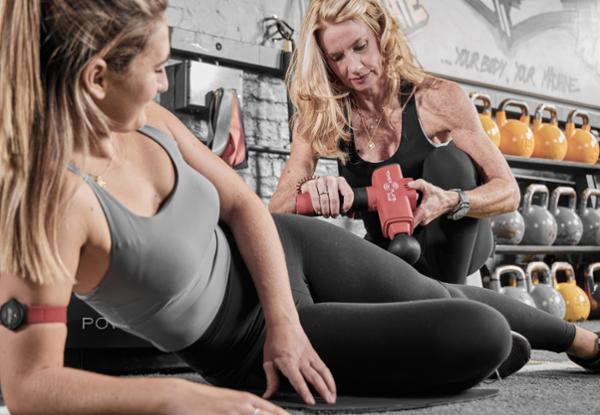
Exercise isn’t universally good for us, it’s the recovery that happens aftewards that is / photo: powerplate
Oli Patrick
Physiologist & co-founder, Future Practice
A lack of progress or regression could suggest overtraining, says Patrick / photo: Michael Shelford

From the 24-hour news cycle to the constant stimulation, we’re now living in an anxiogenic environment with the majority of people spending inadequate time recouping their energy.

The modern-day habit of filling downtime with stimulus leads to many disengaging from their ability to unwind. This leads to a number of issues upstream, starting with sleep problems, which then lead to a compromised immune system, brain fog, mood swings and less energy.

For fitness professionals to add training load to an already physiologically-stressed system is woefully ignorant. To create physiological damage and simply hope it will turn up as a positive is a 1980s mindset. Knowing what we do today about strain and recovery, the industry has to educate the consumer on when is the time to push and when is the time to pull.

As an industry, we have a duty of care to bring in training recovery. It’s not on many people’s radar at the moment, but it’s the key to unlocking good results.

Exercise creates physiological damage: a controlled level of stress which allows the body to break down and rebuild to a heightened level.

Execise isn’t universally good for us, it’s the recovery systems that swing into action after exercise which are universally good for us. By this I mean the physiological systems which restore energy – that might mean doing very low intensity movement, breath-mediated exercise modalities, taking an infrared sauna, sleeping or walking in nature. Time for us to repair, to grow, to adapt.

Knowing what we do today about strain and recovery, the industry has to educate the consumer on when is the time to push and when is the time to pull

Age and life-stage has a bearing on how much to train and the length of recovery time needed. People in their 20s are resilient: humans are designed for prolonged stress with limited recovery at that age. But those in their 30s, 40s and 50s, with multi-factorial demands of life and work, are vulnerable to overtraining. This can be identified via heart rate variability technologies, or if the first morning heart rate is eight to 10 beats higher than baseline.

Over time, a lack of progress or a regression would also suggest overtraining. As does the individual’s available energy, including their physical energy: whether they’re able to wake up and get going without caffeine; the energy they have available to work out; their mental energy and clarity of thought and their emotional energy to sustain relationships. Reduced interest in other people might be an early sign of being under-recovered.

Although heart rate variability trackers can give us a cue, they don’t have a 360-degree view. For example, a tracker might tell you not to go and play padel with your friend, but it doesn’t measure what an emotional uplift you might get by seeing that friend, which could restore you for the next few weeks. It’s up to the industry to coach people on how to make that call, using data as an aid, not a script and bringing recovery to the front of service-level delivery.

Anna Bogdanova
Founder, The 5: the Anna Bogdanova Strength Method
Bogdanova says fitness pros should study stress physiology / photo: Jakob Helbig

While exercise is one of the best coping strategies in stressful times, it’s important to get the dose right. Our nervous system responds to the sum of all of the different stressors in life, so we need to consider the load of all our clients’ stressors before we add extra stress with training.

Exercise is like an investment – the benefits come afterwards. Trying to use energy which isn’t available – for example having a bad night’s sleep but trying to do the same workout, or exercising while not eating enough to support your energy needs – will result in breaking down more than building up and performance will slump.

Stress creates a vicious circle. It raises cortisol levels, which often leads to eating something sweet or calorie dense, which spikes insulin, and when the blood sugar crashes the cycle starts again.

Cortisol is a mobilising hormone, which protects the fat stores in favour of using muscle and bone tissue to keep going. But it is just like withdrawing your retirement funds. It can keep you going at an unsustainable pace, until the brain realises you are overspending, and shuts down the overproduction of cortisol and enters protection mode. This leads to going from overdrive to feeling low, lacking in energy; from not being able to eat even when hungry, to feeling hungry even when full; from being proud of running on four to five hours of sleep a night to sleeping all the time. Persisting with the same lifestyle through this will lead to collapse.

The first time I was collapsed with stress, I could only do breathing and sensory exercises and very low volume resistance training (max 25 reps – 5x5 reps for the whole workout), which required minimal energy investment – because if my heart rate went up it triggered my symptoms, as my nervous system went into alarm that I might start overspending energy again.

Stress is an energy crisis, where we use more energy than is available to us. One of the best recovery strategies I know of is brain-based strength training. A combination of neuroflows – sensory exercises reconnecting brain and body, working with vision, balance, smell, reflexive stability, stimulating the cranial nerve and vagus nerve – to quickly switch from the sympathetic nervous system to parasympathetic state. This creates a feeling of safety in the nervous system and allows you to take the brakes off your body.

Exercise is like an investment – the benefits come afterwards

Two kinds of strength exercises are also helpful: complex whole body movement, with low reps and heavy resistance and ballistic exercises. Also, low reps, as these turn the power back on and make the muscles insulin-sensitive again to solve the energy crisis.

During times of stress the brain/muscle signal is low, so it can be hard to engage the muscle mass required. For this reason it’s important to start very low and build up very slowly, maybe just one heavier rep at a time.

It’s worth exercise professionals educating themselves in the field of stress physiology and how different types of exercise programming create different stress responses in different environments. Think of exercise as a modulator of the neuroimmunoendocrine system that creates a domino effect, rather than a tool for calorie burning.

Encourage clients to listen to their bodies. Scale exercise down to what they don’t have to fear and treat it as a spice rather than a meal, something that can be used in small quantities through the day.


During times of stress the brain/muscle signal is low, so it can be hard to engage the muscle mass requied / photo: Shutterstock/ nelic
Dr Erin Nitschke
Health and exercise professional and nutrition specialist, American Council on Exercise
Nitschke: ‘Give clients information about the signs and symptoms of overtraining’ / photo: American Council on Exercise

Even recreational athletes are at risk of overtraining, especially if they want quick results or have a goal in mind. It’s the trainers’ job to help them establish a balanced programme with gradual progression and to learn to listen to their body – looking for red flags such as sleeping problems, reduced performance or a low HRV score.

Adequate rest should be built into the programme, prioritising sleep, rest days and recovery activities such as stretching, foam rolling, massage, or contrast therapy.

Encourage clients to monitor their training load, either with training logs or performance trackers. Heart rate variability (HRV) trackers are often used as an indicator of the body’s autonomic nervous system activity and overall stress response. A decrease in HRV or a consistent low HRV score may suggest excessive stress and overtraining.

In times of stress, drinking alcohol is frequently used as a coping strategy and while moderate alcohol consumption, in the absence of exercise, does not typically have significant negative effects on the average healthy adult, it can impact athletic performance by interfering with muscle recovery, causing dehydration, having a negative impact on sleep, impairing cognitive function, slowing down the recovery process and reducing strength, power and endurance.

Inadequate sleep can also slow down recovery and decrease performance in terms of cognitive function, reduced strength, power, endurance and speed. It can also suppress the immune system, increase the risk of injuries and lower mood.

To optimise performance, it’s important to prioritise sleep and establish healthy sleep habits, aiming for seven to nine hours of quality sleep each night.

If you suspect your client is at risk of overtraining, adjust their training programme accordingly, and introduce active recovery sessions, mobility work, or stress-reducing activities into their routine.
When a personal trainer suspects a client may be experiencing overtraining, or are at risk of it, it’s important to have open and supportive communication, with empathy, understanding and a focus on the client’s wellbeing. Create an environment where they feel heard and supported without judgment. Provide them with information about overtraining, its signs and symptoms, and the potential negative effects on their performance and overall wellbeing. Help them understand the importance of balancing training (strain) and recovery.

Regularly checking-in with clients about their training, recovery and any signs of decreased performance they’ve noticed is vital. Encourage them to share any concerns or difficulties they encounter. Keep track of their training volume, intensity and progress by regularly reviewing their training logs and assessing whether they may be pushing themselves too hard or experiencing a plateau in progress, despite increased effort. Enquire about their lifestyle factors outside training, such as sleep patterns, stress levels, nutrition and work-life balance.

If you suspect your client is at risk of overtraining, adjust their training programme accordingly, and introduce active recovery sessions, mobility work, or stress-reducing activities into their routine.

About Whoop Strain
Will Ahmed / photo: WHOOP

Whoop is a fitness and health wrist wearable that gives 24/7 health monitoring.

The company has brought the concept of strain to the market to describe the overall stress of living on the body.

Whoop strain is a measure of cardiovascular and muscular exertion that quantifies the amount of physical and mental stress on the body day in, day out, so exercise can be prescribed that accommodates how the body is at that time.

The aim is to exercise optimally for the body, taking into account all aspects of life and to ensure adequate recovery time.

Whoop tracks strain on a 0-21 scale, for the entire day and for specific workouts and activities. Regular daily activities such as work, commuting and parenting can also cause strain, as can stress, anxiety, excitement, or feeling nervous.

Inspired by Borg’s Rating of Perceived Exertion (www.hcmmag.com/borg), strain numbers can be loosely broken down as light, moderate, high and ‘all out’.

• LIGHT (0-9): Minimal stress on the body, leaving room for active recovery

• MODERATE (10-13): Moderate stress on the body, good for maintaining fitness

• HIGH (14-17): Increased stress and activity level, ideal for making fitness gains when training

• ALL OUT (18-21): Significant stress, often overreaching, likely very difficult to recover from the next day

Whoop measures strain based on both cardiovascular and muscular load. Cardiovascular strain is measured via the heart rate on a 24 hour basis – the higher the heart rate gets and the longer it stays elevated, the more strain – from stress or exercise – is accumulated.

Whoop tracks weights, reps and sets during workouts to understand the demands on the musculoskeletal system. Whoop then combines these results to give one complete strain score.


The Whoop wearable tracks life strain on a 0-21 scale / photo: WHOOP
Exercise and stroke risk
Dr Susil Pallikadavath, NIHR Academic Clinical Fellow in Cardiology at the University of Leicester explains the findings of his research into competitive endurance events and stroke risk
Dr Susil Pallikadavath / photo: University of Leicester

The AFLETES Study: Atrial fibrillation in veteran athletes and the risk of stroke, studied a sample of more than 1,000 individuals, from 41 countries, who had competed in more than one competitive endurance event and were over the age of 40. It revealed that participating in competitive endurance exercise seems to be associated with an increased risk of developing an irregular heart rhythm – atrial fibrillation (AF)

Often, athletes will have a low risk score because exercise lowers many cardiovascular risk factors.

However, they also have larger hearts and slower heart rates. This may mean that we do not capture their true risk of developing a stroke.

Our study showed that athletes with atrial fibrillation seem to be at an increased risk of stroke, even if their risk score was low. Of the respondents, 190 (20 per cent) reported AF and 26 (3 per cent) had had a stroke, of which 14 (54 per cent) had AF. This is early data, but something that we are looking into further.

In many people, AF will not cause any symptoms and may be picked up incidentally by an ECG or sports watch. Usually, this rhythm does not cause problems in itself. However, it can cause blood to pool and clot. This can later travel up to the brain and cause a stroke. We treat this by offering individuals blood thinning medications and decide who to offer blood thinners to, based on a clinical risk score which takes into account factors such as blood pressure and diabetes.

It’s important to state that the benefits of exercise far outweigh the risks and we do not recommend that any individuals stop exercising based on this study alone. However, it’s important for fitness professionals to recommend to clients that if they have any concerns about their heart, or experience symptoms such as palpitations or chest pain when exercising then they should seek medical attention.

Dr Susil Pallikadavath is lead researcher on The AFLETES study

The stroke study examined people competing in endurance events / photo: Shutterstock/ Monkey Business Images
https://www.leisureopportunities.co.uk/images/2023/970140_387200.jpg
How can trainers balance strain with recovery to achieve the best health outcomes for members? Kath Hudson talks to the experts
HCM magazine
As the entrepreneur who started Wexer, Fresh Fitness, Fitness DK and Repeat, as well as being a former elite athlete, Rasmus Ingerslev’s life looked perfect from the outside, but onthe inside it was a different story. He talks to Kath Hudson about healing old wounds
HCM magazine
If the health service is to survive, we must recognise that it is a disease service – and that wellbeing rests with us, says the activity advocate and healthy ageing champion. He talks to Kate Cracknell
HCM magazine
I experienced a blissful feeling of joy I hadn’t felt since I was a kid
HCM magazine
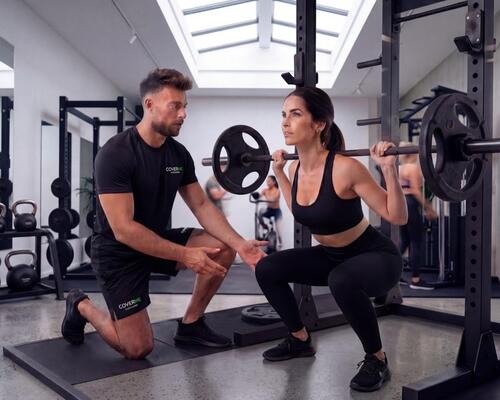
Strength training is evolving, driven by changing consumer preferences. Julie Cramer talks to innovators about how their products are meeting this demand
HCM magazine
For every member with a tripod and a big following, there are others irritated at the way equipment is being hogged or wary they’ll be in the background on someone’s Insta feed. Do influencers offer valuable, free marketing or are they just a nuisance? Kath Hudson finds out how operators are responding
HCM promotional features
Sponsored
David Lloyd is stepping up its commitment to women’s health as it continues to explore what fit-for-purpose looks like for the female population
HCM promotional features
Sponsored
SnowDome Fitness has added 50 per cent more space with cutting-edge Technogym solutions
HCM promotional features
Sponsored
Starpool supports Olympic champion Marcell Jacobs, says Riccardo Turri
HCM promotional features
Sponsored
Find out how your gym can tap into the corporate wellness boom
HCM promotional features
Sponsored
Third Space partnered with IndigoFitness to deliver a bespoke training space for its new club at The Whiteley
HCM promotional features
Sponsored
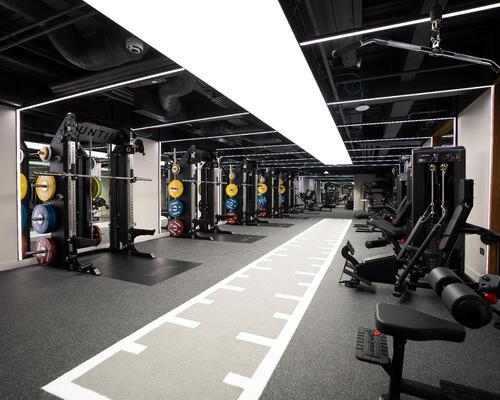
Greg Bradley looks at the shift towards strength training in gyms and advises on how operators can create the ultimate training environment
HCM promotional features
Sponsored
EGYM has opened a new HQ in Paternoster Square, London and revealed a range of new launches
HCM promotional features
Promotion
Performance Health Systems, manufacturer of Power Plate, has a new CEO, with an ambitious vision for the company
HCM promotional features
Sponsored
The industry is embracing consumer-facing tech. Now it’s time to streamline back-of-house systems with Orbit4, says Daniel Jones
HCM promotional features
Latest News
Purpose Brands has announced its entry into the Italian market, having sold the franchise rights ...
Latest News
Fitness First UK is integrating red light therapy into its yoga and Pilates classes through ...
Latest News
Nuffield Health has told HCM that it takes its responsibilities towards its colleagues seriously and ...
Latest News
Technogym has announced the launch of the Run X World Treadmill Championship, the first world ...
Latest News
Shocked by the UK loneliness statistics, charitable trust Mytime Active has been doubling down on ...
Latest News
Portugal’s leading operator, SC Fitness, is celebrating a milestone by reaching 100 gyms.  The company ...
Latest News
Australia’s fast-growing fitness network, Viva Leisure, is adding a low-cost gym brand to its already ...
Latest News
Speedflex has launched a strength training programme for 10 to 16-year-olds, to make it safer, ...
Opinion
promotion
Strength training has moved from the margins to the mainstream.
Opinion: Building smarter strength spaces for today’s operators
Featured supplier news
Featured supplier news: Supporting long-term health: why whole body vibration belongs in clinical settings
As healthcare continues to shift towards prevention, there’s a growing focus on helping people stay active, independent and feeling good for longer.
Featured supplier news
Featured supplier news: Elevate 2026 to mark 10-year anniversary with biggest ever waterfront drinks reception
Elevate is set to celebrate its 10th anniversary in style this June, with organisers confirming the event’s largest-ever drinks reception as registrations continue to run more than 10% ahead of last year.
Company profiles
Company profile: Core Health & Fitness
Driven by innovation, Core Health & Fitness delivers top-quality products, exceptional service, and ongoing support. ...
Company profiles
Company profile: Swim England
Swim England was the only governing body of swimming in the world when it was ...
Supplier Showcases
Supplier Showcase - From nightclub to health club
Supplier Showcases
Supplier Showcase - Future-proofing
Catalogue Gallery
Click on a catalogue to view it online
Featured press releases
MyZone press release: Myzone global data reveals the building blocks of consistent exercise habits
A major new report from Myzone, the global leader in motivation technology for fitness, reveals how motivation becomes habit and how that transformation drives member retention and long-term business growth.
Featured press releases
GLL press release: GLL highlights the importance of drowning prevention to kids nationally as summer holidays near
School assemblies and water safety messages as part of swim lessons.   The UK's largest public pools and swim school operator, GLL, is providing timely activities during Drowning Prevention Week (13-20 June 2026) to raise awareness of water safety ahead of kids breaking up for the summer holidays.
Directory
Lockers
Crown Sports Lockers: Lockers
Hot tubs
MSpa International Ltd: Hot tubs
Industrial washing machines
Miele Company Limited: Industrial washing machines
Fitness tracking platform
SpiviTech: Fitness tracking platform
Spa and beauty equipment
Living Earth Crafts: Spa and beauty equipment
Water experiences and hydrotherapy solutions
Aquaform s.r.l.: Water experiences and hydrotherapy solutions
Property & Tenders
Stratford, East London.
Lee Valley Regional Park Authority
Property & Tenders
Y Felinheli, LL56 4QN
Newmark
Property & Tenders
Diary dates
13-13 Jun 2026
Worldwide, Various,
Diary dates
21-24 Sep 2026
The Langham Huntington Pasadena , Pasadena, United States
Diary dates
06-08 Oct 2026
Messe Stuttgart, Stuttgart, Germany
Diary dates
22-22 Oct 2026
QEII Conference Centre, London,
Diary dates
26-29 Oct 2027
Koelnmesse Exhibition Centre, Cologne, Germany
Diary dates

features

Talking point: Everyone's talking about recovery

Since Will Ahmed – founder of high-end wearable, Whoop – named strain as a key metric, interest has been growing in the principles of balancing strain with recovery to achieve optimal outcomes. Kath Hudson asks the experts how to avoid members overtraining

Published in Health Club Management 2023 issue 7
Exercise isn’t universally good for us, it’s the recovery that happens aftewards that is / photo: powerplate
Oli Patrick
Physiologist & co-founder, Future Practice
A lack of progress or regression could suggest overtraining, says Patrick / photo: Michael Shelford

From the 24-hour news cycle to the constant stimulation, we’re now living in an anxiogenic environment with the majority of people spending inadequate time recouping their energy.

The modern-day habit of filling downtime with stimulus leads to many disengaging from their ability to unwind. This leads to a number of issues upstream, starting with sleep problems, which then lead to a compromised immune system, brain fog, mood swings and less energy.

For fitness professionals to add training load to an already physiologically-stressed system is woefully ignorant. To create physiological damage and simply hope it will turn up as a positive is a 1980s mindset. Knowing what we do today about strain and recovery, the industry has to educate the consumer on when is the time to push and when is the time to pull.

As an industry, we have a duty of care to bring in training recovery. It’s not on many people’s radar at the moment, but it’s the key to unlocking good results.

Exercise creates physiological damage: a controlled level of stress which allows the body to break down and rebuild to a heightened level.

Execise isn’t universally good for us, it’s the recovery systems that swing into action after exercise which are universally good for us. By this I mean the physiological systems which restore energy – that might mean doing very low intensity movement, breath-mediated exercise modalities, taking an infrared sauna, sleeping or walking in nature. Time for us to repair, to grow, to adapt.

Knowing what we do today about strain and recovery, the industry has to educate the consumer on when is the time to push and when is the time to pull

Age and life-stage has a bearing on how much to train and the length of recovery time needed. People in their 20s are resilient: humans are designed for prolonged stress with limited recovery at that age. But those in their 30s, 40s and 50s, with multi-factorial demands of life and work, are vulnerable to overtraining. This can be identified via heart rate variability technologies, or if the first morning heart rate is eight to 10 beats higher than baseline.

Over time, a lack of progress or a regression would also suggest overtraining. As does the individual’s available energy, including their physical energy: whether they’re able to wake up and get going without caffeine; the energy they have available to work out; their mental energy and clarity of thought and their emotional energy to sustain relationships. Reduced interest in other people might be an early sign of being under-recovered.

Although heart rate variability trackers can give us a cue, they don’t have a 360-degree view. For example, a tracker might tell you not to go and play padel with your friend, but it doesn’t measure what an emotional uplift you might get by seeing that friend, which could restore you for the next few weeks. It’s up to the industry to coach people on how to make that call, using data as an aid, not a script and bringing recovery to the front of service-level delivery.

Anna Bogdanova
Founder, The 5: the Anna Bogdanova Strength Method
Bogdanova says fitness pros should study stress physiology / photo: Jakob Helbig

While exercise is one of the best coping strategies in stressful times, it’s important to get the dose right. Our nervous system responds to the sum of all of the different stressors in life, so we need to consider the load of all our clients’ stressors before we add extra stress with training.

Exercise is like an investment – the benefits come afterwards. Trying to use energy which isn’t available – for example having a bad night’s sleep but trying to do the same workout, or exercising while not eating enough to support your energy needs – will result in breaking down more than building up and performance will slump.

Stress creates a vicious circle. It raises cortisol levels, which often leads to eating something sweet or calorie dense, which spikes insulin, and when the blood sugar crashes the cycle starts again.

Cortisol is a mobilising hormone, which protects the fat stores in favour of using muscle and bone tissue to keep going. But it is just like withdrawing your retirement funds. It can keep you going at an unsustainable pace, until the brain realises you are overspending, and shuts down the overproduction of cortisol and enters protection mode. This leads to going from overdrive to feeling low, lacking in energy; from not being able to eat even when hungry, to feeling hungry even when full; from being proud of running on four to five hours of sleep a night to sleeping all the time. Persisting with the same lifestyle through this will lead to collapse.

The first time I was collapsed with stress, I could only do breathing and sensory exercises and very low volume resistance training (max 25 reps – 5x5 reps for the whole workout), which required minimal energy investment – because if my heart rate went up it triggered my symptoms, as my nervous system went into alarm that I might start overspending energy again.

Stress is an energy crisis, where we use more energy than is available to us. One of the best recovery strategies I know of is brain-based strength training. A combination of neuroflows – sensory exercises reconnecting brain and body, working with vision, balance, smell, reflexive stability, stimulating the cranial nerve and vagus nerve – to quickly switch from the sympathetic nervous system to parasympathetic state. This creates a feeling of safety in the nervous system and allows you to take the brakes off your body.

Exercise is like an investment – the benefits come afterwards

Two kinds of strength exercises are also helpful: complex whole body movement, with low reps and heavy resistance and ballistic exercises. Also, low reps, as these turn the power back on and make the muscles insulin-sensitive again to solve the energy crisis.

During times of stress the brain/muscle signal is low, so it can be hard to engage the muscle mass required. For this reason it’s important to start very low and build up very slowly, maybe just one heavier rep at a time.

It’s worth exercise professionals educating themselves in the field of stress physiology and how different types of exercise programming create different stress responses in different environments. Think of exercise as a modulator of the neuroimmunoendocrine system that creates a domino effect, rather than a tool for calorie burning.

Encourage clients to listen to their bodies. Scale exercise down to what they don’t have to fear and treat it as a spice rather than a meal, something that can be used in small quantities through the day.

During times of stress the brain/muscle signal is low, so it can be hard to engage the muscle mass requied / photo: Shutterstock/ nelic
Dr Erin Nitschke
Health and exercise professional and nutrition specialist, American Council on Exercise
Nitschke: ‘Give clients information about the signs and symptoms of overtraining’ / photo: American Council on Exercise

Even recreational athletes are at risk of overtraining, especially if they want quick results or have a goal in mind. It’s the trainers’ job to help them establish a balanced programme with gradual progression and to learn to listen to their body – looking for red flags such as sleeping problems, reduced performance or a low HRV score.

Adequate rest should be built into the programme, prioritising sleep, rest days and recovery activities such as stretching, foam rolling, massage, or contrast therapy.

Encourage clients to monitor their training load, either with training logs or performance trackers. Heart rate variability (HRV) trackers are often used as an indicator of the body’s autonomic nervous system activity and overall stress response. A decrease in HRV or a consistent low HRV score may suggest excessive stress and overtraining.

In times of stress, drinking alcohol is frequently used as a coping strategy and while moderate alcohol consumption, in the absence of exercise, does not typically have significant negative effects on the average healthy adult, it can impact athletic performance by interfering with muscle recovery, causing dehydration, having a negative impact on sleep, impairing cognitive function, slowing down the recovery process and reducing strength, power and endurance.

Inadequate sleep can also slow down recovery and decrease performance in terms of cognitive function, reduced strength, power, endurance and speed. It can also suppress the immune system, increase the risk of injuries and lower mood.

To optimise performance, it’s important to prioritise sleep and establish healthy sleep habits, aiming for seven to nine hours of quality sleep each night.

If you suspect your client is at risk of overtraining, adjust their training programme accordingly, and introduce active recovery sessions, mobility work, or stress-reducing activities into their routine.

When a personal trainer suspects a client may be experiencing overtraining, or are at risk of it, it’s important to have open and supportive communication, with empathy, understanding and a focus on the client’s wellbeing. Create an environment where they feel heard and supported without judgment. Provide them with information about overtraining, its signs and symptoms, and the potential negative effects on their performance and overall wellbeing. Help them understand the importance of balancing training (strain) and recovery.

Regularly checking-in with clients about their training, recovery and any signs of decreased performance they’ve noticed is vital. Encourage them to share any concerns or difficulties they encounter. Keep track of their training volume, intensity and progress by regularly reviewing their training logs and assessing whether they may be pushing themselves too hard or experiencing a plateau in progress, despite increased effort. Enquire about their lifestyle factors outside training, such as sleep patterns, stress levels, nutrition and work-life balance.

If you suspect your client is at risk of overtraining, adjust their training programme accordingly, and introduce active recovery sessions, mobility work, or stress-reducing activities into their routine.

About Whoop Strain
Will Ahmed / photo: WHOOP

Whoop is a fitness and health wrist wearable that gives 24/7 health monitoring.

The company has brought the concept of strain to the market to describe the overall stress of living on the body.

Whoop strain is a measure of cardiovascular and muscular exertion that quantifies the amount of physical and mental stress on the body day in, day out, so exercise can be prescribed that accommodates how the body is at that time.

The aim is to exercise optimally for the body, taking into account all aspects of life and to ensure adequate recovery time.

Whoop tracks strain on a 0-21 scale, for the entire day and for specific workouts and activities. Regular daily activities such as work, commuting and parenting can also cause strain, as can stress, anxiety, excitement, or feeling nervous.

Inspired by Borg’s Rating of Perceived Exertion (www.hcmmag.com/borg), strain numbers can be loosely broken down as light, moderate, high and ‘all out’.

• LIGHT (0-9): Minimal stress on the body, leaving room for active recovery

• MODERATE (10-13): Moderate stress on the body, good for maintaining fitness

• HIGH (14-17): Increased stress and activity level, ideal for making fitness gains when training

• ALL OUT (18-21): Significant stress, often overreaching, likely very difficult to recover from the next day

Whoop measures strain based on both cardiovascular and muscular load. Cardiovascular strain is measured via the heart rate on a 24 hour basis – the higher the heart rate gets and the longer it stays elevated, the more strain – from stress or exercise – is accumulated.

Whoop tracks weights, reps and sets during workouts to understand the demands on the musculoskeletal system. Whoop then combines these results to give one complete strain score.

The Whoop wearable tracks life strain on a 0-21 scale / photo: WHOOP
Exercise and stroke risk
Dr Susil Pallikadavath, NIHR Academic Clinical Fellow in Cardiology at the University of Leicester explains the findings of his research into competitive endurance events and stroke risk
Dr Susil Pallikadavath / photo: University of Leicester

The AFLETES Study: Atrial fibrillation in veteran athletes and the risk of stroke, studied a sample of more than 1,000 individuals, from 41 countries, who had competed in more than one competitive endurance event and were over the age of 40. It revealed that participating in competitive endurance exercise seems to be associated with an increased risk of developing an irregular heart rhythm – atrial fibrillation (AF)

Often, athletes will have a low risk score because exercise lowers many cardiovascular risk factors.

However, they also have larger hearts and slower heart rates. This may mean that we do not capture their true risk of developing a stroke.

Our study showed that athletes with atrial fibrillation seem to be at an increased risk of stroke, even if their risk score was low. Of the respondents, 190 (20 per cent) reported AF and 26 (3 per cent) had had a stroke, of which 14 (54 per cent) had AF. This is early data, but something that we are looking into further.

In many people, AF will not cause any symptoms and may be picked up incidentally by an ECG or sports watch. Usually, this rhythm does not cause problems in itself. However, it can cause blood to pool and clot. This can later travel up to the brain and cause a stroke. We treat this by offering individuals blood thinning medications and decide who to offer blood thinners to, based on a clinical risk score which takes into account factors such as blood pressure and diabetes.

It’s important to state that the benefits of exercise far outweigh the risks and we do not recommend that any individuals stop exercising based on this study alone. However, it’s important for fitness professionals to recommend to clients that if they have any concerns about their heart, or experience symptoms such as palpitations or chest pain when exercising then they should seek medical attention.

Dr Susil Pallikadavath is lead researcher on The AFLETES study
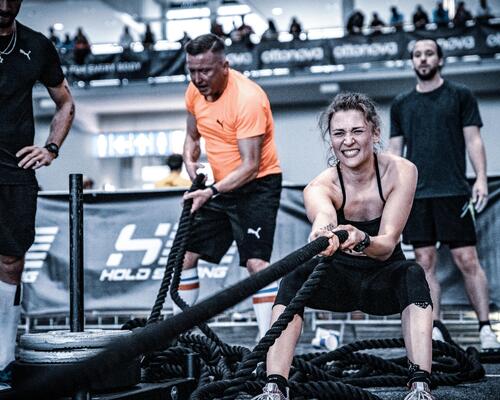
The stroke study examined people competing in endurance events / photo: Shutterstock/ Monkey Business Images

https://www.leisureopportunities.co.uk/images/2023/970140_387200.jpg
How can trainers balance strain with recovery to achieve the best health outcomes for members? Kath Hudson talks to the experts
Latest News
Purpose Brands has announced its entry into the Italian market, having sold the franchise rights ...
Latest News
Fitness First UK is integrating red light therapy into its yoga and Pilates classes through ...
Latest News
Nuffield Health has told HCM that it takes its responsibilities towards its colleagues seriously and ...
Latest News
Technogym has announced the launch of the Run X World Treadmill Championship, the first world ...
Latest News
Shocked by the UK loneliness statistics, charitable trust Mytime Active has been doubling down on ...
Latest News
Portugal’s leading operator, SC Fitness, is celebrating a milestone by reaching 100 gyms.  The company ...
Latest News
Australia’s fast-growing fitness network, Viva Leisure, is adding a low-cost gym brand to its already ...
Latest News
Speedflex has launched a strength training programme for 10 to 16-year-olds, to make it safer, ...
Latest News
Tewinbury Farm Hotel in Hertfordshire, UK is expanding its premium leisure proposition with the launch ...

Latest News

Work is underway in Madrid on one of Europe’s most significant multi-functional complexes, ...

Latest News
PureGym is encouraging people to step away from their screens and go for a walk, ...
Opinion
promotion
Strength training has moved from the margins to the mainstream.
Opinion: Building smarter strength spaces for today’s operators
Featured supplier news
Featured supplier news: Supporting long-term health: why whole body vibration belongs in clinical settings
As healthcare continues to shift towards prevention, there’s a growing focus on helping people stay active, independent and feeling good for longer.
Featured supplier news
Featured supplier news: Elevate 2026 to mark 10-year anniversary with biggest ever waterfront drinks reception
Elevate is set to celebrate its 10th anniversary in style this June, with organisers confirming the event’s largest-ever drinks reception as registrations continue to run more than 10% ahead of last year.
Company profiles
Company profile: Core Health & Fitness
Driven by innovation, Core Health & Fitness delivers top-quality products, exceptional service, and ongoing support. ...
Company profiles
Company profile: Swim England
Swim England was the only governing body of swimming in the world when it was ...
Supplier Showcases
Supplier Showcase - From nightclub to health club
Supplier Showcases
Supplier Showcase - Future-proofing
Catalogue Gallery
Click on a catalogue to view it online
Featured press releases
MyZone press release: Myzone global data reveals the building blocks of consistent exercise habits
A major new report from Myzone, the global leader in motivation technology for fitness, reveals how motivation becomes habit and how that transformation drives member retention and long-term business growth.
Featured press releases
GLL press release: GLL highlights the importance of drowning prevention to kids nationally as summer holidays near
School assemblies and water safety messages as part of swim lessons.   The UK's largest public pools and swim school operator, GLL, is providing timely activities during Drowning Prevention Week (13-20 June 2026) to raise awareness of water safety ahead of kids breaking up for the summer holidays.
Directory
Lockers
Crown Sports Lockers: Lockers
Hot tubs
MSpa International Ltd: Hot tubs
Industrial washing machines
Miele Company Limited: Industrial washing machines
Fitness tracking platform
SpiviTech: Fitness tracking platform
Spa and beauty equipment
Living Earth Crafts: Spa and beauty equipment
Water experiences and hydrotherapy solutions
Aquaform s.r.l.: Water experiences and hydrotherapy solutions
Property & Tenders
Stratford, East London.
Lee Valley Regional Park Authority
Property & Tenders
Y Felinheli, LL56 4QN
Newmark
Property & Tenders
Diary dates
13-13 Jun 2026
Worldwide, Various,
Diary dates
21-24 Sep 2026
The Langham Huntington Pasadena , Pasadena, United States
Diary dates
06-08 Oct 2026
Messe Stuttgart, Stuttgart, Germany
Diary dates
22-22 Oct 2026
QEII Conference Centre, London,
Diary dates
26-29 Oct 2027
Koelnmesse Exhibition Centre, Cologne, Germany
Diary dates
Search news, features & products:
Find a supplier:
Les Mills
Les Mills
Partner sites