















Follow Health Club Management on Twitter Like Health Club Management on Facebook Join the discussion with Health Club Management on LinkedIn
FITNESS, HEALTH, WELLNESS

features

Talking Point: COVID-19 recovery programmes

Some of those who’ve suffered from COVID-19 face a long road to recovery. What role can the health and fitness industry play in supporting them with their rehabilitation? Kath Hudson reports

Published in Health Club Management 2020 issue 7
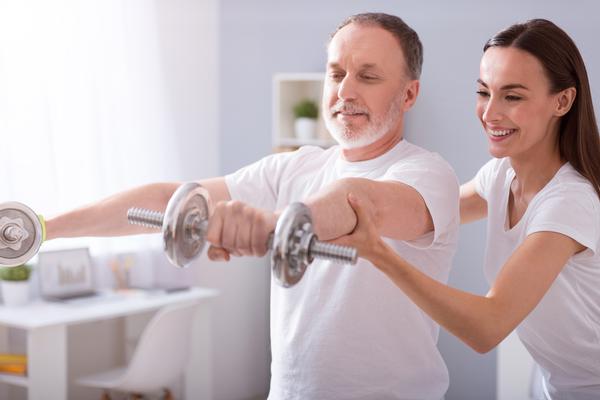
For COVID-19 survivors, the road to a full recovery can be long. How can health clubs support this journey? / Shutterstock

Anyone who has suffered from the virus will need to rebuild their physical and mental resilience and the health and fitness sector is perfectly placed to guide them through this process.

In extreme cases, people will need medical supervision to exercise, but there is a lot of middle ground, where recovery can be undertaken at a normal gym, under the supervision of fitness professionals.

Much about the virus is still unknown, but medics are already reporting high incidences of Chronic Fatigue Syndrome in post-COVID patients, as well as a wide range of issues with organ damage and reduced lung capacity and scarring.

The impact of SARS can also give us some clues. Studies undertaken in Hong Kong into its long-term effects showed that two years after they had the disease, 50 per cent of survivors had a much reduced exercise capacity, while 40 per cent still had chronic fatigue symptoms three and a half years after being diagnosed.

Staff delivering the Newport Live COVID-19 recovery programme have noticed the shocking way COVID-19 deconditions the body. Not just the respiratory system, but also the muscles, as a result of reduced mobility. A report published in JAMA Cardiology says there are also indications people who have been infected by the virus may go on to have a much higher incidence of heart issues.

Clearly the nation now desperately needs the health and fitness industry’s guidance to heal post-COVID patients, so what’s the way forward? We ask the experts.

Dr Ursula Levine
Lanserhof at The Arts Club: GP and integrative medicine specialist

The health and fitness industry’s role in supporting and rehabilitating people who have suffered from COVID-19 cannot be over-estimated.

Our industry has two roles to fulfil: to rehabilitate those who have had the virus and educate and empower those who have not. ‘Prepare, react, repair’ is a useful blueprint for the patient to visualise, as we help them build resilience.

A striking feature of the virus is how long the symptoms can last: many people have seen them continue for eight to 10 weeks. Symptoms can go away and race back and it appears to leave a footprint, so this has to be factored into rehabilitation programmes. Recovery involves a cyclical process rather than a straight line of improvement, which must be explained to clients.

The virus doesn’t just attack the respiratory system: people have reported fatigue, muscle ache, gut issues and kidney problems, so all those systems and organs need rejuvenating. In response, cleansing dietary regimes, which help the gut and kidneys, are essential.

Operators should also anticipate patients presenting with mental health challenges as a result of the crisis. At Lanserhof, we have found patients have generally been emotionally and mentally discouraged. They complain of feeling drained and report cravings and a tendency to adopt bad habits. This suggests there is likely to be a spike in addictive behaviour and possible substance misuse issues.

We’ve found patients have been emotionally and mentally discouraged, complain of feeling drained and report a tendency to adopt bad habits

Each operator should now play to their strengths, working out how they can be of benefit to COVID-19 sufferers and then communicating this to potential clients. Lanserhof’s USP is cutting edge diagnostics, treatment and therapeutic support and we are using a range of medical therapies in our bespoke treatment programmes, including IV therapy, ozone therapy, micro-immunotherapy, cryotherapy and acupuncture.

Knowledge is capital, so ensure your staff are exceptional in their product knowledge and skills. The more comprehensive the packages you can create, the better it will be for patients and the business.

Finally, it is vital to let patients know that they are partners in a strategic approach to improving their healthcare results, not just passive recipients.

Utilise the specialist knowledge of your team and create comprehensive packages for customers
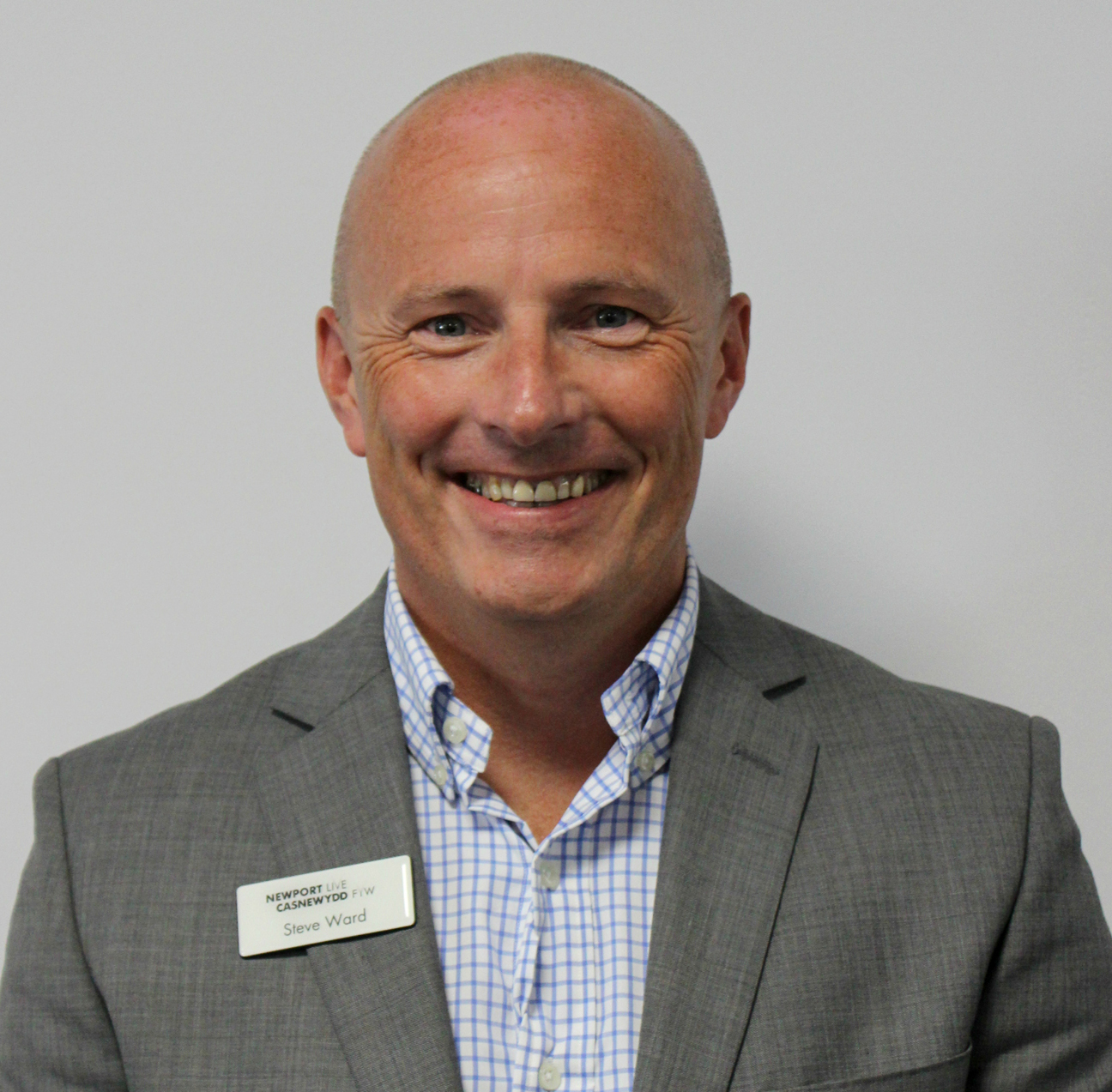
Steve Ward
Newport Live: chief executive
The fitness industry can help people to see the value of investing in their health, says Ward

As a sector, we know and believe exercise is medicine and for the first time the Government advocated this, with the daily exercise allowance during lockdown.

The health and fitness industry is brilliantly placed to support rehabilitation and this situation is a game changer that the sector must embrace, especially as we don’t know how long the effects of COVID-19 will be with us.

Newport Live is supporting the only COVID-19 recovery programme in Wales being used as a clinical trial.

Created by the clinical team from Aneurin Bevan University Health Board, which worked with Public Health Wales, the eight week programme was approved to run at our facilities by Newport City Council. Patients attend in groups and work with clinicians, physiotherapists, dieticians and National Exercise Referral colleagues. Each programme is tailor-made, in accordance with the individual’s health status prior to the illness and the impact of the virus. Each person needs a unique approach requiring psychological support, physiotherapy and lifestyle advice, as well as physical exercise.

Newport Live is supporting the only COVID-19 recovery programme in Wales that is being used as a clinical trial

The aim is for those who have participated in the programme to continue to receive support and encouragement to remain active once the eight weeks conclude.

The exit strategy following intense clinical programmes is where health and fitness operators can gain the greatest traction: taking the customer on the next phase of their journey to better health once they leave hospital.

Going forward, partnerships with health providers will be critical in both the recovery and prevention journey.

Restarting the industry will be tough, but we also have a new journey – to help the wider population to see the value of exercise and investing in their wellbeing. The industry needs to shout loudly about the role we have in preventing poor health and advocate that we are the wellbeing service: health clubs are where you come to stay well and get healthier, which helps during times of physical and mental health challenges.

Dr Dane Vishnubala
Active IQ: chief medical advisor
It may take up to three months for an individual to return to previous levels of fitness, says Vishnubala

Fitness professionals have the consultation, empathetic, coaching and programming skills which could be adapted to provide a supportive workforce to aid in post COVID-19 rehabilitation efforts. While some upskilling is necessary, instructors with exercise referral or pulmonary rehab qualifications could be upskilled quite easily via CPD – potentially even online.

However, the health and fitness industry’s rehabilitation offer does need further development. Insurance companies will need to be at the table, alongside health bodies, to come to a consensus in terms of how rehabilitation will work.

Having clear rules around risk stratification may avoid the need to have GP clearance. For the fitness industry to have true impact, we should work closely with other professionals, such as physiotherapists, to maximise the benefit to the patient.

For the fitness industry to have true impact, we should work closely with other professionals, such as physiotherapists

A robust risk stratification process would assess which patients are suitable for rehabilitation at the gym. High risk people, who have been left with low oxygen levels or possible heart issues, should be under clinical guidance. Those who have made a full recovery, who are are asymptomatic and have had sufficient rest following the illness – at least two weeks – could greatly benefit from working with fitness professionals. A slow return to exercise is recommended – it may reasonably take up to three months to return to previous levels of fitness.

People who have experienced significant effects of the virus will likely have suffered mentally as well. Screening for mental health issues and undergoing training to look out for this, such as the Active IQ Mental Health Awareness course, may help to support these individuals. Treatment can vary from cognitive behavioural therapy, group support and other forms of talking therapies.

Dr Ben Kelly
Nuffield Health: head of clinical research
Exercise programmes must be tailored to the needs of the individual, says Kelly

Gyms and leisure centres have a vital part to play in improving the long-term health of the population, both physically and mentally. As a sector we need to think about how we can support the NHS and allied health professionals and define a model which can be adapted to support COVID-19 rehabilitation.

There may be a need for clinical referral to exercise for former COVID-19 patients, so operators will need to make formal connections with referring NHS sites.

As a sector we will also need to work on a standardised model of care delivery using PTs, who will need to be upskilled to deliver rehabilitation programmes. This model should enable processes to remain standardised and allow the specialist knowledge of the condition to be adapted over time. This way the model can be used to support the participants through other conditions as well.

  Exercise is as specific as a drug in terms of how it works for people, what they need, when it can be undertaken and how it is prescribed and we need to start respecting it in this way. Everyone should be assessed and the fitness programmes tailored to the needs of the patient. The inclusion and exclusion of particular activities will very much depend on individual requirements.

Exercise is as specific as a drug in terms of how it works for people and what they need, and we need to start respecting it in this way

  Around 30 per cent of all people with a long-term physical health condition also have a mental health problem – most commonly depression or anxiety. To this end, the industry should be working to develop multi-disciplinary practitioners to support both the physical and mental recovery of the patient.

 Nuffield Health and Fitness is running a free 12-week pilot to support the rehabilitation of COVID-19 patients, following their discharge from the NHS.

We’re working with NHS Trusts to implement this programme, with virtual support for patients, as well as access to our network of gyms to enable consultations. We want to roll this out across the UK, so we can support patients significantly impacted by the virus.

Sign up here to get HCM's weekly ezine and every issue of HCM magazine free on digital.
The fitness sector should work on developing a standardised model of care delivery using PTs
https://www.leisureopportunities.co.uk/images/2020/974503_24584.jpg
'Patients complain of feeling drained and report a tendency to adopt bad habits' says Dr Ursula Levine of Lanserhof at The Arts Club
covid-19, Dr Ursula Levine, Lanserhof at The Arts Club, Steve Ward, Newport Live, Dr Dane Vishnubala , Active IQ, Dr Ben Kelly, Nuffield health,gym, fitness, recovery programmes
HCM magazine
Strength training is evolving, driven by changing consumer preferences. Julie Cramer talks to innovators about how their products are meeting this demand
HCM magazine
Collaborations with the medical profession and greater aspirations around wellbeing are creating a need for more experts in our sector. It’s time to reboot our thinking around the workforce
HCM magazine
Small improvements to sleep, diet and physical activity have major benefits for the heart, according to new research from the University of Sydney
HCM magazine
Raphael Cuomo explores the powerful link between addiction, health and behaviour change
HCM magazine
I experienced a blissful feeling of joy I hadn’t felt since I was a kid
HCM promotional features
Sponsored
Third Space partnered with IndigoFitness to deliver a bespoke training space for its new club at The Whiteley
HCM promotional features
Sponsored
Find out how your gym can tap into the corporate wellness boom
HCM promotional features
Sponsored
SnowDome Fitness has added 50 per cent more space with cutting-edge Technogym solutions
HCM promotional features
Sponsored
David Lloyd is stepping up its commitment to women’s health as it continues to explore what fit-for-purpose looks like for the female population
HCM promotional features
Sponsored
Starpool supports Olympic champion Marcell Jacobs, says Riccardo Turri
HCM promotional features
Sponsored
Greg Bradley looks at the shift towards strength training in gyms and advises on how operators can create the ultimate training environment
HCM promotional features
Sponsored
EGYM has opened a new HQ in Paternoster Square, London and revealed a range of new launches
HCM promotional features
Sponsored
The industry is embracing consumer-facing tech. Now it’s time to streamline back-of-house systems with Orbit4, says Daniel Jones
HCM promotional features
Promotion
BLK BOX has been reimagining elite performance spaces for more than a decade. Founder and former athlete, Greg Bradley, tells us what it takes
HCM promotional features
Latest News
People taking GLP-1 weight loss medications such as Ozempic, Wegovy, Mounjaro and Zepbound may be ...
Latest News
Low-cost gym operator, PureGym, is trialling recovery zones at two of its UK sites, democratising ...
Latest News
In a milestone moment, mental health has become a core part of CIMSPA’s occupational professional ...
Latest News
US high-value, low-price chain, Eos Fitness, has announced plans to pilot reformer Pilates in three ...
Latest News
Preventive healthcare company Neko Health has added body composition analysis to its full-body health scan ...
Latest News
Chequan Lewis is the new CEO of Crunch Fitness, taking over from Jim Rowley, who ...
Latest News
Sea Lanes Canary Wharf has officially opened. The 50-metre, six-lane pool, which uses the natural ...
Latest News
London-based high-performance fitness club, ONE LDN, is raising funds for a multi-site expansion across London, ...
Opinion
promotion
Strength training has moved from the margins to the mainstream.
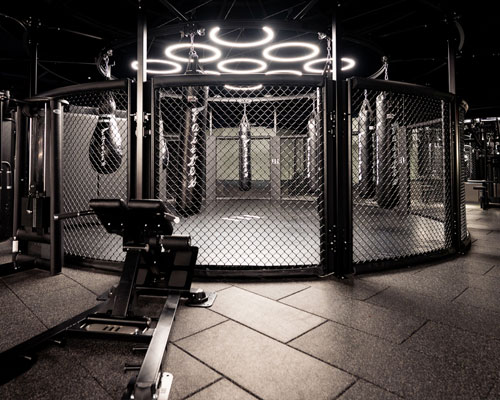
Opinion: Building smarter strength spaces for today’s operators
Featured supplier news
Featured supplier news: Supporting long-term health: why whole body vibration belongs in clinical settings
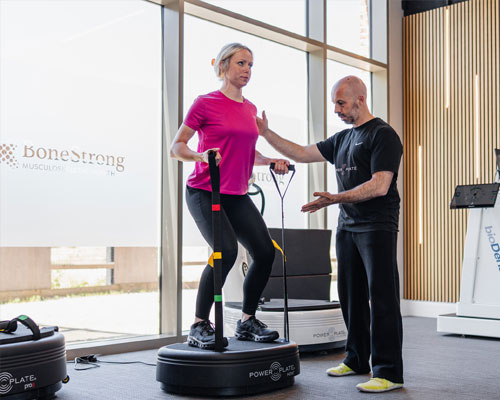
As healthcare continues to shift towards prevention, there’s a growing focus on helping people stay active, independent and feeling good for longer.
Featured supplier news
Featured supplier news: Cornerstone Connect helps Active Blackpool tackle health inequalities
Active Blackpool is deploying Cornerstone Connect, a new digital interface allowing disparate information from multiple systems to be aggregated into one dataset, to support its focus on reducing health inequalities and improving healthy life expectancy.
Company profiles
Company profile: Fold
Fold is the company behind the UK's leading at home foldable reformer pilates bed, bringing ...
Company profiles
Company profile: Gladstone Software
Gladstone’s software is built to streamline operations, reduce admin burden, and boost engagement. Operators can ...
Supplier Showcases
Supplier Showcase - Future-proofing
Catalogue Gallery
Click on a catalogue to view it online
Featured press releases
Swim England press release: Swim England launches new Learn to Swim Growth Plan to support aquatic programme expansion
Swim England has strengthened its sector-leading Business Solutions offer with the launch of its Learn to Swim Growth Plan, designed to help aquatic providers unlock sustainable programme growth.
Featured press releases
CoverMe Ltd press release: CoverMe and Jobs In. Fitness partner to create end-to-end talent solution
CoverMe, the UK’s leading fitness workforce management and recruitment platform, has partnered with Jobs In. Fitness, the specialist executive search and advisory firm for the fitness and wellbeing sector, to give operators a single route to talent at every level – from frontline staffing to C-suite.
Directory
Fitness tracking platform
SpiviTech: Fitness tracking platform
Industrial washing machines
Miele Company Limited: Industrial washing machines
Hot tubs
MSpa International Ltd: Hot tubs
Spa and beauty equipment
Oakworks Inc: Spa and beauty equipment
Lockers
Crown Sports Lockers: Lockers
Water experiences and hydrotherapy solutions
Aquaform s.r.l.: Water experiences and hydrotherapy solutions
Property & Tenders
Stratford, East London.
Lee Valley Regional Park Authority
Property & Tenders
Y Felinheli, LL56 4QN
Newmark
Property & Tenders
Diary dates
21-24 Sep 2026
The Langham Huntington Pasadena , Pasadena, United States
Diary dates
06-08 Oct 2026
Messe Stuttgart, Stuttgart, Germany
Diary dates
22-22 Oct 2026
QEII Conference Centre, London,
Diary dates
26-29 Oct 2027
Koelnmesse Exhibition Centre, Cologne, Germany
Diary dates

features

Talking Point: COVID-19 recovery programmes

Some of those who’ve suffered from COVID-19 face a long road to recovery. What role can the health and fitness industry play in supporting them with their rehabilitation? Kath Hudson reports

Published in Health Club Management 2020 issue 7
For COVID-19 survivors, the road to a full recovery can be long. How can health clubs support this journey? / Shutterstock

Anyone who has suffered from the virus will need to rebuild their physical and mental resilience and the health and fitness sector is perfectly placed to guide them through this process.

In extreme cases, people will need medical supervision to exercise, but there is a lot of middle ground, where recovery can be undertaken at a normal gym, under the supervision of fitness professionals.

Much about the virus is still unknown, but medics are already reporting high incidences of Chronic Fatigue Syndrome in post-COVID patients, as well as a wide range of issues with organ damage and reduced lung capacity and scarring.

The impact of SARS can also give us some clues. Studies undertaken in Hong Kong into its long-term effects showed that two years after they had the disease, 50 per cent of survivors had a much reduced exercise capacity, while 40 per cent still had chronic fatigue symptoms three and a half years after being diagnosed.

Staff delivering the Newport Live COVID-19 recovery programme have noticed the shocking way COVID-19 deconditions the body. Not just the respiratory system, but also the muscles, as a result of reduced mobility. A report published in JAMA Cardiology says there are also indications people who have been infected by the virus may go on to have a much higher incidence of heart issues.

Clearly the nation now desperately needs the health and fitness industry’s guidance to heal post-COVID patients, so what’s the way forward? We ask the experts.

Dr Ursula Levine
Lanserhof at The Arts Club: GP and integrative medicine specialist

The health and fitness industry’s role in supporting and rehabilitating people who have suffered from COVID-19 cannot be over-estimated.

Our industry has two roles to fulfil: to rehabilitate those who have had the virus and educate and empower those who have not. ‘Prepare, react, repair’ is a useful blueprint for the patient to visualise, as we help them build resilience.

A striking feature of the virus is how long the symptoms can last: many people have seen them continue for eight to 10 weeks. Symptoms can go away and race back and it appears to leave a footprint, so this has to be factored into rehabilitation programmes. Recovery involves a cyclical process rather than a straight line of improvement, which must be explained to clients.

The virus doesn’t just attack the respiratory system: people have reported fatigue, muscle ache, gut issues and kidney problems, so all those systems and organs need rejuvenating. In response, cleansing dietary regimes, which help the gut and kidneys, are essential.

Operators should also anticipate patients presenting with mental health challenges as a result of the crisis. At Lanserhof, we have found patients have generally been emotionally and mentally discouraged. They complain of feeling drained and report cravings and a tendency to adopt bad habits. This suggests there is likely to be a spike in addictive behaviour and possible substance misuse issues.

We’ve found patients have been emotionally and mentally discouraged, complain of feeling drained and report a tendency to adopt bad habits

Each operator should now play to their strengths, working out how they can be of benefit to COVID-19 sufferers and then communicating this to potential clients. Lanserhof’s USP is cutting edge diagnostics, treatment and therapeutic support and we are using a range of medical therapies in our bespoke treatment programmes, including IV therapy, ozone therapy, micro-immunotherapy, cryotherapy and acupuncture.

Knowledge is capital, so ensure your staff are exceptional in their product knowledge and skills. The more comprehensive the packages you can create, the better it will be for patients and the business.

Finally, it is vital to let patients know that they are partners in a strategic approach to improving their healthcare results, not just passive recipients.

Utilise the specialist knowledge of your team and create comprehensive packages for customers
Steve Ward
Newport Live: chief executive
The fitness industry can help people to see the value of investing in their health, says Ward

As a sector, we know and believe exercise is medicine and for the first time the Government advocated this, with the daily exercise allowance during lockdown.

The health and fitness industry is brilliantly placed to support rehabilitation and this situation is a game changer that the sector must embrace, especially as we don’t know how long the effects of COVID-19 will be with us.

Newport Live is supporting the only COVID-19 recovery programme in Wales being used as a clinical trial.

Created by the clinical team from Aneurin Bevan University Health Board, which worked with Public Health Wales, the eight week programme was approved to run at our facilities by Newport City Council. Patients attend in groups and work with clinicians, physiotherapists, dieticians and National Exercise Referral colleagues. Each programme is tailor-made, in accordance with the individual’s health status prior to the illness and the impact of the virus. Each person needs a unique approach requiring psychological support, physiotherapy and lifestyle advice, as well as physical exercise.

Newport Live is supporting the only COVID-19 recovery programme in Wales that is being used as a clinical trial

The aim is for those who have participated in the programme to continue to receive support and encouragement to remain active once the eight weeks conclude.

The exit strategy following intense clinical programmes is where health and fitness operators can gain the greatest traction: taking the customer on the next phase of their journey to better health once they leave hospital.

Going forward, partnerships with health providers will be critical in both the recovery and prevention journey.

Restarting the industry will be tough, but we also have a new journey – to help the wider population to see the value of exercise and investing in their wellbeing. The industry needs to shout loudly about the role we have in preventing poor health and advocate that we are the wellbeing service: health clubs are where you come to stay well and get healthier, which helps during times of physical and mental health challenges.

Dr Dane Vishnubala
Active IQ: chief medical advisor
It may take up to three months for an individual to return to previous levels of fitness, says Vishnubala

Fitness professionals have the consultation, empathetic, coaching and programming skills which could be adapted to provide a supportive workforce to aid in post COVID-19 rehabilitation efforts. While some upskilling is necessary, instructors with exercise referral or pulmonary rehab qualifications could be upskilled quite easily via CPD – potentially even online.

However, the health and fitness industry’s rehabilitation offer does need further development. Insurance companies will need to be at the table, alongside health bodies, to come to a consensus in terms of how rehabilitation will work.

Having clear rules around risk stratification may avoid the need to have GP clearance. For the fitness industry to have true impact, we should work closely with other professionals, such as physiotherapists, to maximise the benefit to the patient.

For the fitness industry to have true impact, we should work closely with other professionals, such as physiotherapists

A robust risk stratification process would assess which patients are suitable for rehabilitation at the gym. High risk people, who have been left with low oxygen levels or possible heart issues, should be under clinical guidance. Those who have made a full recovery, who are are asymptomatic and have had sufficient rest following the illness – at least two weeks – could greatly benefit from working with fitness professionals. A slow return to exercise is recommended – it may reasonably take up to three months to return to previous levels of fitness.

People who have experienced significant effects of the virus will likely have suffered mentally as well. Screening for mental health issues and undergoing training to look out for this, such as the Active IQ Mental Health Awareness course, may help to support these individuals. Treatment can vary from cognitive behavioural therapy, group support and other forms of talking therapies.

Dr Ben Kelly
Nuffield Health: head of clinical research
Exercise programmes must be tailored to the needs of the individual, says Kelly

Gyms and leisure centres have a vital part to play in improving the long-term health of the population, both physically and mentally. As a sector we need to think about how we can support the NHS and allied health professionals and define a model which can be adapted to support COVID-19 rehabilitation.

There may be a need for clinical referral to exercise for former COVID-19 patients, so operators will need to make formal connections with referring NHS sites.

As a sector we will also need to work on a standardised model of care delivery using PTs, who will need to be upskilled to deliver rehabilitation programmes. This model should enable processes to remain standardised and allow the specialist knowledge of the condition to be adapted over time. This way the model can be used to support the participants through other conditions as well.

  Exercise is as specific as a drug in terms of how it works for people, what they need, when it can be undertaken and how it is prescribed and we need to start respecting it in this way. Everyone should be assessed and the fitness programmes tailored to the needs of the patient. The inclusion and exclusion of particular activities will very much depend on individual requirements.

Exercise is as specific as a drug in terms of how it works for people and what they need, and we need to start respecting it in this way

  Around 30 per cent of all people with a long-term physical health condition also have a mental health problem – most commonly depression or anxiety. To this end, the industry should be working to develop multi-disciplinary practitioners to support both the physical and mental recovery of the patient.

 Nuffield Health and Fitness is running a free 12-week pilot to support the rehabilitation of COVID-19 patients, following their discharge from the NHS.

We’re working with NHS Trusts to implement this programme, with virtual support for patients, as well as access to our network of gyms to enable consultations. We want to roll this out across the UK, so we can support patients significantly impacted by the virus.

Sign up here to get HCM's weekly ezine and every issue of HCM magazine free on digital.

The fitness sector should work on developing a standardised model of care delivery using PTs
https://www.leisureopportunities.co.uk/images/2020/974503_24584.jpg
'Patients complain of feeling drained and report a tendency to adopt bad habits' says Dr Ursula Levine of Lanserhof at The Arts Club
covid-19, Dr Ursula Levine, Lanserhof at The Arts Club, Steve Ward, Newport Live, Dr Dane Vishnubala , Active IQ, Dr Ben Kelly, Nuffield health,gym, fitness, recovery programmes
Latest News
People taking GLP-1 weight loss medications such as Ozempic, Wegovy, Mounjaro and Zepbound may be ...
Latest News
Low-cost gym operator, PureGym, is trialling recovery zones at two of its UK sites, democratising ...
Latest News
In a milestone moment, mental health has become a core part of CIMSPA’s occupational professional ...
Latest News
US high-value, low-price chain, Eos Fitness, has announced plans to pilot reformer Pilates in three ...
Latest News
Preventive healthcare company Neko Health has added body composition analysis to its full-body health scan ...
Latest News
Chequan Lewis is the new CEO of Crunch Fitness, taking over from Jim Rowley, who ...
Latest News
Sea Lanes Canary Wharf has officially opened. The 50-metre, six-lane pool, which uses the natural ...
Latest News
London-based high-performance fitness club, ONE LDN, is raising funds for a multi-site expansion across London, ...
Latest News
A new brain clinic has opened in London, which uses non-invasive brain stimulation to treat ...
Latest News
Good Boost’s digital exercise programmes are helping adults with MSK at a lower cost than ...
Latest News
With Prime Minister, Keir Starmer, announcing his resignation this morning and Andy Burnham as a ...
Opinion
promotion
Strength training has moved from the margins to the mainstream.
Opinion: Building smarter strength spaces for today’s operators
Featured supplier news
Featured supplier news: Supporting long-term health: why whole body vibration belongs in clinical settings
As healthcare continues to shift towards prevention, there’s a growing focus on helping people stay active, independent and feeling good for longer.
Featured supplier news
Featured supplier news: Cornerstone Connect helps Active Blackpool tackle health inequalities
Active Blackpool is deploying Cornerstone Connect, a new digital interface allowing disparate information from multiple systems to be aggregated into one dataset, to support its focus on reducing health inequalities and improving healthy life expectancy.
Company profiles
Company profile: Fold
Fold is the company behind the UK's leading at home foldable reformer pilates bed, bringing ...
Company profiles
Company profile: Gladstone Software
Gladstone’s software is built to streamline operations, reduce admin burden, and boost engagement. Operators can ...
Supplier Showcases
Supplier Showcase - Future-proofing
Catalogue Gallery
Click on a catalogue to view it online
Featured press releases
Swim England press release: Swim England launches new Learn to Swim Growth Plan to support aquatic programme expansion
Swim England has strengthened its sector-leading Business Solutions offer with the launch of its Learn to Swim Growth Plan, designed to help aquatic providers unlock sustainable programme growth.
Featured press releases
CoverMe Ltd press release: CoverMe and Jobs In. Fitness partner to create end-to-end talent solution
CoverMe, the UK’s leading fitness workforce management and recruitment platform, has partnered with Jobs In. Fitness, the specialist executive search and advisory firm for the fitness and wellbeing sector, to give operators a single route to talent at every level – from frontline staffing to C-suite.
Directory
Fitness tracking platform
SpiviTech: Fitness tracking platform
Industrial washing machines
Miele Company Limited: Industrial washing machines
Hot tubs
MSpa International Ltd: Hot tubs
Spa and beauty equipment
Oakworks Inc: Spa and beauty equipment
Lockers
Crown Sports Lockers: Lockers
Water experiences and hydrotherapy solutions
Aquaform s.r.l.: Water experiences and hydrotherapy solutions
Property & Tenders
Stratford, East London.
Lee Valley Regional Park Authority
Property & Tenders
Y Felinheli, LL56 4QN
Newmark
Property & Tenders
Diary dates
21-24 Sep 2026
The Langham Huntington Pasadena , Pasadena, United States
Diary dates
06-08 Oct 2026
Messe Stuttgart, Stuttgart, Germany
Diary dates
22-22 Oct 2026
QEII Conference Centre, London,
Diary dates
26-29 Oct 2027
Koelnmesse Exhibition Centre, Cologne, Germany
Diary dates
Search news, features & products:
Find a supplier:
Partner sites