






Editor's letter


With the sober curious movement growing and alcohol now known to be a Class 1 carcinogen, it’s a good time for operators to capitalise on the trend of people wanting to do something other than drink alcohol in their spare time.
Health and fitness operators have the opportunity to support this shift by offering a fun, social alternative. In Brooklyn, Crunch Fitness is collaborating with Soft Bar – a non-alcoholic bar that offers functional beverages. A recent event involved a 45-minute total-body workout class from the resident DJ, followed by the chance to mingle, enjoy the music, drink soft cocktails and wellness shots and learn more about the functional benefits of the drinks for health.
“We’ve seen a significant increase in the sober curious movement, especially in our core young, strong and social demographic, which inspired the collaboration with Soft Bar in Brooklyn,” says Crunch Fitness chief marketing officer, Chad Waetzig. “Through in-person activations, events with Soft Bar and social content, we’re excited to collaborate on fostering an inclusive environment for our communities that help them truly feel good.”
While there’s data to show more people are seeking sober lifestyles, it’s not an easy change to make. Taking a pause from alcohol can be socially isolating, so the fitness industry could be a genuine support, especially if your club can offer a fun and social alternative to the pub by running activations which build a community.
Gyms offer an alternative place to socialise where people can build true connection around a shared interest if the community aspect is promoted and many operators are building social spaces. For example, Gymbox offers free smoothies, coffees and an area to hang out, Third Space and David Lloyd have always invested in members’ lounges and Everlast Gyms has recently partnered to offer Myprotein Kitchens.
“Our partnership with Myprotein marks a significant step forward in our mission to deliver a 360-fitness experience for our members,” says Dan Summerson, MD of Everlast Gyms.
“By connecting Everlast Gyms’ best-in-class gym spaces with Myprotein’s nutrition, refuelling and recovery products, we’re continuing to raise the bar on what a modern gym can offer.”
South London gym and Jiu Jitsu club, Arma, includes social areas as a key pillar to its offering. “We wanted to create a space that people didn’t want to leave and the members’ lounge has already become an integral part of bringing that goal to life,” says general manager, James Crew. “We have a strong and consistent contingent of members who use the lounge every day and we’ll continue to develop that space.”
The moment people take a break from alcohol – even briefly – they realise they feel better, sleep better, handle stress better and connect more honestly. Their self-esteem grows because it’s no longer chemically-inflated and they make decisions with a lot more clarity instead of avoidance. Talk to anyone who has stepped back from drinking and they’ll tell you that socialising sober forces you to build the kind of confidence that actually lasts – you feel braver because you can’t hide.
It also makes you more grounded because your nervous system isn’t swinging between chaos and recovery and it makes you more ‘you’, which creates a feeling of acceptance and belonging that – ironically – many people are looking for when they start drinking.
We’ve normalised alcohol as delivering connection, courage and confidence, but it’s none of those things. It’s a mask. A way to dodge the discomfort of being fully present in your own skin or feeling what you need to feel.
Choosing the health club or gym over the pub can form a virtuous circle
Real confidence is certainly a side effect of being sober curious. The more time you spend sober in situations, the more you’re cultivating true confidence rather than masked confidence, because when you take alcohol out of the equation, you lose the buffer that lets you hide. You can’t numb your nerves or outsource bravery to a drink. You start to actually build confidence, even when it feels uncomfortable.
The health club or gym is one of the easiest places to support this shift, as you have to show up sober. For a lot of people, going to a health club takes a bit of courage and it’s a sober place to connect easily as no-one there is using alcohol to mask. Health clubs are also a great place to make friends with people with similar interests or goals and there’s a growing focus of building community, for example. through small group training and Hyrox.
Among 18- to 35‑year‑olds, 20 per cent are seeking alcohol‑free gatherings and in the UK, 28 per cent of young adults don’t drink and according to Mintel, 71 per cent worry about long‑term health effects of alcohol, with 29 per cent citing mental health as a motivation.
Choosing the health club or gym over the pub can form a virtuous circle: better sleep, no hangovers, better energy, consistent workouts, better results. There’s an opportunity for operators to get creative about hosting events, such as talks and sharing circles, which allow people to swap out the pub for the gym.

“Our partnership with Myprotein marks a significant step forward in our mission to deliver a 360-fitness experience” – Dan Summerson, Everlast Gyms
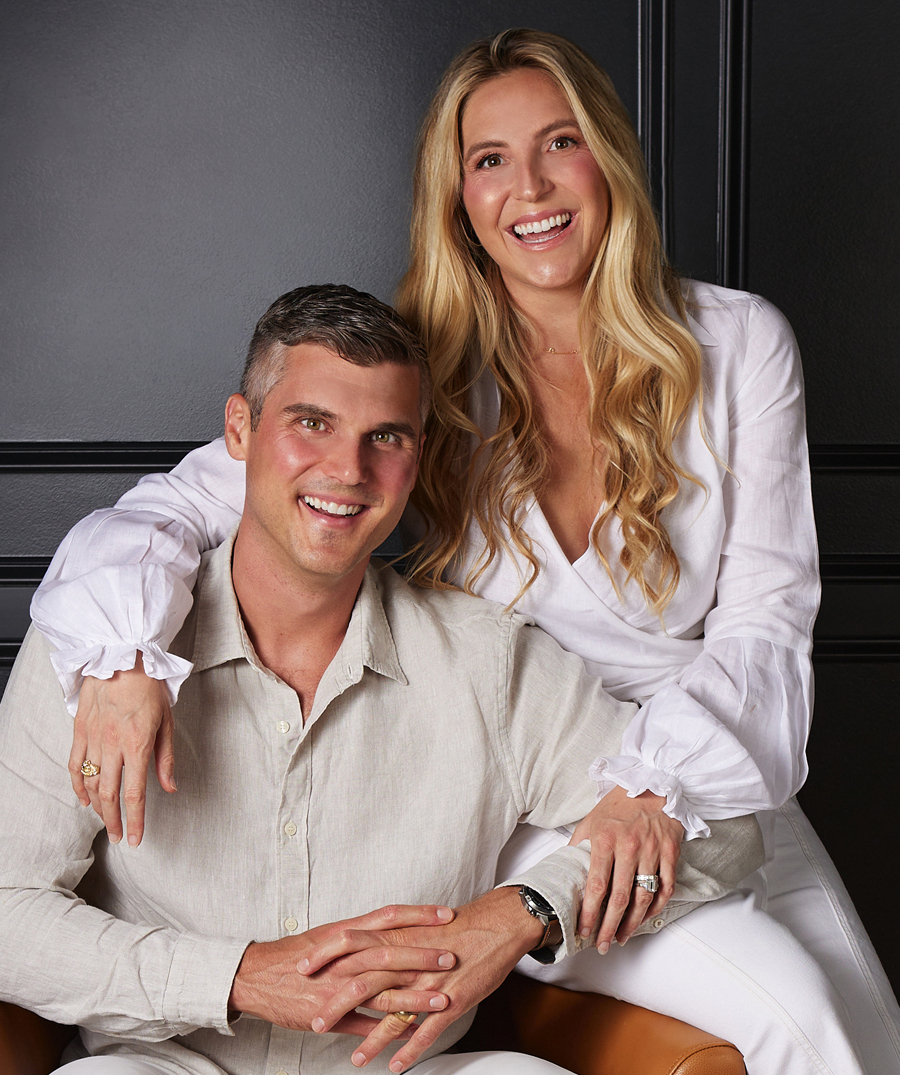
A recent poll showed 54 per cent of Americans – about 100 million adults – are no longer drinking, which is the lowest rate since records began. As a result, the non-alcoholic beverage market is set to be worth almost US$250 billion by 2032.
There’s a lot of top-down focus on health and longevity and more data is coming out which is making many prioritise wellness. People are switching out alcohol for healthy activations – for example, going to bed early so they can go to the run club in the morning. It’s no longer sexy to be drunk. It’s sexy to feel good.
People are making the switch to sober lifestyles not just because they hate hangovers, but because they realise how good they feel when they don’t drink and spend their time and money doing healthy activities instead. There’s a shift in what people are interested in and the late night experience doesn’t fit so well.
There’s also a growing offering for people who don’t want to drink alcohol – group fitness modalities, such as bootcamps and Hyrox are community-based and have a social element. There are music festivals that offer yoga, art and mindfulness instead of alcohol, delivering a fresh new concept.
It’s no longer sexy to be drunk. It’s sexy to feel good
We’re not saying everyone should give up drinking, but it’s time to offer an alternative way to socialise that doesn’t revolve around something that overloads the detox pathways. The data is out that even moderate drinking isn’t good for health. It used to be believed that a glass of red wine is good for sleep and heart health, but even that’s now known not to be true.
We’re seeing a lot of sober bars, zero proof bars and nightclubs, where operators are building social experiences around wellness rather than just food and alcohol. At Higher Order we offer coffee, a range of teas, matcha and zero proof elixirs, using nootropics and adaptogens. There are different ways in which you can have an alternative, social cocktail experience. We also have a signature slushie – an electrolyte beverage which is great after a hot yoga class, or following the sauna and steamroom.
Operators shouldn’t think of a social offering as an afterthought, because amenities such as smoothie bars are fundamental, giving people the chance to get to know each other and create a community.
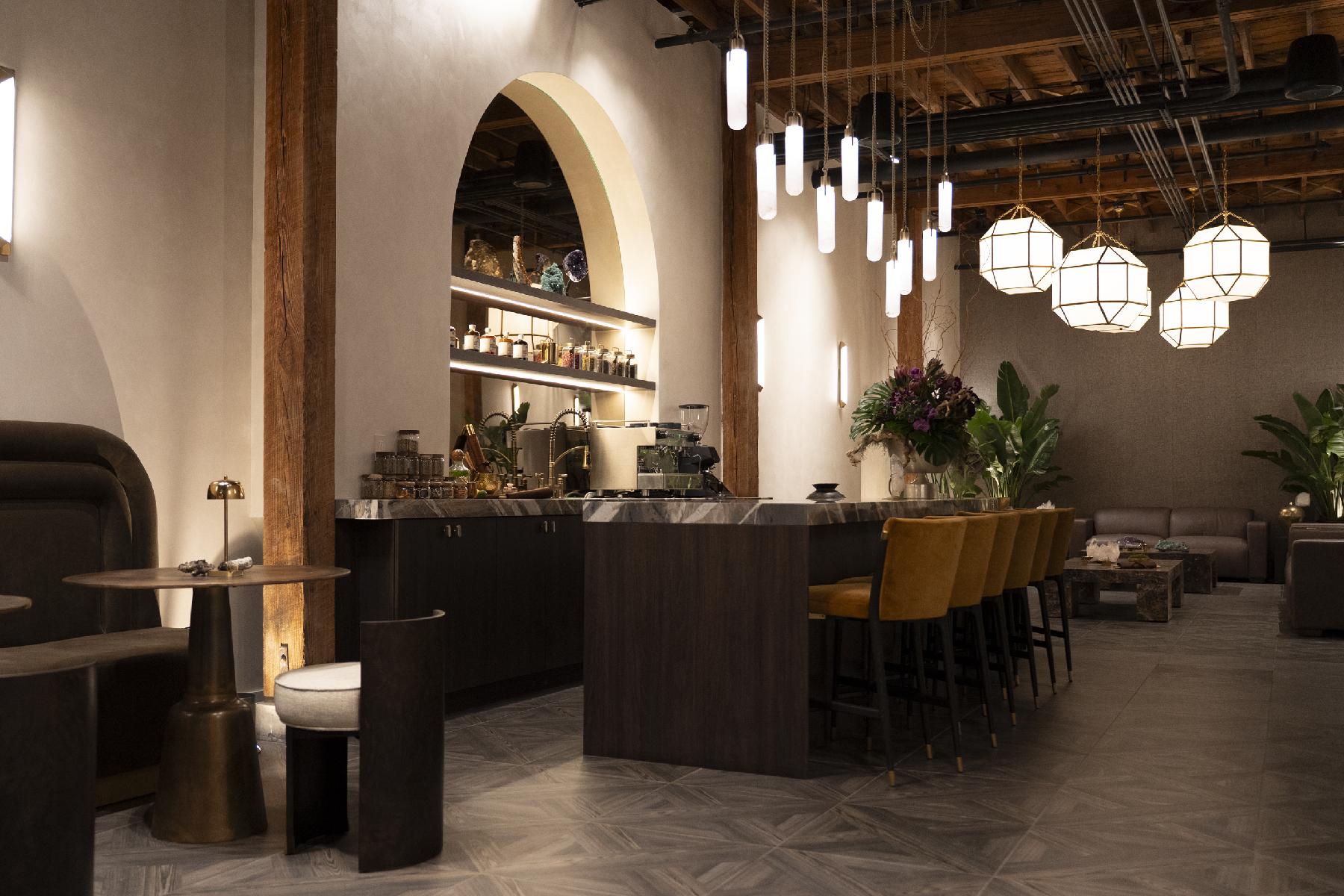
The stats show the sober curious trend is definitely building – in 2025 49 per cent of consumers in the US said they planned to drink less alcohol and almost 40 per cent already follow a sober curious lifestyle, either closely or occasionally, showing the trend is moving toward the mainstream rather than being niche.
People don’t feel good when they’ve been drinking and awareness around alcohol being a toxin that slows them down is growing. By removing alcohol, people often see improvements in sleep, reduced inflammation and better mental health.
It’s imperative, however, that giving up alcohol doesn’t mean giving up socialising. If someone becomes isolated and alone, that can lead to negative health consequences. The real benefit comes from understanding this and maintaining a balance when it comes to the give and take between physical and mental health and real social connection.
This trend offers endless opportunities for health and fitness operators. As AI and the digital world continue to take over, people will increasingly need physical spaces that offer real human connection. This is one of the most important challenges, and opportunities, to solve for the future. I have strong optimism in positive long-term projections for the health and fitness industry and this is one of the biggest reasons why.
It’s imperative that giving up alcohol doesn’t mean giving up socialising
We can capitalise on this trend by putting the client’s health first. That means having real experts guiding the product or experience. It’s also about designing environments that support the purpose of the gathering, and creating fun and social experiences.
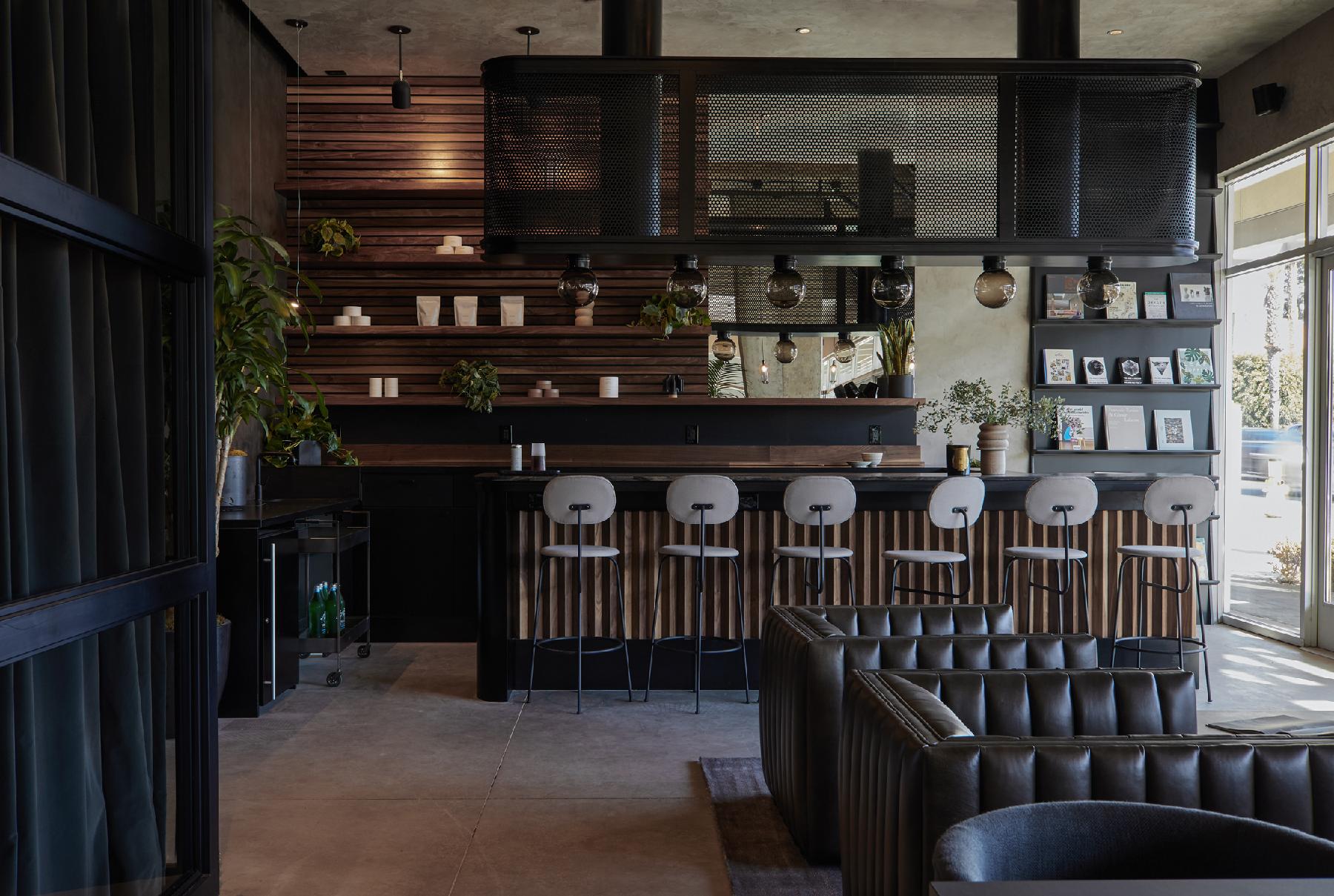

“We’ve seen a significant increase in the sober curious movement, which inspired the collaboration with Soft Bar in Brooklyn” – Chad Waetzig, Crunch Fitness
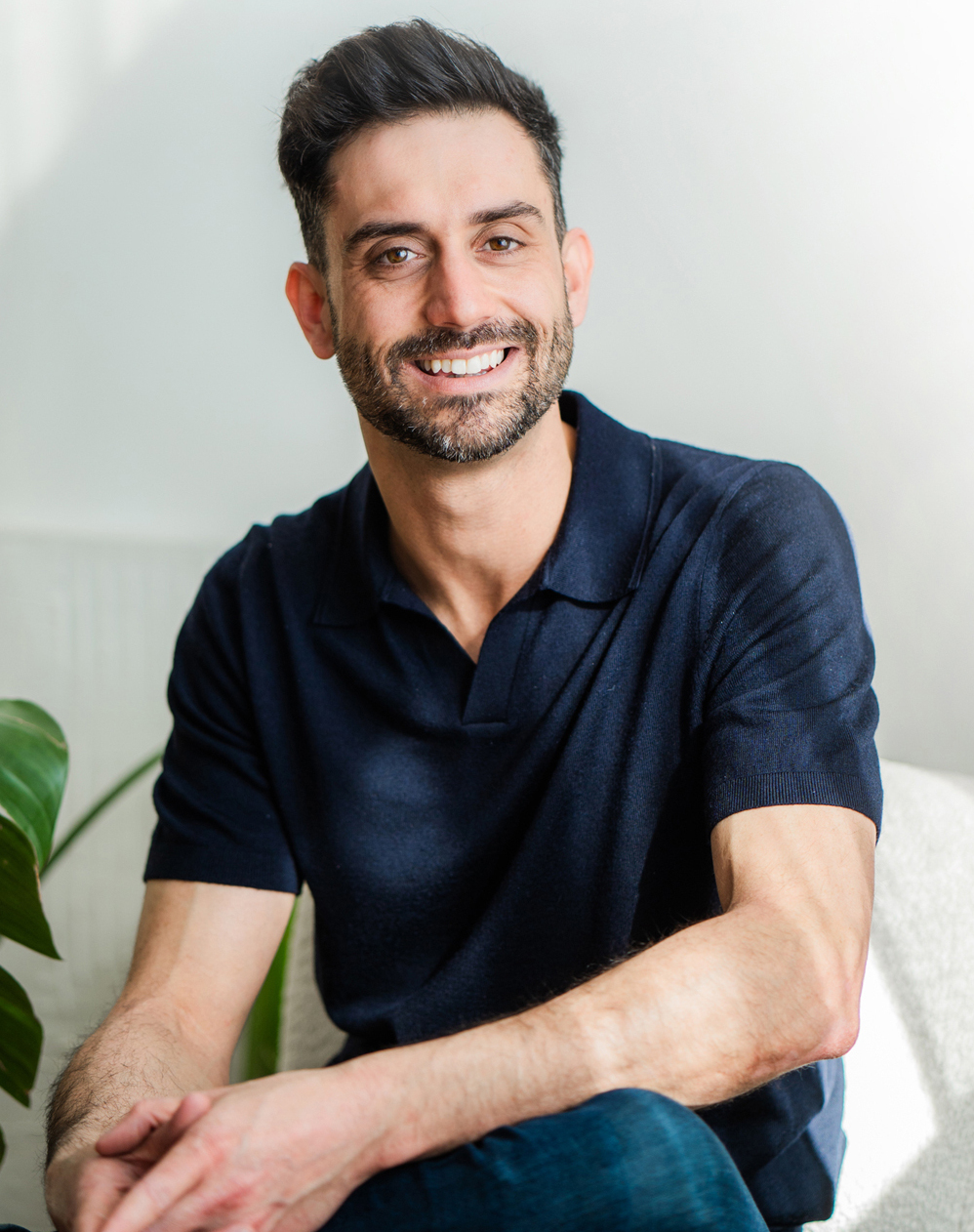
There are multiple drivers behind the sober-curious movement. Fitness and wellness culture is booming, with people wanting to optimise their health. Podcasts and influencers, such as Andrew Huberman are pushing the message that any amount of alcohol is harmful.
The cost-of-living crisis is reshaping habits, with younger people moving away from traditional clubbing and drinking. Millennials are reassessing after overdoing it in their youth, while Gen Z never really saw heavy drinking as aspirational.
Add in job insecurity, the pressure of building careers, and the ever-present risk of social media humiliation while drunk and drinking to excess simply looks less appealing!
Consumer demand is the main driver of the sober curious movement
From the data we’re seeing, Gen Z are the core drivers of this movement. For them, moderation or abstinence is more fundamental to their identity. Millennials are the next biggest group, often rethinking alcohol after their heaviest drinking years. Among Gen X and Boomers, there’s far less change – at the recent Oasis gig, Wembley Stadium sold the most pints ever in a day.
Consumer demand is the main driver. The social and cultural trends shaping the sober curious movement make it inevitable that the market would respond. Supply is catching up with a shift that was already happening and we’re already seeing the drinks industry respond with low and no versions, such as Guinness Zero.
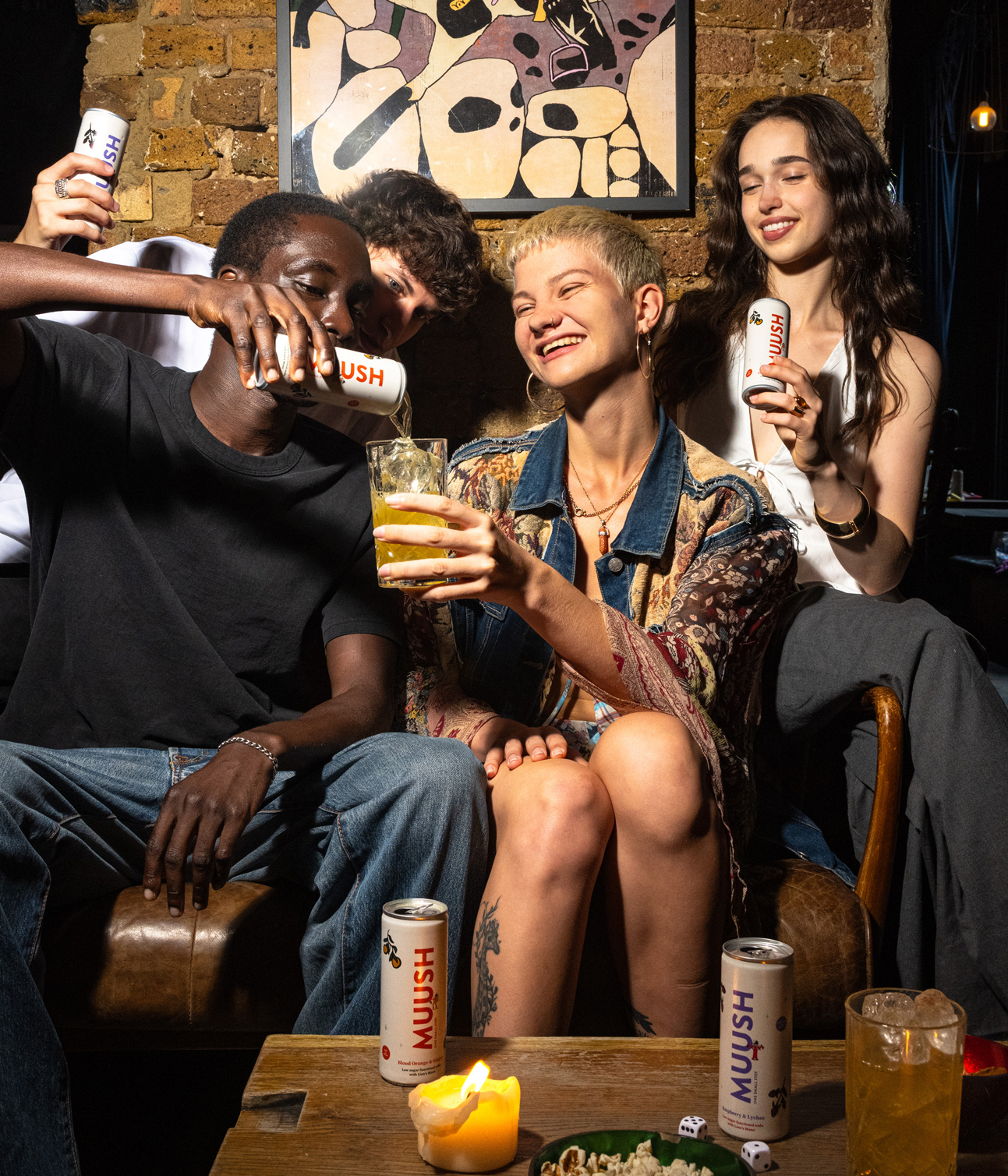
Alongside this, the functional drinks industry is expanding, giving people the chance to do something to enhance their health while having a tasty drink – Muush uses the fruiting body of Lion’s Mane, which has a strong body of evidence to support its benefits, including clearer thinking, gut health and immune system support.
Editor's letter

Feedback

HCM People
HCM People
Interview

Sponsored

Talkback
Insight
Life lessons

Sponsored
Specifier
Sponsored
Health

Trends
Supplier Showcase

Research













With the sober curious movement growing and alcohol now known to be a Class 1 carcinogen, it’s a good time for operators to capitalise on the trend of people wanting to do something other than drink alcohol in their spare time.
Health and fitness operators have the opportunity to support this shift by offering a fun, social alternative. In Brooklyn, Crunch Fitness is collaborating with Soft Bar – a non-alcoholic bar that offers functional beverages. A recent event involved a 45-minute total-body workout class from the resident DJ, followed by the chance to mingle, enjoy the music, drink soft cocktails and wellness shots and learn more about the functional benefits of the drinks for health.
“We’ve seen a significant increase in the sober curious movement, especially in our core young, strong and social demographic, which inspired the collaboration with Soft Bar in Brooklyn,” says Crunch Fitness chief marketing officer, Chad Waetzig. “Through in-person activations, events with Soft Bar and social content, we’re excited to collaborate on fostering an inclusive environment for our communities that help them truly feel good.”
While there’s data to show more people are seeking sober lifestyles, it’s not an easy change to make. Taking a pause from alcohol can be socially isolating, so the fitness industry could be a genuine support, especially if your club can offer a fun and social alternative to the pub by running activations which build a community.
Gyms offer an alternative place to socialise where people can build true connection around a shared interest if the community aspect is promoted and many operators are building social spaces. For example, Gymbox offers free smoothies, coffees and an area to hang out, Third Space and David Lloyd have always invested in members’ lounges and Everlast Gyms has recently partnered to offer Myprotein Kitchens.
“Our partnership with Myprotein marks a significant step forward in our mission to deliver a 360-fitness experience for our members,” says Dan Summerson, MD of Everlast Gyms.
“By connecting Everlast Gyms’ best-in-class gym spaces with Myprotein’s nutrition, refuelling and recovery products, we’re continuing to raise the bar on what a modern gym can offer.”
South London gym and Jiu Jitsu club, Arma, includes social areas as a key pillar to its offering. “We wanted to create a space that people didn’t want to leave and the members’ lounge has already become an integral part of bringing that goal to life,” says general manager, James Crew. “We have a strong and consistent contingent of members who use the lounge every day and we’ll continue to develop that space.”
The moment people take a break from alcohol – even briefly – they realise they feel better, sleep better, handle stress better and connect more honestly. Their self-esteem grows because it’s no longer chemically-inflated and they make decisions with a lot more clarity instead of avoidance. Talk to anyone who has stepped back from drinking and they’ll tell you that socialising sober forces you to build the kind of confidence that actually lasts – you feel braver because you can’t hide.
It also makes you more grounded because your nervous system isn’t swinging between chaos and recovery and it makes you more ‘you’, which creates a feeling of acceptance and belonging that – ironically – many people are looking for when they start drinking.
We’ve normalised alcohol as delivering connection, courage and confidence, but it’s none of those things. It’s a mask. A way to dodge the discomfort of being fully present in your own skin or feeling what you need to feel.
Choosing the health club or gym over the pub can form a virtuous circle
Real confidence is certainly a side effect of being sober curious. The more time you spend sober in situations, the more you’re cultivating true confidence rather than masked confidence, because when you take alcohol out of the equation, you lose the buffer that lets you hide. You can’t numb your nerves or outsource bravery to a drink. You start to actually build confidence, even when it feels uncomfortable.
The health club or gym is one of the easiest places to support this shift, as you have to show up sober. For a lot of people, going to a health club takes a bit of courage and it’s a sober place to connect easily as no-one there is using alcohol to mask. Health clubs are also a great place to make friends with people with similar interests or goals and there’s a growing focus of building community, for example. through small group training and Hyrox.
Among 18- to 35‑year‑olds, 20 per cent are seeking alcohol‑free gatherings and in the UK, 28 per cent of young adults don’t drink and according to Mintel, 71 per cent worry about long‑term health effects of alcohol, with 29 per cent citing mental health as a motivation.
Choosing the health club or gym over the pub can form a virtuous circle: better sleep, no hangovers, better energy, consistent workouts, better results. There’s an opportunity for operators to get creative about hosting events, such as talks and sharing circles, which allow people to swap out the pub for the gym.
“Our partnership with Myprotein marks a significant step forward in our mission to deliver a 360-fitness experience” – Dan Summerson, Everlast Gyms
A recent poll showed 54 per cent of Americans – about 100 million adults – are no longer drinking, which is the lowest rate since records began. As a result, the non-alcoholic beverage market is set to be worth almost US$250 billion by 2032.
There’s a lot of top-down focus on health and longevity and more data is coming out which is making many prioritise wellness. People are switching out alcohol for healthy activations – for example, going to bed early so they can go to the run club in the morning. It’s no longer sexy to be drunk. It’s sexy to feel good.
People are making the switch to sober lifestyles not just because they hate hangovers, but because they realise how good they feel when they don’t drink and spend their time and money doing healthy activities instead. There’s a shift in what people are interested in and the late night experience doesn’t fit so well.
There’s also a growing offering for people who don’t want to drink alcohol – group fitness modalities, such as bootcamps and Hyrox are community-based and have a social element. There are music festivals that offer yoga, art and mindfulness instead of alcohol, delivering a fresh new concept.
It’s no longer sexy to be drunk. It’s sexy to feel good
We’re not saying everyone should give up drinking, but it’s time to offer an alternative way to socialise that doesn’t revolve around something that overloads the detox pathways. The data is out that even moderate drinking isn’t good for health. It used to be believed that a glass of red wine is good for sleep and heart health, but even that’s now known not to be true.
We’re seeing a lot of sober bars, zero proof bars and nightclubs, where operators are building social experiences around wellness rather than just food and alcohol. At Higher Order we offer coffee, a range of teas, matcha and zero proof elixirs, using nootropics and adaptogens. There are different ways in which you can have an alternative, social cocktail experience. We also have a signature slushie – an electrolyte beverage which is great after a hot yoga class, or following the sauna and steamroom.
Operators shouldn’t think of a social offering as an afterthought, because amenities such as smoothie bars are fundamental, giving people the chance to get to know each other and create a community.
The stats show the sober curious trend is definitely building – in 2025 49 per cent of consumers in the US said they planned to drink less alcohol and almost 40 per cent already follow a sober curious lifestyle, either closely or occasionally, showing the trend is moving toward the mainstream rather than being niche.
People don’t feel good when they’ve been drinking and awareness around alcohol being a toxin that slows them down is growing. By removing alcohol, people often see improvements in sleep, reduced inflammation and better mental health.
It’s imperative, however, that giving up alcohol doesn’t mean giving up socialising. If someone becomes isolated and alone, that can lead to negative health consequences. The real benefit comes from understanding this and maintaining a balance when it comes to the give and take between physical and mental health and real social connection.
This trend offers endless opportunities for health and fitness operators. As AI and the digital world continue to take over, people will increasingly need physical spaces that offer real human connection. This is one of the most important challenges, and opportunities, to solve for the future. I have strong optimism in positive long-term projections for the health and fitness industry and this is one of the biggest reasons why.
It’s imperative that giving up alcohol doesn’t mean giving up socialising
We can capitalise on this trend by putting the client’s health first. That means having real experts guiding the product or experience. It’s also about designing environments that support the purpose of the gathering, and creating fun and social experiences.
“We’ve seen a significant increase in the sober curious movement, which inspired the collaboration with Soft Bar in Brooklyn” – Chad Waetzig, Crunch Fitness
There are multiple drivers behind the sober-curious movement. Fitness and wellness culture is booming, with people wanting to optimise their health. Podcasts and influencers, such as Andrew Huberman are pushing the message that any amount of alcohol is harmful.
The cost-of-living crisis is reshaping habits, with younger people moving away from traditional clubbing and drinking. Millennials are reassessing after overdoing it in their youth, while Gen Z never really saw heavy drinking as aspirational.
Add in job insecurity, the pressure of building careers, and the ever-present risk of social media humiliation while drunk and drinking to excess simply looks less appealing!
Consumer demand is the main driver of the sober curious movement
From the data we’re seeing, Gen Z are the core drivers of this movement. For them, moderation or abstinence is more fundamental to their identity. Millennials are the next biggest group, often rethinking alcohol after their heaviest drinking years. Among Gen X and Boomers, there’s far less change – at the recent Oasis gig, Wembley Stadium sold the most pints ever in a day.
Consumer demand is the main driver. The social and cultural trends shaping the sober curious movement make it inevitable that the market would respond. Supply is catching up with a shift that was already happening and we’re already seeing the drinks industry respond with low and no versions, such as Guinness Zero.
Alongside this, the functional drinks industry is expanding, giving people the chance to do something to enhance their health while having a tasty drink – Muush uses the fruiting body of Lion’s Mane, which has a strong body of evidence to support its benefits, including clearer thinking, gut health and immune system support.
Editor's letter
Feedback
HCM People
HCM People
Interview
Sponsored
Talkback
Insight
Life lessons
Sponsored
Specifier
Sponsored
Health
Trends
Supplier Showcase
Research