














features
Show report: Fabulous FIBO
Celebrating its 40th anniversary this year, FIBO welcomed visitors, exhibitors and stakeholders to Cologne, Germany recently, as Kath Hudson reports


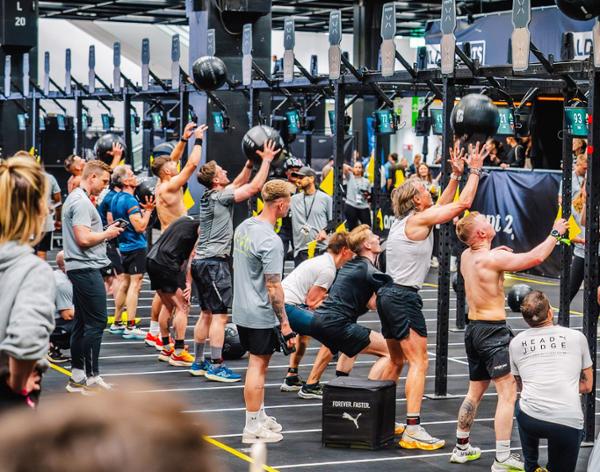
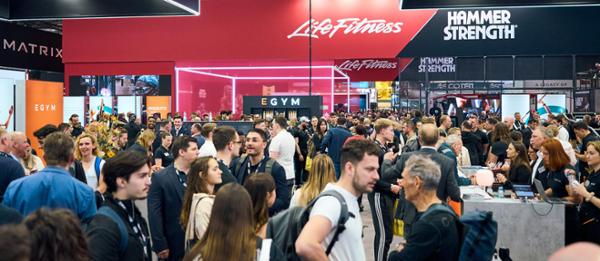
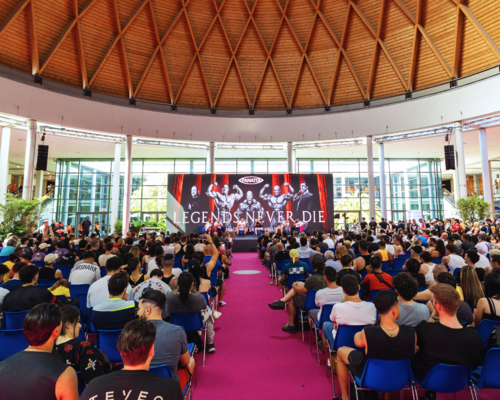
FIBO, the world’s biggest trade show for health, fitness and wellness, saw nearly 155,000 visitors arrive from 129 countries to experience the latest innovations in fitness and wellness and attend conference sessions which were packed with more than 80 presentations.
The energy of the show was off the charts – so many inspiring speakers, so many enthusiastic exhibitors, so many fit people running around the Hyrox hall. A real showcase of innovation, purpose and the desire to do good.
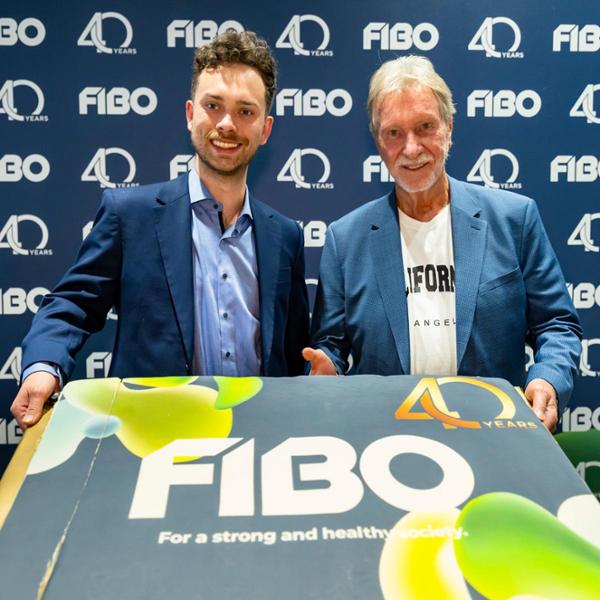
Founded in 1985 by bodybuilder, Kurt Thelen and judo champion, Volker Ebener, FIBO has come a long way since the first show, which had 79 exhibitors and an emphasis on body building.
FIBO is an acronym of FItness and BOdybuilding and while expanding into many different areas, the show has stayed true to its roots by continuing to host competitions for amateurs and professionals.
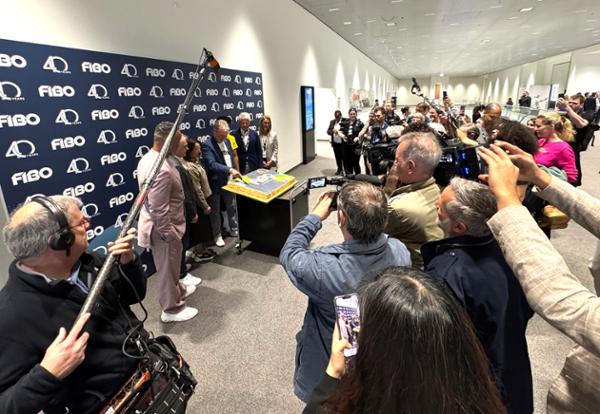
Event director, Silke Frank, said FIBO 2025 set new standards, with international policymakers using it to address key topics. One example is Antoaneta Angelova-Krasteva, director for innovation, digital education and international co-operation at the European Commission, who spoke at the opening press conference, acknowledging the importance of sport and physical activity for health and business, economic growth, creating jobs and driving innovation through digital technologies.
European Health and Fitness Forum
‘Growing the health and fitness sector together’ was the theme of this year’s EuropeActive European Health and Fitness Forum (EHFF), which took place the day before FIBO.
GoFit’s Steve Ward welcomed 560 delegates to the 12th iteration of the event, thanking outgoing EuropeActive president, David Stalker and welcomed interim president, Basic-Fit’s Marcel Boots.
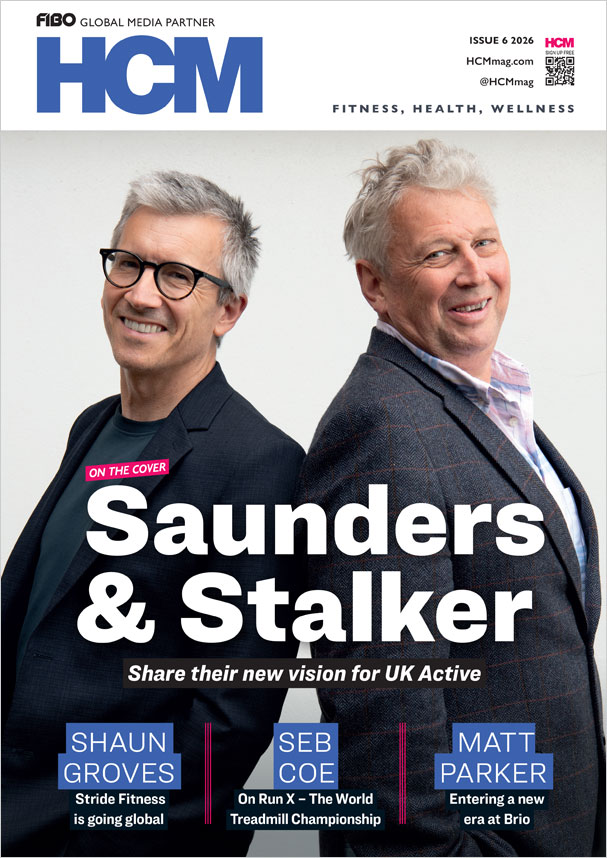
Stalker co-chaired the event with paralympian, Denise Schindler who later in the day awarded two industry awards, one to EGYM founder, Philipp Roesch-Schlanderer – the 2025 Rainer Schaller Entrepreneurship Award recipient and the other to Michelle Dand from David Lloyd, who received the EuropeActive Citizenship Award.
Latest research
The conference kicked off with Karsten Hollasch from Deloitte and EuropeActive’s Herman Rutgers, presenting insights from the 2025 European Health and Fitness Market Report (see HCM’s report on page 54).
The new study includes operator case studies, as well as city-specific reports of major capitals across Europe including Paris, Milan and London. Regional cities, such as Manchester UK, were also included.
Sondre Gravir, CEO of SATS and Rebecca Passmore, COO of PureGym then took to the stage to discuss growing the health and fitness sector.
Gravir spoke about the industry uniting behind a shared purpose: “We’re not competitors, we can work together to grow the market,” he said. “It’s much more fun to talk about how we can unite to stimulate growth than it is to compete – 20 per cent market penetration is just the beginning.”
Gravir and Passmore spoke about the Nordic countries having a higher IQ around fitness than other countries, with the government being more vocal about the benefits of exercise, which fuels demand, especially in older people.
Ben Roth CEO of Urban Sports Club; Doron Dickman CEO of Holmes Place; Michelle Dand and Jarett Perelmutter, senior VP at Purpose Brands, then joined HCM editor, Liz Terry, for a panel on boutiques.
Budget boutiques were identified as a trend, while the enduring popularity of club-in-club boutiques, such as David Lloyd’s Blaze and Spirit were also discussed. Holmes Place incorporates sister brands TRIB3 and PILAT3s in its offering and Dickman said: “We don’t want our members to feel they have to have a number of memberships, but aim to provide everything under one roof. We’re not educating the market, but responding to it.”
Dand said a mix of two or three modalities makes the boutique model more robust and also gives the option of switching one out if it loses popularity.
Fireside chat
David Stalker had a fireside chat with the CEO of Purpose Brands, Tom Leverton who talked about Purpose Brands being made up of 7,000 ‘laboratories’ in the form of its studios.
“Each of our locations is doing business somewhat differently, so we ask how can we take those best practices and apply them everywhere?” he explained.
Next, Brian Robinson from Havas, gave an overview of GLP-1s, saying they’re here to stay. “Thirty per cent of Equinox members are already using them. The industry is predicted to have a global market value of US$470 billion by 2030 and innovations are coming down the line, including pill versions and injections which only have to be taken once a month instead of weekly,” he said.
Lucien Engelen, CEO of TransformHealth, wrapped up the day with a talk on how tech can create a more personalised approach to medicine and healthcare and how the fitness industry should be targeting health.
Just 20 per cent of health is a result of our DNA, he revealed. Postcode accounts for 22 per cent and behaviour for 37 per cent, so there’s an enormous amount people can do to change their health outcomes and the industry can do to support them. More at www.HCMmag.com/EHFF2025
Longevity and Hospitality Summit
As the fitness industry converges with wellness, for the first time a Longevity and Hospitality Summit ran alongside the FIBO exhibition, organised by FIBO’s Anke Brendt.
Among the speakers were futurist John Sanei, who spoke about the importance of meditation in upgrading the mind and how catastrophising about the future hardwires the brain with a negativity bias. He said longevity is not about supplements, but about state.
He pointed to transformative hospitality as a trend, where guests “arrive as person A and leave as person B.”
Dr George Gatainos from Chenot Health and Wellness retreats spoke about its sleep rooms which have been designed to be insulated from noise, feature nature sounds to help people sleep and a sun on the ceiling to help them wake up naturally, as well as technology to measure sleep.
Sleep was also addressed by Mia Kyricos, CEO of Kyricos and Associates, who said the global sleep economy is worth US$538 billion, including products such as sleep tech and supplements, while wellness tourism is worth US$830 billion.
Noise pollution, light exposure, uncomfortable temperatures and bedding were the crimes frequently committed by hospitality operators, Kyricos said.
In the Future Forum, clinical director of Pillar, Oli Patrick, said that while fitness is the foundation of wellbeing, there are so many other elements which impact health: quality of light and air, the environments we spend our time in, the people we are surrounded by and how we think about ourselves.
RX Female Award
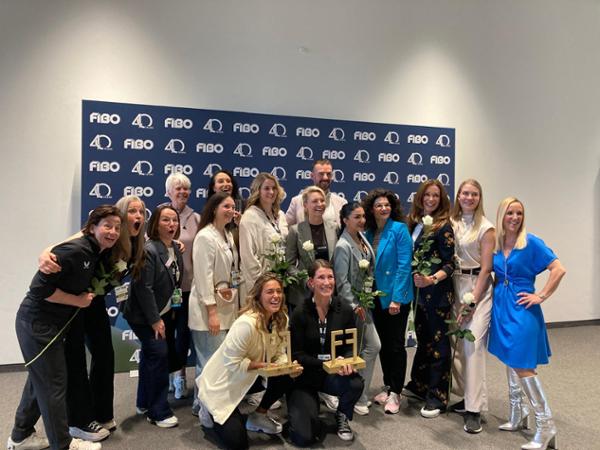
For the third year, FIBO celebrated exceptional young women with the RX Female Award. HCM editor, Liz Terry, was one of the judges and the ceremony took place at the FIBO Ladies’ Lunch on 11 April.
This year’s category of Youngster went to Frances Weber, co-founder of Femnetc, which creates scientifically-backed sports and nutrition concepts tailored to the female menstrual cycle.
Anna Martin-Niedecken, CEO and founder of Sphery AG, took the Role Model award. Her creation, ExerCube is a concept that combines gaming with physical and cognitive training to stimulate both the mind and body.
“The RX Female Award is more than just recognition – it’s a powerful statement for female empowerment in the fitness economy,” said Frank. “In an ever-evolving industry, we need women who are bold, who set new standards, and who uplift others. That’s exactly what these winners represent.”
COO of Leejam, Shaden Alsagri, gave an inspirational talk about her journey to the top: being one of just three women in a company with 3,000 men when she joined, she was reliant on men for mentorship and now wants to be a role model for other women in Middle East.
FIBO 2026 will run from 16-19 April. www.FIBO.com
More on FIBO Arabia at: www.hcmmag.com/FIBOArabia