


















GET HCM
magazine
Sign up for the FREE digital edition of HCM magazine and also get the HCM ezine and breaking news email alerts.
Not right now, thanksclose this window I've already subscribed!
Les Mills
Les Mills
Les Mills
Follow Health Club Management on Twitter Like Health Club Management on Facebook Join the discussion with Health Club Management on LinkedIn
FITNESS, HEALTH, WELLNESS

features

Retention series: Perceived value

In the second part of his retention series based on a large-scale qualitative survey, Dr Paul Bedford reports on how UK facilities currently rate in terms of perceived value for money

By Dr Paul Bedford PhD, Retention Guru | Published in Health Club Management 2013 issue 11
It would be nice if the person who did my induction would say hello. They swan around with new members and aren’t bothered about you

When it comes to health clubs and leisure centres, perceived value for money relates to three particular areas: firstly, the amount paid relative to the quality and amount of service delivered; secondly, the products such as classes, gym inductions, follow-ups and PT; and thirdly the environment – the activity areas, changing areas, and social areas if a club has them – both inside and outside of the facility.

However, depending on the member or prospect, the relative importance of those three points will vary.

Varying priorities
Members we spoke to described that, with their first membership, perceived value for money was often not based on services and products, but more likely on size and presentation of the facility – at this stage in their fitness lifecycle, they generally considered more to be better.

However, when joining for a second, third or more time, members become much more specific about the products and services they want, with the environment less highly ranked and less likely to deliver a ‘wow’ factor. These members are far more aware of what they will actually use and are less impressed by the straight aesthetics of the environment. Only when there are no differences between the products and services will members then choose a club with good aesthetics and design.

Cost versus usage
First experiences of clubs typically include a price presentation as part of the sales process. First-time members we spoke to described having the overall price broken down to a daily rate, which appears low when compared to the full sum and, particularly when joining a club for the first time, when they remain full of optimism that they will use the facilities frequently. The perceived value pre-joining is therefore high.

The reality is that the majority of members only manage one to two visits a week; when changing clubs, they understand this. While the sales presentation may still be delivered at a ‘per day’ cost, the member is able to calculate a more realistic ‘per workout’ cost which they will then use to weigh up their options – what they are currently paying for a workout and what they would be paying at the new club.

In particular members who train frequently – four or more times a week – calculate the cost of membership per workout rather than per day. A club charging £60 a month may present the membership cost as just £2 a day, but frequent users recalculate that figure, dividing the £60 not by 30 days but by 20 workouts. While this only increases the amount by £1, they will then decide if the additional amount is worth paying for services they may or may not use.

But the thought process for perceived value is not linear members’ thoughts jump around as they begin to make decisions as to whether the offering justifies the fee. They are constantly adjusting the information they have, going back over the same area again and again as they have new thoughts and new information. Frequently what they say to themselves is not reflected in what they say out loud, with judgements being made that are emotional as well as rational, and don’t only relate to the price.

Paying for specificity
It also appears that with experience comes a desire for specificity: second- and third-time members choose clubs that offer specifically the products and services they want. With each club, the member becomes more and more targeted: they want a particular type of yoga, group cycling class or equipment. Before making the decision to join, they will check out the availability of particular classes, or the range of machines or free weights on offer.

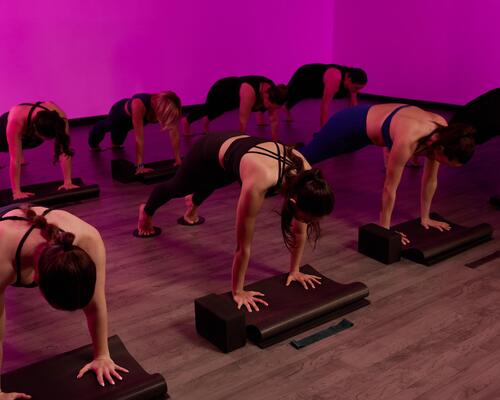
This has prompted some to join activity-specific facilities: PT, group cycling or yoga studios, for example, or clubs offering training approaches like Crossfit. These boutique facilities are gaining in popularity with experienced exercisers who are prepared to pay more for less. They will lower their expectations of changing rooms, reception and communal areas if the class or training is of exceptional quality. That equates to less of what they’re not interested in and more of exactly what it is they’re going participate in – which all equals great perceived value for money. Paying £7.50 a class for group cycling may seem expensive, but in their eyes it’s the same as paying £60 a month for membership of a club they use just twice a week.

These members also report a greater sense of connectedness with the club, owners and staff, where the vibe is “less corporate and more passion”.

Bottom line cost
Meanwhile, with the growth in low-cost facilities, experienced members are revising their views of what constitutes value for money. Among members for whom relaxing post-workout and socialising are of less importance, the fitness products themselves are being compared like-for-like. In this equation, the low-cost operators do well, as many are seen to be offering the same products as the middle and premium markets. In fact, respondents felt some low-cost facilities offered a greater variety of products for a much lower price.

Nevertheless, there were some challenges for low-cost facilities, with some respondents explaining how they weighed up the attractive lower costs against other factors such as equipment availability; price alone was not enough to guarantee member retention. Comments included: “There was a lot of equipment, but there were also a lot of people there and it took me 20 minutes longer than usual to do my workout. I can’t afford that additional time.”

Member-staff interaction
The value of interactions is now well documented and can lead to a significant boost in retention in all areas of a club.

However, where it’s most prized – and therefore where it contributes most to perceived value for money of the club as a whole – is when the interaction is personal and provides opportunities to move the member closer to their goals or outcomes.

It appears that members value positive comments about exercise performance highly. This occurs in class and gym settings when individual encouragement is given to a member about performance or effort. Although still accepted, generalised praise – ‘good job, well done’ – appears to have less value.

Members also create hierarchies of importance relative to what they want and why they come to the club. If they join to do pilates, for example, they place a higher value on interactions delivered by the pilates instructor than in other areas of the club: interaction with the pilates teacher is seen to be of more value than an interaction at reception.

Indeed, while members generally place a high importance on interaction at reception, interaction while they are physically active has an even higher perceived value – perhaps because it’s less expected. “You expect reception to say hello – isn’t that’s why it’s called reception?” observed one respondent.

New members generally report feeling let down after the first few weeks. They describe the initial experiences in the same way they describe starting a new relationship: after the initial courting process, they realise the relationship is more of a fling than anything substantial.

“It would be nice if the person who did my induction would just say hello. They swan around being all cool with the next new member and you realise they’re just not bothered about you,” said one respondent.

Experienced members, meanwhile, are fully aware of this honeymoon period and are less affected by the lack of support they are often promised when joining. However, even among this group it appears that, where good service is delivered, it’s highly valued by members. The opportunity to converse and feel part of a club is a key reason members quote for staying at their club and recommending it to others.

Conclusion
People who join clubs with no previous gym experience are easier to sell to and have higher expectations about their club usage. They are also much more likely to be influenced by the look of the club than seasoned exercisers.

Seasoned club members are more precise about what they want and less influenced by the elements that ‘wow’ the less experienced. They want more of what’s important to them, at times that are convenient to them, and at a price they can justify paying.

Figure 1: The price justification process

Figure 1
Figure 1

Paul Bedford PhD has worked in the fitness industry for more than 20 years. His business, Retention Guru, helps health club operators increase retention, reduce attrition and improve member loyalty.

Email paul-retentionguru.co.uk
Twitter @guru_paul
Linkedin Paul Bedford

Sign up here to get HCM's weekly ezine and every issue of HCM magazine free on digital.
Members expect interaction at reception; interaction as they work out is valued more highly / © shutterstock.com
Seasoned members will calculate the cost per workout rather than cost per day of membership / © shutterstock.com
https://www.leisureopportunities.co.uk/images/HCM2013_11series.gif
As part of his retention series, Dr Paul Bedford takes a look at how UK facilities currently rate in terms of perceived value for money
Dr Paul Bedford ,retention, UK facilities
HCM magazine
HCM People

Jamie Clements

The Breath Coach
I experienced a blissful feeling of joy I hadn’t felt since I was a kid
HCM magazine
Raphael Cuomo explores the powerful link between addiction, health and behaviour change
HCM magazine
For every member with a tripod and a big following, there are others irritated at the way equipment is being hogged or wary they’ll be in the background on someone’s Insta feed. Do influencers offer valuable, free marketing or are they just a nuisance? Kath Hudson finds out how operators are responding
HCM magazine
If the health service is to survive, we must recognise that it is a disease service – and that wellbeing rests with us, says the activity advocate and healthy ageing champion. He talks to Kate Cracknell
HCM magazine
As the entrepreneur who started Wexer, Fresh Fitness, Fitness DK and Repeat, as well as being a former elite athlete, Rasmus Ingerslev’s life looked perfect from the outside, but onthe inside it was a different story. He talks to Kath Hudson about healing old wounds
HCM promotional features
Sponsored
David Lloyd is stepping up its commitment to women’s health as it continues to explore what fit-for-purpose looks like for the female population
HCM promotional features
Sponsored
SnowDome Fitness has added 50 per cent more space with cutting-edge Technogym solutions
HCM promotional features
Sponsored
Find out how your gym can tap into the corporate wellness boom
HCM promotional features
Sponsored
Third Space partnered with IndigoFitness to deliver a bespoke training space for its new club at The Whiteley
HCM promotional features
Sponsored
Greg Bradley looks at the shift towards strength training in gyms and advises on how operators can create the ultimate training environment
HCM promotional features
Sponsored
Starpool supports Olympic champion Marcell Jacobs, says Riccardo Turri
HCM promotional features
Sponsored
EGYM has opened a new HQ in Paternoster Square, London and revealed a range of new launches
HCM promotional features
Sponsored
New launch, Salus House, elevates boutique wellness with high service levels and a partnership with Technogym
HCM promotional features
Sponsored
Active IQ is calling for greater accountability in online fitness advice with the launch of a new trustmark
HCM promotional features
Latest News
Global group exercise specialist, Les Mills, is inviting operators to sign up to its Workout ...
Latest News
Global luxury hospitality brand, Six Senses, has partnered with longevity healthcare provider, HUM2N, to launch ...
Latest News
Premium London health club, KX Chelsea, is gearing up to unveil its most significant redevelopment ...
Latest News
Researchers in the US have identified an antibody which could greatly reduce the loss of ...
Latest News
Peloton has made the strategic acquisition of Pilates start-up, Skōp, to support the expansion of ...
Latest News
Crunch Fitness has announced the launch of Crunch Reform Pilates – its own reformer concept ...
Latest News
The 20th State of the Industry Report from LeisureDB has revealed a resilient, expanding and ...
Latest News
Purpose Brands has announced its entry into the Italian market, having sold the franchise rights ...
Opinion
promotion
Strength training has moved from the margins to the mainstream.
Opinion: Building smarter strength spaces for today’s operators
Featured supplier news
Featured supplier news: Supporting long-term health: why whole body vibration belongs in clinical settings
As healthcare continues to shift towards prevention, there’s a growing focus on helping people stay active, independent and feeling good for longer.
Featured supplier news
Featured supplier news: CoverMe extends matching service to personal training, rewriting how members and personal trainers connect
CoverMe, the global leader in fitness workforce management, today launches CoverMe PT, an on-demand personal training platform that connects the right personal trainer to the right client in under 10 seconds.
Company profiles
Company profile: Active IQ
The UK’s leading Ofqual-recognised awarding organisation for the physical activity sector, Active IQ offers over ...
Company profiles
Company profile: GymNation
Ranging from 25,000 to 60,000 square feet, GymNation is open 24/7, 365 days a year ...
Supplier Showcases
Supplier Showcase - From nightclub to health club
Supplier Showcases
Supplier Showcase - Future-proofing
Catalogue Gallery
Click on a catalogue to view it online
Featured press releases
ukactive press release: UK Active launches next phase of Digital Futures to support digital maturity across the physical activity sector
UK Active has announced the next phase of its Digital Futures programme, supporting organisations across the physical activity sector to develop their digital capability.
Featured press releases
The Fitness Group press release: The Fitness Group partners with Serco Leisure to deliver education and career pathways across UK leisure facilities
The Fitness Group, the UK's leading fitness education training provider, has announced a strategic partnership with Serco Leisure, one of the UK's leading national operators of leisure centres, destination venues and elite sporting facilities.
Directory
Water experiences and hydrotherapy solutions
Aquaform s.r.l.: Water experiences and hydrotherapy solutions
Spa and beauty equipment
Living Earth Crafts: Spa and beauty equipment
Industrial washing machines
Miele Company Limited: Industrial washing machines
Lockers
Crown Sports Lockers: Lockers
Hot tubs
MSpa International Ltd: Hot tubs
Fitness tracking platform
SpiviTech: Fitness tracking platform
Property & Tenders
Stratford, East London.
Lee Valley Regional Park Authority
Property & Tenders
Y Felinheli, LL56 4QN
Newmark
Property & Tenders
Diary dates
21-24 Sep 2026
The Langham Huntington Pasadena , Pasadena, United States
Diary dates
06-08 Oct 2026
Messe Stuttgart, Stuttgart, Germany
Diary dates
22-22 Oct 2026
QEII Conference Centre, London,
Diary dates
26-29 Oct 2027
Koelnmesse Exhibition Centre, Cologne, Germany
Diary dates

features

Retention series: Perceived value

In the second part of his retention series based on a large-scale qualitative survey, Dr Paul Bedford reports on how UK facilities currently rate in terms of perceived value for money

By Dr Paul Bedford PhD, Retention Guru | Published in Health Club Management 2013 issue 11
It would be nice if the person who did my induction would say hello. They swan around with new members and aren’t bothered about you

When it comes to health clubs and leisure centres, perceived value for money relates to three particular areas: firstly, the amount paid relative to the quality and amount of service delivered; secondly, the products such as classes, gym inductions, follow-ups and PT; and thirdly the environment – the activity areas, changing areas, and social areas if a club has them – both inside and outside of the facility.

However, depending on the member or prospect, the relative importance of those three points will vary.

Varying priorities
Members we spoke to described that, with their first membership, perceived value for money was often not based on services and products, but more likely on size and presentation of the facility – at this stage in their fitness lifecycle, they generally considered more to be better.

However, when joining for a second, third or more time, members become much more specific about the products and services they want, with the environment less highly ranked and less likely to deliver a ‘wow’ factor. These members are far more aware of what they will actually use and are less impressed by the straight aesthetics of the environment. Only when there are no differences between the products and services will members then choose a club with good aesthetics and design.

Cost versus usage
First experiences of clubs typically include a price presentation as part of the sales process. First-time members we spoke to described having the overall price broken down to a daily rate, which appears low when compared to the full sum and, particularly when joining a club for the first time, when they remain full of optimism that they will use the facilities frequently. The perceived value pre-joining is therefore high.

The reality is that the majority of members only manage one to two visits a week; when changing clubs, they understand this. While the sales presentation may still be delivered at a ‘per day’ cost, the member is able to calculate a more realistic ‘per workout’ cost which they will then use to weigh up their options – what they are currently paying for a workout and what they would be paying at the new club.

In particular members who train frequently – four or more times a week – calculate the cost of membership per workout rather than per day. A club charging £60 a month may present the membership cost as just £2 a day, but frequent users recalculate that figure, dividing the £60 not by 30 days but by 20 workouts. While this only increases the amount by £1, they will then decide if the additional amount is worth paying for services they may or may not use.

But the thought process for perceived value is not linear members’ thoughts jump around as they begin to make decisions as to whether the offering justifies the fee. They are constantly adjusting the information they have, going back over the same area again and again as they have new thoughts and new information. Frequently what they say to themselves is not reflected in what they say out loud, with judgements being made that are emotional as well as rational, and don’t only relate to the price.

Paying for specificity
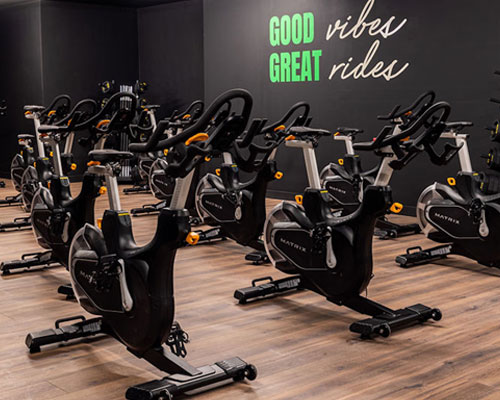
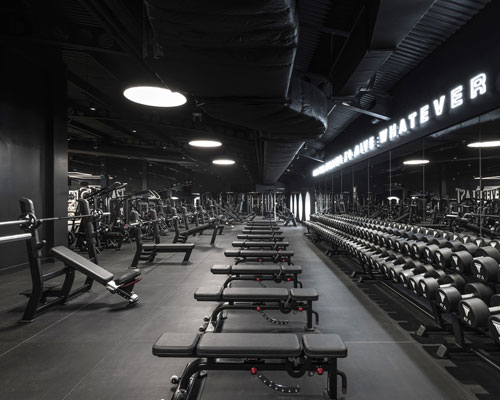
It also appears that with experience comes a desire for specificity: second- and third-time members choose clubs that offer specifically the products and services they want. With each club, the member becomes more and more targeted: they want a particular type of yoga, group cycling class or equipment. Before making the decision to join, they will check out the availability of particular classes, or the range of machines or free weights on offer.

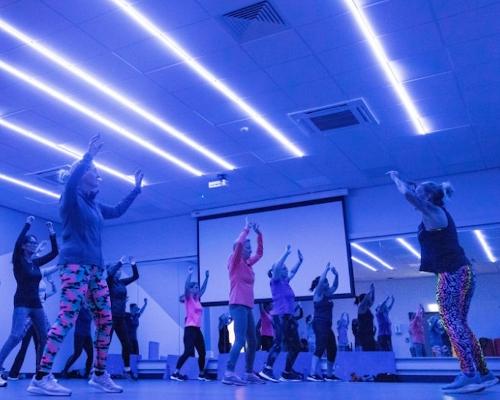
This has prompted some to join activity-specific facilities: PT, group cycling or yoga studios, for example, or clubs offering training approaches like Crossfit. These boutique facilities are gaining in popularity with experienced exercisers who are prepared to pay more for less. They will lower their expectations of changing rooms, reception and communal areas if the class or training is of exceptional quality. That equates to less of what they’re not interested in and more of exactly what it is they’re going participate in – which all equals great perceived value for money. Paying £7.50 a class for group cycling may seem expensive, but in their eyes it’s the same as paying £60 a month for membership of a club they use just twice a week.

These members also report a greater sense of connectedness with the club, owners and staff, where the vibe is “less corporate and more passion”.

Bottom line cost
Meanwhile, with the growth in low-cost facilities, experienced members are revising their views of what constitutes value for money. Among members for whom relaxing post-workout and socialising are of less importance, the fitness products themselves are being compared like-for-like. In this equation, the low-cost operators do well, as many are seen to be offering the same products as the middle and premium markets. In fact, respondents felt some low-cost facilities offered a greater variety of products for a much lower price.

Nevertheless, there were some challenges for low-cost facilities, with some respondents explaining how they weighed up the attractive lower costs against other factors such as equipment availability; price alone was not enough to guarantee member retention. Comments included: “There was a lot of equipment, but there were also a lot of people there and it took me 20 minutes longer than usual to do my workout. I can’t afford that additional time.”

Member-staff interaction
The value of interactions is now well documented and can lead to a significant boost in retention in all areas of a club.

However, where it’s most prized – and therefore where it contributes most to perceived value for money of the club as a whole – is when the interaction is personal and provides opportunities to move the member closer to their goals or outcomes.

It appears that members value positive comments about exercise performance highly. This occurs in class and gym settings when individual encouragement is given to a member about performance or effort. Although still accepted, generalised praise – ‘good job, well done’ – appears to have less value.

Members also create hierarchies of importance relative to what they want and why they come to the club. If they join to do pilates, for example, they place a higher value on interactions delivered by the pilates instructor than in other areas of the club: interaction with the pilates teacher is seen to be of more value than an interaction at reception.

Indeed, while members generally place a high importance on interaction at reception, interaction while they are physically active has an even higher perceived value – perhaps because it’s less expected. “You expect reception to say hello – isn’t that’s why it’s called reception?” observed one respondent.

New members generally report feeling let down after the first few weeks. They describe the initial experiences in the same way they describe starting a new relationship: after the initial courting process, they realise the relationship is more of a fling than anything substantial.

“It would be nice if the person who did my induction would just say hello. They swan around being all cool with the next new member and you realise they’re just not bothered about you,” said one respondent.

Experienced members, meanwhile, are fully aware of this honeymoon period and are less affected by the lack of support they are often promised when joining. However, even among this group it appears that, where good service is delivered, it’s highly valued by members. The opportunity to converse and feel part of a club is a key reason members quote for staying at their club and recommending it to others.

Conclusion
People who join clubs with no previous gym experience are easier to sell to and have higher expectations about their club usage. They are also much more likely to be influenced by the look of the club than seasoned exercisers.

Seasoned club members are more precise about what they want and less influenced by the elements that ‘wow’ the less experienced. They want more of what’s important to them, at times that are convenient to them, and at a price they can justify paying.

Figure 1: The price justification process

Figure 1
Figure 1

Paul Bedford PhD has worked in the fitness industry for more than 20 years. His business, Retention Guru, helps health club operators increase retention, reduce attrition and improve member loyalty.

Email paul-retentionguru.co.uk
Twitter @guru_paul
Linkedin Paul Bedford

Sign up here to get HCM's weekly ezine and every issue of HCM magazine free on digital.
Members expect interaction at reception; interaction as they work out is valued more highly / © shutterstock.com
Seasoned members will calculate the cost per workout rather than cost per day of membership / © shutterstock.com
https://www.leisureopportunities.co.uk/images/HCM2013_11series.gif
As part of his retention series, Dr Paul Bedford takes a look at how UK facilities currently rate in terms of perceived value for money

Dr Paul Bedford ,retention, UK facilities

Latest News
Global group exercise specialist, Les Mills, is inviting operators to sign up to its Workout ...
Latest News
Global luxury hospitality brand, Six Senses, has partnered with longevity healthcare provider, HUM2N, to launch ...

Latest News
Premium London health club, KX Chelsea, is gearing up to unveil its most significant redevelopment ...
Latest News
Researchers in the US have identified an antibody which could greatly reduce the loss of ...
Latest News
Peloton has made the strategic acquisition of Pilates start-up, Skōp, to support the expansion of ...
Latest News
Crunch Fitness has announced the launch of Crunch Reform Pilates – its own reformer concept ...
Latest News
The 20th State of the Industry Report from LeisureDB has revealed a resilient, expanding and ...
Latest News
Purpose Brands has announced its entry into the Italian market, having sold the franchise rights ...
Latest News
Fitness First UK is integrating red light therapy into its yoga and Pilates classes through ...
Latest News
Nuffield Health has told HCM that it takes its responsibilities towards its colleagues seriously and ...
Latest News
Technogym has announced the launch of the Run X World Treadmill Championship, the first world ...
Opinion
promotion
Strength training has moved from the margins to the mainstream.
Opinion: Building smarter strength spaces for today’s operators
Featured supplier news
Featured supplier news: Supporting long-term health: why whole body vibration belongs in clinical settings
As healthcare continues to shift towards prevention, there’s a growing focus on helping people stay active, independent and feeling good for longer.
Featured supplier news
Featured supplier news: CoverMe extends matching service to personal training, rewriting how members and personal trainers connect
CoverMe, the global leader in fitness workforce management, today launches CoverMe PT, an on-demand personal training platform that connects the right personal trainer to the right client in under 10 seconds.
Company profiles
Company profile: Active IQ
The UK’s leading Ofqual-recognised awarding organisation for the physical activity sector, Active IQ offers over ...
Company profiles
Company profile: GymNation
Ranging from 25,000 to 60,000 square feet, GymNation is open 24/7, 365 days a year ...
Supplier Showcases
Supplier Showcase - From nightclub to health club
Supplier Showcases
Supplier Showcase - Future-proofing
Catalogue Gallery
Click on a catalogue to view it online
Featured press releases
ukactive press release: UK Active launches next phase of Digital Futures to support digital maturity across the physical activity sector
UK Active has announced the next phase of its Digital Futures programme, supporting organisations across the physical activity sector to develop their digital capability.
Featured press releases
The Fitness Group press release: The Fitness Group partners with Serco Leisure to deliver education and career pathways across UK leisure facilities
The Fitness Group, the UK's leading fitness education training provider, has announced a strategic partnership with Serco Leisure, one of the UK's leading national operators of leisure centres, destination venues and elite sporting facilities.
Directory
Water experiences and hydrotherapy solutions
Aquaform s.r.l.: Water experiences and hydrotherapy solutions
Spa and beauty equipment
Living Earth Crafts: Spa and beauty equipment
Industrial washing machines
Miele Company Limited: Industrial washing machines
Lockers
Crown Sports Lockers: Lockers
Hot tubs
MSpa International Ltd: Hot tubs
Fitness tracking platform
SpiviTech: Fitness tracking platform
Property & Tenders
Stratford, East London.
Lee Valley Regional Park Authority
Property & Tenders
Y Felinheli, LL56 4QN
Newmark
Property & Tenders
Diary dates
21-24 Sep 2026
The Langham Huntington Pasadena , Pasadena, United States
Diary dates
06-08 Oct 2026
Messe Stuttgart, Stuttgart, Germany
Diary dates
22-22 Oct 2026
QEII Conference Centre, London,
Diary dates
26-29 Oct 2027
Koelnmesse Exhibition Centre, Cologne, Germany
Diary dates
Search news, features & products:
Find a supplier:
Les Mills
Les Mills
Partner sites