















GET HCM
magazine
Sign up for the FREE digital edition of HCM magazine and also get the HCM ezine and breaking news email alerts.
Not right now, thanksclose this window I've already subscribed!
Follow Health Club Management on Twitter Like Health Club Management on Facebook Join the discussion with Health Club Management on LinkedIn
FITNESS, HEALTH, WELLNESS

features

Research: Strong recovery

The results from the first Moving Communities Customer Experience survey present a positive picture of overall satisfaction with local authority facilities, explains Mike Hill

Published in Health Club Management 2021 issue 7
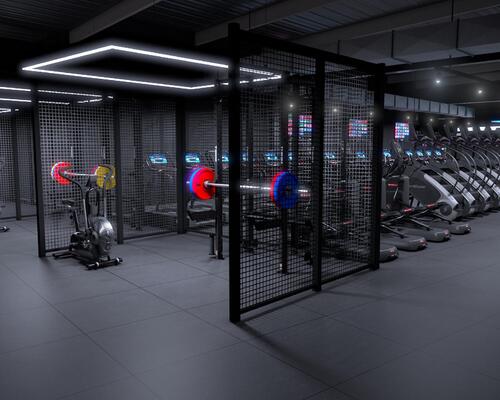
89 per cent say they exercise more intensely in a leisure centre than an informal setting / photo: shuttestock/DuxX
The Net Promoter Score has increased to 52, up from pre-COVID industry averages of 40-45 for local authority facilities

The Moving Communities Customer Experience Survey is the one of the largest consumer surveys ever completed in the public leisure sector in England. Conducted during April and May 2021, it was commissioned by Sport England to measure the impact of a £100m grant provided by the government via Sport England’s National Leisure Recovery Fund to support leisure centres in dealing with the impact of the pandemic.

The survey featured responses from over 50,000 individuals who visited at least one of the 1,183 local authority gyms, pools or leisure centres across 158 local authorities in England since reopening in April 2021.

The data suggests that customer expectations have been met, with overall satisfaction levels at an all-time high and a strong customer response.

The Net Promoter Score – an indicator of satisfaction and loyalty – has increased to 52 from pre-COVID industry averages of 40-45 and there’s an appreciation of greater levels of cleanliness in both activity areas and changing rooms.

Most importantly returning customers have higher levels of confidence in COVID-secure measures put in place by operators, compared to previous surveys.

The Confidence Indicator Score is a metric that has been introduced during the pandemic to measure customers confidence and comfort levels when returning to their leisure centres.

Confidence in the product
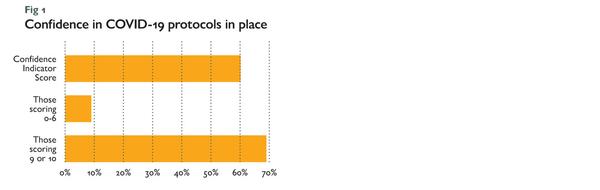
Findings from the survey suggest those who’ve seen the new industry protocols in action are generally pleased with both the processes and the ways in which they’re being implemented – 69 per cent were extremely confident in their leisure facility, with only 9 per cent not at all confident in COVID-19 protocols. This resulted in an overall Confidence Indicator Score of 60 (See Fig 1).

This compares favourably with results from previous reopenings after lockdowns one and two, when scores were typically lower – between 50 per cent and 60 per cent throughout 2020. The Confidence Indicator Score is a calculation based on the question ‘During your last visit to the centre, how confident or not did you feel in the COVID-19 related protocols in place?’.

Activity levels and patterns
The findings of the survey also provide an insight into how much of users’ physical activity takes place in leisure facilities as opposed to other settings.

Interestingly, it appears that those completing moderate intensity activity one to three times a week have a greater reliance on public sector facilities than those who are exercising more than this.

People also reported they are more engaged when exercising in a facility, with 89 per cent saying they exercise more intensely in a leisure centre than in an informal setting.

Wider measures
The survey looked closely at the customer experience of cleanliness, confidence in the COVID-19 secure procedures and practices, overall satisfaction and the value team members bring to the experience.

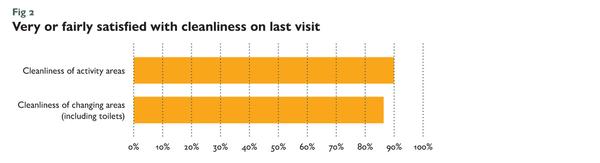
A key driver of positive performance will likely be the cleanliness of facilities. An encouraging 90 per cent reported satisfaction (very satisfied or fairly satisfied) with the cleanliness of the activity area itself, and 86 per cent said they were satisfied with the cleanliness of the changing areas and toilets (see Fig 2). These figures are considerably higher than pre-COVID cleanliness scores – as reported by the National Benchmarking Service (NBS) in 2020 – when activity area satisfaction was at 80 per cent and changing/toilet area satisfaction was only 70 per cent.

Role of local authorities
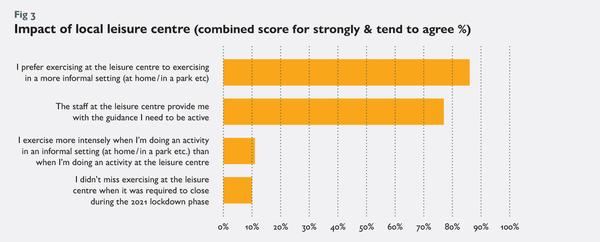
One of the most striking findings to emerge from the survey is the engagement people have with their local authority facilities – 86 per cent of respondents said they prefer exercising there compared to a more informal environment, such as at home or in a park.

More than three quarters of respondents (77 per cent) said they felt staff gave them the guidance they needed to be more active and 97 per cent of respondents said they intend to exercise at least once a week in their local facilities in the next six months. Conversely, only 9 per cent of respondents said the leisure centre ‘did not’ play a significant role in the lifestyle they wanted to live (see Fig 3).

Targeting those that need it most
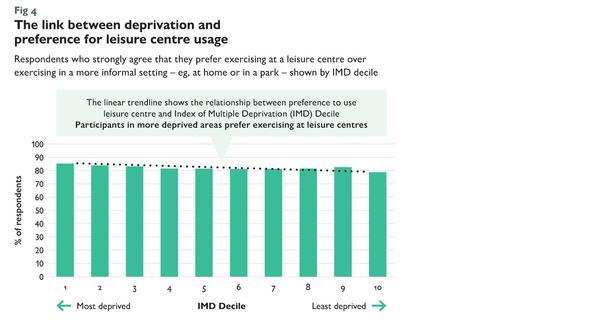
Although people from more affluent areas are still in the majority when it comes to facility usage, the data shows that the more deprived an area is, the more people prefer exercising in a leisure centre.

This is perhaps unsurprising given the lower quality of workout space that’s likely to be available to people from more deprived areas – whether at home or outdoors in public spaces.

Simply put, it appears that the less affluent someone’s postcode, the more likely they are to want to use a leisure centre for their activity.

This reinforces the important role local authority leisure centres play in communities and may also explain why a higher proportion of those returning to leisure centres are from more deprived areas, compared with 2019.

Data from other sources within Moving Communities confirms this trend, showing the strong return of participants from more deprived areas and a more balanced distribution of participation across deprivation groups.

To identify this trend, researchers looked at responses to the Customer Experience Survey and analysed them against the Index of Multiple Deprivation (IMD) – a measure of relative deprivation. The analysis revealed a direct correlation between level of deprivation and people’s preference for exercising in a leisure centre, compared to more informal settings, such as at home, as shown in Fig 4.

An encouraging start
These results also show the key role played by public sector leisure centres, particularly among people living in more deprived areas.

The proportion of customers from IMD groups 1-3 (most deprived), using leisure centres during 2019 was 23.9 per cent – when customers returned in April/May 2021, it was up to 26.1 per cent.

The Moving Communities Customer Experience Survey provides valuable insight into the role that public sector facilities play in local communities. The role of the local leisure centre appears to be essential in providing physical activity opportunities, while the sector’s approach to COVID-related cleanliness and protocols appears to be a key part of the return of customers.

The insight and data collected from the survey will complement the rest of the Moving Communities dataset, informing future strategic decisions that need to be made about where time, effort and money are best invested in order to most benefit local communities, with the next Moving Communities survey scheduled for September 2021.

Mike Hill is director of Leisure-net Solutions

• 86% prefer exercising in a local authority gym or leisure centre compared to at home or in a park

• 69% are extremely confident in COVID protocols, compared with 50-60% in 2020 Net Promoter Score has increased to 52 from pre-COVID averages of 40-45

• 89% say they exercise more intensely in a leisure facility than in an informal setting such as home

• 90% are very satisfied or fairly satisfied with the cleanliness of the activity areas

• 86% of people are satisfied with the cleanliness of changing areas and toilets in leisure centres compared with 70% pre-COVID

• 77% of respondents say staff give them the guidance they need to be more active

• 97% say they intend to exercise at least once a week in their local leisure centre in the next six months

• Only 9% say leisure centres ‘do not play’ a significant role in the lifestyle they wanted to live

About Moving Communities

Moving Communities is a Sport England initiative delivered by four partners – Leisure-net, 4global, Max Associates, Right Directions and Sheffield Hallam University’s Sports Industry Research Group (SIRG).

Moving Communities tracks participation at public leisure facilities and provides new evidence of the sector’s performance, sustainability and social value to assist local authorities, leisure providers and policymakers in supporting the recovery of public gyms, pools and leisure centres and taking informed decisions to keep people active.

The new platform represents an evolution of the Moving Communities report which has been produced annually by the ukactive Research Institute since 2017, building on ukactive’s work with its public sector leisure operator members.

More: www.HCMmag.com/MCresources

Methodology

The Moving Communities Customer Experience Survey was carried out over a seven-week period during April-May 2021. The survey was designed in conjunction with Sport England’s Insight team and builds on previous similar surveys carried out by the National Benchmarking Service. It used an online survey, distributed by participating local authorities and operators via email. The sample was, therefore, self-selective and the results have not been weighted in any way.
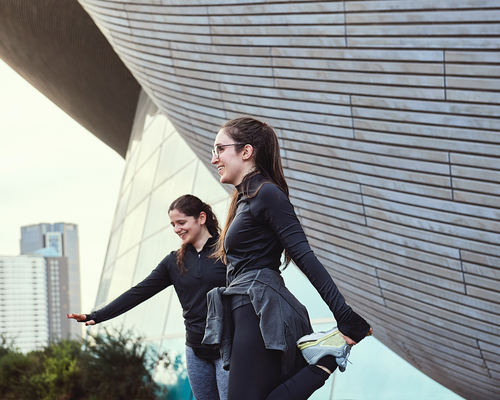
The vast majority of people say staff give them guidance to be more active / photo: shutterstock/Monkey Business Images
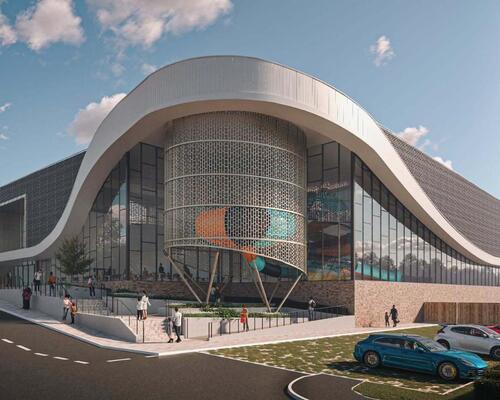
The next Moving Communities survey will take place in September 2021 / photo: shutterstock/Monkey Business Images
https://www.leisureopportunities.co.uk/images/2021/225126_172926.jpg
The first Moving Communities Customer Experience Survey shows users are satisfied with local authority health and fitness facilities
HCM magazine
HCM People

Stephen Price

Founder, SP&Co Group
Working in public health over the last few years has lit up parts of my brain again
HCM magazine
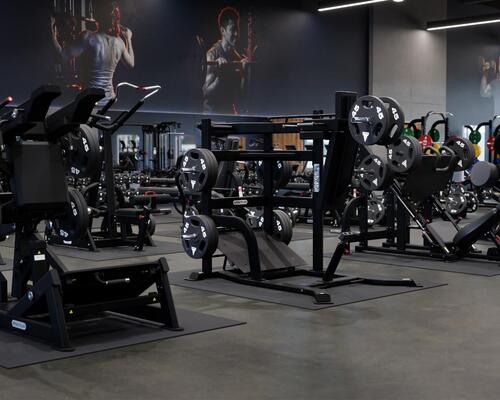
Strength training is evolving, driven by changing consumer preferences. Julie Cramer talks to innovators about how their products are meeting this demand
HCM magazine
Raphael Cuomo explores the powerful link between addiction, health and behaviour change
HCM magazine
If the health service is to survive, we must recognise that it is a disease service – and that wellbeing rests with us, says the activity advocate and healthy ageing champion. He talks to Kate Cracknell
HCM magazine
For every member with a tripod and a big following, there are others irritated at the way equipment is being hogged or wary they’ll be in the background on someone’s Insta feed. Do influencers offer valuable, free marketing or are they just a nuisance? Kath Hudson finds out how operators are responding
HCM promotional features
Sponsored
SnowDome Fitness has added 50 per cent more space with cutting-edge Technogym solutions
HCM promotional features
Sponsored
David Lloyd is stepping up its commitment to women’s health as it continues to explore what fit-for-purpose looks like for the female population
HCM promotional features
Sponsored
Starpool supports Olympic champion Marcell Jacobs, says Riccardo Turri
HCM promotional features
Sponsored
Third Space partnered with IndigoFitness to deliver a bespoke training space for its new club at The Whiteley
HCM promotional features
Sponsored
Find out how your gym can tap into the corporate wellness boom
HCM promotional features
Sponsored
Greg Bradley looks at the shift towards strength training in gyms and advises on how operators can create the ultimate training environment
HCM promotional features
Sponsored
EGYM has opened a new HQ in Paternoster Square, London and revealed a range of new launches
HCM promotional features
Sponsored
New launch, Salus House, elevates boutique wellness with high service levels and a partnership with Technogym
HCM promotional features
Promotion
BLK BOX has been reimagining elite performance spaces for more than a decade. Founder and former athlete, Greg Bradley, tells us what it takes
HCM promotional features
Latest News
People taking GLP-1 weight loss medications such as Ozempic, Wegovy, Mounjaro and Zepbound may be ...
Latest News
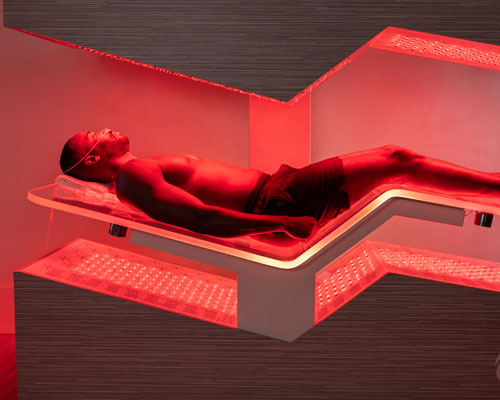
Low-cost gym operator, PureGym, is trialling recovery zones at two of its UK sites, democratising ...
Latest News
In a milestone moment, mental health has become a core part of CIMSPA’s occupational professional ...
Latest News
US high-value, low-price chain, Eos Fitness, has announced plans to pilot reformer Pilates in three ...
Latest News
Preventive healthcare company Neko Health has added body composition analysis to its full-body health scan ...
Latest News
Chequan Lewis is the new CEO of Crunch Fitness, taking over from Jim Rowley, who ...
Latest News
Sea Lanes Canary Wharf has officially opened. The 50-metre, six-lane pool, which uses the natural ...
Latest News
London-based high-performance fitness club, ONE LDN, is raising funds for a multi-site expansion across London, ...
Opinion
promotion
Strength training has moved from the margins to the mainstream.
Opinion: Building smarter strength spaces for today’s operators
Featured supplier news
Featured supplier news: Cornerstone Connect helps Active Blackpool tackle health inequalities
Active Blackpool is deploying Cornerstone Connect, a new digital interface allowing disparate information from multiple systems to be aggregated into one dataset, to support its focus on reducing health inequalities and improving healthy life expectancy.
Featured supplier news
Featured supplier news: Supporting long-term health: why whole body vibration belongs in clinical settings
As healthcare continues to shift towards prevention, there’s a growing focus on helping people stay active, independent and feeling good for longer.
Company profiles
Company profile: Innerva
Innerva are a UK manufacturer of ‘Power Assisted Exercise’ equipment for older adults, those with ...
Company profiles
Company profile: Swimming Teachers' Association (STA)
The Swimming Teachers’ Association (STA) is a national governing body for swimming and a UK-registered ...
Supplier Showcases
Supplier Showcase - Future-proofing
Catalogue Gallery
Click on a catalogue to view it online
Featured press releases
Swim England press release: Swim England launches new Learn to Swim Growth Plan to support aquatic programme expansion
Swim England has strengthened its sector-leading Business Solutions offer with the launch of its Learn to Swim Growth Plan, designed to help aquatic providers unlock sustainable programme growth.
Featured press releases
CoverMe Ltd press release: CoverMe and Jobs In. Fitness partner to create end-to-end talent solution
CoverMe, the UK’s leading fitness workforce management and recruitment platform, has partnered with Jobs In. Fitness, the specialist executive search and advisory firm for the fitness and wellbeing sector, to give operators a single route to talent at every level – from frontline staffing to C-suite.
Directory
Lockers
Crown Sports Lockers: Lockers
Hot tubs
MSpa International Ltd: Hot tubs
Fitness tracking platform
SpiviTech: Fitness tracking platform
Industrial washing machines
Miele Company Limited: Industrial washing machines
Water experiences and hydrotherapy solutions
Aquaform s.r.l.: Water experiences and hydrotherapy solutions
Spa and beauty equipment
Oakworks Inc: Spa and beauty equipment
Property & Tenders
Stratford, East London.
Lee Valley Regional Park Authority
Property & Tenders
Y Felinheli, LL56 4QN
Newmark
Property & Tenders
Diary dates
21-24 Sep 2026
The Langham Huntington Pasadena , Pasadena, United States
Diary dates
06-08 Oct 2026
Messe Stuttgart, Stuttgart, Germany
Diary dates
22-22 Oct 2026
QEII Conference Centre, London,
Diary dates
26-29 Oct 2027
Koelnmesse Exhibition Centre, Cologne, Germany
Diary dates

features

Research: Strong recovery

The results from the first Moving Communities Customer Experience survey present a positive picture of overall satisfaction with local authority facilities, explains Mike Hill

Published in Health Club Management 2021 issue 7
89 per cent say they exercise more intensely in a leisure centre than an informal setting / photo: shuttestock/DuxX
The Net Promoter Score has increased to 52, up from pre-COVID industry averages of 40-45 for local authority facilities

The Moving Communities Customer Experience Survey is the one of the largest consumer surveys ever completed in the public leisure sector in England. Conducted during April and May 2021, it was commissioned by Sport England to measure the impact of a £100m grant provided by the government via Sport England’s National Leisure Recovery Fund to support leisure centres in dealing with the impact of the pandemic.

The survey featured responses from over 50,000 individuals who visited at least one of the 1,183 local authority gyms, pools or leisure centres across 158 local authorities in England since reopening in April 2021.

The data suggests that customer expectations have been met, with overall satisfaction levels at an all-time high and a strong customer response.

The Net Promoter Score – an indicator of satisfaction and loyalty – has increased to 52 from pre-COVID industry averages of 40-45 and there’s an appreciation of greater levels of cleanliness in both activity areas and changing rooms.

Most importantly returning customers have higher levels of confidence in COVID-secure measures put in place by operators, compared to previous surveys.

The Confidence Indicator Score is a metric that has been introduced during the pandemic to measure customers confidence and comfort levels when returning to their leisure centres.

Confidence in the product
Findings from the survey suggest those who’ve seen the new industry protocols in action are generally pleased with both the processes and the ways in which they’re being implemented – 69 per cent were extremely confident in their leisure facility, with only 9 per cent not at all confident in COVID-19 protocols. This resulted in an overall Confidence Indicator Score of 60 (See Fig 1).

This compares favourably with results from previous reopenings after lockdowns one and two, when scores were typically lower – between 50 per cent and 60 per cent throughout 2020. The Confidence Indicator Score is a calculation based on the question ‘During your last visit to the centre, how confident or not did you feel in the COVID-19 related protocols in place?’.

Activity levels and patterns
The findings of the survey also provide an insight into how much of users’ physical activity takes place in leisure facilities as opposed to other settings.

Interestingly, it appears that those completing moderate intensity activity one to three times a week have a greater reliance on public sector facilities than those who are exercising more than this.

People also reported they are more engaged when exercising in a facility, with 89 per cent saying they exercise more intensely in a leisure centre than in an informal setting.

Wider measures
The survey looked closely at the customer experience of cleanliness, confidence in the COVID-19 secure procedures and practices, overall satisfaction and the value team members bring to the experience.

A key driver of positive performance will likely be the cleanliness of facilities. An encouraging 90 per cent reported satisfaction (very satisfied or fairly satisfied) with the cleanliness of the activity area itself, and 86 per cent said they were satisfied with the cleanliness of the changing areas and toilets (see Fig 2). These figures are considerably higher than pre-COVID cleanliness scores – as reported by the National Benchmarking Service (NBS) in 2020 – when activity area satisfaction was at 80 per cent and changing/toilet area satisfaction was only 70 per cent.

Role of local authorities
One of the most striking findings to emerge from the survey is the engagement people have with their local authority facilities – 86 per cent of respondents said they prefer exercising there compared to a more informal environment, such as at home or in a park.

More than three quarters of respondents (77 per cent) said they felt staff gave them the guidance they needed to be more active and 97 per cent of respondents said they intend to exercise at least once a week in their local facilities in the next six months. Conversely, only 9 per cent of respondents said the leisure centre ‘did not’ play a significant role in the lifestyle they wanted to live (see Fig 3).

Targeting those that need it most
Although people from more affluent areas are still in the majority when it comes to facility usage, the data shows that the more deprived an area is, the more people prefer exercising in a leisure centre.

This is perhaps unsurprising given the lower quality of workout space that’s likely to be available to people from more deprived areas – whether at home or outdoors in public spaces.

Simply put, it appears that the less affluent someone’s postcode, the more likely they are to want to use a leisure centre for their activity.

This reinforces the important role local authority leisure centres play in communities and may also explain why a higher proportion of those returning to leisure centres are from more deprived areas, compared with 2019.

Data from other sources within Moving Communities confirms this trend, showing the strong return of participants from more deprived areas and a more balanced distribution of participation across deprivation groups.

To identify this trend, researchers looked at responses to the Customer Experience Survey and analysed them against the Index of Multiple Deprivation (IMD) – a measure of relative deprivation. The analysis revealed a direct correlation between level of deprivation and people’s preference for exercising in a leisure centre, compared to more informal settings, such as at home, as shown in Fig 4.

An encouraging start
These results also show the key role played by public sector leisure centres, particularly among people living in more deprived areas.

The proportion of customers from IMD groups 1-3 (most deprived), using leisure centres during 2019 was 23.9 per cent – when customers returned in April/May 2021, it was up to 26.1 per cent.

The Moving Communities Customer Experience Survey provides valuable insight into the role that public sector facilities play in local communities. The role of the local leisure centre appears to be essential in providing physical activity opportunities, while the sector’s approach to COVID-related cleanliness and protocols appears to be a key part of the return of customers.

The insight and data collected from the survey will complement the rest of the Moving Communities dataset, informing future strategic decisions that need to be made about where time, effort and money are best invested in order to most benefit local communities, with the next Moving Communities survey scheduled for September 2021.

Mike Hill is director of Leisure-net Solutions

• 86% prefer exercising in a local authority gym or leisure centre compared to at home or in a park

• 69% are extremely confident in COVID protocols, compared with 50-60% in 2020 Net Promoter Score has increased to 52 from pre-COVID averages of 40-45

• 89% say they exercise more intensely in a leisure facility than in an informal setting such as home

• 90% are very satisfied or fairly satisfied with the cleanliness of the activity areas

• 86% of people are satisfied with the cleanliness of changing areas and toilets in leisure centres compared with 70% pre-COVID

• 77% of respondents say staff give them the guidance they need to be more active

• 97% say they intend to exercise at least once a week in their local leisure centre in the next six months

• Only 9% say leisure centres ‘do not play’ a significant role in the lifestyle they wanted to live

About Moving Communities

Moving Communities is a Sport England initiative delivered by four partners – Leisure-net, 4global, Max Associates, Right Directions and Sheffield Hallam University’s Sports Industry Research Group (SIRG).

Moving Communities tracks participation at public leisure facilities and provides new evidence of the sector’s performance, sustainability and social value to assist local authorities, leisure providers and policymakers in supporting the recovery of public gyms, pools and leisure centres and taking informed decisions to keep people active.

The new platform represents an evolution of the Moving Communities report which has been produced annually by the ukactive Research Institute since 2017, building on ukactive’s work with its public sector leisure operator members.

More: www.HCMmag.com/MCresources

Methodology

The Moving Communities Customer Experience Survey was carried out over a seven-week period during April-May 2021. The survey was designed in conjunction with Sport England’s Insight team and builds on previous similar surveys carried out by the National Benchmarking Service. It used an online survey, distributed by participating local authorities and operators via email. The sample was, therefore, self-selective and the results have not been weighted in any way.
The vast majority of people say staff give them guidance to be more active / photo: shutterstock/Monkey Business Images
The next Moving Communities survey will take place in September 2021 / photo: shutterstock/Monkey Business Images
https://www.leisureopportunities.co.uk/images/2021/225126_172926.jpg
The first Moving Communities Customer Experience Survey shows users are satisfied with local authority health and fitness facilities
Latest News
People taking GLP-1 weight loss medications such as Ozempic, Wegovy, Mounjaro and Zepbound may be ...
Latest News
Low-cost gym operator, PureGym, is trialling recovery zones at two of its UK sites, democratising ...
Latest News
In a milestone moment, mental health has become a core part of CIMSPA’s occupational professional ...
Latest News
US high-value, low-price chain, Eos Fitness, has announced plans to pilot reformer Pilates in three ...
Latest News
Preventive healthcare company Neko Health has added body composition analysis to its full-body health scan ...
Latest News
Chequan Lewis is the new CEO of Crunch Fitness, taking over from Jim Rowley, who ...
Latest News
Sea Lanes Canary Wharf has officially opened. The 50-metre, six-lane pool, which uses the natural ...
Latest News
London-based high-performance fitness club, ONE LDN, is raising funds for a multi-site expansion across London, ...
Latest News
A new brain clinic has opened in London, which uses non-invasive brain stimulation to treat ...
Latest News
Good Boost’s digital exercise programmes are helping adults with MSK at a lower cost than ...
Latest News
With Prime Minister, Keir Starmer, announcing his resignation this morning and Andy Burnham as a ...
Opinion
promotion
Strength training has moved from the margins to the mainstream.
Opinion: Building smarter strength spaces for today’s operators
Featured supplier news
Featured supplier news: Cornerstone Connect helps Active Blackpool tackle health inequalities
Active Blackpool is deploying Cornerstone Connect, a new digital interface allowing disparate information from multiple systems to be aggregated into one dataset, to support its focus on reducing health inequalities and improving healthy life expectancy.

Featured supplier news
Featured supplier news: Supporting long-term health: why whole body vibration belongs in clinical settings
As healthcare continues to shift towards prevention, there’s a growing focus on helping people stay active, independent and feeling good for longer.

Company profiles
Company profile: Innerva
Innerva are a UK manufacturer of ‘Power Assisted Exercise’ equipment for older adults, those with ...
Company profiles
Company profile: Swimming Teachers' Association (STA)
The Swimming Teachers’ Association (STA) is a national governing body for swimming and a UK-registered ...
Supplier Showcases
Supplier Showcase - Future-proofing
Catalogue Gallery
Click on a catalogue to view it online
Featured press releases
Swim England press release: Swim England launches new Learn to Swim Growth Plan to support aquatic programme expansion
Swim England has strengthened its sector-leading Business Solutions offer with the launch of its Learn to Swim Growth Plan, designed to help aquatic providers unlock sustainable programme growth.
Featured press releases
CoverMe Ltd press release: CoverMe and Jobs In. Fitness partner to create end-to-end talent solution
CoverMe, the UK’s leading fitness workforce management and recruitment platform, has partnered with Jobs In. Fitness, the specialist executive search and advisory firm for the fitness and wellbeing sector, to give operators a single route to talent at every level – from frontline staffing to C-suite.
Directory
Lockers
Crown Sports Lockers: Lockers
Hot tubs
MSpa International Ltd: Hot tubs
Fitness tracking platform
SpiviTech: Fitness tracking platform
Industrial washing machines
Miele Company Limited: Industrial washing machines
Water experiences and hydrotherapy solutions
Aquaform s.r.l.: Water experiences and hydrotherapy solutions
Spa and beauty equipment
Oakworks Inc: Spa and beauty equipment
Property & Tenders
Stratford, East London.
Lee Valley Regional Park Authority
Property & Tenders
Y Felinheli, LL56 4QN
Newmark
Property & Tenders
Diary dates
21-24 Sep 2026
The Langham Huntington Pasadena , Pasadena, United States
Diary dates
06-08 Oct 2026
Messe Stuttgart, Stuttgart, Germany
Diary dates
22-22 Oct 2026
QEII Conference Centre, London,
Diary dates
26-29 Oct 2027
Koelnmesse Exhibition Centre, Cologne, Germany
Diary dates
Search news, features & products:
Find a supplier:
Partner sites