
















GET HCM
magazine
Sign up for the FREE digital edition of HCM magazine and also get the HCM ezine and breaking news email alerts.
Not right now, thanksclose this window I've already subscribed!
Follow Health Club Management on Twitter Like Health Club Management on Facebook Join the discussion with Health Club Management on LinkedIn
FITNESS, HEALTH, WELLNESS

features

Rehab: Safe return

Simon Harling explains how exercise professionals can ensure a safe return to exercise for post-COVID patients

Published in Health Club Management 2020 issue 9
COVID-19 can cause heart damage, but many people, especially those who have been asymptomatic, may be unaware they’re at risk / Jacob Lund/shutterstock
There will be many post-COVID patients who are asymptomatic and will be unaware of the risk of a cardiovascular event on their return to strenuous physical activities

As we look for ways to co-exist with COVID-19, fitness professionals face the prospect of managing the increased risk to the exposure to the virus for themselves, their clients and those clients who have previously been infected with COVID-19.

With considerable pressure being placed on routine medical and rehabilitation services for the foreseeable future, fitness professionals can play a significant role in providing knowledge in the form of education content, skill in the rehabilitation and care planning process and emotional support.

The illness severity pattern so far observed for COVID-19 is as follows:

1. Asymptomatic infected patients.

2. Symptomatic patients isolating at home.

3. Symptomatic patients admitted to hospital

4. Symptomatic patients requiring ventilatory support in critical care.

Clients who have received hospital treatment
During community reintegration, post COVID-19 patients should be supported with a long-term care plan that includes supported self-exercise and a return to work schedule.

Adaptation of clinical experience to a post-COVID rehabilitation programme to meet the occupational and environmental needs of the patient, will be our challenge.

Clients who have not received hospital treatment
In the UK, the numbers of post-COVID patients present in the community who did not require hospitalisation is unknown.

What we can be sure of is that many post-COVID patients based in the community will require rehabilitation aimed at relieving symptoms of dyspnoea, psychological distress and improving participation in rehabilitation, physical function and quality of life.

When is it safe to return to exercise?
COVID-19 is associated with cardiac complications, in particular, arrhythmias and myocardial injury, putting all patients exposed to COVID-19 at an increased risk of a cardiovascular event. The cause of the cardiovascular complications are likely multifactorial and include viral myocardial injury, elevated systemic inflammatory burden and hypotension.

Higher risk groups include those patients who have been hospitalised, required ventilatory support and those with co-existing diseases such as diabetes, hypertension and cardiovascular disease.

Aside from rehabilitation of post-COVID symptomatic patients there will be many post-COVID asymptomatic patients who will be unaware of the risk of a cardiovascular event on their return to strenuous physical activities.

It is imperative, therefore, that fitness professionals play a significant role in identifying, educating and managing the risk of both asymptomatic, symptomatic cardiovascular disease clients and those with co-existing diseases.

Key points:
• Any patient who has had COVID-19 should complete an assessment of their cardiac symptoms, recovery, function and potential impairments.

• Particular attention should be given to patients with underlying disease.

Patients returning to high-level sport or physically demanding occupation following confirmed myocarditis require a three- to six-month period of complete rest.

Exercise rehabilitation programme recommendations
It’s important to remember that exercise is considered an important element of pulmonary rehabilitation and when considering the prescription of exercise for post-COVID clients, the same principles of duration, intensity, frequency, specificity and reversibility apply.

Low intensity exercise (≤3 METs or equivalent) should be considered initially in all post-COVID patients. Patients with COVID-19 who experience the following symptoms: severe sore throat, body aches, shortness of breath, general fatigue, chest pain, cough or fever should avoid exercise (>3 METs or equivalent) for between two and three weeks after the cessation of those symptoms.

Clients requiring rehabilitation following COVID-19 should have a functional assessment to determine residual musculoskeletal impairments in order to determine appropriate rehabilitation.

Key points:
• Exercise training is effective when used as a tool in the treatment of pulmonary disease patients.

• Low intensity exercise (≤3 METs or equivalent) should be considered initially in all post-COVID patients.

• Clients with COVID-19 who experience the following symptoms: severe sore throat, body aches, shortness of breath, general fatigue, chest pain, cough or fever should avoid exercise (>3 METs or equivalent) for between two and three weeks. Resumption of training (>3 METs or equivalent) once the symptoms have cleared.

• Post-COVID clients with new-onset shortness of breath or chest pain, should have a full medical review.

With every client having a unique response to exercise, exercise prescription should be based on individual tolerance thresholds and workloads. Previous exercise tolerances and workloads should not be taken into consideration. It’s important to prescribe exercise on what the client can tolerate now.

The choice we face as an industry
The opportunity exists now to demonstrate the ability of the fitness industry to make a tangible difference. To have a bigger conversation.

The fitness industry is faced with a choice – we can ignore the inconvenient truth surrounding the increased risk of return to exercise for post-COVID-19 clients, or we can reach out to over-stretched medical and rehabilitation services, listen to their needs and those of their patients and offer our time, empathy – and our facilities.

We can essentially make a generous decision to engage a large section of the community that have been affected by COVID-19.

Well managed fitness programmes can restore health, but if we go down this road, they won’t all be well managed initially. The rehabilitation may be clumsy in some cases and the health service may be wary. Yet our intentions will be unquestionable and in time our knowledge, skills and relationships will flourish.

The alternative is to wait for a budget, a marketing plan or a campaign strategy.

What will you do? Wait, ignore or engage?

About the author

Simon Harling helps coaches build extraordinary coaching practices. An author and speaker, Harling has worked as a consultant to national governing bodies and professional sports teams.

More: [email protected]

References
The Stanford Hall consensus statement for post-COVID-19 rehabilitation. Barker-Davies, R.M. et al. (2020). Br J Sports Med Epub ahead of print: doi:10.1136
Rehabilitation in the wake of COVID-19-A phoenix from the ashes. British Society of Rehabilitation Medicine. (2020).
Position Stand: Return to Sport, May 2020, in the Current Coronavirus Pandemic (SARS-CoV-2 / COVID-19). Nieß, A.M. et al., (2020). Dtsch Z Sportmed. 2020; 71: E1-E4

Sign up here to get HCM's weekly ezine and every issue of HCM magazine free on digital.
Members requiring rehabilitation following COVID-19 should have a functional assessment / Robert Kneschke/shutterstock
https://www.leisureopportunities.co.uk/images/2020/733547_962298.jpg
Simon Harling explains how exercise professionals can ensure a safe return to exercise for post-COVID patients
Simon Harling, post-covid exercise, fitness professionals,Covid-19, rehabilitation
HCM magazine
The fitness industry is mourning the passing of Les Mills, a founding father of fitness, as Kath Hudson reports
HCM magazine
HCM People

Shaun Grove

Owner, Stride Fitness
My goal was to invest in where fitness is going, not where it’s already been
HCM magazine
The new CEO of UK Active talks to HCM about the gym-curious and why he believes the sector can double in size by the end of the next decade
HCM magazine
Software suppliers explain how AI, automation and connected digital experiences can work for the good of operators and consumers
HCM magazine
Shaping the future of the sector with a clear mission, unified voice and open channels of communication. This is the ambition of UK Active’s new chair
HCM promotional features
Sponsored
Social fitness the missing link to member engagement, according to a new Myzone report
HCM promotional features
Sponsored
Find out how your gym can tap into the corporate wellness boom
HCM promotional features
Sponsored
David Lloyd is stepping up its commitment to women’s health as it continues to explore what fit-for-purpose looks like for the female population
HCM promotional features
Sponsored
SnowDome Fitness has added 50 per cent more space with cutting-edge Technogym solutions
HCM promotional features
Sponsored
Third Space partnered with IndigoFitness to deliver a bespoke training space for its new club at The Whiteley
HCM promotional features
Sponsored
Greg Bradley looks at the shift towards strength training in gyms and advises on how operators can create the ultimate training environment
HCM promotional features
Sponsored
Starpool supports Olympic champion Marcell Jacobs, says Riccardo Turri
HCM promotional features
Sponsored
EGYM has opened a new HQ in Paternoster Square, London and revealed a range of new launches
HCM promotional features
Latest News
Les Mills has launched a reformer Pilates workout. The 45-minute workout blends traditional reformer movements ...
Latest News
The inaugural HCM Invest event has opened applications for pitching slots ahead of its launch ...
Latest News
Girls in the UK are missing out on 280 million hours of sport every year ...
Latest News
According to research which tracked more than 147,000 people for 30 years, 90-120 minutes of ...
Latest News
Everlast Gyms expands its footprint outside of the UK this month with the imminent launch ...
Latest News
The UK's four Chief Medical Officers have published a refreshed edition of  Physical activity guidelines: ...
Latest News
Places Leisure has exchanged contracts to build and operate a flagship £60m water and wellness ...
Latest News
The Republic of Ireland will become the latest market in PureGym’s expanding international portfolio, with ...
Opinion
promotion
Strength training has moved from the margins to the mainstream.
Opinion: Building smarter strength spaces for today’s operators
Featured supplier news
Featured supplier news: Legends never die: four legends, four philosophies of life
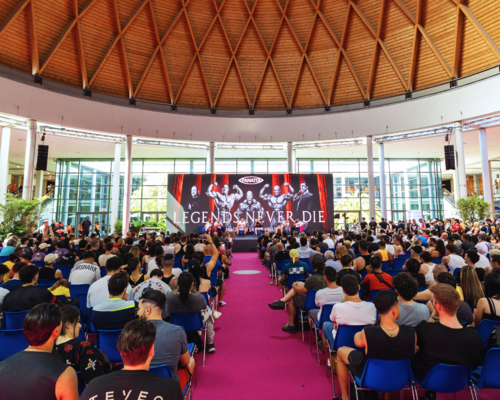
Panatta brought together four of the most influential figures in bodybuilding history on the stage of RiminiWellness 2026: Phil Heath, Lee Haney, Ronnie Coleman and Hany Rambod.
Featured supplier news
Featured supplier news: Introducing a new era of Nautilus Leverage
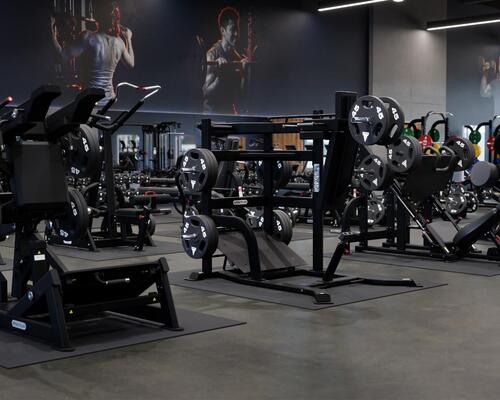
Strength training has never been more important for member retention, facility differentiation and long-term commercial success.
Company profiles
Company profile: Core Health & Fitness
Driven by innovation, Core Health & Fitness delivers top-quality products, exceptional service, and ongoing support. ...
Company profiles
Company profile: Pure Energy Music
Pure Energy Music is a specialist music service built specifically for the fitness industry. Our ...
Supplier Showcases
Supplier Showcase - From nightclub to health club
Supplier Showcases
Supplier Showcase - Future-proofing
Catalogue Gallery
Click on a catalogue to view it online
Featured press releases
Speedflex (UK press release: Inclusive Fitness in action: The Speedflex Blade at Gym Possible
Following the successful installation of the Speedflex Blade at Gym Possible, the UK based charity gym dedicated to making exercise accessible for people with physical disabilities, the innovative training solution has quickly become one of the facility’s
Featured press releases
BLK BOX press release: Inside the Player Gym at The Open, equipped by BLK BOX
The performance facility at Royal Birkdale gives the world’s leading golfers access to strength, conditioning, mobility and recovery equipment throughout Championship week.
Directory
Industrial washing machines
Miele Company Limited: Industrial washing machines
Spa and beauty equipment
Living Earth Crafts: Spa and beauty equipment
Hot tubs
MSpa International Ltd: Hot tubs
Water experiences and hydrotherapy solutions
Aquaform s.r.l.: Water experiences and hydrotherapy solutions
Fitness tracking platform
SpiviTech: Fitness tracking platform
Lockers
Crown Sports Lockers: Lockers
Property & Tenders
Stratford, East London.
Lee Valley Regional Park Authority
Property & Tenders
Y Felinheli, LL56 4QN
Newmark
Property & Tenders
Diary dates
21-24 Sep 2026
The Langham Huntington Pasadena , Pasadena, United States
Diary dates
06-08 Oct 2026
Messe Stuttgart, Stuttgart, Germany
Diary dates
22-22 Oct 2026
QEII Conference Centre, London,
Diary dates
26-29 Oct 2027
Koelnmesse Exhibition Centre, Cologne, Germany
Diary dates

features

Rehab: Safe return

Simon Harling explains how exercise professionals can ensure a safe return to exercise for post-COVID patients

Published in Health Club Management 2020 issue 9
COVID-19 can cause heart damage, but many people, especially those who have been asymptomatic, may be unaware they’re at risk / Jacob Lund/shutterstock
There will be many post-COVID patients who are asymptomatic and will be unaware of the risk of a cardiovascular event on their return to strenuous physical activities

As we look for ways to co-exist with COVID-19, fitness professionals face the prospect of managing the increased risk to the exposure to the virus for themselves, their clients and those clients who have previously been infected with COVID-19.

With considerable pressure being placed on routine medical and rehabilitation services for the foreseeable future, fitness professionals can play a significant role in providing knowledge in the form of education content, skill in the rehabilitation and care planning process and emotional support.

The illness severity pattern so far observed for COVID-19 is as follows:

1. Asymptomatic infected patients.

2. Symptomatic patients isolating at home.

3. Symptomatic patients admitted to hospital

4. Symptomatic patients requiring ventilatory support in critical care.

Clients who have received hospital treatment
During community reintegration, post COVID-19 patients should be supported with a long-term care plan that includes supported self-exercise and a return to work schedule.

Adaptation of clinical experience to a post-COVID rehabilitation programme to meet the occupational and environmental needs of the patient, will be our challenge.

Clients who have not received hospital treatment
In the UK, the numbers of post-COVID patients present in the community who did not require hospitalisation is unknown.

What we can be sure of is that many post-COVID patients based in the community will require rehabilitation aimed at relieving symptoms of dyspnoea, psychological distress and improving participation in rehabilitation, physical function and quality of life.

When is it safe to return to exercise?
COVID-19 is associated with cardiac complications, in particular, arrhythmias and myocardial injury, putting all patients exposed to COVID-19 at an increased risk of a cardiovascular event. The cause of the cardiovascular complications are likely multifactorial and include viral myocardial injury, elevated systemic inflammatory burden and hypotension.

Higher risk groups include those patients who have been hospitalised, required ventilatory support and those with co-existing diseases such as diabetes, hypertension and cardiovascular disease.

Aside from rehabilitation of post-COVID symptomatic patients there will be many post-COVID asymptomatic patients who will be unaware of the risk of a cardiovascular event on their return to strenuous physical activities.

It is imperative, therefore, that fitness professionals play a significant role in identifying, educating and managing the risk of both asymptomatic, symptomatic cardiovascular disease clients and those with co-existing diseases.

Key points:
• Any patient who has had COVID-19 should complete an assessment of their cardiac symptoms, recovery, function and potential impairments.

• Particular attention should be given to patients with underlying disease.

Patients returning to high-level sport or physically demanding occupation following confirmed myocarditis require a three- to six-month period of complete rest.

Exercise rehabilitation programme recommendations
It’s important to remember that exercise is considered an important element of pulmonary rehabilitation and when considering the prescription of exercise for post-COVID clients, the same principles of duration, intensity, frequency, specificity and reversibility apply.

Low intensity exercise (≤3 METs or equivalent) should be considered initially in all post-COVID patients. Patients with COVID-19 who experience the following symptoms: severe sore throat, body aches, shortness of breath, general fatigue, chest pain, cough or fever should avoid exercise (>3 METs or equivalent) for between two and three weeks after the cessation of those symptoms.

Clients requiring rehabilitation following COVID-19 should have a functional assessment to determine residual musculoskeletal impairments in order to determine appropriate rehabilitation.

Key points:
• Exercise training is effective when used as a tool in the treatment of pulmonary disease patients.

• Low intensity exercise (≤3 METs or equivalent) should be considered initially in all post-COVID patients.

• Clients with COVID-19 who experience the following symptoms: severe sore throat, body aches, shortness of breath, general fatigue, chest pain, cough or fever should avoid exercise (>3 METs or equivalent) for between two and three weeks. Resumption of training (>3 METs or equivalent) once the symptoms have cleared.

• Post-COVID clients with new-onset shortness of breath or chest pain, should have a full medical review.

With every client having a unique response to exercise, exercise prescription should be based on individual tolerance thresholds and workloads. Previous exercise tolerances and workloads should not be taken into consideration. It’s important to prescribe exercise on what the client can tolerate now.

The choice we face as an industry
The opportunity exists now to demonstrate the ability of the fitness industry to make a tangible difference. To have a bigger conversation.

The fitness industry is faced with a choice – we can ignore the inconvenient truth surrounding the increased risk of return to exercise for post-COVID-19 clients, or we can reach out to over-stretched medical and rehabilitation services, listen to their needs and those of their patients and offer our time, empathy – and our facilities.

We can essentially make a generous decision to engage a large section of the community that have been affected by COVID-19.

Well managed fitness programmes can restore health, but if we go down this road, they won’t all be well managed initially. The rehabilitation may be clumsy in some cases and the health service may be wary. Yet our intentions will be unquestionable and in time our knowledge, skills and relationships will flourish.

The alternative is to wait for a budget, a marketing plan or a campaign strategy.

What will you do? Wait, ignore or engage?

About the author

Simon Harling helps coaches build extraordinary coaching practices. An author and speaker, Harling has worked as a consultant to national governing bodies and professional sports teams.

More: [email protected]

References
The Stanford Hall consensus statement for post-COVID-19 rehabilitation. Barker-Davies, R.M. et al. (2020). Br J Sports Med Epub ahead of print: doi:10.1136
Rehabilitation in the wake of COVID-19-A phoenix from the ashes. British Society of Rehabilitation Medicine. (2020).
Position Stand: Return to Sport, May 2020, in the Current Coronavirus Pandemic (SARS-CoV-2 / COVID-19). Nieß, A.M. et al., (2020). Dtsch Z Sportmed. 2020; 71: E1-E4

Sign up here to get HCM's weekly ezine and every issue of HCM magazine free on digital.
Members requiring rehabilitation following COVID-19 should have a functional assessment / Robert Kneschke/shutterstock
https://www.leisureopportunities.co.uk/images/2020/733547_962298.jpg
Simon Harling explains how exercise professionals can ensure a safe return to exercise for post-COVID patients
Simon Harling, post-covid exercise, fitness professionals,Covid-19, rehabilitation
Latest News
Les Mills has launched a reformer Pilates workout. The 45-minute workout blends traditional reformer movements ...
Latest News
The inaugural HCM Invest event has opened applications for pitching slots ahead of its launch ...
Latest News
Girls in the UK are missing out on 280 million hours of sport every year ...
Latest News
According to research which tracked more than 147,000 people for 30 years, 90-120 minutes of ...
Latest News
Everlast Gyms expands its footprint outside of the UK this month with the imminent launch ...
Latest News
The UK's four Chief Medical Officers have published a refreshed edition of  Physical activity guidelines: ...
Latest News
Places Leisure has exchanged contracts to build and operate a flagship £60m water and wellness ...
Latest News
The Republic of Ireland will become the latest market in PureGym’s expanding international portfolio, with ...
Latest News
Sophie Lawler, CEO of Total Fitness, has launched a leadership coaching business aimed at helping ...
Latest News
Anytime Fitness reaches a milestone this week with the launch of its 6000th site. The ...
Latest News
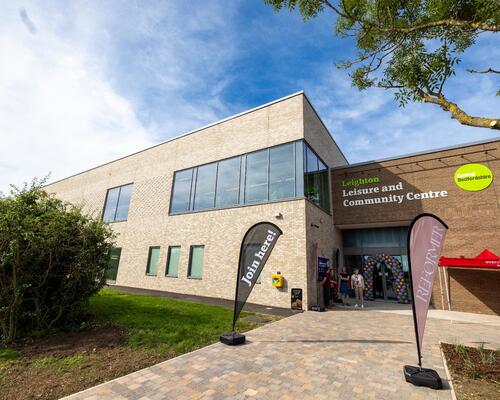
The £33.9 million Leighton Leisure and Community Centre has opened in Leighton Buzzard, UK, creating ...
Opinion
promotion
Strength training has moved from the margins to the mainstream.
Opinion: Building smarter strength spaces for today’s operators
Featured supplier news
Featured supplier news: Legends never die: four legends, four philosophies of life
Panatta brought together four of the most influential figures in bodybuilding history on the stage of RiminiWellness 2026: Phil Heath, Lee Haney, Ronnie Coleman and Hany Rambod.
Featured supplier news
Featured supplier news: Introducing a new era of Nautilus Leverage
Strength training has never been more important for member retention, facility differentiation and long-term commercial success.
Company profiles
Company profile: Core Health & Fitness
Driven by innovation, Core Health & Fitness delivers top-quality products, exceptional service, and ongoing support. ...
Company profiles
Company profile: Pure Energy Music
Pure Energy Music is a specialist music service built specifically for the fitness industry. Our ...
Supplier Showcases
Supplier Showcase - From nightclub to health club
Supplier Showcases
Supplier Showcase - Future-proofing
Catalogue Gallery
Click on a catalogue to view it online
Featured press releases
Speedflex (UK press release: Inclusive Fitness in action: The Speedflex Blade at Gym Possible
Following the successful installation of the Speedflex Blade at Gym Possible, the UK based charity gym dedicated to making exercise accessible for people with physical disabilities, the innovative training solution has quickly become one of the facility’s
Featured press releases
BLK BOX press release: Inside the Player Gym at The Open, equipped by BLK BOX
The performance facility at Royal Birkdale gives the world’s leading golfers access to strength, conditioning, mobility and recovery equipment throughout Championship week.
Directory
Industrial washing machines
Miele Company Limited: Industrial washing machines
Spa and beauty equipment
Living Earth Crafts: Spa and beauty equipment
Hot tubs
MSpa International Ltd: Hot tubs
Water experiences and hydrotherapy solutions
Aquaform s.r.l.: Water experiences and hydrotherapy solutions
Fitness tracking platform
SpiviTech: Fitness tracking platform
Lockers
Crown Sports Lockers: Lockers
Property & Tenders
Stratford, East London.
Lee Valley Regional Park Authority
Property & Tenders
Y Felinheli, LL56 4QN
Newmark
Property & Tenders
Diary dates
21-24 Sep 2026

The Langham Huntington Pasadena , Pasadena, United States
Diary dates
06-08 Oct 2026
Messe Stuttgart, Stuttgart, Germany
Diary dates
22-22 Oct 2026
QEII Conference Centre, London,
Diary dates
26-29 Oct 2027
Koelnmesse Exhibition Centre, Cologne, Germany
Diary dates
Search news, features & products:
Find a supplier:
Partner sites