














GET HCM
magazine
Sign up for the FREE digital edition of HCM magazine and also get the HCM ezine and breaking news email alerts.
Not right now, thanksclose this window I've already subscribed!
Follow Health Club Management on Twitter Like Health Club Management on Facebook Join the discussion with Health Club Management on LinkedIn
FITNESS, HEALTH, WELLNESS

features

Mental health: Onwards and upwards

Research confirms the role health clubs can play in supporting people in nurturing their mental health, as Victor Brick explains
Published in Health Club Management 2021 issue 9
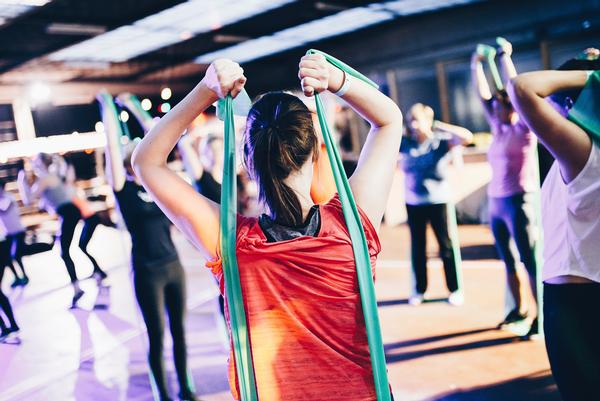
The Global Wellness Institute has created a new model for understanding mental health and exercise / photo: unsplash/ geert-pieters
Vigorous exercise has been shown to be the equivalent of an entry-level dose of an antidepressant such as sertraline

Three decades of science make it clear: exercise should be integrated into the prevention and treatment of mental illness and the promotion of mental wellness.

Routinely moving our bodies helps us build mental and emotional wellbeing – whether pumping iron, owning the treadmill, strengthening the core with yoga or tai chi, or performing less rigorous activities, such as walking, motion is indisputably associated with mental health benefits.

These are the findings of the John W Brick Mental Health Foundation’s Move Your Mental Health Report, which analyses 1,000 scientific studies published over the last 30 years on the link between exercise and mental health.

These findings could not have come at a better time. According to Johns Hopkins Medicine, in any given year, 26 per cent of adults in the US suffer from some form of mental illness. The US Centers for Disease Control and Prevention estimates that percentage has doubled since the start of the pandemic.

This is because the two things that support mental wellness most powerfully are connectivity and coping skills, while the two things COVID-19 is causing are loneliness and lack of access to coping skills: quarantines separate people, creating loneliness, while they also block people from those who can provide them with coping support, such as fitness trainers, yoga instructors, and other wellbeing professionals.

Mental health is the ability to navigate and recover from emotional, social and psychological stress. It’s the resilience to cope with life events and maintain a general sense of happiness, contentment and wellbeing. As a result, it’s more of a journey than a destination.

What role do health clubs play in mitigating the mental health crisis? Traditionally mental health has been thought of as a horizontal continuum with little or no mental illness at one end, mild mental illness in the middle, and severe (high) levels of mental illness at the other. The main forms of treatment in this model are medication, psychoanalysis, and institutionalisation.

A new approach
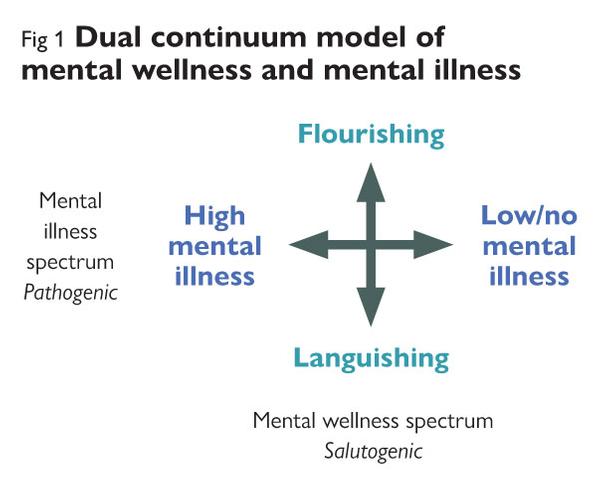
In the new Dual Continuum Model, developed by the Global Wellness Institute, (as shown in Fig 1) there are two continuum.

The first is the traditional ‘horizontal’ approach which treats mental health issues as being pathogenic in nature and deals with the ‘disease’ of mental illness. This approach is focused more on the physiology of the condition and involves conventional clinical care.

The second, vertical continuum is salutogenic in nature – this is an approach that focuses on health and not on disease and involves more holistic approaches such as self-care. This model ranges from ‘languishing’ at the bottom to ‘flourishing’ at the top.

A person can be struggling with mental health issues (languishing) due to external factors such as poor lifestyle choices, external stress, and life events, even though they don’t have a clinical mental illness (sse Fig 2).

This is the case with gymnast Simone Biles and tennis pro Naomi Osaka. They’re experiencing challenges that arise more from external factors than pre-existing physiological ones.

Conversely, a person can be flourishing even if they have a clinical mental illness. For example, if they have a good diet, exercise regularly and have manageable stress in their life they can be happy and productive, even while having a mental illness such as schizophrenia.

At times, treatment in these circumstances could require the combination of pathogenic and salutogenic approaches, such as both medication and healthy lifestyle choices.

The law of positive stress
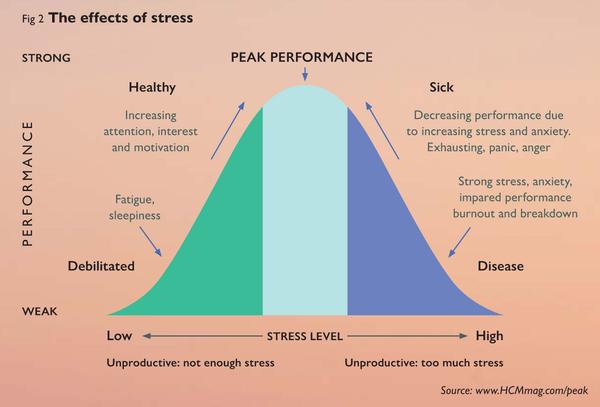
Much of the salutogenic/wellness continuum is related to the Yerkes-Dodson Law of Positive Stress. Simply put, this law states that performance improves when people are subject to the right amount of physical and mental stress. Too little stress and there’s no improvement. Too much stress and there’s a drop-off in progress, including in mental health improvement. Again, this is what happened to both Simone and Naomi: too much stress.

The health club industry has an essential part to play in the vertical continuum. Exercise and physical activity are salutogenic – they are all about wellness and self-care.

Most health club members who are suffering from mental health issues will be languishing because of external factors and/or poor self-care, not because of clinically diagnosed mental health issues. These are the people who will benefit from exercise the most.

The Move Your Mental Health Report analysed research studies by type of exercise and physical activity and rated them as to their effectiveness in benefiting mental health. The research overwhelmingly supports the beneficial role of exercise and physical activity in addressing mental health issues, particularly depression and anxiety – the two conditions that have been most exacerbated by the pandemic.

The report is not meant to imply that exercise and physical activity are the only way to improve mental health – although these were the two areas studied, there is still so much to learn when it comes to ways of improving mental health – but this much we know for sure; exercise and physical activity benefit mental health.

More than ever before, health club members are seeking support for their mental health. In 2019, when asked by Euromonitor, the international market research firm, why they work out, 10,000 respondents across all four major age groups: Baby Boomers, Generation X, Generation Y, and Generation Z, gave mental wellbeing as their main reason. These survey results were reported before the COVID-19 pandemic.

The need to support mental wellbeing is undoubtedly even higher now after 18 months of high stress levels being experienced by people all around the world.

Let’s take the opportunity to help change the way the world treats mental health.

If not us, who? If not now, when?

• Download 'Supporting Mental Health & Wellbeing: A toolkit for health & fitness centers'

• Download 'Perspectives on supporting mental health & well-being in health & fitness centers: A survey of fitness professionals'

Move Your Mental Health Report
Key takeaways

• Exercise is strongly associated with general mental and emotional wellbeing, including reduced stress and improved mood and quality of life

• Evidence strongly supports cardiovascular/aerobic exercise for reducing depression

• Yoga and other mindful exercises such as Tai Chi and Qigong show strong evidence for reducing symptoms of anxiety and depression

• Frequency is more important than duration. Three to five 30-45-minute moderate to vigorous exercise sessions per week appear to deliver optimal results. The key words are ‘moderate to vigorous’. This supports the concept of positive stress

• More exercise is not always better. There appears to be a bell curve where people who exercise 3-5 times per week show better mental health than those that exercise less than 3; or those that exercise more than 5. Too much exercise can increase anxiety

• High intensity exercise is generally more effective than low intensity in improving state of mind and enhancing mental health.

• Vigorous exercise has been shown to be the equivalent of an entry-level dose of an antidepressant such as sertraline

• Cardio is the best individual form of exercise for depression and anxiety, but a combination of cardio and strength is even more effective

• Initially, individual instruction is most effective for improving mental health, probably because new exercisers develop a connection with the instructor and learn the new coping skills more easily in a one-on-one environment. Over time, group training can be just as beneficial due to the increased connectivity of being part of a group

• Mindfulness-based activities such as yoga and tai chi – though they can be lower intensity forms of movement – deliver more mental health benefits than walking

• Team sports, cycling, and aerobic or gym-based exercise are the top three forms of exercise associated with over 20 per cent fewer ‘poor mental health’ days per month

Implementing change
What are the implications of the Move Your Mental Health Report and how can you implement change to support your members and teams?
Explain the model to the team

• We recommend holding a team meeting and educating all your people on the growing mental health crisis and the role health clubs can play in mitigating it.

• Discuss the dual continuum model and the essential role exercise and movement plays in the salutogenic/wellness continuum. Emphasise the importance of positive stress in improving physical and mental wellbeing – understanding that positive stress is different for each individual. For some, walking might be positive stress, for example. Also emphasise the point that too little stress is as undermining as too much stress.

Connect with your members

• Promote individual and group personal training as a mental health benefit to members, not just as an effective way to get in shape.

• Offer a wide variety of shorter 30- to 45-minute classes to encourage more frequent visits and workouts. This includes small group personal training, yoga, and group classes – lack of time is usually given as the main reason for not exercising.

• Combine cardio with strength training for optimum results and the most efficient use of time. The best way to do this while incorporating the concept of shorter workouts is to utilise interval training in shorter cardio workouts, combined with appropriate moderate to strenuous strength workouts.

• You can get a very good workout in 12-15 minutes on a piece of cardio employing proper interval training techniques based on heart rate. The first Lifecyle had a 12-minute interval training programme, for example. Circuit training is also an effective way to combine cardio and strength training in a short, efficient workout.

Ensure they’re recovering

• A proper schedule of workout days and complete rest days is important. Like my good friend, Jamie Hayes, a fitness veteran in Australia, would say, “Sometimes I just sits and thinks, and sometimes I just sits”. Sometimes, it’s important to do nothing.

• Be keenly aware of the role of rest and recovery in maintaining good mental health. Encourage members and your team to include Yin activities such as stretching, yoga and Tai Chi in their exercise routine, as well as Yang activities such as cardio, strength training and swimming.

• No matter where people are on the mental health spectrum, they can move themselves toward greater mental wellness by creating an ecosystem of mental wellness that includes the interlocking ‘building blocks’ they need to build their mental and emotional resilience.

These include exercise, a social support network and good diet, among many other factors. The more building blocks are added, the more people find themselves moving toward greater mental and emotional wellbeing.
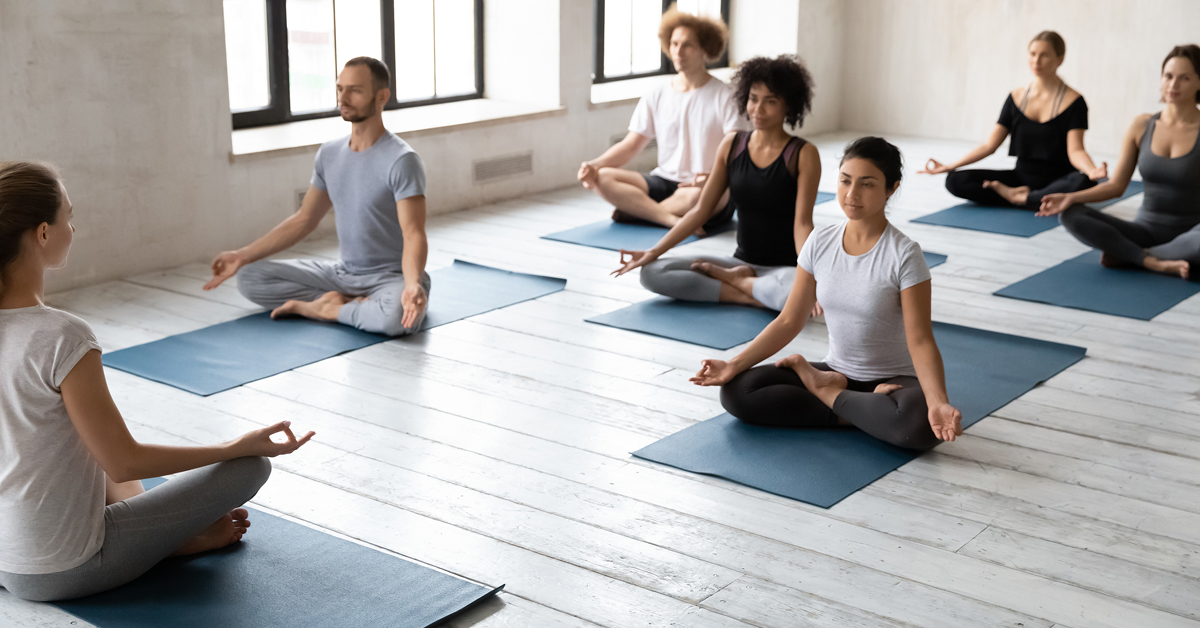
Mindbody classes are a powerful tool in the quest for wellbeing / photo: dreamstime/Fizkes
About the John W Brick Mental Health Foundation
Victor Brick

The Foundation was founded in 2015 by Victor and Lynn Brick to help give individuals and loved ones struggling with mental health issues the possibility of enjoying a better quality of life. The organisation was conceived following the death of Victor’s brother from complications relating to schizophrenia.

More: www.johnwbrickfoundation.org

10,000 consumers surveyed by Euromonitor cited better mental health as the main reason for working out / photo: dreamstime/Parin Kiratiatthakun
The report is an evaluation of 30 years’ of research / photo: dreamstime/Olena Yakobchuk
https://www.leisureopportunities.co.uk/images/2021/755831_483992.jpg
New research confirms the role health clubs can play in supporting members to nurture their mental health
HCM magazine
The fitness industry is mourning the passing of Les Mills, a founding father of fitness, as Kath Hudson reports
HCM magazine
Would you stop selling memberships to prevent your club getting overcrowded? How do you strike the balance between maximising profits and prioritising the member experience? Kath Hudson talks to the experts
HCM magazine
The new CEO of UK Active talks to HCM about the gym-curious and why he believes the sector can double in size by the end of the next decade
HCM magazine
Lisa Starr tries the Ammortal Chamber to see whether layering 10 modalities into one experience really delivers more
HCM magazine
After decades of focusing on adult audiences, operators are starting to engage young people – unlocking growth opportunities while supporting the health and wellbeing of future generations
HCM promotional features
Sponsored
Social fitness the missing link to member engagement, according to a new Myzone report
HCM promotional features
Sponsored
Greg Bradley looks at the shift towards strength training in gyms and advises on how operators can create the ultimate training environment
HCM promotional features
Sponsored
David Lloyd is stepping up its commitment to women’s health as it continues to explore what fit-for-purpose looks like for the female population
HCM promotional features
Sponsored
SnowDome Fitness has added 50 per cent more space with cutting-edge Technogym solutions
HCM promotional features
Sponsored
Starpool supports Olympic champion Marcell Jacobs, says Riccardo Turri
HCM promotional features
Sponsored
Third Space partnered with IndigoFitness to deliver a bespoke training space for its new club at The Whiteley
HCM promotional features
Sponsored
Find out how your gym can tap into the corporate wellness boom
HCM promotional features
Sponsored
EGYM has opened a new HQ in Paternoster Square, London and revealed a range of new launches
HCM promotional features
Latest News
Les Mills has launched a reformer Pilates workout. The 45-minute workout blends traditional reformer movements ...
Latest News
The inaugural HCM Invest event has opened applications for pitching slots ahead of its launch ...
Latest News
Girls in the UK are missing out on 280 million hours of sport every year ...
Latest News
According to research which tracked more than 147,000 people for 30 years, 90-120 minutes of ...
Latest News
Everlast Gyms expands its footprint outside of the UK this month with the imminent launch ...
Latest News
The UK's four Chief Medical Officers have published a refreshed edition of  Physical activity guidelines: ...
Latest News
Places Leisure has exchanged contracts to build and operate a flagship £60m water and wellness ...
Latest News
The Republic of Ireland will become the latest market in PureGym’s expanding international portfolio, with ...
Opinion
promotion
Strength training has moved from the margins to the mainstream.
Opinion: Building smarter strength spaces for today’s operators
Featured supplier news
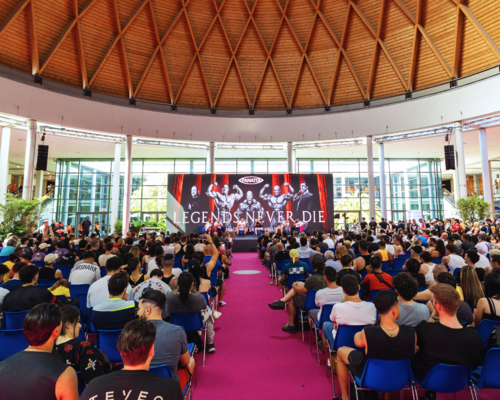
Featured supplier news: Legends never die: four legends, four philosophies of life
Panatta brought together four of the most influential figures in bodybuilding history on the stage of RiminiWellness 2026: Phil Heath, Lee Haney, Ronnie Coleman and Hany Rambod.
Featured supplier news
Featured supplier news: Introducing a new era of Nautilus Leverage
Strength training has never been more important for member retention, facility differentiation and long-term commercial success.
Company profiles
Company profile: Precor
Precor provides fitness and wellness equipment to all market segments, including commercial clubs/facilities, Hospitality, Residential, ...
Company profiles
Company profile: Kodobi Ltd
Running a fast-paced fitness business while ensuring safety and compliance is no easy feat. That’s ...
Supplier Showcases
Supplier Showcase - Future-proofing
Catalogue Gallery
Click on a catalogue to view it online
Featured press releases
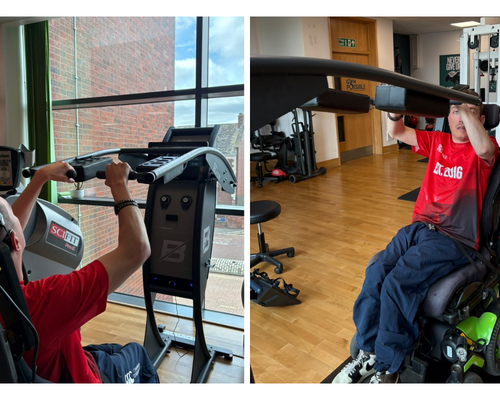
Speedflex (UK press release: Inclusive Fitness in action: The Speedflex Blade at Gym Possible
Following the successful installation of the Speedflex Blade at Gym Possible, the UK based charity gym dedicated to making exercise accessible for people with physical disabilities, the innovative training solution has quickly become one of the facility’s
Featured press releases
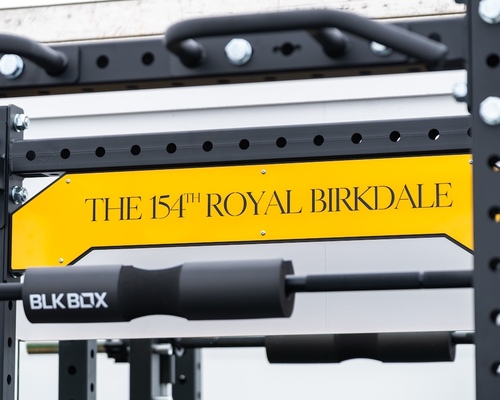
BLK BOX press release: Inside the Player Gym at The Open, equipped by BLK BOX
The performance facility at Royal Birkdale gives the world’s leading golfers access to strength, conditioning, mobility and recovery equipment throughout Championship week.
Directory
Lockers
Crown Sports Lockers: Lockers
Spa and beauty equipment
Oakworks Inc: Spa and beauty equipment
Hot tubs
MSpa International Ltd: Hot tubs
Fitness tracking platform
SpiviTech: Fitness tracking platform
Industrial washing machines
Miele Company Limited: Industrial washing machines
Water experiences and hydrotherapy solutions
Aquaform s.r.l.: Water experiences and hydrotherapy solutions
Property & Tenders
Stratford, East London.
Lee Valley Regional Park Authority
Property & Tenders
Y Felinheli, LL56 4QN
Newmark
Property & Tenders
Diary dates
21-24 Sep 2026
The Langham Huntington Pasadena , Pasadena, United States
Diary dates
06-08 Oct 2026
Messe Stuttgart, Stuttgart, Germany
Diary dates
22-22 Oct 2026
QEII Conference Centre, London,
Diary dates
26-29 Oct 2027
Koelnmesse Exhibition Centre, Cologne, Germany
Diary dates

features

Mental health: Onwards and upwards

Research confirms the role health clubs can play in supporting people in nurturing their mental health, as Victor Brick explains

Published in Health Club Management 2021 issue 9
The Global Wellness Institute has created a new model for understanding mental health and exercise / photo: unsplash/ geert-pieters
Vigorous exercise has been shown to be the equivalent of an entry-level dose of an antidepressant such as sertraline

Three decades of science make it clear: exercise should be integrated into the prevention and treatment of mental illness and the promotion of mental wellness.

Routinely moving our bodies helps us build mental and emotional wellbeing – whether pumping iron, owning the treadmill, strengthening the core with yoga or tai chi, or performing less rigorous activities, such as walking, motion is indisputably associated with mental health benefits.

These are the findings of the John W Brick Mental Health Foundation’s Move Your Mental Health Report, which analyses 1,000 scientific studies published over the last 30 years on the link between exercise and mental health.

These findings could not have come at a better time. According to Johns Hopkins Medicine, in any given year, 26 per cent of adults in the US suffer from some form of mental illness. The US Centers for Disease Control and Prevention estimates that percentage has doubled since the start of the pandemic.

This is because the two things that support mental wellness most powerfully are connectivity and coping skills, while the two things COVID-19 is causing are loneliness and lack of access to coping skills: quarantines separate people, creating loneliness, while they also block people from those who can provide them with coping support, such as fitness trainers, yoga instructors, and other wellbeing professionals.

Mental health is the ability to navigate and recover from emotional, social and psychological stress. It’s the resilience to cope with life events and maintain a general sense of happiness, contentment and wellbeing. As a result, it’s more of a journey than a destination.

What role do health clubs play in mitigating the mental health crisis? Traditionally mental health has been thought of as a horizontal continuum with little or no mental illness at one end, mild mental illness in the middle, and severe (high) levels of mental illness at the other. The main forms of treatment in this model are medication, psychoanalysis, and institutionalisation.

A new approach
In the new Dual Continuum Model, developed by the Global Wellness Institute, (as shown in Fig 1) there are two continuum.

The first is the traditional ‘horizontal’ approach which treats mental health issues as being pathogenic in nature and deals with the ‘disease’ of mental illness. This approach is focused more on the physiology of the condition and involves conventional clinical care.

The second, vertical continuum is salutogenic in nature – this is an approach that focuses on health and not on disease and involves more holistic approaches such as self-care. This model ranges from ‘languishing’ at the bottom to ‘flourishing’ at the top.

A person can be struggling with mental health issues (languishing) due to external factors such as poor lifestyle choices, external stress, and life events, even though they don’t have a clinical mental illness (sse Fig 2).

This is the case with gymnast Simone Biles and tennis pro Naomi Osaka. They’re experiencing challenges that arise more from external factors than pre-existing physiological ones.

Conversely, a person can be flourishing even if they have a clinical mental illness. For example, if they have a good diet, exercise regularly and have manageable stress in their life they can be happy and productive, even while having a mental illness such as schizophrenia.

At times, treatment in these circumstances could require the combination of pathogenic and salutogenic approaches, such as both medication and healthy lifestyle choices.

The law of positive stress
Much of the salutogenic/wellness continuum is related to the Yerkes-Dodson Law of Positive Stress. Simply put, this law states that performance improves when people are subject to the right amount of physical and mental stress. Too little stress and there’s no improvement. Too much stress and there’s a drop-off in progress, including in mental health improvement. Again, this is what happened to both Simone and Naomi: too much stress.

The health club industry has an essential part to play in the vertical continuum. Exercise and physical activity are salutogenic – they are all about wellness and self-care.

Most health club members who are suffering from mental health issues will be languishing because of external factors and/or poor self-care, not because of clinically diagnosed mental health issues. These are the people who will benefit from exercise the most.

The Move Your Mental Health Report analysed research studies by type of exercise and physical activity and rated them as to their effectiveness in benefiting mental health. The research overwhelmingly supports the beneficial role of exercise and physical activity in addressing mental health issues, particularly depression and anxiety – the two conditions that have been most exacerbated by the pandemic.

The report is not meant to imply that exercise and physical activity are the only way to improve mental health – although these were the two areas studied, there is still so much to learn when it comes to ways of improving mental health – but this much we know for sure; exercise and physical activity benefit mental health.

More than ever before, health club members are seeking support for their mental health. In 2019, when asked by Euromonitor, the international market research firm, why they work out, 10,000 respondents across all four major age groups: Baby Boomers, Generation X, Generation Y, and Generation Z, gave mental wellbeing as their main reason. These survey results were reported before the COVID-19 pandemic.

The need to support mental wellbeing is undoubtedly even higher now after 18 months of high stress levels being experienced by people all around the world.

Let’s take the opportunity to help change the way the world treats mental health.

If not us, who? If not now, when?

• Download 'Supporting Mental Health & Wellbeing: A toolkit for health & fitness centers'

• Download 'Perspectives on supporting mental health & well-being in health & fitness centers: A survey of fitness professionals'

Move Your Mental Health Report
Key takeaways

• Exercise is strongly associated with general mental and emotional wellbeing, including reduced stress and improved mood and quality of life

• Evidence strongly supports cardiovascular/aerobic exercise for reducing depression

• Yoga and other mindful exercises such as Tai Chi and Qigong show strong evidence for reducing symptoms of anxiety and depression

• Frequency is more important than duration. Three to five 30-45-minute moderate to vigorous exercise sessions per week appear to deliver optimal results. The key words are ‘moderate to vigorous’. This supports the concept of positive stress

• More exercise is not always better. There appears to be a bell curve where people who exercise 3-5 times per week show better mental health than those that exercise less than 3; or those that exercise more than 5. Too much exercise can increase anxiety

• High intensity exercise is generally more effective than low intensity in improving state of mind and enhancing mental health.

• Vigorous exercise has been shown to be the equivalent of an entry-level dose of an antidepressant such as sertraline

• Cardio is the best individual form of exercise for depression and anxiety, but a combination of cardio and strength is even more effective

• Initially, individual instruction is most effective for improving mental health, probably because new exercisers develop a connection with the instructor and learn the new coping skills more easily in a one-on-one environment. Over time, group training can be just as beneficial due to the increased connectivity of being part of a group

• Mindfulness-based activities such as yoga and tai chi – though they can be lower intensity forms of movement – deliver more mental health benefits than walking

• Team sports, cycling, and aerobic or gym-based exercise are the top three forms of exercise associated with over 20 per cent fewer ‘poor mental health’ days per month

Implementing change
What are the implications of the Move Your Mental Health Report and how can you implement change to support your members and teams?
Explain the model to the team

• We recommend holding a team meeting and educating all your people on the growing mental health crisis and the role health clubs can play in mitigating it.

• Discuss the dual continuum model and the essential role exercise and movement plays in the salutogenic/wellness continuum. Emphasise the importance of positive stress in improving physical and mental wellbeing – understanding that positive stress is different for each individual. For some, walking might be positive stress, for example. Also emphasise the point that too little stress is as undermining as too much stress.

Connect with your members

• Promote individual and group personal training as a mental health benefit to members, not just as an effective way to get in shape.

• Offer a wide variety of shorter 30- to 45-minute classes to encourage more frequent visits and workouts. This includes small group personal training, yoga, and group classes – lack of time is usually given as the main reason for not exercising.

• Combine cardio with strength training for optimum results and the most efficient use of time. The best way to do this while incorporating the concept of shorter workouts is to utilise interval training in shorter cardio workouts, combined with appropriate moderate to strenuous strength workouts.

• You can get a very good workout in 12-15 minutes on a piece of cardio employing proper interval training techniques based on heart rate. The first Lifecyle had a 12-minute interval training programme, for example. Circuit training is also an effective way to combine cardio and strength training in a short, efficient workout.

Ensure they’re recovering

• A proper schedule of workout days and complete rest days is important. Like my good friend, Jamie Hayes, a fitness veteran in Australia, would say, “Sometimes I just sits and thinks, and sometimes I just sits”. Sometimes, it’s important to do nothing.

• Be keenly aware of the role of rest and recovery in maintaining good mental health. Encourage members and your team to include Yin activities such as stretching, yoga and Tai Chi in their exercise routine, as well as Yang activities such as cardio, strength training and swimming.

• No matter where people are on the mental health spectrum, they can move themselves toward greater mental wellness by creating an ecosystem of mental wellness that includes the interlocking ‘building blocks’ they need to build their mental and emotional resilience.

These include exercise, a social support network and good diet, among many other factors. The more building blocks are added, the more people find themselves moving toward greater mental and emotional wellbeing.

Mindbody classes are a powerful tool in the quest for wellbeing / photo: dreamstime/Fizkes
About the John W Brick Mental Health Foundation
Victor Brick

The Foundation was founded in 2015 by Victor and Lynn Brick to help give individuals and loved ones struggling with mental health issues the possibility of enjoying a better quality of life. The organisation was conceived following the death of Victor’s brother from complications relating to schizophrenia.
More: www.johnwbrickfoundation.org

10,000 consumers surveyed by Euromonitor cited better mental health as the main reason for working out / photo: dreamstime/Parin Kiratiatthakun
The report is an evaluation of 30 years’ of research / photo: dreamstime/Olena Yakobchuk
https://www.leisureopportunities.co.uk/images/2021/755831_483992.jpg
New research confirms the role health clubs can play in supporting members to nurture their mental health
Latest News
Les Mills has launched a reformer Pilates workout. The 45-minute workout blends traditional reformer movements ...

Latest News
The inaugural HCM Invest event has opened applications for pitching slots ahead of its launch ...
Latest News
Girls in the UK are missing out on 280 million hours of sport every year ...
Latest News
According to research which tracked more than 147,000 people for 30 years, 90-120 minutes of ...
Latest News
Everlast Gyms expands its footprint outside of the UK this month with the imminent launch ...
Latest News
The UK's four Chief Medical Officers have published a refreshed edition of  Physical activity guidelines: ...
Latest News
Places Leisure has exchanged contracts to build and operate a flagship £60m water and wellness ...
Latest News
The Republic of Ireland will become the latest market in PureGym’s expanding international portfolio, with ...
Latest News
Sophie Lawler, CEO of Total Fitness, has launched a leadership coaching business aimed at helping ...
Latest News
Anytime Fitness reaches a milestone this week with the launch of its 6000th site. The ...
Latest News
The £33.9 million Leighton Leisure and Community Centre has opened in Leighton Buzzard, UK, creating ...
Opinion
promotion
Strength training has moved from the margins to the mainstream.
Opinion: Building smarter strength spaces for today’s operators
Featured supplier news
Featured supplier news: Legends never die: four legends, four philosophies of life
Panatta brought together four of the most influential figures in bodybuilding history on the stage of RiminiWellness 2026: Phil Heath, Lee Haney, Ronnie Coleman and Hany Rambod.
Featured supplier news
Featured supplier news: Introducing a new era of Nautilus Leverage
Strength training has never been more important for member retention, facility differentiation and long-term commercial success.
Company profiles
Company profile: Precor
Precor provides fitness and wellness equipment to all market segments, including commercial clubs/facilities, Hospitality, Residential, ...
Company profiles
Company profile: Kodobi Ltd
Running a fast-paced fitness business while ensuring safety and compliance is no easy feat. That’s ...
Supplier Showcases
Supplier Showcase - Future-proofing
Catalogue Gallery
Click on a catalogue to view it online
Featured press releases
Speedflex (UK press release: Inclusive Fitness in action: The Speedflex Blade at Gym Possible
Following the successful installation of the Speedflex Blade at Gym Possible, the UK based charity gym dedicated to making exercise accessible for people with physical disabilities, the innovative training solution has quickly become one of the facility’s
Featured press releases
BLK BOX press release: Inside the Player Gym at The Open, equipped by BLK BOX
The performance facility at Royal Birkdale gives the world’s leading golfers access to strength, conditioning, mobility and recovery equipment throughout Championship week.
Directory
Lockers
Crown Sports Lockers: Lockers
Spa and beauty equipment
Oakworks Inc: Spa and beauty equipment
Hot tubs
MSpa International Ltd: Hot tubs
Fitness tracking platform
SpiviTech: Fitness tracking platform
Industrial washing machines
Miele Company Limited: Industrial washing machines
Water experiences and hydrotherapy solutions
Aquaform s.r.l.: Water experiences and hydrotherapy solutions
Property & Tenders
Stratford, East London.
Lee Valley Regional Park Authority
Property & Tenders
Y Felinheli, LL56 4QN
Newmark
Property & Tenders
Diary dates
21-24 Sep 2026
The Langham Huntington Pasadena , Pasadena, United States
Diary dates
06-08 Oct 2026
Messe Stuttgart, Stuttgart, Germany
Diary dates
22-22 Oct 2026
QEII Conference Centre, London,
Diary dates
26-29 Oct 2027
Koelnmesse Exhibition Centre, Cologne, Germany
Diary dates
Search news, features & products:
Find a supplier:
Partner sites