

















GET HCM
magazine
Sign up for the FREE digital edition of HCM magazine and also get the HCM ezine and breaking news email alerts.
Not right now, thanksclose this window I've already subscribed!
The Leisure Media Company Ltd
Follow Health Club Management on Twitter Like Health Club Management on Facebook Join the discussion with Health Club Management on LinkedIn
FITNESS, HEALTH, WELLNESS

features

Interview – Andrew Cosslett: Andrew Cosslett

The CEO of Fitness First talks to Kate Cracknell about putting behavioural psychology at the heart of the business in a £270m global repositioning and rebrand

By Kate Cracknell | Published in Health Club Management 2014 issue 3

“If you were to stop 100 people in the street and ask them if they wanted to feel happier and look better, how many of them would say ‘no thanks’?” asks Andrew Cosslett, CEO of Fitness First, when I meet him at the company’s offices in Marylebone, London. “The real question is: what’s that worth to you? What are you willing to give up in the pursuit of that health and happiness?

“And the problem is that, so far, the fitness sector hasn’t really given consumers a reason to place much worth on its offering.”

Cosslett is firmly of the belief that blaming lack of participation on cost is “invalid when gym membership costs no more than the price of a coffee a day”. But it is, he acknowledges – and particularly in tough economic times – up to operators to offer “a product, a proposition and a way of dealing with people on their own terms”.

He says: “Actual cost is irrelevant. We simply haven’t done a good enough job of explaining ourselves and putting an offer in front of people that they find good value. You have to join all the dots and present a proposition that satisfies customers’ needs, making it easier for them to take that step and make a commitment to the gym.”

Faced with the huge challenge of turning around the fortunes of an embattled Fitness First, Cosslett therefore began by seeking a better understanding of consumer needs within the fitness sector. The result was a paper, produced in partnership with professor Stuart Biddle of Loughborough University in the UK, which outlined the science behind motivation and how the principles of behavioural psychology inform whether we will – or won’t – be successful in maintaining exercise.

“We peeled it right back to two questions: why don’t people get involved in the first place?; and when they do get involved, why do so many stop coming?” says Cosslett. “These aren’t new questions, but I do think we’re getting some different answers.

“The three things that matter to customers are being made to feel welcome, comfortable and as though they belong; being given a sense of competence and therefore confidence, which makes them feel empowered; and being given lots of feedback, encouragement and support about how they’re doing and how they can go further. Those are the three critical components. While they’re not rocket science, they’re strangely absent in a lot of places I’ve been in this industry.”

It’s around these key components that the new Fitness First has been born.

Asking the questions
Whether Fitness First will actually have struck upon the answers to the industry’s ever-present retention challenge remains to be seen – as will its ability to put these theories into practice – but Cosslett seems quietly confident, if measured in his response: “We’ve set out our stall and believe it’s the way to go, but joining the dots is very difficult and it will be a long journey. We’ve moved the brand renewal programme through at pretty high speed and we’re still learning.”

That said, he has a strong and diverse team in place, their experience in sectors such as retail and airlines complementing his own background in brands and hospitality. Having learned his trade in the 1980s at the “great university of marketing” that is Unilever, Cosslett progressed into general management for Cadbury-Schweppes in Australia and Asia before moving into hospitality at hotel group IHG in 2005.

“A lot of the same issues apply in hospitality as in fitness,” he says. “The hotel industry is very inward looking – it continues with practices that have been around for many, many decades. What we did with IHG was overhaul it and challenge some of the preconceived notions of how things should be done.” That included the relaunch of the Holiday Inn brand: 3,200 hotels around the world in a “four-year journey of massive organisational challenge”.

Listening to Cosslett speak, particularly with the strong customer and brand insight his experience at the likes of Unilever has given him – as well as his clear personal passion for fitness – you get the feeling he could be the man to turn Fitness First’s fortunes around.

“I’m willing to ask the crazy questions,” explains Cosslett. “When I got here, I saw an opportunity to do something a bit different.

“From an outsider’s point of view, it’s always struck me as strange that an industry that should be seen as a paragon of virtue in society wasn’t portrayed that way. We’re saving people’s lives, making them happy, helping them fulfil their dreams and go further in life, yet the industry’s reputation was nothing like that. It was way down the pecking order in terms of appeal to executives to join it; the Office of Fair Trading was all over it for its overcomplicated contracts and terms and conditions; and there was little trust from the public. And as an observer and user, I agreed with a lot of what was being said.

“Fitness First in particular was a brand with quite a lot of reputational damage. It wasn’t the case in Asia or Germany, but in the UK it had run out of money and hadn’t been able to invest in its infrastructure. We live in a world of design-led environments and Fitness First had been left behind, so we have a big programme of renovations underway.

“The company also had a reputation as a selling machine, and that needed to be addressed. If you come through our doors as a potential new user, we want all your early contacts with us to be positive ones. We want you to feel you’re talking to someone who knows their product and knows what’s involved. When you walk into the Apple Store, you aren’t confronted by someone who can’t answer your questions. They don’t have to go and find someone else for you to talk to. They know their product inside-out, they understand it and they’re advocates for it.”

With this in mind, every single member of staff – from receptionists and sales people, right up to Cosslett as CEO – is now being trained towards a fitness qualification.

Missed connections
But perhaps Cosslett’s biggest concern on joining Fitness First was the lack of what he calls ‘connecting the dots’ across the fitness sector as a whole: “My 30 years in business have been about running international brands, but I walk into fitness and I see no brands – just names over doors.

“I also don’t see much focus on the customer. I see a lot of knowledge and focus on fitness and what that means, with an assumption that the world knows what we’re talking about.

But in practice, the connections just aren’t being made.

“In the UK, penetration is stuck at 12 per cent or thereabouts, in spite of everything we know about the benefits of exercise, an ageing population, activity being on the government agenda… So something’s missing. Something’s wrong. And it’s partly because the industry doesn’t connect the dots. Some companies in the industry know a lot about fitness, some offer very seductive environments and some have good customer contact – but not all three.

“Fitness is still quite a young sector, and I think a number of the inflection points we’ve seen appear recently, like the arrival of the low-cost operators, are evolutionary. They’re signs of an industry moving forward, which is great news, because that always spurs more innovative thinking, which in turn drives penetration and drives more people into the industry. But for now, I don’t think we have enough understanding about the things that drive demand.”

A sense of belonging
And this is where we return to Fitness First’s new behavioural psychology-based approach, based on belonging, confidence and encouragement as the key to maintaining the appeal of – and demand for – the gym.

Delivering on this philosophy, one of the most visible shifts in the design of the rebranded clubs has been the introduction of extensive ‘freestyle’ areas for functional training, with small group training sessions included within the membership. Open-plan reception areas have been introduced to create a more welcoming first impression.

“A lot of the thinking about our club layouts revolves around the casual interaction between members, and between members and our staff,” explains Cosslett. “A sense of belonging is key and, while everyone has a different mindset when they’re in a club – some want to be left alone, some want to be engaged, that’s the same in the hotel business too – the skill is to train your people to be smart enough to know the difference and to be able to engage with customers on their terms, but still engage them, because that’s the precursor to keeping them as members.”

Creating a connection with members outside the club is also vital to engagement, and Fitness First is in the process of building a digital platform, the likes of which Cosslett believes “doesn’t exist out there at the moment”. He adds: “Fitness First needs to use its scale better, investing in R&D rather than relying on manufacturers to tell us what’s happening next. Our new platform will be the start of a new form of relationship with members and everything that’s made possible for them as a result of being a member.”

Another significant proportion of the company’s £270m, three-year global investment – which will cover everything from refurbishments to rebranding to building new clubs – will go into developing its people, with fitness qualifications for all just the start.

“In any business I’ve ever been involved with, the primary driver of difference is how you engage your people, what you ask them to do, how you empower them, what you teach them, how you teach them. It’s about helping them feel enriched and empowered. It’s about setting standards and rigorously training them in – ensuring gym staff know members’ names, for example.

“It’s also about who’s on your team in the first place, and we’ll be recruiting and training for attitude. We want people who are confident and empowered but who are also sociable. I know that’s obvious, but it still doesn’t happen routinely in the fitness industry.”

Reputation building
He continues: “When you move a brand on, you can’t do it in bits. As someone once said to me, you can’t jump a chasm in three easy steps. You have to take the whole brand and the whole business to a different place. The brand look and feel is just the face of it – everything has to change. Your understanding of your customers has to change, meaning how you train your staff, what they say, how they engage, where they stand, what they wear – all that has to change. Your fitness products must have points of difference that make you distinctive and make people talk about you.

“What all great brands do is build relationships with their customers, keeping them loyal for longer and making them greater advocates of their brand ahead of others. That’s what we’re aiming to achieve.”

But how easy a task is that for Fitness First, given all its negative baggage? How does it re-engage a disillusioned public?

“Changing your logo as we’ve done is like an announcement, a way of flagging to the world that you’ve changed,” says Cosslett. “However, brand reputations are built – and particularly in these days of social media, they’re built by people talking about you. So it’s about winning over one customer at a time, day by day, encouraging them to walk back through the door and see that change has really happened and it’s not just cosmetic. That’s how we’ll earn our stripes.”

Fitness First: Evolution & Growth

Fitness First’s £270m global investment programme will see a revitalised brand bidding to return a sense of value to its offering.
But that won’t mean lowering prices to compete with the budget operators, as CEO Andrew Cosslett explains: “I’ve always struggled with our ‘affordable fitness’ positioning in the UK – that’s not really a place to be given there will always be a budget operator to undercut you. Neither do we want to be seen as some sort of boutique super-brand.

“If you look at Asia, Australia, Germany – our more successful markets where we have the best brand reputation – Fitness First is positioned towards the upper end of the mid-scale market.”

Although the company does currently still operate five low-cost Klick clubs in the UK – the legacy of its venture into this segment of the market in 2011 – the focus of the estate is shifting upwards, with major investment in clubs, staff and technology. By 2016, all 300+ clubs in 16 countries around the world – including 82 in the UK – will have been refreshed with a new look and feel that embraces everything from club design and facility mix to technology and staffing.

However, prices will not necessarily rise. In the UK, some London clubs will see their prices go up, but as Cosslett explains: “We’ve taken a much more local view of pricing, because it’s just not credible to imagine that everywhere operates in the same economic environment. Fitness First was quite slow to acknowledge that and do anything about it, but it’s something we’re actively addressing now.”

There will also be new clubs. Here the focus will be primarily on Asia as a growth market – 15 new clubs this year and the same or more predicted for 2015 – with new sites also planned for the UK, Germany and Australia.

And while it isn’t aiming to become a ‘boutique super-brand’, Fitness First will also – where demographics and high local penetration of Fitness First clubs allow – be dipping a toe in the microgym market after the success of The Zone, its group exercise-only concept in Sydney, Australia. One such site, provisionally named The Beat, will open this month in London – a take on The Zone that also incorporates heart rate training.
Sign up here to get HCM's weekly ezine and every issue of HCM magazine free on digital.
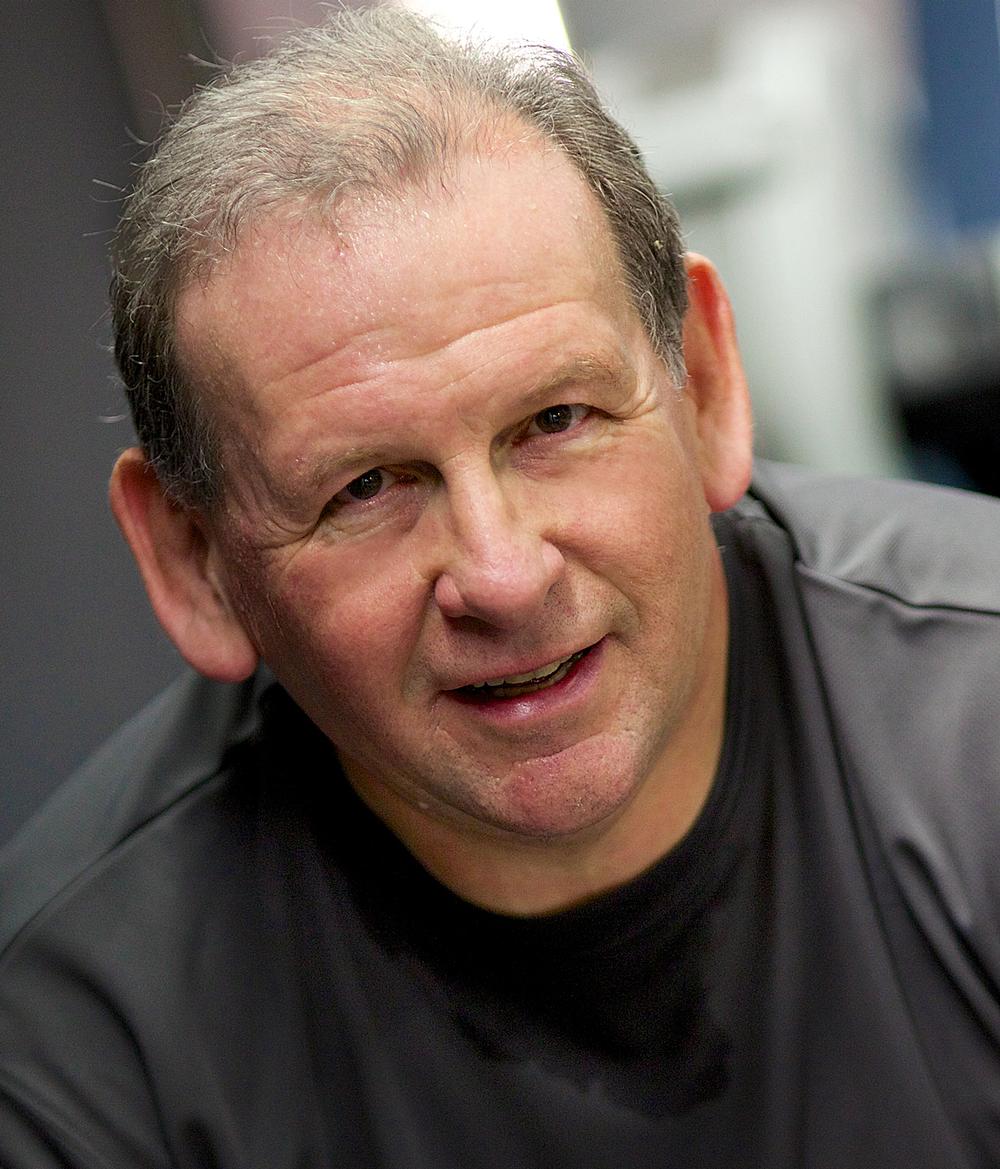
Cosslett has worked in hospitality and for big brands like Unilever
The new approach is based on behavioural psychology to get members engaged
Classes and small group training help to create a sense of community in the clubs
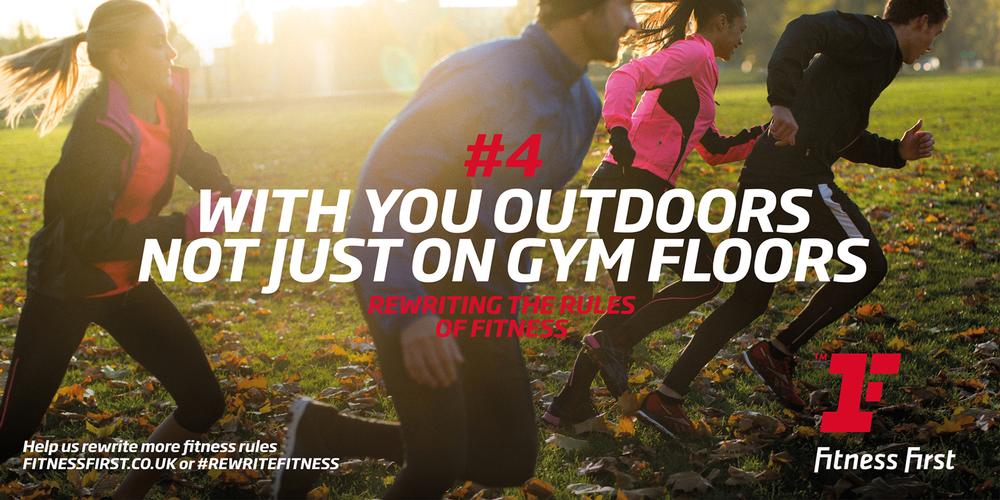
The rebranding doesn’t stop at the ad campaigns, but rather penetrates company structures
https://www.leisureopportunities.co.uk/images/HCM2014_3andrew.gif
The CEO of Fitness First talks to Kate Cracknell about putting behavioural psychology at the heart of the business, in a £270m repositioning and rebrand
Kate Cracknell, Andrew Cosslett, CEO of Fitness First,Fitness First, rebrand, behavioural psychology, motivation
HCM magazine
For every member with a tripod and a big following, there are others irritated at the way equipment is being hogged or wary they’ll be in the background on someone’s Insta feed. Do influencers offer valuable, free marketing or are they just a nuisance? Kath Hudson finds out how operators are responding
HCM magazine
HCM People

Stephen Price

Founder, SP&Co Group
Working in public health over the last few years has lit up parts of my brain again
HCM magazine
Small improvements to sleep, diet and physical activity have major benefits for the heart, according to new research from the University of Sydney
HCM magazine
Raphael Cuomo explores the powerful link between addiction, health and behaviour change
HCM magazine
Collaborations with the medical profession and greater aspirations around wellbeing are creating a need for more experts in our sector. It’s time to reboot our thinking around the workforce
HCM promotional features
Sponsored
Greg Bradley looks at the shift towards strength training in gyms and advises on how operators can create the ultimate training environment
HCM promotional features
Sponsored
SnowDome Fitness has added 50 per cent more space with cutting-edge Technogym solutions
HCM promotional features
Sponsored
Third Space partnered with IndigoFitness to deliver a bespoke training space for its new club at The Whiteley
HCM promotional features
Sponsored
David Lloyd is stepping up its commitment to women’s health as it continues to explore what fit-for-purpose looks like for the female population
HCM promotional features
Sponsored
Starpool supports Olympic champion Marcell Jacobs, says Riccardo Turri
HCM promotional features
Sponsored
Find out how your gym can tap into the corporate wellness boom
HCM promotional features
Sponsored
EGYM has opened a new HQ in Paternoster Square, London and revealed a range of new launches
HCM promotional features
Sponsored
Pulse Fitness has created a new health club delivering an elevated wellness experience
HCM promotional features
Sponsored
Active IQ is calling for greater accountability in online fitness advice with the launch of a new trustmark
HCM promotional features
Latest News
Nuffield Health has told HCM that it takes its responsibilities towards its colleagues seriously and ...
Latest News
Technogym has announced the launch of the Run X World Treadmill Championship, the first world ...
Latest News
Shocked by the UK loneliness statistics, charitable trust Mytime Active has been doubling down on ...
Latest News
Portugal’s leading operator, SC Fitness, is celebrating a milestone by reaching 100 gyms.  The company ...
Latest News
Australia’s fast-growing fitness network, Viva Leisure, is adding a low-cost gym brand to its already ...
Latest News
Speedflex has launched a strength training programme for 10 to 16-year-olds, to make it safer, ...
Latest News
Tewinbury Farm Hotel in Hertfordshire, UK is expanding its premium leisure proposition with the launch ...
Latest News

Work is underway in Madrid on one of Europe’s most significant multi-functional complexes, ...

Opinion
promotion
Strength training has moved from the margins to the mainstream.
Opinion: Building smarter strength spaces for today’s operators
Featured supplier news
Featured supplier news: Supporting long-term health: why whole body vibration belongs in clinical settings
As healthcare continues to shift towards prevention, there’s a growing focus on helping people stay active, independent and feeling good for longer.
Featured supplier news
Featured supplier news: Elevate 2026 to mark 10-year anniversary with biggest ever waterfront drinks reception
Elevate is set to celebrate its 10th anniversary in style this June, with organisers confirming the event’s largest-ever drinks reception as registrations continue to run more than 10% ahead of last year.
Company profiles
Company profile: Fold
Fold is the company behind the UK's leading at home foldable reformer pilates bed, bringing ...
Company profiles
Company profile: Myzone
Myzone is a global pioneer of Motivation Technology (MoTech), redefining fitness by turning behavioural science ...
Supplier Showcases
Supplier Showcase - Future-proofing
Catalogue Gallery
Click on a catalogue to view it online
Featured press releases
GYMNATION press release: Massive ‘Good Luck’ message appears in Saudi Desert as Green Falcons head to World Cup
Passengers flying out of Riyadh this week have been treated to an extraordinary sight from the skies after GymNation unveiled a giant desert sand mural supporting the Saudi Arabia National Football Team ahead of the FIFA World Cup in the United States.
Featured press releases
BLK BOX press release: BLK BOX strengthens European growth with the appointment of Germany country manager Timo Garrels
BLK BOX is proud to welcome Timo Garrels as Germany country manager, marking another important step in the brand’s continued growth across Europe.
Directory
Industrial washing machines
Miele Company Limited: Industrial washing machines
Fitness tracking platform
SpiviTech: Fitness tracking platform
Hot tubs
MSpa International Ltd: Hot tubs
Spa and beauty equipment
Living Earth Crafts: Spa and beauty equipment
Water experiences and hydrotherapy solutions
Aquaform s.r.l.: Water experiences and hydrotherapy solutions
Lockers
Crown Sports Lockers: Lockers
Property & Tenders
Stratford, East London.
Lee Valley Regional Park Authority
Property & Tenders
Y Felinheli, LL56 4QN
Newmark
Property & Tenders
Diary dates
13-13 Jun 2026
Worldwide, Various,
Diary dates
21-24 Sep 2026
The Langham Huntington Pasadena , Pasadena, United States
Diary dates
06-08 Oct 2026
Messe Stuttgart, Stuttgart, Germany
Diary dates
22-22 Oct 2026
QEII Conference Centre, London,
Diary dates
26-29 Oct 2027
Koelnmesse Exhibition Centre, Cologne, Germany
Diary dates

features

Interview – Andrew Cosslett: Andrew Cosslett

The CEO of Fitness First talks to Kate Cracknell about putting behavioural psychology at the heart of the business in a £270m global repositioning and rebrand

By Kate Cracknell | Published in Health Club Management 2014 issue 3

“If you were to stop 100 people in the street and ask them if they wanted to feel happier and look better, how many of them would say ‘no thanks’?” asks Andrew Cosslett, CEO of Fitness First, when I meet him at the company’s offices in Marylebone, London. “The real question is: what’s that worth to you? What are you willing to give up in the pursuit of that health and happiness?

“And the problem is that, so far, the fitness sector hasn’t really given consumers a reason to place much worth on its offering.”

Cosslett is firmly of the belief that blaming lack of participation on cost is “invalid when gym membership costs no more than the price of a coffee a day”. But it is, he acknowledges – and particularly in tough economic times – up to operators to offer “a product, a proposition and a way of dealing with people on their own terms”.

He says: “Actual cost is irrelevant. We simply haven’t done a good enough job of explaining ourselves and putting an offer in front of people that they find good value. You have to join all the dots and present a proposition that satisfies customers’ needs, making it easier for them to take that step and make a commitment to the gym.”

Faced with the huge challenge of turning around the fortunes of an embattled Fitness First, Cosslett therefore began by seeking a better understanding of consumer needs within the fitness sector. The result was a paper, produced in partnership with professor Stuart Biddle of Loughborough University in the UK, which outlined the science behind motivation and how the principles of behavioural psychology inform whether we will – or won’t – be successful in maintaining exercise.

“We peeled it right back to two questions: why don’t people get involved in the first place?; and when they do get involved, why do so many stop coming?” says Cosslett. “These aren’t new questions, but I do think we’re getting some different answers.

“The three things that matter to customers are being made to feel welcome, comfortable and as though they belong; being given a sense of competence and therefore confidence, which makes them feel empowered; and being given lots of feedback, encouragement and support about how they’re doing and how they can go further. Those are the three critical components. While they’re not rocket science, they’re strangely absent in a lot of places I’ve been in this industry.”

It’s around these key components that the new Fitness First has been born.

Asking the questions
Whether Fitness First will actually have struck upon the answers to the industry’s ever-present retention challenge remains to be seen – as will its ability to put these theories into practice – but Cosslett seems quietly confident, if measured in his response: “We’ve set out our stall and believe it’s the way to go, but joining the dots is very difficult and it will be a long journey. We’ve moved the brand renewal programme through at pretty high speed and we’re still learning.”

That said, he has a strong and diverse team in place, their experience in sectors such as retail and airlines complementing his own background in brands and hospitality. Having learned his trade in the 1980s at the “great university of marketing” that is Unilever, Cosslett progressed into general management for Cadbury-Schweppes in Australia and Asia before moving into hospitality at hotel group IHG in 2005.

“A lot of the same issues apply in hospitality as in fitness,” he says. “The hotel industry is very inward looking – it continues with practices that have been around for many, many decades. What we did with IHG was overhaul it and challenge some of the preconceived notions of how things should be done.” That included the relaunch of the Holiday Inn brand: 3,200 hotels around the world in a “four-year journey of massive organisational challenge”.

Listening to Cosslett speak, particularly with the strong customer and brand insight his experience at the likes of Unilever has given him – as well as his clear personal passion for fitness – you get the feeling he could be the man to turn Fitness First’s fortunes around.

“I’m willing to ask the crazy questions,” explains Cosslett. “When I got here, I saw an opportunity to do something a bit different.

“From an outsider’s point of view, it’s always struck me as strange that an industry that should be seen as a paragon of virtue in society wasn’t portrayed that way. We’re saving people’s lives, making them happy, helping them fulfil their dreams and go further in life, yet the industry’s reputation was nothing like that. It was way down the pecking order in terms of appeal to executives to join it; the Office of Fair Trading was all over it for its overcomplicated contracts and terms and conditions; and there was little trust from the public. And as an observer and user, I agreed with a lot of what was being said.

“Fitness First in particular was a brand with quite a lot of reputational damage. It wasn’t the case in Asia or Germany, but in the UK it had run out of money and hadn’t been able to invest in its infrastructure. We live in a world of design-led environments and Fitness First had been left behind, so we have a big programme of renovations underway.

“The company also had a reputation as a selling machine, and that needed to be addressed. If you come through our doors as a potential new user, we want all your early contacts with us to be positive ones. We want you to feel you’re talking to someone who knows their product and knows what’s involved. When you walk into the Apple Store, you aren’t confronted by someone who can’t answer your questions. They don’t have to go and find someone else for you to talk to. They know their product inside-out, they understand it and they’re advocates for it.”

With this in mind, every single member of staff – from receptionists and sales people, right up to Cosslett as CEO – is now being trained towards a fitness qualification.

Missed connections
But perhaps Cosslett’s biggest concern on joining Fitness First was the lack of what he calls ‘connecting the dots’ across the fitness sector as a whole: “My 30 years in business have been about running international brands, but I walk into fitness and I see no brands – just names over doors.

“I also don’t see much focus on the customer. I see a lot of knowledge and focus on fitness and what that means, with an assumption that the world knows what we’re talking about.

But in practice, the connections just aren’t being made.

“In the UK, penetration is stuck at 12 per cent or thereabouts, in spite of everything we know about the benefits of exercise, an ageing population, activity being on the government agenda… So something’s missing. Something’s wrong. And it’s partly because the industry doesn’t connect the dots. Some companies in the industry know a lot about fitness, some offer very seductive environments and some have good customer contact – but not all three.

“Fitness is still quite a young sector, and I think a number of the inflection points we’ve seen appear recently, like the arrival of the low-cost operators, are evolutionary. They’re signs of an industry moving forward, which is great news, because that always spurs more innovative thinking, which in turn drives penetration and drives more people into the industry. But for now, I don’t think we have enough understanding about the things that drive demand.”

A sense of belonging
And this is where we return to Fitness First’s new behavioural psychology-based approach, based on belonging, confidence and encouragement as the key to maintaining the appeal of – and demand for – the gym.

Delivering on this philosophy, one of the most visible shifts in the design of the rebranded clubs has been the introduction of extensive ‘freestyle’ areas for functional training, with small group training sessions included within the membership. Open-plan reception areas have been introduced to create a more welcoming first impression.

“A lot of the thinking about our club layouts revolves around the casual interaction between members, and between members and our staff,” explains Cosslett. “A sense of belonging is key and, while everyone has a different mindset when they’re in a club – some want to be left alone, some want to be engaged, that’s the same in the hotel business too – the skill is to train your people to be smart enough to know the difference and to be able to engage with customers on their terms, but still engage them, because that’s the precursor to keeping them as members.”

Creating a connection with members outside the club is also vital to engagement, and Fitness First is in the process of building a digital platform, the likes of which Cosslett believes “doesn’t exist out there at the moment”. He adds: “Fitness First needs to use its scale better, investing in R&D rather than relying on manufacturers to tell us what’s happening next. Our new platform will be the start of a new form of relationship with members and everything that’s made possible for them as a result of being a member.”

Another significant proportion of the company’s £270m, three-year global investment – which will cover everything from refurbishments to rebranding to building new clubs – will go into developing its people, with fitness qualifications for all just the start.

“In any business I’ve ever been involved with, the primary driver of difference is how you engage your people, what you ask them to do, how you empower them, what you teach them, how you teach them. It’s about helping them feel enriched and empowered. It’s about setting standards and rigorously training them in – ensuring gym staff know members’ names, for example.

“It’s also about who’s on your team in the first place, and we’ll be recruiting and training for attitude. We want people who are confident and empowered but who are also sociable. I know that’s obvious, but it still doesn’t happen routinely in the fitness industry.”

Reputation building
He continues: “When you move a brand on, you can’t do it in bits. As someone once said to me, you can’t jump a chasm in three easy steps. You have to take the whole brand and the whole business to a different place. The brand look and feel is just the face of it – everything has to change. Your understanding of your customers has to change, meaning how you train your staff, what they say, how they engage, where they stand, what they wear – all that has to change. Your fitness products must have points of difference that make you distinctive and make people talk about you.

“What all great brands do is build relationships with their customers, keeping them loyal for longer and making them greater advocates of their brand ahead of others. That’s what we’re aiming to achieve.”

But how easy a task is that for Fitness First, given all its negative baggage? How does it re-engage a disillusioned public?

“Changing your logo as we’ve done is like an announcement, a way of flagging to the world that you’ve changed,” says Cosslett. “However, brand reputations are built – and particularly in these days of social media, they’re built by people talking about you. So it’s about winning over one customer at a time, day by day, encouraging them to walk back through the door and see that change has really happened and it’s not just cosmetic. That’s how we’ll earn our stripes.”

Fitness First: Evolution & Growth

Fitness First’s £270m global investment programme will see a revitalised brand bidding to return a sense of value to its offering.
But that won’t mean lowering prices to compete with the budget operators, as CEO Andrew Cosslett explains: “I’ve always struggled with our ‘affordable fitness’ positioning in the UK – that’s not really a place to be given there will always be a budget operator to undercut you. Neither do we want to be seen as some sort of boutique super-brand.

“If you look at Asia, Australia, Germany – our more successful markets where we have the best brand reputation – Fitness First is positioned towards the upper end of the mid-scale market.”

Although the company does currently still operate five low-cost Klick clubs in the UK – the legacy of its venture into this segment of the market in 2011 – the focus of the estate is shifting upwards, with major investment in clubs, staff and technology. By 2016, all 300+ clubs in 16 countries around the world – including 82 in the UK – will have been refreshed with a new look and feel that embraces everything from club design and facility mix to technology and staffing.

However, prices will not necessarily rise. In the UK, some London clubs will see their prices go up, but as Cosslett explains: “We’ve taken a much more local view of pricing, because it’s just not credible to imagine that everywhere operates in the same economic environment. Fitness First was quite slow to acknowledge that and do anything about it, but it’s something we’re actively addressing now.”

There will also be new clubs. Here the focus will be primarily on Asia as a growth market – 15 new clubs this year and the same or more predicted for 2015 – with new sites also planned for the UK, Germany and Australia.

And while it isn’t aiming to become a ‘boutique super-brand’, Fitness First will also – where demographics and high local penetration of Fitness First clubs allow – be dipping a toe in the microgym market after the success of The Zone, its group exercise-only concept in Sydney, Australia. One such site, provisionally named The Beat, will open this month in London – a take on The Zone that also incorporates heart rate training.

Sign up here to get HCM's weekly ezine and every issue of HCM magazine free on digital.

Cosslett has worked in hospitality and for big brands like Unilever
The new approach is based on behavioural psychology to get members engaged
Classes and small group training help to create a sense of community in the clubs
The rebranding doesn’t stop at the ad campaigns, but rather penetrates company structures
https://www.leisureopportunities.co.uk/images/HCM2014_3andrew.gif
The CEO of Fitness First talks to Kate Cracknell about putting behavioural psychology at the heart of the business, in a £270m repositioning and rebrand
Kate Cracknell, Andrew Cosslett, CEO of Fitness First,Fitness First, rebrand, behavioural psychology, motivation
Latest News
Nuffield Health has told HCM that it takes its responsibilities towards its colleagues seriously and ...
Latest News
Technogym has announced the launch of the Run X World Treadmill Championship, the first world ...
Latest News
Shocked by the UK loneliness statistics, charitable trust Mytime Active has been doubling down on ...
Latest News
Portugal’s leading operator, SC Fitness, is celebrating a milestone by reaching 100 gyms.  The company ...
Latest News
Australia’s fast-growing fitness network, Viva Leisure, is adding a low-cost gym brand to its already ...
Latest News
Speedflex has launched a strength training programme for 10 to 16-year-olds, to make it safer, ...
Latest News
Tewinbury Farm Hotel in Hertfordshire, UK is expanding its premium leisure proposition with the launch ...
Latest News

Work is underway in Madrid on one of Europe’s most significant multi-functional complexes, ...

Latest News
PureGym is encouraging people to step away from their screens and go for a walk, ...
Latest News
Small improvements to sleep, diet quality, and physical activity, made in combination lead to a ...
Latest News
Therme Manchester’s 28-acre development, which will include interconnected glass pavilions that measure 65,000sq m, will ...
Opinion
promotion
Strength training has moved from the margins to the mainstream.
Opinion: Building smarter strength spaces for today’s operators
Featured supplier news
Featured supplier news: Supporting long-term health: why whole body vibration belongs in clinical settings
As healthcare continues to shift towards prevention, there’s a growing focus on helping people stay active, independent and feeling good for longer.
Featured supplier news
Featured supplier news: Elevate 2026 to mark 10-year anniversary with biggest ever waterfront drinks reception
Elevate is set to celebrate its 10th anniversary in style this June, with organisers confirming the event’s largest-ever drinks reception as registrations continue to run more than 10% ahead of last year.
Company profiles
Company profile: Fold
Fold is the company behind the UK's leading at home foldable reformer pilates bed, bringing ...
Company profiles
Company profile: Myzone
Myzone is a global pioneer of Motivation Technology (MoTech), redefining fitness by turning behavioural science ...
Supplier Showcases
Supplier Showcase - Future-proofing
Catalogue Gallery
Click on a catalogue to view it online
Featured press releases
GYMNATION press release: Massive ‘Good Luck’ message appears in Saudi Desert as Green Falcons head to World Cup
Passengers flying out of Riyadh this week have been treated to an extraordinary sight from the skies after GymNation unveiled a giant desert sand mural supporting the Saudi Arabia National Football Team ahead of the FIFA World Cup in the United States.
Featured press releases
BLK BOX press release: BLK BOX strengthens European growth with the appointment of Germany country manager Timo Garrels
BLK BOX is proud to welcome Timo Garrels as Germany country manager, marking another important step in the brand’s continued growth across Europe.
Directory
Industrial washing machines
Miele Company Limited: Industrial washing machines
Fitness tracking platform
SpiviTech: Fitness tracking platform
Hot tubs
MSpa International Ltd: Hot tubs
Spa and beauty equipment
Living Earth Crafts: Spa and beauty equipment
Water experiences and hydrotherapy solutions
Aquaform s.r.l.: Water experiences and hydrotherapy solutions
Lockers
Crown Sports Lockers: Lockers
Property & Tenders
Stratford, East London.
Lee Valley Regional Park Authority
Property & Tenders
Y Felinheli, LL56 4QN
Newmark
Property & Tenders
Diary dates
13-13 Jun 2026
Worldwide, Various,
Diary dates
21-24 Sep 2026
The Langham Huntington Pasadena , Pasadena, United States
Diary dates
06-08 Oct 2026
Messe Stuttgart, Stuttgart, Germany
Diary dates
22-22 Oct 2026
QEII Conference Centre, London,
Diary dates
26-29 Oct 2027
Koelnmesse Exhibition Centre, Cologne, Germany
Diary dates
Search news, features & products:
Find a supplier:
The Leisure Media Company Ltd
Partner sites