






















GET HCM
magazine
Sign up for the FREE digital edition of HCM magazine and also get the HCM ezine and breaking news email alerts.
Not right now, thanksclose this window I've already subscribed!
The Leisure Media Company Ltd
Follow Health Club Management on Twitter Like Health Club Management on Facebook Join the discussion with Health Club Management on LinkedIn
FITNESS, HEALTH, WELLNESS

features

Insight: Mental wellness

As more people join clubs to support their mental health, fitness professionals need to be empowered to take a holistic approach. Kath Hudson shares useful tools discussed at the ACE summit on mental health

Published in Health Club Management 2024 issue 3
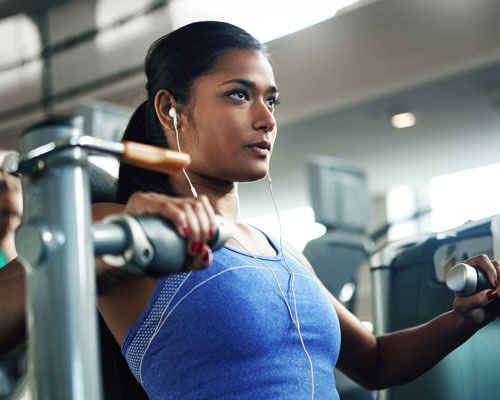
More people are now joining gyms to help improve their mental health / photo: Shutterstock / Ground Picture

Mental ill health is on the rise around the world, with the World Health Organization reporting that 280 million people globally suffer from depression. However, exercise has been proven to help and for the first time, more people are joining gyms in the US for their mental health than their appearance.

Introducing the ACE Health and Fitness Summit, Dr Sabrena Jo, ACE’s director of science and research emphasised the importance of fitness professionals being able to support these clients, while also acknowledging that support given in health clubs can’t be a replacement for professional mental health care.

Many speakers emphasised the point that fitness professionals should start by incorporating mental health practices into their own lives to support their own holistic health, before using it to support their clients.

How to help

• Don’t be judgemental

• Provide a safe and welcoming environment

• Show empathy

• Use active listening skills

• Use motivational interviewing, open-ended questions and smart goals to put together a holistic wellness plan

• Celebrate victories

• Take a holistic approach to programming

• Encourage clients to seek professional support if needed

MOVEMENT
Karson McGinley, Movement for Mental Health
photo: Whole Heart Photos - Christie Turner

There is a plethora of research to show how positive movement is for mental health. Physical activity improves neurochemistry (function), neuroplasticity (making new connections) and neurogenesis (making neurons). Regular aerobic exercise also increases the size of the hippocampus – the area of the brain which deals with verbal memory and learning – which otherwise decreases with age.

Exercise ticks all the boxes in positive psychology’s PERMA model of wellbeing: positive emotions, engagement, social relationships, meaning and accomplishment, so when planning a class, aim to make it fun and offer the opportunity for people to get into flow state. Encourage those in the class to interact – smile, make eye contact or learn people’s names. Build in challenges and progression and encourage them to pay attention to how they’re improving, as well as acknowledging how far they’ve come.

To help clients to reach their activity goals, encourage them to plan the week ahead on Sundays, establishing habits and non-negotiables. Choose something they enjoy and remove friction by laying out their yoga mat, or putting their trainers by the door.

Encourage them to move every hour or so throughout the day and to get outside in nature as much as possible.

If the client is unmotivated, encourage them to change their routine: maybe by picking up an activity or sport they used to enjoy, or by trying something brand new. Any exercise is better than nothing and small bouts add up. Although 10,000 steps may seem a daunting target, encourage them to start by doubling their daily step count.

If a client is unmotivated, encourage them to change their routine
Encourage members to move every hour and get outside in nature as much as possible / MAIN photo: Shutterstock / lzf
BREATHWORK
Erika Quest, Founder, Level-Up movement
photo: Level-up movement

Breathing is one of the few bodily systems we have control over and how we breathe influences the brain-state, so introducing some breathing exercises at the start or end of a class is a great way to educate people on how to regulate their stress levels. Encourage people to bring the breathing exercises into their daily routine, especially when they’re feeling stressed.

One of the common problems impacting so many of us is getting stuck in the fight or flight response when we feel under pressure. Using breathing exercises can move us from the sympathetic nervous system (fight or flight) into the parasympathetic nervous system (rest and digest state) and it’s easy to do.

Introducing breathing exercises at the start or end of a class is a great way to educate people on how to regulate stress
Breathing exercises to add to a class

Balancing breath: while sitting down, breathe in for six and out for six. Scan your body to see if you’re holding tension anywhere, such as the jaw.

Physiological sigh: a simple technique if you are stressed. Take a deep drink of air in through the nose, pause, sip in a bit more, then let it out through the mouth with a long, slow breath.

Box breathing: in for four, hold for four, out for four and hold for four. Do for one to two minutes and notice if thoughts have calmed and the heart rate slowed.

Restorative breath: Close off one nostril with the thumb, breathe in deeply, then close off the opposite nostril and exhale. Repeat evenly with both nostrils.

Recovery breath: inhale for four and exhale for eight. Incorporate this as part of a gratitude practice at the start or end of the day. Think about what you have in your life and what you might want to say yes or no to.

How we breathe influences the brain-state / MAIN photo: Shutterstock / fizkes
DIET
Dr Rachele Pojednic, CEO, Strong Process Education
photo: Strong Process Education

It’s important not to get too involved in advising around the subject of food, which is complicated and frequently has an element of emotion attached, so meal plans should be left to nutritionists or dietitians. However, understanding the basics can be useful.

A diet which is rich in fruit, vegetables, nuts, seeds, legumes, whole proteins (especially chicken and fish) and olive oil has been proven to be most beneficial to mental health.

On the flip side, diets with high intakes of confectionery items, butter, high-fat cheese, added sugars, and low intakes of fresh fruit and vegetables are associated with a higher risk of depressive and anxiety symptoms.

Added sugar can lead to chronic inflammation, increased blood pressure and can have an impact on depression, anxiety and the immune system. It’s also best to avoid ultra-processed foods.

The body loves Omega fatty acids, especially Omega 3 – from fish and vegetable oils – which is important for brain function and to reduce inflammation. Most people don’t get enough Omegas in their diet, which is where supplements shine, but stick to the daily dose recommendations for all supplements, as taking too much can also be problematic, as over-nourishment brings its own problems. The Omegas (3,6,7 and 9) need to be consumed in the correct proportions.

There’s increasing research about how important gut health is for mental health, as the brain and gut communicate. Gut microbiota – the beneficial bacteria living in the digestive tract – play an important role in this. We all host thousands of species and our microbiomes are as unique as our fingerprints.

Good mental health is correlated with a diverse microbiome and people suffering from depression tend to have a less rich microbiota. Fibre, from the exterior wall of plant cells, is the preferred habitat of gut bacteria.

The body loves omega fatty acids, especially Omega 3, which is important for brain function
Mental health is linked to a healthy microbiome, fuelled by natural foods / Shutterstock / zeljkodan
SLEEP
Ryan Glatt, FitBrain director, Pacific Neuroscience Institute
photo: Pacific Neuroscience Institute

Although it often slips into the background of other fitness goals, sleep is vital for our overall wellbeing and mental health.

Less sleep quality and quantity can reduce oxygenation to the brain, leading to reduced activity in the prefrontal cortex, which is responsible for executive function such as memory and impulse control. It also leads to reduced activity in the hippocampus; higher levels of amyloid plaque leading to neurodegeneration and a higher risk of Alzheimer’s. Additionally lack of sleep impacts the glymphatic system – the brain’s waste clearance system.

Adults need between seven and nine hours of sleep a night, but adding more hours is not necessarily better, it’s the quality of sleep which has been shown to drive the mental health outcomes. We need to spend time every night in each of the five stages of sleep.

In order to improve sleep, there are a few important recommendations: avoid fast brain wave activity for a couple of hours before bed, for example social media or watching the news. Environmental factors play their part: sound and light levels, temperature, people and pets. Alcohol, caffeine, hydration levels, medication and supplements all impact sleep quality.

Exercise is important, but not too close to bedtime. Napping can reduce sleep drive and stimulants such as caffeine can mask tiredness. Nutrition is important, as is managing stress levels, so a good night’s sleep really is impacted by how one spends the day.

We need to spend time every night in each of the five stages of sleep
Avoid brain wave activity, such as social media or watching the news for a couple of hours before bed / MAIN photo: Shutterstock / nelen
CONSUMER GOALS
Reena Vokoun, Founder and CEO, Passion Fit
photo: Passion Fit

Studies show consumers have changed. They’re now more focused on preventative health, their relationships with other people and how they feel about themselves. They’re seeking happiness and peace and looking to decrease their anxiety and stress. This is more important than their weight, how they look or material success.

According to the Centre for Disease Control, loneliness and social isolation can be as detrimental to our health as smoking and obesity, potentially leading to depression, anxiety, stroke and dementia. Conversely, being socially connected positively impacts longevity and self-esteem, makes us more collaborative, trusting and emotionally intelligent as individuals, as well as more conscious of the power of our actions, behaviours and words.

As consumers’ goals are changing, the fitness industry can make a huge impact. While staying within their scope of practice, fitness professionals should look to incorporate the following into their own lives and then into their work with clients:

• Self care has become a buzzword, but it’s human nature to prioritise others at the detriment of ourselves. Seven out of 10 people say they know they need to self-care but often neglect it. We all need to claim time for ourselves to prevent burnout, so look after yourself and also talk to your members and clients about how self-care might look for them.

• Mindfulness is a wonderful tool to combat stress and even five minutes a day is beneficial. This could take the form of meditation and breathing exercises at the start or end of a class.

• Think about how you can create social connections and community among your clients. This could be encouraging interaction within classes, or looking for opportunities to expand beyond that, such as wellness retreats, workshops, fun events, hikes, or bike rides.

• People can get overwhelmed when changing behaviours, so take it one step at a time and make it simple. For example, if they need to eat more vegetables, just add one more vegetable to their dinner menu each week and encourage them to associate a positive feeling with the action to keep them motivated.

• Progress isn’t linear and if they take two steps back, reassure them that they haven’t failed. Some say it takes 66 days for an action to become a habit, then you can focus on the next change. l

Consumers are seeking happiness and peace, and looking to decrease anxiety and stress
Clubs should think about how they can create social connections between their members / Shutterstock / Ground Picture
https://www.leisureopportunities.co.uk/images/2024/55596_673408.jpg
An ACE summit on mental health shared methods fitness professionals can build into their toolkit, as Kath Hudson reports
HCM magazine
If the health service is to survive, we must recognise that it is a disease service – and that wellbeing rests with us, says the activity advocate and healthy ageing champion. He talks to Kate Cracknell
HCM magazine
Raphael Cuomo explores the powerful link between addiction, health and behaviour change
HCM magazine
For every member with a tripod and a big following, there are others irritated at the way equipment is being hogged or wary they’ll be in the background on someone’s Insta feed. Do influencers offer valuable, free marketing or are they just a nuisance? Kath Hudson finds out how operators are responding
HCM magazine
I experienced a blissful feeling of joy I hadn’t felt since I was a kid
HCM magazine
Small improvements to sleep, diet and physical activity have major benefits for the heart, according to new research from the University of Sydney
HCM promotional features
Sponsored
Starpool supports Olympic champion Marcell Jacobs, says Riccardo Turri
HCM promotional features
Sponsored
Greg Bradley looks at the shift towards strength training in gyms and advises on how operators can create the ultimate training environment
HCM promotional features
Sponsored
Third Space partnered with IndigoFitness to deliver a bespoke training space for its new club at The Whiteley
HCM promotional features
Sponsored
SnowDome Fitness has added 50 per cent more space with cutting-edge Technogym solutions
HCM promotional features
Sponsored
Find out how your gym can tap into the corporate wellness boom
HCM promotional features
Sponsored
David Lloyd is stepping up its commitment to women’s health as it continues to explore what fit-for-purpose looks like for the female population
HCM promotional features
Sponsored
EGYM has opened a new HQ in Paternoster Square, London and revealed a range of new launches
HCM promotional features
Promotion
Performance Health Systems, manufacturer of Power Plate, has a new CEO, with an ambitious vision for the company
HCM promotional features
Sponsored
The industry is embracing consumer-facing tech. Now it’s time to streamline back-of-house systems with Orbit4, says Daniel Jones
HCM promotional features
Latest News
Australia’s fast-growing fitness network, Viva Leisure, is adding a low-cost gym brand to its already ...
Latest News
Speedflex has launched a strength training programme for 10 to 16-year-olds, to make it safer, ...
Latest News
Tewinbury Farm Hotel in Hertfordshire, UK is expanding its premium leisure proposition with the launch ...
Latest News

Work is underway in Madrid on one of Europe’s most significant multi-functional complexes, ...

Latest News
PureGym is encouraging people to step away from their screens and go for a walk, ...
Latest News
Small improvements to sleep, diet quality, and physical activity, made in combination lead to a ...
Latest News
Therme Manchester’s 28-acre development, which will include interconnected glass pavilions that measure 65,000sq m, will ...
Latest News
The Yard Gym (TYG) is to become Nike Training’s official global training partner in a ...
Opinion
promotion
Strength training has moved from the margins to the mainstream.
Opinion: Building smarter strength spaces for today’s operators
Featured supplier news
Featured supplier news: Elevate 2026 to mark 10-year anniversary with biggest ever waterfront drinks reception
Elevate is set to celebrate its 10th anniversary in style this June, with organisers confirming the event’s largest-ever drinks reception as registrations continue to run more than 10% ahead of last year.
Featured supplier news
Featured supplier news: Supporting long-term health: why whole body vibration belongs in clinical settings
As healthcare continues to shift towards prevention, there’s a growing focus on helping people stay active, independent and feeling good for longer.
Company profiles
Company profile: Wattbike
Wattbike’s mission is to make Wattbike the ultimate training partner for improving health and performance. ...
Company profiles
Company profile: Energym
At Energym, we’re redefining the role of fitness in a sustainable future. Our award-winning British ...
Supplier Showcases
Supplier Showcase - From nightclub to health club
Supplier Showcases
Supplier Showcase - Future-proofing
Catalogue Gallery
Click on a catalogue to view it online
Featured press releases
ukactive press release: Are they Fit for Office? UK Active and Technogym throw down the gauntlet to MPs
Hundreds of staff, MPs and Peers from across Westminster have signed up for the Fit for Office parliamentary physical activity challenge, which takes place throughout June and is hosted by ukactive and Technogym.
Featured press releases
Innerva press release: Lex Leisure’s power-assisted exercise suite smashes targets in record time
Crook Log Leisure Centre has more than doubled the membership target for its new power- assisted exercise suite in less than six months.
Directory
Hot tubs
MSpa International Ltd: Hot tubs
Spa and beauty equipment
Oakworks Inc: Spa and beauty equipment
Fitness tracking platform
SpiviTech: Fitness tracking platform
Lockers
Crown Sports Lockers: Lockers
Industrial washing machines
Miele Company Limited: Industrial washing machines
Water experiences and hydrotherapy solutions
Aquaform s.r.l.: Water experiences and hydrotherapy solutions
Property & Tenders
Stratford, East London.
Lee Valley Regional Park Authority
Property & Tenders
Y Felinheli, LL56 4QN
Newmark
Property & Tenders
Diary dates
13-13 Jun 2026
Worldwide, Various,
Diary dates
21-24 Sep 2026
The Langham Huntington Pasadena , Pasadena, United States
Diary dates
06-08 Oct 2026
Messe Stuttgart, Stuttgart, Germany
Diary dates
22-22 Oct 2026
QEII Conference Centre, London,
Diary dates
26-29 Oct 2027
Koelnmesse Exhibition Centre, Cologne, Germany
Diary dates

features

Insight: Mental wellness

As more people join clubs to support their mental health, fitness professionals need to be empowered to take a holistic approach. Kath Hudson shares useful tools discussed at the ACE summit on mental health

Published in Health Club Management 2024 issue 3
More people are now joining gyms to help improve their mental health / photo: Shutterstock / Ground Picture

Mental ill health is on the rise around the world, with the World Health Organization reporting that 280 million people globally suffer from depression. However, exercise has been proven to help and for the first time, more people are joining gyms in the US for their mental health than their appearance.

Introducing the ACE Health and Fitness Summit, Dr Sabrena Jo, ACE’s director of science and research emphasised the importance of fitness professionals being able to support these clients, while also acknowledging that support given in health clubs can’t be a replacement for professional mental health care.

Many speakers emphasised the point that fitness professionals should start by incorporating mental health practices into their own lives to support their own holistic health, before using it to support their clients.

How to help

• Don’t be judgemental

• Provide a safe and welcoming environment

• Show empathy

• Use active listening skills

• Use motivational interviewing, open-ended questions and smart goals to put together a holistic wellness plan

• Celebrate victories

• Take a holistic approach to programming

• Encourage clients to seek professional support if needed

MOVEMENT
Karson McGinley, Movement for Mental Health
photo: Whole Heart Photos - Christie Turner

There is a plethora of research to show how positive movement is for mental health. Physical activity improves neurochemistry (function), neuroplasticity (making new connections) and neurogenesis (making neurons). Regular aerobic exercise also increases the size of the hippocampus – the area of the brain which deals with verbal memory and learning – which otherwise decreases with age.

Exercise ticks all the boxes in positive psychology’s PERMA model of wellbeing: positive emotions, engagement, social relationships, meaning and accomplishment, so when planning a class, aim to make it fun and offer the opportunity for people to get into flow state. Encourage those in the class to interact – smile, make eye contact or learn people’s names. Build in challenges and progression and encourage them to pay attention to how they’re improving, as well as acknowledging how far they’ve come.

To help clients to reach their activity goals, encourage them to plan the week ahead on Sundays, establishing habits and non-negotiables. Choose something they enjoy and remove friction by laying out their yoga mat, or putting their trainers by the door.

Encourage them to move every hour or so throughout the day and to get outside in nature as much as possible.

If the client is unmotivated, encourage them to change their routine: maybe by picking up an activity or sport they used to enjoy, or by trying something brand new. Any exercise is better than nothing and small bouts add up. Although 10,000 steps may seem a daunting target, encourage them to start by doubling their daily step count.

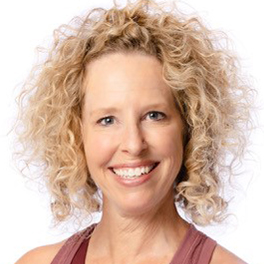
If a client is unmotivated, encourage them to change their routine
Encourage members to move every hour and get outside in nature as much as possible / MAIN photo: Shutterstock / lzf
BREATHWORK
Erika Quest, Founder, Level-Up movement
photo: Level-up movement

Breathing is one of the few bodily systems we have control over and how we breathe influences the brain-state, so introducing some breathing exercises at the start or end of a class is a great way to educate people on how to regulate their stress levels. Encourage people to bring the breathing exercises into their daily routine, especially when they’re feeling stressed.

One of the common problems impacting so many of us is getting stuck in the fight or flight response when we feel under pressure. Using breathing exercises can move us from the sympathetic nervous system (fight or flight) into the parasympathetic nervous system (rest and digest state) and it’s easy to do.

Introducing breathing exercises at the start or end of a class is a great way to educate people on how to regulate stress
Breathing exercises to add to a class

Balancing breath: while sitting down, breathe in for six and out for six. Scan your body to see if you’re holding tension anywhere, such as the jaw.

Physiological sigh: a simple technique if you are stressed. Take a deep drink of air in through the nose, pause, sip in a bit more, then let it out through the mouth with a long, slow breath.

Box breathing: in for four, hold for four, out for four and hold for four. Do for one to two minutes and notice if thoughts have calmed and the heart rate slowed.

Restorative breath: Close off one nostril with the thumb, breathe in deeply, then close off the opposite nostril and exhale. Repeat evenly with both nostrils.

Recovery breath: inhale for four and exhale for eight. Incorporate this as part of a gratitude practice at the start or end of the day. Think about what you have in your life and what you might want to say yes or no to.


How we breathe influences the brain-state / MAIN photo: Shutterstock / fizkes
DIET
Dr Rachele Pojednic, CEO, Strong Process Education
photo: Strong Process Education

It’s important not to get too involved in advising around the subject of food, which is complicated and frequently has an element of emotion attached, so meal plans should be left to nutritionists or dietitians. However, understanding the basics can be useful.

A diet which is rich in fruit, vegetables, nuts, seeds, legumes, whole proteins (especially chicken and fish) and olive oil has been proven to be most beneficial to mental health.

On the flip side, diets with high intakes of confectionery items, butter, high-fat cheese, added sugars, and low intakes of fresh fruit and vegetables are associated with a higher risk of depressive and anxiety symptoms.

Added sugar can lead to chronic inflammation, increased blood pressure and can have an impact on depression, anxiety and the immune system. It’s also best to avoid ultra-processed foods.

The body loves Omega fatty acids, especially Omega 3 – from fish and vegetable oils – which is important for brain function and to reduce inflammation. Most people don’t get enough Omegas in their diet, which is where supplements shine, but stick to the daily dose recommendations for all supplements, as taking too much can also be problematic, as over-nourishment brings its own problems. The Omegas (3,6,7 and 9) need to be consumed in the correct proportions.

There’s increasing research about how important gut health is for mental health, as the brain and gut communicate. Gut microbiota – the beneficial bacteria living in the digestive tract – play an important role in this. We all host thousands of species and our microbiomes are as unique as our fingerprints.

Good mental health is correlated with a diverse microbiome and people suffering from depression tend to have a less rich microbiota. Fibre, from the exterior wall of plant cells, is the preferred habitat of gut bacteria.


The body loves omega fatty acids, especially Omega 3, which is important for brain function
Mental health is linked to a healthy microbiome, fuelled by natural foods / Shutterstock / zeljkodan
SLEEP
Ryan Glatt, FitBrain director, Pacific Neuroscience Institute
photo: Pacific Neuroscience Institute

Although it often slips into the background of other fitness goals, sleep is vital for our overall wellbeing and mental health.

Less sleep quality and quantity can reduce oxygenation to the brain, leading to reduced activity in the prefrontal cortex, which is responsible for executive function such as memory and impulse control. It also leads to reduced activity in the hippocampus; higher levels of amyloid plaque leading to neurodegeneration and a higher risk of Alzheimer’s. Additionally lack of sleep impacts the glymphatic system – the brain’s waste clearance system.

Adults need between seven and nine hours of sleep a night, but adding more hours is not necessarily better, it’s the quality of sleep which has been shown to drive the mental health outcomes. We need to spend time every night in each of the five stages of sleep.

In order to improve sleep, there are a few important recommendations: avoid fast brain wave activity for a couple of hours before bed, for example social media or watching the news. Environmental factors play their part: sound and light levels, temperature, people and pets. Alcohol, caffeine, hydration levels, medication and supplements all impact sleep quality.

Exercise is important, but not too close to bedtime. Napping can reduce sleep drive and stimulants such as caffeine can mask tiredness. Nutrition is important, as is managing stress levels, so a good night’s sleep really is impacted by how one spends the day.

We need to spend time every night in each of the five stages of sleep
Avoid brain wave activity, such as social media or watching the news for a couple of hours before bed / MAIN photo: Shutterstock / nelen
CONSUMER GOALS
Reena Vokoun, Founder and CEO, Passion Fit
photo: Passion Fit

Studies show consumers have changed. They’re now more focused on preventative health, their relationships with other people and how they feel about themselves. They’re seeking happiness and peace and looking to decrease their anxiety and stress. This is more important than their weight, how they look or material success.

According to the Centre for Disease Control, loneliness and social isolation can be as detrimental to our health as smoking and obesity, potentially leading to depression, anxiety, stroke and dementia. Conversely, being socially connected positively impacts longevity and self-esteem, makes us more collaborative, trusting and emotionally intelligent as individuals, as well as more conscious of the power of our actions, behaviours and words.

As consumers’ goals are changing, the fitness industry can make a huge impact. While staying within their scope of practice, fitness professionals should look to incorporate the following into their own lives and then into their work with clients:

• Self care has become a buzzword, but it’s human nature to prioritise others at the detriment of ourselves. Seven out of 10 people say they know they need to self-care but often neglect it. We all need to claim time for ourselves to prevent burnout, so look after yourself and also talk to your members and clients about how self-care might look for them.

• Mindfulness is a wonderful tool to combat stress and even five minutes a day is beneficial. This could take the form of meditation and breathing exercises at the start or end of a class.

• Think about how you can create social connections and community among your clients. This could be encouraging interaction within classes, or looking for opportunities to expand beyond that, such as wellness retreats, workshops, fun events, hikes, or bike rides.

• People can get overwhelmed when changing behaviours, so take it one step at a time and make it simple. For example, if they need to eat more vegetables, just add one more vegetable to their dinner menu each week and encourage them to associate a positive feeling with the action to keep them motivated.

• Progress isn’t linear and if they take two steps back, reassure them that they haven’t failed. Some say it takes 66 days for an action to become a habit, then you can focus on the next change. l
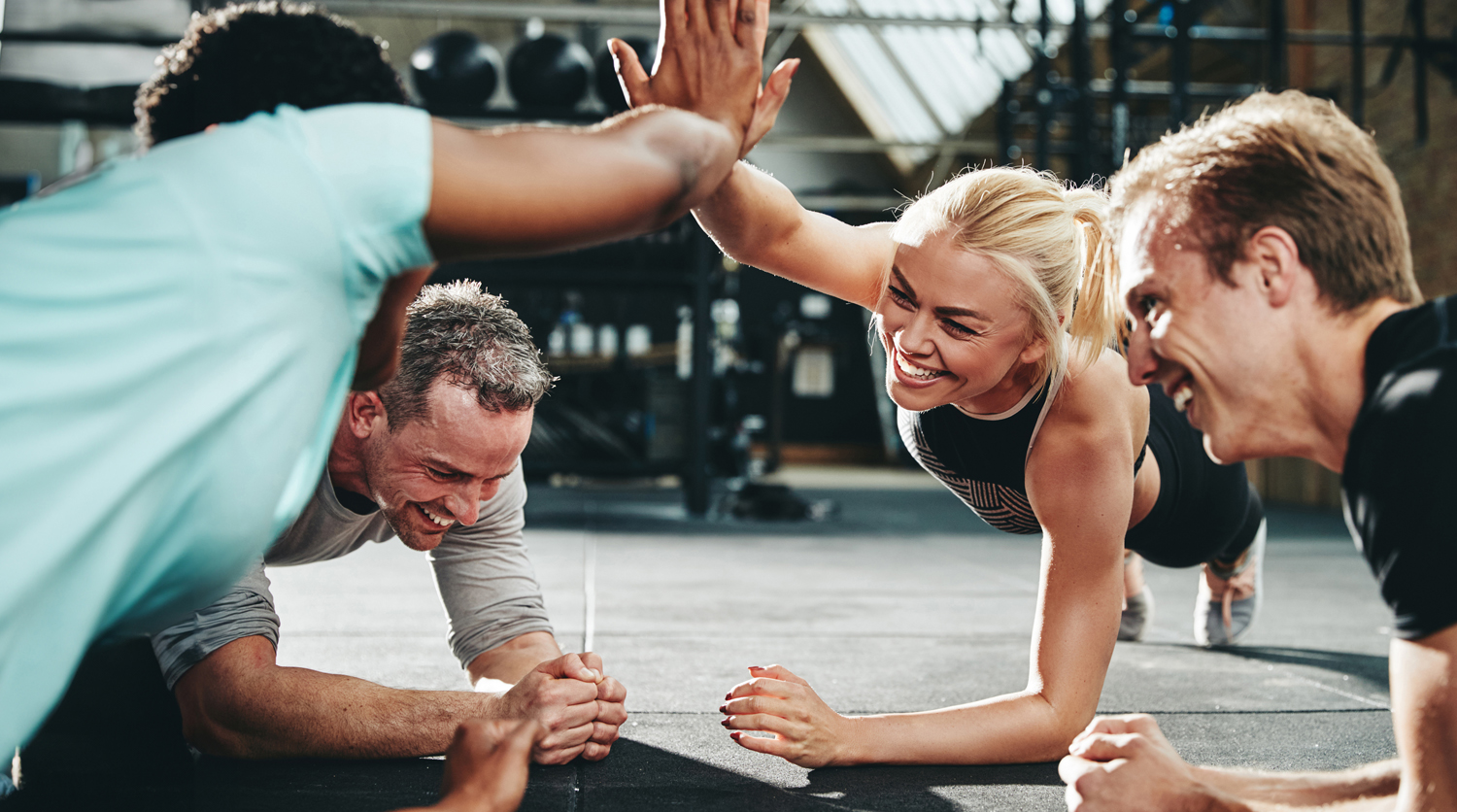
Consumers are seeking happiness and peace, and looking to decrease anxiety and stress
Clubs should think about how they can create social connections between their members / Shutterstock / Ground Picture
https://www.leisureopportunities.co.uk/images/2024/55596_673408.jpg
An ACE summit on mental health shared methods fitness professionals can build into their toolkit, as Kath Hudson reports
Latest News
Australia’s fast-growing fitness network, Viva Leisure, is adding a low-cost gym brand to its already ...
Latest News
Speedflex has launched a strength training programme for 10 to 16-year-olds, to make it safer, ...
Latest News
Tewinbury Farm Hotel in Hertfordshire, UK is expanding its premium leisure proposition with the launch ...
Latest News

Work is underway in Madrid on one of Europe’s most significant multi-functional complexes, ...

Latest News
PureGym is encouraging people to step away from their screens and go for a walk, ...
Latest News
Small improvements to sleep, diet quality, and physical activity, made in combination lead to a ...
Latest News
Therme Manchester’s 28-acre development, which will include interconnected glass pavilions that measure 65,000sq m, will ...
Latest News
The Yard Gym (TYG) is to become Nike Training’s official global training partner in a ...
Latest News
Everlast Gyms' York site has reopened following a refurbishment to bring it up to the ...
Latest News
Luxury hospitality and wellness pioneer Jeremy McCarthy has launched Leisure Alchemy, a digital platform that ...
Latest News
A contrast therapy and breathwork facility called Reset has opened in Islington, London, in the ...
Opinion
promotion
Strength training has moved from the margins to the mainstream.
Opinion: Building smarter strength spaces for today’s operators
Featured supplier news
Featured supplier news: Elevate 2026 to mark 10-year anniversary with biggest ever waterfront drinks reception
Elevate is set to celebrate its 10th anniversary in style this June, with organisers confirming the event’s largest-ever drinks reception as registrations continue to run more than 10% ahead of last year.
Featured supplier news
Featured supplier news: Supporting long-term health: why whole body vibration belongs in clinical settings
As healthcare continues to shift towards prevention, there’s a growing focus on helping people stay active, independent and feeling good for longer.
Company profiles
Company profile: Wattbike
Wattbike’s mission is to make Wattbike the ultimate training partner for improving health and performance. ...
Company profiles
Company profile: Energym
At Energym, we’re redefining the role of fitness in a sustainable future. Our award-winning British ...
Supplier Showcases
Supplier Showcase - From nightclub to health club
Supplier Showcases
Supplier Showcase - Future-proofing
Catalogue Gallery
Click on a catalogue to view it online
Featured press releases
ukactive press release: Are they Fit for Office? UK Active and Technogym throw down the gauntlet to MPs
Hundreds of staff, MPs and Peers from across Westminster have signed up for the Fit for Office parliamentary physical activity challenge, which takes place throughout June and is hosted by ukactive and Technogym.
Featured press releases
Innerva press release: Lex Leisure’s power-assisted exercise suite smashes targets in record time
Crook Log Leisure Centre has more than doubled the membership target for its new power- assisted exercise suite in less than six months.
Directory
Hot tubs
MSpa International Ltd: Hot tubs
Spa and beauty equipment
Oakworks Inc: Spa and beauty equipment
Fitness tracking platform
SpiviTech: Fitness tracking platform
Lockers
Crown Sports Lockers: Lockers
Industrial washing machines
Miele Company Limited: Industrial washing machines
Water experiences and hydrotherapy solutions
Aquaform s.r.l.: Water experiences and hydrotherapy solutions
Property & Tenders
Stratford, East London.
Lee Valley Regional Park Authority
Property & Tenders
Y Felinheli, LL56 4QN
Newmark
Property & Tenders
Diary dates
13-13 Jun 2026
Worldwide, Various,
Diary dates
21-24 Sep 2026
The Langham Huntington Pasadena , Pasadena, United States
Diary dates
06-08 Oct 2026
Messe Stuttgart, Stuttgart, Germany
Diary dates
22-22 Oct 2026
QEII Conference Centre, London,
Diary dates
26-29 Oct 2027
Koelnmesse Exhibition Centre, Cologne, Germany
Diary dates
Search news, features & products:
Find a supplier:
The Leisure Media Company Ltd
Partner sites