

















features
HCM people: Natalie Davies-LaneLeisure business and commercial manager, Move Southwark
Our ambition is for Southwark to become one of the healthiest boroughs in London



Why did Southwark take leisure services back in-house?
The aim was to change perceptions of local authority leisure and create a stronger public health identity. Southwark has some of the poorest health statistics in London and we knew that bringing leisure under direct council control could help improve outcomes.
Having public health in the same office as leisure was a key driver for insourcing, and it is already paying off. We now receive the data we need to deliver targeted services, and it feels like a genuine partnership tackling shared priorities. Leisure is fully aligned with Southwark’s Joint Health and Wellbeing Strategy.
Southwark was the first London borough to announce, in 2021, that it would insource leisure services. The process was completed in June 2023, when the service was rebranded as Move Southwark and reframed as a health equity service, not just fitness. We now operate seven leisure centres, plus a site with sports pitches and tennis courts.
This is only the beginning. We’ve barely scratched the surface of what is possible when local leisure is publicly owned and designed for genuine community impact. It has reignited my passion for the industry and reminded me why I entered it in the first place: to remove barriers and help people achieve their goals.
What upgrades have been made?
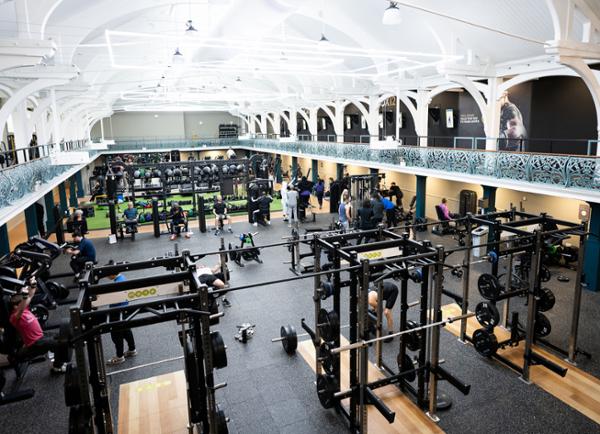
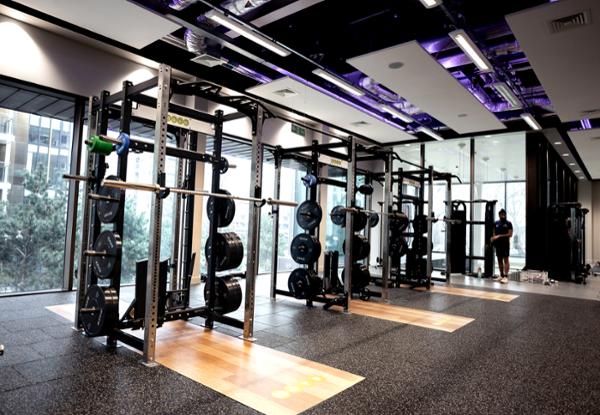
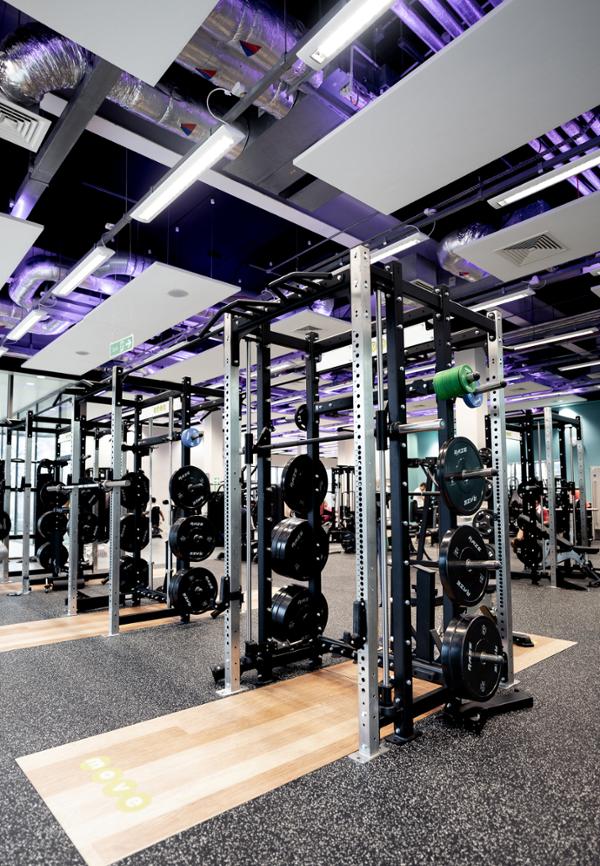
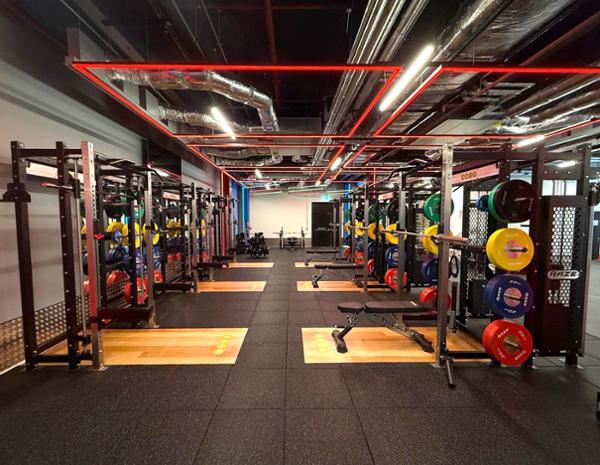
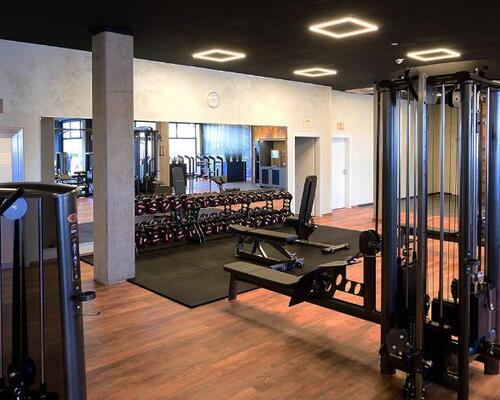
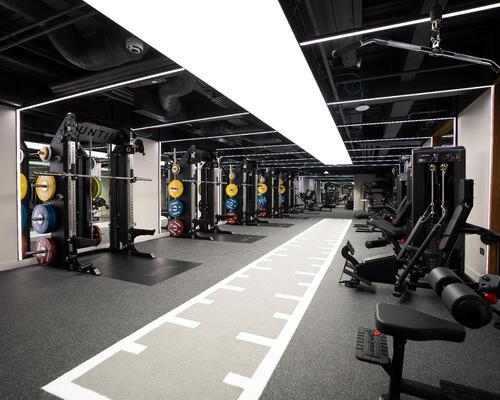
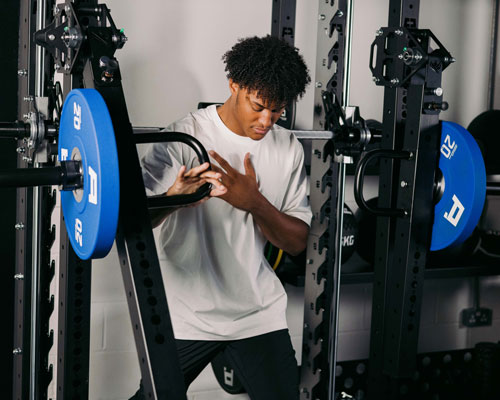
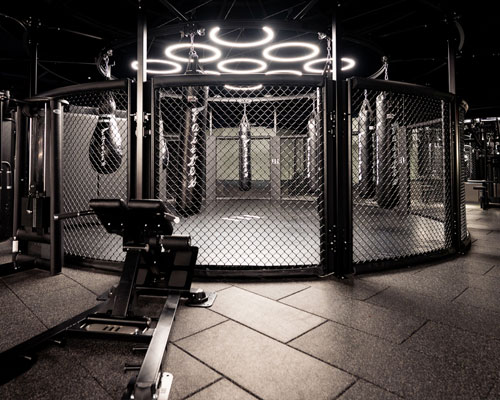
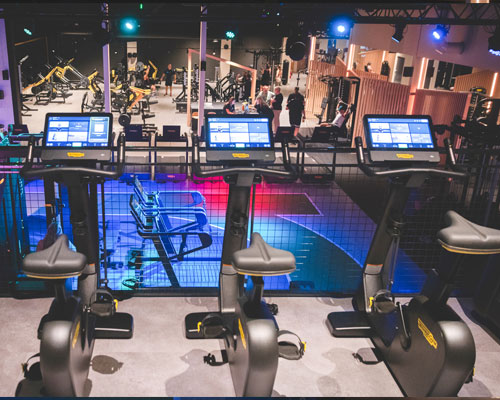
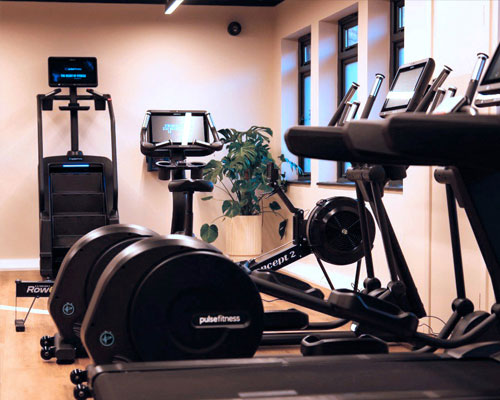
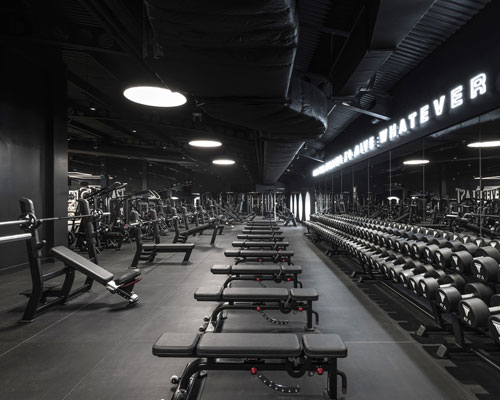
Since insourcing, £8.4m has been invested in infrastructure. This has included gym refurbishments at Dulwich, Camberwell, Castle and Southwark Park, as well as a new health and wellbeing studio at Peckham Pulse.
Our gyms were badly in need of modernisation. Outdated equipment was the most common complaint, impacting usage, memberships and customer satisfaction. Because complaints went directly to the council, they understood the urgency of a refurbishment programme and allocated a budget.
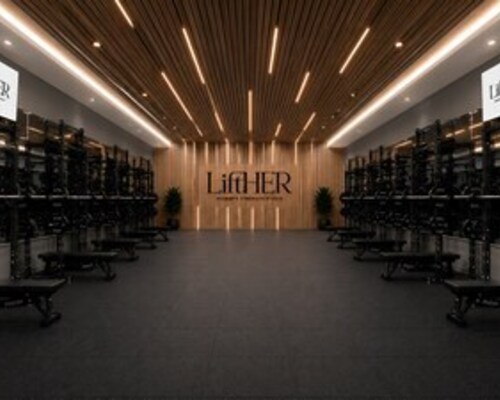
We wanted to reimagine what a standard leisure centre looks like and compete with the central London market. I studied what operators such as Third Space were doing, from equipment selection to layouts and lighting, details that might seem secondary but actually make a big impact.
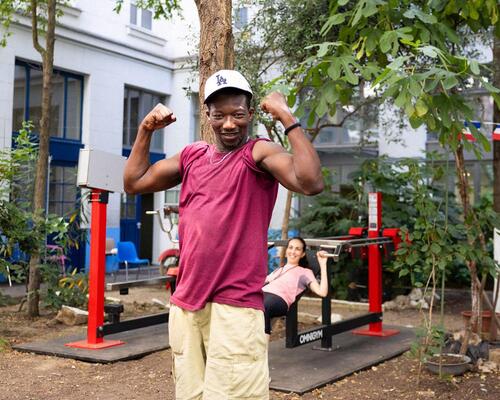
Zynk produced striking designs; Pulse Fitness, Indigo, Origin and Box 12 supplied equipment; and NMCK completed the works.
We’re particularly proud of Dulwich and Camberwell. Both are Victorian buildings, which presented challenges, but we’ve managed to retain their character while creating a modern gym environment.
How is Move Southwark tackling inequalities?
We’ve worked with Everyone Health and our GP referral team to make pathways clearer for those with health issues, and to support long-term activity beyond the 12-week exercise referral programme.
We’re also designing tailored pathways for different groups, as one size does not fit all. For example, in some parts of the borough expectant mothers are experiencing issues with weight management, so we’re developing specific programmes to support them.
Last summer, we piloted yoga and aerobics-style classes in two libraries and a community hall. These were free for anyone registered with our free swim and gym scheme. Engagement was strong: 35 per cent of participants were previously inactive and said they would have felt too intimidated to visit a leisure centre. These sessions helped break down barriers and we’re now rolling them out across the borough.
We’re also developing non-exercise social activities, such as crochet clubs, to build wider engagement across the community.
What else?
In 2024 we launched our first open water swimming programme at Surrey Docks, providing safe, supervised sessions accessible to beginners. This is particularly focused on mental health, trauma recovery and nature-based wellbeing.
For older adults, we run a free Silver Swim and Gym scheme seven days a week at dedicated times. We also offer free group exercise classes for over-60s, which are consistently well attended (94 per cent usage). We plan to expand this by using libraries, community halls and youth centres, as well as filling under-used studio time. The priority now is participation rather than revenue.
Our centres also host exercise referral programmes from Everyone Health, the NHS, King’s College Hospital and Guy’s and St Thomas’s. These tend to run at quieter times, so we’re ensuring our doors remain open to them.
Young people are another area of focus. How are you catering for their specific needs?
We’re working closely with care leavers, offering volunteering opportunities that can lead to apprenticeships. We run aqua discos for children with special educational needs at Peckham and Elephant and Castle, in partnership with Thrive 25, and collaborate with local youth centres, including The Damilola Taylor Centre in Peckham.
In school holidays, a number of kids’ camps use our facilities and we provide both instructor-led and virtual classes.
More recently, we’ve launched GYMfluence, a youth-focused initiative designed to build confidence and familiarity with fitness spaces. Alongside this, we are introducing group exercise classes specifically for young people, and have made Les Mills Born to Move available across all Southwark schools. These programmes provide inclusive, age-appropriate opportunities to get active, and their success has been recognised through our shortlisting at the UK Active Awards.
What does the Canada Water site include?
Canada Water Leisure Centre is a new facility replacing Seven Islands and forms part of the £50m Canada Water masterplan.
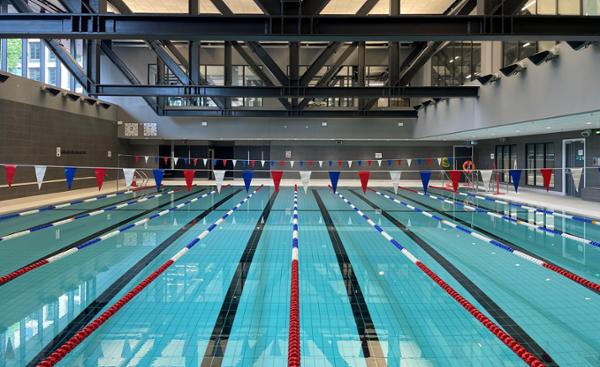
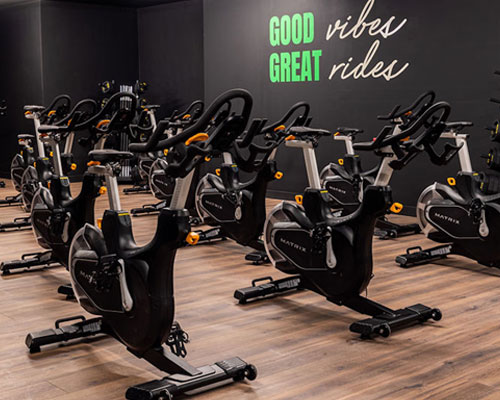
Opened on 1 September, it offers two swimming pools, an eight-lane main pool and a learner pool, a cycling studio, mind and body studio, high-energy studio, a four-court multi-use sports hall and a large gym.
The aim was to create a facility that feels safe and welcoming for older adults and special populations, without the intimidation factor often found in fitness settings. We’ll be delivering services in partnership with the NHS and public health. Pulse is our main equipment provider and has partnered with EGYM to support our offer.
How are you coping with rising energy costs?
We’re addressing this through our decarbonisation plan. Southwark Council is committed to becoming net zero by 2030, so the decarbonisation team is working with us to make facilities as clean and green as possible.
This includes replacing pool filters, installing solar panels and introducing air source heat pumps.
What are the plans for the future?
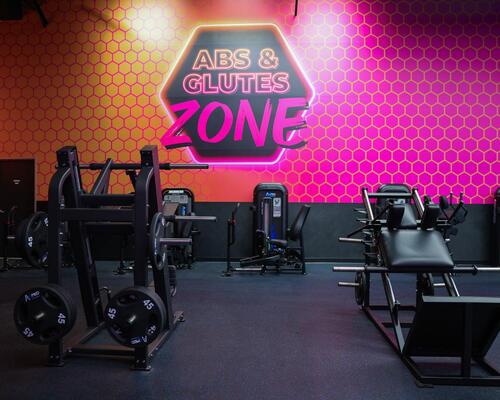
The next phase of Move Southwark is about deepening impact and supporting preventative health. This will include wellness zones, prescription-to-movement pathways and neighbourhood-based mental health support.
We have lots of exciting plans and investments in the pipeline to continue developing our facilities and programmes, including further enhancements to the ways we support health and wellbeing in the borough.
It’s an exciting time. We’re not measuring success in pound signs but by the improvements we can make to the borough’s health. Our ambition is for Southwark to become one of the healthiest boroughs in London, showing that leisure services can deliver real, measurable outcomes for public health.
• High rates of long-term conditions (obesity, diabetes, cardiovascular disease), and mental health needs
• 40 per cent born outside the UK, 13,000+ Spanish speakers, some wards with 24 per cent low/no English
• 51 per cent White; 25 per cent Black (16 per cent African, 6 per cent Caribbean); 10 per cent Asian; 7 per cent Mixed; 3 per cent Latin American
• Free swim and gym: no eligibility checks other than proof of residency.
• 75,512 registered users (24.5 per cent of population)
• Including swim/fitness classes, total reach is 109,247 (35.5 per cent penetration)
• Especially impactful in areas of deprivation and among ethnic minority communities
• 1,140 adult, 12-week swimming courses offered annually, means-tested
• 512 schoolchildren in swim intensives (Years 5–7), expanding 2025/26, delivery shaped by Black Swimming Association to address cultural barriers
• 900 older adults engaged across 30 weekly classes
• High uptake for chair fitness, strength/balance, dementia-friendly swim
• 94 per cent attendance rate, strong outcomes on confidence and mobility
• Memberships cost £36.99 for concessions and £43.99 or £57.99, depending on how many facilities the user wants to access
• MSK recovery
• Cardiac rehab
• Diabetes/obesity management
• Social prescribing for anxiety and isolation