




























features
Feedback: HCM Forum
Fuel the debate about issues and opportunities across the industry. We’d love to hear from you. Write to [email protected]




As operators start to make plans for school holiday provision in 2026, the latest figures indicate that the options for organised children’s activities are becoming increasingly expensive, with holiday clubs now costing parents an average of £1,076 per child across the six-week summer break, for example.
For the sector, this is an opportunity to highlight the number of low-cost, safe and fun programmes that are on offer, but while focus often leans towards creating more activities, data from Moving Communities shows accessibility, not availability, is the issue.
Activities and holiday clubs are simply unaffordable for many, particularly those in lower-income households and we know those in lower IMD groups (Index of Multiple Deprivation) are less likely to participate in structured activity, even if facilities exist nearby.
Insight from the Moving Communities Community Survey and the Consumer Insight Panel puts it plainly – cost is the number one barrier preventing children and young people from being active, with 37 per cent ranking it as the biggest factor.
The latest Active Lives Children and Young People Survey showed those from the least affluent families are the least likely to be active, with only 45 per cent meeting the Chief Medical Officers’ guidelines, compared to 57 per cent of those from the most affluent families.
Too often, we assume that putting on a programme is enough, but I’m sure we can all point to lots of examples of activities happening locally during the summer months, so perhaps we don’t need more opportunities, just smarter delivery to improve accessibility.
This means tackling access barriers such as cost and transport, while also raising awareness of what’s available locally through improved marketing.
It’s also vital that operating timings fit the needs of working parents and carers and that both parents and children feel confident about engaging with our programmes.
Decision-makers in the industry spend much of the day considering large strategic challenges, making it easy to overlook the most important aspect of this – fun.
We know enjoyment is the single biggest factor in improving a child’s relationship with sport and physical activity and – in turn – increasing activity levels and sustained participation, so we need a focus on the quality and inclusivity of the experience, ensuring the fun doesn’t get lost.
Another insight highlighted by our Moving Communities data is the vital role parents and carers play in helping children to be active. Children are significantly more likely to be active if their parents are, despite more than half of parents (55 per cent) not seeing themselves as role models for physical activity.
Regardless of how they view their role, parents have a powerful influence on their children. They act as key enablers by paying for activities, arranging transport and building their child’s confidence. However, for parents to fulfil this role effectively, activities must be accessible through reducing the barriers we’ve already highlighted.
Moreover, we can’t just think in terms of activity schedules and timetables, we need to think about how and where we communicate. Families from lower IMD groups may not be plugged into the traditional leisure centre networks or local authority bulletins, for example.
Messaging needs to go beyond websites and newsletters, reaching into the heart of communities, through systems and services that families consistently engage with, such as schools, community groups and youth services.
The good news is that we now have the tools to do all of this better. Moving Communities data enables operators, local authorities and delivery partners to map who is and isn’t using services, understand why, and target support where it’s needed most.
More: 4global.com

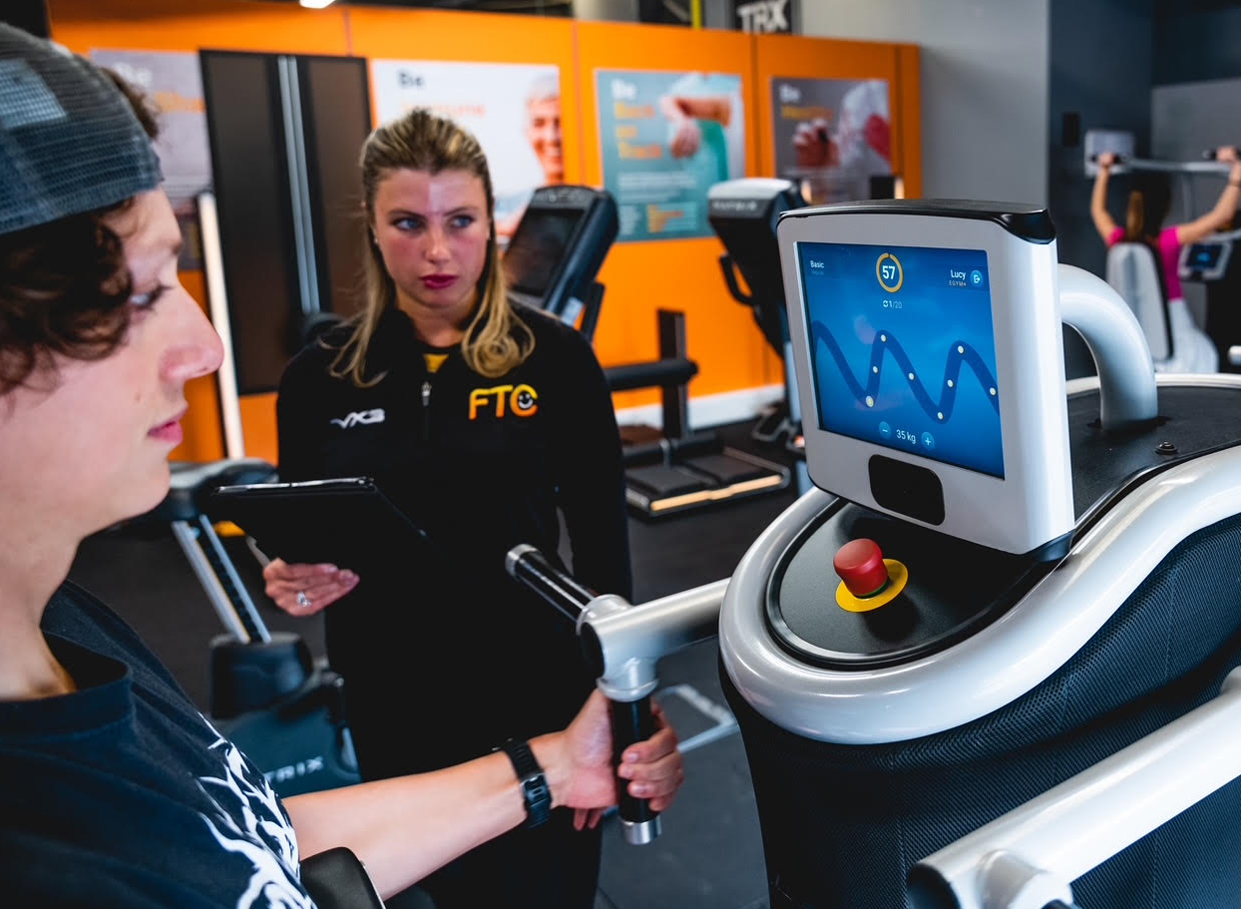
FTC, the largest independent health club in Suffolk, UK, has a full EGYM ecosystem offering strength, cardio and flexibility, with accompanying Tanita body composition scales. We also deliver an extensive programme of classes.
We’re now in the process of launching a Next Steps membership which is specifically aimed at those starting out on – or currently using – GLP-1 medication.
Depending on where members are on their GLP-1 journey, planned training advice is given, along with a full EGYM induction and body composition analysis which is repeated every 4-6 weeks.
We’re also in the process of linking up with EGYM for the launch of its new programme designed specifically for people on GLP-1s.
In addition to this, members on the Next Steps membership will also get the chance to come to a support group at the club each Sunday for a catch-up and a chat over a coffee, where they’ll be given education and support all the way along their journey.
We feel it’s vital for this support to be group-driven and guided, with active participation and directed education aiming at the individual seeking to make behavioural and lifestyle changes, rather than just leaving our members to take the GLP-1 medication without guidance.
Without support they risk lapsing and then finding that they’re yoyoing with their weight as a result and not getting the successes they need.
More: ftcgym.com