





















features
Feedback: HCM Forum
Fuel the debate about issues and opportunities across the industry. We’d love to hear from you. Write to [email protected]


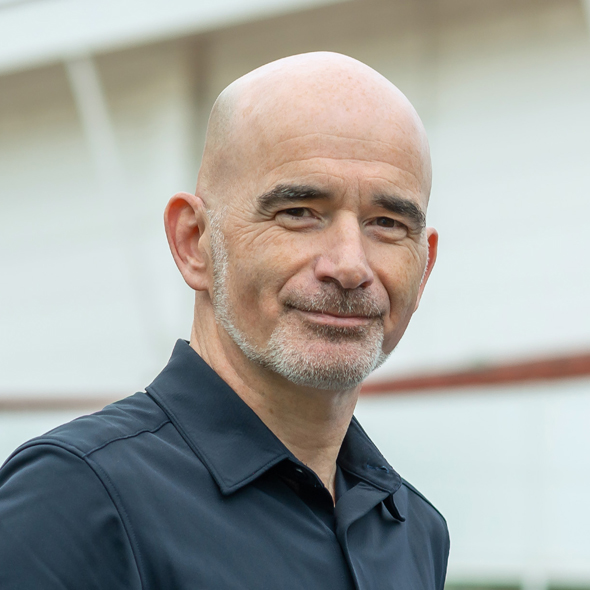
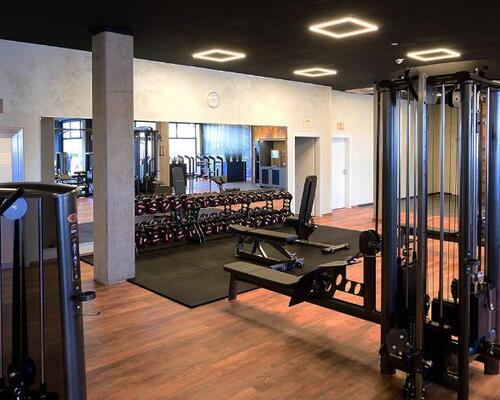
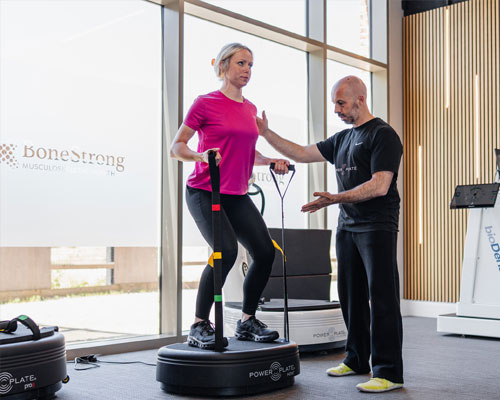
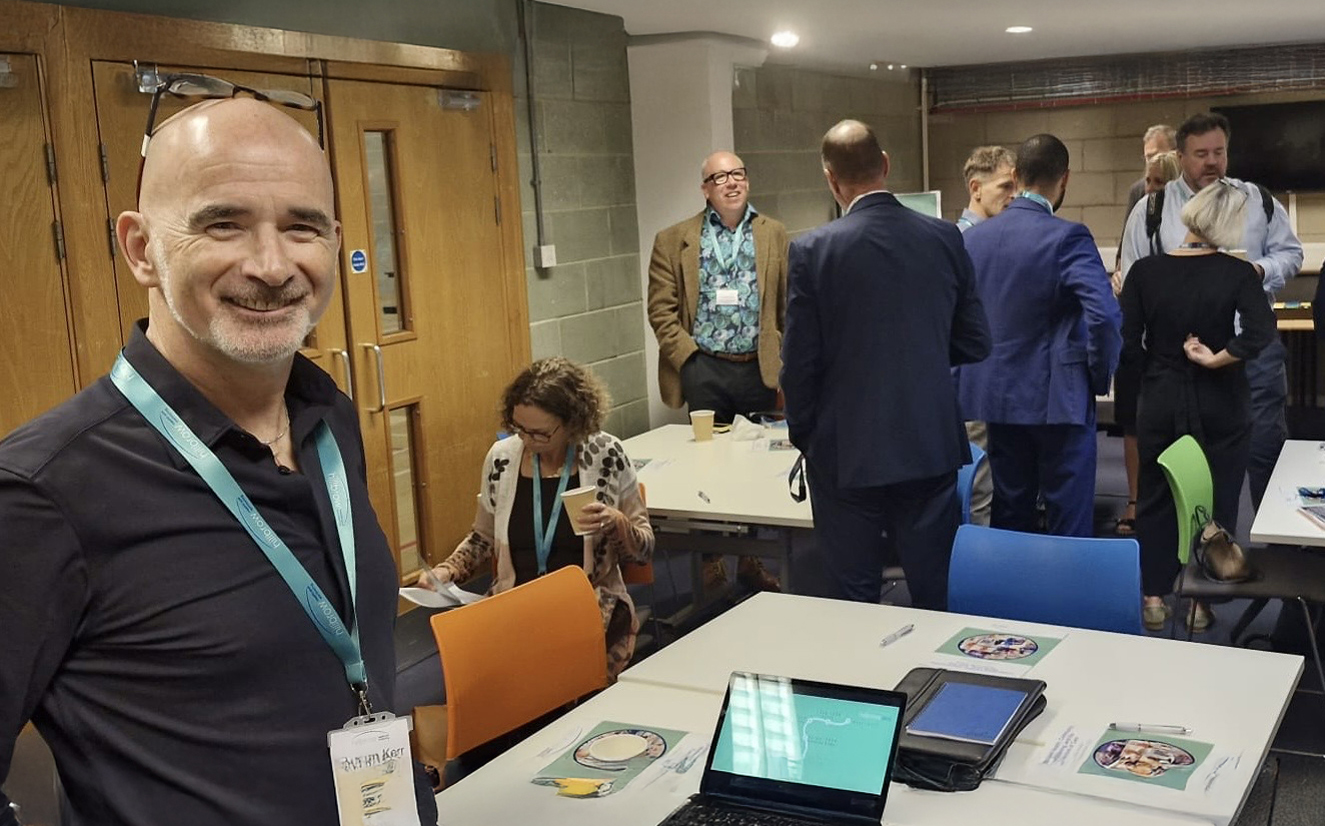
Local public health leaders gathered at Hillbrow Health and Wellbeing in Eastbourne, UK to explore effective ways of delivering on the ambitions of Fit for the Future: 10 Year Health Plan for England.
The roundtable, hosted by Hillbrow and attended by representatives from Wave Active, South Downs Health Care Federations and local public health leaders, focused on how collaboration at a neighbourhood level can drive a genuine shift from treating illness to preventing it.
With physical activity recognised as a key determinant of health, participants highlighted the vital role of facilities such as Hillbrow Health and Wellbeing becoming health creators with a clear call to action “We don’t need your money – we need your people.”
It was a great session with all present having a real desire and passion to change, collaborate and deliver. The discussion emphasised the importance of bringing people together to create joined-up support for the local populations with the greatest needs.
By aligning funding, outcomes and service providers, the group agreed, communities can create the conditions for lasting improvements in health and wellbeing.
The event concluded with a shared commitment to explore collaboration around diabetes, mental health and out-of-hours emergency provision with a clear underlying desire to make Eastbourne and the surrounding area a beacon for community-led health innovation.
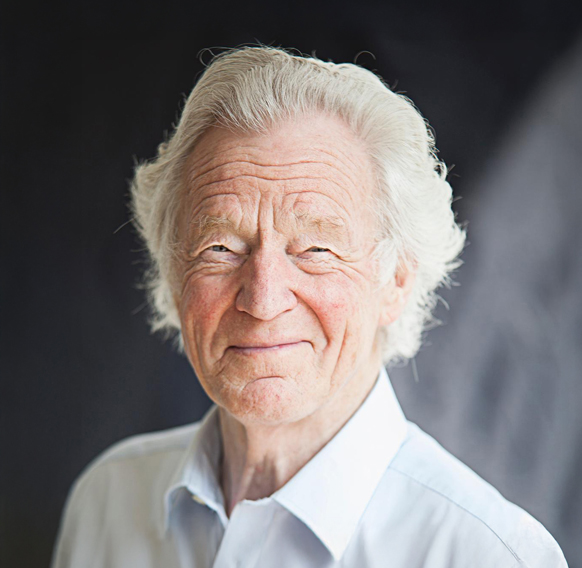
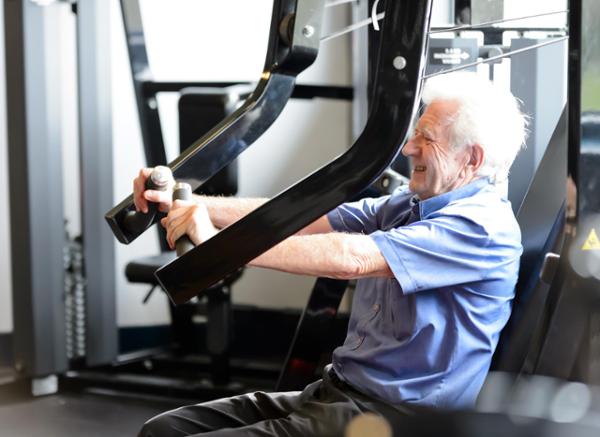
The UK’s Health and Social Care Committee is actively looking at how physical activity can be used to improve the health and wellbeing of the older populations.
An inquiry was launched earlier this year calling for evidence of how physical activity can minimise and delay ill health as people age and how it can be used throughout older age to reduce the impacts of ill health and prevent the development of multi-morbidity and frailty.
The Committee will also be exploring how physical activity levels could have an impact on reducing the gap between older people in the most and least deprived regions.
Other areas of interest are how health services can work with social care, local government, the third sector and businesses to support older people to be more physically active and the potential of broadening access to social prescribing.
The Chief Medical Officer has called for there to be a focus on maximising independence and minimising the time spent in ill health between reaching older age and the end of life. Progress on improving healthy life expectancy in England has stalled and people are spending longer living with ill health in their older years. While physical activity has been highlighted as playing an important role in preventing ill health, activity levels in England are lowest among older people.
The submission deadline was 7 August, with 140 submissions received. I will be presenting on the therapeutic benefits of exercise at a meeting of the committee in October, as well as considering what needs to be done to create positive change.
Ultimately, activity should be a standard therapy, along with clinical care, as well as being championed for prevention.