























features
Feedback: HCM Forum
Fuel the debate about issues and opportunities across the industry. We’d love to hear from you. Write to [email protected]




The three-year ‘Opening School Facilities’ initiative, funded by £57 million from the UK’s Department for Education, has beaten all targets, according to insight published by Active Partnerships.
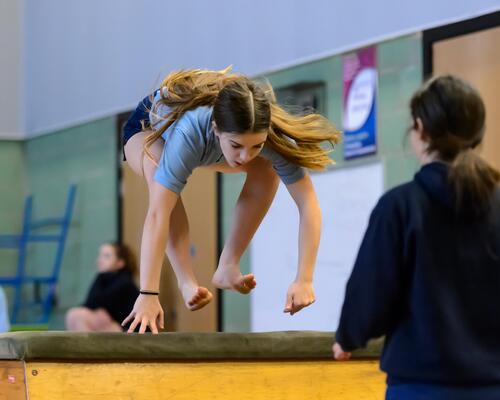
The programme, which ran from January 2023 to March 2025, helped schools open facilities outside the school day for pupils and members of the community to take part in movement, physical activity and sport sessions.
The initiative was delivered by Active Partnerships National Organisation (APNO) and its 42 Active Partnerships, with partners including UK Active, Street Games and Youth Sport Trust.
The ‘end of programme’ report shows 251,543 pupils and 93,264 members of the community took part in 189,071 sessions at 1,580 schools. The funding allowed a range of activities to be offered, including yoga, archery, climbing, roller sports, fencing and handball.
The programme also made a vital contribution to the physical and mental development of children of all ages, including early years children who had missed out on key experiences during the pandemic.
We know from our UK Active qualitative insight that they built teamwork skills, improved their socialisation and enjoyed being active. It also showed parents, school staff and members of the wider community viewed the programme as a positive way to keep children active.
A total of 568 swimming projects were also funded, opening pools to the community, including care home residents. Swimming was available to children and community users through both school and leisure centre pools.
Despite these successes, the government has cut funding and although some of the projects have managed to continue, many have ceased.
The decision not to continue supporting programmes such as Opening School Facilities is disappointing and frustrating, as they’re essential in driving the physical activity levels of children by offering a safe space where they can become more active in a familiar and comfortable environment, especially the most vulnerable.
The cuts means young children have more limited access to opportunities to get active and experience the physical, mental and social benefits of exercise.
We believe the government needs to be more proactive in taking advantage of our fitness, leisure and sport facilities to support programmes such as this in the community.
Of course, our sector will continue delivering proven services for the next generation in every way it can, but in light of this decision, we’re calling on government to work with the sector to find new and ever more effective ways to engage children and young people and deliver support that ignites a lifelong love of physical activity.

Improving the pathway between health and physical activity for people living with long-term conditions is the ambition of Moving Together, a new two-year programme backed by the National Lottery.
Announced in the wake of the unveiling of the UK government’s 10 Year Health Plan, which outlines a shift to prevention, the Moving Together programme is being co-led by the Faculty of Sport and Exercise Medicine UK (FSEM) and Active Partnerships National Organisation (APNO) and funded through Sport England.
The aim of the programme is to promote autonomy for people living with long-term health conditions, ensuring they feel empowered and supported to exercise. Setting up clear pathways between health and physical activity is also part of the intention and particularly moving the blocker of telling people to get clearance from their GP before exercising.
For too long, people who stand to gain the most from increasing their physical activity, have come across systemic barriers which undermine their confidence and autonomy.
These barriers are not rooted in evidence. I’m delighted by the cross-sector positivity for this agenda which truly reflects the universal acceptance that there is a need for change. I’m confident our collaboration can and will make the necessary journey together.
There’s been significant preparatory work with stakeholders across all sectors, including the consensus statement on risk which sets out how healthcare professionals should approach conversations with people who are worried about exercising making their condition worse.