












GET HCM
magazine
Sign up for the FREE digital edition of HCM magazine and also get the HCM ezine and breaking news email alerts.
Not right now, thanksclose this window I've already subscribed!
Les Mills
Les Mills
Les Mills
Follow Health Club Management on Twitter Like Health Club Management on Facebook Join the discussion with Health Club Management on LinkedIn
FITNESS, HEALTH, WELLNESS

features

Research: Fact finding

Leisure-net’s annual Health and Fitness Omnibus Survey (HAFOS) is now in its 15th year. We talk to Leisure-net’s Mike Hill about what’s changed, and what hasn’t, since 2002
Published in Health Club Management 2019 issue 3
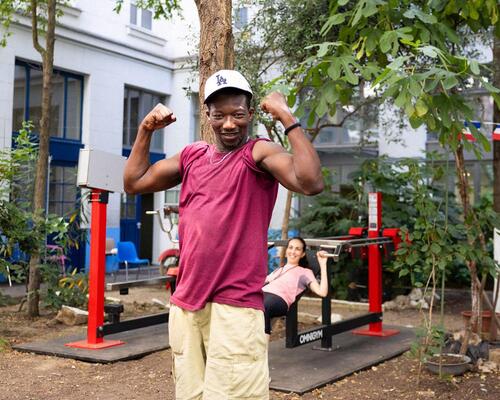
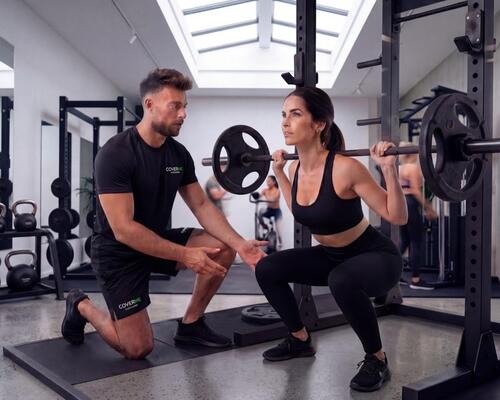
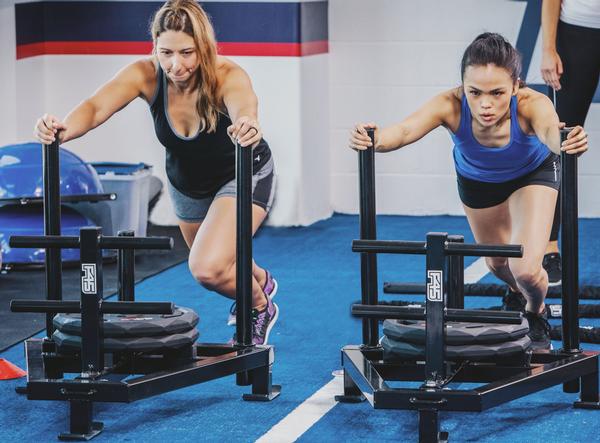
Statistics show cost is less of a barrier to being active than it once was / PHOTO COURTESY F45
One of the challenges of trying to track long-term changes in activity levels is that the government’s recommendations keep changing

The HAFOS is based on face-to-face interviews with a representative sample of the adult population of the UK – more than 18,000 adults have been interviewed for the survey since 2002.

Getting the message
The message about the importance of being active seems to have been received and understood, with 91 per cent of adults now believing regular exercise/activity is important or very important; a figure that’s remained fairly static over the last five years. However, back in 2002, the year of the very first HAFOS, it sat at 83 per cent, so there’s been a significant movement in people’s understanding over the last 15 years.

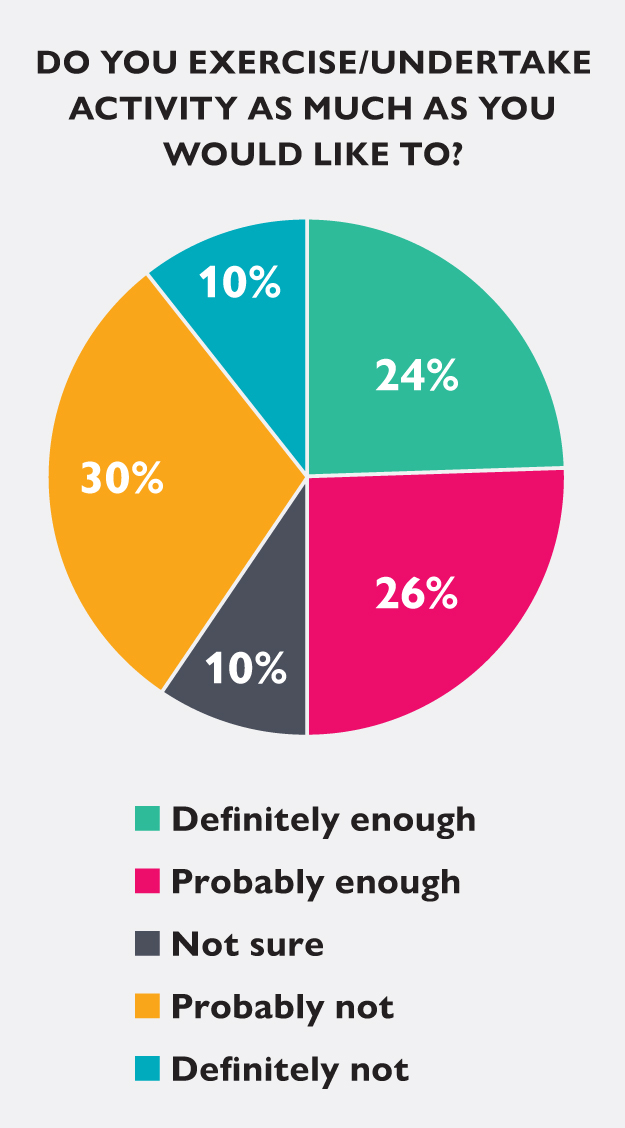
But Hill says the leisure industry must look at ways of converting this understanding into actual activity. “The potential market for activity providers still remains huge, with 40 per cent of adults recognising they probably or definitely don’t do enough,” he says.

Making the move
Sport England uses a behaviour change model to drive the delivery of its Get Healthy Get Active projects.
The model is based on targeting specific segments of the population who are at different stages in their thought process when it comes to becoming more active. The idea is to focus on people who are in the ‘contemplative’ stage, because Sport England has found that time and money spent getting these people active is the most efficient use of resources.

To help operators understand who these people are, Leisure-net has started including this question in all community research and its first year figures make interesting reading.

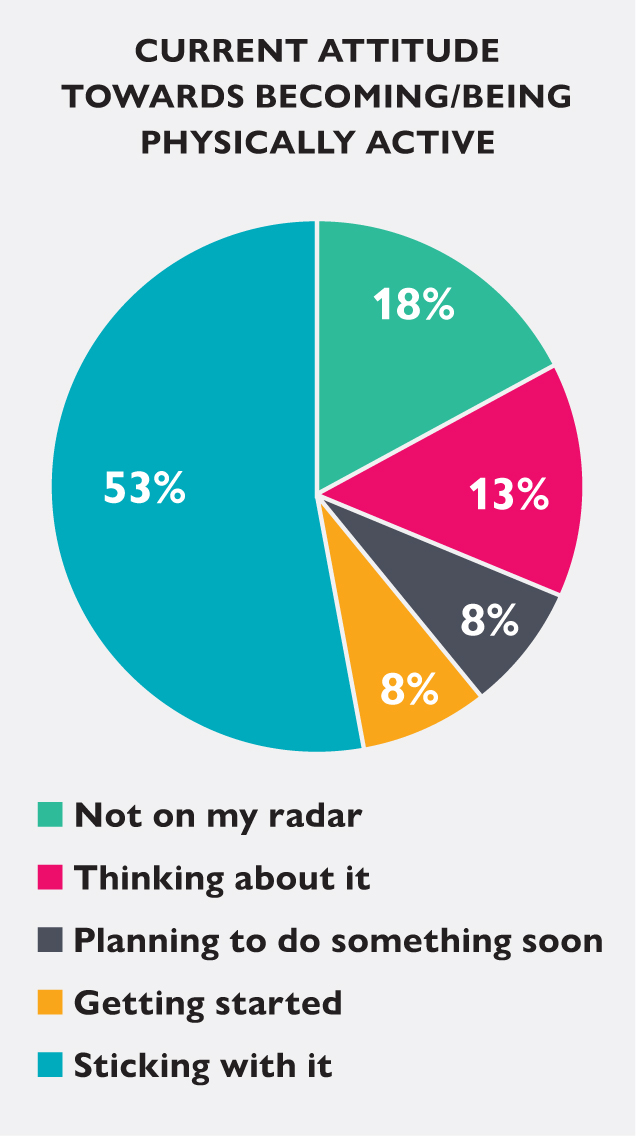
Hill reports that only 18 per cent of adults state that becoming more active is not even on their radar, 13 per cent say they are thinking about it, 8 per cent say they are ‘planning’ and a further 8 per cent claim they are getting started.

He says: “While it appears that 16 per cent of the population is a small target for the industry to be focusing on, just a slight shift in moving these people into the ‘sticking with it’ group at a good level of activity would make a big difference nationally.

“Likewise for our sector, if just 1 or 2 per cent of these people became regular users/members it would represent a huge uplift in membership/usage.

“But it’s both interesting and worrying that 53 per cent of adults already believe they’re in the ‘sticking with it’ stage, as this group probably feel they’re doing enough physical activity already, whereas the evidence suggests they’re not.

“Thinking back to the previous question about whether people would like to do more, we know that this stands at 50 per cent (down 7 per cent from its all-time high of 57 per cent in 2014 and 54 per cent in 2002), this may well be because they believe they are already being more active.

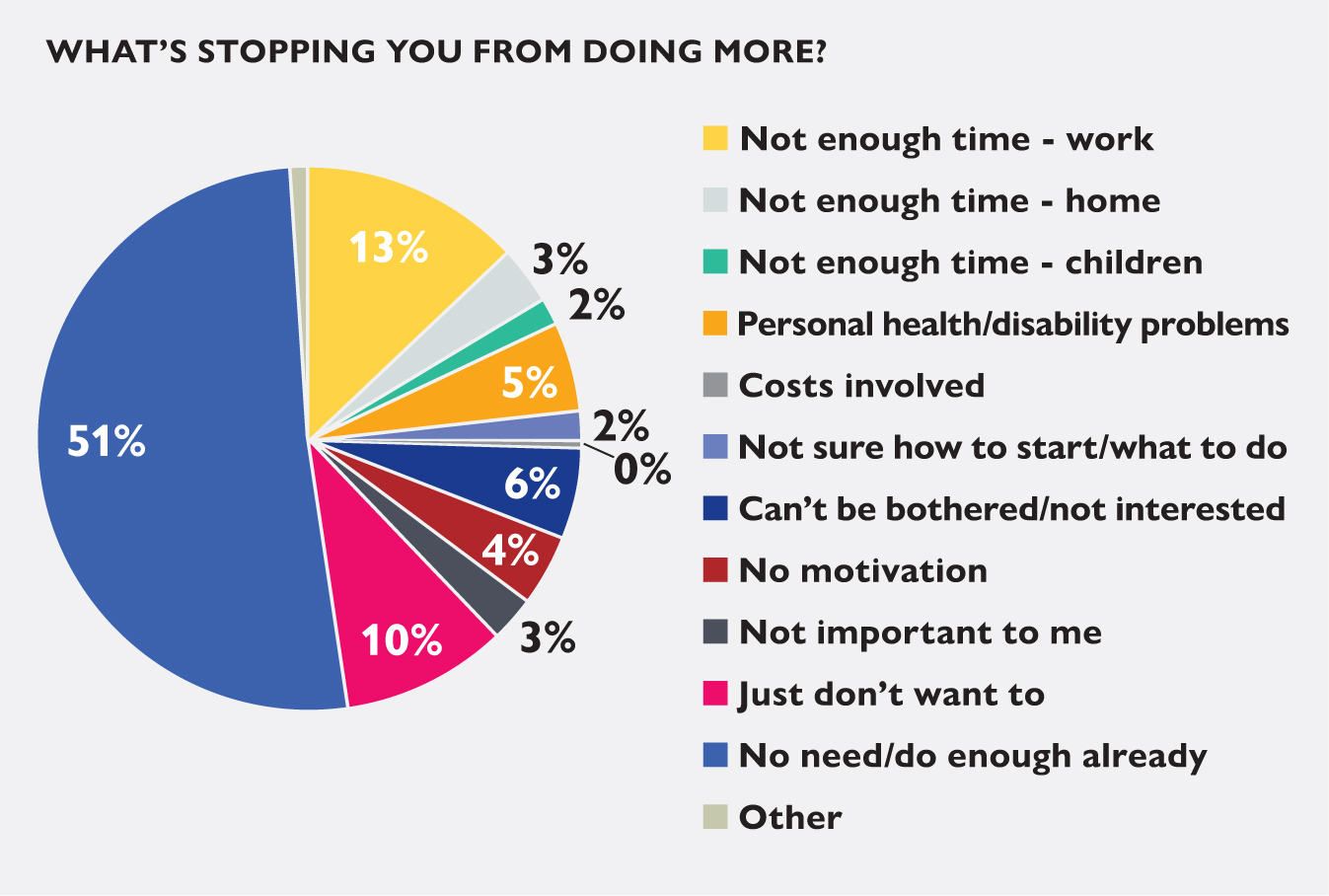
“Equally, of those people who don’t want to do more activity, 51 per cent state they have no need because they do enough already, once again reinforcing the argument that one of our toughest challenges is getting people to understand they’re probably not doing enough exercise to get maximum health benefits.”

HAFOS 2018 also revealed that, in terms of quantity of exercise, 77 per cent of adults state they are participating in 30 minutes of moderately intense activity at least once a week; the highest figure for four years, while 41 per cent claim to be undertaking the recommended guidelines of at least 150 minutes of moderate intensity activity or 75 minutes of vigorous intensity activity in a ‘normal’ week.

“This question of quality is a relative one for HAFOS,” says Hill. “One of the challenges of trying to track long-term changes in activity levels is that the government’s recommendations keep changing in the light of new research about what they should be and how they should be measured.

“But these self-reported activity levels are quite high and continue to suggest over-reporting when asking people to reflect back on what physical activity they think they’ve done.

Past studies have indicated that subjects were moderately accurate in recalling their physical activity levels, but underestimated sedentary activities and overestimated aerobic exercise. Males also overestimated their activity relative to females, and obese subjects underestimated their activity levels compared to normal-weight subjects.”

In terms of their likelihood to become more active, only 4 per cent of adults stated they are quite or very likely to increase their activity levels in the near future, a level significantly lower than four and five years ago, when the all-time high was 33 per cent.

In fact, 25 per cent said it is very unlikely that they will become more active. “Some of the messages from HAFOS need careful analysis,” says Hill, “But it’s clear at least 35 per cent of people are regularly failing to meet the recommended levels of activity and the chances are the real figure is a lot higher.”

In vogue
According to HAFOS, the most common form of physical activity is recreational walking, with 54 per cent of adults stating this is how they exercise; however, this is significantly less than five years ago, when it stood at 71 per cent. Walking is followed in popularity by “using a health club or leisure centre” at 32 per cent and “jogging/running” at 17 per cent, suggesting, perhaps, that people are replacing walking with more structured activities such as the gym, group exercise classes and outdoor challenges.

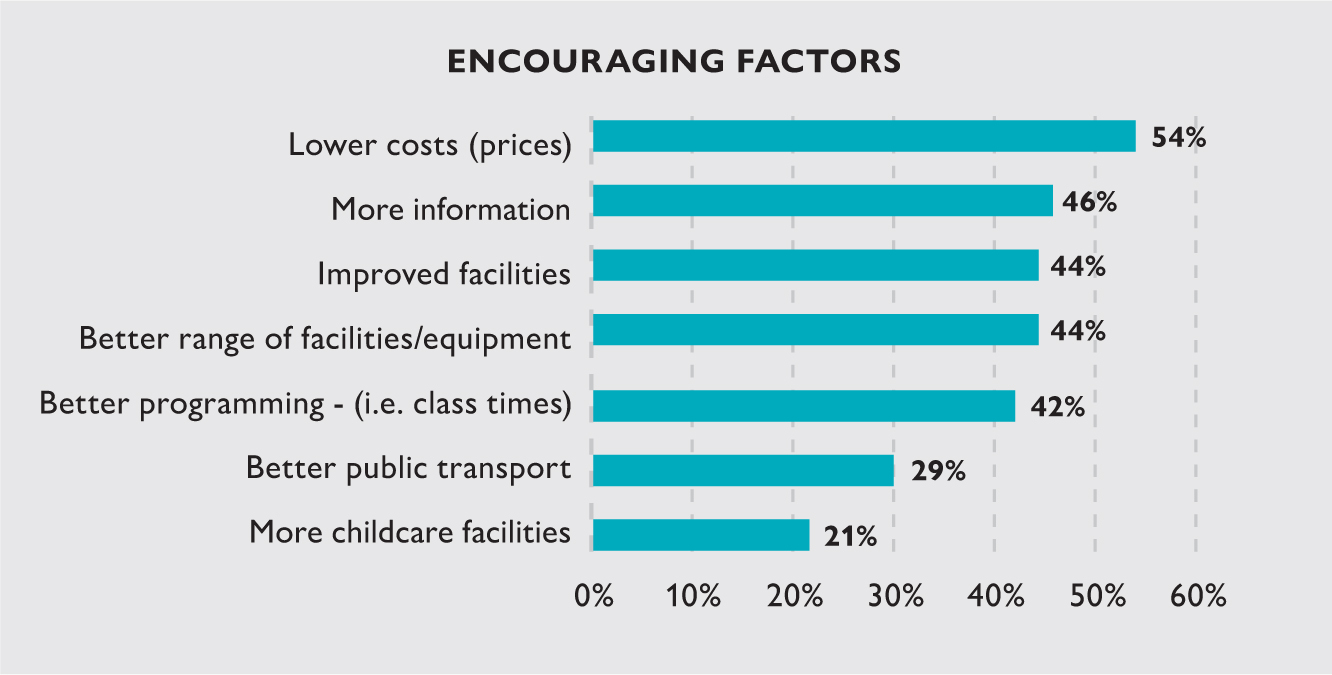
The key factors for encouraging the use of health clubs and leisure centres were quoted by potential users as lower prices (54 per cent), followed by more information (46 per cent) and improved facilities (44 per cent).

It’s interesting that price, as an encouragement factor, is less important than 15 years ago, when 63 per cent of adults stated that it was the most important encouragement factor for using centres/clubs.

Hill expands: “Price always comes up as one of the biggest motivators for encouraging use. However, most of the experiments with free or heavily discounted offerings in our sector have not increased participation in the long term, so it’s a much more complicated scenario than just reducing prices.

“One could argue that operators have never been better at getting information out to their communities in an easy to understand format, both on- and offline, with their use of social media steadily improving, yet still people say they want more information. Again I believe that this comes down much more to needing motivation and support, rather than pure information about times, prices and programmes.”

Motivation to move
The most common motivation for being physically active is to improve/maintain health at 50 per cent, followed by improving/maintaining body tone at 20 per cent and maintaining/losing weight at 15 per cent; motivations that have barely changed in 15 years.

“It is really important for operators to recognise the importance of weight loss/body shape in terms of motivation for people to be more active,” says Hill. “Sometimes this primary motivation is hidden and people come up with other, more general reasons, but losing weight or improving body shape is quite often the key underlying motivation. Operators should look to tap into this via marketing messages, selling approaches and programming/support in the gym.”

Barriers to exercise
Just as motivations haven’t changed, neither have barriers for those who state they want to be more active, with the most prevalent reason, ‘not enough time due to work related pressures’, at an all-time high of 45 per cent, dwarfing lack of time - home pressures at just 13 per cent. Costs were a deterrent to 10 per cent and health/disability issues to 9 per cent.

“This compares to 37 per cent in 2014, indicating the growing pressures that people are feeling in their everyday lives,” continues Hill.

“Working days are getting longer and the separation between home and work is becoming more blurred, with people working flexi hours and home-working.”

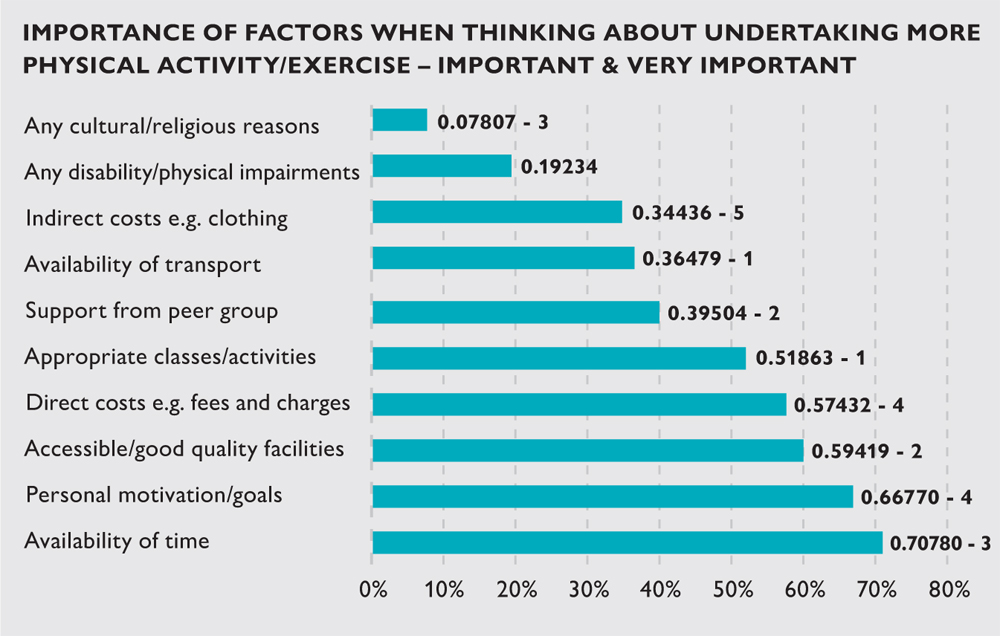
Unsurprisingly, when asked about the relative importance of factors when thinking about undertaking more activity/exercise, availability of time was rated the most important at 71 per cent, followed by personal motivation/goals at 67 per cent and accessible/good quality facilities at 59 per cent.

With changes to the government’s and Sport England’s physical activity and sport strategy starting to be implemented and take effect, it will be interesting to see how the next few years of HAFOS change and reflect this.
Mike Hill
"While it appears that 16 per cent of the population is a small target for the industry to be focusing on, just a slight shift in moving these people into the ‘sticking with it’ group at a good level of activity would make a big difference nationally" - Mike Hill
Sign up here to get HCM's weekly ezine and every issue of HCM magazine free on digital.
There are increases in the number of people tackling outdoor challenges / PHOTO: KIRSTEN HOLST
Around 20 per cent are motivated by maintaining or improving body tone / PHOTO coutesy of DW FITNESS FIRST
https://www.leisureopportunities.co.uk/images/imagesX/336566_552668.jpg
Leisure-net’s annual Health and fitness Omnibus Survey is in its 15th year. We find out what’s changed, and what hasn't, since 2002
Mike Hill, Leisure-net,Leisure-net, Health and fitness Omnibus Survey, sports England,
HCM magazine
HCM People

Jamie Clements

The Breath Coach
I experienced a blissful feeling of joy I hadn’t felt since I was a kid
HCM magazine
Strength training is evolving, driven by changing consumer preferences. Julie Cramer talks to innovators about how their products are meeting this demand
HCM magazine
For every member with a tripod and a big following, there are others irritated at the way equipment is being hogged or wary they’ll be in the background on someone’s Insta feed. Do influencers offer valuable, free marketing or are they just a nuisance? Kath Hudson finds out how operators are responding
HCM magazine
HCM People

Stephen Price

Founder, SP&Co Group
Working in public health over the last few years has lit up parts of my brain again
HCM magazine
Raphael Cuomo explores the powerful link between addiction, health and behaviour change
HCM promotional features
Sponsored
Starpool supports Olympic champion Marcell Jacobs, says Riccardo Turri
HCM promotional features
Sponsored
Third Space partnered with IndigoFitness to deliver a bespoke training space for its new club at The Whiteley
HCM promotional features
Sponsored
SnowDome Fitness has added 50 per cent more space with cutting-edge Technogym solutions
HCM promotional features
Sponsored
Find out how your gym can tap into the corporate wellness boom
HCM promotional features
Sponsored
Greg Bradley looks at the shift towards strength training in gyms and advises on how operators can create the ultimate training environment
HCM promotional features
Sponsored
David Lloyd is stepping up its commitment to women’s health as it continues to explore what fit-for-purpose looks like for the female population
HCM promotional features
Sponsored
EGYM has opened a new HQ in Paternoster Square, London and revealed a range of new launches
HCM promotional features
Sponsored
The industry is embracing consumer-facing tech. Now it’s time to streamline back-of-house systems with Orbit4, says Daniel Jones
HCM promotional features
Promotion
Performance Health Systems, manufacturer of Power Plate, has a new CEO, with an ambitious vision for the company
HCM promotional features
Latest News
Nuffield Health has told HCM that it takes its responsibilities towards its colleagues seriously and ...
Latest News
Technogym has announced the launch of the Run X World Treadmill Championship, the first world ...
Latest News
Shocked by the UK loneliness statistics, charitable trust Mytime Active has been doubling down on ...
Latest News
Portugal’s leading operator, SC Fitness, is celebrating a milestone by reaching 100 gyms.  The company ...
Latest News
Australia’s fast-growing fitness network, Viva Leisure, is adding a low-cost gym brand to its already ...
Latest News
Speedflex has launched a strength training programme for 10 to 16-year-olds, to make it safer, ...
Latest News
Tewinbury Farm Hotel in Hertfordshire, UK is expanding its premium leisure proposition with the launch ...
Latest News

Work is underway in Madrid on one of Europe’s most significant multi-functional complexes, ...

Opinion
promotion
Strength training has moved from the margins to the mainstream.
Opinion: Building smarter strength spaces for today’s operators
Featured supplier news
Featured supplier news: Supporting long-term health: why whole body vibration belongs in clinical settings
As healthcare continues to shift towards prevention, there’s a growing focus on helping people stay active, independent and feeling good for longer.
Featured supplier news
Featured supplier news: W3Fit EMEA celebrates its fifth anniversary
Celebrating its milestone 5th anniversary, W3Fit EMEA returns in 2026 with an unmissable gathering of the Health & Fitness industry’s most influential leaders.
Company profiles
Company profile: Myzone
Myzone is a global pioneer of Motivation Technology (MoTech), redefining fitness by turning behavioural science ...
Company profiles
Company profile: ukactive
ukactive is the UK’s leading trade body for the physical activity sector, bringing together more ...
Supplier Showcases
Supplier Showcase - Future-proofing
Catalogue Gallery
Click on a catalogue to view it online
Featured press releases
GYMNATION press release: Massive ‘Good Luck’ message appears in Saudi Desert as Green Falcons head to World Cup
Passengers flying out of Riyadh this week have been treated to an extraordinary sight from the skies after GymNation unveiled a giant desert sand mural supporting the Saudi Arabia National Football Team ahead of the FIFA World Cup in the United States.
Featured press releases
BLK BOX press release: BLK BOX strengthens European growth with the appointment of Germany country manager Timo Garrels
BLK BOX is proud to welcome Timo Garrels as Germany country manager, marking another important step in the brand’s continued growth across Europe.
Directory
Spa and beauty equipment
Oakworks Inc: Spa and beauty equipment
Hot tubs
MSpa International Ltd: Hot tubs
Water experiences and hydrotherapy solutions
Aquaform s.r.l.: Water experiences and hydrotherapy solutions
Lockers
Crown Sports Lockers: Lockers
Fitness tracking platform
SpiviTech: Fitness tracking platform
Industrial washing machines
Miele Company Limited: Industrial washing machines
Property & Tenders
Stratford, East London.
Lee Valley Regional Park Authority
Property & Tenders
Y Felinheli, LL56 4QN
Newmark
Property & Tenders
Diary dates
13-13 Jun 2026
Worldwide, Various,
Diary dates
21-24 Sep 2026
The Langham Huntington Pasadena , Pasadena, United States
Diary dates
06-08 Oct 2026
Messe Stuttgart, Stuttgart, Germany
Diary dates
22-22 Oct 2026
QEII Conference Centre, London,
Diary dates
26-29 Oct 2027
Koelnmesse Exhibition Centre, Cologne, Germany
Diary dates

features

Research: Fact finding

Leisure-net’s annual Health and Fitness Omnibus Survey (HAFOS) is now in its 15th year. We talk to Leisure-net’s Mike Hill about what’s changed, and what hasn’t, since 2002

Published in Health Club Management 2019 issue 3
Statistics show cost is less of a barrier to being active than it once was / PHOTO COURTESY F45
One of the challenges of trying to track long-term changes in activity levels is that the government’s recommendations keep changing

The HAFOS is based on face-to-face interviews with a representative sample of the adult population of the UK – more than 18,000 adults have been interviewed for the survey since 2002.

Getting the message
The message about the importance of being active seems to have been received and understood, with 91 per cent of adults now believing regular exercise/activity is important or very important; a figure that’s remained fairly static over the last five years. However, back in 2002, the year of the very first HAFOS, it sat at 83 per cent, so there’s been a significant movement in people’s understanding over the last 15 years.

But Hill says the leisure industry must look at ways of converting this understanding into actual activity. “The potential market for activity providers still remains huge, with 40 per cent of adults recognising they probably or definitely don’t do enough,” he says.

Making the move
Sport England uses a behaviour change model to drive the delivery of its Get Healthy Get Active projects.
The model is based on targeting specific segments of the population who are at different stages in their thought process when it comes to becoming more active. The idea is to focus on people who are in the ‘contemplative’ stage, because Sport England has found that time and money spent getting these people active is the most efficient use of resources.

To help operators understand who these people are, Leisure-net has started including this question in all community research and its first year figures make interesting reading.

Hill reports that only 18 per cent of adults state that becoming more active is not even on their radar, 13 per cent say they are thinking about it, 8 per cent say they are ‘planning’ and a further 8 per cent claim they are getting started.

He says: “While it appears that 16 per cent of the population is a small target for the industry to be focusing on, just a slight shift in moving these people into the ‘sticking with it’ group at a good level of activity would make a big difference nationally.

“Likewise for our sector, if just 1 or 2 per cent of these people became regular users/members it would represent a huge uplift in membership/usage.

“But it’s both interesting and worrying that 53 per cent of adults already believe they’re in the ‘sticking with it’ stage, as this group probably feel they’re doing enough physical activity already, whereas the evidence suggests they’re not.

“Thinking back to the previous question about whether people would like to do more, we know that this stands at 50 per cent (down 7 per cent from its all-time high of 57 per cent in 2014 and 54 per cent in 2002), this may well be because they believe they are already being more active.

“Equally, of those people who don’t want to do more activity, 51 per cent state they have no need because they do enough already, once again reinforcing the argument that one of our toughest challenges is getting people to understand they’re probably not doing enough exercise to get maximum health benefits.”

HAFOS 2018 also revealed that, in terms of quantity of exercise, 77 per cent of adults state they are participating in 30 minutes of moderately intense activity at least once a week; the highest figure for four years, while 41 per cent claim to be undertaking the recommended guidelines of at least 150 minutes of moderate intensity activity or 75 minutes of vigorous intensity activity in a ‘normal’ week.

“This question of quality is a relative one for HAFOS,” says Hill. “One of the challenges of trying to track long-term changes in activity levels is that the government’s recommendations keep changing in the light of new research about what they should be and how they should be measured.

“But these self-reported activity levels are quite high and continue to suggest over-reporting when asking people to reflect back on what physical activity they think they’ve done.

Past studies have indicated that subjects were moderately accurate in recalling their physical activity levels, but underestimated sedentary activities and overestimated aerobic exercise. Males also overestimated their activity relative to females, and obese subjects underestimated their activity levels compared to normal-weight subjects.”

In terms of their likelihood to become more active, only 4 per cent of adults stated they are quite or very likely to increase their activity levels in the near future, a level significantly lower than four and five years ago, when the all-time high was 33 per cent.

In fact, 25 per cent said it is very unlikely that they will become more active. “Some of the messages from HAFOS need careful analysis,” says Hill, “But it’s clear at least 35 per cent of people are regularly failing to meet the recommended levels of activity and the chances are the real figure is a lot higher.”

In vogue
According to HAFOS, the most common form of physical activity is recreational walking, with 54 per cent of adults stating this is how they exercise; however, this is significantly less than five years ago, when it stood at 71 per cent. Walking is followed in popularity by “using a health club or leisure centre” at 32 per cent and “jogging/running” at 17 per cent, suggesting, perhaps, that people are replacing walking with more structured activities such as the gym, group exercise classes and outdoor challenges.

The key factors for encouraging the use of health clubs and leisure centres were quoted by potential users as lower prices (54 per cent), followed by more information (46 per cent) and improved facilities (44 per cent).

It’s interesting that price, as an encouragement factor, is less important than 15 years ago, when 63 per cent of adults stated that it was the most important encouragement factor for using centres/clubs.

Hill expands: “Price always comes up as one of the biggest motivators for encouraging use. However, most of the experiments with free or heavily discounted offerings in our sector have not increased participation in the long term, so it’s a much more complicated scenario than just reducing prices.

“One could argue that operators have never been better at getting information out to their communities in an easy to understand format, both on- and offline, with their use of social media steadily improving, yet still people say they want more information. Again I believe that this comes down much more to needing motivation and support, rather than pure information about times, prices and programmes.”

Motivation to move
The most common motivation for being physically active is to improve/maintain health at 50 per cent, followed by improving/maintaining body tone at 20 per cent and maintaining/losing weight at 15 per cent; motivations that have barely changed in 15 years.

“It is really important for operators to recognise the importance of weight loss/body shape in terms of motivation for people to be more active,” says Hill. “Sometimes this primary motivation is hidden and people come up with other, more general reasons, but losing weight or improving body shape is quite often the key underlying motivation. Operators should look to tap into this via marketing messages, selling approaches and programming/support in the gym.”

Barriers to exercise
Just as motivations haven’t changed, neither have barriers for those who state they want to be more active, with the most prevalent reason, ‘not enough time due to work related pressures’, at an all-time high of 45 per cent, dwarfing lack of time - home pressures at just 13 per cent. Costs were a deterrent to 10 per cent and health/disability issues to 9 per cent.

“This compares to 37 per cent in 2014, indicating the growing pressures that people are feeling in their everyday lives,” continues Hill.

“Working days are getting longer and the separation between home and work is becoming more blurred, with people working flexi hours and home-working.”

Unsurprisingly, when asked about the relative importance of factors when thinking about undertaking more activity/exercise, availability of time was rated the most important at 71 per cent, followed by personal motivation/goals at 67 per cent and accessible/good quality facilities at 59 per cent.

With changes to the government’s and Sport England’s physical activity and sport strategy starting to be implemented and take effect, it will be interesting to see how the next few years of HAFOS change and reflect this.
Mike Hill
"While it appears that 16 per cent of the population is a small target for the industry to be focusing on, just a slight shift in moving these people into the ‘sticking with it’ group at a good level of activity would make a big difference nationally" - Mike Hill
Sign up here to get HCM's weekly ezine and every issue of HCM magazine free on digital.
There are increases in the number of people tackling outdoor challenges / PHOTO: KIRSTEN HOLST
Around 20 per cent are motivated by maintaining or improving body tone / PHOTO coutesy of DW FITNESS FIRST
https://www.leisureopportunities.co.uk/images/imagesX/336566_552668.jpg
Leisure-net’s annual Health and fitness Omnibus Survey is in its 15th year. We find out what’s changed, and what hasn't, since 2002
Mike Hill, Leisure-net,Leisure-net, Health and fitness Omnibus Survey, sports England,
Latest News
Nuffield Health has told HCM that it takes its responsibilities towards its colleagues seriously and ...
Latest News
Technogym has announced the launch of the Run X World Treadmill Championship, the first world ...
Latest News
Shocked by the UK loneliness statistics, charitable trust Mytime Active has been doubling down on ...
Latest News
Portugal’s leading operator, SC Fitness, is celebrating a milestone by reaching 100 gyms.  The company ...


Latest News
Australia’s fast-growing fitness network, Viva Leisure, is adding a low-cost gym brand to its already ...
Latest News
Speedflex has launched a strength training programme for 10 to 16-year-olds, to make it safer, ...
Latest News
Tewinbury Farm Hotel in Hertfordshire, UK is expanding its premium leisure proposition with the launch ...
Latest News

Work is underway in Madrid on one of Europe’s most significant multi-functional complexes, ...

Latest News
PureGym is encouraging people to step away from their screens and go for a walk, ...
Latest News
Small improvements to sleep, diet quality, and physical activity, made in combination lead to a ...
Latest News
Therme Manchester’s 28-acre development, which will include interconnected glass pavilions that measure 65,000sq m, will ...
Opinion
promotion
Strength training has moved from the margins to the mainstream.
Opinion: Building smarter strength spaces for today’s operators
Featured supplier news
Featured supplier news: Supporting long-term health: why whole body vibration belongs in clinical settings
As healthcare continues to shift towards prevention, there’s a growing focus on helping people stay active, independent and feeling good for longer.
Featured supplier news
Featured supplier news: W3Fit EMEA celebrates its fifth anniversary
Celebrating its milestone 5th anniversary, W3Fit EMEA returns in 2026 with an unmissable gathering of the Health & Fitness industry’s most influential leaders.
Company profiles
Company profile: Myzone
Myzone is a global pioneer of Motivation Technology (MoTech), redefining fitness by turning behavioural science ...
Company profiles
Company profile: ukactive
ukactive is the UK’s leading trade body for the physical activity sector, bringing together more ...
Supplier Showcases
Supplier Showcase - Future-proofing
Catalogue Gallery
Click on a catalogue to view it online
Featured press releases
GYMNATION press release: Massive ‘Good Luck’ message appears in Saudi Desert as Green Falcons head to World Cup
Passengers flying out of Riyadh this week have been treated to an extraordinary sight from the skies after GymNation unveiled a giant desert sand mural supporting the Saudi Arabia National Football Team ahead of the FIFA World Cup in the United States.
Featured press releases
BLK BOX press release: BLK BOX strengthens European growth with the appointment of Germany country manager Timo Garrels
BLK BOX is proud to welcome Timo Garrels as Germany country manager, marking another important step in the brand’s continued growth across Europe.
Directory
Spa and beauty equipment
Oakworks Inc: Spa and beauty equipment
Hot tubs
MSpa International Ltd: Hot tubs
Water experiences and hydrotherapy solutions
Aquaform s.r.l.: Water experiences and hydrotherapy solutions
Lockers
Crown Sports Lockers: Lockers
Fitness tracking platform
SpiviTech: Fitness tracking platform
Industrial washing machines
Miele Company Limited: Industrial washing machines
Property & Tenders
Stratford, East London.
Lee Valley Regional Park Authority
Property & Tenders
Y Felinheli, LL56 4QN
Newmark
Property & Tenders
Diary dates
13-13 Jun 2026
Worldwide, Various,
Diary dates
21-24 Sep 2026
The Langham Huntington Pasadena , Pasadena, United States
Diary dates
06-08 Oct 2026
Messe Stuttgart, Stuttgart, Germany
Diary dates
22-22 Oct 2026
QEII Conference Centre, London,
Diary dates
26-29 Oct 2027
Koelnmesse Exhibition Centre, Cologne, Germany
Diary dates
Search news, features & products:
Find a supplier:
Les Mills
Les Mills
Partner sites