











The Leisure Media Company Ltd
Follow Health Club Management on Twitter Like Health Club Management on Facebook Join the discussion with Health Club Management on LinkedIn
FITNESS, HEALTH, WELLNESS

features

Everyone’s talking about...: Promoting activity

Physical inactivity is a large contributor to lifestyle diseases such as cancer, heart disease and diabetes. But how can we get people moving – and is it time for a top-down intervention?

By Kath Hudson | Published in Health Club Management 2015 issue 3
Even the daily commute to work can help city workers hit minimum activity requirements / photo: www.shutterstock.com

A fresh approach to public health is needed to tackle the lifestyle diseases caused largely by smoking, drinking alcohol, physical inactivity and obesity – so says a recent paper by leading academics published in Critical Public Health.

In the report, Theories of practice and public health: Understanding (un)-healthy practices, the authors explain how social practices reinforce each other. For example, getting a takeaway on a Friday night is often coupled with watching TV. Similarly having a cigarette on a tea break.

The report criticises current behaviour change models, which presume individuals are capable of making better choices on the basis of information they receive. The authors – claiming that humans respond to their immediate environment more strongly than they do information – argue that public health policy should focus on how social practices interact to inform behaviour (see also p3).

For example, although smoking continues to be a problem, the report points out how the 2007 ban on smoking in public places successfully decoupled the relationship between smoking and eating out in restaurants, in turn helping break the habit for many smokers.

If we really want to get people active, do we need to look for the fitness industry’s equivalent of the smoking ban – something to help ensure being active becomes the new habit? It’s an attention-grabbing notion, but as Kate Cracknell asks on page 3, is it realistic to think we can ban people from sitting down?

In line with the report’s findings that humans respond to their immediate environment more strongly than they do information, Cracknell instead suggests: “If we’re going to legislate, let it be for activity rather than against inactivity: making leisure statutory, making active design a compulsory part of urban planning, and creating a national exercise incentive scheme.”

What more can the fitness industry do to change behaviour and promote active lives? Is it in fact time for a top-down intervention – and if so, what are the options? We ask the experts....

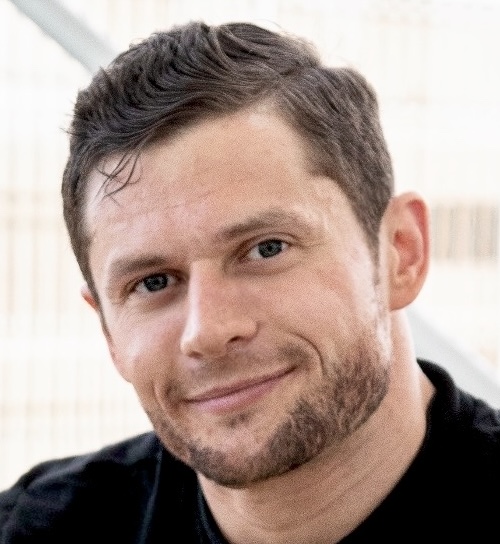
DR Paul Chadwick,

Consultant clinical and health psychologist,

Momenta

DR Paul Chadwick
DR Paul Chadwick

“Behind the idea of making it ‘socially unacceptable’ to be physically inactive is the notion that creating a stigma about being inactive will motivate people to do more. In reality, stigma inhibits behaviour by invoking the emotional experience of shame. Stigmatising health-related behaviours can be counterproductive: when overweight individuals are exposed to negative comments about their size or eating habits, this results in a chain of behavioural, emotional and thought processes that usually lead to increased weight gain, as well as poorer physical and emotional health.

Behavioural science suggests a more successful strategy to increase physical activity would be to help people connect with reasons for wanting to be active, as opposed to making them feel bad about failing to be so. This may require more than simply endlessly reinforcing the health benefits of being active. Helping people to identify how being active helps them achieve other valued personal goals, such as being a good parent or member of their community; exposing them to a variety of credible role models; and ensuring they have easy access to a diverse range of activities will all contribute to a positive and shame-free cycle of greater engagement.”

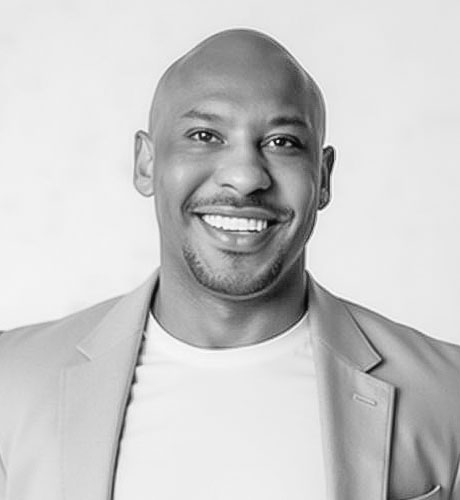
David Stalker,

CEO,

ukactive

David Stalker
David Stalker

“Idon’t think we should be waving a stick to make people be active. For so many people, engaging in physical activity is heavily linked with their emotional state: many sedentary people find it difficult to exercise because they suffer from low mood. We need to find a way to encourage them into the virtuous circle of feeling good and wanting to exercise, thanks to the endorphins and serotonin released by physical activity.

Stealth is a good way of getting the physical activity requirements in without having to wave a stick. For example, the majority of commuters in London hit minimum physical activity requirements via commuting and getting about on the tube. Most don’t even realise they’re doing it. Transport for London has the evidence to back this up and it’s fascinating.

The other thing is incentivising people. What if Oyster cards were embedded with a chip which read your steps, so every time you scanned it your steps were logged and converted into money off your ticket? Meanwhile, the average Brit will spend almost 50 hours a week at work, so employers have a role to play in ensuring activity becomes a natural, easy choice: offering age-appropriate fitness tests, as well as programmes and incentives for staff to reach the physical activity requirements.”

Dr Justin Varney,

National lead for adult health and wellbeing,

Public Health England

Dr Justin Varney
Dr Justin Varney

“The reasons people are inactive are complex, so demonising inactivity is not the most effective approach to encourage people to make positive choices. Past practice shows it takes a trio of actions to change activity levels for the long term: nationally sustained leadership over different parliaments; social and public sector action to engage communities with community development initiatives; and changing our built environment so being active is the easy choice.

If we want to change the nation’s attitudes to activity, it’s about facilitating activity rather than legislating against inactivity. We need to make activity the easiest option so it becomes the default choice, facilitating ways everybody can be active every day.

The health and fitness industry should be providing high quality support through trained professionals who have qualifications in behaviour change. We need to break down social barriers that may prevent people from being active, and we need professionals to bring exercise into the community, conducting classes in community centres and building relationships with partner agencies that understand specific issues, such as diabetes, or barriers facing certain groups such as ethnic minority communities.”

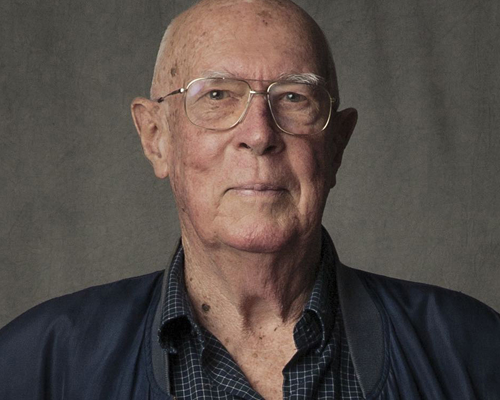
Dr Mark Uphill,

Senior lecturer sport & exercise psychology ,

Canterbury Christ Church University
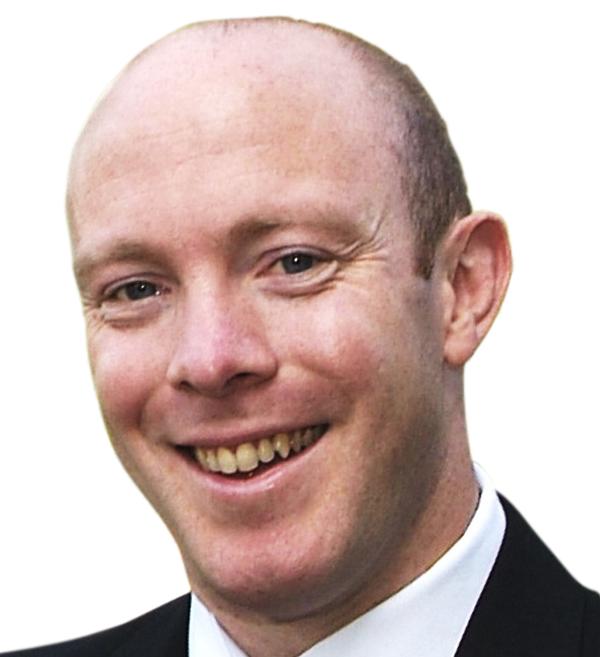
Dr Mark Uphill
Dr Mark Uphill

“I believe the carrot is more effective than the stick when it comes to encouraging healthy behaviours, so I don’t think we should be looking for physical activity’s equivalent of the smoking ban.

I think the current health message is already too aligned to the stick approach. It’s important people aren’t made to feel guilty about not exercising, because this promotes negative behaviours. If people are choosing the pub over the gym on a Friday night, maybe they could simply be persuaded to walk to and from the pub?

In terms of messaging, while ‘exercise as medicine’ works for some, it doesn’t work for all. To complement this and reach individuals not persuaded by the ‘exercise pill’, health and fitness operators could emphasise the short-term and immediate benefits of exercise, such as psychological restoration, better sleep, less stress and time out of hectic schedules.

What could be done at a government level would be to appoint a national physical activity co-ordinator – someone responsible for long-term strategic development of promoting physical activity and the co-ordination of all ongoing initiatives. This would need to be backed up by cross-party agreements and take a strategic and long-term view.”
Sign up here to get HCM's weekly ezine and every issue of HCM magazine free on digital.
The new version of MobilePro allows customers to book not only group exercise, but a wide range of leisure centre activities
https://www.leisureopportunities.co.uk/images/302413_161636.jpg
Physical inactivity is a major factor in lifestyle diseases like cancer and diabetes. Is it time for a top-down intervention to get people moving?
Kath Hudson, Journalist, Health Club Management DR Paul Chadwick, Consultant clinical and health psychologist • Momenta DAVID STALKER, CEO, ukactive DR justin varney, National lead for adult health and wellbeing, Public Health England DR MARK UPHILL, Senior lecturer sport & exercise psychology , Canterbury Christ Church University,Physical inactivity, intervention, smoking ban, behaviour change, Paul Chadwick, David Stalker, Justin Varney, Mark Uphill, Kath Hudson
HCM magazine
Strength training is evolving, driven by changing consumer preferences. Julie Cramer talks to innovators about how their products are meeting this demand
HCM magazine
HCM People

Stephen Price

Founder, SP&Co Group
Working in public health over the last few years has lit up parts of my brain again
HCM magazine
Collaborations with the medical profession and greater aspirations around wellbeing are creating a need for more experts in our sector. It’s time to reboot our thinking around the workforce
HCM magazine
Small improvements to sleep, diet and physical activity have major benefits for the heart, according to new research from the University of Sydney
HCM magazine
Raphael Cuomo explores the powerful link between addiction, health and behaviour change
HCM promotional features
Sponsored
David Lloyd is stepping up its commitment to women’s health as it continues to explore what fit-for-purpose looks like for the female population
HCM promotional features
Sponsored
Starpool supports Olympic champion Marcell Jacobs, says Riccardo Turri
HCM promotional features
Sponsored
SnowDome Fitness has added 50 per cent more space with cutting-edge Technogym solutions
HCM promotional features
Sponsored
Find out how your gym can tap into the corporate wellness boom
HCM promotional features
Sponsored
Third Space partnered with IndigoFitness to deliver a bespoke training space for its new club at The Whiteley
HCM promotional features
Sponsored
Greg Bradley looks at the shift towards strength training in gyms and advises on how operators can create the ultimate training environment
HCM promotional features
Sponsored
EGYM has opened a new HQ in Paternoster Square, London and revealed a range of new launches
HCM promotional features
Sponsored
New launch, Salus House, elevates boutique wellness with high service levels and a partnership with Technogym
HCM promotional features
Sponsored
Active IQ is calling for greater accountability in online fitness advice with the launch of a new trustmark
HCM promotional features
Latest News
Australia’s fast-growing fitness network, Viva Leisure, is adding a low-cost gym brand to its already ...
Latest News
Speedflex has launched a strength training programme for 10 to 16-year-olds, to make it safer, ...
Latest News
Tewinbury Farm Hotel in Hertfordshire, UK is expanding its premium leisure proposition with the launch ...
Latest News

Work is underway in Madrid on one of Europe’s most significant multi-functional complexes, ...

Latest News
PureGym is encouraging people to step away from their screens and go for a walk, ...
Latest News
Small improvements to sleep, diet quality, and physical activity, made in combination lead to a ...
Latest News
Therme Manchester’s 28-acre development, which will include interconnected glass pavilions that measure 65,000sq m, will ...
Latest News
The Yard Gym (TYG) is to become Nike Training’s official global training partner in a ...
Opinion
promotion
Strength training has moved from the margins to the mainstream.
Opinion: Building smarter strength spaces for today’s operators
Featured supplier news
Featured supplier news: Supporting long-term health: why whole body vibration belongs in clinical settings
As healthcare continues to shift towards prevention, there’s a growing focus on helping people stay active, independent and feeling good for longer.
Featured supplier news
Featured supplier news: Elevate 2026 to mark 10-year anniversary with biggest ever waterfront drinks reception
Elevate is set to celebrate its 10th anniversary in style this June, with organisers confirming the event’s largest-ever drinks reception as registrations continue to run more than 10% ahead of last year.
Company profiles
Company profile: Spirit Commercial Fitness
Spirit Fitness is a premier brand within the Dyaco International Inc. portfolio, a global leader ...
Company profiles
Company profile: Create PT
Create PT is one of the UK’s leading fitness training providers dedicated to raising standards ...
Supplier Showcases
Supplier Showcase - From nightclub to health club
Supplier Showcases
Supplier Showcase - Future-proofing
Catalogue Gallery
Click on a catalogue to view it online
Featured press releases
ukactive press release: Are they Fit for Office? UK Active and Technogym throw down the gauntlet to MPs
Hundreds of staff, MPs and Peers from across Westminster have signed up for the Fit for Office parliamentary physical activity challenge, which takes place throughout June and is hosted by ukactive and Technogym.
Featured press releases
Innerva press release: Lex Leisure’s power-assisted exercise suite smashes targets in record time
Crook Log Leisure Centre has more than doubled the membership target for its new power- assisted exercise suite in less than six months.
Directory
Industrial washing machines
Miele Company Limited: Industrial washing machines
Fitness tracking platform
SpiviTech: Fitness tracking platform
Hot tubs
MSpa International Ltd: Hot tubs
Water experiences and hydrotherapy solutions
Aquaform s.r.l.: Water experiences and hydrotherapy solutions
Lockers
Crown Sports Lockers: Lockers
Spa and beauty equipment
Living Earth Crafts: Spa and beauty equipment
Property & Tenders
Stratford, East London.
Lee Valley Regional Park Authority
Property & Tenders
Y Felinheli, LL56 4QN
Newmark
Property & Tenders
Diary dates
13-13 Jun 2026
Worldwide, Various,
Diary dates
21-24 Sep 2026
The Langham Huntington Pasadena , Pasadena, United States
Diary dates
06-08 Oct 2026
Messe Stuttgart, Stuttgart, Germany
Diary dates
22-22 Oct 2026
QEII Conference Centre, London,
Diary dates
26-29 Oct 2027
Koelnmesse Exhibition Centre, Cologne, Germany
Diary dates

features

Everyone’s talking about...: Promoting activity

Physical inactivity is a large contributor to lifestyle diseases such as cancer, heart disease and diabetes. But how can we get people moving – and is it time for a top-down intervention?

By Kath Hudson | Published in Health Club Management 2015 issue 3
Even the daily commute to work can help city workers hit minimum activity requirements / photo: www.shutterstock.com

A fresh approach to public health is needed to tackle the lifestyle diseases caused largely by smoking, drinking alcohol, physical inactivity and obesity – so says a recent paper by leading academics published in Critical Public Health.

In the report, Theories of practice and public health: Understanding (un)-healthy practices, the authors explain how social practices reinforce each other. For example, getting a takeaway on a Friday night is often coupled with watching TV. Similarly having a cigarette on a tea break.

The report criticises current behaviour change models, which presume individuals are capable of making better choices on the basis of information they receive. The authors – claiming that humans respond to their immediate environment more strongly than they do information – argue that public health policy should focus on how social practices interact to inform behaviour (see also p3).

For example, although smoking continues to be a problem, the report points out how the 2007 ban on smoking in public places successfully decoupled the relationship between smoking and eating out in restaurants, in turn helping break the habit for many smokers.

If we really want to get people active, do we need to look for the fitness industry’s equivalent of the smoking ban – something to help ensure being active becomes the new habit? It’s an attention-grabbing notion, but as Kate Cracknell asks on page 3, is it realistic to think we can ban people from sitting down?

In line with the report’s findings that humans respond to their immediate environment more strongly than they do information, Cracknell instead suggests: “If we’re going to legislate, let it be for activity rather than against inactivity: making leisure statutory, making active design a compulsory part of urban planning, and creating a national exercise incentive scheme.”

What more can the fitness industry do to change behaviour and promote active lives? Is it in fact time for a top-down intervention – and if so, what are the options? We ask the experts....

DR Paul Chadwick,

Consultant clinical and health psychologist,

Momenta

DR Paul Chadwick
DR Paul Chadwick

“Behind the idea of making it ‘socially unacceptable’ to be physically inactive is the notion that creating a stigma about being inactive will motivate people to do more. In reality, stigma inhibits behaviour by invoking the emotional experience of shame. Stigmatising health-related behaviours can be counterproductive: when overweight individuals are exposed to negative comments about their size or eating habits, this results in a chain of behavioural, emotional and thought processes that usually lead to increased weight gain, as well as poorer physical and emotional health.

Behavioural science suggests a more successful strategy to increase physical activity would be to help people connect with reasons for wanting to be active, as opposed to making them feel bad about failing to be so. This may require more than simply endlessly reinforcing the health benefits of being active. Helping people to identify how being active helps them achieve other valued personal goals, such as being a good parent or member of their community; exposing them to a variety of credible role models; and ensuring they have easy access to a diverse range of activities will all contribute to a positive and shame-free cycle of greater engagement.”

David Stalker,

CEO,

ukactive

David Stalker
David Stalker

“Idon’t think we should be waving a stick to make people be active. For so many people, engaging in physical activity is heavily linked with their emotional state: many sedentary people find it difficult to exercise because they suffer from low mood. We need to find a way to encourage them into the virtuous circle of feeling good and wanting to exercise, thanks to the endorphins and serotonin released by physical activity.

Stealth is a good way of getting the physical activity requirements in without having to wave a stick. For example, the majority of commuters in London hit minimum physical activity requirements via commuting and getting about on the tube. Most don’t even realise they’re doing it. Transport for London has the evidence to back this up and it’s fascinating.

The other thing is incentivising people. What if Oyster cards were embedded with a chip which read your steps, so every time you scanned it your steps were logged and converted into money off your ticket? Meanwhile, the average Brit will spend almost 50 hours a week at work, so employers have a role to play in ensuring activity becomes a natural, easy choice: offering age-appropriate fitness tests, as well as programmes and incentives for staff to reach the physical activity requirements.”

Dr Justin Varney,

National lead for adult health and wellbeing,

Public Health England

Dr Justin Varney
Dr Justin Varney

“The reasons people are inactive are complex, so demonising inactivity is not the most effective approach to encourage people to make positive choices. Past practice shows it takes a trio of actions to change activity levels for the long term: nationally sustained leadership over different parliaments; social and public sector action to engage communities with community development initiatives; and changing our built environment so being active is the easy choice.

If we want to change the nation’s attitudes to activity, it’s about facilitating activity rather than legislating against inactivity. We need to make activity the easiest option so it becomes the default choice, facilitating ways everybody can be active every day.

The health and fitness industry should be providing high quality support through trained professionals who have qualifications in behaviour change. We need to break down social barriers that may prevent people from being active, and we need professionals to bring exercise into the community, conducting classes in community centres and building relationships with partner agencies that understand specific issues, such as diabetes, or barriers facing certain groups such as ethnic minority communities.”

Dr Mark Uphill,

Senior lecturer sport & exercise psychology ,

Canterbury Christ Church University

Dr Mark Uphill
Dr Mark Uphill

“I believe the carrot is more effective than the stick when it comes to encouraging healthy behaviours, so I don’t think we should be looking for physical activity’s equivalent of the smoking ban.

I think the current health message is already too aligned to the stick approach. It’s important people aren’t made to feel guilty about not exercising, because this promotes negative behaviours. If people are choosing the pub over the gym on a Friday night, maybe they could simply be persuaded to walk to and from the pub?

In terms of messaging, while ‘exercise as medicine’ works for some, it doesn’t work for all. To complement this and reach individuals not persuaded by the ‘exercise pill’, health and fitness operators could emphasise the short-term and immediate benefits of exercise, such as psychological restoration, better sleep, less stress and time out of hectic schedules.

What could be done at a government level would be to appoint a national physical activity co-ordinator – someone responsible for long-term strategic development of promoting physical activity and the co-ordination of all ongoing initiatives. This would need to be backed up by cross-party agreements and take a strategic and long-term view.”

Sign up here to get HCM's weekly ezine and every issue of HCM magazine free on digital.
The new version of MobilePro allows customers to book not only group exercise, but a wide range of leisure centre activities
https://www.leisureopportunities.co.uk/images/302413_161636.jpg
Physical inactivity is a major factor in lifestyle diseases like cancer and diabetes. Is it time for a top-down intervention to get people moving?
Kath Hudson, Journalist, Health Club Management DR Paul Chadwick, Consultant clinical and health psychologist • Momenta DAVID STALKER, CEO, ukactive DR justin varney, National lead for adult health and wellbeing, Public Health England DR MARK UPHILL, Senior lecturer sport & exercise psychology , Canterbury Christ Church University,Physical inactivity, intervention, smoking ban, behaviour change, Paul Chadwick, David Stalker, Justin Varney, Mark Uphill, Kath Hudson
Latest News
Australia’s fast-growing fitness network, Viva Leisure, is adding a low-cost gym brand to its already ...
Latest News
Speedflex has launched a strength training programme for 10 to 16-year-olds, to make it safer, ...
Latest News
Tewinbury Farm Hotel in Hertfordshire, UK is expanding its premium leisure proposition with the launch ...
Latest News

Work is underway in Madrid on one of Europe’s most significant multi-functional complexes, ...

Latest News
PureGym is encouraging people to step away from their screens and go for a walk, ...
Latest News
Small improvements to sleep, diet quality, and physical activity, made in combination lead to a ...
Latest News
Therme Manchester’s 28-acre development, which will include interconnected glass pavilions that measure 65,000sq m, will ...
Latest News
The Yard Gym (TYG) is to become Nike Training’s official global training partner in a ...
Latest News
Everlast Gyms' York site has reopened following a refurbishment to bring it up to the ...
Latest News
Luxury hospitality and wellness pioneer Jeremy McCarthy has launched Leisure Alchemy, a digital platform that ...
Latest News
A contrast therapy and breathwork facility called Reset has opened in Islington, London, in the ...
Opinion
promotion
Strength training has moved from the margins to the mainstream.
Opinion: Building smarter strength spaces for today’s operators
Featured supplier news
Featured supplier news: Supporting long-term health: why whole body vibration belongs in clinical settings
As healthcare continues to shift towards prevention, there’s a growing focus on helping people stay active, independent and feeling good for longer.
Featured supplier news
Featured supplier news: Elevate 2026 to mark 10-year anniversary with biggest ever waterfront drinks reception
Elevate is set to celebrate its 10th anniversary in style this June, with organisers confirming the event’s largest-ever drinks reception as registrations continue to run more than 10% ahead of last year.
Company profiles
Company profile: Spirit Commercial Fitness
Spirit Fitness is a premier brand within the Dyaco International Inc. portfolio, a global leader ...
Company profiles
Company profile: Create PT
Create PT is one of the UK’s leading fitness training providers dedicated to raising standards ...
Supplier Showcases
Supplier Showcase - From nightclub to health club
Supplier Showcases
Supplier Showcase - Future-proofing
Catalogue Gallery
Click on a catalogue to view it online
Featured press releases
ukactive press release: Are they Fit for Office? UK Active and Technogym throw down the gauntlet to MPs
Hundreds of staff, MPs and Peers from across Westminster have signed up for the Fit for Office parliamentary physical activity challenge, which takes place throughout June and is hosted by ukactive and Technogym.
Featured press releases
Innerva press release: Lex Leisure’s power-assisted exercise suite smashes targets in record time
Crook Log Leisure Centre has more than doubled the membership target for its new power- assisted exercise suite in less than six months.
Directory
Industrial washing machines
Miele Company Limited: Industrial washing machines
Fitness tracking platform
SpiviTech: Fitness tracking platform
Hot tubs
MSpa International Ltd: Hot tubs
Water experiences and hydrotherapy solutions
Aquaform s.r.l.: Water experiences and hydrotherapy solutions
Lockers
Crown Sports Lockers: Lockers
Spa and beauty equipment
Living Earth Crafts: Spa and beauty equipment
Property & Tenders
Stratford, East London.
Lee Valley Regional Park Authority
Property & Tenders
Y Felinheli, LL56 4QN
Newmark
Property & Tenders
Diary dates
13-13 Jun 2026
Worldwide, Various,
Diary dates
21-24 Sep 2026
The Langham Huntington Pasadena , Pasadena, United States
Diary dates
06-08 Oct 2026
Messe Stuttgart, Stuttgart, Germany
Diary dates
22-22 Oct 2026
QEII Conference Centre, London,
Diary dates
26-29 Oct 2027
Koelnmesse Exhibition Centre, Cologne, Germany
Diary dates
Search news, features & products:
Find a supplier:
The Leisure Media Company Ltd
Partner sites