












We Work Well Events
We Work Well Events
We Work Well Events
Follow Health Club Management on Twitter Like Health Club Management on Facebook Join the discussion with Health Club Management on LinkedIn
FITNESS, HEALTH, WELLNESS

features

Everyone's talking about: Life expectancy

Data from the World Bank and OECD shows how health spending across the world correlates with longevity. Kath Hudson looks at how this insight is driving new industry priorities
Published in Health Club Management 2023 issue 4
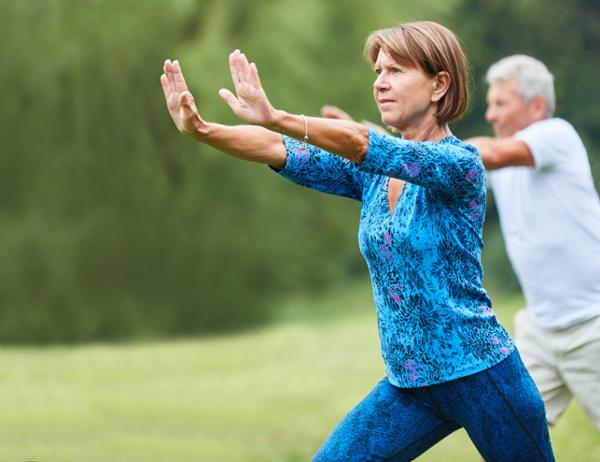
Lifestyle diseases will affect 500 million between 2020-2030 / Photo: Shutterstock/Robert Kneschke

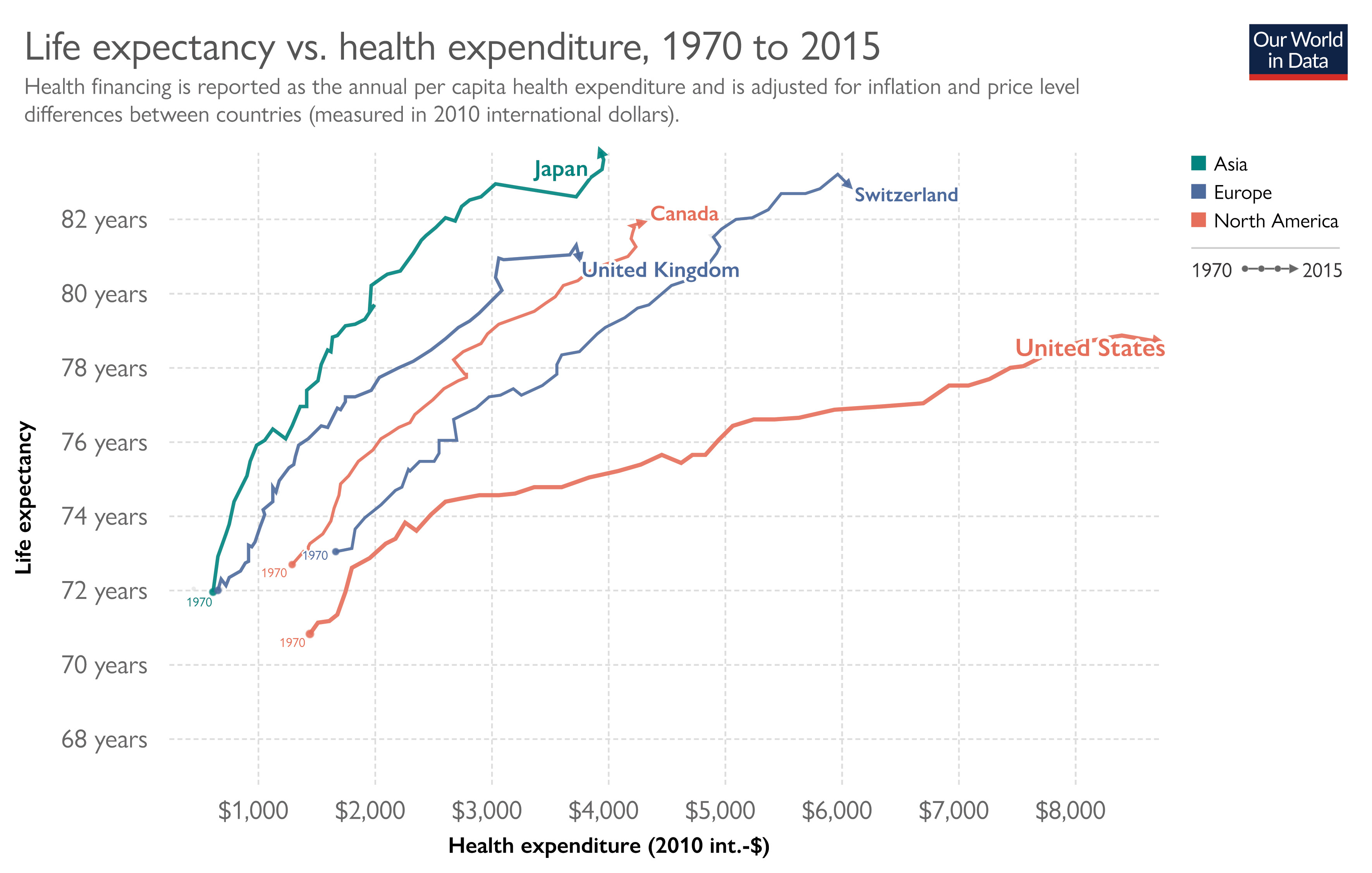
Figures from the World Bank and OECD for 1970 to 2015 (see page 52) show how health expenditure correlated with lifespan, indicating how effectively different nations are taking care of their citizens.

Political systems can present extreme challenges when it comes to delivering health equality, with the US currently lagging behind many other nations in terms of life expectancy at 78 years against Japan’s 84 – for example – as well as having experienced a dip between 2014 and 2018.

The US challenge goes back to the start of the dataset in 1970, with only Switzerland spending more per capita on healthcare (US$1600+) than the US at this time (US$1400+) for a vastly different population size, with Switzerland achieving a greater lifespan of c73 years for this expenditure vs c71 years for the US.

By 1982, the US had pulled clear of the field in terms of expenditure to US$2,500 per capital for a lifespan of 74 years while Spain, UK, Ireland and Portugal were the nations at this time achieving the greatest lifespan for the least health expenditure (72-76 years for US$500 - US$1000).

Life expectancy across the world continued to rise throughout the period, with spending by governments on healthcare also increasing. By 2015, governments were able to buy their citizens an extra 10 years of life by increasing annual health expenditure from US$900 to cUS$4,000 per capita, as this led to an increase in lifespan from c72 years to c82 years.

By 2015, the US had also gained outlier status for all the wrong reasons, as health expenditure had increased to around US$9,000 per person with average age remaining stubbornly at around 78 years against a large cohort of nations that sat in the 82-84 age bracket for far lesser levels of expenditure – average US$3,000. Nations achieving this in 2015 included Japan, France, Canada, Switzerland, Italy, France, Israel, Luxembourg and Norway.

The fitness industry is lobbying for this health expenditure/longevity data to be correlated with activity levels to create an evidence trail to show how lifestyle interventions can help reduce premature death, while also reducing health expenditure.

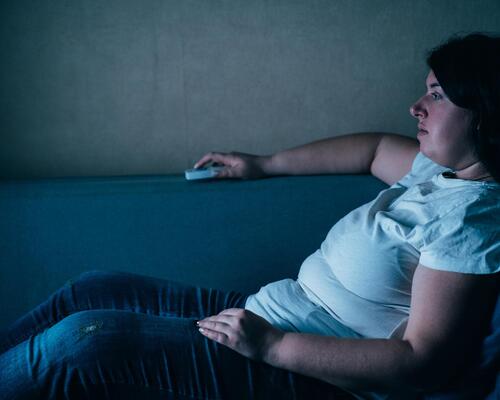
Even though some nations are doing better, the World Health Organization says no country has room for complacency. Its figures show 500 million people developing heart disease, obesity, diabetes or other non-communicable diseases (NCDs) attributable to physical inactivity, between 2020-2030, unless governments are successful in encouraging more physical activity.

People must be mobilised into activity, but how can we convince governments our sector is part of the solution? We ask the experts…

Ophelia Yeung
Senior research fellow, Global Wellness Institute
Ophelia Yeung

More money is spent on healthcare in the US when compared to other wealthy countries, but with vastly inferior outcomes (see interactive table on page 52).

Alarmingly, even before the pandemic, life expectancy in the US was falling, with an increase in ‘deaths of despair’ – a term coined by Nobel economist Angus Deaton and his wife, the economist Anne Case, to describe deaths by suicide, drug overdose and alcoholic liver disease.

One can say these deaths reflect a crisis of wellbeing among a wide segment of Americans.

Volumes have been written about what’s wrong with the US health system and its unsustainable costs to society – from its reliance on the for-profit healthcare market and employment-based coverage, to the focus on acute care versus primary care and prevention and disinvestments in its public health infrastructure.

These factors, combined with runaway drug prices, have made the US unprepared to deal with its ageing population, rising levels of chronic disease and declining mental health.

Unfortunately, the rise in chronic disease and mental health problems is a global phenomenon that goes with stressful modern living. Many live and work at a fast pace while not getting enough natural movement throughout the day. They consume too much processed food, sleep too little and cannot find time and energy to exercise consistently. We spend too little time in nature and too much time on our screens, yet find it harder to make meaningful connections.

If we continue along this path, no matter how much we spend on healthcare, we’re merely fixing what we have broken: our bodies and our minds.

The physical activity sector is uniquely positioned to help reverse this trend – to help us keep our bodies and minds healthy. With government funding and support, physical activity-related companies could expand their offerings to reach a wider target population, including seniors, low-income people, and those with disabilities and health conditions. They could help promote the concept of exercise as medicine – that exercise is integral to treating many chronic conditions – and partner with health professionals to deliver appropriate exercise programmes.

Operators could also help educate governments and increase consumer awareness that exercise not only supports physical health, but also brings mental health benefits, and offers the opportunity to find purpose and community. All of these investments would save public and private health spending over the long term.

If we continue along this path, no matter how much we spend on healthcare, we’re merely fixing what we have broken: our bodies and our minds
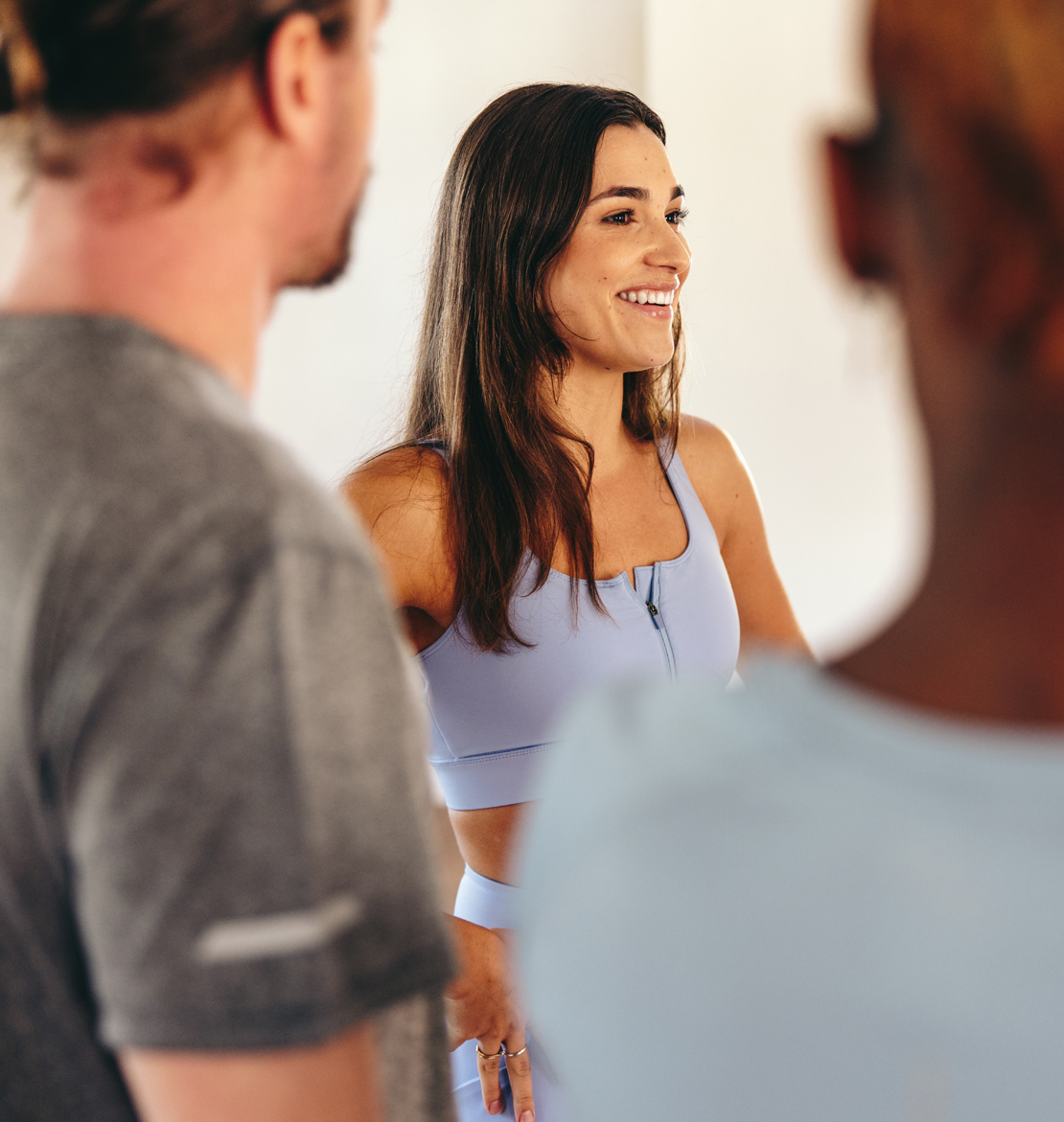
The sector can promote exercise as medicine / Photo: Shutterstock/ Jacob Lund
Dr Gerard Bodeker
Public health academic
Dr Gerard Bodeker / Photo: Tanes Jitsawart

The US spends more per capita on healthcare than other industrialised nations, yet US life expectancy is among the lowest (see table 1).

There are many factors which differentiate the American situation from the other countries it is being compared with.

Nutrition for one. A study published in the Journal of Nutrition in February 2022 examined the amount of energy, sodium, sugar, and saturated fat consumed by American adults as junk food. From two nationally-representative surveys of food intake in 10,000 US adults, junk food provided approximately half or more daily energy and food components in the diet of US adults.

Researchers have found junk foods, with their lack of micronutrients and harmful fats, can reduce neuroplasticity, the process that allows our brains to store our experiences as memories, and can cause obesity, diabetes and heart disease.

Access to healthcare according to ethnicity and race is another issue. As of November 2021, American Indian and Alaska Native, black and Latino people had all suffered from higher rates of hospitalisations and deaths related to COVID-19 compared with white people. The US Centers of Disease Control and Prevention says these inequities largely result from racial and ethnic minority populations’ inequitable access to healthcare.

Gender is also a significant factor in access to healthcare. Across the country, poor women still face significant challenges when it comes to getting the care they need. More than 16 million women lived in poverty in 2016; 21.4 percent of black women, 22.8 percent of Native women, 18.7 percent of Latina women, and 10.7 percent of Asian women.

The poverty rate for families with children headed by women is higher than those headed by men or those headed by married couples. This makes women particularly vulnerable to healthcare costs. To stay financially secure, women routinely forego needed care and may postpone diagnosis of a serious health problem or go without required treatment.

Pollution is another problem. Researchers from Columbia University’s Mailman School of Public Health examined heavy metal contamination of US drinking water and found that areas with higher proportions of Hispanic/Latino and American Indian/Alaskan Native residents were associated with significantly higher arsenic and uranium concentrations.

The December 2022 study also found that greater proportions of Black residents were associated with higher arsenic and uranium in regions where concentrations of these contaminants are high. These unsafe levels can cause health effects such as cancer, cardiovascular and respiratory disease, and affect brain development and kidney function.

Exercise could help. In addition to the well-known benefits of physical activity in reducing the risk of metabolic disorders such as heart disease, cancer, obesity and diabetes, there are well documented benefits to mental health from regular exercise. But, the deep structural issues of racial, gender, nutritional and environmental disadvantage mean that commercial fitness programmes remain largely out of reach for those most in need. Exercise can only be effective in helping to change the direction of the US curves in life expectancy and health expenditures once policies begin reversing embedded structural inequities.

Dr Gerard Bodeker is a public health researcher and academic specialising in lifespan wellness and integrative healthcare
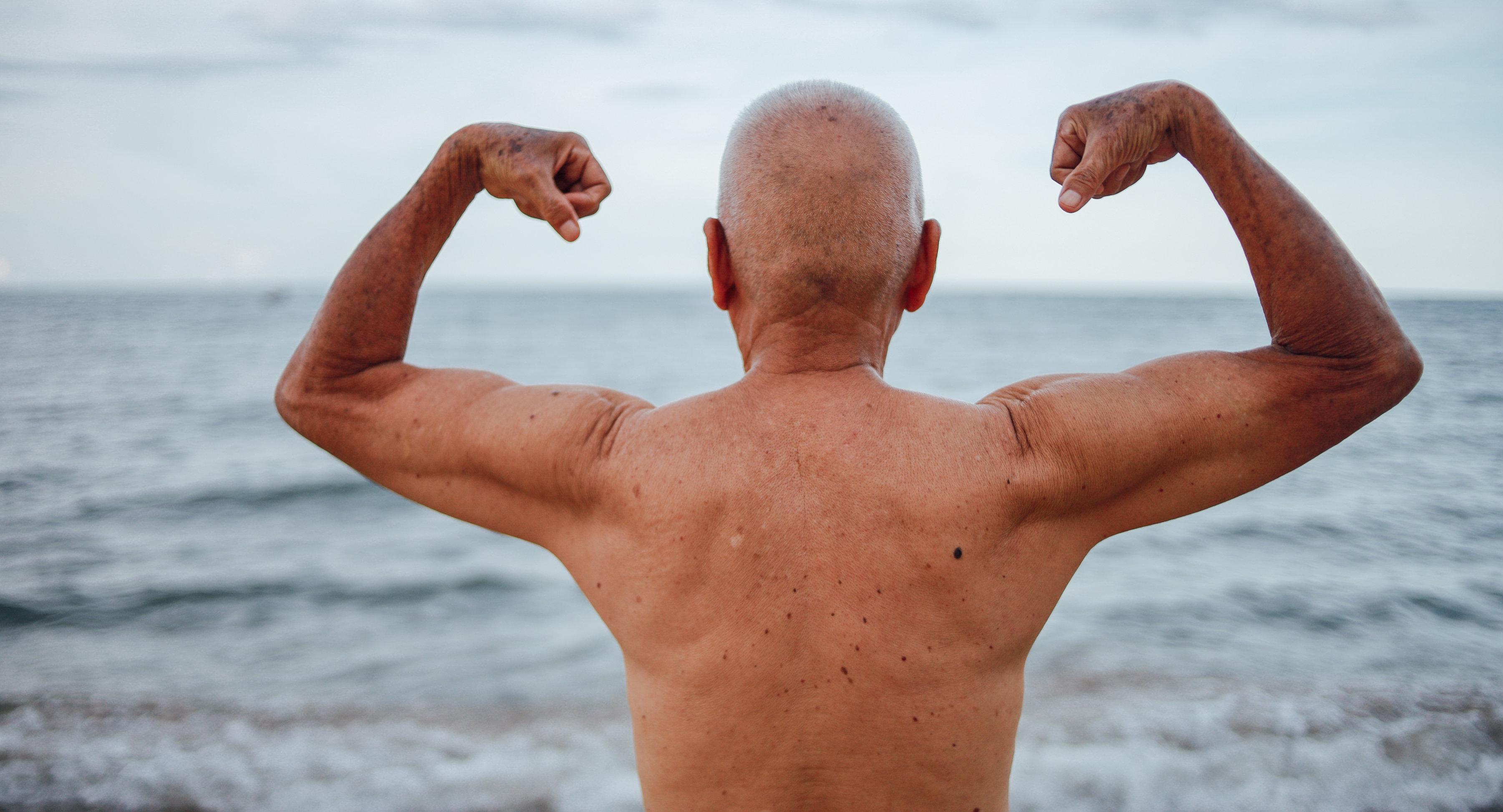

Exercise can only be effective in helping life expectancy and health expenditures once policies begin reversing embedded structural inequities
Japan is a high-functioning nation when it comes to longevity / Photo: Shutterstock/StudioByTheSea
Fiona Bull
Head of Physical Activity Unit, World Health Organization
Fiona Bull / Photo: World Health Organization

When the World Health Organization launched the Global Action Plan on Physical Activity (GAPPA) 2018-2030, governments committed to encourage and support communities to be more physically active. They recognised that regular physical activity and sport is good for hearts, bodies, and minds, and helps to decrease a range of NCDs, which place an enormous economic toll on public health systems. As a result, a global pledge to increase physical activity by 15 per cent by 2030 was part of the commitment to carry out policy recommendations contained in GAPPA.

Five years on, data from 194 countries in The Global status report on physical activity 2022, revealed that while some gains have been made, progress is slow and uneven. Less than 50 per cent of countries have a national physical activity policy, of which less than 40 per cent are operational. Only 30 per cent of countries have national physical activity guidelines for all age groups.

While nearly all countries report a system for monitoring physical activity in adults, 75 per cent of countries monitor physical activity among adolescents and less than 30 per cent monitor physical activity in children under five. In policy areas that could encourage active and sustainable transport, just over 40 per cent of countries have road design standards which make walking and cycling safer.

Only 30 per cent of countries have national physical activity guidelines for all age groups

WHO estimates the total cost of treating the predicted new cases of five NCDs and two mental health conditions due to being inactive, will cost around US$27bn annually. However, the actual cost is likely to be even higher, as this conservative data does not include other key diseases, injuries from falls which could be prevented, or the cost of physical inactivity on economic productivity.

In most countries, policy development and implementation must improve if global targets on activity are to be met. The health and wellness industry plays a critical role in supporting government efforts to increase participation in physical activity, particularly in those who are the least active. By deploying its proven marketing skills, the wellness industry can advocate and communicate the multiple benefits of increased physical activity.

In most countries, policy development and policy implementation must improve if global targets on physical activity are to be met

Supporting the development of digital technologies which continue to promote physical activity beyond the walls of the club will also expand access.

The physical activity and wellness industries are also valuable supporters of national and community activities, such as mass community walks and initiatives like Parkrun. By enhancing and increasing their contribution to organising or sponsoring initiatives, the industry can create more inclusive, accessible opportunities for people to be active in ways they enjoy. Maximising the wellness sector’s investments and support will help connect the public and private sector, reinforce a joined-up approach and amplify the positive benefits of physical activity.

Global policy
WHO recommends five actions to enable policy implementation to promote physical activity

• All relevant government departments recognise their contribution to increasing physical activity and reinforce a joined-up approach

• Ensure physical activity is embedded in all relevant policies: facilitate implementation with simple tools and guidance and strengthen multi-sector training

• Establish national coordination mechanisms to provide direction and oversight of the national agenda on physical activity, including all stakeholders

• Ensure data systems are aligned and provide tracking of policy implementation, as well as participation levels

• Identify and secure sustainable funding and align with needs to ensure sustained national policy commitments

WHO GOALS

WHO and OECD’s report Step Up! Tackling the Burden of Insufficient Physical Activity in Europe recommends that 150 minutes of moderate-intensity exercise each week would prevent 11.5 million new cases of NCDs by 2050, including 3.8m cases of cardiovascular disease, 3.5m cases of depression, almost 1m cases of Type 2 diabetes and 400,000 cases of different cancers.

Germany, Italy and France have the greatest healthcare burden from inactivity.
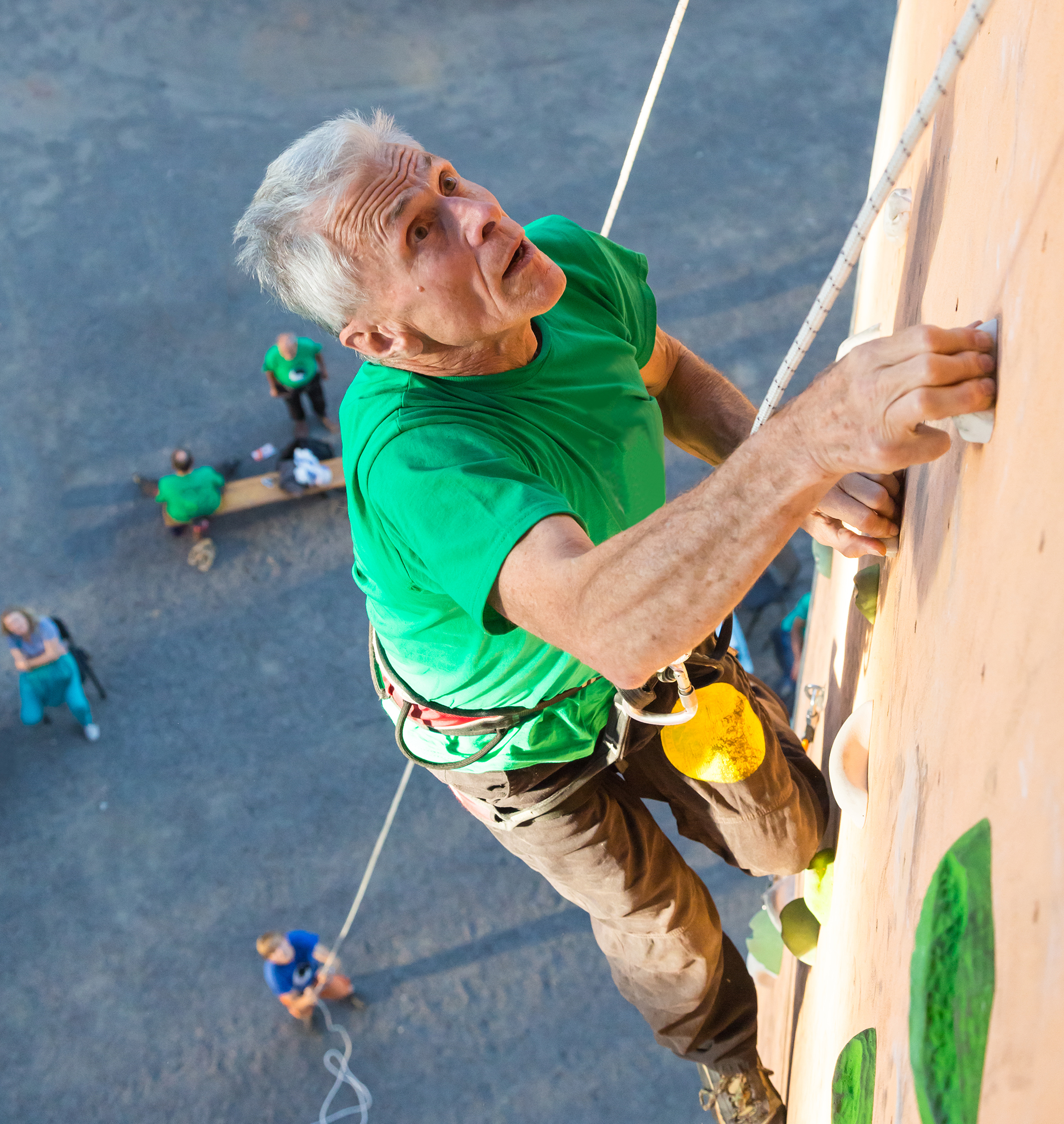
150 minutes of moderate-intensity exercise could prevent 11.5 million new cases of non-communicable diseases by 2050 / Photo: Shutterstock/Alex Brylov
For the full interactive graph go to: HCMmag.com/LEvsHE
Source: Data compiled from multiple sources by World Bank; Health Expenditure and Financing - OECDstat (2017) OurWorldInData.org/the-link-between-life-expectancy-and-health-spending-us-focus
https://www.leisureopportunities.co.uk/images/2023/679451_544186.jpg
As data shows health spend correlates with longevity, experts discuss how this insight is driving new industry priorities
HCM magazine
Strength training is evolving, driven by changing consumer preferences. Julie Cramer talks to innovators about how their products are meeting this demand
HCM magazine
I experienced a blissful feeling of joy I hadn’t felt since I was a kid
HCM magazine
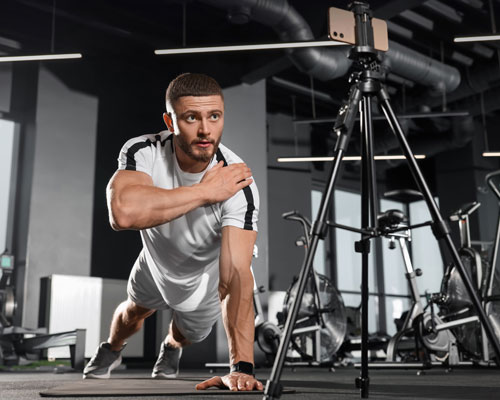
For every member with a tripod and a big following, there are others irritated at the way equipment is being hogged or wary they’ll be in the background on someone’s Insta feed. Do influencers offer valuable, free marketing or are they just a nuisance? Kath Hudson finds out how operators are responding
HCM magazine
Small improvements to sleep, diet and physical activity have major benefits for the heart, according to new research from the University of Sydney
HCM magazine
As the entrepreneur who started Wexer, Fresh Fitness, Fitness DK and Repeat, as well as being a former elite athlete, Rasmus Ingerslev’s life looked perfect from the outside, but onthe inside it was a different story. He talks to Kath Hudson about healing old wounds
HCM promotional features
Sponsored
Third Space partnered with IndigoFitness to deliver a bespoke training space for its new club at The Whiteley
HCM promotional features
Sponsored
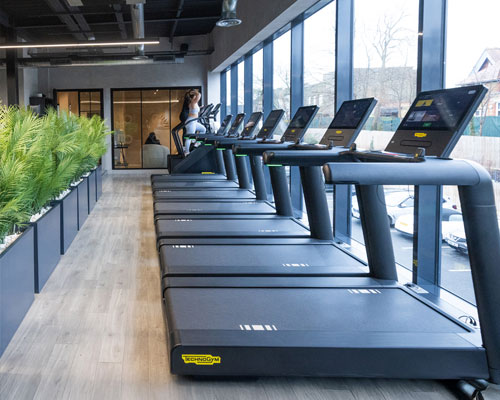
SnowDome Fitness has added 50 per cent more space with cutting-edge Technogym solutions
HCM promotional features
Sponsored
Greg Bradley looks at the shift towards strength training in gyms and advises on how operators can create the ultimate training environment
HCM promotional features
Sponsored
Find out how your gym can tap into the corporate wellness boom
HCM promotional features
Sponsored
David Lloyd is stepping up its commitment to women’s health as it continues to explore what fit-for-purpose looks like for the female population
HCM promotional features
Sponsored
Starpool supports Olympic champion Marcell Jacobs, says Riccardo Turri
HCM promotional features
Sponsored
EGYM has opened a new HQ in Paternoster Square, London and revealed a range of new launches
HCM promotional features
Sponsored
The industry is embracing consumer-facing tech. Now it’s time to streamline back-of-house systems with Orbit4, says Daniel Jones
HCM promotional features
Sponsored
Active IQ is calling for greater accountability in online fitness advice with the launch of a new trustmark
HCM promotional features
Latest News
Australia’s fast-growing fitness network, Viva Leisure, is adding a low-cost gym brand to its already ...
Latest News
Speedflex has launched a strength training programme for 10 to 16-year-olds, to make it safer, ...
Latest News
Tewinbury Farm Hotel in Hertfordshire, UK is expanding its premium leisure proposition with the launch ...
Latest News

Work is underway in Madrid on one of Europe’s most significant multi-functional complexes, ...

Latest News
PureGym is encouraging people to step away from their screens and go for a walk, ...
Latest News
Small improvements to sleep, diet quality, and physical activity, made in combination lead to a ...
Latest News
Therme Manchester’s 28-acre development, which will include interconnected glass pavilions that measure 65,000sq m, will ...
Latest News
The Yard Gym (TYG) is to become Nike Training’s official global training partner in a ...
Opinion
promotion
Strength training has moved from the margins to the mainstream.
Opinion: Building smarter strength spaces for today’s operators
Featured supplier news
Featured supplier news: W3Fit EMEA celebrates its fifth anniversary
Celebrating its milestone 5th anniversary, W3Fit EMEA returns in 2026 with an unmissable gathering of the Health & Fitness industry’s most influential leaders.
Featured supplier news
Featured supplier news: Elevate 2026 to mark 10-year anniversary with biggest ever waterfront drinks reception
Elevate is set to celebrate its 10th anniversary in style this June, with organisers confirming the event’s largest-ever drinks reception as registrations continue to run more than 10% ahead of last year.
Company profiles
Company profile: Total Vibration Solutions Ltd (TVS Group)
TVS Group includes TVS Sports Surfaces, TVS Gym Flooring, TVS Play Surfaces and TVS Acoustics. ...
Company profiles
Company profile: Serco Leisure
Serco Leisure Operating Limited is one of the UK’s leading national operators of leisure centres, ...
Supplier Showcases
Supplier Showcase - From nightclub to health club
Supplier Showcases
Supplier Showcase - Future-proofing
Catalogue Gallery
Click on a catalogue to view it online
Featured press releases
ukactive press release: Are they Fit for Office? UK Active and Technogym throw down the gauntlet to MPs
Hundreds of staff, MPs and Peers from across Westminster have signed up for the Fit for Office parliamentary physical activity challenge, which takes place throughout June and is hosted by ukactive and Technogym.
Featured press releases
Innerva press release: Lex Leisure’s power-assisted exercise suite smashes targets in record time
Crook Log Leisure Centre has more than doubled the membership target for its new power- assisted exercise suite in less than six months.
Directory
Water experiences and hydrotherapy solutions
Aquaform s.r.l.: Water experiences and hydrotherapy solutions
Industrial washing machines
Miele Company Limited: Industrial washing machines
Lockers
Crown Sports Lockers: Lockers
Spa and beauty equipment
Oakworks Inc: Spa and beauty equipment
Hot tubs
MSpa International Ltd: Hot tubs
Fitness tracking platform
SpiviTech: Fitness tracking platform
Property & Tenders
Stratford, East London.
Lee Valley Regional Park Authority
Property & Tenders
Y Felinheli, LL56 4QN
Newmark
Property & Tenders
Diary dates
13-13 Jun 2026
Worldwide, Various,
Diary dates
21-24 Sep 2026
The Langham Huntington Pasadena , Pasadena, United States
Diary dates
06-08 Oct 2026
Messe Stuttgart, Stuttgart, Germany
Diary dates
22-22 Oct 2026
QEII Conference Centre, London,
Diary dates
26-29 Oct 2027
Koelnmesse Exhibition Centre, Cologne, Germany
Diary dates

features

Everyone's talking about: Life expectancy

Data from the World Bank and OECD shows how health spending across the world correlates with longevity. Kath Hudson looks at how this insight is driving new industry priorities

Published in Health Club Management 2023 issue 4
Lifestyle diseases will affect 500 million between 2020-2030 / Photo: Shutterstock/Robert Kneschke

Figures from the World Bank and OECD for 1970 to 2015 (see page 52) show how health expenditure correlated with lifespan, indicating how effectively different nations are taking care of their citizens.

Political systems can present extreme challenges when it comes to delivering health equality, with the US currently lagging behind many other nations in terms of life expectancy at 78 years against Japan’s 84 – for example – as well as having experienced a dip between 2014 and 2018.

The US challenge goes back to the start of the dataset in 1970, with only Switzerland spending more per capita on healthcare (US$1600+) than the US at this time (US$1400+) for a vastly different population size, with Switzerland achieving a greater lifespan of c73 years for this expenditure vs c71 years for the US.

By 1982, the US had pulled clear of the field in terms of expenditure to US$2,500 per capital for a lifespan of 74 years while Spain, UK, Ireland and Portugal were the nations at this time achieving the greatest lifespan for the least health expenditure (72-76 years for US$500 - US$1000).

Life expectancy across the world continued to rise throughout the period, with spending by governments on healthcare also increasing. By 2015, governments were able to buy their citizens an extra 10 years of life by increasing annual health expenditure from US$900 to cUS$4,000 per capita, as this led to an increase in lifespan from c72 years to c82 years.

By 2015, the US had also gained outlier status for all the wrong reasons, as health expenditure had increased to around US$9,000 per person with average age remaining stubbornly at around 78 years against a large cohort of nations that sat in the 82-84 age bracket for far lesser levels of expenditure – average US$3,000. Nations achieving this in 2015 included Japan, France, Canada, Switzerland, Italy, France, Israel, Luxembourg and Norway.

The fitness industry is lobbying for this health expenditure/longevity data to be correlated with activity levels to create an evidence trail to show how lifestyle interventions can help reduce premature death, while also reducing health expenditure.

Even though some nations are doing better, the World Health Organization says no country has room for complacency. Its figures show 500 million people developing heart disease, obesity, diabetes or other non-communicable diseases (NCDs) attributable to physical inactivity, between 2020-2030, unless governments are successful in encouraging more physical activity.

People must be mobilised into activity, but how can we convince governments our sector is part of the solution? We ask the experts…

Ophelia Yeung
Senior research fellow, Global Wellness Institute
Ophelia Yeung

More money is spent on healthcare in the US when compared to other wealthy countries, but with vastly inferior outcomes (see interactive table on page 52).

Alarmingly, even before the pandemic, life expectancy in the US was falling, with an increase in ‘deaths of despair’ – a term coined by Nobel economist Angus Deaton and his wife, the economist Anne Case, to describe deaths by suicide, drug overdose and alcoholic liver disease.

One can say these deaths reflect a crisis of wellbeing among a wide segment of Americans.

Volumes have been written about what’s wrong with the US health system and its unsustainable costs to society – from its reliance on the for-profit healthcare market and employment-based coverage, to the focus on acute care versus primary care and prevention and disinvestments in its public health infrastructure.

These factors, combined with runaway drug prices, have made the US unprepared to deal with its ageing population, rising levels of chronic disease and declining mental health.

Unfortunately, the rise in chronic disease and mental health problems is a global phenomenon that goes with stressful modern living. Many live and work at a fast pace while not getting enough natural movement throughout the day. They consume too much processed food, sleep too little and cannot find time and energy to exercise consistently. We spend too little time in nature and too much time on our screens, yet find it harder to make meaningful connections.

If we continue along this path, no matter how much we spend on healthcare, we’re merely fixing what we have broken: our bodies and our minds.

The physical activity sector is uniquely positioned to help reverse this trend – to help us keep our bodies and minds healthy. With government funding and support, physical activity-related companies could expand their offerings to reach a wider target population, including seniors, low-income people, and those with disabilities and health conditions. They could help promote the concept of exercise as medicine – that exercise is integral to treating many chronic conditions – and partner with health professionals to deliver appropriate exercise programmes.

Operators could also help educate governments and increase consumer awareness that exercise not only supports physical health, but also brings mental health benefits, and offers the opportunity to find purpose and community. All of these investments would save public and private health spending over the long term.

If we continue along this path, no matter how much we spend on healthcare, we’re merely fixing what we have broken: our bodies and our minds
The sector can promote exercise as medicine / Photo: Shutterstock/ Jacob Lund
Dr Gerard Bodeker
Public health academic
Dr Gerard Bodeker / Photo: Tanes Jitsawart

The US spends more per capita on healthcare than other industrialised nations, yet US life expectancy is among the lowest (see table 1).

There are many factors which differentiate the American situation from the other countries it is being compared with.

Nutrition for one. A study published in the Journal of Nutrition in February 2022 examined the amount of energy, sodium, sugar, and saturated fat consumed by American adults as junk food. From two nationally-representative surveys of food intake in 10,000 US adults, junk food provided approximately half or more daily energy and food components in the diet of US adults.

Researchers have found junk foods, with their lack of micronutrients and harmful fats, can reduce neuroplasticity, the process that allows our brains to store our experiences as memories, and can cause obesity, diabetes and heart disease.

Access to healthcare according to ethnicity and race is another issue. As of November 2021, American Indian and Alaska Native, black and Latino people had all suffered from higher rates of hospitalisations and deaths related to COVID-19 compared with white people. The US Centers of Disease Control and Prevention says these inequities largely result from racial and ethnic minority populations’ inequitable access to healthcare.

Gender is also a significant factor in access to healthcare. Across the country, poor women still face significant challenges when it comes to getting the care they need. More than 16 million women lived in poverty in 2016; 21.4 percent of black women, 22.8 percent of Native women, 18.7 percent of Latina women, and 10.7 percent of Asian women.

The poverty rate for families with children headed by women is higher than those headed by men or those headed by married couples. This makes women particularly vulnerable to healthcare costs. To stay financially secure, women routinely forego needed care and may postpone diagnosis of a serious health problem or go without required treatment.

Pollution is another problem. Researchers from Columbia University’s Mailman School of Public Health examined heavy metal contamination of US drinking water and found that areas with higher proportions of Hispanic/Latino and American Indian/Alaskan Native residents were associated with significantly higher arsenic and uranium concentrations.

The December 2022 study also found that greater proportions of Black residents were associated with higher arsenic and uranium in regions where concentrations of these contaminants are high. These unsafe levels can cause health effects such as cancer, cardiovascular and respiratory disease, and affect brain development and kidney function.

Exercise could help. In addition to the well-known benefits of physical activity in reducing the risk of metabolic disorders such as heart disease, cancer, obesity and diabetes, there are well documented benefits to mental health from regular exercise. But, the deep structural issues of racial, gender, nutritional and environmental disadvantage mean that commercial fitness programmes remain largely out of reach for those most in need. Exercise can only be effective in helping to change the direction of the US curves in life expectancy and health expenditures once policies begin reversing embedded structural inequities.

Dr Gerard Bodeker is a public health researcher and academic specialising in lifespan wellness and integrative healthcare

Exercise can only be effective in helping life expectancy and health expenditures once policies begin reversing embedded structural inequities
Japan is a high-functioning nation when it comes to longevity / Photo: Shutterstock/StudioByTheSea
Fiona Bull
Head of Physical Activity Unit, World Health Organization
Fiona Bull / Photo: World Health Organization

When the World Health Organization launched the Global Action Plan on Physical Activity (GAPPA) 2018-2030, governments committed to encourage and support communities to be more physically active. They recognised that regular physical activity and sport is good for hearts, bodies, and minds, and helps to decrease a range of NCDs, which place an enormous economic toll on public health systems. As a result, a global pledge to increase physical activity by 15 per cent by 2030 was part of the commitment to carry out policy recommendations contained in GAPPA.

Five years on, data from 194 countries in The Global status report on physical activity 2022, revealed that while some gains have been made, progress is slow and uneven. Less than 50 per cent of countries have a national physical activity policy, of which less than 40 per cent are operational. Only 30 per cent of countries have national physical activity guidelines for all age groups.

While nearly all countries report a system for monitoring physical activity in adults, 75 per cent of countries monitor physical activity among adolescents and less than 30 per cent monitor physical activity in children under five. In policy areas that could encourage active and sustainable transport, just over 40 per cent of countries have road design standards which make walking and cycling safer.

Only 30 per cent of countries have national physical activity guidelines for all age groups

WHO estimates the total cost of treating the predicted new cases of five NCDs and two mental health conditions due to being inactive, will cost around US$27bn annually. However, the actual cost is likely to be even higher, as this conservative data does not include other key diseases, injuries from falls which could be prevented, or the cost of physical inactivity on economic productivity.

In most countries, policy development and implementation must improve if global targets on activity are to be met. The health and wellness industry plays a critical role in supporting government efforts to increase participation in physical activity, particularly in those who are the least active. By deploying its proven marketing skills, the wellness industry can advocate and communicate the multiple benefits of increased physical activity.

In most countries, policy development and policy implementation must improve if global targets on physical activity are to be met

Supporting the development of digital technologies which continue to promote physical activity beyond the walls of the club will also expand access.

The physical activity and wellness industries are also valuable supporters of national and community activities, such as mass community walks and initiatives like Parkrun. By enhancing and increasing their contribution to organising or sponsoring initiatives, the industry can create more inclusive, accessible opportunities for people to be active in ways they enjoy. Maximising the wellness sector’s investments and support will help connect the public and private sector, reinforce a joined-up approach and amplify the positive benefits of physical activity.

Global policy
WHO recommends five actions to enable policy implementation to promote physical activity

• All relevant government departments recognise their contribution to increasing physical activity and reinforce a joined-up approach

• Ensure physical activity is embedded in all relevant policies: facilitate implementation with simple tools and guidance and strengthen multi-sector training

• Establish national coordination mechanisms to provide direction and oversight of the national agenda on physical activity, including all stakeholders

• Ensure data systems are aligned and provide tracking of policy implementation, as well as participation levels

• Identify and secure sustainable funding and align with needs to ensure sustained national policy commitments

WHO GOALS

WHO and OECD’s report Step Up! Tackling the Burden of Insufficient Physical Activity in Europe recommends that 150 minutes of moderate-intensity exercise each week would prevent 11.5 million new cases of NCDs by 2050, including 3.8m cases of cardiovascular disease, 3.5m cases of depression, almost 1m cases of Type 2 diabetes and 400,000 cases of different cancers.

Germany, Italy and France have the greatest healthcare burden from inactivity.
150 minutes of moderate-intensity exercise could prevent 11.5 million new cases of non-communicable diseases by 2050 / Photo: Shutterstock/Alex Brylov
For the full interactive graph go to: HCMmag.com/LEvsHE
Source: Data compiled from multiple sources by World Bank; Health Expenditure and Financing - OECDstat (2017) OurWorldInData.org/the-link-between-life-expectancy-and-health-spending-us-focus
https://www.leisureopportunities.co.uk/images/2023/679451_544186.jpg
As data shows health spend correlates with longevity, experts discuss how this insight is driving new industry priorities
Latest News
Australia’s fast-growing fitness network, Viva Leisure, is adding a low-cost gym brand to its already ...
Latest News
Speedflex has launched a strength training programme for 10 to 16-year-olds, to make it safer, ...
Latest News
Tewinbury Farm Hotel in Hertfordshire, UK is expanding its premium leisure proposition with the launch ...
Latest News

Work is underway in Madrid on one of Europe’s most significant multi-functional complexes, ...

Latest News
PureGym is encouraging people to step away from their screens and go for a walk, ...
Latest News
Small improvements to sleep, diet quality, and physical activity, made in combination lead to a ...
Latest News
Therme Manchester’s 28-acre development, which will include interconnected glass pavilions that measure 65,000sq m, will ...
Latest News
The Yard Gym (TYG) is to become Nike Training’s official global training partner in a ...
Latest News
Everlast Gyms' York site has reopened following a refurbishment to bring it up to the ...
Latest News
Luxury hospitality and wellness pioneer Jeremy McCarthy has launched Leisure Alchemy, a digital platform that ...
Latest News
A contrast therapy and breathwork facility called Reset has opened in Islington, London, in the ...
Opinion
promotion
Strength training has moved from the margins to the mainstream.
Opinion: Building smarter strength spaces for today’s operators
Featured supplier news
Featured supplier news: W3Fit EMEA celebrates its fifth anniversary
Celebrating its milestone 5th anniversary, W3Fit EMEA returns in 2026 with an unmissable gathering of the Health & Fitness industry’s most influential leaders.
Featured supplier news
Featured supplier news: Elevate 2026 to mark 10-year anniversary with biggest ever waterfront drinks reception
Elevate is set to celebrate its 10th anniversary in style this June, with organisers confirming the event’s largest-ever drinks reception as registrations continue to run more than 10% ahead of last year.
Company profiles
Company profile: Total Vibration Solutions Ltd (TVS Group)
TVS Group includes TVS Sports Surfaces, TVS Gym Flooring, TVS Play Surfaces and TVS Acoustics. ...
Company profiles
Company profile: Serco Leisure
Serco Leisure Operating Limited is one of the UK’s leading national operators of leisure centres, ...
Supplier Showcases
Supplier Showcase - From nightclub to health club
Supplier Showcases
Supplier Showcase - Future-proofing
Catalogue Gallery
Click on a catalogue to view it online
Featured press releases
ukactive press release: Are they Fit for Office? UK Active and Technogym throw down the gauntlet to MPs
Hundreds of staff, MPs and Peers from across Westminster have signed up for the Fit for Office parliamentary physical activity challenge, which takes place throughout June and is hosted by ukactive and Technogym.
Featured press releases
Innerva press release: Lex Leisure’s power-assisted exercise suite smashes targets in record time
Crook Log Leisure Centre has more than doubled the membership target for its new power- assisted exercise suite in less than six months.
Directory
Water experiences and hydrotherapy solutions
Aquaform s.r.l.: Water experiences and hydrotherapy solutions
Industrial washing machines
Miele Company Limited: Industrial washing machines
Lockers
Crown Sports Lockers: Lockers
Spa and beauty equipment
Oakworks Inc: Spa and beauty equipment
Hot tubs
MSpa International Ltd: Hot tubs
Fitness tracking platform
SpiviTech: Fitness tracking platform
Property & Tenders
Stratford, East London.
Lee Valley Regional Park Authority
Property & Tenders
Y Felinheli, LL56 4QN
Newmark
Property & Tenders
Diary dates
13-13 Jun 2026
Worldwide, Various,
Diary dates
21-24 Sep 2026
The Langham Huntington Pasadena , Pasadena, United States
Diary dates
06-08 Oct 2026
Messe Stuttgart, Stuttgart, Germany
Diary dates
22-22 Oct 2026
QEII Conference Centre, London,
Diary dates
26-29 Oct 2027
Koelnmesse Exhibition Centre, Cologne, Germany
Diary dates
Search news, features & products:
Find a supplier:
We Work Well Events
We Work Well Events
Partner sites