











GET HCM
magazine
Sign up for the FREE digital edition of HCM magazine and also get the HCM ezine and breaking news email alerts.
Not right now, thanksclose this window I've already subscribed!
Elevate Arena
Elevate Arena
Elevate Arena
Follow Health Club Management on Twitter Like Health Club Management on Facebook Join the discussion with Health Club Management on LinkedIn
FITNESS, HEALTH, WELLNESS

features

Everyone's talking about: Disability

Research shows people with disabilities and long term conditions are much less active, yet there’s a desire among these populations to be more active. What are the barriers and how can operators remove them? Kath Hudson reports
Published in Health Club Management 2022 issue 2
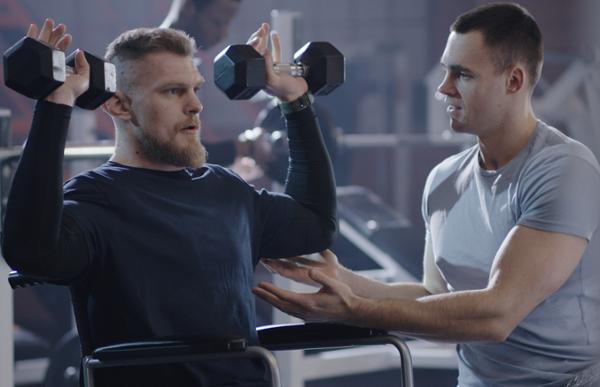
Operators should audit how inclusive their facilities are / Shutterstock / Frame Stock Footage

According to a 2014 report, adults with disabilities were much more likely to be limited in participating in leisure activities (27.9 per cent) compared to non-disabled (2.8 per cent). However, according to the Activity Alliance, 70 per cent want to be more active but face physical, logistical and psychological barriers.

According to NHS England figures, 43 per cent of the UK population has a long-term health condition, making them more likely to be inactive. As the fitness sector aspires to work more closely with the healthcare sector, to relieve the strain on the NHS and bring the benefits of physical activity to a wider audience, it’s important that operators audit how inclusive their facilities are, both in terms of accessibility and culture.

This is not a niche population: around 15 per cent of the global population lives with some form of disability. It’s a sobering thought that any of us could have a life-changing injury in the blink of an eye.

This is an important issue, so where to start? We ask the experts...
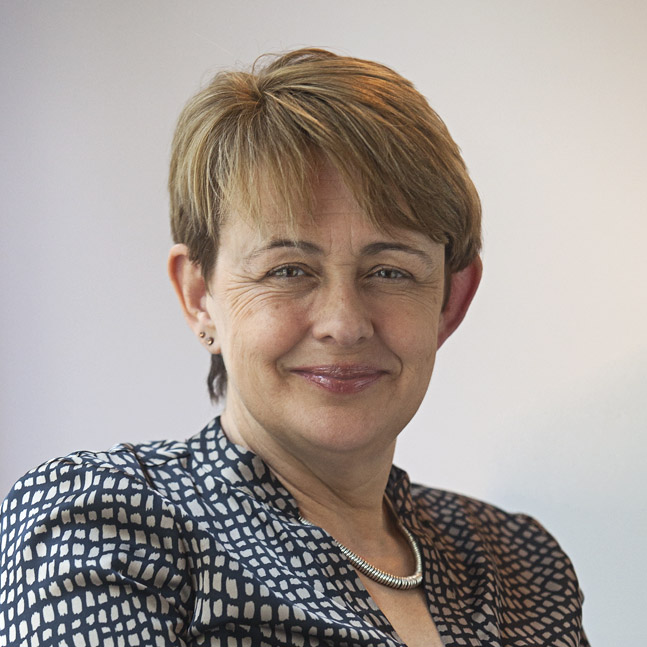
Tanni Grey-Thompson
UK Active
photo: Tanni Grey–Thompson

The physical activity sector has an essential role in narrowing the disparities and inequalities faced by disabled people today, many of which have been exacerbated by the COVID-19 pandemic. UK Active’s vision is to develop a sector that is freely accessed and utilised by all, enabling everyone to be active and participate in whatever capacity they wish.

We must recognise this moment as an unmissable opportunity to do more for disabled people, as part of our shared ambition for growth.

There are those people who simply enjoy their visits to their local leisure centre or gym, but there are also those who rely on our sector’s services to learn crucial life skills, to socialise with those around them, to increase their connections with their community, and to improve their physical and mental health. Consider those who are learning to swim, who need to practice functional fitness, or who are using exercise as part of rehabilitation or to ease the effects of an impairment – physical activity is an indispensable part of their lives.

Everyone Can is an ongoing agenda from UK Active, supported by Sport England, to set a collaborative tone for inclusivity and accessibility across the sector. As the sector’s trade body, we’re uniquely placed to deliver on this, drawing on our partnerships to raise awareness; to grow our relationship with the disability sector for true collaboration, and to convene operators and suppliers to share learnings and evidence.

As part of these ambitions, we’ve undertaken a sector-wide consultation to examine the physical activity landscape for disabled people, with a focus on our sector’s services. We began 2022 with a series of roundtables bringing our members together with organisations from the disability sector to progress this conversation.

Over the coming year we will deliver insights specific to fitness and leisure, including the needs and motivations of disabled people and the recommended solutions for the sector to implement. Our findings to date show that the sector must enhance levels of customer service and engage better with disabled people, such as providing more information to consumers and communicating that facilities are open to all.

The importance of gathering and reporting usage levels and behaviours among disabled people is another strong theme.

Our sector wants to continue improving the standards for disabled people in every community, and this collaborative approach will be fundamental for success.
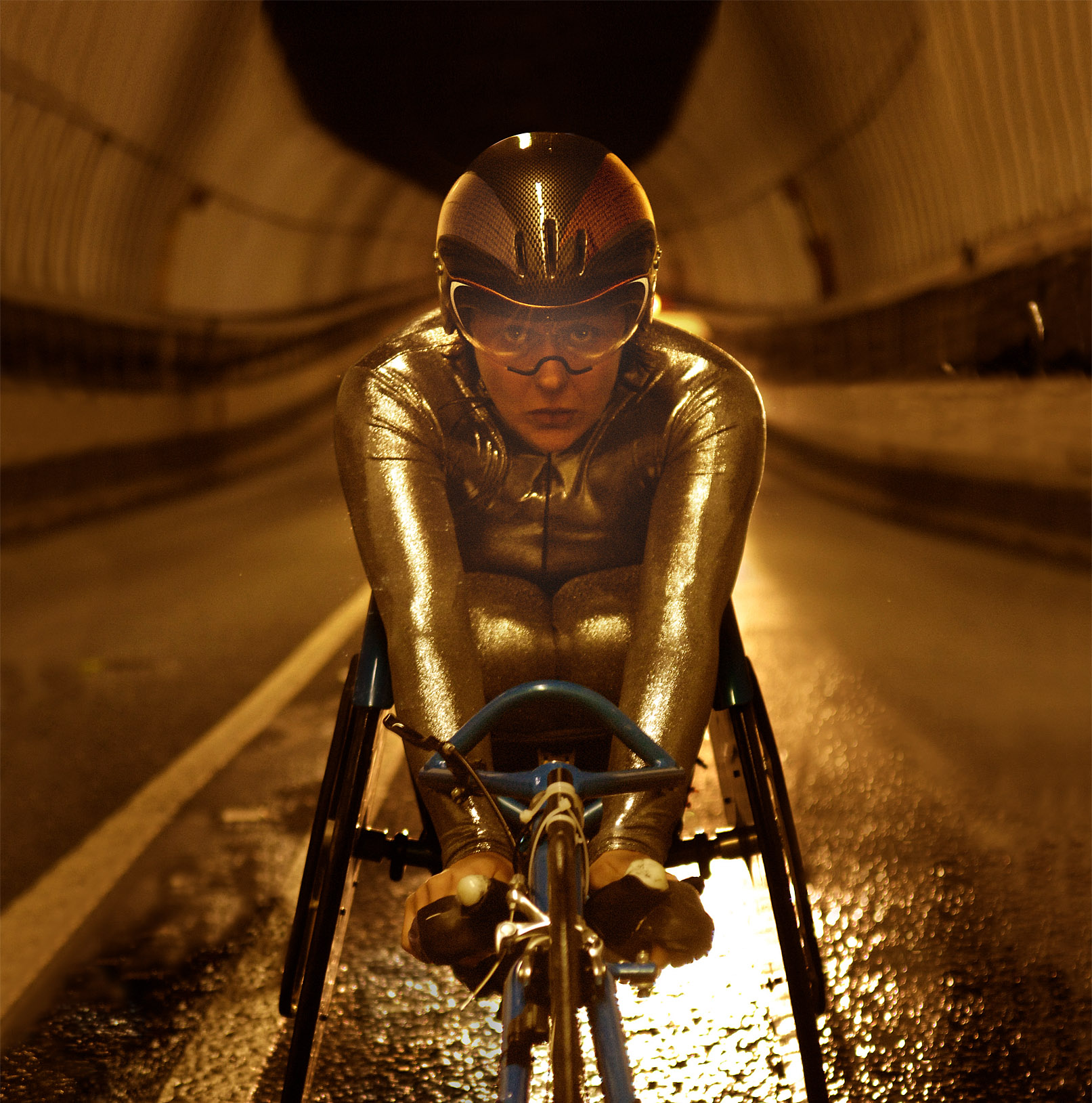
We must recognise this moment as an unmissable opportunity to do more for disabled people
photo: Tanni Grey–Thompson
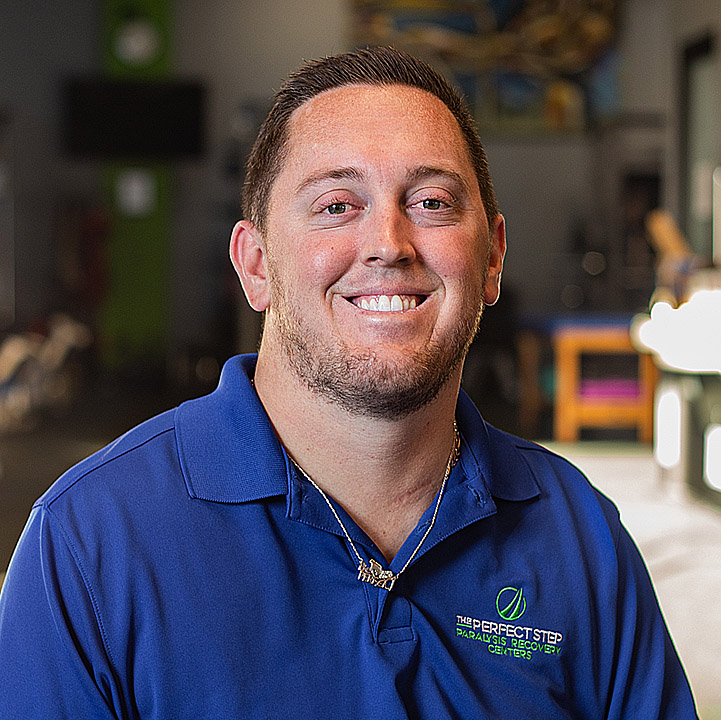
Hal Hargrave
The Perfect Step
photo: The Perfect Step

It has never been more important to acknowledge diversity and inclusion. A lot of operators talk about how their facility is diverse and inclusive, but often they’ve stopped far short of making their club welcoming to all populations. An inclusive club is more than just following ADA protocols, by doing things such as having push buttons on doors, wide doorways and accessible bathrooms. Creating a place that is welcoming to all has to involve programming, layout, staff training, key initiatives, values and the culture of your club. In short, everything has to be evaluated.

Constructing your gym so there’s appropriate space in between the equipment for people with mobility challenges to transfer in and out of their wheelchairs is a great start. As is getting adapted equipment in to fill up unused spaces and training staff so they’re able to adequately assist those who are in need from a wide range of disabilities, from physical to mental.

The culture you create is important too. If diversity and inclusion are important to your club, you need to put this into the mindset of your members, so they can buy into this narrative as well. When the Claremont Club in California changed its culture by launching a paralysis recovery centre called The Perfect Step, non-disabled members embraced the change, proving that investing in inclusivity doesn’t have to be bad for the bottom line.

In the year after The Perfect Step was launched, member attrition across the entire membership decreased by 8 per cent and staff churn went from 12.5 per cent to 8 per cent. The club estimated it recouped US$500,000 in membership payments and US$500,000 of secondary spend and other revenue in the following year.

A survey of members said they enjoyed the unique sense of cultural values the club had created and liked to raise their families in that environment. Staff said their work felt more meaningful.

The pandemic has taught us all that there needs to be serious consideration given to bridge the gap between medical and fitness and that population health needs to be prioritised.
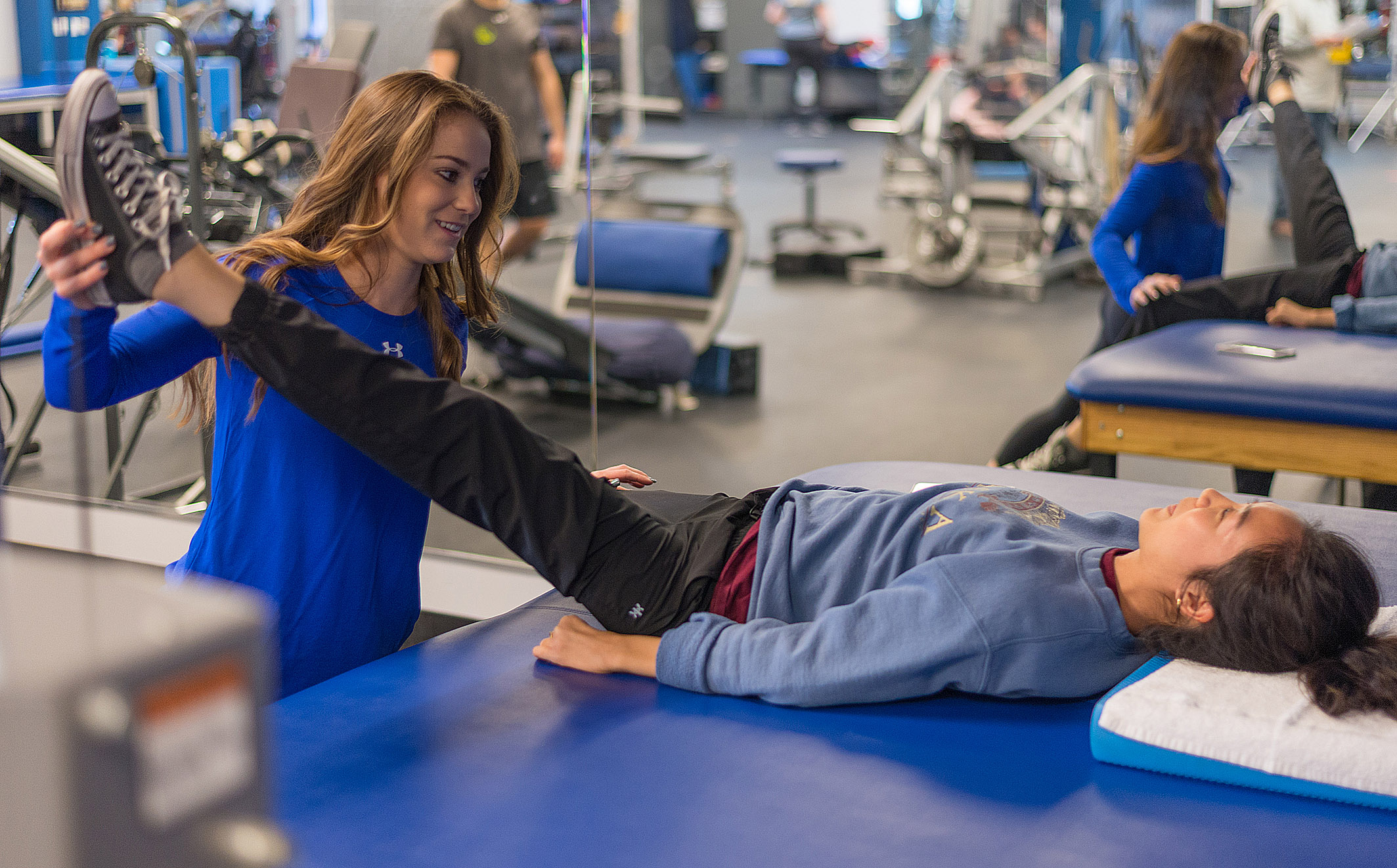
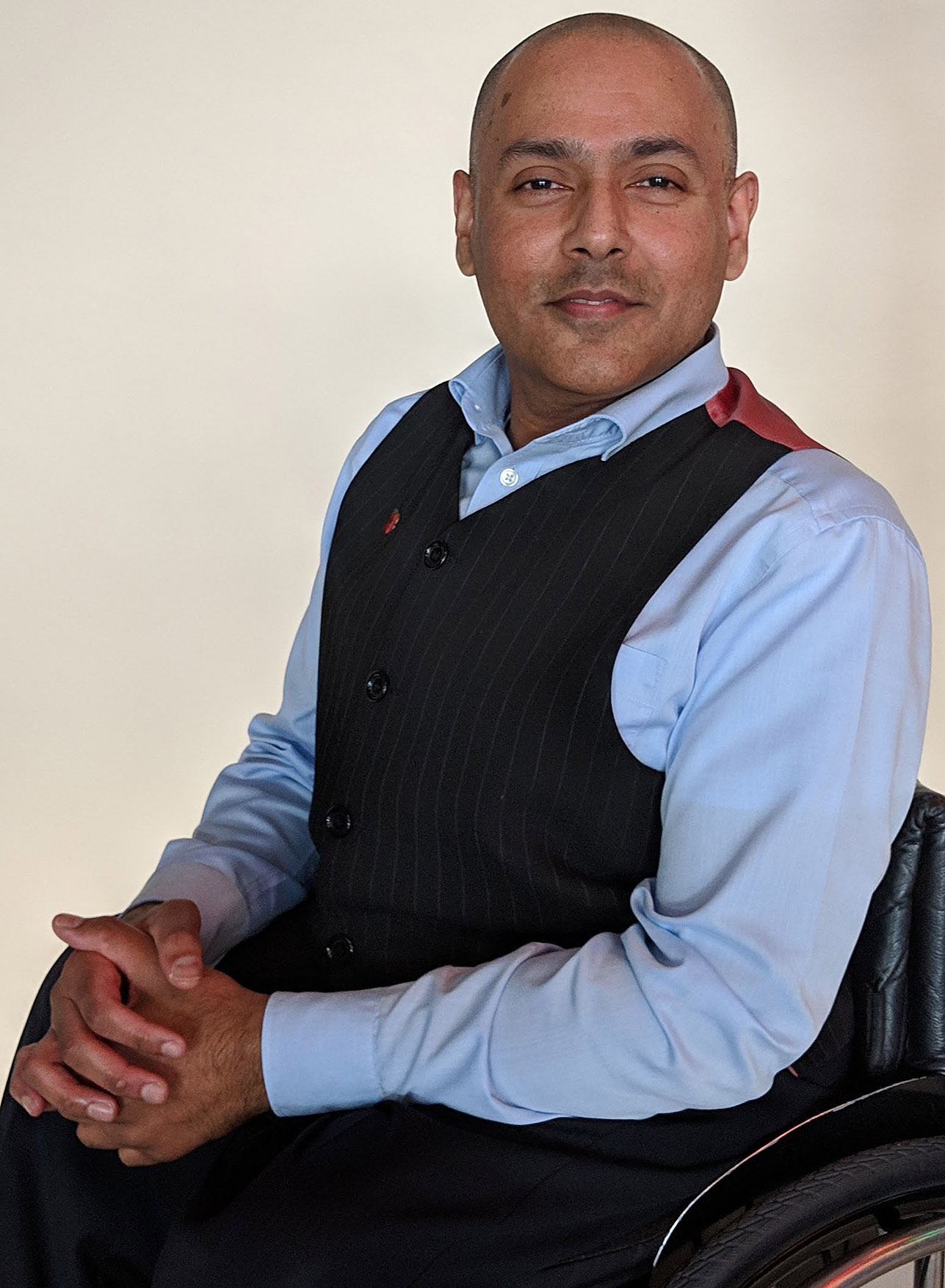
When the Claremont Club in California changed its culture by launching a paralysis recovery centre, non-disabled members embraced the change
The Claremont Club’s paralysis recovery centre improved its culture / photo: David Wahlman / The Perfect Step
Kamran Mallick
Disability Rights UK
Malik says gym staff lack confidence to deal with disability / photo: Disability Rights UK

Disabled people want to be active, take part in society and work out in gyms, but face many barriers: mainly economic, physical – and people’s attitudes. One of the biggest barriers is the income gap between disabled and non-disabled people. That said, the purple pound is worth approximately £249bn in the UK alone, and the fitness industry should be fighting for a share.

The second major barrier is the lack of access. Only 67 of Britain’s almost 7,500 gyms are accredited by the Activity Alliance’s Inclusive Fitness Initiative: less than 1 per cent of all gyms. Many have accessible entrances, but have not given any thought to how disabled people will use the equipment. Many wheelchair users need gym equipment that allows them to stay in their wheelchairs. Some blind people need voice-activated equipment. People with learning disabilities may need extra time with a coach so they can learn how to use the kit.

Negative attitudes are also a big barrier. Gyms can be intimidating, but they become really offputting if you add negative attitudes towards disability. We hear from our community that negative attitudes towards their impairment or being treated like a burden or afterthought can dishearten even the most confident person.

Many gym staff lack confidence in how to support a disabled person to use a particular machine or adapt physical activity. However, there is training available, which should become a core skill for at least some of the staff working on any shift.

In the end, the industry must stop treating disabled people as an afterthought. Engage with this population, ensure your workforce is as diverse as the community you serve and always design inclusively. Do this and you have the potential to take a slice of the purple pound and show disabled people you mean business.
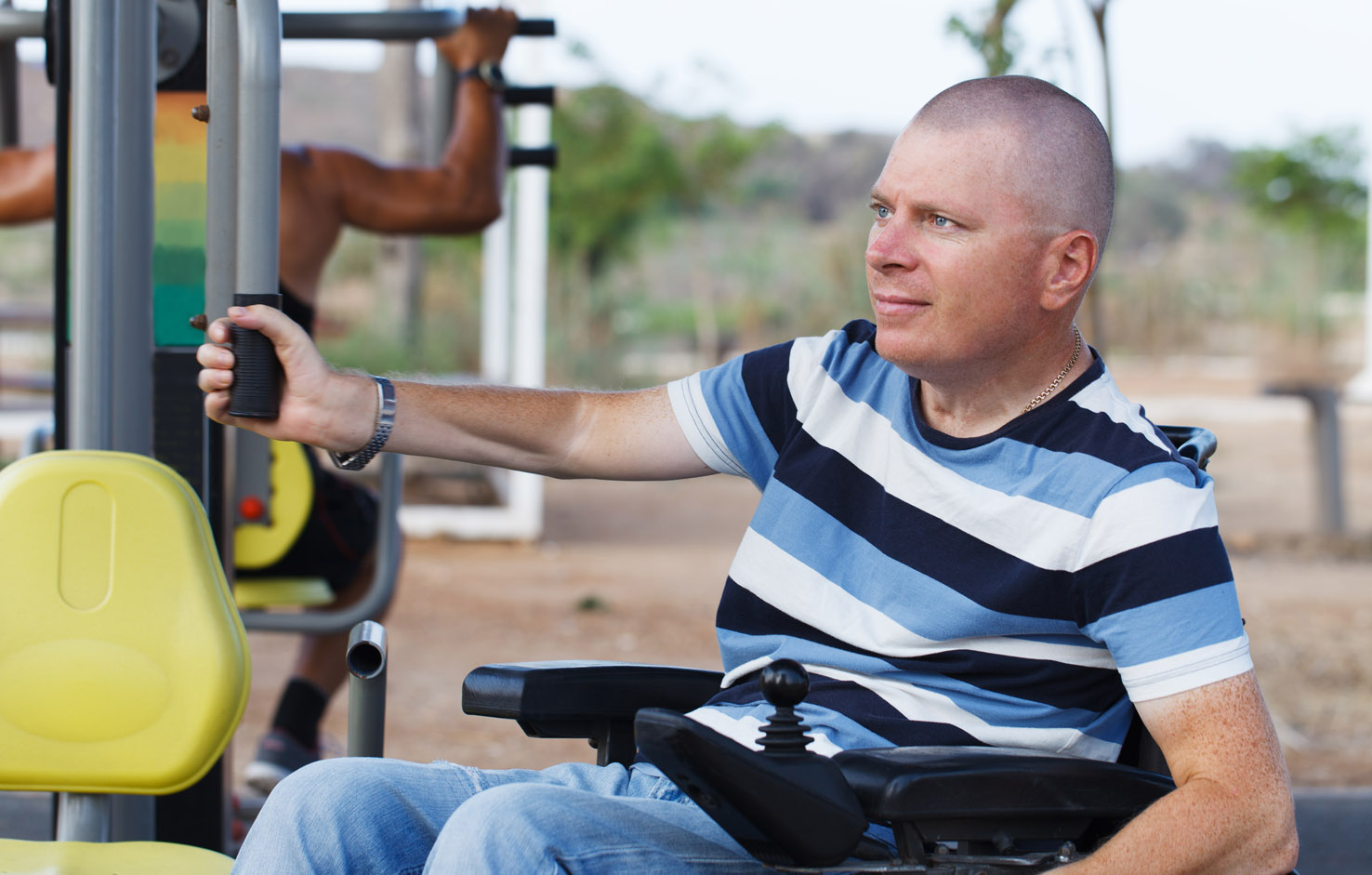
The purple pound is worth approximately £249bn in the UK alone, and the fitness industry should be fighting for a share
Wheelchiar users need easier access to gym equipment / photo: realpeopleFrame Stock Footage
Casey Newton
CG Yoga and Nutrition
Photo: CG YOGA AND NURTRITION

As a newly-disabled person, following a mountain bike accident, the gym environment is even more anxiety-inducing than it was previously. There are barriers for me at my mainstream gym, mainly around space and equipment.

As I’m unable to transfer onto the usual gym seats, the equipment I’m able to use from my wheelchair is very limited. It would be helpful if seats on gym equipment were removable, or even fold up, so wheelchair users could use the machines from their chair. Some adapted gym equipment would be even better.

At my gym, the only piece of equipment I can use is a handbike with a removable seat. As I can’t remove the seat by myself, I can’t use it independently. The same with the pulley machine – I can use it, but not on my own if the pulleys are left high.

Gym staff who are happy to assist me would make me feel more confident about going to the gym, as at the moment I don’t feel I can go alone. It would be great if there were inductions and programmes for people with disabilities, to demonstrate alternative ways to use the equipment.

Layout is another tricky issue. Wider spaces would help, as there is very limited space to manoeuvre my wheelchair between equipment. My gym has limited mat space and if this is already taken, I’m not able to access the weights. It would be great to have dedicated floor space for wheelchairs, with easy access to the weight rack. I really enjoy the gym and with just a few changes it could become an accessible space for all.
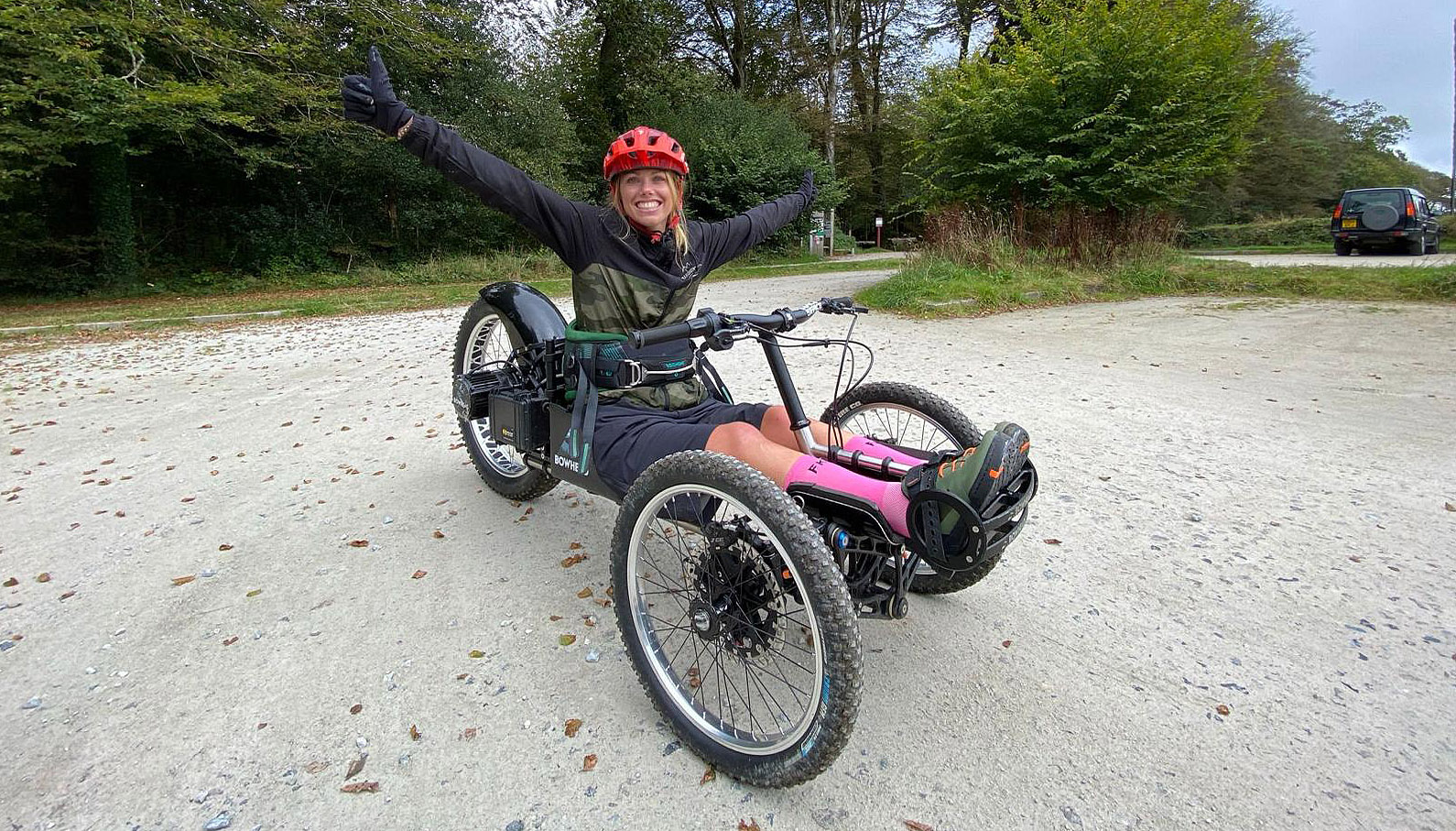

I really enjoy the gym and with just a few changes it could become an accessible space for all
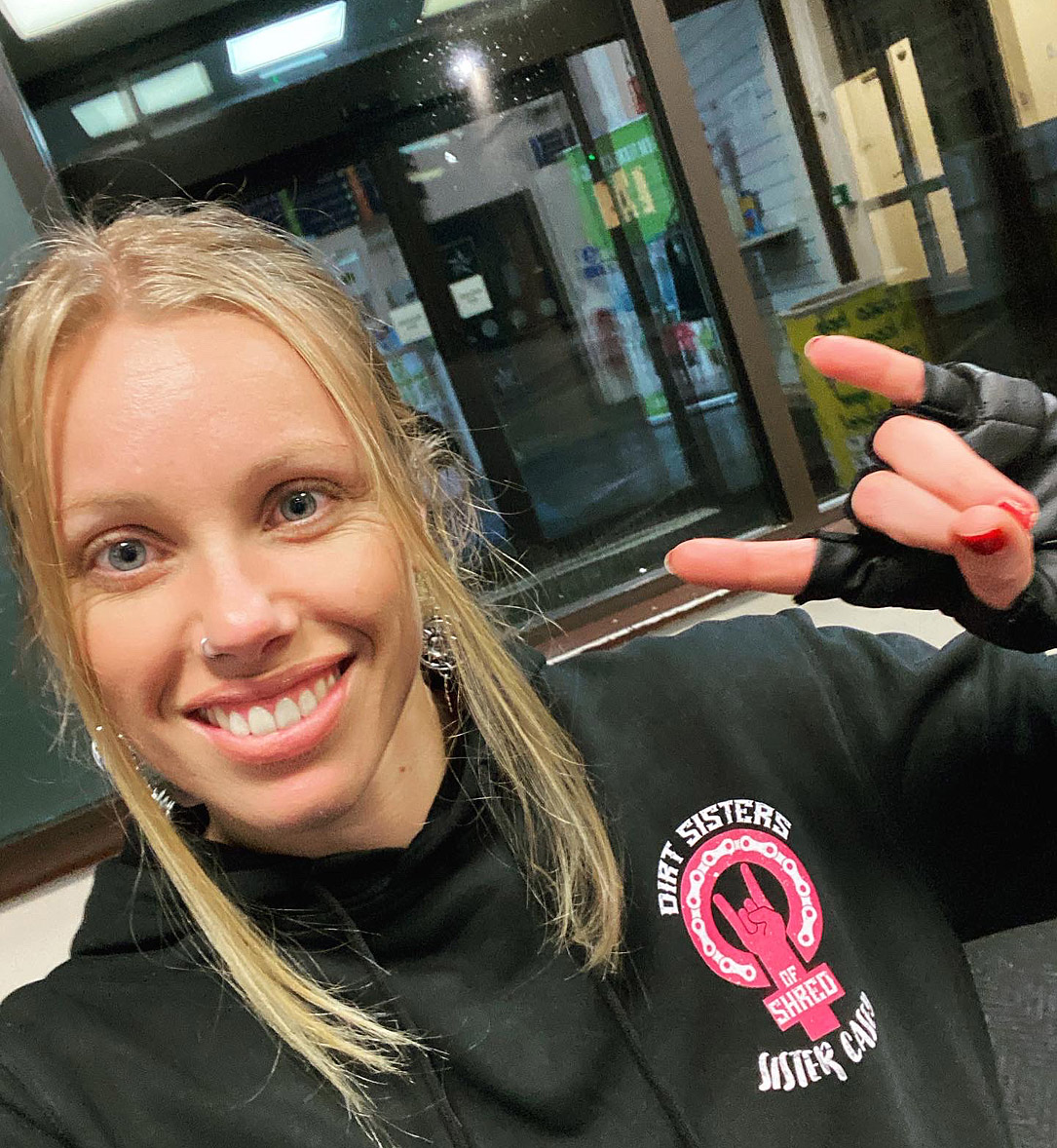
Newly-disabled Casey Newton faces too many barriers at her local gym / photo: CG YOGA AND NURTRITION
Michelle Roberts
We are Undefeatable
Roberts says self-consciousness can be a major barrier / photo: WE ARE UNDEFEATABLE

There are a number of reasons why people with disabilities or long term conditions may not feel comfortable in a gym environment. Foremost are condition or symptom-specific barriers, such as fear of increasing pain or fatigue or making a condition worse.

Self-consciousness is also a significant barrier, compounded by the industry’s messaging and imagery, which is often still geared towards communicating sport and exercise using people dressed in sportswear, who look fit. This turns off people who don’t perceive themselves as ‘sporty’ or relate to this ideal.

Barriers may also include difficulty in navigating around a facility or knowing how to use the equipment. Others say they worry about people’s reactions, for example, staff not understanding their conditions, symptoms or difficulties, or a lack of confidence in finding the right activities for them.

Operators need to be aware that one size does not fit all. A person-centred approach is essential. While exercise professionals may assume they need to be an expert in many conditions and impairments to be able to support this audience, it can simply be about asking the right questions and listening to the person, so that they can become more informed and have a better understanding of the person’s wishes and needs.

There is a clear aspiration among people with health conditions to do more physical activity. Research conducted by DJS Research as part of the We Are Undefeatable campaign found 69 per cent of people living with long term health conditions would like to be more active.
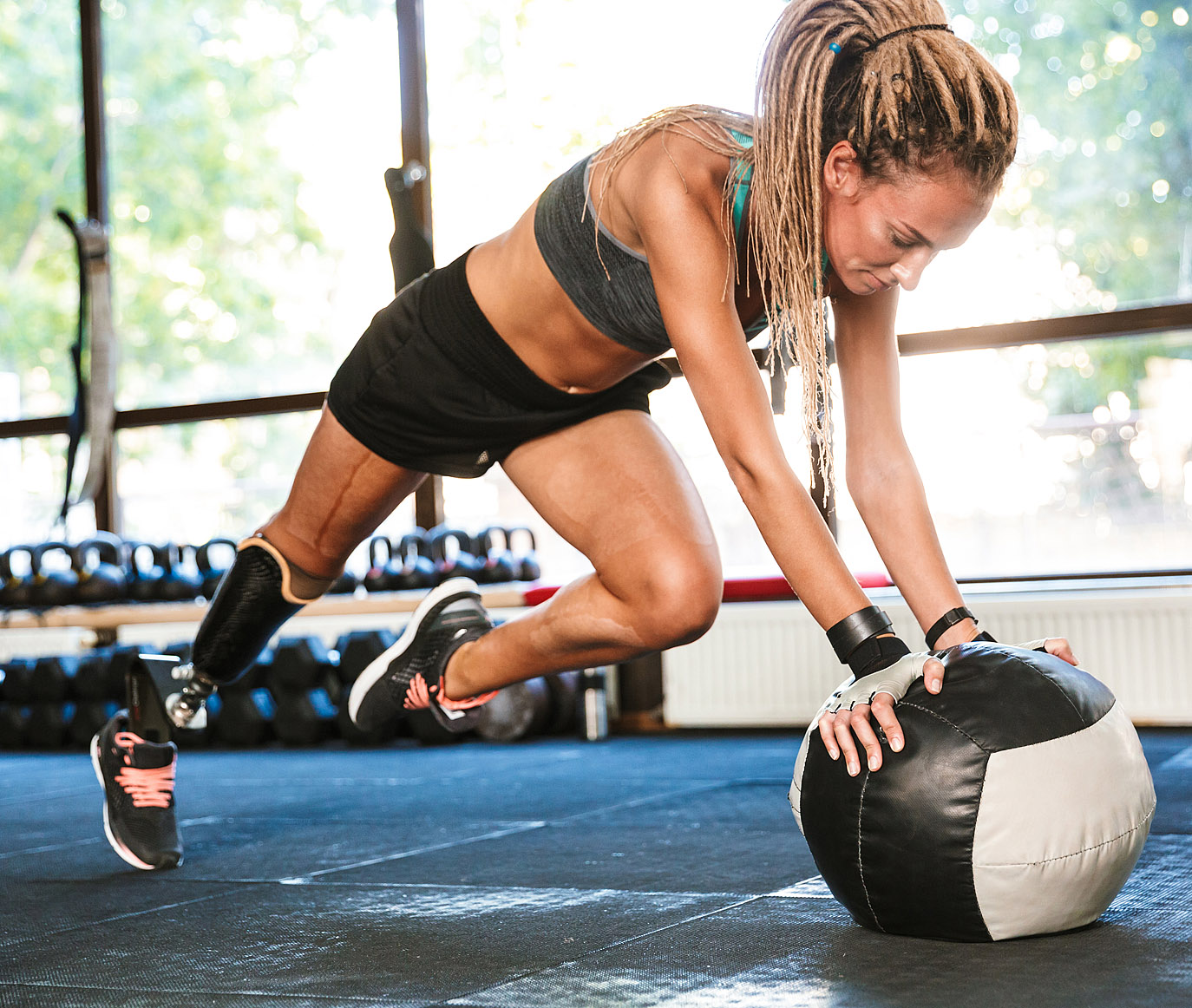
Research found 69 per cent of people living with long-term health conditions would like to be more active
A person-centred focus is needed to approach disability / photo: Shutterstock/Dean Drobot
Making it happen
Our experts give tips on how to create an inclusive strategy

■ For most people, even those with long term conditions, physical activity is safe. The World Health Organization indicates in its 2020 Physical Activity Guidelines that routine pre-screening of people with medical conditions is generally unnecessary (www.hcmmag.com/WHOPAG).

■ Understand the audience better: The Activity Alliance (www.activityalliance.org.uk) and We are Undefeatable (www.weareundefeatable.co.uk)) offer valuable resources.

■ Disabled people are the experts – consult with them and even employ them.

■ Identify local organisations and groups to work with, such as the local branch of the Disabled People’s Organisation, which are sometimes known as a Centre for Independent Living (www.hcmmag.com/DPO).

■ Improve communications and connections and enhance inclusivity of messages, using language such as ‘movement’ and ‘activity’ rather than ‘exercise’ or ‘fitness’.

■ Upskill your workforce, ensuring staff understand the audience. Resources such as UK Coaching’s guide can be useful (www.ukcoaching.org).

■ Improve accessibility, ensuring that wheelchair access is enabled wherever possible. The Dementia Friendly Sport and Physical Activity Guide from the Alzheimer’s Society (www.HCMmag.com/DFSPAG) takes a very broad view of accessibility, so is a great place for operators to start.

■ Focus on supporting people to overcome barriers and understand what matters to them, and how being more active can really help them. For example, the possibility of increased mobility, independence, and better quality of life.
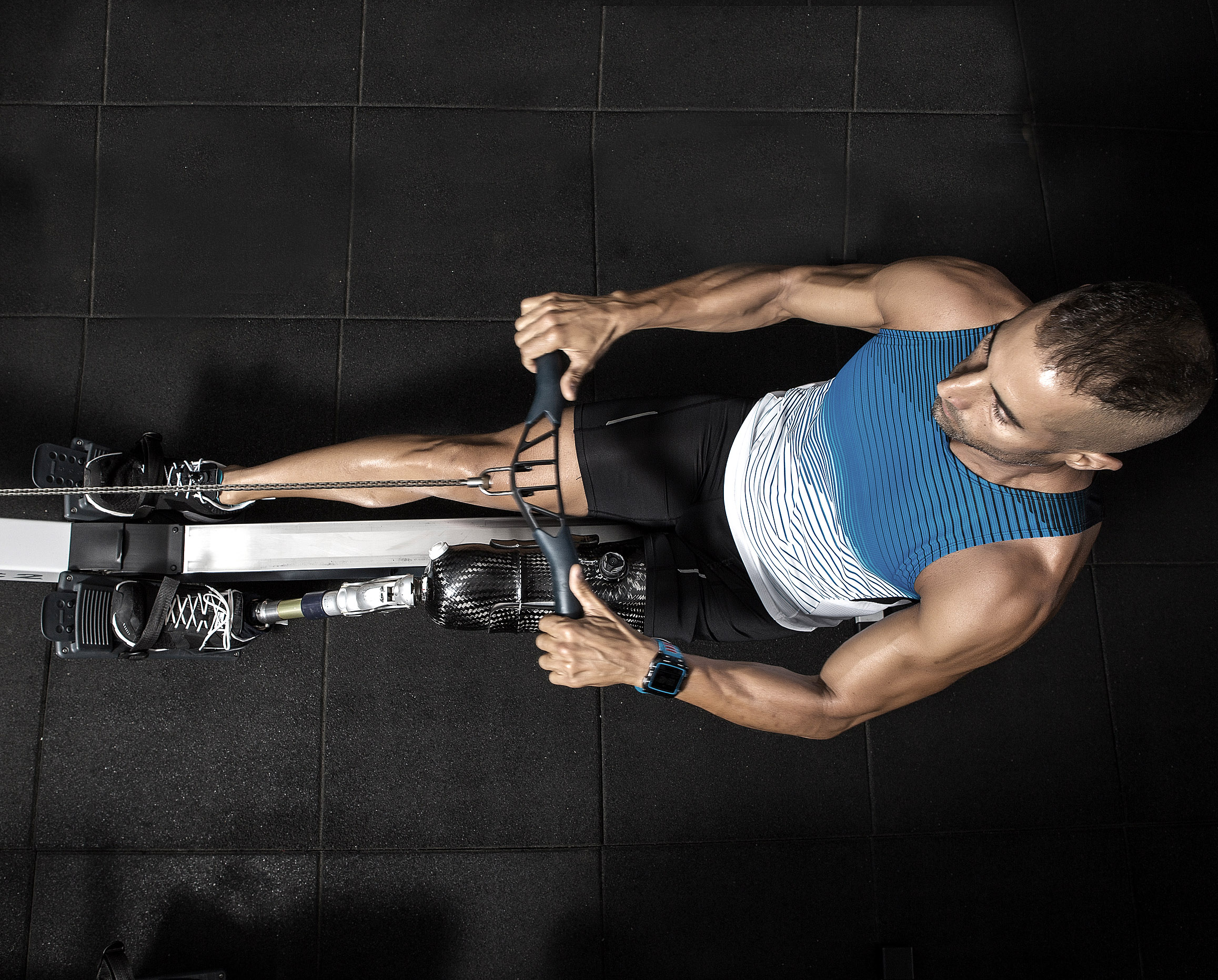
Disabled people are experts – consult with them or employ them / photo: shutterstock/Juan Algar
https://www.leisureopportunities.co.uk/images/2022/611141_583407.jpg
People with disabilities and long-term health challenges want to be active. How can we remove barriers, asks Kath Hudson
HCM magazine
HCM People

Stephen Price

Founder, SP&Co Group
Working in public health over the last few years has lit up parts of my brain again
HCM magazine
If the health service is to survive, we must recognise that it is a disease service – and that wellbeing rests with us, says the activity advocate and healthy ageing champion. He talks to Kate Cracknell
HCM magazine
Raphael Cuomo explores the powerful link between addiction, health and behaviour change
HCM magazine
I experienced a blissful feeling of joy I hadn’t felt since I was a kid
HCM magazine
Small improvements to sleep, diet and physical activity have major benefits for the heart, according to new research from the University of Sydney
HCM promotional features
Sponsored
David Lloyd is stepping up its commitment to women’s health as it continues to explore what fit-for-purpose looks like for the female population
HCM promotional features
Sponsored
Starpool supports Olympic champion Marcell Jacobs, says Riccardo Turri
HCM promotional features
Sponsored
SnowDome Fitness has added 50 per cent more space with cutting-edge Technogym solutions
HCM promotional features
Sponsored
Greg Bradley looks at the shift towards strength training in gyms and advises on how operators can create the ultimate training environment
HCM promotional features
Sponsored
Find out how your gym can tap into the corporate wellness boom
HCM promotional features
Sponsored
Third Space partnered with IndigoFitness to deliver a bespoke training space for its new club at The Whiteley
HCM promotional features
Sponsored
EGYM has opened a new HQ in Paternoster Square, London and revealed a range of new launches
HCM promotional features
Promotion
Performance Health Systems, manufacturer of Power Plate, has a new CEO, with an ambitious vision for the company
HCM promotional features
Sponsored
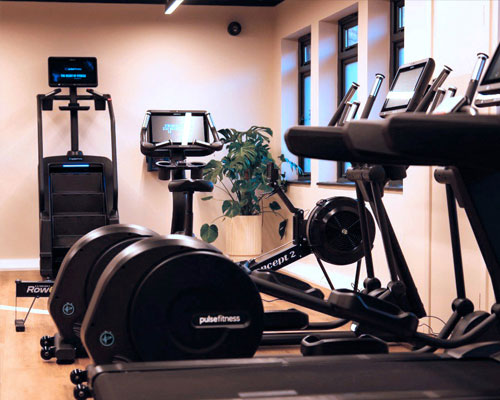
Pulse Fitness has created a new health club delivering an elevated wellness experience
HCM promotional features
Latest News
Nuffield Health has told HCM that it takes its responsibilities towards its colleagues seriously and ...
Latest News
Technogym has announced the launch of the Run X World Treadmill Championship, the first world ...
Latest News
Shocked by the UK loneliness statistics, charitable trust Mytime Active has been doubling down on ...
Latest News
Portugal’s leading operator, SC Fitness, is celebrating a milestone by reaching 100 gyms.  The company ...
Latest News
Australia’s fast-growing fitness network, Viva Leisure, is adding a low-cost gym brand to its already ...
Latest News
Speedflex has launched a strength training programme for 10 to 16-year-olds, to make it safer, ...
Latest News
Tewinbury Farm Hotel in Hertfordshire, UK is expanding its premium leisure proposition with the launch ...
Latest News

Work is underway in Madrid on one of Europe’s most significant multi-functional complexes, ...

Opinion
promotion
Strength training has moved from the margins to the mainstream.
Opinion: Building smarter strength spaces for today’s operators
Featured supplier news
Featured supplier news: W3Fit EMEA celebrates its fifth anniversary
Celebrating its milestone 5th anniversary, W3Fit EMEA returns in 2026 with an unmissable gathering of the Health & Fitness industry’s most influential leaders.
Featured supplier news
Featured supplier news: Reaching the people most gyms miss: Bedford Gym & Swim Campaign delivers 410 new members
One of the biggest mistakes the fitness industry still makes is advertising almost exclusively to people who already look and live like gym members.
Company profiles
Company profile: BLK BOX
BLK BOX - where precision meets strength, and innovation never stops in the pursuit of ...
Company profiles
Company profile: Pulse Fitness
With an award-winning portfolio of over 450 pieces of cutting-edge, premium fitness equipment, Pulse Fitness ...
Supplier Showcases
Supplier Showcase - Future-proofing
Catalogue Gallery
Click on a catalogue to view it online
Featured press releases
GYMNATION press release: Massive ‘Good Luck’ message appears in Saudi Desert as Green Falcons head to World Cup
Passengers flying out of Riyadh this week have been treated to an extraordinary sight from the skies after GymNation unveiled a giant desert sand mural supporting the Saudi Arabia National Football Team ahead of the FIFA World Cup in the United States.
Featured press releases
BLK BOX press release: BLK BOX strengthens European growth with the appointment of Germany country manager Timo Garrels
BLK BOX is proud to welcome Timo Garrels as Germany country manager, marking another important step in the brand’s continued growth across Europe.
Directory
Spa and beauty equipment
Oakworks Inc: Spa and beauty equipment
Lockers
Crown Sports Lockers: Lockers
Water experiences and hydrotherapy solutions
Aquaform s.r.l.: Water experiences and hydrotherapy solutions
Industrial washing machines
Miele Company Limited: Industrial washing machines
Hot tubs
MSpa International Ltd: Hot tubs
Fitness tracking platform
SpiviTech: Fitness tracking platform
Property & Tenders
Stratford, East London.
Lee Valley Regional Park Authority
Property & Tenders
Y Felinheli, LL56 4QN
Newmark
Property & Tenders
Diary dates
13-13 Jun 2026
Worldwide, Various,
Diary dates
21-24 Sep 2026
The Langham Huntington Pasadena , Pasadena, United States
Diary dates
06-08 Oct 2026
Messe Stuttgart, Stuttgart, Germany
Diary dates
22-22 Oct 2026
QEII Conference Centre, London,
Diary dates
26-29 Oct 2027
Koelnmesse Exhibition Centre, Cologne, Germany
Diary dates

features

Everyone's talking about: Disability

Research shows people with disabilities and long term conditions are much less active, yet there’s a desire among these populations to be more active. What are the barriers and how can operators remove them? Kath Hudson reports

Published in Health Club Management 2022 issue 2
Operators should audit how inclusive their facilities are / Shutterstock / Frame Stock Footage

According to a 2014 report, adults with disabilities were much more likely to be limited in participating in leisure activities (27.9 per cent) compared to non-disabled (2.8 per cent). However, according to the Activity Alliance, 70 per cent want to be more active but face physical, logistical and psychological barriers.

According to NHS England figures, 43 per cent of the UK population has a long-term health condition, making them more likely to be inactive. As the fitness sector aspires to work more closely with the healthcare sector, to relieve the strain on the NHS and bring the benefits of physical activity to a wider audience, it’s important that operators audit how inclusive their facilities are, both in terms of accessibility and culture.

This is not a niche population: around 15 per cent of the global population lives with some form of disability. It’s a sobering thought that any of us could have a life-changing injury in the blink of an eye.

This is an important issue, so where to start? We ask the experts...

Tanni Grey-Thompson
UK Active
photo: Tanni Grey–Thompson

The physical activity sector has an essential role in narrowing the disparities and inequalities faced by disabled people today, many of which have been exacerbated by the COVID-19 pandemic. UK Active’s vision is to develop a sector that is freely accessed and utilised by all, enabling everyone to be active and participate in whatever capacity they wish.

We must recognise this moment as an unmissable opportunity to do more for disabled people, as part of our shared ambition for growth.

There are those people who simply enjoy their visits to their local leisure centre or gym, but there are also those who rely on our sector’s services to learn crucial life skills, to socialise with those around them, to increase their connections with their community, and to improve their physical and mental health. Consider those who are learning to swim, who need to practice functional fitness, or who are using exercise as part of rehabilitation or to ease the effects of an impairment – physical activity is an indispensable part of their lives.

Everyone Can is an ongoing agenda from UK Active, supported by Sport England, to set a collaborative tone for inclusivity and accessibility across the sector. As the sector’s trade body, we’re uniquely placed to deliver on this, drawing on our partnerships to raise awareness; to grow our relationship with the disability sector for true collaboration, and to convene operators and suppliers to share learnings and evidence.

As part of these ambitions, we’ve undertaken a sector-wide consultation to examine the physical activity landscape for disabled people, with a focus on our sector’s services. We began 2022 with a series of roundtables bringing our members together with organisations from the disability sector to progress this conversation.

Over the coming year we will deliver insights specific to fitness and leisure, including the needs and motivations of disabled people and the recommended solutions for the sector to implement. Our findings to date show that the sector must enhance levels of customer service and engage better with disabled people, such as providing more information to consumers and communicating that facilities are open to all.

The importance of gathering and reporting usage levels and behaviours among disabled people is another strong theme.

Our sector wants to continue improving the standards for disabled people in every community, and this collaborative approach will be fundamental for success.

We must recognise this moment as an unmissable opportunity to do more for disabled people
photo: Tanni Grey–Thompson
Hal Hargrave
The Perfect Step
photo: The Perfect Step

It has never been more important to acknowledge diversity and inclusion. A lot of operators talk about how their facility is diverse and inclusive, but often they’ve stopped far short of making their club welcoming to all populations. An inclusive club is more than just following ADA protocols, by doing things such as having push buttons on doors, wide doorways and accessible bathrooms. Creating a place that is welcoming to all has to involve programming, layout, staff training, key initiatives, values and the culture of your club. In short, everything has to be evaluated.

Constructing your gym so there’s appropriate space in between the equipment for people with mobility challenges to transfer in and out of their wheelchairs is a great start. As is getting adapted equipment in to fill up unused spaces and training staff so they’re able to adequately assist those who are in need from a wide range of disabilities, from physical to mental.

The culture you create is important too. If diversity and inclusion are important to your club, you need to put this into the mindset of your members, so they can buy into this narrative as well. When the Claremont Club in California changed its culture by launching a paralysis recovery centre called The Perfect Step, non-disabled members embraced the change, proving that investing in inclusivity doesn’t have to be bad for the bottom line.

In the year after The Perfect Step was launched, member attrition across the entire membership decreased by 8 per cent and staff churn went from 12.5 per cent to 8 per cent. The club estimated it recouped US$500,000 in membership payments and US$500,000 of secondary spend and other revenue in the following year.

A survey of members said they enjoyed the unique sense of cultural values the club had created and liked to raise their families in that environment. Staff said their work felt more meaningful.

The pandemic has taught us all that there needs to be serious consideration given to bridge the gap between medical and fitness and that population health needs to be prioritised.

When the Claremont Club in California changed its culture by launching a paralysis recovery centre, non-disabled members embraced the change
The Claremont Club’s paralysis recovery centre improved its culture / photo: David Wahlman / The Perfect Step
Kamran Mallick
Disability Rights UK
Malik says gym staff lack confidence to deal with disability / photo: Disability Rights UK

Disabled people want to be active, take part in society and work out in gyms, but face many barriers: mainly economic, physical – and people’s attitudes. One of the biggest barriers is the income gap between disabled and non-disabled people. That said, the purple pound is worth approximately £249bn in the UK alone, and the fitness industry should be fighting for a share.

The second major barrier is the lack of access. Only 67 of Britain’s almost 7,500 gyms are accredited by the Activity Alliance’s Inclusive Fitness Initiative: less than 1 per cent of all gyms. Many have accessible entrances, but have not given any thought to how disabled people will use the equipment. Many wheelchair users need gym equipment that allows them to stay in their wheelchairs. Some blind people need voice-activated equipment. People with learning disabilities may need extra time with a coach so they can learn how to use the kit.

Negative attitudes are also a big barrier. Gyms can be intimidating, but they become really offputting if you add negative attitudes towards disability. We hear from our community that negative attitudes towards their impairment or being treated like a burden or afterthought can dishearten even the most confident person.

Many gym staff lack confidence in how to support a disabled person to use a particular machine or adapt physical activity. However, there is training available, which should become a core skill for at least some of the staff working on any shift.

In the end, the industry must stop treating disabled people as an afterthought. Engage with this population, ensure your workforce is as diverse as the community you serve and always design inclusively. Do this and you have the potential to take a slice of the purple pound and show disabled people you mean business.

The purple pound is worth approximately £249bn in the UK alone, and the fitness industry should be fighting for a share
Wheelchiar users need easier access to gym equipment / photo: realpeopleFrame Stock Footage
Casey Newton
CG Yoga and Nutrition
Photo: CG YOGA AND NURTRITION

As a newly-disabled person, following a mountain bike accident, the gym environment is even more anxiety-inducing than it was previously. There are barriers for me at my mainstream gym, mainly around space and equipment.

As I’m unable to transfer onto the usual gym seats, the equipment I’m able to use from my wheelchair is very limited. It would be helpful if seats on gym equipment were removable, or even fold up, so wheelchair users could use the machines from their chair. Some adapted gym equipment would be even better.

At my gym, the only piece of equipment I can use is a handbike with a removable seat. As I can’t remove the seat by myself, I can’t use it independently. The same with the pulley machine – I can use it, but not on my own if the pulleys are left high.

Gym staff who are happy to assist me would make me feel more confident about going to the gym, as at the moment I don’t feel I can go alone. It would be great if there were inductions and programmes for people with disabilities, to demonstrate alternative ways to use the equipment.

Layout is another tricky issue. Wider spaces would help, as there is very limited space to manoeuvre my wheelchair between equipment. My gym has limited mat space and if this is already taken, I’m not able to access the weights. It would be great to have dedicated floor space for wheelchairs, with easy access to the weight rack. I really enjoy the gym and with just a few changes it could become an accessible space for all.

I really enjoy the gym and with just a few changes it could become an accessible space for all
Newly-disabled Casey Newton faces too many barriers at her local gym / photo: CG YOGA AND NURTRITION
Michelle Roberts
We are Undefeatable
Roberts says self-consciousness can be a major barrier / photo: WE ARE UNDEFEATABLE

There are a number of reasons why people with disabilities or long term conditions may not feel comfortable in a gym environment. Foremost are condition or symptom-specific barriers, such as fear of increasing pain or fatigue or making a condition worse.

Self-consciousness is also a significant barrier, compounded by the industry’s messaging and imagery, which is often still geared towards communicating sport and exercise using people dressed in sportswear, who look fit. This turns off people who don’t perceive themselves as ‘sporty’ or relate to this ideal.

Barriers may also include difficulty in navigating around a facility or knowing how to use the equipment. Others say they worry about people’s reactions, for example, staff not understanding their conditions, symptoms or difficulties, or a lack of confidence in finding the right activities for them.

Operators need to be aware that one size does not fit all. A person-centred approach is essential. While exercise professionals may assume they need to be an expert in many conditions and impairments to be able to support this audience, it can simply be about asking the right questions and listening to the person, so that they can become more informed and have a better understanding of the person’s wishes and needs.

There is a clear aspiration among people with health conditions to do more physical activity. Research conducted by DJS Research as part of the We Are Undefeatable campaign found 69 per cent of people living with long term health conditions would like to be more active.

Research found 69 per cent of people living with long-term health conditions would like to be more active
A person-centred focus is needed to approach disability / photo: Shutterstock/Dean Drobot
Making it happen
Our experts give tips on how to create an inclusive strategy

■ For most people, even those with long term conditions, physical activity is safe. The World Health Organization indicates in its 2020 Physical Activity Guidelines that routine pre-screening of people with medical conditions is generally unnecessary (www.hcmmag.com/WHOPAG).

■ Understand the audience better: The Activity Alliance (www.activityalliance.org.uk) and We are Undefeatable (www.weareundefeatable.co.uk)) offer valuable resources.

■ Disabled people are the experts – consult with them and even employ them.

■ Identify local organisations and groups to work with, such as the local branch of the Disabled People’s Organisation, which are sometimes known as a Centre for Independent Living (www.hcmmag.com/DPO).

■ Improve communications and connections and enhance inclusivity of messages, using language such as ‘movement’ and ‘activity’ rather than ‘exercise’ or ‘fitness’.

■ Upskill your workforce, ensuring staff understand the audience. Resources such as UK Coaching’s guide can be useful (www.ukcoaching.org).

■ Improve accessibility, ensuring that wheelchair access is enabled wherever possible. The Dementia Friendly Sport and Physical Activity Guide from the Alzheimer’s Society (www.HCMmag.com/DFSPAG) takes a very broad view of accessibility, so is a great place for operators to start.

■ Focus on supporting people to overcome barriers and understand what matters to them, and how being more active can really help them. For example, the possibility of increased mobility, independence, and better quality of life.

Disabled people are experts – consult with them or employ them / photo: shutterstock/Juan Algar
https://www.leisureopportunities.co.uk/images/2022/611141_583407.jpg
People with disabilities and long-term health challenges want to be active. How can we remove barriers, asks Kath Hudson

Latest News
Nuffield Health has told HCM that it takes its responsibilities towards its colleagues seriously and ...

Latest News
Technogym has announced the launch of the Run X World Treadmill Championship, the first world ...
Latest News
Shocked by the UK loneliness statistics, charitable trust Mytime Active has been doubling down on ...
Latest News
Portugal’s leading operator, SC Fitness, is celebrating a milestone by reaching 100 gyms.  The company ...
Latest News
Australia’s fast-growing fitness network, Viva Leisure, is adding a low-cost gym brand to its already ...
Latest News
Speedflex has launched a strength training programme for 10 to 16-year-olds, to make it safer, ...
Latest News
Tewinbury Farm Hotel in Hertfordshire, UK is expanding its premium leisure proposition with the launch ...
Latest News

Work is underway in Madrid on one of Europe’s most significant multi-functional complexes, ...

Latest News
PureGym is encouraging people to step away from their screens and go for a walk, ...
Latest News
Small improvements to sleep, diet quality, and physical activity, made in combination lead to a ...
Latest News
Therme Manchester’s 28-acre development, which will include interconnected glass pavilions that measure 65,000sq m, will ...
Opinion
promotion
Strength training has moved from the margins to the mainstream.
Opinion: Building smarter strength spaces for today’s operators
Featured supplier news
Featured supplier news: W3Fit EMEA celebrates its fifth anniversary
Celebrating its milestone 5th anniversary, W3Fit EMEA returns in 2026 with an unmissable gathering of the Health & Fitness industry’s most influential leaders.
Featured supplier news
Featured supplier news: Reaching the people most gyms miss: Bedford Gym & Swim Campaign delivers 410 new members
One of the biggest mistakes the fitness industry still makes is advertising almost exclusively to people who already look and live like gym members.
Company profiles
Company profile: BLK BOX
BLK BOX - where precision meets strength, and innovation never stops in the pursuit of ...
Company profiles
Company profile: Pulse Fitness
With an award-winning portfolio of over 450 pieces of cutting-edge, premium fitness equipment, Pulse Fitness ...
Supplier Showcases
Supplier Showcase - Future-proofing
Catalogue Gallery
Click on a catalogue to view it online
Featured press releases
GYMNATION press release: Massive ‘Good Luck’ message appears in Saudi Desert as Green Falcons head to World Cup
Passengers flying out of Riyadh this week have been treated to an extraordinary sight from the skies after GymNation unveiled a giant desert sand mural supporting the Saudi Arabia National Football Team ahead of the FIFA World Cup in the United States.
Featured press releases
BLK BOX press release: BLK BOX strengthens European growth with the appointment of Germany country manager Timo Garrels
BLK BOX is proud to welcome Timo Garrels as Germany country manager, marking another important step in the brand’s continued growth across Europe.
Directory
Spa and beauty equipment
Oakworks Inc: Spa and beauty equipment
Lockers
Crown Sports Lockers: Lockers
Water experiences and hydrotherapy solutions
Aquaform s.r.l.: Water experiences and hydrotherapy solutions
Industrial washing machines
Miele Company Limited: Industrial washing machines
Hot tubs
MSpa International Ltd: Hot tubs
Fitness tracking platform
SpiviTech: Fitness tracking platform
Property & Tenders
Stratford, East London.
Lee Valley Regional Park Authority
Property & Tenders
Y Felinheli, LL56 4QN
Newmark
Property & Tenders
Diary dates
13-13 Jun 2026
Worldwide, Various,
Diary dates
21-24 Sep 2026
The Langham Huntington Pasadena , Pasadena, United States
Diary dates
06-08 Oct 2026
Messe Stuttgart, Stuttgart, Germany
Diary dates
22-22 Oct 2026
QEII Conference Centre, London,
Diary dates
26-29 Oct 2027
Koelnmesse Exhibition Centre, Cologne, Germany
Diary dates
Search news, features & products:
Find a supplier:
Elevate Arena
Elevate Arena
Partner sites