Editor's letter



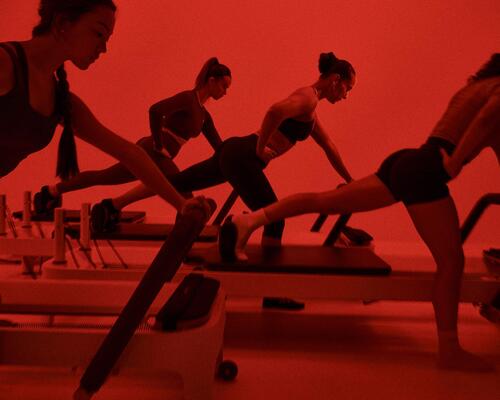
Anew wind is blowing through the sector, bringing with it joy, fun and reward, as operators embrace the power of experience to engage with consumers like never before.
Speaking in this issue of HCM (p24), behaviour change expert Heather McKee makes a case for this new approach: “Enjoyment predicts habit formation and having positive feelings after exercise matters more than how hard it was,” she says. “Enjoyment isn’t a nice-to-have, it’s a behavioural signal.”
A study of 273 exercisers across nine health clubs found enjoyment predicted three key outcomes that matter for long-term engagement, says McKee – habit formation, the intention to continue and frequency.
“Frame workouts as feel-good experiences, not punishments,” she says. “Coach people to appreciate small wins, such as progress or mastery.
Frame workouts as feel-good experiences, not punishments. The job of fitness professionals is to design for pleasure
“The job of fitness professionals is to design for pleasure, not punishment. Punishing yourself at the gym is not how you build a loving, sustainable relationship with movement. What actually helps is doing activities you enjoy; leaving sessions feeling capable and wanting to do it again.”
Her views are reinforced by new research – the 2026 Global Fitness Report, commissioned by Les Mills – which examined the exercise habits of 10,000 consumers globally, finding that joy is a major motivator in making a fitness habit stick (p68).
The trend to joy is surfacing more widely across the sector too. Budget operator PureGym unveiled a new TV advertising campaign recently, in collaboration with ad agency McCann (p15), which taps the theme by introducing a character called Glow – a visual representation of that post-workout feeling.
Strutting out of the gym to a funky soundtrack, Glow is a fluffy, luminescent, blue and pink being who radiates positivity – petting dogs, fist-bumping baristas and dancing with kids.
PureGym says the campaign is part of a new approach and a move away from value-led marketing and the usual fitness motifs, instead representing the buzz people feel after a great workout.
The 2026 Global Fitness Report found regular exercisers now make up 61 per cent of the addressable market – up from 44 per cent in 2018. The share of those not interested in exercise has fallen from 25 per cent to 10 per cent – stunning numbers that highlight the opportunity that lies ahead if we can hold on to members by making health clubs pleasurable places to be.

Liz Terry is editor of HCM magazine
[email protected]
Editor's letter

Feedback

HCM People

HCM People

Interview

Inclusion

DMCC

Insight

Talking point

Insight

Tech

Research














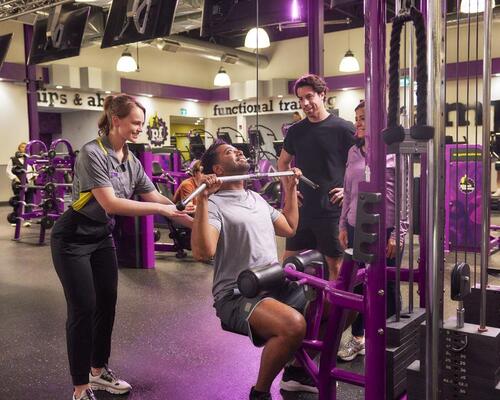
Private investment company Franchise Equity Partners has acquired Bravo Fit, the Planet Fitness ...

Midtown Athletic Club has launched a new community tennis initiative honouring the legacy ...
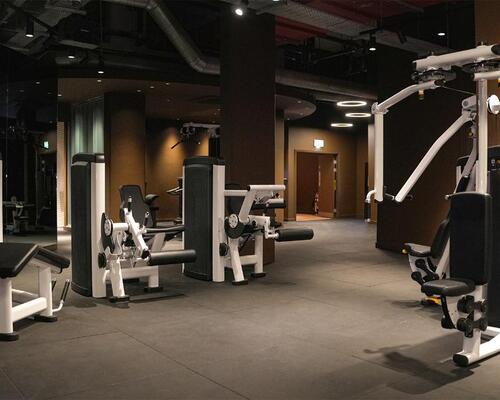

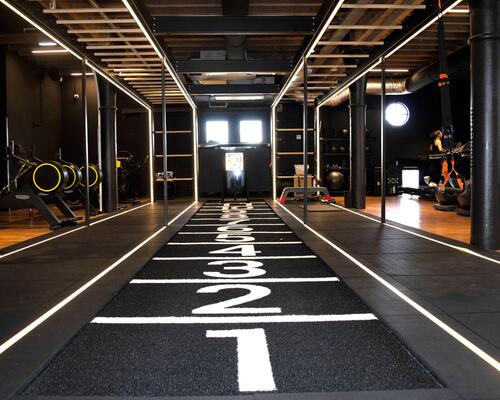
Urban Gym Group has entered the Irish market with the acquisition of Iconic ...

Total Fitness has released new research revealing how the expectations and motivations of ...
















Anew wind is blowing through the sector, bringing with it joy, fun and reward, as operators embrace the power of experience to engage with consumers like never before.
Speaking in this issue of HCM (p24), behaviour change expert Heather McKee makes a case for this new approach: “Enjoyment predicts habit formation and having positive feelings after exercise matters more than how hard it was,” she says. “Enjoyment isn’t a nice-to-have, it’s a behavioural signal.”
A study of 273 exercisers across nine health clubs found enjoyment predicted three key outcomes that matter for long-term engagement, says McKee – habit formation, the intention to continue and frequency.
“Frame workouts as feel-good experiences, not punishments,” she says. “Coach people to appreciate small wins, such as progress or mastery.
Frame workouts as feel-good experiences, not punishments. The job of fitness professionals is to design for pleasure
“The job of fitness professionals is to design for pleasure, not punishment. Punishing yourself at the gym is not how you build a loving, sustainable relationship with movement. What actually helps is doing activities you enjoy; leaving sessions feeling capable and wanting to do it again.”
Her views are reinforced by new research – the 2026 Global Fitness Report, commissioned by Les Mills – which examined the exercise habits of 10,000 consumers globally, finding that joy is a major motivator in making a fitness habit stick (p68).
The trend to joy is surfacing more widely across the sector too. Budget operator PureGym unveiled a new TV advertising campaign recently, in collaboration with ad agency McCann (p15), which taps the theme by introducing a character called Glow – a visual representation of that post-workout feeling.
Strutting out of the gym to a funky soundtrack, Glow is a fluffy, luminescent, blue and pink being who radiates positivity – petting dogs, fist-bumping baristas and dancing with kids.
PureGym says the campaign is part of a new approach and a move away from value-led marketing and the usual fitness motifs, instead representing the buzz people feel after a great workout.
The 2026 Global Fitness Report found regular exercisers now make up 61 per cent of the addressable market – up from 44 per cent in 2018. The share of those not interested in exercise has fallen from 25 per cent to 10 per cent – stunning numbers that highlight the opportunity that lies ahead if we can hold on to members by making health clubs pleasurable places to be.
Liz Terry is editor of HCM magazine
[email protected]
Editor's letter
Feedback
HCM People
HCM People
Interview
Inclusion
DMCC
Insight
Talking point
Insight
Tech
Research
Private investment company Franchise Equity Partners has acquired Bravo Fit, the Planet Fitness ...
Midtown Athletic Club has launched a new community tennis initiative honouring the legacy ...
Urban Gym Group has entered the Irish market with the acquisition of Iconic ...
Total Fitness has released new research revealing how the expectations and motivations of ...