







Editor's letter





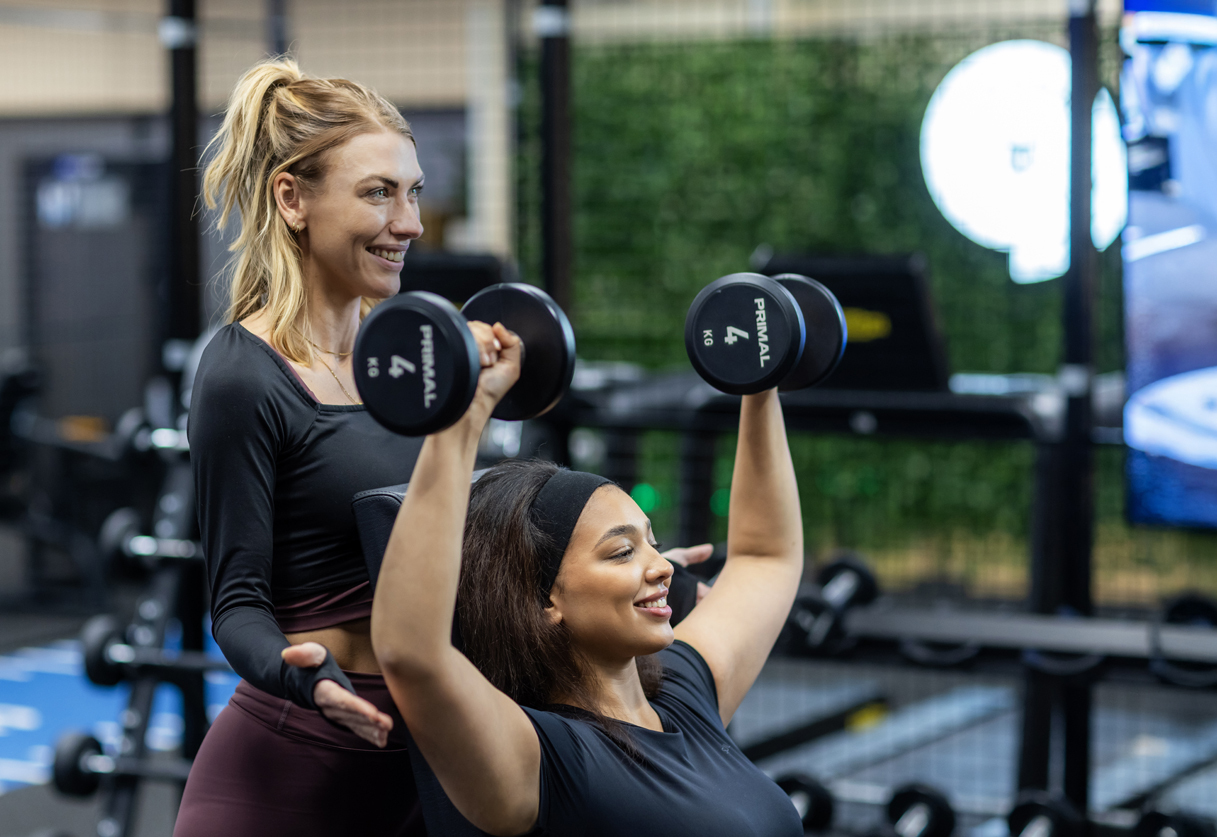
This month in HCM, we’re bringing you the second consumer insight report commissioned by Total Fitness CEO Sophie Lawler – a white paper called Women and the Gym: un-met needs and the role of women-only spaces, which was undertaken with CIL (page 76).
It looks in depth at women’s experience of health clubs and gyms, revealing a significant untapped market among the female population.
As a topline number, researchers found that 64 per cent of women in the UK are not members of a health club, yet two-thirds of these non-members are open to joining if the offering meets their needs – something the sector routinely fails to do, according to the white paper.
Current offerings need to evolve if they are to align with the needs of women in areas as diverse as facilities, equipment, pricing, staffing, programming and marketing.
Operators must rethink memberships, because women’s use of clubs tends to be ‘episodic’, while the creation of flexible, re-entry-friendly pathways is essential.
Design and atmosphere need to be more nuanced and avoid things such as poor sightlines and lack of privacy.
Designing more effectively for women at all life stages could deliver a step-change in the size of the market
Ultimately, the majority of women are motivated to join a gym for health, function and feeling well, says the white paper, yet much of the industry continues to focus on aesthetics and performance.
Lawler says: “The mainstream gym environment, its membership structures and much of its equipment, have been designed in ways that silently exclude most women – their emotional needs are written out, unconsciously and unintentionally.”
With a view to better meeting the needs of women, Lawler and her team launched a new brand – The Women’s Gym – in 2024 and the white paper reports that nearly half its members (48 per cent) didn’t have an active membership immediately prior to joining.
In addition, in the group of members who had previously belonged to a gym, 31 per cent had been out of the system for more than five years, indicating that the concept is not simply redistributing existing users, it’s growing the market and creating demand.
We’ve seen this dynamic before. When budget gyms emerged, they unlocked latent demand by removing barriers around price, contracts and accessibility. The result was a step-change in the size of the market and the creation of momentum that’s still impacting the sector today.
Designing more effectively for women at all life stages – in both women-only and mixed-sex health clubs – could represent a similar inflection point.

Liz Terry is editor of HCM magazine
[email protected]
Editor's letter

HCM People

HCM People

Interview
Sponsored

Talkback

Sponsored

Insight

Policy

Promotion

Sponsored

Life Lessons
Sponsored
Specifier
Sponsored

Recovery

Research






































This month in HCM, we’re bringing you the second consumer insight report commissioned by Total Fitness CEO Sophie Lawler – a white paper called Women and the Gym: un-met needs and the role of women-only spaces, which was undertaken with CIL (page 76).
It looks in depth at women’s experience of health clubs and gyms, revealing a significant untapped market among the female population.
As a topline number, researchers found that 64 per cent of women in the UK are not members of a health club, yet two-thirds of these non-members are open to joining if the offering meets their needs – something the sector routinely fails to do, according to the white paper.
Current offerings need to evolve if they are to align with the needs of women in areas as diverse as facilities, equipment, pricing, staffing, programming and marketing.
Operators must rethink memberships, because women’s use of clubs tends to be ‘episodic’, while the creation of flexible, re-entry-friendly pathways is essential.
Design and atmosphere need to be more nuanced and avoid things such as poor sightlines and lack of privacy.
Designing more effectively for women at all life stages could deliver a step-change in the size of the market
Ultimately, the majority of women are motivated to join a gym for health, function and feeling well, says the white paper, yet much of the industry continues to focus on aesthetics and performance.
Lawler says: “The mainstream gym environment, its membership structures and much of its equipment, have been designed in ways that silently exclude most women – their emotional needs are written out, unconsciously and unintentionally.”
With a view to better meeting the needs of women, Lawler and her team launched a new brand – The Women’s Gym – in 2024 and the white paper reports that nearly half its members (48 per cent) didn’t have an active membership immediately prior to joining.
In addition, in the group of members who had previously belonged to a gym, 31 per cent had been out of the system for more than five years, indicating that the concept is not simply redistributing existing users, it’s growing the market and creating demand.
We’ve seen this dynamic before. When budget gyms emerged, they unlocked latent demand by removing barriers around price, contracts and accessibility. The result was a step-change in the size of the market and the creation of momentum that’s still impacting the sector today.
Designing more effectively for women at all life stages – in both women-only and mixed-sex health clubs – could represent a similar inflection point.
Liz Terry is editor of HCM magazine
[email protected]
Editor's letter
HCM People
HCM People
Interview
Sponsored
Talkback
Sponsored
Insight
Policy
Promotion
Sponsored
Life Lessons
Sponsored
Specifier
Sponsored
Recovery
Research