




















features
Editor's letter : Embracing your 'tribes'
The needs of every tribe should be recognised by the operator. A raft of ‘clubs within clubs’ based on shared interests would be very compelling
Health club operators have a huge opportunity to engage in a very fundamental way with their members, by being far more aware of their true needs and motivations and connecting with them on a deeper level.
Although there’s a logic to grouping members according to their most obvious interests and traits, in reality there are many different reasons why people join a gym or take part in a particular activity. Being aware of these differences, and letting this awareness inform the way you deal with members at every turn, can create a powerful bond that will drive loyalty and engagement. Conversely, ignoring these needs can create feelings of deep discomfort for a member, and can even act as a trigger to leave your club.
A club’s membership isn’t only segmented by socioeconomic, gender or age groupings, or even by special population: disabled users, pre-natal and so on. Beneath any label we might apply, there are many more motivations at work: it’s possible to understand these far better by thinking of members as being split into myriad little ‘tribes’.
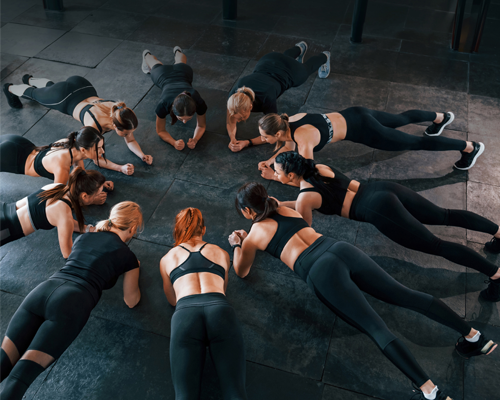
The ‘women’ label is a great example. The WSFF effectively identifies women as a special population group when it comes to fitness: the gender gap is growing, it says, with only one in five women doing enough exercise to stay healthy. However, ‘women’ is far too broad a category to use as the basis for any targeted offerings. Some will prefer women-only clubs; others would rather go for a walk. Then there are the regular gym-goers, getting great results from body weight training and free weights. For this tribe, says Arron Williams of Life Fitness: “Strong is the new skinny – women are driving the market.”
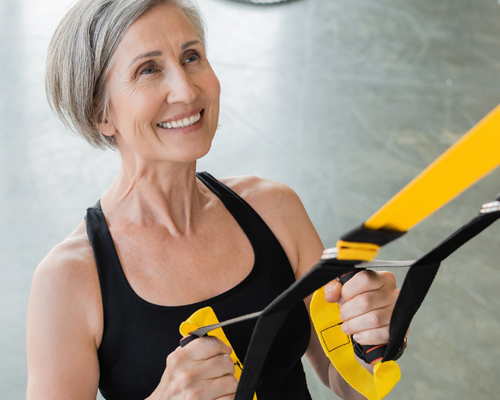
In a similar vein, labelling a fit, healthy, youthful woman in her early 50s an ‘evergreen’, and asking if she’d like to join the other over-50s ladies for tea one afternoon, will prove uncomfortable and demotivating for her – yet I was told a story only last week in which precisely this had happened.
We need to do more to understand the different tribes within our broader groupings; two initiatives launched in May aim to do this for ‘women’. A £1.8m Sport England-funded pilot scheme will test what works in changing women’s sporting habits, including programming for distinct sub-groups – older women, mums on the school run, etc. Meanwhile WSFF will research how different types of women participate in sport and activity – and why – and develop tools to help get more women, more active.
But care must be taken not to alienate other tribes in the process: in April, GLL was accused of gender discrimination by journalist Peter Lloyd, for ringfencing women-only hours at his local mixed-sex gym.
I don’t want to be drawn into that debate, but I do believe that the needs of every tribe – whether three or 300-strong – should be recognised and, wherever possible, met by the operator. Provided they can be delivered without alienating other members, a raft of ‘clubs within clubs’ based on shared interests and motivations, rather than arbitrary labels, would make for a very compelling offering.
Private investment company Franchise Equity Partners has acquired Bravo Fit, the Planet Fitness ...



Midtown Athletic Club has launched a new community tennis initiative honouring the legacy ...

Urban Gym Group has entered the Irish market with the acquisition of Iconic ...
Total Fitness has released new research revealing how the expectations and motivations of ...