










Follow Health Club Management on Twitter Like Health Club Management on Facebook Join the discussion with Health Club Management on LinkedIn
FITNESS, HEALTH, WELLNESS

features

Consumer trends: Enlightened brands

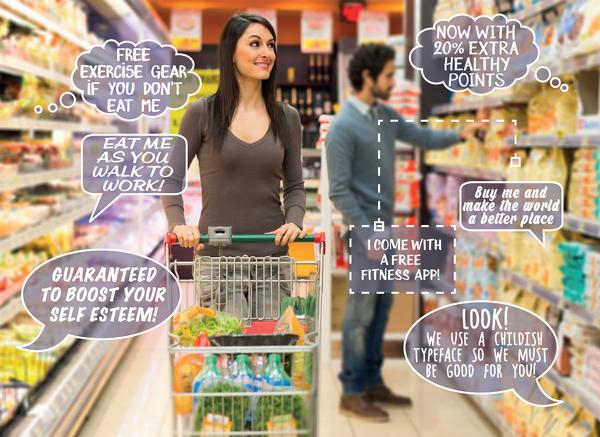
Brands today must challenge themselves and their customers to do and be better, and must put their money where their mouth is to prove to consumers that they genuinely care. Global trend agency trendwatching.com offers new insights into customers’ changing expectations
Published in Health Club Management 2015 issue 11
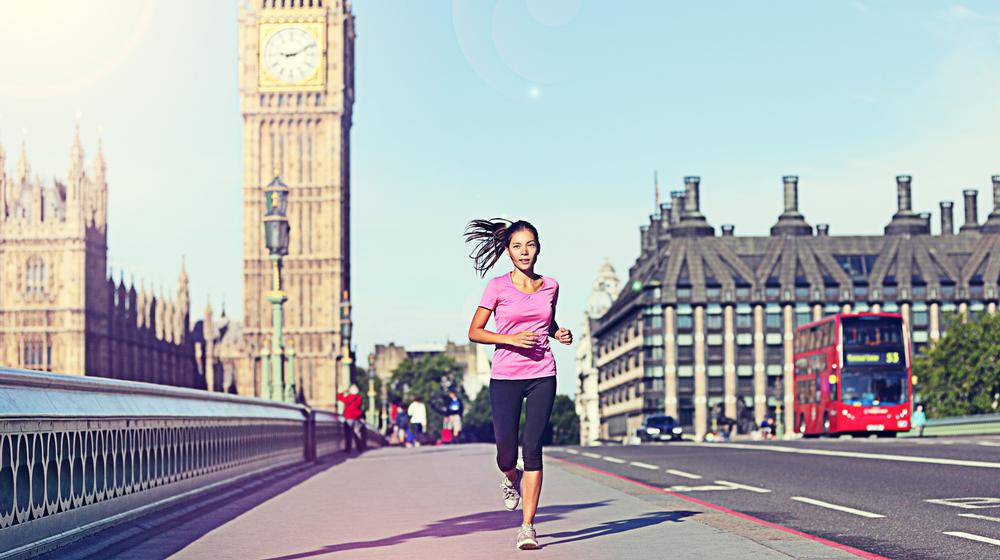
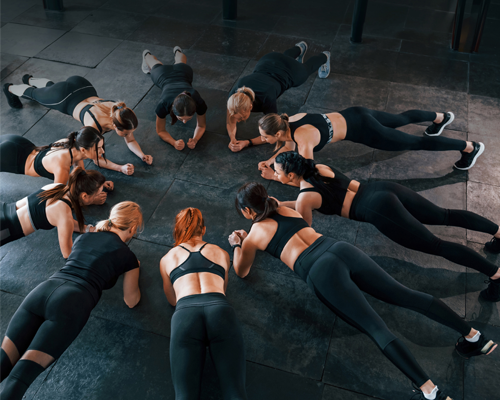
Insights into customers’ changing expectations / PHOTOS: SHUTTERSTOCK.COM
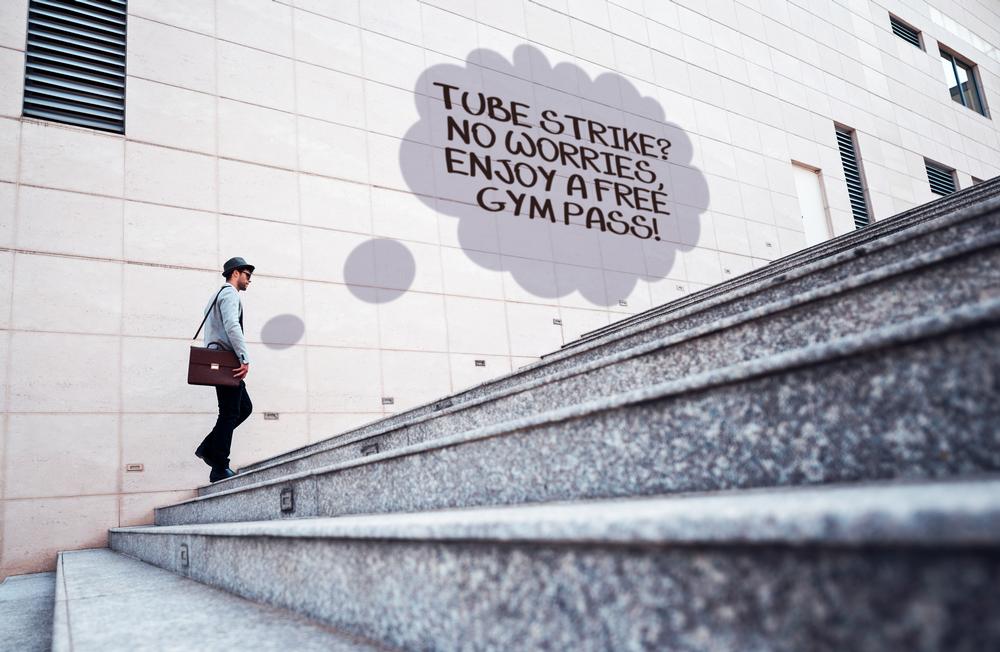
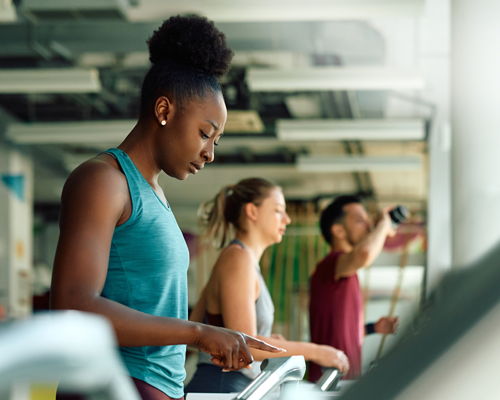
Gyms could easily latch on to the idea of offering rewards to members who decide to walk to work during London’s ever more frequent Tube strikes

or a number of years now, we’ve been witnessing a growth in the number of brands wanting to show off their human side – their empathy, flexibility and humour. Smoothie manufacturer Innocent was one of the first to embrace this, light-heartedly chatting to consumers on the side of its packaging ever since its launch in 1999.

But the sight of a million and one brands desperately tweeting, instagramming and periscoping their ‘human’ side is proof that this Human Brands trend has now jumped the shark, descending into an orgy of youth culture bandwagon jumping, pop-up eco and social responsibility vanity projects, and awkward inter-brand ‘fun’ on social media. The final death knell? The twitter account @BrandsSayingBae, created to poke fun at brands trying to sound cool and down with the kids.

From human to enlightened
So what went wrong? In pursuit of a human side, most brands took a shortcut: a chirpy brand voice covered them in a patina of humanity and allowed them to pay no more than lip service to the human virtues they were trying to take on for themselves – empathy, generosity, responsibility and so on.

With the credibility of Human Brands thus undermined, customer expectations have raced onwards and upwards; the new desire is for Enlightened Brands. But what does that actually mean?

People are looking for brands to evolve to a higher state of consciousness by taking real, meaningful action to make their individual lives – and the world we share – better. It means doing the right thing, even when it pushes brands, and consumers, out of their comfort zone. And this shift in consumer expectations is already having an impact on the bottom line: in an April 2015 global survey of 28,000 consumers, conducted by GFK, 63 per cent of consumers said they only buy products and services that appeal to their beliefs, values or ideals.

The irony here? Many customers are far from saintly themselves. After all, they co-created this planet-warming, sugar-rushing, socially damaging mess we’re in, right along with brands. But however unfair, consumers are now looking for the brands that are able to embrace enlightenment for them.

So how should brands go about that? First of all, to be enlightened, a brand must be restless – forever in search of news ways to make the world a better place, and willing to hold itself to higher standards of fairness and responsibility in its products, services, production methods, internal policies…. even if that costs it money.

Secondly, it must be empathetic – understanding and addressing customer pain points and working to make individual lives easier, faster and more fun.

And finally, it must be demanding – nudging, pushing and cajoling consumers to do better and be better.

But there’s a long way to go, with very few brands anywhere near enlightenment. Indeed, research carried out by Havas in April 2015 indicated that only 7 per cent of consumers believe brands positively or meaningfully contribute to their lives.

Leading by example
But there are already some best practice examples out there that we can learn from, with a number of them picking up on the idea of physical activity as a ‘do better, be better, have fun’ pathway to enlightenment.

In January 2015, for example, the Mexican government installed 30 motion-sensitive machines at subway stations across Mexico City. The machines issue a token that can be redeemed for a free subway ticket to any commuter who completes 10 squats – an idea already trialled in Russia. Pedometers were also offered to the first 80,000 participants. The scheme was introduced in response to an escalating obesity crisis in the country; according to a 2013 UN report, 32.8 per cent of the Mexican population is obese.

Meanwhile, in Q1 2015, Reebok promoted its ZPump Fusion sneakers with a campaign that encouraged Korean commuters to get active. The brand installed its Subway Pump Battle game in a Seoul subway station, with two commuters chosen at random from the crowd and invited to participate in a fun fitness challenge. The two participants had to press as many pump buttons as possible in the allocated time, with the winners receiving a pair of Reebok sneakers as their prize.

Another great examples is the Nudge Kick app. Launched in December 2014, the app motivates people to reach their fitness goals by blocking access to other mobile apps until they do. Users can choose to block Facebook until they have walked 1,000 paces, for example; the free UK-created Nudge Kick app will monitor their physical activity and automatically unlock Facebook once a given target has been achieved.

Launched in June 2014, Fitness First Home Run enabled Londoners to run all or part of the way home from work. Four guided routes were made available for commuters, with a bag-carrying service included so runners could have their belongings delivered at the run finish point. The Home Run service was available free of charge for members of Fitness First gyms, or to non-members at a cost of £15 for 12 runs.

And last but not least, July 2014 saw Nike install special vending machines across New York City, with tweets providing hints about their locations. The FuelBox vending machines only dispensed Nike products in exchange for points accrued on the FuelBand – Nike’s wearable activity tracker – within the last 24 hours. Users plugged their devices into the machine to pay for items such as shirts, socks and hats.

There’s plenty of food for thought here for health club operators looking to get more members of the public active, including beyond the four walls of their clubs.

Sympathetic pricing
Another good place to start moving towards enlightenment is by embracing the Sympathetic Pricing trend. This involves imaginative discounts that go beyond simply telling customers you care – most people simply won’t believe you – to actually proving it, putting your money where your mouth is.

The online space has already primed consumers to expect transparent, flexible, dynamic pricing – and it’s just a short hop from there to embrace sympathetic pricing, which comes in three main categories.

Painkiller pricing targets lifestyle pain points. For example, in April 2014 during a 48-hour London Tube strike, mobile cab app Uber offered 50 per cent off all London trips for passengers who split their fare with another passenger. In October 2013, the company also offered free rides to Boston students during a bus strike.

Gyms could easily latch on to this idea, offering rewards to members who decide to walk to work during London’s ever more frequent Tube strikes.

Meanwhile compassionate pricing is all about creating discounts that offer a helping hand during difficult times. Launched in Spain in September 2013, Tienda Amiga (Friendly Shop) is a great example – an initiative in which small businesses offer discounts to unemployed customers in their neighbourhood. By January 2014, more than 150 local shops had signed up the project, offering discounts of between 5 per cent and 20 per cent to those who were out of work.

Given the positive impact exercise can have on an individual’s self-esteem, there’s a clear opportunity here for gyms to do similar, offering big discounts during off-peak times – or even free access – to those out of work.

Finally, purposeful pricing creates discounts in support of a shared value or belief. For example, in July 2015, South Africa-based weight loss programme SureSlim produced a flyer made out of 100 per cent pure milk chocolate to attract new customers. This was distributed across the country, offering people 20 per cent off the weight loss programme if they brought the uneaten flyer to a SureSlim store. Another chance was given to those who gave in to temptation, by giving customers 1 per cent discount for every block of chocolate they hadn’t eaten.

But why stop there? Gyms could easily harness the power of data-driven sympathy, for example, thanks to the rising numbers of consumers now measuring a range of personal metrics, from steps walked to mood. That opens the door to personalised sympathetic discounts for members having a bad day, or struggling to meet personal goals. And how about discounts for those who help create a sense of community in the club? The La Petite Syrah café in France has created ‘politeness pricing’, charging customers less if they say ‘please’. The floor is yours to invent your own human pricing play in your health club or leisure centre.

Currencies of change
Meanwhile, if you’re searching for new ways to push customers to do and be better, check out the Currencies of Change trend. This is rooted in the notion that customers now expect good behaviour to be more than just its own reward: relevant discounts, vouchers, rewards and more can be used to incentivise a desired behaviour.

The Quantified Self is a good example: while a growing proportion of the population own an activity tracker, and particularly in affluent societies the tension continues to mount between ‘who I am’ and ‘who I want to be’, the data in itself isn’t enough to keep most people motivated in their quest for self-improvement. Hence ‘who I want to be’ remains at arm’s length, sabotaged by people’s poor time management, loss of focus or just plain old laziness. Human nature simply gets in the way of our best intentions, however much we might wish otherwise.

Nielsen research from January 2015 proves this point: in a survey of US consumers, 89 per cent said taking personal responsibility for health was the best way to stay healthy – but 91 per cent admitted to ‘snacking all day on candy, ice-cream and chips’.

The solution? Combine new technologies with a deep understanding of human behaviour, resolving this tension with rewards that help customers become the people they want to be. PwC research conducted in October 2014 indicated that 37 per cent of Millennials would be motivated to use a wearable device if it ‘rewarded those who frequently use it with loyalty points’ – a figure that rises to 52 per cent if the rewards were monetary.

For example, August 2014 saw Chinese online media brand Tencent team up with gaming hardware company Razer in a deal that was designed to incentivise healthy behaviour. The collaboration allows fans of Tencent’s popular Timi Run Everyday game to purchase in-game rewards using real-world exercise data recorded by Razer’s activity-tracking smart band.

Meanwhile, in February 2015, Weight Watchers launched its ‘Lose 10lbs on us’ offer, which promised that the first two months of membership fees would be waived for any member who lost at least 10lbs within two months of joining Weight Watchers.

And in June 2014, Brazilian TV station SBT launched a pop-up anti-smoking campaign. Installed at Mackenzie University in São Paulo, SBT’s ‘Machine of Life’ allowed people to exchange cigarettes for free gifts. Based on each cigarette being equivalent to 11 minutes of longer life, when people placed cigarettes in the machine, they were rewarded with free leisure-related gifts such as magazines or movie tickets. That initiative could so easily – and arguably should – have included gym passes.

This sort of campaign can also encourage consumers to change society as well as themselves. For example, in February 2015, Fitbit partnered with hunger-relief charity Feeding America to launch the FitforFood campaign. Fitbit users could opt in to the programme, with every calorie they burned going towards a goal of 1 billion calories burned by all participants – enough to buy 1.5 million meals for US citizens in need.

Seize the day
With people very much at the heart of the health and fitness industry, and with the sector’s offering so intrinsically focused on getting people to ‘do and be better’, there’s clearly a huge opportunity for health club operators to tap in to these trends.

Whatever you do, consumer needs and expectations are changing – and in a direction that fits so well with what the fitness sector offers that it would be a crime not to embrace the opportunity with open arms.

Find out more

As one of the world’s leading trend firms, trendwatching.com sends out its free, monthly Trend Briefings in nine languages to more than 160,000 subscribers.

Sign up at www.trendwatching.com
Sign up here to get HCM's weekly ezine and every issue of HCM magazine free on digital.
63% of consumers only buy products and services that appeal to their beliefs, values or ideals
Only 7 % of consumers believe brands positively or meaningfully contribute to their lives / PHOTOS: SHUTTERSTOCK.COM
Fitness First Home Run offered bag-carrying and guided routes for Londonders to run home from work / PHOTOS: SHUTTERSTOCK.COM
‘Painkiller pricing’: Could your gym reward members who opt to walk to work during tube strikes? / PHOTOS: SHUTTERSTOCK.COM
89% said taking personal responsibility for health was the best way to stay healthy – but 91%admitted to snacking all day on candy, ice-cream and chips / PHOTO: SHUTTERSTOCK.COM
https://www.leisureopportunities.co.uk/images/644243_299820.jpg
Consumer expectations are changing: Brands today must be enlightened, say the experts at trendwatching.com
Stephen Tharrett and Mark Williamson, co-founders of brand insights ,Stephen Tharrett, Mark Williamson, ClubIntel, middlemen, ClassPass, Wildfire, FitReserve, Dibs, studio, boutique, class, loyalty ,trendwatching, brands, enlightenment, Innocent, Reebok, Nudge Kick, Fitness First, Nike, pricing, rewards, Uber, SureSlim, Weight Watchers, Fitbit
HCM magazine
The new CEO of UK Active talks to HCM about the gym-curious and why he believes the sector can double in size by the end of the next decade
HCM magazine
A new report puts physical activity at the heart of healthcare, says Muir Gray
HCM magazine
Fuel the debate about issues and opportunities across the industry. We’d love to hear from you. Write to [email protected]
HCM magazine
We’ve reduced the level of council investment over the last three years by 40 per cent and increased our turnover by 9 per cent
HCM magazine
Lisa Starr tries the Ammortal Chamber to see whether layering 10 modalities into one experience really delivers more
HCM promotional features
Sponsored
Social fitness the missing link to member engagement, according to a new Myzone report
HCM promotional features
Sponsored
Third Space partnered with IndigoFitness to deliver a bespoke training space for its new club at The Whiteley
HCM promotional features
Sponsored
SnowDome Fitness has added 50 per cent more space with cutting-edge Technogym solutions
HCM promotional features
Sponsored
Starpool supports Olympic champion Marcell Jacobs, says Riccardo Turri
HCM promotional features
Sponsored
Greg Bradley looks at the shift towards strength training in gyms and advises on how operators can create the ultimate training environment
HCM promotional features
Sponsored
Find out how your gym can tap into the corporate wellness boom
HCM promotional features
Sponsored
David Lloyd is stepping up its commitment to women’s health as it continues to explore what fit-for-purpose looks like for the female population
HCM promotional features
Sponsored
EGYM has opened a new HQ in Paternoster Square, London and revealed a range of new launches
HCM promotional features
Latest News
Everlast Gyms expands its footprint outside of the UK this month with the imminent launch ...
Latest News
The UK's four Chief Medical Officers have published a refreshed edition of  Physical activity guidelines: ...
Latest News
Places Leisure has exchanged contracts to build and operate a flagship £60m water and wellness ...
Latest News
The Republic of Ireland will become the latest market in PureGym’s expanding international portfolio, with ...
Latest News
Sophie Lawler, CEO of Total Fitness, has launched a leadership coaching business aimed at helping ...
Latest News
Anytime Fitness reaches a milestone this week with the launch of its 6000th site. The ...
Latest News
The £33.9 million Leighton Leisure and Community Centre has opened in Leighton Buzzard, UK, creating ...
Latest News
YogaSix, the yoga brand owned by Xponential Fitness, has launched a heated, Pilates-inspired class called ...
Opinion
promotion
Strength training has moved from the margins to the mainstream.
Opinion: Building smarter strength spaces for today’s operators
Featured supplier news
Featured supplier news: Cornerstone Connect helps Active Blackpool tackle health inequalities
Active Blackpool is deploying Cornerstone Connect, a new digital interface allowing disparate information from multiple systems to be aggregated into one dataset, to support its focus on reducing health inequalities and improving healthy life expectancy.
Featured supplier news
Featured supplier news: Legends never die: four legends, four philosophies of life
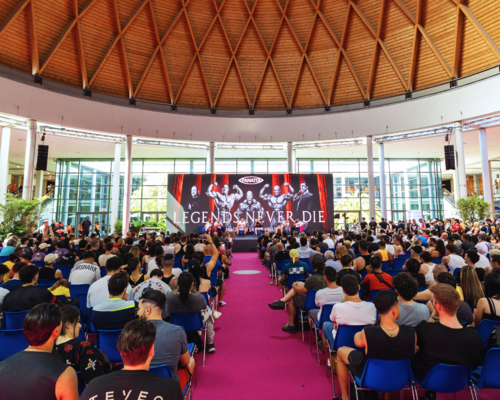
Panatta brought together four of the most influential figures in bodybuilding history on the stage of RiminiWellness 2026: Phil Heath, Lee Haney, Ronnie Coleman and Hany Rambod.
Company profiles
Company profile: TechnoAlpin Indoor
TechnoAlpin Indoor offers expert consultation for indoor snow concepts, assisting customers with the integration of ...
Company profiles
Company profile: Perfect Gym Solutions S.A.
Perfect Gym, part of the Sport Alliance group, is a global software provider specialising in ...
Supplier Showcases
Supplier Showcase - From nightclub to health club
Supplier Showcases
Supplier Showcase - Future-proofing
Catalogue Gallery
Click on a catalogue to view it online
Featured press releases
Innerva press release: Wrightcare embeds wellness and active living into next-generation care homes
A care home provider is developing a new generation of care homes where health, wellbeing and active living are embedded into everyday life.
Featured press releases
Alliance Leisure Services (Design, Build and Fund) press release: Studio transformation completed at Burscough Wellbeing and Leisure Hub
Alliance Leisure are proud to have supported West Lancashire Borough Council to deliver a £300,000 studio transformation project at Burscough Wellbeing and Leisure Hub, creating a dedicated group exercise space designed to meet growing demand for fitness
Directory
Spa and beauty equipment
Oakworks Inc: Spa and beauty equipment
Water experiences and hydrotherapy solutions
Aquaform s.r.l.: Water experiences and hydrotherapy solutions
Hot tubs
MSpa International Ltd: Hot tubs
Lockers
Crown Sports Lockers: Lockers
Industrial washing machines
Miele Company Limited: Industrial washing machines
Fitness tracking platform
SpiviTech: Fitness tracking platform
Property & Tenders
Stratford, East London.
Lee Valley Regional Park Authority
Property & Tenders
Y Felinheli, LL56 4QN
Newmark
Property & Tenders
Diary dates
21-24 Sep 2026
The Langham Huntington Pasadena , Pasadena, United States
Diary dates
06-08 Oct 2026
Messe Stuttgart, Stuttgart, Germany
Diary dates
22-22 Oct 2026
QEII Conference Centre, London,
Diary dates
26-29 Oct 2027
Koelnmesse Exhibition Centre, Cologne, Germany
Diary dates

features

Consumer trends: Enlightened brands

Brands today must challenge themselves and their customers to do and be better, and must put their money where their mouth is to prove to consumers that they genuinely care. Global trend agency trendwatching.com offers new insights into customers’ changing expectations

Published in Health Club Management 2015 issue 11
Insights into customers’ changing expectations / PHOTOS: SHUTTERSTOCK.COM
Gyms could easily latch on to the idea of offering rewards to members who decide to walk to work during London’s ever more frequent Tube strikes

or a number of years now, we’ve been witnessing a growth in the number of brands wanting to show off their human side – their empathy, flexibility and humour. Smoothie manufacturer Innocent was one of the first to embrace this, light-heartedly chatting to consumers on the side of its packaging ever since its launch in 1999.

But the sight of a million and one brands desperately tweeting, instagramming and periscoping their ‘human’ side is proof that this Human Brands trend has now jumped the shark, descending into an orgy of youth culture bandwagon jumping, pop-up eco and social responsibility vanity projects, and awkward inter-brand ‘fun’ on social media. The final death knell? The twitter account @BrandsSayingBae, created to poke fun at brands trying to sound cool and down with the kids.

From human to enlightened
So what went wrong? In pursuit of a human side, most brands took a shortcut: a chirpy brand voice covered them in a patina of humanity and allowed them to pay no more than lip service to the human virtues they were trying to take on for themselves – empathy, generosity, responsibility and so on.

With the credibility of Human Brands thus undermined, customer expectations have raced onwards and upwards; the new desire is for Enlightened Brands. But what does that actually mean?

People are looking for brands to evolve to a higher state of consciousness by taking real, meaningful action to make their individual lives – and the world we share – better. It means doing the right thing, even when it pushes brands, and consumers, out of their comfort zone. And this shift in consumer expectations is already having an impact on the bottom line: in an April 2015 global survey of 28,000 consumers, conducted by GFK, 63 per cent of consumers said they only buy products and services that appeal to their beliefs, values or ideals.

The irony here? Many customers are far from saintly themselves. After all, they co-created this planet-warming, sugar-rushing, socially damaging mess we’re in, right along with brands. But however unfair, consumers are now looking for the brands that are able to embrace enlightenment for them.

So how should brands go about that? First of all, to be enlightened, a brand must be restless – forever in search of news ways to make the world a better place, and willing to hold itself to higher standards of fairness and responsibility in its products, services, production methods, internal policies…. even if that costs it money.

Secondly, it must be empathetic – understanding and addressing customer pain points and working to make individual lives easier, faster and more fun.

And finally, it must be demanding – nudging, pushing and cajoling consumers to do better and be better.

But there’s a long way to go, with very few brands anywhere near enlightenment. Indeed, research carried out by Havas in April 2015 indicated that only 7 per cent of consumers believe brands positively or meaningfully contribute to their lives.

Leading by example
But there are already some best practice examples out there that we can learn from, with a number of them picking up on the idea of physical activity as a ‘do better, be better, have fun’ pathway to enlightenment.

In January 2015, for example, the Mexican government installed 30 motion-sensitive machines at subway stations across Mexico City. The machines issue a token that can be redeemed for a free subway ticket to any commuter who completes 10 squats – an idea already trialled in Russia. Pedometers were also offered to the first 80,000 participants. The scheme was introduced in response to an escalating obesity crisis in the country; according to a 2013 UN report, 32.8 per cent of the Mexican population is obese.

Meanwhile, in Q1 2015, Reebok promoted its ZPump Fusion sneakers with a campaign that encouraged Korean commuters to get active. The brand installed its Subway Pump Battle game in a Seoul subway station, with two commuters chosen at random from the crowd and invited to participate in a fun fitness challenge. The two participants had to press as many pump buttons as possible in the allocated time, with the winners receiving a pair of Reebok sneakers as their prize.

Another great examples is the Nudge Kick app. Launched in December 2014, the app motivates people to reach their fitness goals by blocking access to other mobile apps until they do. Users can choose to block Facebook until they have walked 1,000 paces, for example; the free UK-created Nudge Kick app will monitor their physical activity and automatically unlock Facebook once a given target has been achieved.

Launched in June 2014, Fitness First Home Run enabled Londoners to run all or part of the way home from work. Four guided routes were made available for commuters, with a bag-carrying service included so runners could have their belongings delivered at the run finish point. The Home Run service was available free of charge for members of Fitness First gyms, or to non-members at a cost of £15 for 12 runs.

And last but not least, July 2014 saw Nike install special vending machines across New York City, with tweets providing hints about their locations. The FuelBox vending machines only dispensed Nike products in exchange for points accrued on the FuelBand – Nike’s wearable activity tracker – within the last 24 hours. Users plugged their devices into the machine to pay for items such as shirts, socks and hats.

There’s plenty of food for thought here for health club operators looking to get more members of the public active, including beyond the four walls of their clubs.

Sympathetic pricing
Another good place to start moving towards enlightenment is by embracing the Sympathetic Pricing trend. This involves imaginative discounts that go beyond simply telling customers you care – most people simply won’t believe you – to actually proving it, putting your money where your mouth is.

The online space has already primed consumers to expect transparent, flexible, dynamic pricing – and it’s just a short hop from there to embrace sympathetic pricing, which comes in three main categories.

Painkiller pricing targets lifestyle pain points. For example, in April 2014 during a 48-hour London Tube strike, mobile cab app Uber offered 50 per cent off all London trips for passengers who split their fare with another passenger. In October 2013, the company also offered free rides to Boston students during a bus strike.

Gyms could easily latch on to this idea, offering rewards to members who decide to walk to work during London’s ever more frequent Tube strikes.

Meanwhile compassionate pricing is all about creating discounts that offer a helping hand during difficult times. Launched in Spain in September 2013, Tienda Amiga (Friendly Shop) is a great example – an initiative in which small businesses offer discounts to unemployed customers in their neighbourhood. By January 2014, more than 150 local shops had signed up the project, offering discounts of between 5 per cent and 20 per cent to those who were out of work.

Given the positive impact exercise can have on an individual’s self-esteem, there’s a clear opportunity here for gyms to do similar, offering big discounts during off-peak times – or even free access – to those out of work.

Finally, purposeful pricing creates discounts in support of a shared value or belief. For example, in July 2015, South Africa-based weight loss programme SureSlim produced a flyer made out of 100 per cent pure milk chocolate to attract new customers. This was distributed across the country, offering people 20 per cent off the weight loss programme if they brought the uneaten flyer to a SureSlim store. Another chance was given to those who gave in to temptation, by giving customers 1 per cent discount for every block of chocolate they hadn’t eaten.

But why stop there? Gyms could easily harness the power of data-driven sympathy, for example, thanks to the rising numbers of consumers now measuring a range of personal metrics, from steps walked to mood. That opens the door to personalised sympathetic discounts for members having a bad day, or struggling to meet personal goals. And how about discounts for those who help create a sense of community in the club? The La Petite Syrah café in France has created ‘politeness pricing’, charging customers less if they say ‘please’. The floor is yours to invent your own human pricing play in your health club or leisure centre.

Currencies of change
Meanwhile, if you’re searching for new ways to push customers to do and be better, check out the Currencies of Change trend. This is rooted in the notion that customers now expect good behaviour to be more than just its own reward: relevant discounts, vouchers, rewards and more can be used to incentivise a desired behaviour.

The Quantified Self is a good example: while a growing proportion of the population own an activity tracker, and particularly in affluent societies the tension continues to mount between ‘who I am’ and ‘who I want to be’, the data in itself isn’t enough to keep most people motivated in their quest for self-improvement. Hence ‘who I want to be’ remains at arm’s length, sabotaged by people’s poor time management, loss of focus or just plain old laziness. Human nature simply gets in the way of our best intentions, however much we might wish otherwise.

Nielsen research from January 2015 proves this point: in a survey of US consumers, 89 per cent said taking personal responsibility for health was the best way to stay healthy – but 91 per cent admitted to ‘snacking all day on candy, ice-cream and chips’.

The solution? Combine new technologies with a deep understanding of human behaviour, resolving this tension with rewards that help customers become the people they want to be. PwC research conducted in October 2014 indicated that 37 per cent of Millennials would be motivated to use a wearable device if it ‘rewarded those who frequently use it with loyalty points’ – a figure that rises to 52 per cent if the rewards were monetary.

For example, August 2014 saw Chinese online media brand Tencent team up with gaming hardware company Razer in a deal that was designed to incentivise healthy behaviour. The collaboration allows fans of Tencent’s popular Timi Run Everyday game to purchase in-game rewards using real-world exercise data recorded by Razer’s activity-tracking smart band.

Meanwhile, in February 2015, Weight Watchers launched its ‘Lose 10lbs on us’ offer, which promised that the first two months of membership fees would be waived for any member who lost at least 10lbs within two months of joining Weight Watchers.

And in June 2014, Brazilian TV station SBT launched a pop-up anti-smoking campaign. Installed at Mackenzie University in São Paulo, SBT’s ‘Machine of Life’ allowed people to exchange cigarettes for free gifts. Based on each cigarette being equivalent to 11 minutes of longer life, when people placed cigarettes in the machine, they were rewarded with free leisure-related gifts such as magazines or movie tickets. That initiative could so easily – and arguably should – have included gym passes.

This sort of campaign can also encourage consumers to change society as well as themselves. For example, in February 2015, Fitbit partnered with hunger-relief charity Feeding America to launch the FitforFood campaign. Fitbit users could opt in to the programme, with every calorie they burned going towards a goal of 1 billion calories burned by all participants – enough to buy 1.5 million meals for US citizens in need.

Seize the day
With people very much at the heart of the health and fitness industry, and with the sector’s offering so intrinsically focused on getting people to ‘do and be better’, there’s clearly a huge opportunity for health club operators to tap in to these trends.

Whatever you do, consumer needs and expectations are changing – and in a direction that fits so well with what the fitness sector offers that it would be a crime not to embrace the opportunity with open arms.

Find out more

As one of the world’s leading trend firms, trendwatching.com sends out its free, monthly Trend Briefings in nine languages to more than 160,000 subscribers.

Sign up at www.trendwatching.com

Sign up here to get HCM's weekly ezine and every issue of HCM magazine free on digital.
63% of consumers only buy products and services that appeal to their beliefs, values or ideals
Only 7 % of consumers believe brands positively or meaningfully contribute to their lives / PHOTOS: SHUTTERSTOCK.COM
Fitness First Home Run offered bag-carrying and guided routes for Londonders to run home from work / PHOTOS: SHUTTERSTOCK.COM
‘Painkiller pricing’: Could your gym reward members who opt to walk to work during tube strikes? / PHOTOS: SHUTTERSTOCK.COM
89% said taking personal responsibility for health was the best way to stay healthy – but 91%admitted to snacking all day on candy, ice-cream and chips / PHOTO: SHUTTERSTOCK.COM
https://www.leisureopportunities.co.uk/images/644243_299820.jpg
Consumer expectations are changing: Brands today must be enlightened, say the experts at trendwatching.com
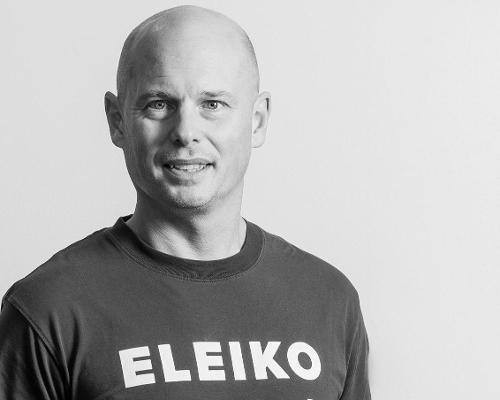
Stephen Tharrett and Mark Williamson, co-founders of brand insights ,Stephen Tharrett, Mark Williamson, ClubIntel, middlemen, ClassPass, Wildfire, FitReserve, Dibs, studio, boutique, class, loyalty ,trendwatching, brands, enlightenment, Innocent, Reebok, Nudge Kick, Fitness First, Nike, pricing, rewards, Uber, SureSlim, Weight Watchers, Fitbit
Latest News
Everlast Gyms expands its footprint outside of the UK this month with the imminent launch ...
Latest News
The UK's four Chief Medical Officers have published a refreshed edition of  Physical activity guidelines: ...
Latest News
Places Leisure has exchanged contracts to build and operate a flagship £60m water and wellness ...
Latest News
The Republic of Ireland will become the latest market in PureGym’s expanding international portfolio, with ...
Latest News
Sophie Lawler, CEO of Total Fitness, has launched a leadership coaching business aimed at helping ...
Latest News
Anytime Fitness reaches a milestone this week with the launch of its 6000th site. The ...
Latest News
The £33.9 million Leighton Leisure and Community Centre has opened in Leighton Buzzard, UK, creating ...
Latest News
YogaSix, the yoga brand owned by Xponential Fitness, has launched a heated, Pilates-inspired class called ...
Latest News
Walnuts Leisure Centre in Orpington, in the London Borough of Bromley, has reopened following a ...
Latest News
The Gym Group, has announced that it's sustained positive trading momentum has continued through the ...
Latest News
Hyrox has announced it will be working with a second charity in the upcoming season ...
Opinion
promotion
Strength training has moved from the margins to the mainstream.

Opinion: Building smarter strength spaces for today’s operators
Featured supplier news
Featured supplier news: Cornerstone Connect helps Active Blackpool tackle health inequalities
Active Blackpool is deploying Cornerstone Connect, a new digital interface allowing disparate information from multiple systems to be aggregated into one dataset, to support its focus on reducing health inequalities and improving healthy life expectancy.

Featured supplier news
Featured supplier news: Legends never die: four legends, four philosophies of life
Panatta brought together four of the most influential figures in bodybuilding history on the stage of RiminiWellness 2026: Phil Heath, Lee Haney, Ronnie Coleman and Hany Rambod.
Company profiles
Company profile: TechnoAlpin Indoor
TechnoAlpin Indoor offers expert consultation for indoor snow concepts, assisting customers with the integration of ...
Company profiles
Company profile: Perfect Gym Solutions S.A.
Perfect Gym, part of the Sport Alliance group, is a global software provider specialising in ...
Supplier Showcases
Supplier Showcase - From nightclub to health club
Supplier Showcases
Supplier Showcase - Future-proofing
Catalogue Gallery
Click on a catalogue to view it online
Featured press releases
Innerva press release: Wrightcare embeds wellness and active living into next-generation care homes
A care home provider is developing a new generation of care homes where health, wellbeing and active living are embedded into everyday life.
Featured press releases
Alliance Leisure Services (Design, Build and Fund) press release: Studio transformation completed at Burscough Wellbeing and Leisure Hub
Alliance Leisure are proud to have supported West Lancashire Borough Council to deliver a £300,000 studio transformation project at Burscough Wellbeing and Leisure Hub, creating a dedicated group exercise space designed to meet growing demand for fitness
Directory
Spa and beauty equipment
Oakworks Inc: Spa and beauty equipment
Water experiences and hydrotherapy solutions
Aquaform s.r.l.: Water experiences and hydrotherapy solutions
Hot tubs
MSpa International Ltd: Hot tubs
Lockers
Crown Sports Lockers: Lockers
Industrial washing machines
Miele Company Limited: Industrial washing machines
Fitness tracking platform
SpiviTech: Fitness tracking platform
Property & Tenders
Stratford, East London.
Lee Valley Regional Park Authority
Property & Tenders
Y Felinheli, LL56 4QN
Newmark
Property & Tenders
Diary dates
21-24 Sep 2026
The Langham Huntington Pasadena , Pasadena, United States
Diary dates
06-08 Oct 2026
Messe Stuttgart, Stuttgart, Germany
Diary dates
22-22 Oct 2026
QEII Conference Centre, London,
Diary dates
26-29 Oct 2027
Koelnmesse Exhibition Centre, Cologne, Germany
Diary dates
Search news, features & products:
Find a supplier:
Partner sites