



















GET HCM
magazine
Sign up for the FREE digital edition of HCM magazine and also get the HCM ezine and breaking news email alerts.
Not right now, thanksclose this window I've already subscribed!
Elevate Arena
Elevate Arena
Elevate Arena
Follow Health Club Management on Twitter Like Health Club Management on Facebook Join the discussion with Health Club Management on LinkedIn
FITNESS, HEALTH, WELLNESS

features

Business models: Specialist vs generalist

What will be the future of the traditional full-service club in the face of the growing microgym market? Kate Cracknell reports

By Kate Cracknell | Published in Health Club Management 2013 issue 10
we’ll see microgyms opening outside of london’s high footfall areas, with new models targeting new markets and cities

With their specialist, high-energy offerings that draw a loyal crowd, microgyms have, it seems, tapped into the zeitgeist. According to the latest UK Monitor report – produced by global trend and research experts The Futures Company and published in December 2012 – gone are the days when people’s sense of identity was defined by their job, their location, their upbringing… Nowadays, 62 per cent of Brits believe it’s their personal passions that define who they are.

And people are looking to inject some of that passion into their everyday lives. The Futures Company’s work on Millennials, for example – people aged between 18 and 32 years, otherwise known as Generation Y and still a core market for most fitness operators – suggests that what this audience wants is daily stimulation.

“For Generation Y, it’s not just about adrenaline-fuelled experiences. Rather, they’re seeking more personal experiences that offer them some meaning, such as curating and sharing their own Pinterest page built around their individual interests,” says Amy Tomkins, associate director at The Futures Company.

All of this is good news for the health and fitness sector – indeed, for the leisure sector as a whole – but only if it can create the sort of personalised experiences that today’s audience is seeking. In short, the sector must create something that’s able to inspire a defining passion in people.

But how many health clubs can really claim to achieve this? How many members are genuinely passionate about going to their gym?

Defining microgyms
Step forward the microgyms, the growing number of specialist studios that aim to inspire precisely this sort of enthusiasm in their users by specialising in the activities people are most passionate about and delivering them with panache – allowing them to charge a premium for the privilege.

We have of course seen standalone pilates, vibration training and PT studios for years – so how does the microgym differ? What defines a microgym, and what’s its secret ingredient?

“Microgyms or boutique gyms, as they are being called, are almost exclusively group activity-based studios that have created an authentic fitness experience through a combination of unique classes, refined studio environments and top instructors,” says Phillip Mills, CEO of Les Mills International.

“Every class is almost like a Broadway show,” adds Elena Lapetra, international sales manager at Schwinn. “There’s a theme, a script, a well thought-out soundtrack and a superstar instructor who shines through and who’s paid accordingly. There’s also excellent marketing pre- and post-event, all targeting a specific audience.”

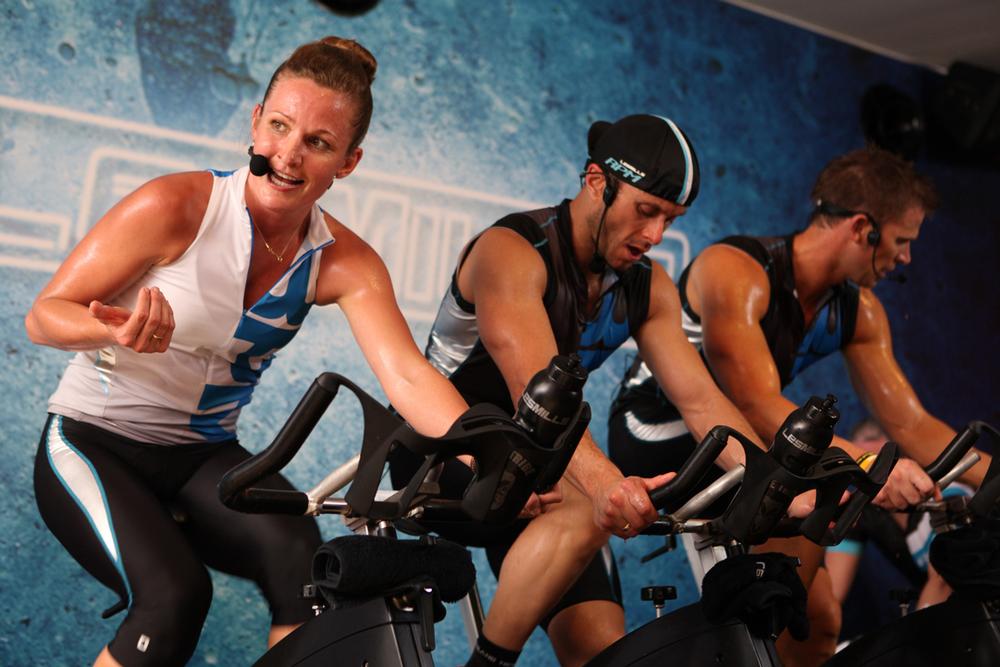
It’s been in the area of indoor cycling that we’ve seen the most microgym activity to date: Mills has been drawing attention to the likes of SoulCycle for some time now – the highly successful, high-end indoor cycling studios operating in US cities such as New York, and now rumoured to be eyeing a UK launch. Meanwhile, independent cycling microgyms have been rapidly popping up across London in recent months.

Mills continues: “Many microgyms have built very strong consumer propositions and brands, from CrossFit to SoulCycle to HIT-based Orangetheory Fitness.” So strong, in fact, that SoulCycle is able to charge US$34 a class – and more if you want to book into a popular timeslot.

So that’s the microgym – but who do these clubs appeal to, where can they succeed, are there specific activities that particularly lend themselves to this format, and does this specialist model pose a risk to the ‘generalist’ full-service offering?

New audiences
The formula of the microgym unquestionably appeals to the mindset of the Millennials, with their need to form an identity – to belong to a tribe but still feel like an individual. “For this group, it’s about standing out while fitting in,” says The Futures Company’s Tomkins.

By focusing on delivering one specific activity – something that will unite all attendees in their enthusiasm for it – all wrapped up in a ‘cool’ package, the microgym delivers against these apparently contradictory needs: in creating a loyal following, and with it a sense of tribe, the microgym helps people fit in, while its cool vibe simultaneously meets the “standing out” requirement.

But could the format be used to reach new audiences? “To date, microgyms have predominantly targeted the younger generation who want exercise to be a social experience in a group setting,” says Mills. “However, it’s likely other consumer segments will be targeted in the future. In fact, what some may consider the original microgym concept – Curves – targeted an older demographic.”

“Microgyms have the potential to appeal to all sorts of people and bring in brand new audiences if the timetable, the marketing and the coaches are managed correctly,” agrees Lapetra.

“They need to be specialised, but without being so specialised that they only appeal to one market,” adds David Cooper, operations director at Gymbox. “With a unique product offering, I think microgyms will be successful in pulling new customers into the industry, especially those who have preconceptions of gym workouts being boring.”

Location, location, location
But would the model work outside of major cities? Cooper suggests perhaps not yet. “Until the concept matures, it will stay in the major cities rather than spreading to provincial towns,” he says.

But Lapetra believes there’s scope for a broader geographical spread: “I believe we’ll see more and more microgyms opening outside the wealthy, high footfall areas of London, with new models targeting new markets and new cities. In the US, we’ve already seen newcomers challenging the original model from SoulCycle and Flywheel Sports, and I think we’ll start to see all that in the UK a lot sooner than many people anticipate, with some really interesting concepts being launched. These are exciting times – a wake-up call for existing gyms to up their game.”

Mills adds: “The majority of successful microgym chains have typically focused on urban hubs such as New York and Los Angeles. However, we’re beginning to see new players – such as Kosama and Orangetheory Fitness – focus on smaller cities.

“And microgyms have grown rapidly in recent years, particularly in the US market, often through adopting a franchise model. For example, Orangetheory Fitness launched in 2010 and has already awarded over 130 franchises across the US and Canada, while CrossFit was founded in 2000 and now has over 6,000 affiliated CrossFit ‘boxes’ across the globe.”

And Mills believes the emergence of virtual classes could now make microgyms even more widespread. “Virtual classes will be a disruptive force and will facilitate microgyms – a couple of instructors could run a microgym with the help of virtual technology,” he observed at this year’s ukactive FLAME conference.

Friend or foe?
“While the rise of the boutique health club might cause concern to mainstream operators, I feel this could be turned on its head,” says fitness industry consultant Dean Hodgkin. “The hip marketing campaigns that accompany the launch of the trendy specialist clubs may well stir interest in a different consumer than our traditional approach to member recruitment achieves.

“If these people develop a regular fitness habit, they may become bored of the narrow activity on offer in the microgym and could look for variety, naturally leading them to more full-service clubs.”

David Minton, director at The Leisure Database Company in the UK, agrees: “I love these so-called ‘microgyms’ as they offer a product and experience people value and are prepared to pay a premium for. These same people become ambassadors and spread the word very quickly. This adds real value to an industry that’s been lacking disruptive innovation for too long. My current favourites are Boom!Cycle in Shoreditch and Heartcore in Notting Hill.”

Not only that, but as Mills explains: “Unlike budget gyms, the growth of the microgym has not negatively impacted traditional clubs. That these clubs have grown without eating into traditional membership rates suggests that either a new breed of consumer is being welcomed into the fitness industry, or those with gym memberships are also adding a microgym experience.”

But will this be the case going forward? People’s buying habits are already shifting – witness the growth in ‘pay as you go’ fitness facilitated by the likes of payasUgym and Fitness Freak. With the help of technology such as fitness apps and heart rate monitors, consumers are also increasingly willing to take fitness into their own hands. Going forward, they may therefore choose to pay only for premium, specialist delivery of the activities they love the most, taking control of the rest of their exercise routine themselves.

“As personal budgets and incomes have become tighter, consumers are reassessing their spending habits. They’re looking to protect their spending on the things that matter most to them, and as a result may even be willing to pay more for products and services that target specific health needs or passions rather than opting for more generic solutions,” says Radha Patel, associate director at The Futures Company.

If this is the case, might traditional clubs be forced to review their pricing structures to remain competitive, offering a range of ‘pay for what you use’ packages, for example? Might it once again be the budget clubs that do well, holding on to the ‘gym only’ segment while the microgyms take on ‘cycling only’ etc?

In the long run, operators must surely adapt or risk losing members as the microgym sector continues to grow.

“Members want innovation and convenience, not inflexibility, and they only want to pay for the services they use,” confirms Mark Botha, operations director at Fitness First Middle East. “The industry should move fast on this, otherwise a lot of freelance concepts will spring up, fracturing the market.”

Applying the learnings
But how might traditional full-service clubs adapt – what are the options open to them? Is the microgym offering something they can learn
from, or indeed replicate – and would they even want to?

“I struggle to see how the new generation of group exercise-only venues will ever be more than a niche market,” says Michelle Bletso, group exercise development manager for Everyone Active. “Very few of our members do just one type of exercise, combining gym with classes, swimming with group cycling.

“As an industry, we advocate a variety of training for all-round fitness, and we should offer that variety in one place to allow people to cross-train effectively and time-efficiently. The future of fitness, I’d suggest, is full-service fitness done well: this will prevail over more niche offerings.”

Nevertheless, even Bletso feels there are learnings to be taken from the microgyms: “Multi-purpose operators can learn from the trend by ensuring all aspects of their gyms and group/studio programmes remain innovative in their own right.”

Doyle Armstrong, product specialist at Indoor Cycling Group, agrees: “I think the microgym trend will make other operators look at how they provide group exercise and encourage them to invest in this area, especially in the education of their instructors. For many clubs, the current quality of class delivery needs to be addressed.”

While it might not be feasible to raise the entire offering of a full-service club to the high standards of a microgym, if operators can identify the activities that drive the highest levels of loyalty and passion among members, they could create a series of premium ‘club in club’ experiences around these. In doing so, Mills believes traditional operations can latch onto the microgym trend.

However, he believes most clubs are currently falling short of where they need to be to do this: “When it comes to team training, microgyms get it right – why can’t generalist gyms? You have to create boutique spaces within your clubs, and you have to do it just as well as the niche gyms. Then you can charge a premium.”

For example, Les Mills clubs in New Zealand incorporate in-house, boutique cycling studios that generate additional revenue for the club. “Team training strategies that work include the ‘free unless you want to reserve a space’ approach,” says Mills. “We charge NZ$5 per person to book a spot in our cycling classes – and they always sell out, so everyone books. Given that our studios hold 30–60 people, that soon adds up and allows us to pay for superstar instructors.”

Meanwhile, in the UK, David Lloyd Leisure has announced an exclusive deal with Orangetheory Fitness to roll out its HIT-based workout in its DL Studio personal training venues. And in Australia, Fitness First launched The Zone in Sydney this summer – a purpose-built club dedicated exclusively to group exercise, with anything up to 100+ classes a day across its six zones – proving that even multi-club operators can get in on the microgym trend.

Operators might even consider partnering with third-party specialists to deliver boutique offerings in their sites – in much the same way that space is already allocated to external businesses such as Costa Coffee – to ensure that any members who do want this sort of offering don’t look elsewhere, and still see it as part of their club.

“As more and more people use microgyms, setting high expectations of fitness facilities, we will need to ensure we’re on top of the game when it comes to delivery,” says Hodgkin. “We should be striving to offer ‘clubs in clubs’ whereby, for example, our bootcamp classes at least match BMF for creativity, our HIT sessions keep pace with Orangetheory, and our cycling studios are equipped with the technology to generate an excitement equal to that of Boom!Cycle.

“Ultimately staffing, equipment, décor and hype are all within our control.”

Clubs in club
Communication of the offering will become more important than ever as things become increasingly fragmented, ensuring members understand the options, the price implications, and crucially why they should pay for premium sessions on top of their monthly fees.

Nevertheless – whether to counter any threat microgyms might pose, or simply to capitalise revenue- and retention-wise on this trend – we could start to see the generalist club effectively becoming a series of smaller ‘clubs within club’ in the future, developing cutting-edge offerings to meet the wishes of the distinct tribes that exist among a full-service membership, and with it creating an offering worthy of members’ passion.

Sign up here to get HCM's weekly ezine and every issue of HCM magazine free on digital.
To date, many of the successful microgyms have focused on cycling / Photo: Andrew Haurissa
Les Mills clubs charge a booking fee to guarantee a spot in premium classes
Fitness First Australia recently launched The Zone, a group exercise-only site in Sydney
https://www.leisureopportunities.co.uk/images/HCM2013_10models.gif
What will be the future of the traditional full-service club in the face of the growing microgym market? Kate Cracknell reports
The Futures Company, Les Mills, Soulcycle, The Leisure Database Company, Gymbox, Flywheel Sports, Crossfit ,Microgym, passion, specialist, club in club, niche, full-service
HCM magazine
Raphael Cuomo explores the powerful link between addiction, health and behaviour change
HCM magazine
HCM People

Stephen Price

Founder, SP&Co Group
Working in public health over the last few years has lit up parts of my brain again
HCM magazine
I experienced a blissful feeling of joy I hadn’t felt since I was a kid
HCM magazine
As the entrepreneur who started Wexer, Fresh Fitness, Fitness DK and Repeat, as well as being a former elite athlete, Rasmus Ingerslev’s life looked perfect from the outside, but onthe inside it was a different story. He talks to Kath Hudson about healing old wounds
HCM magazine
Collaborations with the medical profession and greater aspirations around wellbeing are creating a need for more experts in our sector. It’s time to reboot our thinking around the workforce
HCM promotional features
Sponsored
Find out how your gym can tap into the corporate wellness boom
HCM promotional features
Sponsored
Greg Bradley looks at the shift towards strength training in gyms and advises on how operators can create the ultimate training environment
HCM promotional features
Sponsored
SnowDome Fitness has added 50 per cent more space with cutting-edge Technogym solutions
HCM promotional features
Sponsored
David Lloyd is stepping up its commitment to women’s health as it continues to explore what fit-for-purpose looks like for the female population
HCM promotional features
Sponsored
Starpool supports Olympic champion Marcell Jacobs, says Riccardo Turri
HCM promotional features
Sponsored
Third Space partnered with IndigoFitness to deliver a bespoke training space for its new club at The Whiteley
HCM promotional features
Sponsored
EGYM has opened a new HQ in Paternoster Square, London and revealed a range of new launches
HCM promotional features
Sponsored
Pulse Fitness has created a new health club delivering an elevated wellness experience
HCM promotional features
Sponsored
The industry is embracing consumer-facing tech. Now it’s time to streamline back-of-house systems with Orbit4, says Daniel Jones
HCM promotional features
Latest News
Nuffield Health has told HCM that it takes its responsibilities towards its colleagues seriously and ...
Latest News
Technogym has announced the launch of the Run X World Treadmill Championship, the first world ...
Latest News
Shocked by the UK loneliness statistics, charitable trust Mytime Active has been doubling down on ...
Latest News
Portugal’s leading operator, SC Fitness, is celebrating a milestone by reaching 100 gyms.  The company ...
Latest News
Australia’s fast-growing fitness network, Viva Leisure, is adding a low-cost gym brand to its already ...
Latest News
Speedflex has launched a strength training programme for 10 to 16-year-olds, to make it safer, ...
Latest News
Tewinbury Farm Hotel in Hertfordshire, UK is expanding its premium leisure proposition with the launch ...
Latest News

Work is underway in Madrid on one of Europe’s most significant multi-functional complexes, ...

Opinion
promotion
Strength training has moved from the margins to the mainstream.
Opinion: Building smarter strength spaces for today’s operators
Featured supplier news
Featured supplier news: Supporting long-term health: why whole body vibration belongs in clinical settings
As healthcare continues to shift towards prevention, there’s a growing focus on helping people stay active, independent and feeling good for longer.
Featured supplier news
Featured supplier news: Elevate 2026 to mark 10-year anniversary with biggest ever waterfront drinks reception
Elevate is set to celebrate its 10th anniversary in style this June, with organisers confirming the event’s largest-ever drinks reception as registrations continue to run more than 10% ahead of last year.
Company profiles
Company profile: Power Plate
Power Plate's range of products include whole body vibration platforms, targeted vibration products and the ...
Company profiles
Company profile: Kodobi Ltd
Running a fast-paced fitness business while ensuring safety and compliance is no easy feat. That’s ...
Supplier Showcases
Supplier Showcase - From nightclub to health club
Supplier Showcases
Supplier Showcase - Future-proofing
Catalogue Gallery
Click on a catalogue to view it online
Featured press releases
GYMNATION press release: Massive ‘Good Luck’ message appears in Saudi Desert as Green Falcons head to World Cup
Passengers flying out of Riyadh this week have been treated to an extraordinary sight from the skies after GymNation unveiled a giant desert sand mural supporting the Saudi Arabia National Football Team ahead of the FIFA World Cup in the United States.
Featured press releases
BLK BOX press release: BLK BOX strengthens European growth with the appointment of Germany country manager Timo Garrels
BLK BOX is proud to welcome Timo Garrels as Germany country manager, marking another important step in the brand’s continued growth across Europe.
Directory
Hot tubs
MSpa International Ltd: Hot tubs
Industrial washing machines
Miele Company Limited: Industrial washing machines
Water experiences and hydrotherapy solutions
Aquaform s.r.l.: Water experiences and hydrotherapy solutions
Spa and beauty equipment
Oakworks Inc: Spa and beauty equipment
Lockers
Crown Sports Lockers: Lockers
Fitness tracking platform
SpiviTech: Fitness tracking platform
Property & Tenders
Stratford, East London.
Lee Valley Regional Park Authority
Property & Tenders
Y Felinheli, LL56 4QN
Newmark
Property & Tenders
Diary dates
13-13 Jun 2026
Worldwide, Various,
Diary dates
21-24 Sep 2026
The Langham Huntington Pasadena , Pasadena, United States
Diary dates
06-08 Oct 2026
Messe Stuttgart, Stuttgart, Germany
Diary dates
22-22 Oct 2026
QEII Conference Centre, London,
Diary dates
26-29 Oct 2027
Koelnmesse Exhibition Centre, Cologne, Germany
Diary dates

features

Business models: Specialist vs generalist

What will be the future of the traditional full-service club in the face of the growing microgym market? Kate Cracknell reports

By Kate Cracknell | Published in Health Club Management 2013 issue 10
we’ll see microgyms opening outside of london’s high footfall areas, with new models targeting new markets and cities

With their specialist, high-energy offerings that draw a loyal crowd, microgyms have, it seems, tapped into the zeitgeist. According to the latest UK Monitor report – produced by global trend and research experts The Futures Company and published in December 2012 – gone are the days when people’s sense of identity was defined by their job, their location, their upbringing… Nowadays, 62 per cent of Brits believe it’s their personal passions that define who they are.

And people are looking to inject some of that passion into their everyday lives. The Futures Company’s work on Millennials, for example – people aged between 18 and 32 years, otherwise known as Generation Y and still a core market for most fitness operators – suggests that what this audience wants is daily stimulation.

“For Generation Y, it’s not just about adrenaline-fuelled experiences. Rather, they’re seeking more personal experiences that offer them some meaning, such as curating and sharing their own Pinterest page built around their individual interests,” says Amy Tomkins, associate director at The Futures Company.

All of this is good news for the health and fitness sector – indeed, for the leisure sector as a whole – but only if it can create the sort of personalised experiences that today’s audience is seeking. In short, the sector must create something that’s able to inspire a defining passion in people.

But how many health clubs can really claim to achieve this? How many members are genuinely passionate about going to their gym?

Defining microgyms
Step forward the microgyms, the growing number of specialist studios that aim to inspire precisely this sort of enthusiasm in their users by specialising in the activities people are most passionate about and delivering them with panache – allowing them to charge a premium for the privilege.

We have of course seen standalone pilates, vibration training and PT studios for years – so how does the microgym differ? What defines a microgym, and what’s its secret ingredient?

“Microgyms or boutique gyms, as they are being called, are almost exclusively group activity-based studios that have created an authentic fitness experience through a combination of unique classes, refined studio environments and top instructors,” says Phillip Mills, CEO of Les Mills International.

“Every class is almost like a Broadway show,” adds Elena Lapetra, international sales manager at Schwinn. “There’s a theme, a script, a well thought-out soundtrack and a superstar instructor who shines through and who’s paid accordingly. There’s also excellent marketing pre- and post-event, all targeting a specific audience.”

It’s been in the area of indoor cycling that we’ve seen the most microgym activity to date: Mills has been drawing attention to the likes of SoulCycle for some time now – the highly successful, high-end indoor cycling studios operating in US cities such as New York, and now rumoured to be eyeing a UK launch. Meanwhile, independent cycling microgyms have been rapidly popping up across London in recent months.

Mills continues: “Many microgyms have built very strong consumer propositions and brands, from CrossFit to SoulCycle to HIT-based Orangetheory Fitness.” So strong, in fact, that SoulCycle is able to charge US$34 a class – and more if you want to book into a popular timeslot.

So that’s the microgym – but who do these clubs appeal to, where can they succeed, are there specific activities that particularly lend themselves to this format, and does this specialist model pose a risk to the ‘generalist’ full-service offering?

New audiences
The formula of the microgym unquestionably appeals to the mindset of the Millennials, with their need to form an identity – to belong to a tribe but still feel like an individual. “For this group, it’s about standing out while fitting in,” says The Futures Company’s Tomkins.

By focusing on delivering one specific activity – something that will unite all attendees in their enthusiasm for it – all wrapped up in a ‘cool’ package, the microgym delivers against these apparently contradictory needs: in creating a loyal following, and with it a sense of tribe, the microgym helps people fit in, while its cool vibe simultaneously meets the “standing out” requirement.

But could the format be used to reach new audiences? “To date, microgyms have predominantly targeted the younger generation who want exercise to be a social experience in a group setting,” says Mills. “However, it’s likely other consumer segments will be targeted in the future. In fact, what some may consider the original microgym concept – Curves – targeted an older demographic.”

“Microgyms have the potential to appeal to all sorts of people and bring in brand new audiences if the timetable, the marketing and the coaches are managed correctly,” agrees Lapetra.

“They need to be specialised, but without being so specialised that they only appeal to one market,” adds David Cooper, operations director at Gymbox. “With a unique product offering, I think microgyms will be successful in pulling new customers into the industry, especially those who have preconceptions of gym workouts being boring.”

Location, location, location
But would the model work outside of major cities? Cooper suggests perhaps not yet. “Until the concept matures, it will stay in the major cities rather than spreading to provincial towns,” he says.

But Lapetra believes there’s scope for a broader geographical spread: “I believe we’ll see more and more microgyms opening outside the wealthy, high footfall areas of London, with new models targeting new markets and new cities. In the US, we’ve already seen newcomers challenging the original model from SoulCycle and Flywheel Sports, and I think we’ll start to see all that in the UK a lot sooner than many people anticipate, with some really interesting concepts being launched. These are exciting times – a wake-up call for existing gyms to up their game.”

Mills adds: “The majority of successful microgym chains have typically focused on urban hubs such as New York and Los Angeles. However, we’re beginning to see new players – such as Kosama and Orangetheory Fitness – focus on smaller cities.

“And microgyms have grown rapidly in recent years, particularly in the US market, often through adopting a franchise model. For example, Orangetheory Fitness launched in 2010 and has already awarded over 130 franchises across the US and Canada, while CrossFit was founded in 2000 and now has over 6,000 affiliated CrossFit ‘boxes’ across the globe.”

And Mills believes the emergence of virtual classes could now make microgyms even more widespread. “Virtual classes will be a disruptive force and will facilitate microgyms – a couple of instructors could run a microgym with the help of virtual technology,” he observed at this year’s ukactive FLAME conference.

Friend or foe?
“While the rise of the boutique health club might cause concern to mainstream operators, I feel this could be turned on its head,” says fitness industry consultant Dean Hodgkin. “The hip marketing campaigns that accompany the launch of the trendy specialist clubs may well stir interest in a different consumer than our traditional approach to member recruitment achieves.

“If these people develop a regular fitness habit, they may become bored of the narrow activity on offer in the microgym and could look for variety, naturally leading them to more full-service clubs.”

David Minton, director at The Leisure Database Company in the UK, agrees: “I love these so-called ‘microgyms’ as they offer a product and experience people value and are prepared to pay a premium for. These same people become ambassadors and spread the word very quickly. This adds real value to an industry that’s been lacking disruptive innovation for too long. My current favourites are Boom!Cycle in Shoreditch and Heartcore in Notting Hill.”

Not only that, but as Mills explains: “Unlike budget gyms, the growth of the microgym has not negatively impacted traditional clubs. That these clubs have grown without eating into traditional membership rates suggests that either a new breed of consumer is being welcomed into the fitness industry, or those with gym memberships are also adding a microgym experience.”

But will this be the case going forward? People’s buying habits are already shifting – witness the growth in ‘pay as you go’ fitness facilitated by the likes of payasUgym and Fitness Freak. With the help of technology such as fitness apps and heart rate monitors, consumers are also increasingly willing to take fitness into their own hands. Going forward, they may therefore choose to pay only for premium, specialist delivery of the activities they love the most, taking control of the rest of their exercise routine themselves.

“As personal budgets and incomes have become tighter, consumers are reassessing their spending habits. They’re looking to protect their spending on the things that matter most to them, and as a result may even be willing to pay more for products and services that target specific health needs or passions rather than opting for more generic solutions,” says Radha Patel, associate director at The Futures Company.

If this is the case, might traditional clubs be forced to review their pricing structures to remain competitive, offering a range of ‘pay for what you use’ packages, for example? Might it once again be the budget clubs that do well, holding on to the ‘gym only’ segment while the microgyms take on ‘cycling only’ etc?

In the long run, operators must surely adapt or risk losing members as the microgym sector continues to grow.

“Members want innovation and convenience, not inflexibility, and they only want to pay for the services they use,” confirms Mark Botha, operations director at Fitness First Middle East. “The industry should move fast on this, otherwise a lot of freelance concepts will spring up, fracturing the market.”

Applying the learnings
But how might traditional full-service clubs adapt – what are the options open to them? Is the microgym offering something they can learn
from, or indeed replicate – and would they even want to?

“I struggle to see how the new generation of group exercise-only venues will ever be more than a niche market,” says Michelle Bletso, group exercise development manager for Everyone Active. “Very few of our members do just one type of exercise, combining gym with classes, swimming with group cycling.

“As an industry, we advocate a variety of training for all-round fitness, and we should offer that variety in one place to allow people to cross-train effectively and time-efficiently. The future of fitness, I’d suggest, is full-service fitness done well: this will prevail over more niche offerings.”

Nevertheless, even Bletso feels there are learnings to be taken from the microgyms: “Multi-purpose operators can learn from the trend by ensuring all aspects of their gyms and group/studio programmes remain innovative in their own right.”

Doyle Armstrong, product specialist at Indoor Cycling Group, agrees: “I think the microgym trend will make other operators look at how they provide group exercise and encourage them to invest in this area, especially in the education of their instructors. For many clubs, the current quality of class delivery needs to be addressed.”

While it might not be feasible to raise the entire offering of a full-service club to the high standards of a microgym, if operators can identify the activities that drive the highest levels of loyalty and passion among members, they could create a series of premium ‘club in club’ experiences around these. In doing so, Mills believes traditional operations can latch onto the microgym trend.

However, he believes most clubs are currently falling short of where they need to be to do this: “When it comes to team training, microgyms get it right – why can’t generalist gyms? You have to create boutique spaces within your clubs, and you have to do it just as well as the niche gyms. Then you can charge a premium.”

For example, Les Mills clubs in New Zealand incorporate in-house, boutique cycling studios that generate additional revenue for the club. “Team training strategies that work include the ‘free unless you want to reserve a space’ approach,” says Mills. “We charge NZ$5 per person to book a spot in our cycling classes – and they always sell out, so everyone books. Given that our studios hold 30–60 people, that soon adds up and allows us to pay for superstar instructors.”

Meanwhile, in the UK, David Lloyd Leisure has announced an exclusive deal with Orangetheory Fitness to roll out its HIT-based workout in its DL Studio personal training venues. And in Australia, Fitness First launched The Zone in Sydney this summer – a purpose-built club dedicated exclusively to group exercise, with anything up to 100+ classes a day across its six zones – proving that even multi-club operators can get in on the microgym trend.

Operators might even consider partnering with third-party specialists to deliver boutique offerings in their sites – in much the same way that space is already allocated to external businesses such as Costa Coffee – to ensure that any members who do want this sort of offering don’t look elsewhere, and still see it as part of their club.

“As more and more people use microgyms, setting high expectations of fitness facilities, we will need to ensure we’re on top of the game when it comes to delivery,” says Hodgkin. “We should be striving to offer ‘clubs in clubs’ whereby, for example, our bootcamp classes at least match BMF for creativity, our HIT sessions keep pace with Orangetheory, and our cycling studios are equipped with the technology to generate an excitement equal to that of Boom!Cycle.

“Ultimately staffing, equipment, décor and hype are all within our control.”

Clubs in club
Communication of the offering will become more important than ever as things become increasingly fragmented, ensuring members understand the options, the price implications, and crucially why they should pay for premium sessions on top of their monthly fees.

Nevertheless – whether to counter any threat microgyms might pose, or simply to capitalise revenue- and retention-wise on this trend – we could start to see the generalist club effectively becoming a series of smaller ‘clubs within club’ in the future, developing cutting-edge offerings to meet the wishes of the distinct tribes that exist among a full-service membership, and with it creating an offering worthy of members’ passion.

Sign up here to get HCM's weekly ezine and every issue of HCM magazine free on digital.
To date, many of the successful microgyms have focused on cycling / Photo: Andrew Haurissa
Les Mills clubs charge a booking fee to guarantee a spot in premium classes
Fitness First Australia recently launched The Zone, a group exercise-only site in Sydney
https://www.leisureopportunities.co.uk/images/HCM2013_10models.gif
What will be the future of the traditional full-service club in the face of the growing microgym market? Kate Cracknell reports
The Futures Company, Les Mills, Soulcycle, The Leisure Database Company, Gymbox, Flywheel Sports, Crossfit ,Microgym, passion, specialist, club in club, niche, full-service
Latest News
Nuffield Health has told HCM that it takes its responsibilities towards its colleagues seriously and ...
Latest News
Technogym has announced the launch of the Run X World Treadmill Championship, the first world ...
Latest News
Shocked by the UK loneliness statistics, charitable trust Mytime Active has been doubling down on ...
Latest News
Portugal’s leading operator, SC Fitness, is celebrating a milestone by reaching 100 gyms.  The company ...
Latest News
Australia’s fast-growing fitness network, Viva Leisure, is adding a low-cost gym brand to its already ...
Latest News
Speedflex has launched a strength training programme for 10 to 16-year-olds, to make it safer, ...
Latest News
Tewinbury Farm Hotel in Hertfordshire, UK is expanding its premium leisure proposition with the launch ...
Latest News

Work is underway in Madrid on one of Europe’s most significant multi-functional complexes, ...

Latest News
PureGym is encouraging people to step away from their screens and go for a walk, ...
Latest News
Small improvements to sleep, diet quality, and physical activity, made in combination lead to a ...
Latest News
Therme Manchester’s 28-acre development, which will include interconnected glass pavilions that measure 65,000sq m, will ...
Opinion
promotion
Strength training has moved from the margins to the mainstream.
Opinion: Building smarter strength spaces for today’s operators
Featured supplier news
Featured supplier news: Supporting long-term health: why whole body vibration belongs in clinical settings
As healthcare continues to shift towards prevention, there’s a growing focus on helping people stay active, independent and feeling good for longer.
Featured supplier news
Featured supplier news: Elevate 2026 to mark 10-year anniversary with biggest ever waterfront drinks reception
Elevate is set to celebrate its 10th anniversary in style this June, with organisers confirming the event’s largest-ever drinks reception as registrations continue to run more than 10% ahead of last year.
Company profiles
Company profile: Power Plate
Power Plate's range of products include whole body vibration platforms, targeted vibration products and the ...
Company profiles
Company profile: Kodobi Ltd
Running a fast-paced fitness business while ensuring safety and compliance is no easy feat. That’s ...
Supplier Showcases
Supplier Showcase - From nightclub to health club
Supplier Showcases
Supplier Showcase - Future-proofing
Catalogue Gallery
Click on a catalogue to view it online
Featured press releases
GYMNATION press release: Massive ‘Good Luck’ message appears in Saudi Desert as Green Falcons head to World Cup
Passengers flying out of Riyadh this week have been treated to an extraordinary sight from the skies after GymNation unveiled a giant desert sand mural supporting the Saudi Arabia National Football Team ahead of the FIFA World Cup in the United States.
Featured press releases
BLK BOX press release: BLK BOX strengthens European growth with the appointment of Germany country manager Timo Garrels
BLK BOX is proud to welcome Timo Garrels as Germany country manager, marking another important step in the brand’s continued growth across Europe.
Directory
Hot tubs
MSpa International Ltd: Hot tubs
Industrial washing machines
Miele Company Limited: Industrial washing machines
Water experiences and hydrotherapy solutions
Aquaform s.r.l.: Water experiences and hydrotherapy solutions
Spa and beauty equipment
Oakworks Inc: Spa and beauty equipment
Lockers
Crown Sports Lockers: Lockers
Fitness tracking platform
SpiviTech: Fitness tracking platform
Property & Tenders
Stratford, East London.
Lee Valley Regional Park Authority
Property & Tenders
Y Felinheli, LL56 4QN
Newmark
Property & Tenders
Diary dates
13-13 Jun 2026
Worldwide, Various,
Diary dates
21-24 Sep 2026
The Langham Huntington Pasadena , Pasadena, United States
Diary dates
06-08 Oct 2026
Messe Stuttgart, Stuttgart, Germany
Diary dates
22-22 Oct 2026
QEII Conference Centre, London,
Diary dates
26-29 Oct 2027
Koelnmesse Exhibition Centre, Cologne, Germany
Diary dates
Search news, features & products:
Find a supplier:
Elevate Arena
Elevate Arena
Partner sites