








Follow Health Club Management on Twitter Like Health Club Management on Facebook Join the discussion with Health Club Management on LinkedIn
FITNESS, HEALTH, WELLNESS

features

Briefing: Fitness in Europe

Cliff Collins shares context and the historical setting of the sector

Published in Health Club Management 2025 issue 2
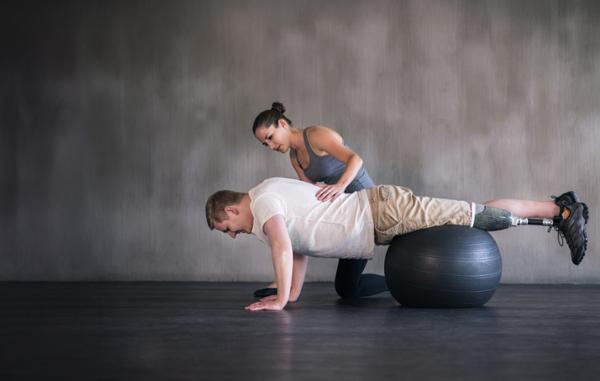
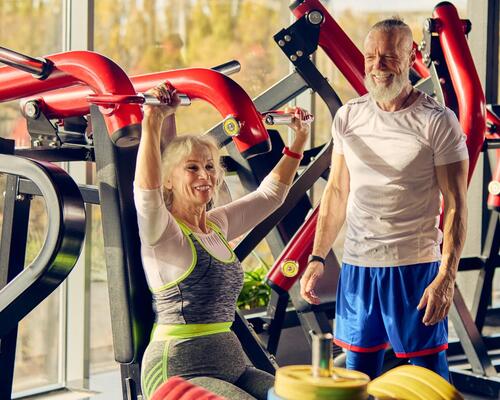
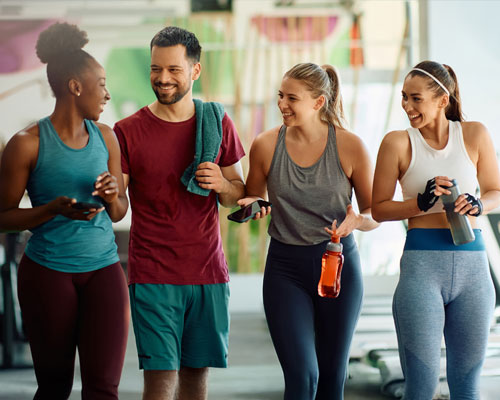
Adult guidelines set out 30 minutes of moderate activity / photo: Shutterstock / PeopleImages.com - Yuri A
One of the key challenges facing the European fitness sector is the lack of comprehensive and coordinated data collection

During the 1990s a number of countries and institutions became increasingly concerned about the rising healthcare costs associated with physical inactivity. A landmark document in 1996, Physical Activity and Health: A report of the US Surgeon General set out the significant health benefits of regular physical activity for the first time, saying that ‘moderate physical activity, such as brisk walking for 30 minutes a day, can reduce the risk of chronic diseases such as coronary heart disease, diabetes, hypertension, and colon cancer – otherwise known as non-communicable diseases. It also made an important connection with the need to integrate physical activity into daily life and not for it to be considered solely as an ‘additional’ activity.

In 2001 a report commissioned by the UK’s Department of Health (DoH) called the National Quality Assurance Framework (NQAF) stated that ‘There is now compelling evidence that physical activity is important for health and has great potential for health gain.

Physical inactivity is strongly linked with a range of physical and mental health problems…’ (DoH, 1995; HEA 1994; USA-DHHS, 1996; WHO/Federation of Sports Medicine 1996; Biddle, et al). The NQAF was also the first document of its kind to make a link between the opportunities of the fitness sector working with other healthcare professionals through a proposed extensive exercise referral programme.

The EU platform for action on diet, physical activity and health was established in 2004 as a forum for European-level organisations which developed a database of stakeholder initiatives. The platform was overseen by the Directorate for Consumers and Public Health (DGSanco). The platform ended in 2020, but its work was dominated by the food and drink sectors and HEPA-based organisations were just a small minority.

The foundation of HEPA Europe
HEPA Europe (European network for the promotion of health-enhancing physical activity) was established in 2005 to provide a forum for the advancement of research, policy and practice for better health and wellbeing across the World Health Organization (WHO) European Region. In 2007, it published a European Framework to Promote Physical Activity for Health stating “the promotion of physical activity should therefore be a fundamental component of public health work. Action must now be taken on the basis of the best available evidence and practice”.

In 2008, the European Commission Sport Unit, which was part of the Directorate for Education and Culture (DGEAC), published the first and only EU Physical Activity Guidelines which covered a number of proposed policy areas for development, but it also made the first EU commitment in its Guideline 1 that said: "In accordance with the guidance documents of the World Health Organization, the European Union and its member states recommend a minimum of 60 minutes of daily moderate-intensity physical activity for children and young people and a minimum of 30 minutes of daily moderate-intensity physical activity for adults including seniors."

The guidelines were the first document in the European Commission referring to ‘fitness centres’.

Perhaps a defining moment came in 2010 when the WHO published the Global Recommendations on Physical Activity for Health, the first population-based public health guidelines for children and adolescents, adults and older adults. The recommendations have subsequently been updated a number of times, but they’ve become the mainstay of the basis of public policy around the world and are much referenced across the fitness sector.

The Sport Unit oversaw the foundation of an Expert Group on Sport Health & Participation which reported on three outcomes in 2012. The first proposed a new EU policy initiative in the field of Health Enhancing Physical Activity (HEPA), the second was strengthened cooperation between the sport and the health care sectors (requiring closer cooperation between various directorates of the European Commission) and third was the promoting and importance of active ageing.

Accordingly, the European Union Work Plan for Sport (2011-2014) identified HEPA as among the priority themes. The Commission declared 2012 as the Year of Active Ageing and in 2014 the Expert Group on HEPA was formed. It invited Member States to adopt national strategies, develop cross-sector HEPA policy approaches and implement corresponding action plans to promote physical activity. It also invited the European Commission to promote the establishment and functioning of a monitoring framework in close synergy and cooperation with the WHO, recognising that the availability of more information and better data on physical activity levels and HEPA promotion policies was an essential element when it came to underpinning better evidence-based policy.

There are some notable campaigns and promotions running which support the ‘get active’ message and which claim mass-participation, but their legacy is more difficult to track. This is especially when trying to identify how many non-exercisers take-up regular exercise because of these events and messaging. These two examples from Europe are amongst the most successful:

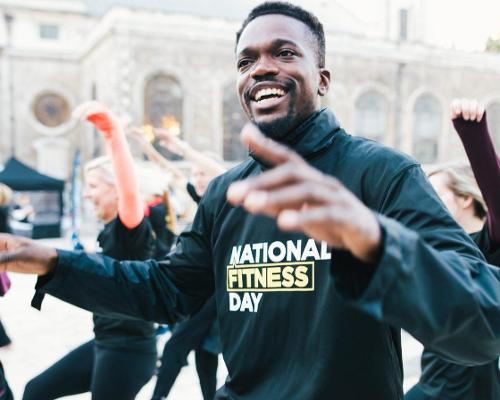
The UK’s National Fitness Day campaign is an annual event that encourages people of all ages and fitness levels to get active. It was first organised in 2011 by Energie Fitness founder, the late Jan Spaticchia, who gifted it to UK Active to run on behalf of the nation. UK Active has subsequently created a Jan Spaticchia award in his honour.

National Fitness Day promotes the importance of regular exercise by hosting free fitness classes, community events, and activities in gyms, parks, and workplaces across the country. The aim is to inspire people to make physical activity a regular part of their daily lives, improving both physical and mental health. It takes place each year on the last Wednesday of September, with millions of people participating nationwide.

The Republic of Ireland also runs its own National Fitness Day campaign, which is also held in September.

The European Week of Sport is an initiative launched by the European Commission in 2015 to promote physical activity and healthier lifestyles across Europe. It takes place annually, typically in the last week of September and encourages people of all ages and fitness levels to engage in sports and physical activities.

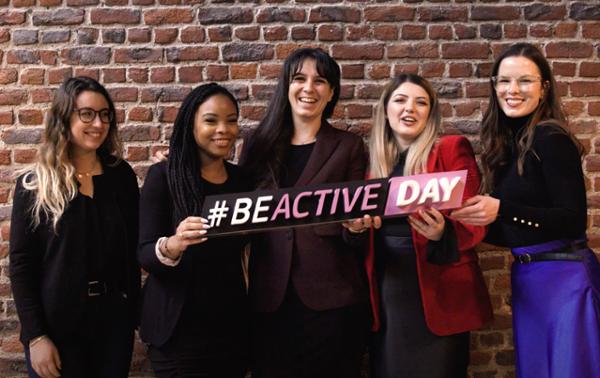
The campaign has been a success, with growing participation numbers each year. Since its inception, millions of people across more than 40 countries have taken part in thousands of events. In 2022 alone, the initiative attracted over 13 million participants. The campaign’s slogan #BEACTIVE has helped raise awareness about the benefits of physical activity from improving health to fostering social connections.

EU funding for physical activity
The European Commission has a long history of funding projects and in 2014 launched the Erasmus+ programme to provide funding to support sport projects across Europe, promoting physical activity, inclusion and cooperation. The programme focuses on grassroots sports and initiatives that tackle social challenges, promote good governance and combat issues such as match-fixing and doping. Funding is available for collaborative partnerships, small-scale projects, and events that involve different countries.

As of 2023, over 1,200 sport projects have been funded, supporting initiatives that bring together organisations from various European countries. For the 2021-2027 period, Erasmus+ allocated around €470m to sport, ensuring ongoing support for collaboration, innovation, and inclusion in sport at all levels.

This funding helps sports organisations, local authorities, and NGOs to work together to improve the sporting experience for all, with a particular focus on marginalised groups and social integration. Although there’s some independent evaluation of overall project successes, there is little top-down view of their effectiveness in contributing to the raising activity levels per se.

EuropeActive has been the coordinator of a number of Erasmus+ projects, including Promoting Active and Healthy Ageing (PAHA) and Active Learning for Children in Schools (ALCIS). More recently, over several years, there has the #BEACTIVEDAY programme that has coordinated with the timing of the European Week of Sport.

Now in its 15th year, the HEPA Europe conference (the European Network for the Promotion of Health-Enhancing Physical Activity), which is jointly organised by WHO/Europe, brings together scientists, policymakers, professionals and other stakeholders to facilitate the implementation of knowledge. It is the most recognised annual event in Europe, connecting participants to drive the direction of policy development in HEPA.

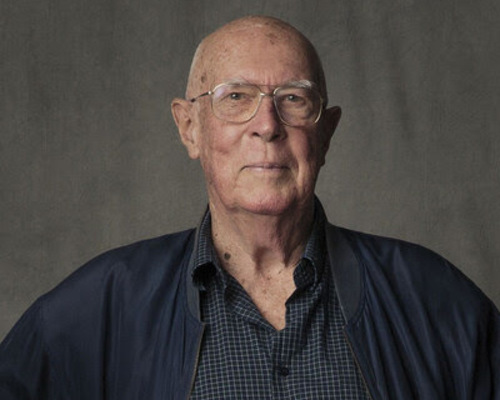
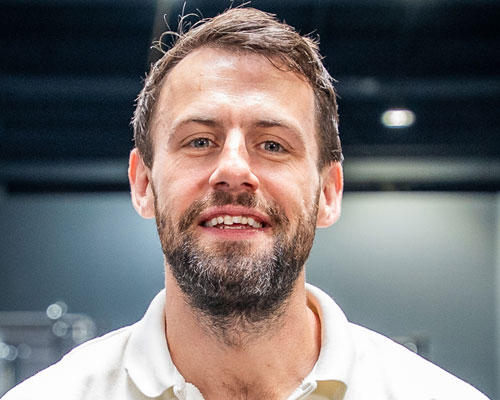
photo: Cliff Collins

"The EU and WHO realise that increasing levels of inactivity have had negative impacts on health systems, the environment, economic development, community wellbeing and quality of life" – Cliff Collins

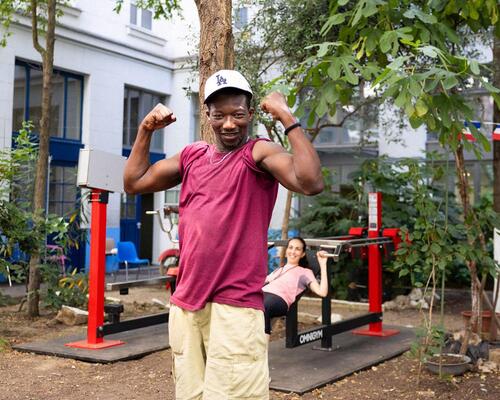
Fitness Day activities take place in parks, gyms and workplaces / photo: Shutterstock / dotshock
National Fitness Day is an annual event in the UK / photo: national fitness day
EuropeActive runs the #BEACTIVEDAY every September / photo: europe active
https://www.leisureopportunities.co.uk/images/2025/665423_915746.jpg
Cliff Collins gives the historic background to the development of the health and fitness sector across the Continent
HCM magazine
For every member with a tripod and a big following, there are others irritated at the way equipment is being hogged or wary they’ll be in the background on someone’s Insta feed. Do influencers offer valuable, free marketing or are they just a nuisance? Kath Hudson finds out how operators are responding
HCM magazine
HCM People

Stephen Price

Founder, SP&Co Group
Working in public health over the last few years has lit up parts of my brain again
HCM magazine
If the health service is to survive, we must recognise that it is a disease service – and that wellbeing rests with us, says the activity advocate and healthy ageing champion. He talks to Kate Cracknell
HCM magazine
Strength training is evolving, driven by changing consumer preferences. Julie Cramer talks to innovators about how their products are meeting this demand
HCM magazine
As the entrepreneur who started Wexer, Fresh Fitness, Fitness DK and Repeat, as well as being a former elite athlete, Rasmus Ingerslev’s life looked perfect from the outside, but onthe inside it was a different story. He talks to Kath Hudson about healing old wounds
HCM promotional features
Sponsored
Third Space partnered with IndigoFitness to deliver a bespoke training space for its new club at The Whiteley
HCM promotional features
Sponsored
Greg Bradley looks at the shift towards strength training in gyms and advises on how operators can create the ultimate training environment
HCM promotional features
Sponsored
Find out how your gym can tap into the corporate wellness boom
HCM promotional features
Sponsored
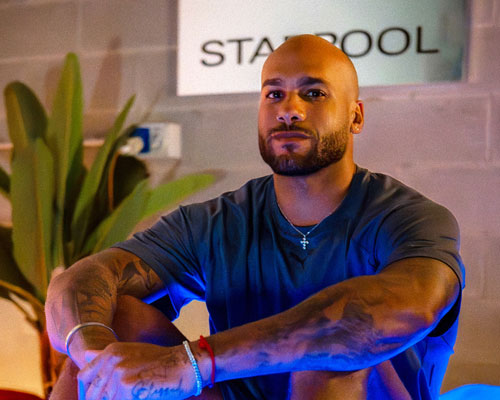
Starpool supports Olympic champion Marcell Jacobs, says Riccardo Turri
HCM promotional features
Sponsored
David Lloyd is stepping up its commitment to women’s health as it continues to explore what fit-for-purpose looks like for the female population
HCM promotional features
Sponsored
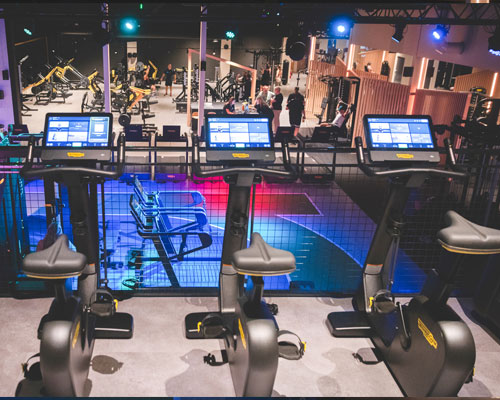
SnowDome Fitness has added 50 per cent more space with cutting-edge Technogym solutions
HCM promotional features
Sponsored
EGYM has opened a new HQ in Paternoster Square, London and revealed a range of new launches
HCM promotional features
Sponsored
Pulse Fitness has created a new health club delivering an elevated wellness experience
HCM promotional features
Sponsored
The industry is embracing consumer-facing tech. Now it’s time to streamline back-of-house systems with Orbit4, says Daniel Jones
HCM promotional features
Latest News
An ambitious women’s only strength and lifting studio concept is set to launch in Dallas this ...
Latest News
Finnish outdoor fitness equipment specialist, Omnigym, has partnered with charity, Emmaüs Solidarité, to launch an ...
Latest News
Virgin Active has officially opened its redesigned Mayfair club, unveiling its latest Social Wellness Club ...
Latest News
Europe’s largest low-cost operator, Basic-Fit, has agreed to acquire 41 Wellyou clubs in Germany for ...
Latest News
Longevity is the most important motivator for today’s exercisers and social connection is key, according ...
Latest News
Until has opened its fourth club at Canary Wharf, in the iconic YY London building. ...
Latest News
Ben Allen has been appointed managing director at Common Bond. Having set the company up ...
Latest News
Les Mills, whose name became synonymous with one of the world's leading fitness brands, has ...
Opinion
promotion
Strength training has moved from the margins to the mainstream.
Opinion: Building smarter strength spaces for today’s operators
Featured supplier news
Featured supplier news: Cornerstone Connect helps Active Blackpool tackle health inequalities
Active Blackpool is deploying Cornerstone Connect, a new digital interface allowing disparate information from multiple systems to be aggregated into one dataset, to support its focus on reducing health inequalities and improving healthy life expectancy.
Featured supplier news
Featured supplier news: CoverMe extends matching service to personal training, rewriting how members and personal trainers connect
CoverMe, the global leader in fitness workforce management, today launches CoverMe PT, an on-demand personal training platform that connects the right personal trainer to the right client in under 10 seconds.
Company profiles
Company profile: GLL
GLL
As the UK’s leading provider of both leisure centres and libraries we operate 379 locations ...
Company profiles
Company profile: BLK BOX
BLK BOX - where precision meets strength, and innovation never stops in the pursuit of ...
Supplier Showcases
Supplier Showcase - Future-proofing
Catalogue Gallery
Click on a catalogue to view it online
Featured press releases
Panatta press release: On Air Fitness chooses Panatta and its Made in Italy fitness equipment
French fitness chain On Air Fitness, with 113 clubs across France and internationally (Spain, Morocco and Portugal) and more than 430,000 members, has chosen to introduce Panatta equipment — a 12-machine circuit from the premium Free Weight Special line —
Featured press releases
ukactive press release: UK Active announces plans for National Fitness Day 2026
UK Active has announced the details of National Fitness Day 2026, with the flagship campaign set to take place on Wednesday 16 September 2026.
Directory
Spa and beauty equipment
Living Earth Crafts: Spa and beauty equipment
Industrial washing machines
Miele Company Limited: Industrial washing machines
Lockers
Crown Sports Lockers: Lockers
Hot tubs
MSpa International Ltd: Hot tubs
Fitness tracking platform
SpiviTech: Fitness tracking platform
Water experiences and hydrotherapy solutions
Aquaform s.r.l.: Water experiences and hydrotherapy solutions
Property & Tenders
Stratford, East London.
Lee Valley Regional Park Authority
Property & Tenders
Y Felinheli, LL56 4QN
Newmark
Property & Tenders
Diary dates
21-24 Sep 2026
The Langham Huntington Pasadena , Pasadena, United States
Diary dates
06-08 Oct 2026
Messe Stuttgart, Stuttgart, Germany
Diary dates
22-22 Oct 2026
QEII Conference Centre, London,
Diary dates
26-29 Oct 2027
Koelnmesse Exhibition Centre, Cologne, Germany
Diary dates

features

Briefing: Fitness in Europe

Cliff Collins shares context and the historical setting of the sector

Published in Health Club Management 2025 issue 2
Adult guidelines set out 30 minutes of moderate activity / photo: Shutterstock / PeopleImages.com - Yuri A
One of the key challenges facing the European fitness sector is the lack of comprehensive and coordinated data collection

During the 1990s a number of countries and institutions became increasingly concerned about the rising healthcare costs associated with physical inactivity. A landmark document in 1996, Physical Activity and Health: A report of the US Surgeon General set out the significant health benefits of regular physical activity for the first time, saying that ‘moderate physical activity, such as brisk walking for 30 minutes a day, can reduce the risk of chronic diseases such as coronary heart disease, diabetes, hypertension, and colon cancer – otherwise known as non-communicable diseases. It also made an important connection with the need to integrate physical activity into daily life and not for it to be considered solely as an ‘additional’ activity.

In 2001 a report commissioned by the UK’s Department of Health (DoH) called the National Quality Assurance Framework (NQAF) stated that ‘There is now compelling evidence that physical activity is important for health and has great potential for health gain.

Physical inactivity is strongly linked with a range of physical and mental health problems…’ (DoH, 1995; HEA 1994; USA-DHHS, 1996; WHO/Federation of Sports Medicine 1996; Biddle, et al). The NQAF was also the first document of its kind to make a link between the opportunities of the fitness sector working with other healthcare professionals through a proposed extensive exercise referral programme.

The EU platform for action on diet, physical activity and health was established in 2004 as a forum for European-level organisations which developed a database of stakeholder initiatives. The platform was overseen by the Directorate for Consumers and Public Health (DGSanco). The platform ended in 2020, but its work was dominated by the food and drink sectors and HEPA-based organisations were just a small minority.

The foundation of HEPA Europe
HEPA Europe (European network for the promotion of health-enhancing physical activity) was established in 2005 to provide a forum for the advancement of research, policy and practice for better health and wellbeing across the World Health Organization (WHO) European Region. In 2007, it published a European Framework to Promote Physical Activity for Health stating “the promotion of physical activity should therefore be a fundamental component of public health work. Action must now be taken on the basis of the best available evidence and practice”.

In 2008, the European Commission Sport Unit, which was part of the Directorate for Education and Culture (DGEAC), published the first and only EU Physical Activity Guidelines which covered a number of proposed policy areas for development, but it also made the first EU commitment in its Guideline 1 that said: "In accordance with the guidance documents of the World Health Organization, the European Union and its member states recommend a minimum of 60 minutes of daily moderate-intensity physical activity for children and young people and a minimum of 30 minutes of daily moderate-intensity physical activity for adults including seniors."

The guidelines were the first document in the European Commission referring to ‘fitness centres’.

Perhaps a defining moment came in 2010 when the WHO published the Global Recommendations on Physical Activity for Health, the first population-based public health guidelines for children and adolescents, adults and older adults. The recommendations have subsequently been updated a number of times, but they’ve become the mainstay of the basis of public policy around the world and are much referenced across the fitness sector.

The Sport Unit oversaw the foundation of an Expert Group on Sport Health & Participation which reported on three outcomes in 2012. The first proposed a new EU policy initiative in the field of Health Enhancing Physical Activity (HEPA), the second was strengthened cooperation between the sport and the health care sectors (requiring closer cooperation between various directorates of the European Commission) and third was the promoting and importance of active ageing.

Accordingly, the European Union Work Plan for Sport (2011-2014) identified HEPA as among the priority themes. The Commission declared 2012 as the Year of Active Ageing and in 2014 the Expert Group on HEPA was formed. It invited Member States to adopt national strategies, develop cross-sector HEPA policy approaches and implement corresponding action plans to promote physical activity. It also invited the European Commission to promote the establishment and functioning of a monitoring framework in close synergy and cooperation with the WHO, recognising that the availability of more information and better data on physical activity levels and HEPA promotion policies was an essential element when it came to underpinning better evidence-based policy.

There are some notable campaigns and promotions running which support the ‘get active’ message and which claim mass-participation, but their legacy is more difficult to track. This is especially when trying to identify how many non-exercisers take-up regular exercise because of these events and messaging. These two examples from Europe are amongst the most successful:

The UK’s National Fitness Day campaign is an annual event that encourages people of all ages and fitness levels to get active. It was first organised in 2011 by Energie Fitness founder, the late Jan Spaticchia, who gifted it to UK Active to run on behalf of the nation. UK Active has subsequently created a Jan Spaticchia award in his honour.

National Fitness Day promotes the importance of regular exercise by hosting free fitness classes, community events, and activities in gyms, parks, and workplaces across the country. The aim is to inspire people to make physical activity a regular part of their daily lives, improving both physical and mental health. It takes place each year on the last Wednesday of September, with millions of people participating nationwide.

The Republic of Ireland also runs its own National Fitness Day campaign, which is also held in September.

The European Week of Sport is an initiative launched by the European Commission in 2015 to promote physical activity and healthier lifestyles across Europe. It takes place annually, typically in the last week of September and encourages people of all ages and fitness levels to engage in sports and physical activities.

The campaign has been a success, with growing participation numbers each year. Since its inception, millions of people across more than 40 countries have taken part in thousands of events. In 2022 alone, the initiative attracted over 13 million participants. The campaign’s slogan #BEACTIVE has helped raise awareness about the benefits of physical activity from improving health to fostering social connections.

EU funding for physical activity
The European Commission has a long history of funding projects and in 2014 launched the Erasmus+ programme to provide funding to support sport projects across Europe, promoting physical activity, inclusion and cooperation. The programme focuses on grassroots sports and initiatives that tackle social challenges, promote good governance and combat issues such as match-fixing and doping. Funding is available for collaborative partnerships, small-scale projects, and events that involve different countries.

As of 2023, over 1,200 sport projects have been funded, supporting initiatives that bring together organisations from various European countries. For the 2021-2027 period, Erasmus+ allocated around €470m to sport, ensuring ongoing support for collaboration, innovation, and inclusion in sport at all levels.

This funding helps sports organisations, local authorities, and NGOs to work together to improve the sporting experience for all, with a particular focus on marginalised groups and social integration. Although there’s some independent evaluation of overall project successes, there is little top-down view of their effectiveness in contributing to the raising activity levels per se.

EuropeActive has been the coordinator of a number of Erasmus+ projects, including Promoting Active and Healthy Ageing (PAHA) and Active Learning for Children in Schools (ALCIS). More recently, over several years, there has the #BEACTIVEDAY programme that has coordinated with the timing of the European Week of Sport.

Now in its 15th year, the HEPA Europe conference (the European Network for the Promotion of Health-Enhancing Physical Activity), which is jointly organised by WHO/Europe, brings together scientists, policymakers, professionals and other stakeholders to facilitate the implementation of knowledge. It is the most recognised annual event in Europe, connecting participants to drive the direction of policy development in HEPA.
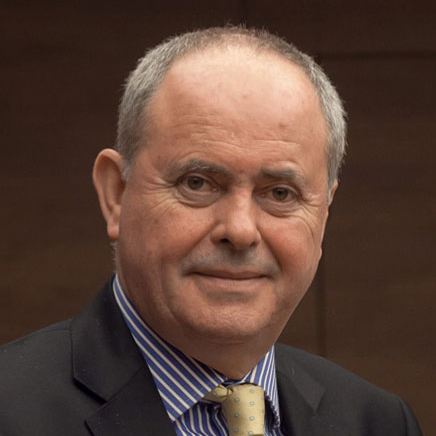
photo: Cliff Collins

"The EU and WHO realise that increasing levels of inactivity have had negative impacts on health systems, the environment, economic development, community wellbeing and quality of life" – Cliff Collins
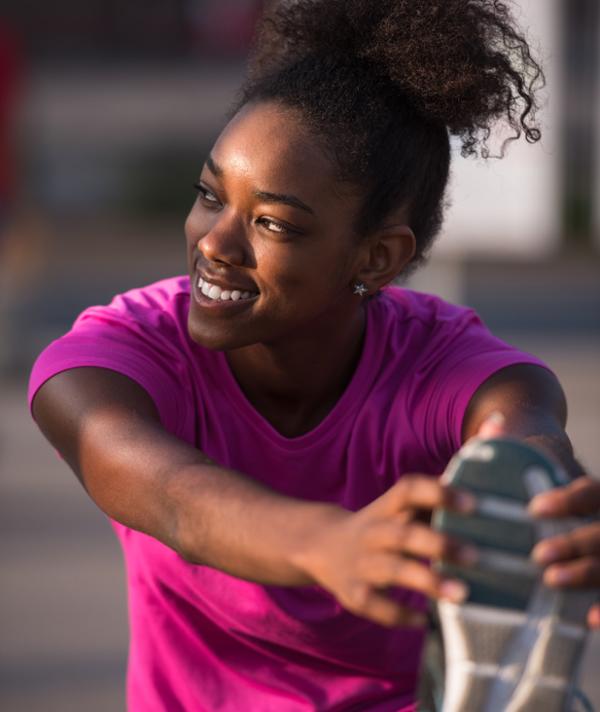
Fitness Day activities take place in parks, gyms and workplaces / photo: Shutterstock / dotshock
National Fitness Day is an annual event in the UK / photo: national fitness day
EuropeActive runs the #BEACTIVEDAY every September / photo: europe active
https://www.leisureopportunities.co.uk/images/2025/665423_915746.jpg
Cliff Collins gives the historic background to the development of the health and fitness sector across the Continent

Latest News
An ambitious women’s only strength and lifting studio concept is set to launch in Dallas this ...
Latest News
Finnish outdoor fitness equipment specialist, Omnigym, has partnered with charity, Emmaüs Solidarité, to launch an ...
Latest News
Virgin Active has officially opened its redesigned Mayfair club, unveiling its latest Social Wellness Club ...
Latest News
Europe’s largest low-cost operator, Basic-Fit, has agreed to acquire 41 Wellyou clubs in Germany for ...
Latest News
Longevity is the most important motivator for today’s exercisers and social connection is key, according ...
Latest News
Until has opened its fourth club at Canary Wharf, in the iconic YY London building. ...
Latest News
Ben Allen has been appointed managing director at Common Bond. Having set the company up ...
Latest News
Les Mills, whose name became synonymous with one of the world's leading fitness brands, has ...
Latest News
People taking GLP-1 weight loss medications such as Ozempic, Wegovy, Mounjaro and Zepbound may be ...
Latest News
Low-cost gym operator, PureGym, is trialling recovery zones at two of its UK sites, democratising ...
Latest News
In a milestone moment, mental health has become a core part of CIMSPA’s occupational professional ...
Opinion
promotion
Strength training has moved from the margins to the mainstream.

Opinion: Building smarter strength spaces for today’s operators
Featured supplier news
Featured supplier news: Cornerstone Connect helps Active Blackpool tackle health inequalities
Active Blackpool is deploying Cornerstone Connect, a new digital interface allowing disparate information from multiple systems to be aggregated into one dataset, to support its focus on reducing health inequalities and improving healthy life expectancy.
Featured supplier news
Featured supplier news: CoverMe extends matching service to personal training, rewriting how members and personal trainers connect
CoverMe, the global leader in fitness workforce management, today launches CoverMe PT, an on-demand personal training platform that connects the right personal trainer to the right client in under 10 seconds.
Company profiles
Company profile: GLL
GLL
As the UK’s leading provider of both leisure centres and libraries we operate 379 locations ...

Company profiles
Company profile: BLK BOX
BLK BOX - where precision meets strength, and innovation never stops in the pursuit of ...
Supplier Showcases
Supplier Showcase - Future-proofing
Catalogue Gallery
Click on a catalogue to view it online
Featured press releases
Panatta press release: On Air Fitness chooses Panatta and its Made in Italy fitness equipment
French fitness chain On Air Fitness, with 113 clubs across France and internationally (Spain, Morocco and Portugal) and more than 430,000 members, has chosen to introduce Panatta equipment — a 12-machine circuit from the premium Free Weight Special line —
Featured press releases
ukactive press release: UK Active announces plans for National Fitness Day 2026
UK Active has announced the details of National Fitness Day 2026, with the flagship campaign set to take place on Wednesday 16 September 2026.
Directory
Spa and beauty equipment
Living Earth Crafts: Spa and beauty equipment
Industrial washing machines
Miele Company Limited: Industrial washing machines
Lockers
Crown Sports Lockers: Lockers
Hot tubs
MSpa International Ltd: Hot tubs
Fitness tracking platform
SpiviTech: Fitness tracking platform
Water experiences and hydrotherapy solutions
Aquaform s.r.l.: Water experiences and hydrotherapy solutions
Property & Tenders
Stratford, East London.
Lee Valley Regional Park Authority
Property & Tenders
Y Felinheli, LL56 4QN
Newmark
Property & Tenders
Diary dates
21-24 Sep 2026
The Langham Huntington Pasadena , Pasadena, United States
Diary dates
06-08 Oct 2026
Messe Stuttgart, Stuttgart, Germany
Diary dates
22-22 Oct 2026
QEII Conference Centre, London,
Diary dates
26-29 Oct 2027
Koelnmesse Exhibition Centre, Cologne, Germany
Diary dates
Search news, features & products:
Find a supplier:
Partner sites