









GET HCM
magazine
Sign up for the FREE digital edition of HCM magazine and also get the HCM ezine and breaking news email alerts.
Not right now, thanksclose this window I've already subscribed!
Les Mills
Les Mills
Les Mills
Follow Health Club Management on Twitter Like Health Club Management on Facebook Join the discussion with Health Club Management on LinkedIn
FITNESS, HEALTH, WELLNESS

features

Ask an expert: Brain power

Schools and universities have always prioritised core subjects over physical activity, but are they overlooking the positive impact that physical activity may have on academic results? Kath Hudson asks the experts
By Kath Hudson | Published in Health Club Management 2017 issue 9
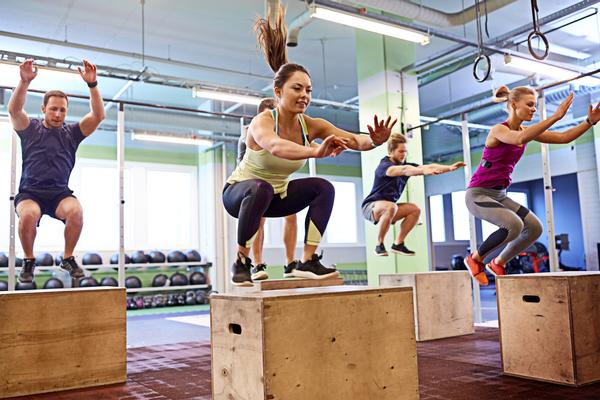
Being physically active is known to increase brain power / Photo: shutterstock

There is now a large body of evidence to support the idea that physical activity improves cognitive function in everyone, from young children to the elderly. Research also suggests that exercise has a positive effect on academic results.

According to Dr Josie Booth from the University of Edinburgh, brain scan images have shown that a 20-minute walk can improve children’s concentration levels, and the same is true for adults.

Not only does being physically active boost brain power, findings from the ukactive Research Institute indicate that it improves a number of other aspects crucial for student life, including belief in employability, personal and mental wellbeing, and social inclusion.

How can this message be relayed to the decision-makers in education? What part can the industry play in making sure that physical activity remains an important part of the learning journey, not only in schoolchildren but through to graduates?

Dr Josie Booth,

Lecturer in Developmental Psychology,

The University of Edinburgh

Dr Josie Booth
Dr Josie Booth

Research by myself and collaborators has identified a positive relationship between physical activity and academic attainment. This is the case even when other background factors, such as parents' education, birth weight, socio-economic status, earlier education and intelligence are taken into consideration.

We completed a large scale study, assessing the physical activity levels of more than 5,000 11-year-olds and then looked at how they did in their GCSEs and A levels. The children who were more active at 11 were doing better at school five years later, even when background factors were taken into account. We can’t say that the activity definitely caused the attainment, but it’s strongly associated.

Although we know there are good associations, we still don’t know exactly why, but there are a number of plausible reasons backed up by research. Exercise increases blood flow and oxygen to the brain, which helps it to work better and leads to an increase in brain-derived neurotrophic factor, which helps with brain development.

There are also psycho-social factors, such as people who are active tend to be happier, have higher self esteem and have a lower risk of depression and anxiety. Also, exercise leads to better general health, so children are less likely to be absent from school or have problems associated with obesity and poor health. All these factors have been scientifically supported as being important for school attainment.

"Exercise increases blood flow and oxygen to the brain, which helps it to work better… and helps with brain development"

Dr Richard Bailey,

Senior Researcher Physical Activity and Health,

International Council of Sports Science and Physical Education

Dr Richard Bailey
Dr Richard Bailey

Research shows that a fit person performs better in cognitive tests than an unhealthy person, and fit children do better in numeracy and literacy assessments than unfit children. But we're at the start of this journey: we know there's a link but we need to look at the causes.

I was recently part of an international group that reviewed the available evidence. We found that there are lots of individual positive pieces of research, but not enough understanding of the overall mechanisms.

Going forward, we need to establish the most effective activities – team games, aerobics or a mix? We also need to identify how much exercise is needed to get a certain result? Once we know this we can make recommendations about how schools can bring more physical activity into the curriculum, such as exercise breaks in lessons.

A school designed around child development would involve movement and activity. We teach children sedentary behaviour and passivity, which is unnatural. Forest schools in Germany and outdoor schools in the US are bucking this trend, and children there don’t get worse grades.

We need more teachers and more parents to believe in the benefits of physical activity to learning, and for the fitness industry to help get the message across.

"At school we currently teach children sedentary behaviour and passivity, which is unnatural"
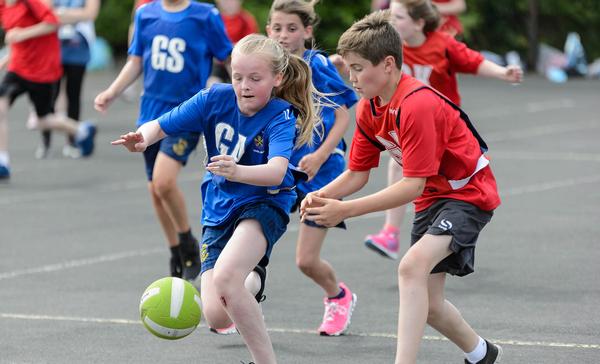
Physical activity is thought to improve academic outcomes / Photo: Sport england

Dr Steven Mann,

Research Director,

ukactive

Dr Steven Mann
Dr Steven Mann

It's important for vice chancellors and directors of sport at universities to see that sport can help undergraduates settle into life away from home for the first time. They could promote sport and physical activity as a tool to integrate students, help them to make friends and develop a positive outlook towards their university experience, as well as developing skills that employers value, such as communication and teamwork.

University is a difficult time, as young people move to a different environment and have to adapt to a new way of life. Active students may immediately immerse themselves in a sport they have grown up with, but it’s easy for all others to become completely inactive, unless universities try to engage with them and promote the benefits of an active lifestyle.

There is a responsibility for universities to keep expanding the offer beyond traditional sports.

A study by the Research Institute identified a big group of students who weren’t completely inactive, but who weren’t meeting recommended activity levels either. As such, offerings must be diverse in order to engage these students. We have seen an increase in fun sports like quidditch and frisbee, which are more focused on play rather than competition.

The wider health and fitness sector also needs to respond to student needs. For example offering flexible memberships, being able to freeze memberships during holiday times and offering programmes which will appeal to different students at different times of the day.

"A study by the Research Institute identified a big group of students who weren’t completely inactive, but who weren’t meeting recommended activity levels either"
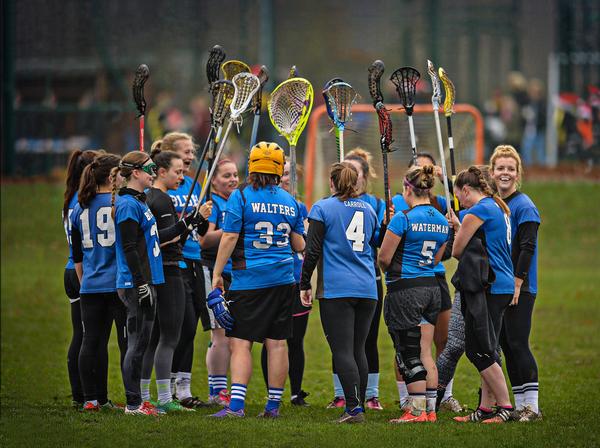
Sport could be used to help new students integrate / Photo: Sport england

Dawn Podulka Coe,

Associate Professor Kinesiology, Recreation and Sport Studies,

The University of Tennessee, Knoxville

Dawn Podulka Coe
Dawn Podulka Coe

There are a wide range of studies that show physical activity can improve academic performance, both in terms of grades and standardised tests. Physical activity increases blood flow to the brain, delivering more oxygen. Active, fit kids are shown to be more focused, less prone to boredom and have better concentration. My research has found that the improvement is best after higher intensity physical activity. Research has shown benefits from both chronic (habitual) exercise and acute.

Despite this compelling evidence, there is the issue that teachers are evaluated by test results and therefore want to focus on the academic time. We need more evidence to show that decreasing academic time and increasing physical activity won’t impact on test results. We also need compelling case studies to get more schools on board.

I would like to see better use of recess: kids get less recess as they get older, but also use it less for physical activity, partly because of lack of facilities and partly because they have grown out of playing on climbing frames. More semi-structured activity at break time could boost their physical activity levels and concentration.

For younger children, playtime activities like galloping and hopping are enough to bring about benefits and improve their motor skills. Research shows that if they don’t develop their motor skills, they are less likely to be active when they’re older.

"There is the issue that teachers are evaluated by test results and therefore want to focus on the academic time"
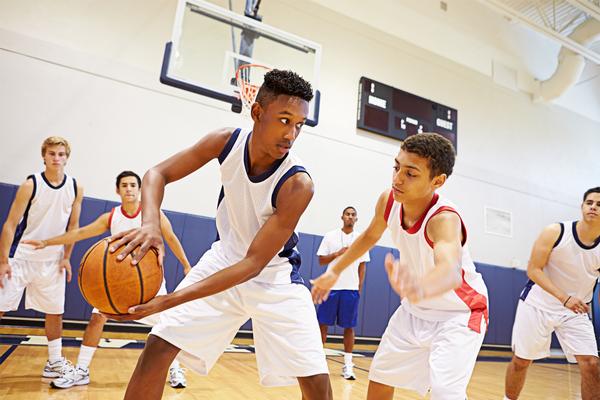
Fit and active youngsters are shown to be more focused / Photo: SHUTTERSTOCK.COM

Scottish Student Sport and ukactive Research Institute study

• A total of 5,000 students at Scottish universities were asked about their expected grades, perceived employability, personal wellbeing, mental wellbeing and social inclusion.

• 46 per cent met chief medical office (CMO) physical activity recommendations

• 19 per cent were completely inactive

• 49 per cent were a member of a sport club and a gym

• 93 per cent of active participants expected a 1st or 2:1 compared to 81 per cent of inactive students

• 7 per cent of active students expected a 2:2 or 3rd compared to 19 per cent of inactive students

• 47 per cent of active students thought participating in sport made them more employable

• Mental health was assessed using the Short Warwick-Edinburgh Mental Wellbeing Scale. The active group scored higher (average score of 24.7) than the inactive (average score of 22.6)

The study will be followed up this November, when ukactive will see if students’ achievements tallied with their expectations
Sign up here to get HCM's weekly ezine and every issue of HCM magazine free on digital.
Tracking is suitable for group cycling classes as they are heart-rate based
Tracking can provide positive motivation for some members
Digme offers classes with and without tracking options
Tracking should be just one element of the class experience
BoomCycle has chosen not to offer tracking in classes
https://www.leisureopportunities.co.uk/images/180377_287969.jpg
Are schools and universities overlooking the importance of physical activity? We ask the experts...
Dr Josie Booth, The University of Edinburgh: lecturer in developmental psychology Dr Richard Bailey, International Council of Sports Science and Physical Education: senior researcher physical activity and health Dr Steven Mann, ukactive: research director Dawn Podulka Coe, The University of Tennessee, Knoxville: associate professor kinesiology, recreation and sport studies,Active children, physical activity, Dr Josie Booth, Dr Richard Bailey, Dr Steven Mann, Dawn Podulka Coe,
HCM magazine
Raphael Cuomo explores the powerful link between addiction, health and behaviour change
HCM magazine
I experienced a blissful feeling of joy I hadn’t felt since I was a kid
HCM magazine
Strength training is evolving, driven by changing consumer preferences. Julie Cramer talks to innovators about how their products are meeting this demand
HCM magazine
As the entrepreneur who started Wexer, Fresh Fitness, Fitness DK and Repeat, as well as being a former elite athlete, Rasmus Ingerslev’s life looked perfect from the outside, but onthe inside it was a different story. He talks to Kath Hudson about healing old wounds
HCM magazine
If the health service is to survive, we must recognise that it is a disease service – and that wellbeing rests with us, says the activity advocate and healthy ageing champion. He talks to Kate Cracknell
HCM promotional features
Sponsored
Third Space partnered with IndigoFitness to deliver a bespoke training space for its new club at The Whiteley
HCM promotional features
Sponsored
SnowDome Fitness has added 50 per cent more space with cutting-edge Technogym solutions
HCM promotional features
Sponsored
Greg Bradley looks at the shift towards strength training in gyms and advises on how operators can create the ultimate training environment
HCM promotional features
Sponsored
Starpool supports Olympic champion Marcell Jacobs, says Riccardo Turri
HCM promotional features
Sponsored
Find out how your gym can tap into the corporate wellness boom
HCM promotional features
Sponsored
David Lloyd is stepping up its commitment to women’s health as it continues to explore what fit-for-purpose looks like for the female population
HCM promotional features
Sponsored
EGYM has opened a new HQ in Paternoster Square, London and revealed a range of new launches
HCM promotional features
Sponsored
Active IQ is calling for greater accountability in online fitness advice with the launch of a new trustmark
HCM promotional features
Sponsored
Pulse Fitness has created a new health club delivering an elevated wellness experience
HCM promotional features
Latest News
Premium London health club, KX Chelsea, is gearing up to unveil its most significant redevelopment ...
Latest News
Researchers in the US have identified an antibody which could greatly reduce the loss of ...
Latest News
Peloton has made the strategic acquisition of Pilates start-up, Skōp, to support the expansion of ...
Latest News
Crunch Fitness has announced the launch of Crunch Reform Pilates – its own reformer concept ...
Latest News
The 20th State of the Industry Report from LeisureDB has revealed a resilient, expanding and ...
Latest News
Purpose Brands has announced its entry into the Italian market, having sold the franchise rights ...
Latest News
Fitness First UK is integrating red light therapy into its yoga and Pilates classes through ...
Latest News
Nuffield Health has told HCM that it takes its responsibilities towards its colleagues seriously and ...
Opinion
promotion
Strength training has moved from the margins to the mainstream.
Opinion: Building smarter strength spaces for today’s operators
Featured supplier news
Featured supplier news: Reaching the people most gyms miss: Bedford Gym & Swim Campaign delivers 410 new members
One of the biggest mistakes the fitness industry still makes is advertising almost exclusively to people who already look and live like gym members.
Featured supplier news
Featured supplier news: W3Fit EMEA celebrates its fifth anniversary
Celebrating its milestone 5th anniversary, W3Fit EMEA returns in 2026 with an unmissable gathering of the Health & Fitness industry’s most influential leaders.
Company profiles
Company profile: Make Your Gym (MYG)
Make Your Gym offers a full-service, strategic partner supporting gym owners with all aspects of ...
Company profiles
Company profile: Matrix Fitness
Matrix provides equipment to facilities in all market sectors including private health clubs, residential housing, ...
Supplier Showcases
Supplier Showcase - Future-proofing
Catalogue Gallery
Click on a catalogue to view it online
Featured press releases
Eleiko press release: Eleiko receives Precor Award for the Nordic Summit Marketing Campaign
Eleiko has been recognised for excellence in collaboration and customer experience by Precor for The Nordic Summit, a collaborative event that received the award for Best Marketing Campaign in recognition of its execution, collaboration, and customer impact.
Featured press releases
Innerva press release: Innerva unveils next-generation power-assisted exercise range designed with older adults
Innerva will unveil the next generation of its power-assisted exercise equipment at Elevate next week, introducing a user-led redesign that makes exercise more accessible, comfortable and effective for older adults and people with limited mobility.
Directory
Industrial washing machines
Miele Company Limited: Industrial washing machines
Hot tubs
MSpa International Ltd: Hot tubs
Water experiences and hydrotherapy solutions
Aquaform s.r.l.: Water experiences and hydrotherapy solutions
Spa and beauty equipment
Oakworks Inc: Spa and beauty equipment
Lockers
Crown Sports Lockers: Lockers
Fitness tracking platform
SpiviTech: Fitness tracking platform
Property & Tenders
Stratford, East London.
Lee Valley Regional Park Authority
Property & Tenders
Y Felinheli, LL56 4QN
Newmark
Property & Tenders
Diary dates
13-13 Jun 2026
Worldwide, Various,
Diary dates
21-24 Sep 2026
The Langham Huntington Pasadena , Pasadena, United States
Diary dates
06-08 Oct 2026
Messe Stuttgart, Stuttgart, Germany
Diary dates
22-22 Oct 2026
QEII Conference Centre, London,
Diary dates
26-29 Oct 2027
Koelnmesse Exhibition Centre, Cologne, Germany
Diary dates

features

Ask an expert: Brain power

Schools and universities have always prioritised core subjects over physical activity, but are they overlooking the positive impact that physical activity may have on academic results? Kath Hudson asks the experts

By Kath Hudson | Published in Health Club Management 2017 issue 9
Being physically active is known to increase brain power / Photo: shutterstock

There is now a large body of evidence to support the idea that physical activity improves cognitive function in everyone, from young children to the elderly. Research also suggests that exercise has a positive effect on academic results.

According to Dr Josie Booth from the University of Edinburgh, brain scan images have shown that a 20-minute walk can improve children’s concentration levels, and the same is true for adults.

Not only does being physically active boost brain power, findings from the ukactive Research Institute indicate that it improves a number of other aspects crucial for student life, including belief in employability, personal and mental wellbeing, and social inclusion.

How can this message be relayed to the decision-makers in education? What part can the industry play in making sure that physical activity remains an important part of the learning journey, not only in schoolchildren but through to graduates?

Dr Josie Booth,

Lecturer in Developmental Psychology,

The University of Edinburgh

Dr Josie Booth
Dr Josie Booth

Research by myself and collaborators has identified a positive relationship between physical activity and academic attainment. This is the case even when other background factors, such as parents' education, birth weight, socio-economic status, earlier education and intelligence are taken into consideration.

We completed a large scale study, assessing the physical activity levels of more than 5,000 11-year-olds and then looked at how they did in their GCSEs and A levels. The children who were more active at 11 were doing better at school five years later, even when background factors were taken into account. We can’t say that the activity definitely caused the attainment, but it’s strongly associated.

Although we know there are good associations, we still don’t know exactly why, but there are a number of plausible reasons backed up by research. Exercise increases blood flow and oxygen to the brain, which helps it to work better and leads to an increase in brain-derived neurotrophic factor, which helps with brain development.

There are also psycho-social factors, such as people who are active tend to be happier, have higher self esteem and have a lower risk of depression and anxiety. Also, exercise leads to better general health, so children are less likely to be absent from school or have problems associated with obesity and poor health. All these factors have been scientifically supported as being important for school attainment.

"Exercise increases blood flow and oxygen to the brain, which helps it to work better… and helps with brain development"

Dr Richard Bailey,

Senior Researcher Physical Activity and Health,

International Council of Sports Science and Physical Education

Dr Richard Bailey
Dr Richard Bailey

Research shows that a fit person performs better in cognitive tests than an unhealthy person, and fit children do better in numeracy and literacy assessments than unfit children. But we're at the start of this journey: we know there's a link but we need to look at the causes.

I was recently part of an international group that reviewed the available evidence. We found that there are lots of individual positive pieces of research, but not enough understanding of the overall mechanisms.

Going forward, we need to establish the most effective activities – team games, aerobics or a mix? We also need to identify how much exercise is needed to get a certain result? Once we know this we can make recommendations about how schools can bring more physical activity into the curriculum, such as exercise breaks in lessons.

A school designed around child development would involve movement and activity. We teach children sedentary behaviour and passivity, which is unnatural. Forest schools in Germany and outdoor schools in the US are bucking this trend, and children there don’t get worse grades.

We need more teachers and more parents to believe in the benefits of physical activity to learning, and for the fitness industry to help get the message across.

"At school we currently teach children sedentary behaviour and passivity, which is unnatural"

Physical activity is thought to improve academic outcomes / Photo: Sport england

Dr Steven Mann,

Research Director,

ukactive

Dr Steven Mann
Dr Steven Mann

It's important for vice chancellors and directors of sport at universities to see that sport can help undergraduates settle into life away from home for the first time. They could promote sport and physical activity as a tool to integrate students, help them to make friends and develop a positive outlook towards their university experience, as well as developing skills that employers value, such as communication and teamwork.

University is a difficult time, as young people move to a different environment and have to adapt to a new way of life. Active students may immediately immerse themselves in a sport they have grown up with, but it’s easy for all others to become completely inactive, unless universities try to engage with them and promote the benefits of an active lifestyle.

There is a responsibility for universities to keep expanding the offer beyond traditional sports.

A study by the Research Institute identified a big group of students who weren’t completely inactive, but who weren’t meeting recommended activity levels either. As such, offerings must be diverse in order to engage these students. We have seen an increase in fun sports like quidditch and frisbee, which are more focused on play rather than competition.

The wider health and fitness sector also needs to respond to student needs. For example offering flexible memberships, being able to freeze memberships during holiday times and offering programmes which will appeal to different students at different times of the day.

"A study by the Research Institute identified a big group of students who weren’t completely inactive, but who weren’t meeting recommended activity levels either"

Sport could be used to help new students integrate / Photo: Sport england

Dawn Podulka Coe,

Associate Professor Kinesiology, Recreation and Sport Studies,

The University of Tennessee, Knoxville

Dawn Podulka Coe
Dawn Podulka Coe

There are a wide range of studies that show physical activity can improve academic performance, both in terms of grades and standardised tests. Physical activity increases blood flow to the brain, delivering more oxygen. Active, fit kids are shown to be more focused, less prone to boredom and have better concentration. My research has found that the improvement is best after higher intensity physical activity. Research has shown benefits from both chronic (habitual) exercise and acute.

Despite this compelling evidence, there is the issue that teachers are evaluated by test results and therefore want to focus on the academic time. We need more evidence to show that decreasing academic time and increasing physical activity won’t impact on test results. We also need compelling case studies to get more schools on board.

I would like to see better use of recess: kids get less recess as they get older, but also use it less for physical activity, partly because of lack of facilities and partly because they have grown out of playing on climbing frames. More semi-structured activity at break time could boost their physical activity levels and concentration.

For younger children, playtime activities like galloping and hopping are enough to bring about benefits and improve their motor skills. Research shows that if they don’t develop their motor skills, they are less likely to be active when they’re older.

"There is the issue that teachers are evaluated by test results and therefore want to focus on the academic time"

Fit and active youngsters are shown to be more focused / Photo: SHUTTERSTOCK.COM

Scottish Student Sport and ukactive Research Institute study

• A total of 5,000 students at Scottish universities were asked about their expected grades, perceived employability, personal wellbeing, mental wellbeing and social inclusion.

• 46 per cent met chief medical office (CMO) physical activity recommendations

• 19 per cent were completely inactive

• 49 per cent were a member of a sport club and a gym

• 93 per cent of active participants expected a 1st or 2:1 compared to 81 per cent of inactive students

• 7 per cent of active students expected a 2:2 or 3rd compared to 19 per cent of inactive students

• 47 per cent of active students thought participating in sport made them more employable

• Mental health was assessed using the Short Warwick-Edinburgh Mental Wellbeing Scale. The active group scored higher (average score of 24.7) than the inactive (average score of 22.6)

The study will be followed up this November, when ukactive will see if students’ achievements tallied with their expectations
Sign up here to get HCM's weekly ezine and every issue of HCM magazine free on digital.
Tracking is suitable for group cycling classes as they are heart-rate based
Tracking can provide positive motivation for some members
Digme offers classes with and without tracking options
Tracking should be just one element of the class experience
BoomCycle has chosen not to offer tracking in classes
https://www.leisureopportunities.co.uk/images/180377_287969.jpg
Are schools and universities overlooking the importance of physical activity? We ask the experts...
Dr Josie Booth, The University of Edinburgh: lecturer in developmental psychology Dr Richard Bailey, International Council of Sports Science and Physical Education: senior researcher physical activity and health Dr Steven Mann, ukactive: research director Dawn Podulka Coe, The University of Tennessee, Knoxville: associate professor kinesiology, recreation and sport studies,Active children, physical activity, Dr Josie Booth, Dr Richard Bailey, Dr Steven Mann, Dawn Podulka Coe,
Latest News
Premium London health club, KX Chelsea, is gearing up to unveil its most significant redevelopment ...
Latest News
Researchers in the US have identified an antibody which could greatly reduce the loss of ...
Latest News
Peloton has made the strategic acquisition of Pilates start-up, Skōp, to support the expansion of ...
Latest News
Crunch Fitness has announced the launch of Crunch Reform Pilates – its own reformer concept ...
Latest News
The 20th State of the Industry Report from LeisureDB has revealed a resilient, expanding and ...
Latest News
Purpose Brands has announced its entry into the Italian market, having sold the franchise rights ...
Latest News
Fitness First UK is integrating red light therapy into its yoga and Pilates classes through ...
Latest News
Nuffield Health has told HCM that it takes its responsibilities towards its colleagues seriously and ...
Latest News
Technogym has announced the launch of the Run X World Treadmill Championship, the first world ...
Latest News
Shocked by the UK loneliness statistics, charitable trust Mytime Active has been doubling down on ...
Latest News
Portugal’s leading operator, SC Fitness, is celebrating a milestone by reaching 100 gyms.  The company ...
Opinion
promotion
Strength training has moved from the margins to the mainstream.
Opinion: Building smarter strength spaces for today’s operators
Featured supplier news
Featured supplier news: Reaching the people most gyms miss: Bedford Gym & Swim Campaign delivers 410 new members
One of the biggest mistakes the fitness industry still makes is advertising almost exclusively to people who already look and live like gym members.
Featured supplier news
Featured supplier news: W3Fit EMEA celebrates its fifth anniversary
Celebrating its milestone 5th anniversary, W3Fit EMEA returns in 2026 with an unmissable gathering of the Health & Fitness industry’s most influential leaders.
Company profiles
Company profile: Make Your Gym (MYG)
Make Your Gym offers a full-service, strategic partner supporting gym owners with all aspects of ...
Company profiles
Company profile: Matrix Fitness
Matrix provides equipment to facilities in all market sectors including private health clubs, residential housing, ...
Supplier Showcases
Supplier Showcase - Future-proofing
Catalogue Gallery
Click on a catalogue to view it online
Featured press releases
Eleiko press release: Eleiko receives Precor Award for the Nordic Summit Marketing Campaign
Eleiko has been recognised for excellence in collaboration and customer experience by Precor for The Nordic Summit, a collaborative event that received the award for Best Marketing Campaign in recognition of its execution, collaboration, and customer impact.
Featured press releases
Innerva press release: Innerva unveils next-generation power-assisted exercise range designed with older adults
Innerva will unveil the next generation of its power-assisted exercise equipment at Elevate next week, introducing a user-led redesign that makes exercise more accessible, comfortable and effective for older adults and people with limited mobility.
Directory
Industrial washing machines
Miele Company Limited: Industrial washing machines
Hot tubs
MSpa International Ltd: Hot tubs
Water experiences and hydrotherapy solutions
Aquaform s.r.l.: Water experiences and hydrotherapy solutions
Spa and beauty equipment
Oakworks Inc: Spa and beauty equipment
Lockers
Crown Sports Lockers: Lockers
Fitness tracking platform
SpiviTech: Fitness tracking platform
Property & Tenders
Stratford, East London.
Lee Valley Regional Park Authority
Property & Tenders
Y Felinheli, LL56 4QN
Newmark
Property & Tenders
Diary dates
13-13 Jun 2026
Worldwide, Various,
Diary dates
21-24 Sep 2026
The Langham Huntington Pasadena , Pasadena, United States
Diary dates
06-08 Oct 2026
Messe Stuttgart, Stuttgart, Germany
Diary dates
22-22 Oct 2026
QEII Conference Centre, London,
Diary dates
26-29 Oct 2027
Koelnmesse Exhibition Centre, Cologne, Germany
Diary dates
Search news, features & products:
Find a supplier:
Les Mills
Les Mills
Partner sites