












GET HCM
magazine
Sign up for the FREE digital edition of HCM magazine and also get the HCM ezine and breaking news email alerts.
Not right now, thanksclose this window I've already subscribed!
Les Mills
Les Mills
Les Mills
Follow Health Club Management on Twitter Like Health Club Management on Facebook Join the discussion with Health Club Management on LinkedIn
FITNESS, HEALTH, WELLNESS

features

Active streets: Power to the people

The opportunities to be active on our streets are dwindling because of the priority given to cars above pedestrians. Riccardo Marini, director at urban quality consultants Gehl Architects, is one architect working to reverse this trend. Kath Hudson reports
Published in Health Club Management 2015 issue 4
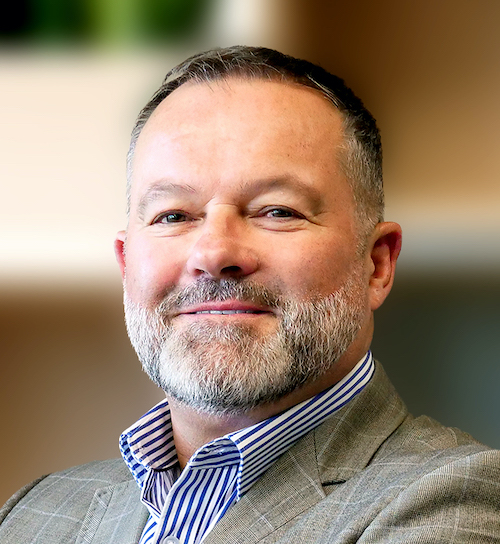
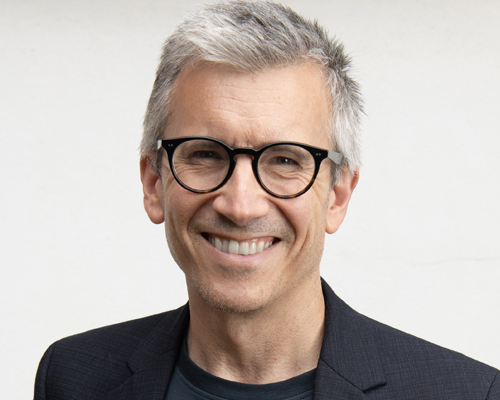
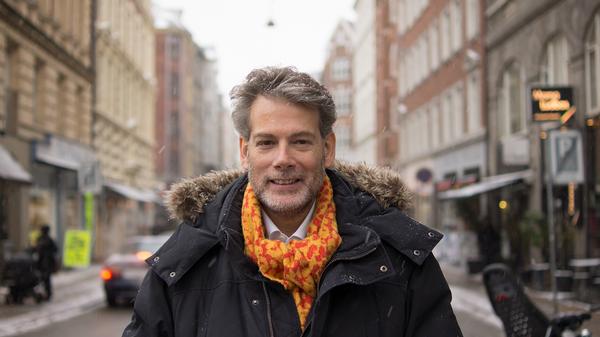
Riccardo Marini, director at urban quality consultants Gehl Architects
Health clubs have to be careful they don’t offer a big shiny box that people can only drive to. They need to find ways of encouraging people to visit in an active way

What’s your approach to architecture?
Architecture should be about people before buildings. Offer the right lifestyle choices and you’ll get the right health outcomes: if places are designed with people in mind, people will be healthier.

The problem is, the bureaucratic systems we’ve created in the name of efficiency have destroyed the kind of places that bring joy to our hearts. We’re using technology to make everything as efficient as possible, whereas the path to health, happiness, wealth and wellbeing is one that puts people, culture and art central to the planning process.

The way cities are designed today is also contributing to an increasingly sedentary lifestyle among the public. We’re making it more difficult to navigate cities by foot and bike, and our consequent reliance on cars and technology takes away the everyday opportunities for exercise, such as going to the shops for groceries.

How can architecture and design help people to be active?
Copenhagen is a great example of this. People living in Copenhagen think it’s natural to cycle to work, school or the pub, whether it’s sunny, raining or minus 4 degrees centigrade. Research has shown this is because it’s considered the easiest and most efficient mode of transport. Cycling is integrated with other forms of transport: you can take bikes onto trains and the underground and taxis have cycle racks. It’s not rocket science or magic: if you make it easy to walk and cycle, then people will do it.

The next stage for Copenhagen is to tackle suburbia: encouraging people to cycle to the station, get on the train and pick up a hire bike in the city.

Can existing environments be enhanced and improved?
Most definitely. In the 1960s, Copenhagen was pursuing the American dream and was a sea of cars, but they realised this wasn’t the way to go from a quality of life point of view. For the past 40 years, they’ve been trying to reverse this mentality. It can happen anywhere – there just needs to be the political will and some skill and understanding.

What in your view are the barriers to change?
The usual criticism is that the city will die without cars, and people won’t want to do business there. Our counter-argument is that global companies like Google want to put offices in places which are liveable, so they can retain staff. Cars don’t make places liveable.

Can you give an example of bad design in a city?
I always compare Manhattan and Dubai. I love New York, which takes its roots from European cities. On the other hand, Dubai has taken the American dream but without the essential DNA of streets, pavements, public spaces and active shop fronts. A fake environment has been created where you go from air-conditioned car to air-conditioned mall; street life does not exist. Shade should have been designed in to make people want to be in the streets.

How can the health club industry make sure it’s not contributing to this problem?
Health clubs have to be careful they don’t offer a big shiny box that people can only drive to. They need to be located in areas where there’s footfall, or find ways of encouraging people to visit in an active way, like cycling.
Also, clubs can and should be social hubs that bring life to the communities where they’re located, encouraging people to exercise in the streets, parks and pedestrian areas around the club – whether on their own or in group activities organised by the club.

A GREENER CITY

New York, US

In 2007, Gehl Architects were engaged to advise on making New York a greener and more people-friendly urban environment, as well as how to encourage cycling as a healthy and environmentally-friendly mode of transportation.

Quantifiable aims included a 30 per cent reduction in C02 emissions, implementing 300km of cycle lanes, ensuring everyone was within a 10-minute walk of a public space, doubling the percentage of cyclist commuters, and reducing traffic-related deaths by 50 per cent.

Since then, NYC has doubled the amount of cycle lanes, reaching 725km in 2009. Combined with a new policy of allowing bicycle parking inside office buildings, as well as awareness campaigns, there has been a twofold increase in New Yorkers commuting to work and places of education by bicycle.

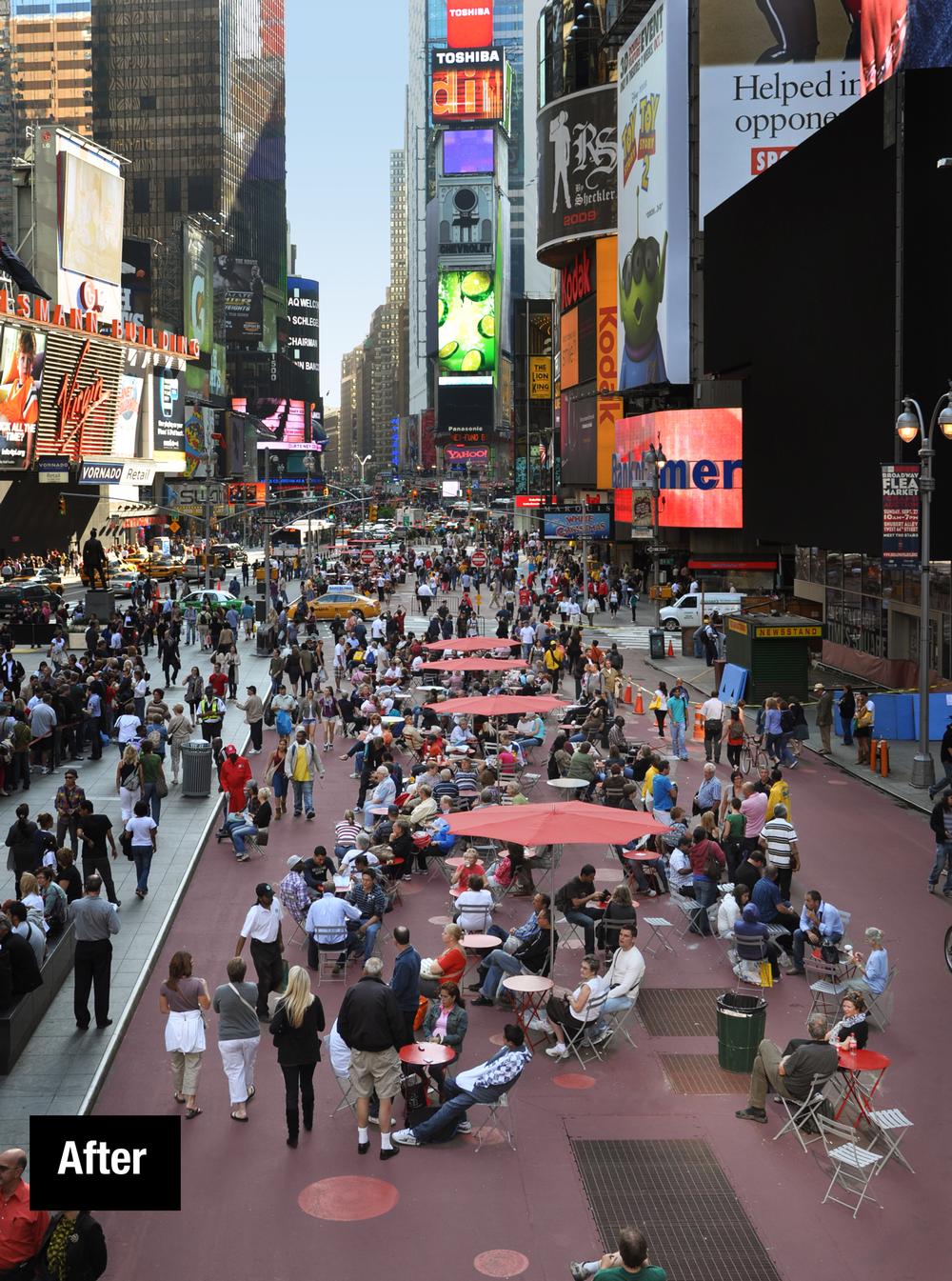
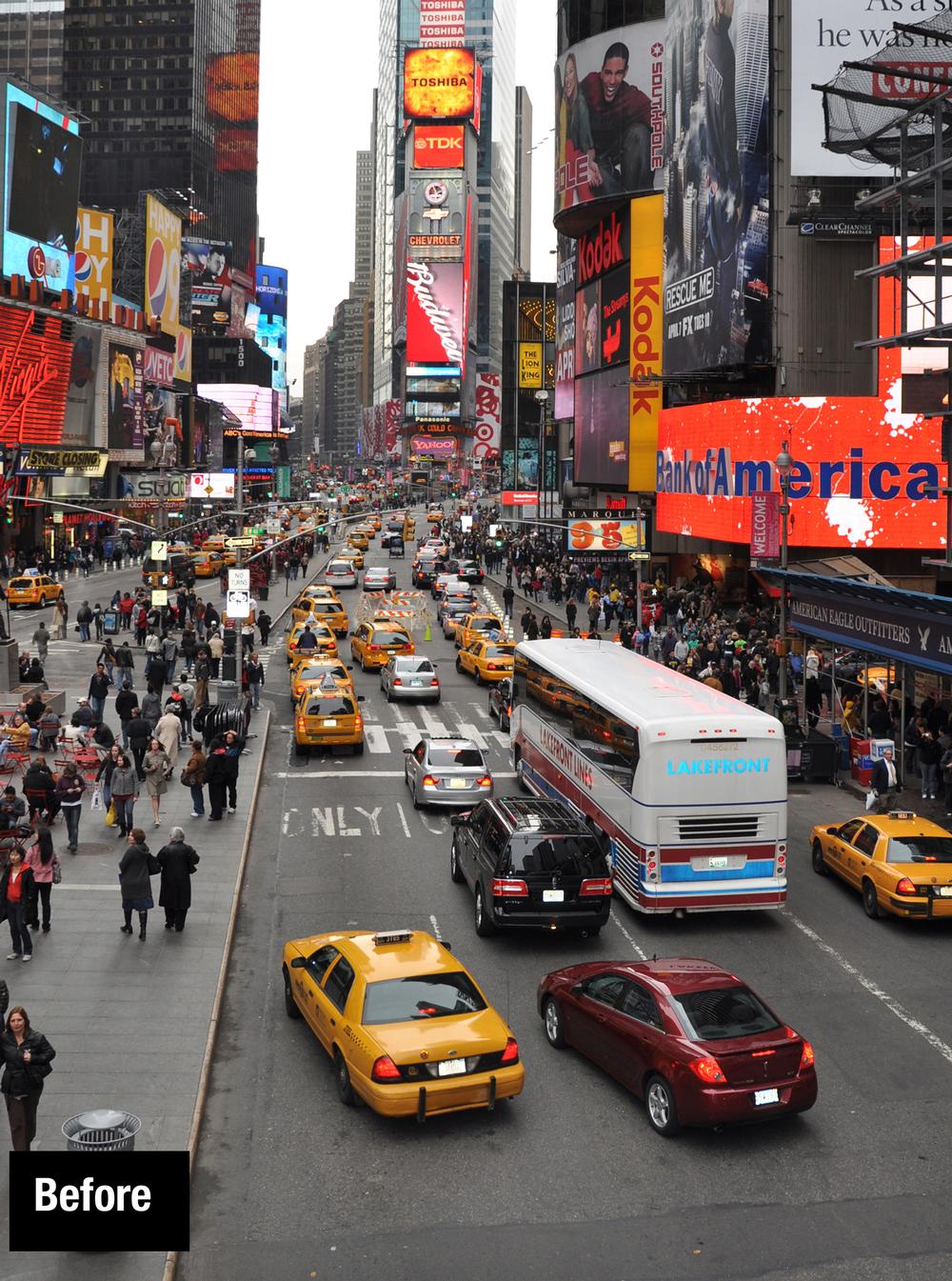
Almost 45,000sq m (500,000sq ft) has been reclaimed as public space in the city, including Times Square which, having been pedestrianised, now attracts café seating, concerts, art exhibitions, yoga classes and spontaneous snowball fights.

Turnover has also improved at the local businesses.
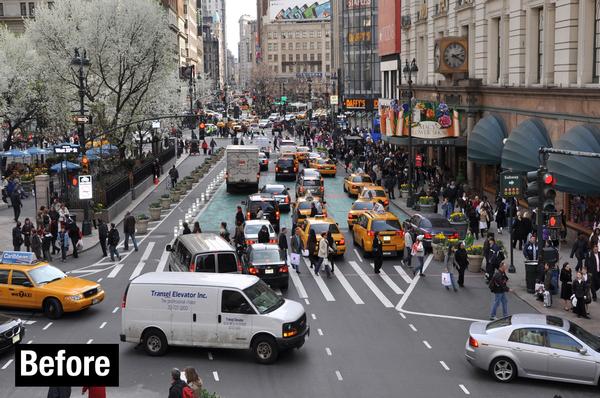
Since 2007, almost 45,000sq m has been reclaimed as public space in New York, making it a much more liveable city

A NEW VISION

BRIGHTON, UK

Gehl Architects created a vision for New Road in Brighton, UK, creating a shared-surface, multi-modal street. Today it incorporates the interests of many different user groups and encourages cycling, standing and walking activities, as well as simply encouraging people to sit and spend time there, based on people-focused public space programming. 

Gehl Architects believe a place that works is somewhere you want to spend time and linger, and with this in mind it aims to create environments where the road is about more than just transit. A space becomes inviting when the street displays a mix of shops, interesting things to look at and opportunities to explore. It’s about considering the person as the focal unit of measure in terms of scale, size, sensory experience and view –making things human-sized and giving them small things to focus on along the way, so they’re encouraged to walk rather than drive.

New Road is now the fourth most popular place for people to spend time in Brighton. It has become a place where people linger – not just a transit street – and the amount of time people spend there has increased by 600 per cent since its facelift.

English Partnership has selected this project as an exemplary best practice example for the Urban Design Compendium in the UK.

New Road has become a place where people like to linger, rather than just be in transit

A NEW VISION

Christchurch, New Zealand

After the devastating earthquakes in 2010 and 2011, Gehl Architects were commissioned to develop a framework for the rebuilding of central Christchurch in New Zealand.

The masterplan included a network of neighbourhood parks and a redesigned transportation network. The plan prioritised pedestrians and public transport, linking all the most popular destinations in town with the aim of making people more inclined to leave the car at home.

It’s now in the process of being redesigned as a lower-rise city, with a greater variety and more consistent density of activities and buildings. Creating density means bringing things down to the ground level, with visual stimuli at eye level that make it more interesting to walk down the street.

It’s about creating a more appealing, people-focused environment where human scale is considered, all of which helps change people’s perception of distance and makes them more likely to explore the space – once again encouraging activity within the city.

The plan prioritises pedestrians and public transport
Sign up here to get HCM's weekly ezine and every issue of HCM magazine free on digital.
Times Square in New York City has been pedestrianised and now attracts café seating, concerts and even yoga classes
https://www.leisureopportunities.co.uk/images/579138_629029.jpg
Riccardo Marini, director at urban quality consultants Gehl Architects, talks about his work to prioritise pedestrians and healthy movement on city streets around the world
Riccardo Marini, director at urban quality consultants Gehl Architects Kath Hudson , Journalist,Riccardo Marini, Gehl Architects, urban design, street, pedestrians, architecture, New York, Brighton, Christchurch, New Zealand
HCM magazine
Raphael Cuomo explores the powerful link between addiction, health and behaviour change
HCM magazine
Collaborations with the medical profession and greater aspirations around wellbeing are creating a need for more experts in our sector. It’s time to reboot our thinking around the workforce
HCM magazine
If the health service is to survive, we must recognise that it is a disease service – and that wellbeing rests with us, says the activity advocate and healthy ageing champion. He talks to Kate Cracknell
HCM magazine
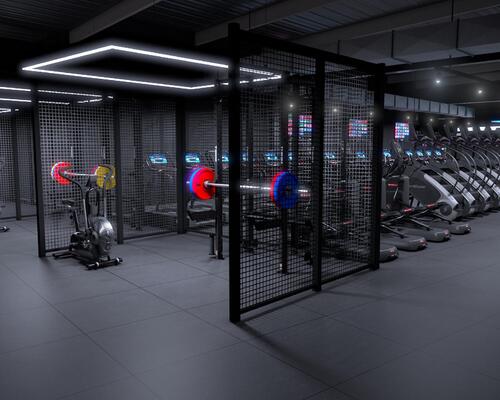
Strength training is evolving, driven by changing consumer preferences. Julie Cramer talks to innovators about how their products are meeting this demand
HCM magazine
I experienced a blissful feeling of joy I hadn’t felt since I was a kid
HCM promotional features
Sponsored
SnowDome Fitness has added 50 per cent more space with cutting-edge Technogym solutions
HCM promotional features
Sponsored
Find out how your gym can tap into the corporate wellness boom
HCM promotional features
Sponsored
Third Space partnered with IndigoFitness to deliver a bespoke training space for its new club at The Whiteley
HCM promotional features
Sponsored
David Lloyd is stepping up its commitment to women’s health as it continues to explore what fit-for-purpose looks like for the female population
HCM promotional features
Sponsored
Greg Bradley looks at the shift towards strength training in gyms and advises on how operators can create the ultimate training environment
HCM promotional features
Sponsored
Starpool supports Olympic champion Marcell Jacobs, says Riccardo Turri
HCM promotional features
Sponsored
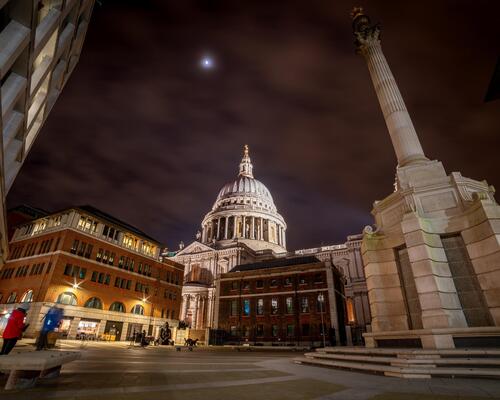
EGYM has opened a new HQ in Paternoster Square, London and revealed a range of new launches
HCM promotional features
Promotion
Performance Health Systems, manufacturer of Power Plate, has a new CEO, with an ambitious vision for the company
HCM promotional features
Sponsored
New launch, Salus House, elevates boutique wellness with high service levels and a partnership with Technogym
HCM promotional features
Latest News
Peloton has made the strategic acquisition of Pilates start-up, Skōp, to support the expansion of ...
Latest News
Crunch Fitness has announced the launch of Crunch Reform Pilates – its own reformer concept ...
Latest News
The 20th State of the Industry Report from LeisureDB has revealed a resilient, expanding and ...
Latest News
Purpose Brands has announced its entry into the Italian market, having sold the franchise rights ...
Latest News
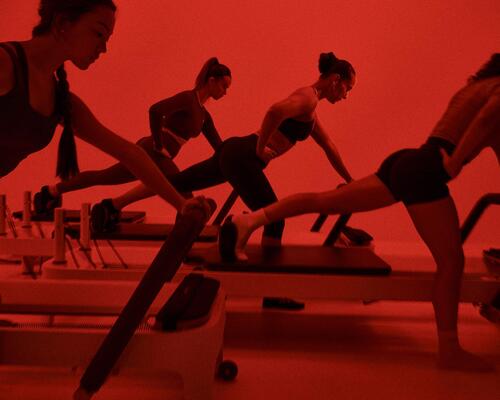
Fitness First UK is integrating red light therapy into its yoga and Pilates classes through ...
Latest News
Nuffield Health has told HCM that it takes its responsibilities towards its colleagues seriously and ...
Latest News
Technogym has announced the launch of the Run X World Treadmill Championship, the first world ...
Latest News
Shocked by the UK loneliness statistics, charitable trust Mytime Active has been doubling down on ...
Opinion
promotion
Strength training has moved from the margins to the mainstream.
Opinion: Building smarter strength spaces for today’s operators
Featured supplier news
Featured supplier news: Supporting long-term health: why whole body vibration belongs in clinical settings
As healthcare continues to shift towards prevention, there’s a growing focus on helping people stay active, independent and feeling good for longer.
Featured supplier news
Featured supplier news: Reaching the people most gyms miss: Bedford Gym & Swim Campaign delivers 410 new members
One of the biggest mistakes the fitness industry still makes is advertising almost exclusively to people who already look and live like gym members.
Company profiles
Company profile: Core Health & Fitness
Driven by innovation, Core Health & Fitness delivers top-quality products, exceptional service, and ongoing support. ...
Company profiles
Company profile: Wattbike
Wattbike’s mission is to make Wattbike the ultimate training partner for improving health and performance. ...
Supplier Showcases
Supplier Showcase - Future-proofing
Catalogue Gallery
Click on a catalogue to view it online
Featured press releases
GLL press release: GLL joins National Year of Reading as research reveals books beat social media for post-exercise recovery
GLL, the charitable social enterprise operating Libraries and Leisure Centres across the UK, has today (9 June 2026) announced that it will be supporting the National Year of Reading as a major campaign partner alongside national organisations, including BBC Sport, Audible, DC Thomson and Tesco.
Featured press releases
BLK BOX press release: Inside the build: Ironbound
When brothers Patrick and Kevin first approached BLK BOX, they had a vision and an unusual space. Beneath a building in Embrach, Switzerland, sat an underground facility with huge potential. What it needed was the right layout, the right equipment, and a partner who understood functional fitness.
Directory
Water experiences and hydrotherapy solutions
Aquaform s.r.l.: Water experiences and hydrotherapy solutions
Hot tubs
MSpa International Ltd: Hot tubs
Lockers
Crown Sports Lockers: Lockers
Spa and beauty equipment
Living Earth Crafts: Spa and beauty equipment
Industrial washing machines
Miele Company Limited: Industrial washing machines
Fitness tracking platform
SpiviTech: Fitness tracking platform
Property & Tenders
Stratford, East London.
Lee Valley Regional Park Authority
Property & Tenders
Y Felinheli, LL56 4QN
Newmark
Property & Tenders
Diary dates
13-13 Jun 2026
Worldwide, Various,
Diary dates
21-24 Sep 2026
The Langham Huntington Pasadena , Pasadena, United States
Diary dates
06-08 Oct 2026
Messe Stuttgart, Stuttgart, Germany
Diary dates
22-22 Oct 2026
QEII Conference Centre, London,
Diary dates
26-29 Oct 2027
Koelnmesse Exhibition Centre, Cologne, Germany
Diary dates

features

Active streets: Power to the people

The opportunities to be active on our streets are dwindling because of the priority given to cars above pedestrians. Riccardo Marini, director at urban quality consultants Gehl Architects, is one architect working to reverse this trend. Kath Hudson reports

Published in Health Club Management 2015 issue 4
Riccardo Marini, director at urban quality consultants Gehl Architects
Health clubs have to be careful they don’t offer a big shiny box that people can only drive to. They need to find ways of encouraging people to visit in an active way

What’s your approach to architecture?
Architecture should be about people before buildings. Offer the right lifestyle choices and you’ll get the right health outcomes: if places are designed with people in mind, people will be healthier.

The problem is, the bureaucratic systems we’ve created in the name of efficiency have destroyed the kind of places that bring joy to our hearts. We’re using technology to make everything as efficient as possible, whereas the path to health, happiness, wealth and wellbeing is one that puts people, culture and art central to the planning process.

The way cities are designed today is also contributing to an increasingly sedentary lifestyle among the public. We’re making it more difficult to navigate cities by foot and bike, and our consequent reliance on cars and technology takes away the everyday opportunities for exercise, such as going to the shops for groceries.

How can architecture and design help people to be active?
Copenhagen is a great example of this. People living in Copenhagen think it’s natural to cycle to work, school or the pub, whether it’s sunny, raining or minus 4 degrees centigrade. Research has shown this is because it’s considered the easiest and most efficient mode of transport. Cycling is integrated with other forms of transport: you can take bikes onto trains and the underground and taxis have cycle racks. It’s not rocket science or magic: if you make it easy to walk and cycle, then people will do it.

The next stage for Copenhagen is to tackle suburbia: encouraging people to cycle to the station, get on the train and pick up a hire bike in the city.

Can existing environments be enhanced and improved?
Most definitely. In the 1960s, Copenhagen was pursuing the American dream and was a sea of cars, but they realised this wasn’t the way to go from a quality of life point of view. For the past 40 years, they’ve been trying to reverse this mentality. It can happen anywhere – there just needs to be the political will and some skill and understanding.

What in your view are the barriers to change?
The usual criticism is that the city will die without cars, and people won’t want to do business there. Our counter-argument is that global companies like Google want to put offices in places which are liveable, so they can retain staff. Cars don’t make places liveable.

Can you give an example of bad design in a city?
I always compare Manhattan and Dubai. I love New York, which takes its roots from European cities. On the other hand, Dubai has taken the American dream but without the essential DNA of streets, pavements, public spaces and active shop fronts. A fake environment has been created where you go from air-conditioned car to air-conditioned mall; street life does not exist. Shade should have been designed in to make people want to be in the streets.

How can the health club industry make sure it’s not contributing to this problem?
Health clubs have to be careful they don’t offer a big shiny box that people can only drive to. They need to be located in areas where there’s footfall, or find ways of encouraging people to visit in an active way, like cycling.
Also, clubs can and should be social hubs that bring life to the communities where they’re located, encouraging people to exercise in the streets, parks and pedestrian areas around the club – whether on their own or in group activities organised by the club.

A GREENER CITY

New York, US

In 2007, Gehl Architects were engaged to advise on making New York a greener and more people-friendly urban environment, as well as how to encourage cycling as a healthy and environmentally-friendly mode of transportation.

Quantifiable aims included a 30 per cent reduction in C02 emissions, implementing 300km of cycle lanes, ensuring everyone was within a 10-minute walk of a public space, doubling the percentage of cyclist commuters, and reducing traffic-related deaths by 50 per cent.

Since then, NYC has doubled the amount of cycle lanes, reaching 725km in 2009. Combined with a new policy of allowing bicycle parking inside office buildings, as well as awareness campaigns, there has been a twofold increase in New Yorkers commuting to work and places of education by bicycle.

Almost 45,000sq m (500,000sq ft) has been reclaimed as public space in the city, including Times Square which, having been pedestrianised, now attracts café seating, concerts, art exhibitions, yoga classes and spontaneous snowball fights.

Turnover has also improved at the local businesses.
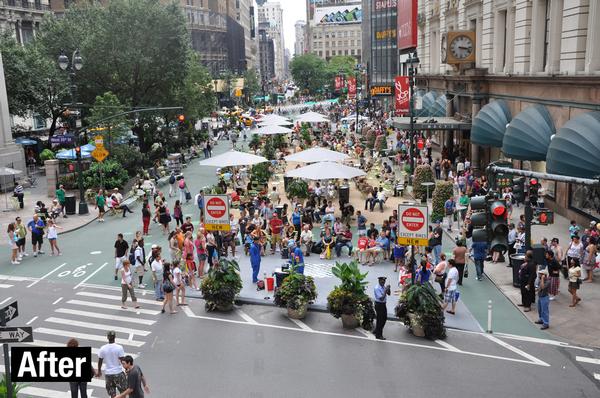
Since 2007, almost 45,000sq m has been reclaimed as public space in New York, making it a much more liveable city

A NEW VISION

BRIGHTON, UK

Gehl Architects created a vision for New Road in Brighton, UK, creating a shared-surface, multi-modal street. Today it incorporates the interests of many different user groups and encourages cycling, standing and walking activities, as well as simply encouraging people to sit and spend time there, based on people-focused public space programming. 

Gehl Architects believe a place that works is somewhere you want to spend time and linger, and with this in mind it aims to create environments where the road is about more than just transit. A space becomes inviting when the street displays a mix of shops, interesting things to look at and opportunities to explore. It’s about considering the person as the focal unit of measure in terms of scale, size, sensory experience and view –making things human-sized and giving them small things to focus on along the way, so they’re encouraged to walk rather than drive.

New Road is now the fourth most popular place for people to spend time in Brighton. It has become a place where people linger – not just a transit street – and the amount of time people spend there has increased by 600 per cent since its facelift.

English Partnership has selected this project as an exemplary best practice example for the Urban Design Compendium in the UK.
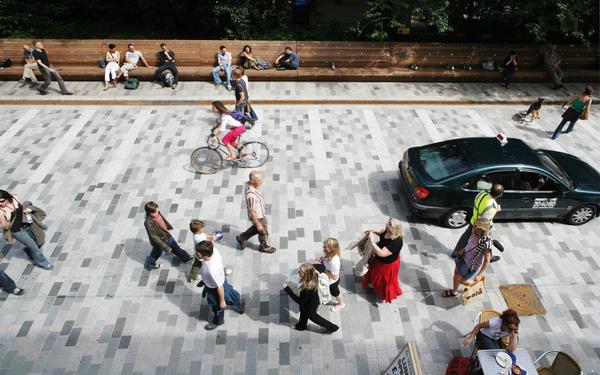
New Road has become a place where people like to linger, rather than just be in transit

A NEW VISION

Christchurch, New Zealand

After the devastating earthquakes in 2010 and 2011, Gehl Architects were commissioned to develop a framework for the rebuilding of central Christchurch in New Zealand.

The masterplan included a network of neighbourhood parks and a redesigned transportation network. The plan prioritised pedestrians and public transport, linking all the most popular destinations in town with the aim of making people more inclined to leave the car at home.

It’s now in the process of being redesigned as a lower-rise city, with a greater variety and more consistent density of activities and buildings. Creating density means bringing things down to the ground level, with visual stimuli at eye level that make it more interesting to walk down the street.

It’s about creating a more appealing, people-focused environment where human scale is considered, all of which helps change people’s perception of distance and makes them more likely to explore the space – once again encouraging activity within the city.
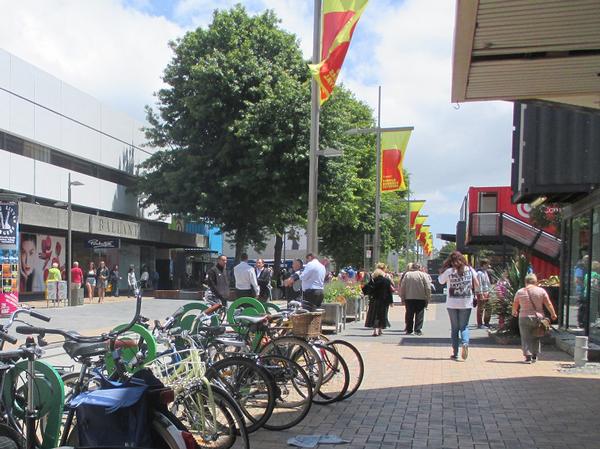
The plan prioritises pedestrians and public transport
Sign up here to get HCM's weekly ezine and every issue of HCM magazine free on digital.
Times Square in New York City has been pedestrianised and now attracts café seating, concerts and even yoga classes
https://www.leisureopportunities.co.uk/images/579138_629029.jpg
Riccardo Marini, director at urban quality consultants Gehl Architects, talks about his work to prioritise pedestrians and healthy movement on city streets around the world
Riccardo Marini, director at urban quality consultants Gehl Architects Kath Hudson , Journalist,Riccardo Marini, Gehl Architects, urban design, street, pedestrians, architecture, New York, Brighton, Christchurch, New Zealand
Latest News
Peloton has made the strategic acquisition of Pilates start-up, Skōp, to support the expansion of ...
Latest News
Crunch Fitness has announced the launch of Crunch Reform Pilates – its own reformer concept ...
Latest News
The 20th State of the Industry Report from LeisureDB has revealed a resilient, expanding and ...
Latest News
Purpose Brands has announced its entry into the Italian market, having sold the franchise rights ...
Latest News
Fitness First UK is integrating red light therapy into its yoga and Pilates classes through ...
Latest News
Nuffield Health has told HCM that it takes its responsibilities towards its colleagues seriously and ...
Latest News
Technogym has announced the launch of the Run X World Treadmill Championship, the first world ...
Latest News
Shocked by the UK loneliness statistics, charitable trust Mytime Active has been doubling down on ...
Latest News
Portugal’s leading operator, SC Fitness, is celebrating a milestone by reaching 100 gyms.  The company ...
Latest News
Australia’s fast-growing fitness network, Viva Leisure, is adding a low-cost gym brand to its already ...
Latest News
Speedflex has launched a strength training programme for 10 to 16-year-olds, to make it safer, ...
Opinion
promotion
Strength training has moved from the margins to the mainstream.
Opinion: Building smarter strength spaces for today’s operators
Featured supplier news
Featured supplier news: Supporting long-term health: why whole body vibration belongs in clinical settings
As healthcare continues to shift towards prevention, there’s a growing focus on helping people stay active, independent and feeling good for longer.
Featured supplier news
Featured supplier news: Reaching the people most gyms miss: Bedford Gym & Swim Campaign delivers 410 new members
One of the biggest mistakes the fitness industry still makes is advertising almost exclusively to people who already look and live like gym members.
Company profiles
Company profile: Core Health & Fitness
Driven by innovation, Core Health & Fitness delivers top-quality products, exceptional service, and ongoing support. ...
Company profiles
Company profile: Wattbike
Wattbike’s mission is to make Wattbike the ultimate training partner for improving health and performance. ...
Supplier Showcases
Supplier Showcase - Future-proofing
Catalogue Gallery
Click on a catalogue to view it online
Featured press releases
GLL press release: GLL joins National Year of Reading as research reveals books beat social media for post-exercise recovery
GLL, the charitable social enterprise operating Libraries and Leisure Centres across the UK, has today (9 June 2026) announced that it will be supporting the National Year of Reading as a major campaign partner alongside national organisations, including BBC Sport, Audible, DC Thomson and Tesco.
Featured press releases
BLK BOX press release: Inside the build: Ironbound
When brothers Patrick and Kevin first approached BLK BOX, they had a vision and an unusual space. Beneath a building in Embrach, Switzerland, sat an underground facility with huge potential. What it needed was the right layout, the right equipment, and a partner who understood functional fitness.
Directory
Water experiences and hydrotherapy solutions
Aquaform s.r.l.: Water experiences and hydrotherapy solutions
Hot tubs
MSpa International Ltd: Hot tubs
Lockers
Crown Sports Lockers: Lockers
Spa and beauty equipment
Living Earth Crafts: Spa and beauty equipment
Industrial washing machines
Miele Company Limited: Industrial washing machines
Fitness tracking platform
SpiviTech: Fitness tracking platform
Property & Tenders
Stratford, East London.
Lee Valley Regional Park Authority
Property & Tenders
Y Felinheli, LL56 4QN
Newmark
Property & Tenders
Diary dates
13-13 Jun 2026
Worldwide, Various,
Diary dates
21-24 Sep 2026
The Langham Huntington Pasadena , Pasadena, United States
Diary dates
06-08 Oct 2026
Messe Stuttgart, Stuttgart, Germany
Diary dates
22-22 Oct 2026
QEII Conference Centre, London,
Diary dates
26-29 Oct 2027
Koelnmesse Exhibition Centre, Cologne, Germany
Diary dates
Search news, features & products:
Find a supplier:
Les Mills
Les Mills
Partner sites