













EGYM
EGYM
EGYM
Follow Health Club Management on Twitter Like Health Club Management on Facebook Join the discussion with Health Club Management on LinkedIn
FITNESS, HEALTH, WELLNESS

features

Talkback: Everyone's talking about ...

With research linking irregular sleep patterns with a higher risk of cardiometabolic disease and showing one bad night can negatively impact lifespan, sleep is finally getting the attention it deserves, as Kath Hudson reports

Published in Health Club Management 2025 issue 8
Exercising in the morning is a trigger to support sleep that night / photo: Shutterstock / PeopleImages
Oli Patrick
Physiologist & Wellbeing Consultant
photo: Oliver Patrick

There’s a growing body of science to show that sleep consistency is a better predictor of mortality than sleep duration. Research also shows that people with the most consistent sleep and waking times have the best health outcomes.

This is because hormones such as melatonin and cortisol – that drive daytime wakefulness and energy levels and regulate thousands of biological processes that are critical to staying well and living longer – are dictated by consistency.

Getting natural light in the first hour of waking is important, as it sets off the biological cascade which leads to good sleep.

A meta-analysis found that for every hour under seven hours there was a 6 per cent increased risk in all-cause mortality. However, every hour above eight was associated with a 13 per cent increased risk of mortality. This is likely because it’s indicative of some sort of sleep disorder, such as sleep apnoea, so people might sleep longer but won’t be getting such good quality sleep.

Research shows that getting an extra hour of sleep at the weekend could lead to a 20 per cent reduction in cardiovascular disease risk, however, three or four hours has an adverse effect.

As well as circadian rhythms, there’s growing interest in ultradian rhythms – the 90-minute cycles throughout the day that impact sleep. How we live each day dictates our nights, from the minute the alarm goes off, how it goes off, if you check your phone as the first instinct, whether you eat, or have coffee, or get access to natural light.

Wearables can be useful in identifying the cause of sleep problems. Individuals differ in the impact alcohol, caffeine, eating late, exercising late has on their sleep. Wearables can help establish what personalised dosage of behaviour works for sleep patterns. However, they must be used with caution. People who have variables in their life which they can’t change – like young children or noisy neighbours – shouldn’t measure their sleep. And relying on a wearable to say how you've slept starts to erode balance. People should ask themselves how refreshed they feel and consolidate that with technology.

Oli Patrick is founder of Pillar Wellness and co-founder of Future Practice and will be a keynote speaker at the HCM Summit in London on 23 October 2025 www.HCMsummit.live

Getting natural light in the first hour of waking is important, as it sets off the biological cascade which leads to good sleep
The impact of daylight saving

Modern day sleep is challenged by our working times being out of sync with our circadian rhythm. There’s a strong argument for cancelling daylight saving in the UK, because the change of time leads to people’s circadian rhythms being out of sync, causing a significant spike in cardiovascular disease. A study found there’s a 24 per cent increase in heart attacks on the Monday immediately after the change to British Summer Time. There’s also a significant increase in road traffic accidents due to daytime drowsiness.

Louise Nicholettos
Director, Cornwall Physio
photo: Cornwall Physio

Sleep problems are extremely common among my clients, and basic sleep hygiene, such as no screens before bed, often makes little difference. This is because the body’s ability to achieve deep, restorative sleep depends on a complex balance of hormones, neurotransmitters and metabolic processes that no amount of screen-time management can fix when disrupted.

The two most common issues I see are problems falling asleep and nocturnal waking and the timing of sleep disruptions often reveals their underlying cause. Difficulty falling asleep can relate to melatonin production issues stemming from B6 deficiency (essential for converting serotonin to melatonin) or magnesium deficiency (nature’s relaxant that helps the nervous system switch off).

Waking between 1.00am to 3.00am usually signals blood sugar dysregulation. When glucose drops overnight, the body releases adrenaline and cortisol, triggering middle-of-the-night wakings with racing thoughts or anxiety, even in individuals with normal fasting glucose.

Consistent 3.00am to 5.00am wakings often indicate cortisol dysregulation. This stress hormone should remain low overnight, but modern lifestyles can create flattened cortisol rhythms or premature morning spikes, leaving people physically exhausted but biochemically unable to maintain sleep.

Circadian rhythm and cortisol patterns are hugely influenced by natural light exposure but also by mineral balance, particularly magnesium, zinc, and sodium/potassium ratios, which regulate adrenal function and neurotransmitter production which is essential for maintaining proper sleep-wake cycles.

Genetic variations, particularly in the MTHFR gene, significantly impact sleep by affecting methylation, a process essential for neurotransmitter production and hormone regulation. Thirty to 40 per cent of many populations carry at least one copy of the C677T MTHFR variant, which can disrupt both sleep onset and maintenance.

Methylation can be supported by ensuring adequate intake of methylation cofactors such as methylfolate (instead of synthetic folic acid), methylcobalamin (B12), B6, choline, and betaine, along with lifestyle factors that reduce methylation burden, such as minimising toxin exposure and managing stress levels.

The gut-brain connection provides another critical piece of the sleep puzzle. Intestinal permeability (leaky gut) and microbiome imbalances can trigger inflammatory responses that disrupt sleep centres in the brain, while impaired liver detoxification, which occurs primarily during sleep, can lead to restless, unrefreshing sleep.

Once people have diligently applied sleep hygiene principles without success, the next step needs to be some health detective work to find the underlying imbalance or root cause. When methylation is restored, blood sugar balanced, nutrient levels optimised, and detoxification pathways supported, sleep improvements often follow naturally.

Persistent sleep problems aren’t just inconveniences – they’re valuable signals pointing toward biochemical imbalances that – once identified – can transform not just the nights but overall health and add years to life.

The body’s ability to achieve deep, restorative sleep depends on a complex balance of hormones, neurotransmitters and metabolic processes
Shaun Traynor
Founder, Kip
photo: KIP

While just as important, sleep, as a category, has lagged behind exercise and diet. Awareness is growing, but still people aren’t dedicating as much time or effort into their sleep as they are in these other two wellness pillars. One of the problems is the mentality that sleep is boring, or that they’ll be missing out. But when you don’t sleep well, cognition and mood are impacted, calorie intake and caffeine consumption increases, which then has an impact on the subsequent night’s sleep.

Many of us have developed poor sleep hygiene. We’re ‘always on’ and don’t allow our bodies and minds to slow down and prepare for sleep – we spend all day in the chaos and demands of life and work, and in the evening work, scroll or binge on Netflix. Then we crash into bed after functioning at 100mph and wonder why we’re too wired to switch off. This cycle can lead to insomnia, anxiety, burnout and depression.

Like diet and exercise, you have to put in a bit of time to achieve the results you want. The majority of people want to sleep better, but don’t dedicate the time to achieving it. We need to start seeing sleep as an enhancer of our lives, instead of something that gets in the way.

Trainers can help their clients by reinforcing behavioural changes that are most easily within their control – maybe stopping caffeine after lunch, limiting or even stopping alcohol on week nights; disconnecting from digital chaos at night and creating time and space to unwind, or creating a peaceful bedroom which makes you want to go to bed.

About Kip

Shaun Traynor has partnered with experts in sleep science, psychology and behavioural health to create a device to break negative evening tech habits.

Kip uses a Disconnect Tag, which instantly disables distracting apps, paired with a mobile app featuring Sleep Coach which offers personalised guidance, expert-driven strategies and sustainable habits for better rest, such as expert-led breathing techniques.

Trainers can help their clients sleep better by reinforcing behavioural changes that are most easily within their control
Persistent sleep problems may link to biochemical imbalances / photo: Shutterstock / PeopleImages.com - Yuri A
Dr Matthew Walker
Sleep scientist, University of California
photo: Dr Matthew Walker

Most wellness narratives still spotlight exercise and nutrition as the primary agents of health and performance. But sleep is the foundation of both. A lack of sleep erodes willpower, impairs glucose regulation, suppresses immunity and increases risk across nearly every major disease category. If health were a tripod, sleep would be the leg we’ve ignored the longest.

While meaningful advances have been made over the last decade and sleeping is no longer seen as a sign of weakness or indulgence, culturally and commercially, we’re still playing catch-up. We need more messaging, as well as more environments, products and services that make it easier for people to get the sleep they need. Equinox Hotels’ commitment to this turns sleep from a talking point into a lived experience.

Every feature in the Equinox Hotels' Sleep Lab was designed to give guests the best sleep of their lives. For example, the dynamic circadian lighting system isn’t just about ambiance, it’s about biology. It mimics the ebb and flow of natural daylight to help recalibrate the internal body clock, particularly for hotel guests arriving from different time zones.

When light cues are timed correctly, they can accelerate circadian adaptation and promote better sleep at the right time of night.

Core body temperature needs to drop by about 1°C to initiate and maintain deep sleep, so we’ve used a temperature-regulating bed system to gently manage thermal comfort throughout the night, preserving that ideal state for high-quality, uninterrupted sleep and also the stages of sleep – especially deep and REM sleep.

One innovation which is coming down the tracks and will hopefully be incorporated into a later iteration of Sleep Lab is the incorporation of guided wind-down protocols based on each guest’s chronotype and stress levels.

This would involve customised breathwork, light intensity, soundscapes, meal timing guidance and thermal adjustments synced to the individual’s internal rhythm. The infrastructure to support this kind of real-time personalisation is emerging and I believe it’s the future of sleep-forward hospitality.

If health were a tripod, sleep would be the leg we’ve ignored the longest
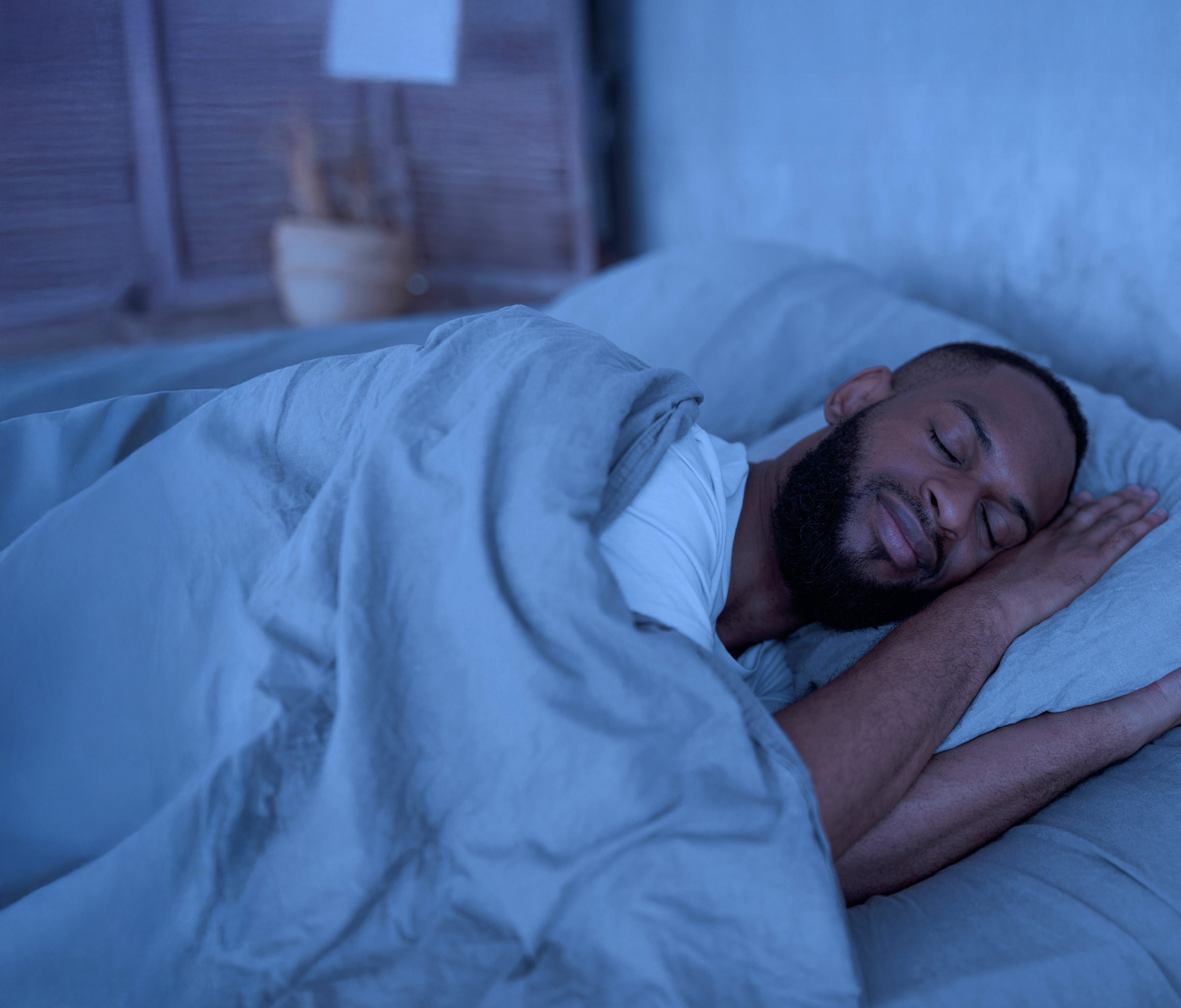
Core body temperature must drop by 1 degree Celsius to maintain deep sleep / photo: Shutterstock / Prostock-studio
Chris Norton
CEO, Equinox Hotels
photo: Equinox

Equinox Hotels launched Sleep Lab in New York this summer, repositioning sleep from an afterthought to an essential, high-performance tool.

If we can rewire the sleep culture in New York – a city that runs 24 hours a day – we believe we can set a new standard in hospitality and health.

Of the hotel’s 212 guest rooms, four king suites are outfitted for the Sleep Lab. Everything is precision-engineered to optimise sleep, from temperature regulation to circadian lighting and next-generation biometrics.

We want to empower our guests with a deeper understanding of how sleep fits into the full circadian rhythm. Sleep is so more than eight hours spent in bed – it's an entire 24-hour experience, people think more clearly, work smarter, train harder, recover faster, feel and look better when they sleep optimally.

The Sleep Lab has received an overwhelmingly positive reaction.

People think clearer, work smarter, train harder, recover faster and simply feel and look better when they sleep optimally
Dr Nerina Ramlakhan
Sleep expert and ambassador, Grey Wolfe
photo: Dr Nerina Ramlakhan

I’ve been observing the exponential increase in sleep problems for 30 years and believe it’s very much to do with the speed of life today. Technology has driven us at a pace that’s unsustainable given the design of our physiology and many people are finding themselves stretched to capacity.

We’ve also become restless and it’s become the norm for many to never take a break and to check their inboxes in the evening and even during the night, weekends and when they’re on holiday.

Global anxiety levels have increased as a result of wars and the financial and political upheaval. Even if we’re not directly affected we feel the fear and chaos and unless we learn how to rest in a strategic and disciplined way, it can take its toll on our health and our sleep. The introduction of AI is adding to mental overwhelm.

The overthinking process is a huge disruptor for many people’s sleep – especially those who I describe as sensitive sleepers. Combined, these factors have led to many people forgetting what it means to rest – during the day and night – so no amount of sleep hygiene or the best mattress or bedding is enough to settle the dysregulated nervous system.

While there's growing awareness of the importance of sleep compared to a few decades ago, there’s a big gap between knowledge and wisdom. As with food and exercise, people are often stuck between knowing what they should do and doing it.

The global sleep industry – projected to be worth US$950bn by 2032 – is flooded with products to help optimise sleep, however the starting point is for people to become aware, take responsibility and make better lifestyle choices. Consistent small changes can bring about profound changes.

As with food and exercise, people are often stuck between knowing what they should do to sleep better and actually doing it
Dr Nerina Ramlakhan’s five rules for good sleep

1. Eat within 30 minutes of waking – especially important for women – this releases serotonin and oxytocin which later helps produce melatonin which aids sleep.

2. Go to bed earlier, before midnight is key

3. Hydrate hydrate hydrate: between 1.5 and two litres daily

4. Lay off the tech an hour before bed and for 20 minutes after waking

5. Be careful with caffeine: don’t use it as a substitute for food, or consume after 3.00pm

https://www.leisureopportunities.co.uk/images/2025/770919_638632.jpg
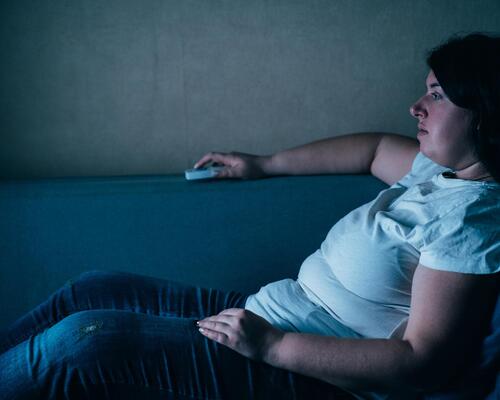
With research showing how poor sleep can affect health and lifespan, is sleep finally getting the attention it deserves? Kath Hudson reports
HCM magazine
If the health service is to survive, we must recognise that it is a disease service – and that wellbeing rests with us, says the activity advocate and healthy ageing champion. He talks to Kate Cracknell
HCM magazine
HCM People

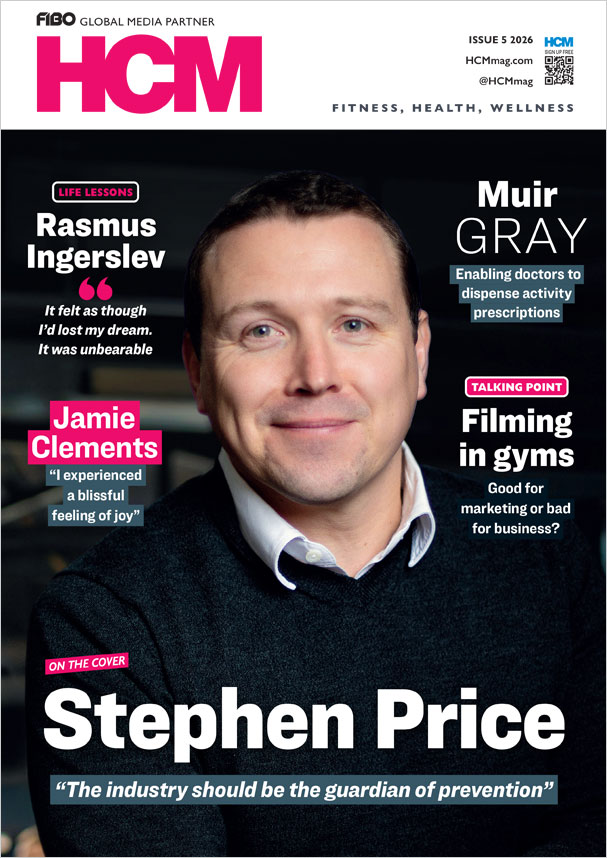
Stephen Price

Founder, SP&Co Group
Working in public health over the last few years has lit up parts of my brain again
HCM magazine
Collaborations with the medical profession and greater aspirations around wellbeing are creating a need for more experts in our sector. It’s time to reboot our thinking around the workforce
HCM magazine
I experienced a blissful feeling of joy I hadn’t felt since I was a kid
HCM magazine
Strength training is evolving, driven by changing consumer preferences. Julie Cramer talks to innovators about how their products are meeting this demand
HCM promotional features
Sponsored
Starpool supports Olympic champion Marcell Jacobs, says Riccardo Turri
HCM promotional features
Sponsored
Find out how your gym can tap into the corporate wellness boom
HCM promotional features
Sponsored
Greg Bradley looks at the shift towards strength training in gyms and advises on how operators can create the ultimate training environment
HCM promotional features
Sponsored
SnowDome Fitness has added 50 per cent more space with cutting-edge Technogym solutions
HCM promotional features
Sponsored
Third Space partnered with IndigoFitness to deliver a bespoke training space for its new club at The Whiteley
HCM promotional features
Sponsored
David Lloyd is stepping up its commitment to women’s health as it continues to explore what fit-for-purpose looks like for the female population
HCM promotional features
Sponsored
EGYM has opened a new HQ in Paternoster Square, London and revealed a range of new launches
HCM promotional features
Sponsored
Active IQ is calling for greater accountability in online fitness advice with the launch of a new trustmark
HCM promotional features
Sponsored
New launch, Salus House, elevates boutique wellness with high service levels and a partnership with Technogym
HCM promotional features
Latest News
Nuffield Health has told HCM that it takes its responsibilities towards its colleagues seriously and ...
Latest News
Technogym has announced the launch of the Run X World Treadmill Championship, the first world ...
Latest News
Shocked by the UK loneliness statistics, charitable trust Mytime Active has been doubling down on ...
Latest News
Portugal’s leading operator, SC Fitness, is celebrating a milestone by reaching 100 gyms.  The company ...
Latest News
Australia’s fast-growing fitness network, Viva Leisure, is adding a low-cost gym brand to its already ...
Latest News
Speedflex has launched a strength training programme for 10 to 16-year-olds, to make it safer, ...
Latest News
Tewinbury Farm Hotel in Hertfordshire, UK is expanding its premium leisure proposition with the launch ...
Latest News

Work is underway in Madrid on one of Europe’s most significant multi-functional complexes, ...

Opinion
promotion
Strength training has moved from the margins to the mainstream.
Opinion: Building smarter strength spaces for today’s operators
Featured supplier news
Featured supplier news: W3Fit EMEA celebrates its fifth anniversary
Celebrating its milestone 5th anniversary, W3Fit EMEA returns in 2026 with an unmissable gathering of the Health & Fitness industry’s most influential leaders.
Featured supplier news
Featured supplier news: Reaching the people most gyms miss: Bedford Gym & Swim Campaign delivers 410 new members
One of the biggest mistakes the fitness industry still makes is advertising almost exclusively to people who already look and live like gym members.
Company profiles
Company profile: Life Fitness/Hammer Strength
Life Fitness, Hammer Strength, and ICG are global leaders in premium fitness solutions, trusted by ...
Company profiles
Company profile: Brass Monkey
Brass Monkey designs and builds the world’s finest commercial-grade ice baths, working with leading gyms ...
Supplier Showcases
Supplier Showcase - Future-proofing
Catalogue Gallery
Click on a catalogue to view it online
Featured press releases
Technogym press release: Great success for Technogym’s “Let’s Move & Donate Food” campaign: one million meals donated
Thanks to the participation of 150,000 people across 141 countries, the social campaign surpassed one billion Moves collected, which were converted into a donation of one million school meals to support children in need.
Featured press releases
ukactive press release: Are they Fit for Office? UK Active and Technogym throw down the gauntlet to MPs
Hundreds of staff, MPs and Peers from across Westminster have signed up for the Fit for Office parliamentary physical activity challenge, which takes place throughout June and is hosted by ukactive and Technogym.
Directory
Water experiences and hydrotherapy solutions
Aquaform s.r.l.: Water experiences and hydrotherapy solutions
Lockers
Crown Sports Lockers: Lockers
Hot tubs
MSpa International Ltd: Hot tubs
Industrial washing machines
Miele Company Limited: Industrial washing machines
Fitness tracking platform
SpiviTech: Fitness tracking platform
Spa and beauty equipment
Living Earth Crafts: Spa and beauty equipment
Property & Tenders
Stratford, East London.
Lee Valley Regional Park Authority
Property & Tenders
Y Felinheli, LL56 4QN
Newmark
Property & Tenders
Diary dates
13-13 Jun 2026
Worldwide, Various,
Diary dates
21-24 Sep 2026
The Langham Huntington Pasadena , Pasadena, United States
Diary dates
06-08 Oct 2026
Messe Stuttgart, Stuttgart, Germany
Diary dates
22-22 Oct 2026
QEII Conference Centre, London,
Diary dates
26-29 Oct 2027
Koelnmesse Exhibition Centre, Cologne, Germany
Diary dates

features

Talkback: Everyone's talking about ...

With research linking irregular sleep patterns with a higher risk of cardiometabolic disease and showing one bad night can negatively impact lifespan, sleep is finally getting the attention it deserves, as Kath Hudson reports

Published in Health Club Management 2025 issue 8
Exercising in the morning is a trigger to support sleep that night / photo: Shutterstock / PeopleImages
Oli Patrick
Physiologist & Wellbeing Consultant
photo: Oliver Patrick

There’s a growing body of science to show that sleep consistency is a better predictor of mortality than sleep duration. Research also shows that people with the most consistent sleep and waking times have the best health outcomes.

This is because hormones such as melatonin and cortisol – that drive daytime wakefulness and energy levels and regulate thousands of biological processes that are critical to staying well and living longer – are dictated by consistency.

Getting natural light in the first hour of waking is important, as it sets off the biological cascade which leads to good sleep.

A meta-analysis found that for every hour under seven hours there was a 6 per cent increased risk in all-cause mortality. However, every hour above eight was associated with a 13 per cent increased risk of mortality. This is likely because it’s indicative of some sort of sleep disorder, such as sleep apnoea, so people might sleep longer but won’t be getting such good quality sleep.

Research shows that getting an extra hour of sleep at the weekend could lead to a 20 per cent reduction in cardiovascular disease risk, however, three or four hours has an adverse effect.

As well as circadian rhythms, there’s growing interest in ultradian rhythms – the 90-minute cycles throughout the day that impact sleep. How we live each day dictates our nights, from the minute the alarm goes off, how it goes off, if you check your phone as the first instinct, whether you eat, or have coffee, or get access to natural light.

Wearables can be useful in identifying the cause of sleep problems. Individuals differ in the impact alcohol, caffeine, eating late, exercising late has on their sleep. Wearables can help establish what personalised dosage of behaviour works for sleep patterns. However, they must be used with caution. People who have variables in their life which they can’t change – like young children or noisy neighbours – shouldn’t measure their sleep. And relying on a wearable to say how you've slept starts to erode balance. People should ask themselves how refreshed they feel and consolidate that with technology.

Oli Patrick is founder of Pillar Wellness and co-founder of Future Practice and will be a keynote speaker at the HCM Summit in London on 23 October 2025 www.HCMsummit.live

Getting natural light in the first hour of waking is important, as it sets off the biological cascade which leads to good sleep
The impact of daylight saving

Modern day sleep is challenged by our working times being out of sync with our circadian rhythm. There’s a strong argument for cancelling daylight saving in the UK, because the change of time leads to people’s circadian rhythms being out of sync, causing a significant spike in cardiovascular disease. A study found there’s a 24 per cent increase in heart attacks on the Monday immediately after the change to British Summer Time. There’s also a significant increase in road traffic accidents due to daytime drowsiness.

Louise Nicholettos
Director, Cornwall Physio
photo: Cornwall Physio

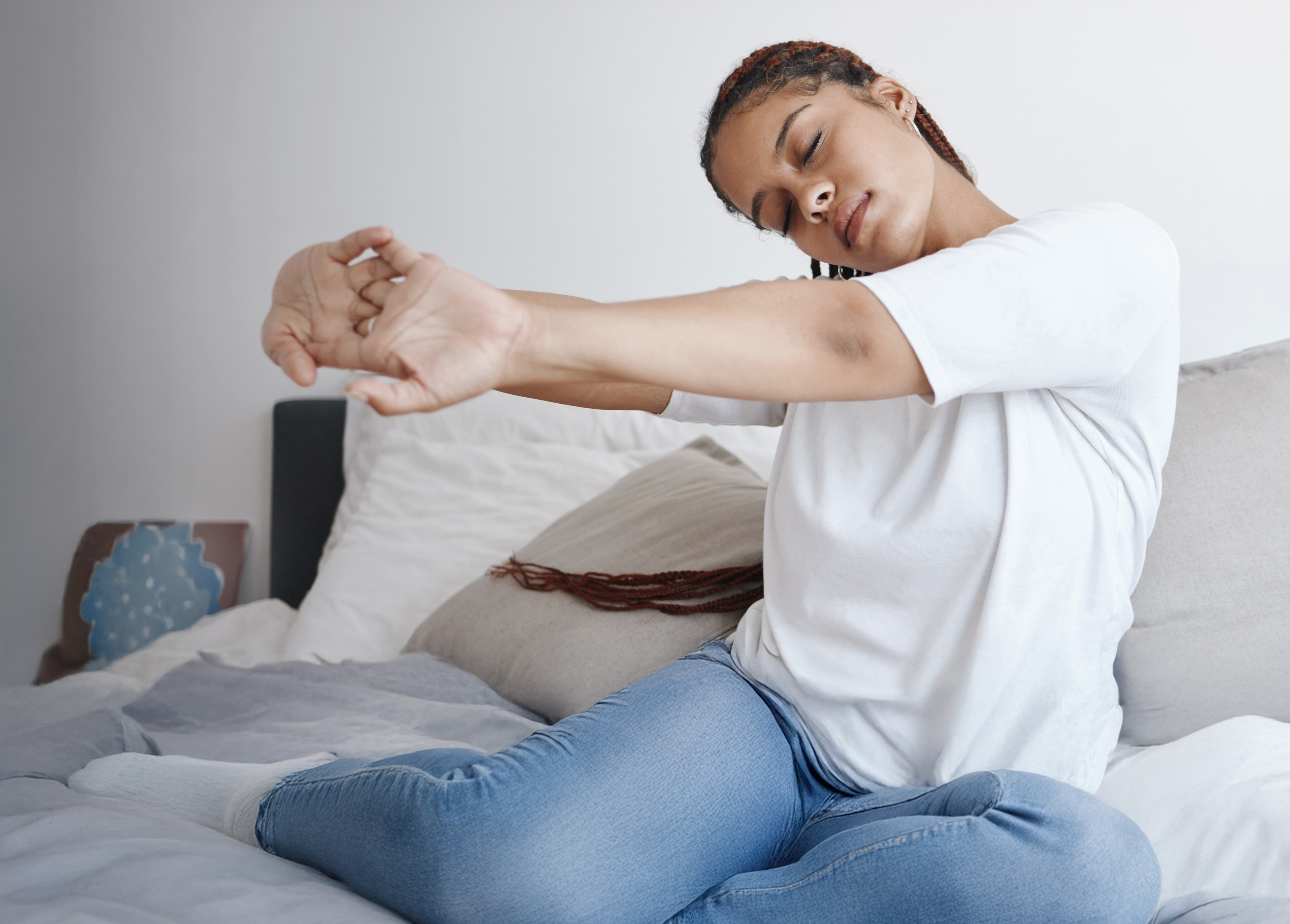
Sleep problems are extremely common among my clients, and basic sleep hygiene, such as no screens before bed, often makes little difference. This is because the body’s ability to achieve deep, restorative sleep depends on a complex balance of hormones, neurotransmitters and metabolic processes that no amount of screen-time management can fix when disrupted.

The two most common issues I see are problems falling asleep and nocturnal waking and the timing of sleep disruptions often reveals their underlying cause. Difficulty falling asleep can relate to melatonin production issues stemming from B6 deficiency (essential for converting serotonin to melatonin) or magnesium deficiency (nature’s relaxant that helps the nervous system switch off).

Waking between 1.00am to 3.00am usually signals blood sugar dysregulation. When glucose drops overnight, the body releases adrenaline and cortisol, triggering middle-of-the-night wakings with racing thoughts or anxiety, even in individuals with normal fasting glucose.

Consistent 3.00am to 5.00am wakings often indicate cortisol dysregulation. This stress hormone should remain low overnight, but modern lifestyles can create flattened cortisol rhythms or premature morning spikes, leaving people physically exhausted but biochemically unable to maintain sleep.

Circadian rhythm and cortisol patterns are hugely influenced by natural light exposure but also by mineral balance, particularly magnesium, zinc, and sodium/potassium ratios, which regulate adrenal function and neurotransmitter production which is essential for maintaining proper sleep-wake cycles.

Genetic variations, particularly in the MTHFR gene, significantly impact sleep by affecting methylation, a process essential for neurotransmitter production and hormone regulation. Thirty to 40 per cent of many populations carry at least one copy of the C677T MTHFR variant, which can disrupt both sleep onset and maintenance.

Methylation can be supported by ensuring adequate intake of methylation cofactors such as methylfolate (instead of synthetic folic acid), methylcobalamin (B12), B6, choline, and betaine, along with lifestyle factors that reduce methylation burden, such as minimising toxin exposure and managing stress levels.

The gut-brain connection provides another critical piece of the sleep puzzle. Intestinal permeability (leaky gut) and microbiome imbalances can trigger inflammatory responses that disrupt sleep centres in the brain, while impaired liver detoxification, which occurs primarily during sleep, can lead to restless, unrefreshing sleep.

Once people have diligently applied sleep hygiene principles without success, the next step needs to be some health detective work to find the underlying imbalance or root cause. When methylation is restored, blood sugar balanced, nutrient levels optimised, and detoxification pathways supported, sleep improvements often follow naturally.

Persistent sleep problems aren’t just inconveniences – they’re valuable signals pointing toward biochemical imbalances that – once identified – can transform not just the nights but overall health and add years to life.
The body’s ability to achieve deep, restorative sleep depends on a complex balance of hormones, neurotransmitters and metabolic processes
Shaun Traynor
Founder, Kip
photo: KIP

While just as important, sleep, as a category, has lagged behind exercise and diet. Awareness is growing, but still people aren’t dedicating as much time or effort into their sleep as they are in these other two wellness pillars. One of the problems is the mentality that sleep is boring, or that they’ll be missing out. But when you don’t sleep well, cognition and mood are impacted, calorie intake and caffeine consumption increases, which then has an impact on the subsequent night’s sleep.

Many of us have developed poor sleep hygiene. We’re ‘always on’ and don’t allow our bodies and minds to slow down and prepare for sleep – we spend all day in the chaos and demands of life and work, and in the evening work, scroll or binge on Netflix. Then we crash into bed after functioning at 100mph and wonder why we’re too wired to switch off. This cycle can lead to insomnia, anxiety, burnout and depression.

Like diet and exercise, you have to put in a bit of time to achieve the results you want. The majority of people want to sleep better, but don’t dedicate the time to achieving it. We need to start seeing sleep as an enhancer of our lives, instead of something that gets in the way.

Trainers can help their clients by reinforcing behavioural changes that are most easily within their control – maybe stopping caffeine after lunch, limiting or even stopping alcohol on week nights; disconnecting from digital chaos at night and creating time and space to unwind, or creating a peaceful bedroom which makes you want to go to bed.

About Kip

Shaun Traynor has partnered with experts in sleep science, psychology and behavioural health to create a device to break negative evening tech habits.

Kip uses a Disconnect Tag, which instantly disables distracting apps, paired with a mobile app featuring Sleep Coach which offers personalised guidance, expert-driven strategies and sustainable habits for better rest, such as expert-led breathing techniques.
Trainers can help their clients sleep better by reinforcing behavioural changes that are most easily within their control
Persistent sleep problems may link to biochemical imbalances / photo: Shutterstock / PeopleImages.com - Yuri A
Dr Matthew Walker
Sleep scientist, University of California
photo: Dr Matthew Walker

Most wellness narratives still spotlight exercise and nutrition as the primary agents of health and performance. But sleep is the foundation of both. A lack of sleep erodes willpower, impairs glucose regulation, suppresses immunity and increases risk across nearly every major disease category. If health were a tripod, sleep would be the leg we’ve ignored the longest.

While meaningful advances have been made over the last decade and sleeping is no longer seen as a sign of weakness or indulgence, culturally and commercially, we’re still playing catch-up. We need more messaging, as well as more environments, products and services that make it easier for people to get the sleep they need. Equinox Hotels’ commitment to this turns sleep from a talking point into a lived experience.

Every feature in the Equinox Hotels' Sleep Lab was designed to give guests the best sleep of their lives. For example, the dynamic circadian lighting system isn’t just about ambiance, it’s about biology. It mimics the ebb and flow of natural daylight to help recalibrate the internal body clock, particularly for hotel guests arriving from different time zones.

When light cues are timed correctly, they can accelerate circadian adaptation and promote better sleep at the right time of night.

Core body temperature needs to drop by about 1°C to initiate and maintain deep sleep, so we’ve used a temperature-regulating bed system to gently manage thermal comfort throughout the night, preserving that ideal state for high-quality, uninterrupted sleep and also the stages of sleep – especially deep and REM sleep.

One innovation which is coming down the tracks and will hopefully be incorporated into a later iteration of Sleep Lab is the incorporation of guided wind-down protocols based on each guest’s chronotype and stress levels.

This would involve customised breathwork, light intensity, soundscapes, meal timing guidance and thermal adjustments synced to the individual’s internal rhythm. The infrastructure to support this kind of real-time personalisation is emerging and I believe it’s the future of sleep-forward hospitality.
If health were a tripod, sleep would be the leg we’ve ignored the longest
Core body temperature must drop by 1 degree Celsius to maintain deep sleep / photo: Shutterstock / Prostock-studio
Chris Norton
CEO, Equinox Hotels
photo: Equinox

Equinox Hotels launched Sleep Lab in New York this summer, repositioning sleep from an afterthought to an essential, high-performance tool.

If we can rewire the sleep culture in New York – a city that runs 24 hours a day – we believe we can set a new standard in hospitality and health.

Of the hotel’s 212 guest rooms, four king suites are outfitted for the Sleep Lab. Everything is precision-engineered to optimise sleep, from temperature regulation to circadian lighting and next-generation biometrics.

We want to empower our guests with a deeper understanding of how sleep fits into the full circadian rhythm. Sleep is so more than eight hours spent in bed – it's an entire 24-hour experience, people think more clearly, work smarter, train harder, recover faster, feel and look better when they sleep optimally.

The Sleep Lab has received an overwhelmingly positive reaction.

People think clearer, work smarter, train harder, recover faster and simply feel and look better when they sleep optimally
Dr Nerina Ramlakhan
Sleep expert and ambassador, Grey Wolfe
photo: Dr Nerina Ramlakhan

I’ve been observing the exponential increase in sleep problems for 30 years and believe it’s very much to do with the speed of life today. Technology has driven us at a pace that’s unsustainable given the design of our physiology and many people are finding themselves stretched to capacity.

We’ve also become restless and it’s become the norm for many to never take a break and to check their inboxes in the evening and even during the night, weekends and when they’re on holiday.

Global anxiety levels have increased as a result of wars and the financial and political upheaval. Even if we’re not directly affected we feel the fear and chaos and unless we learn how to rest in a strategic and disciplined way, it can take its toll on our health and our sleep. The introduction of AI is adding to mental overwhelm.

The overthinking process is a huge disruptor for many people’s sleep – especially those who I describe as sensitive sleepers. Combined, these factors have led to many people forgetting what it means to rest – during the day and night – so no amount of sleep hygiene or the best mattress or bedding is enough to settle the dysregulated nervous system.

While there's growing awareness of the importance of sleep compared to a few decades ago, there’s a big gap between knowledge and wisdom. As with food and exercise, people are often stuck between knowing what they should do and doing it.

The global sleep industry – projected to be worth US$950bn by 2032 – is flooded with products to help optimise sleep, however the starting point is for people to become aware, take responsibility and make better lifestyle choices. Consistent small changes can bring about profound changes.

As with food and exercise, people are often stuck between knowing what they should do to sleep better and actually doing it
Dr Nerina Ramlakhan’s five rules for good sleep

1. Eat within 30 minutes of waking – especially important for women – this releases serotonin and oxytocin which later helps produce melatonin which aids sleep.

2. Go to bed earlier, before midnight is key

3. Hydrate hydrate hydrate: between 1.5 and two litres daily

4. Lay off the tech an hour before bed and for 20 minutes after waking

5. Be careful with caffeine: don’t use it as a substitute for food, or consume after 3.00pm
https://www.leisureopportunities.co.uk/images/2025/770919_638632.jpg
With research showing how poor sleep can affect health and lifespan, is sleep finally getting the attention it deserves? Kath Hudson reports
Latest News
Nuffield Health has told HCM that it takes its responsibilities towards its colleagues seriously and ...
Latest News
Technogym has announced the launch of the Run X World Treadmill Championship, the first world ...
Latest News
Shocked by the UK loneliness statistics, charitable trust Mytime Active has been doubling down on ...
Latest News
Portugal’s leading operator, SC Fitness, is celebrating a milestone by reaching 100 gyms.  The company ...
Latest News
Australia’s fast-growing fitness network, Viva Leisure, is adding a low-cost gym brand to its already ...
Latest News
Speedflex has launched a strength training programme for 10 to 16-year-olds, to make it safer, ...
Latest News
Tewinbury Farm Hotel in Hertfordshire, UK is expanding its premium leisure proposition with the launch ...
Latest News

Work is underway in Madrid on one of Europe’s most significant multi-functional complexes, ...

Latest News
PureGym is encouraging people to step away from their screens and go for a walk, ...
Latest News
Small improvements to sleep, diet quality, and physical activity, made in combination lead to a ...
Latest News
Therme Manchester’s 28-acre development, which will include interconnected glass pavilions that measure 65,000sq m, will ...
Opinion
promotion
Strength training has moved from the margins to the mainstream.
Opinion: Building smarter strength spaces for today’s operators
Featured supplier news
Featured supplier news: W3Fit EMEA celebrates its fifth anniversary
Celebrating its milestone 5th anniversary, W3Fit EMEA returns in 2026 with an unmissable gathering of the Health & Fitness industry’s most influential leaders.
Featured supplier news
Featured supplier news: Reaching the people most gyms miss: Bedford Gym & Swim Campaign delivers 410 new members
One of the biggest mistakes the fitness industry still makes is advertising almost exclusively to people who already look and live like gym members.
Company profiles
Company profile: Life Fitness/Hammer Strength
Life Fitness, Hammer Strength, and ICG are global leaders in premium fitness solutions, trusted by ...
Company profiles
Company profile: Brass Monkey
Brass Monkey designs and builds the world’s finest commercial-grade ice baths, working with leading gyms ...
Supplier Showcases
Supplier Showcase - Future-proofing
Catalogue Gallery
Click on a catalogue to view it online
Featured press releases
Technogym press release: Great success for Technogym’s “Let’s Move & Donate Food” campaign: one million meals donated
Thanks to the participation of 150,000 people across 141 countries, the social campaign surpassed one billion Moves collected, which were converted into a donation of one million school meals to support children in need.
Featured press releases
ukactive press release: Are they Fit for Office? UK Active and Technogym throw down the gauntlet to MPs
Hundreds of staff, MPs and Peers from across Westminster have signed up for the Fit for Office parliamentary physical activity challenge, which takes place throughout June and is hosted by ukactive and Technogym.
Directory
Water experiences and hydrotherapy solutions
Aquaform s.r.l.: Water experiences and hydrotherapy solutions
Lockers
Crown Sports Lockers: Lockers
Hot tubs
MSpa International Ltd: Hot tubs
Industrial washing machines
Miele Company Limited: Industrial washing machines
Fitness tracking platform
SpiviTech: Fitness tracking platform
Spa and beauty equipment
Living Earth Crafts: Spa and beauty equipment
Property & Tenders
Stratford, East London.
Lee Valley Regional Park Authority
Property & Tenders
Y Felinheli, LL56 4QN
Newmark
Property & Tenders
Diary dates
13-13 Jun 2026
Worldwide, Various,
Diary dates
21-24 Sep 2026
The Langham Huntington Pasadena , Pasadena, United States
Diary dates
06-08 Oct 2026
Messe Stuttgart, Stuttgart, Germany
Diary dates
22-22 Oct 2026
QEII Conference Centre, London,
Diary dates
26-29 Oct 2027
Koelnmesse Exhibition Centre, Cologne, Germany
Diary dates
Search news, features & products:
Find a supplier:
EGYM
EGYM
Partner sites